Liturgical Vestments for Catholic Worship
Liturgical vestments give visible form to the ministry exercised at the altar, in procession, during the proclamation of the Word, and in the celebration of the sacraments. This collection gathers the principal garments and related vestments used by bishops, priests, deacons, and other ministers according to their office and the character of the celebration. Rather than being decorative clothing only, vestments help the assembly recognize the sacred action taking place and the role of the minister who serves it.
In parish life, religious communities, chapels, seminaries, shrines, and cathedral churches, vestments must combine liturgical clarity with durable workmanship. A chasuble worn daily in Ordinary Time, a cope prepared for Benediction, a dalmatic for a solemn deacon, or an alb used by servers all need to serve the same purpose: to support dignified worship without distracting from prayer. This collection is designed as a starting point for choosing complete vesture for the liturgical year, solemn feasts, sacramental celebrations, and pastoral ministry.
What belongs in this liturgical vestments collection?
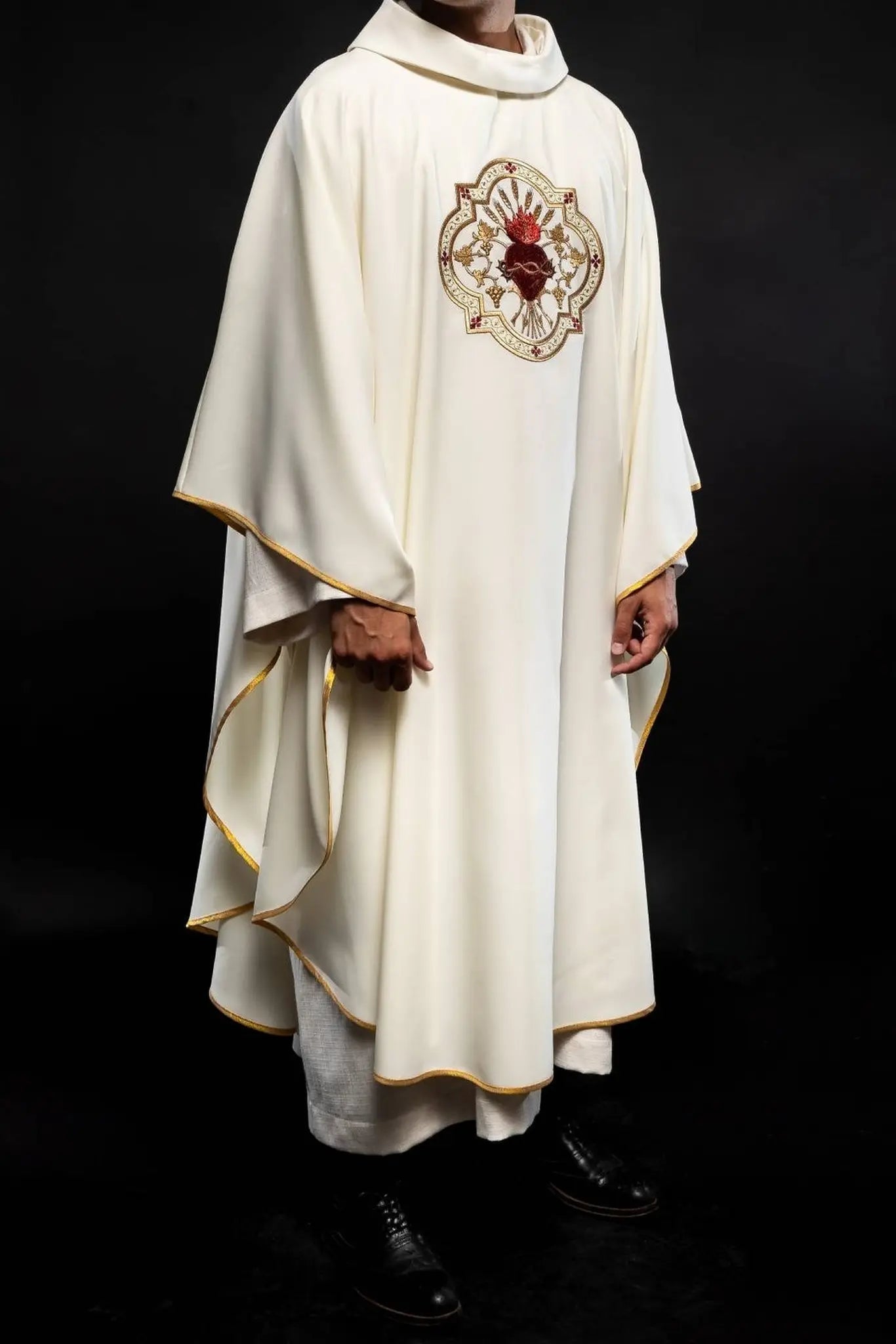
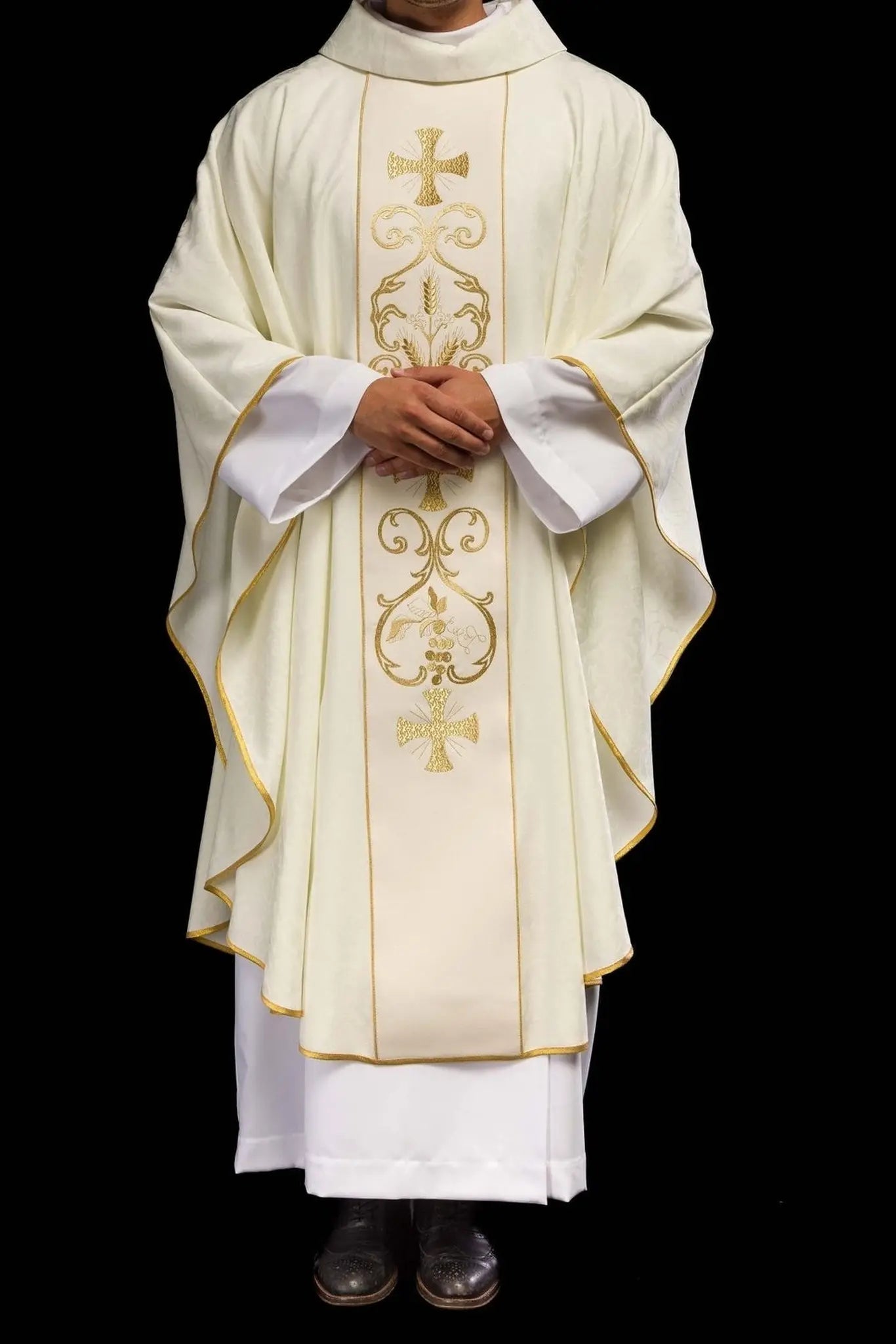
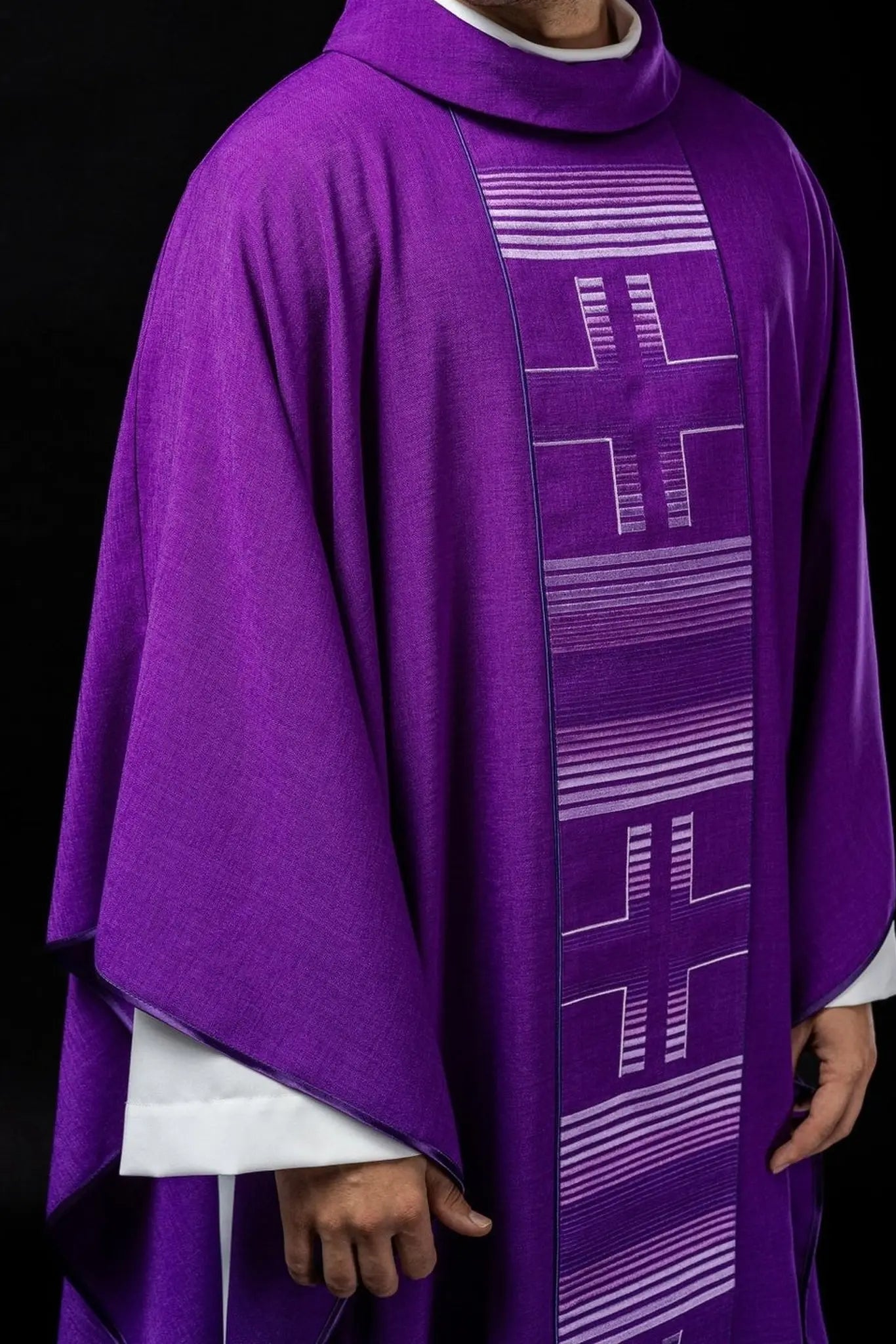
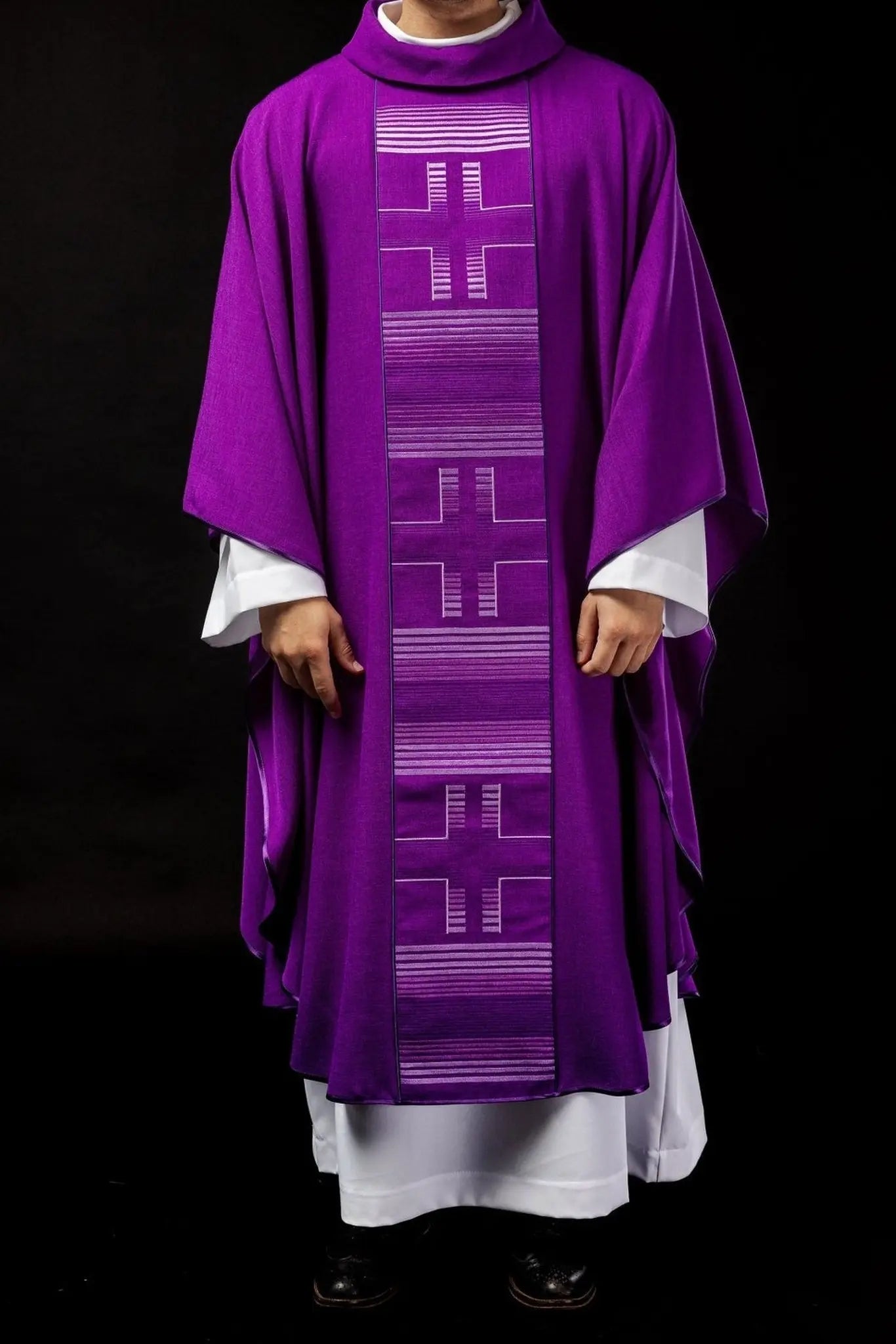
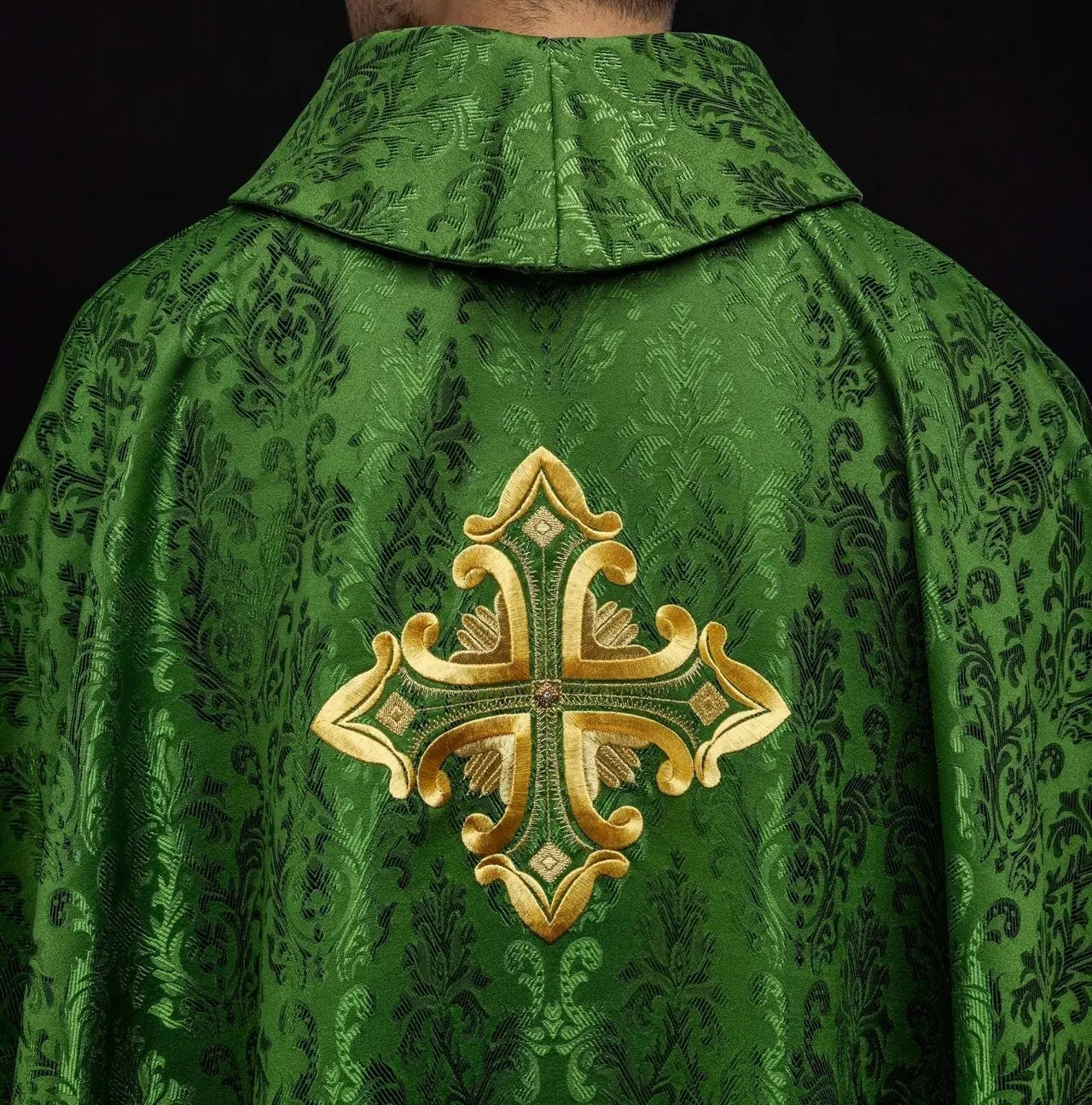
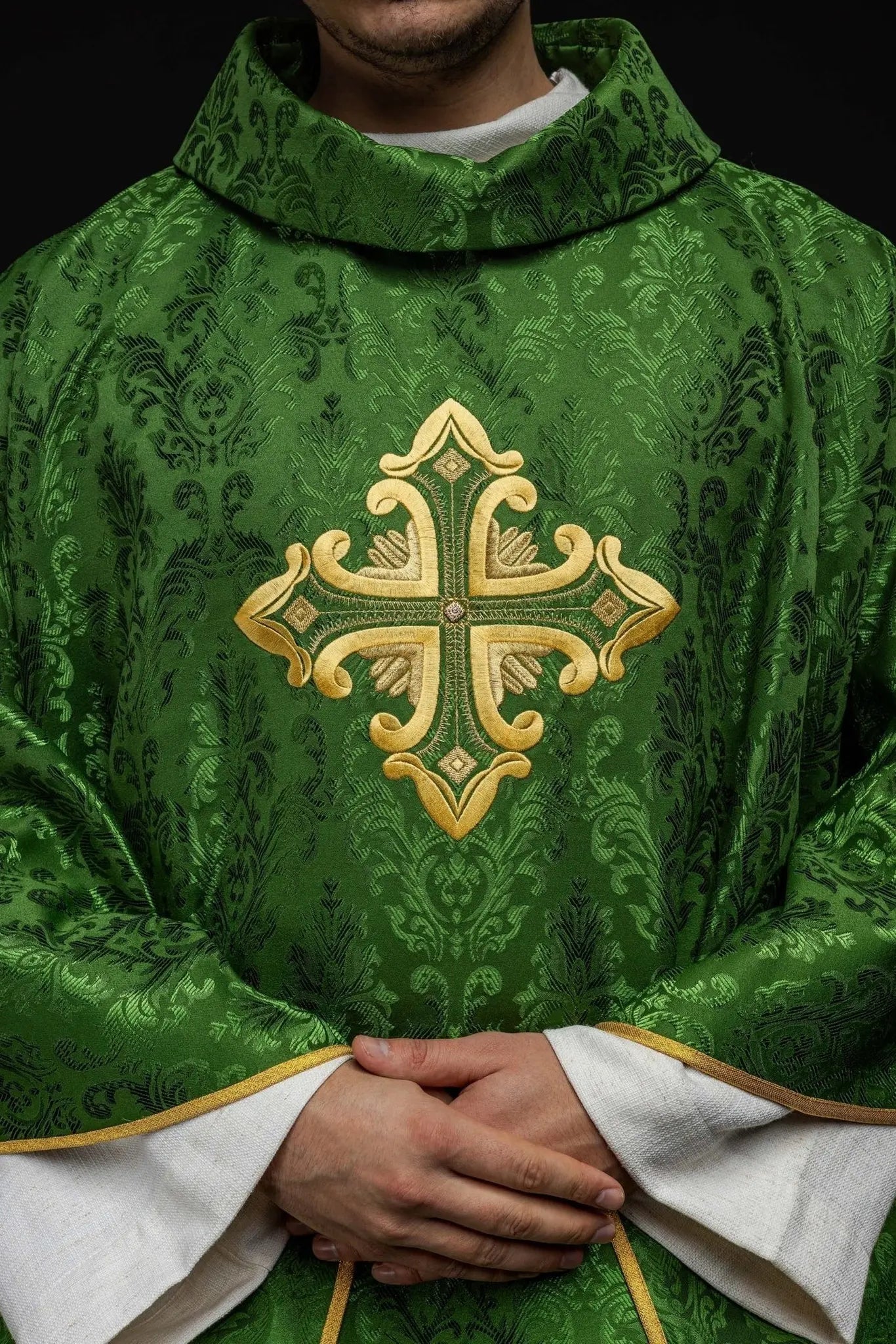
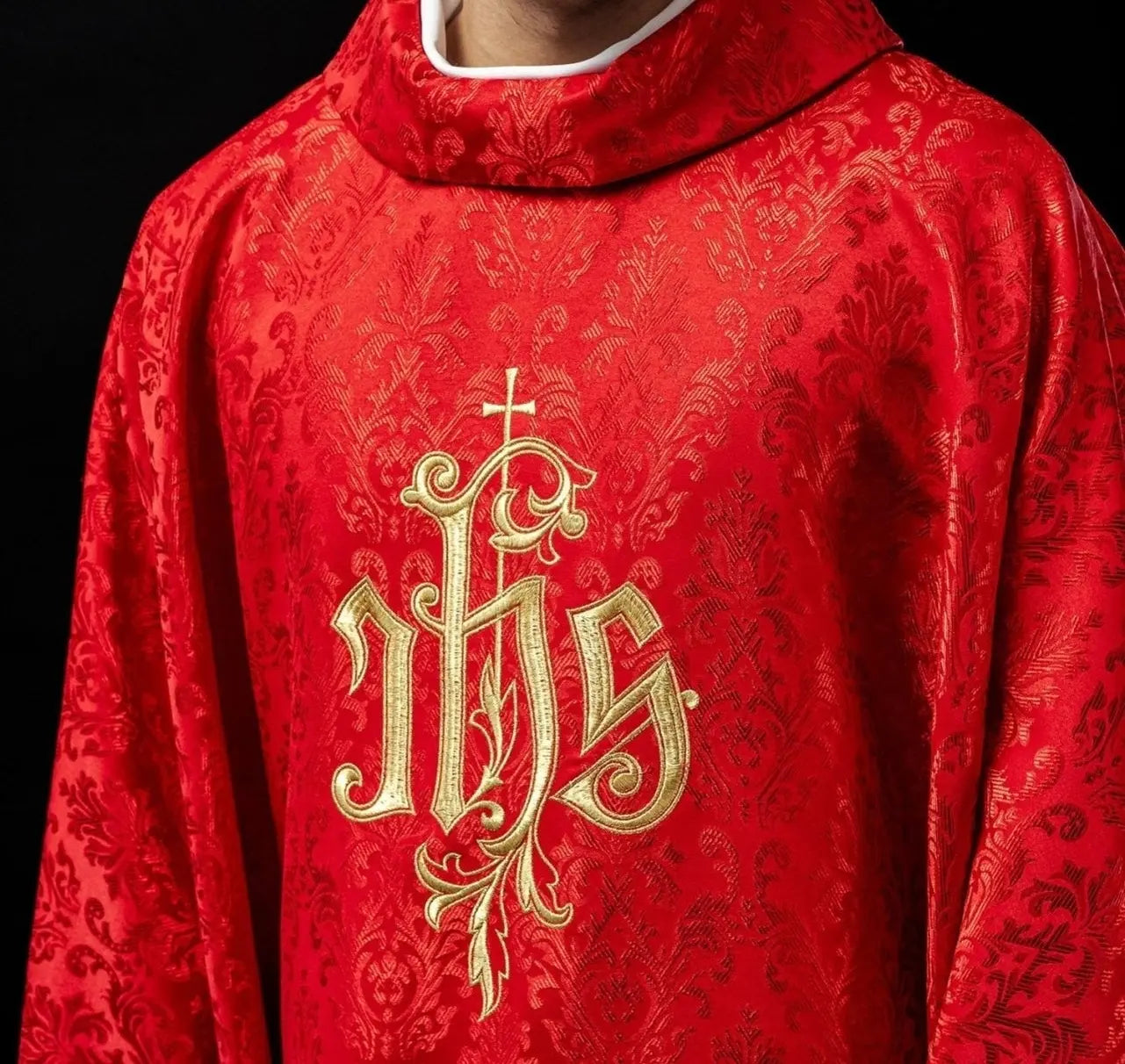
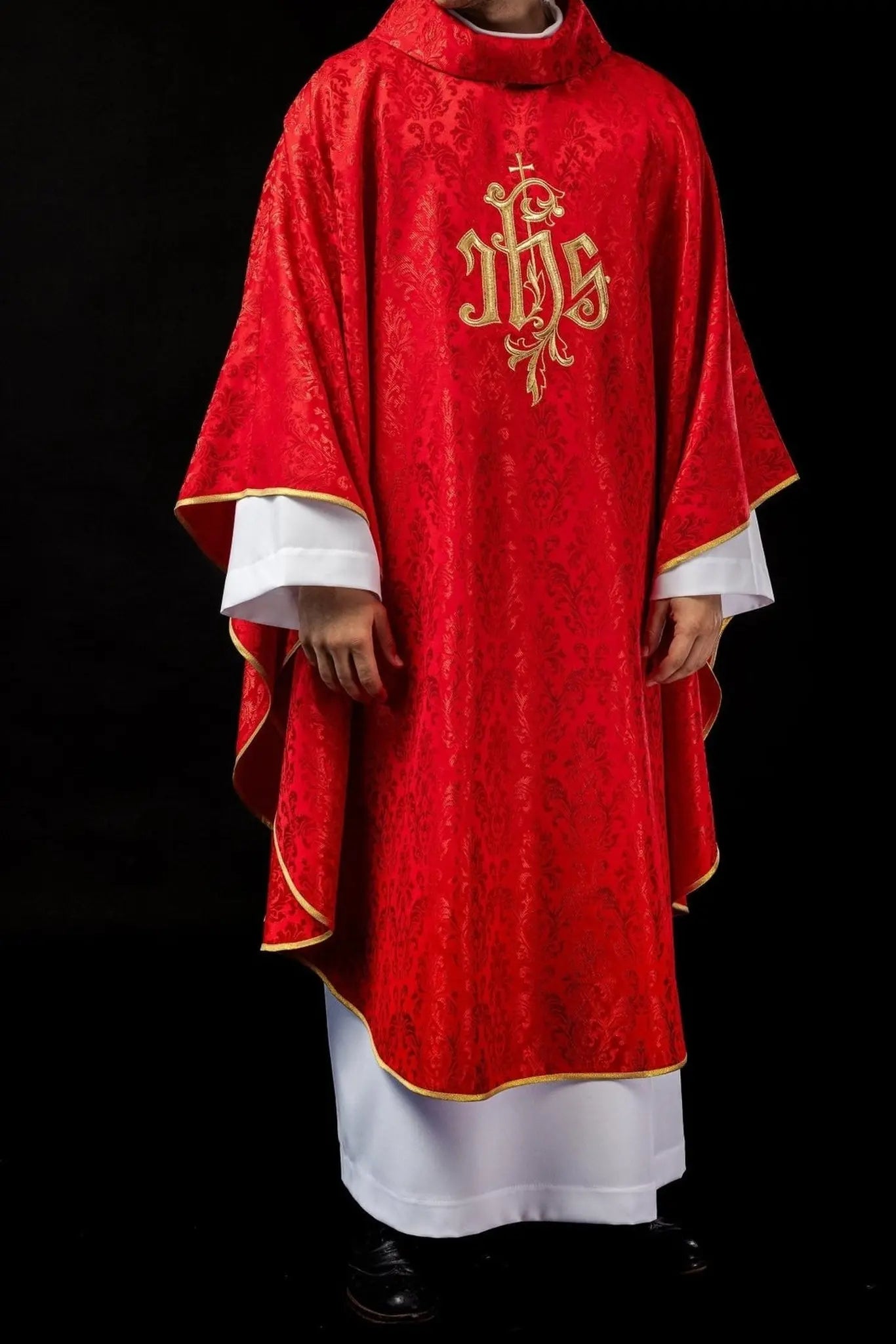
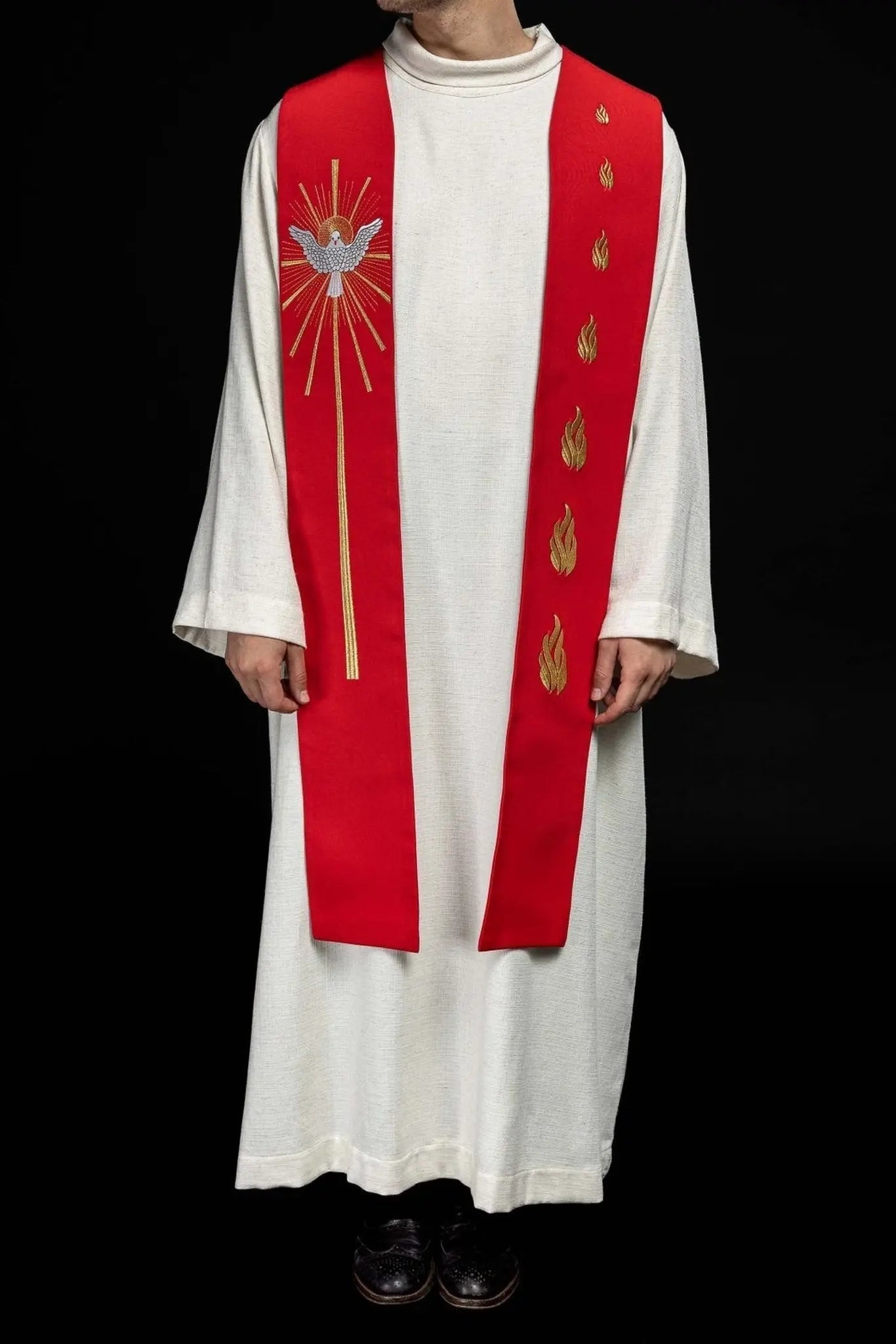
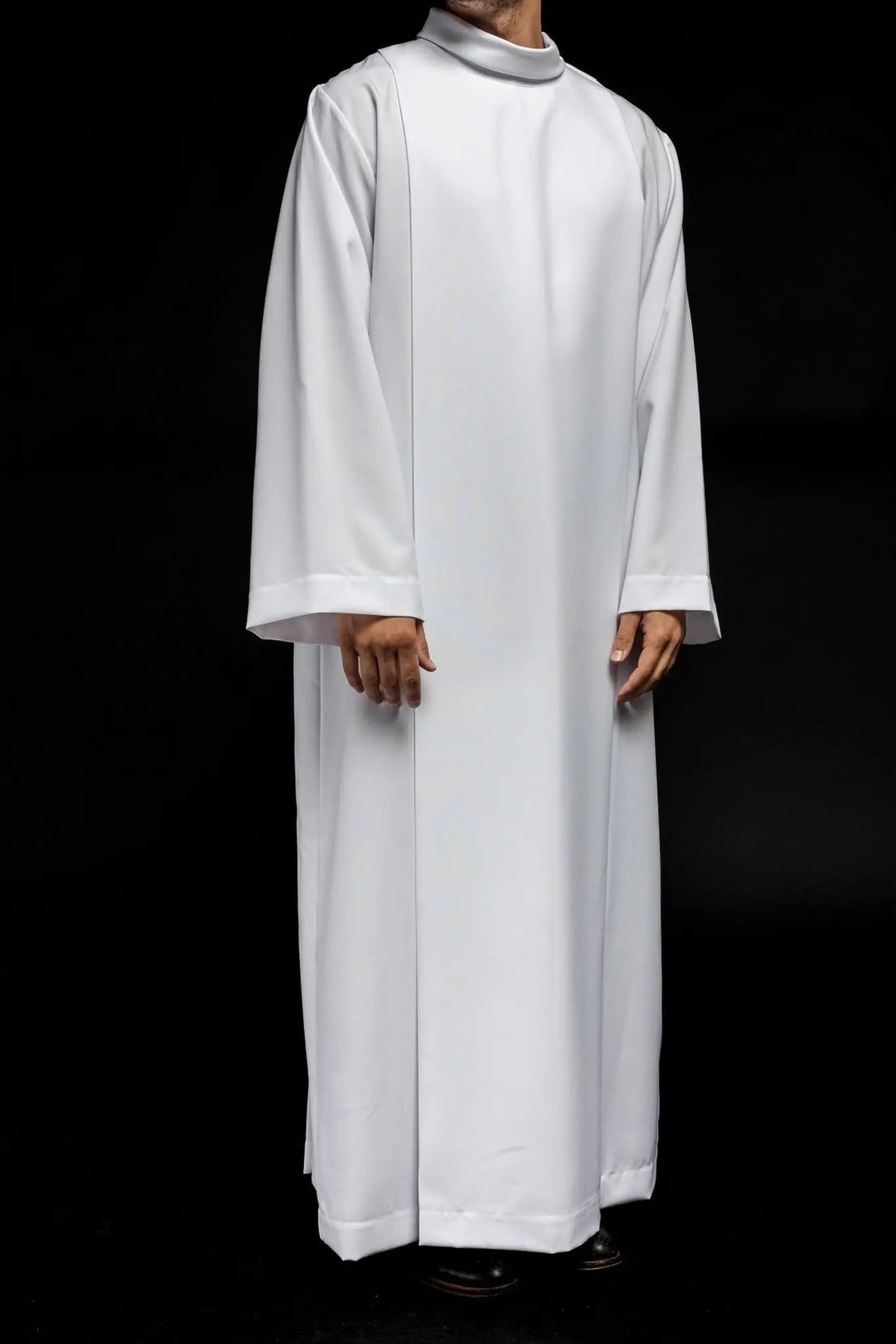
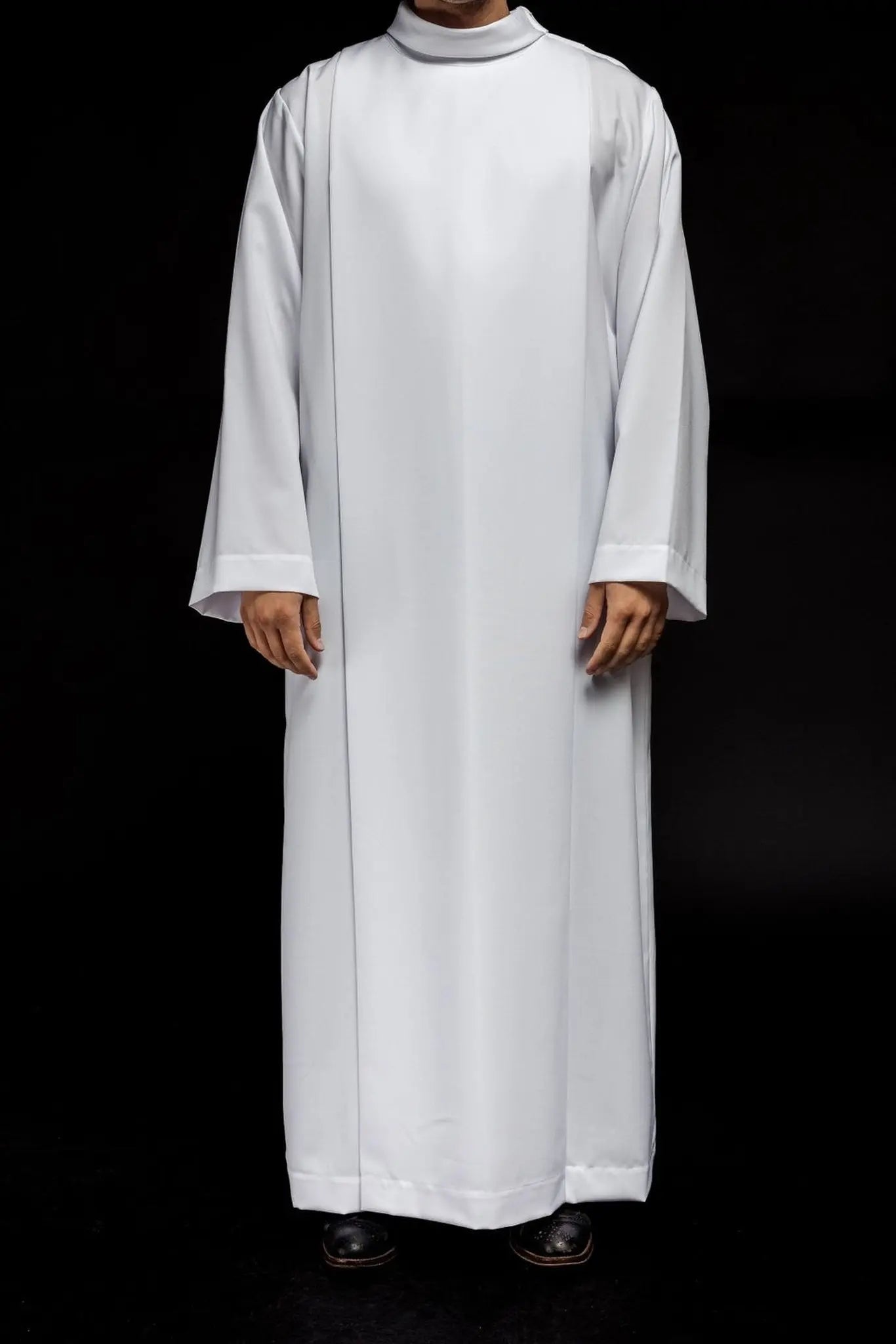
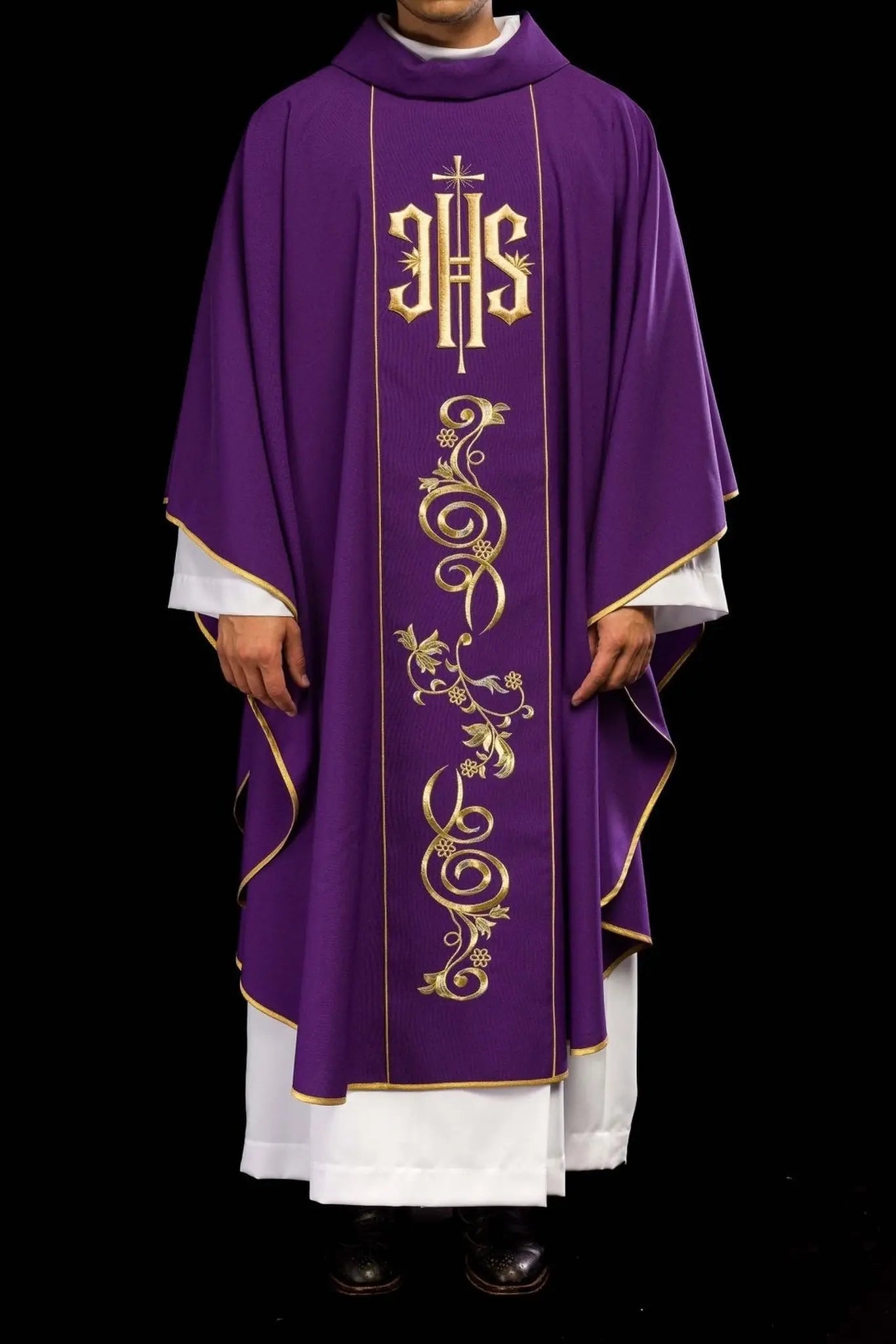
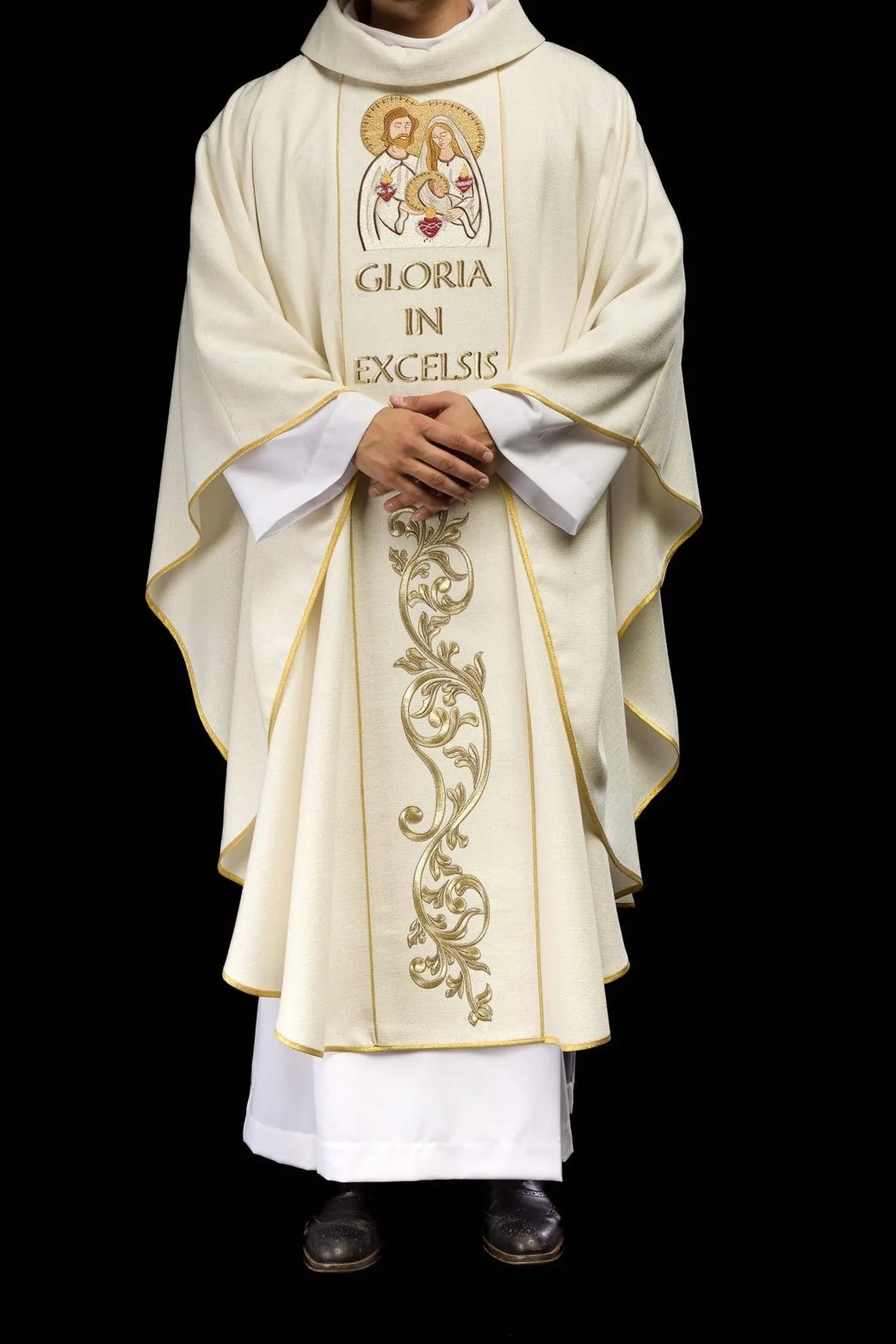
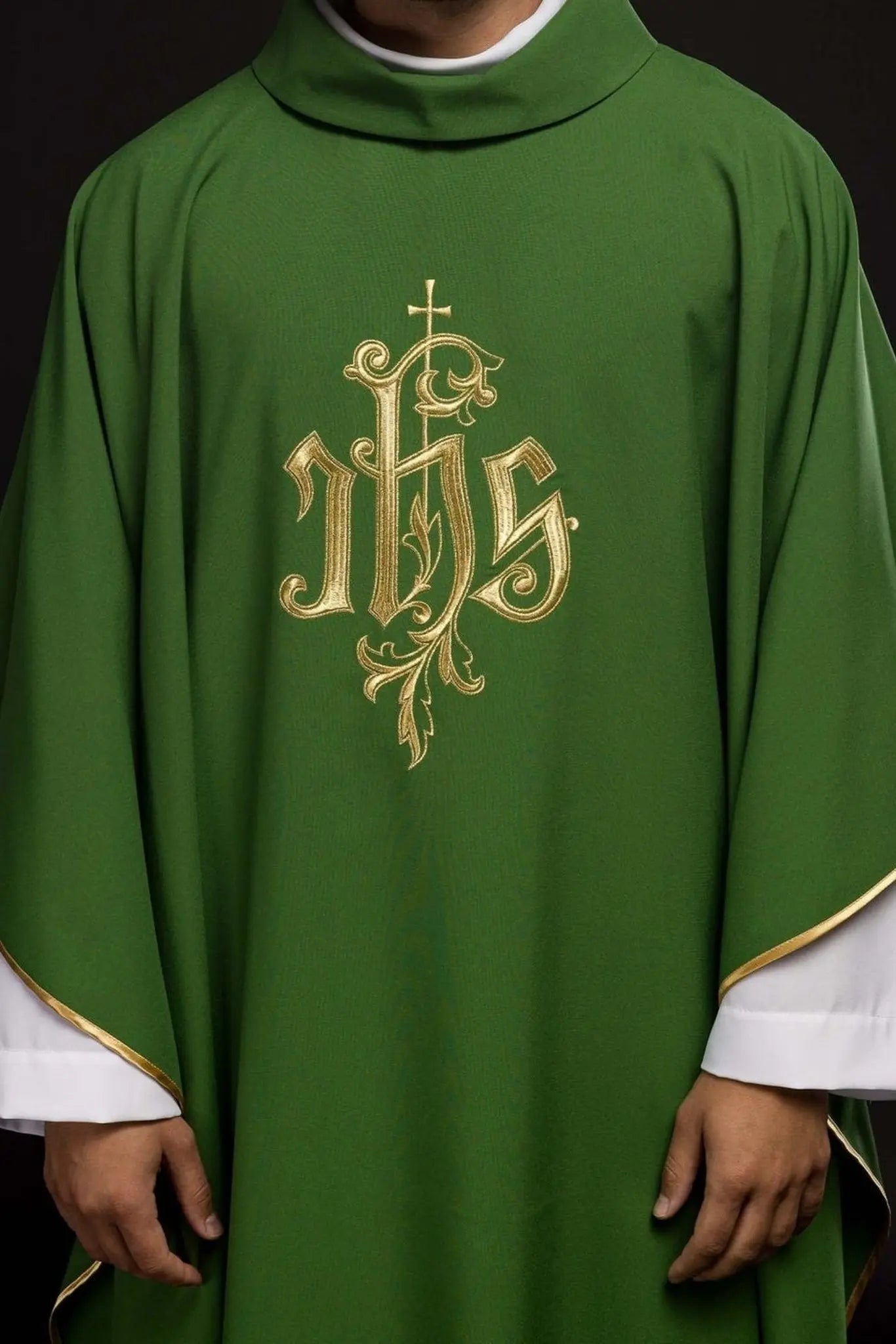
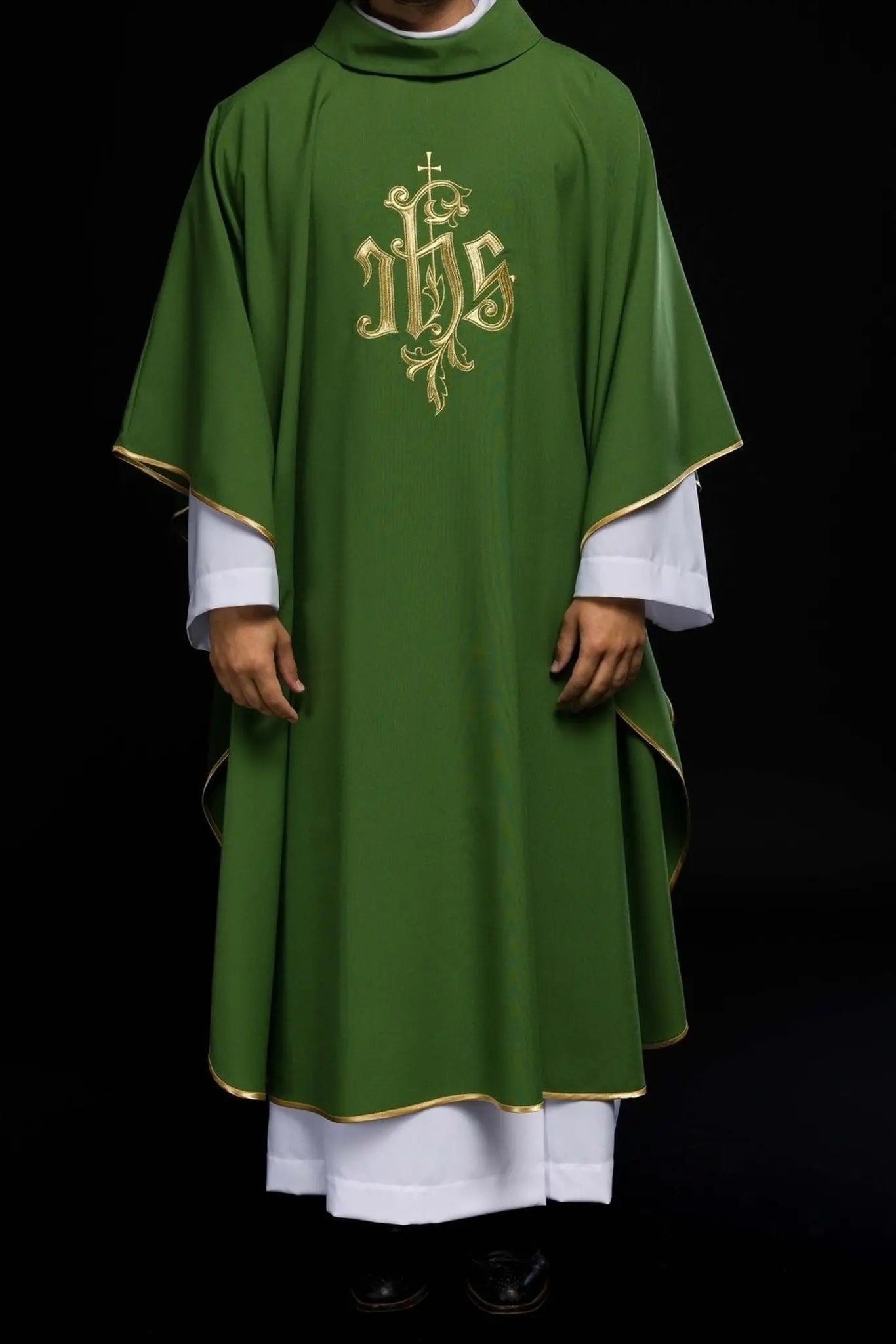
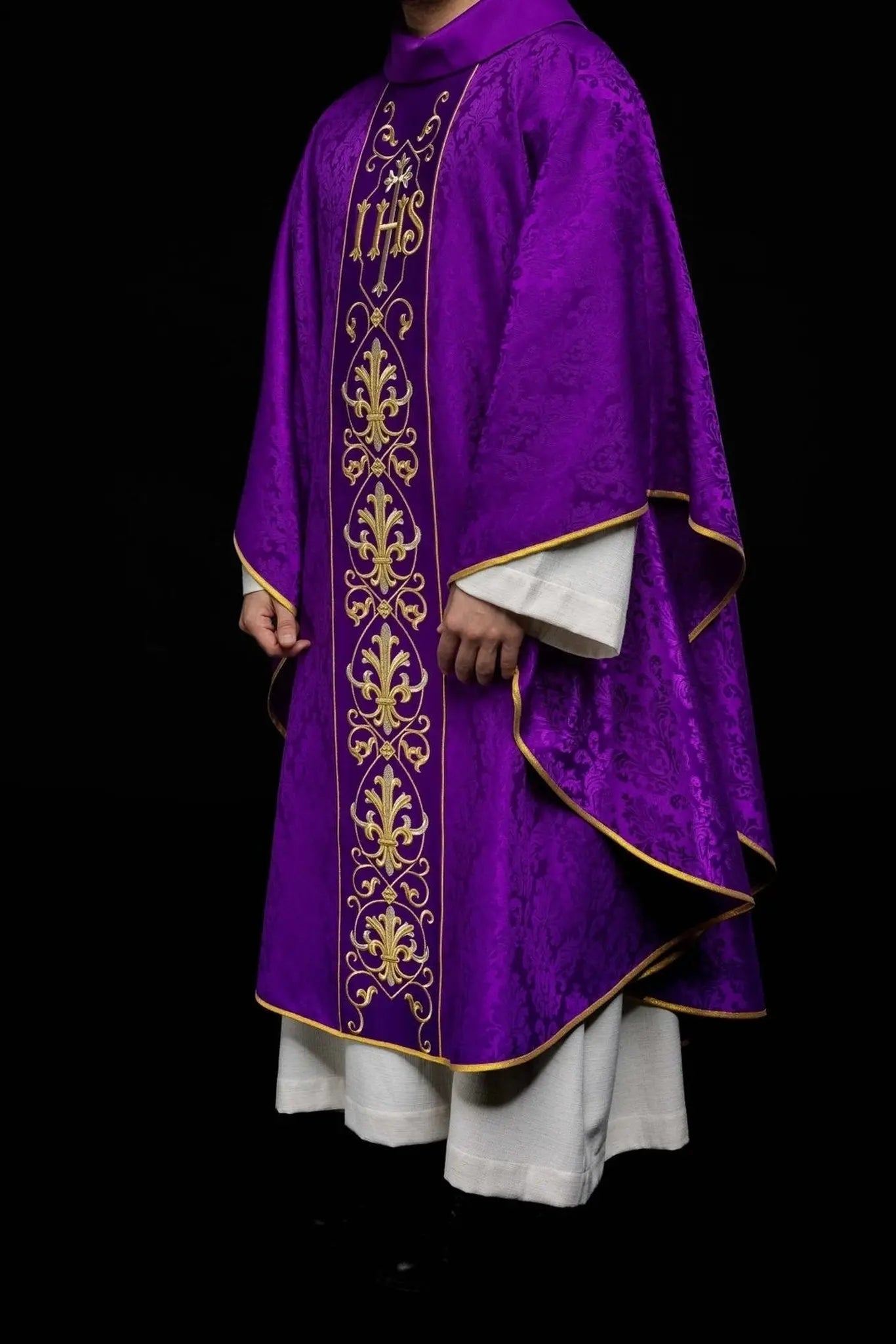
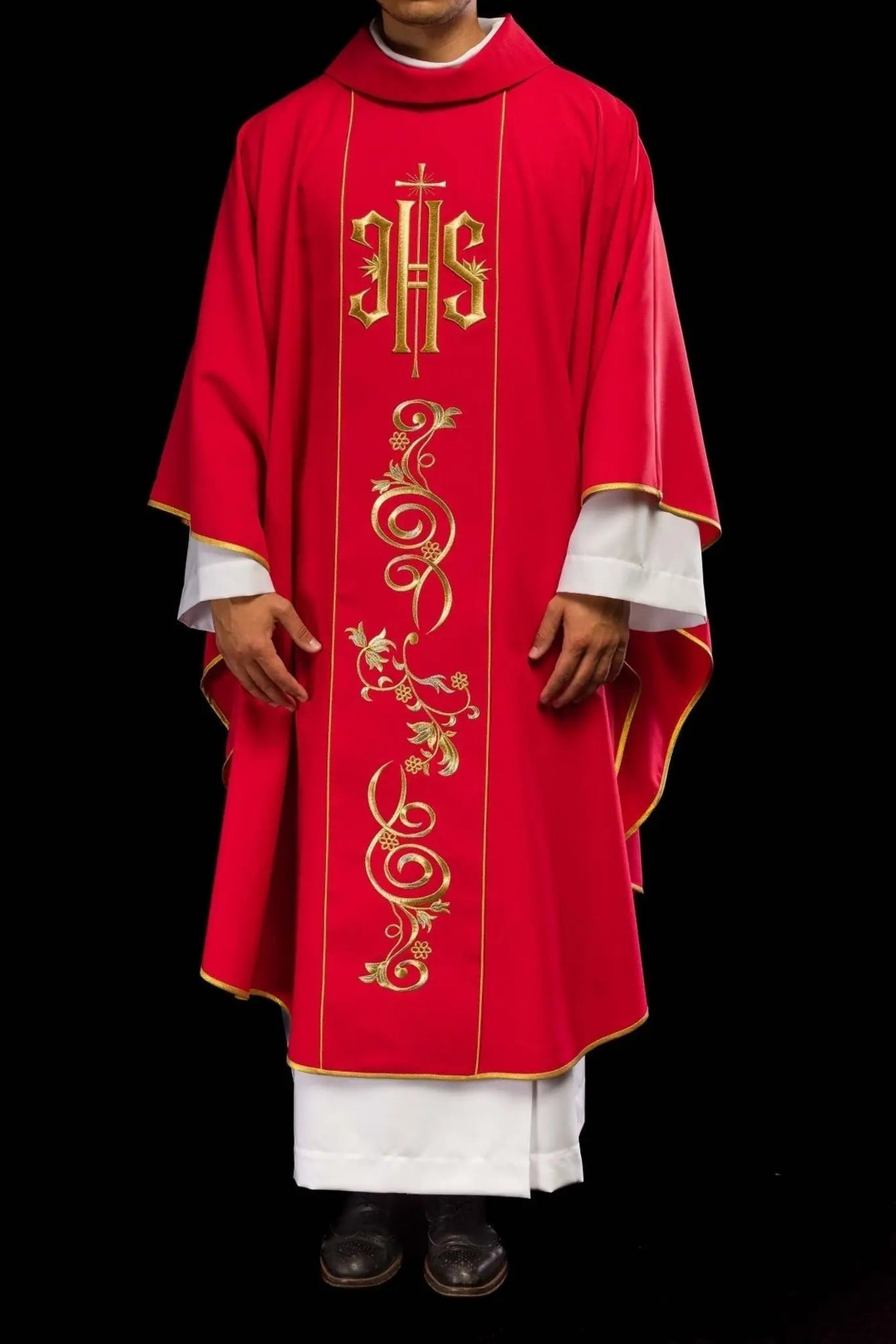
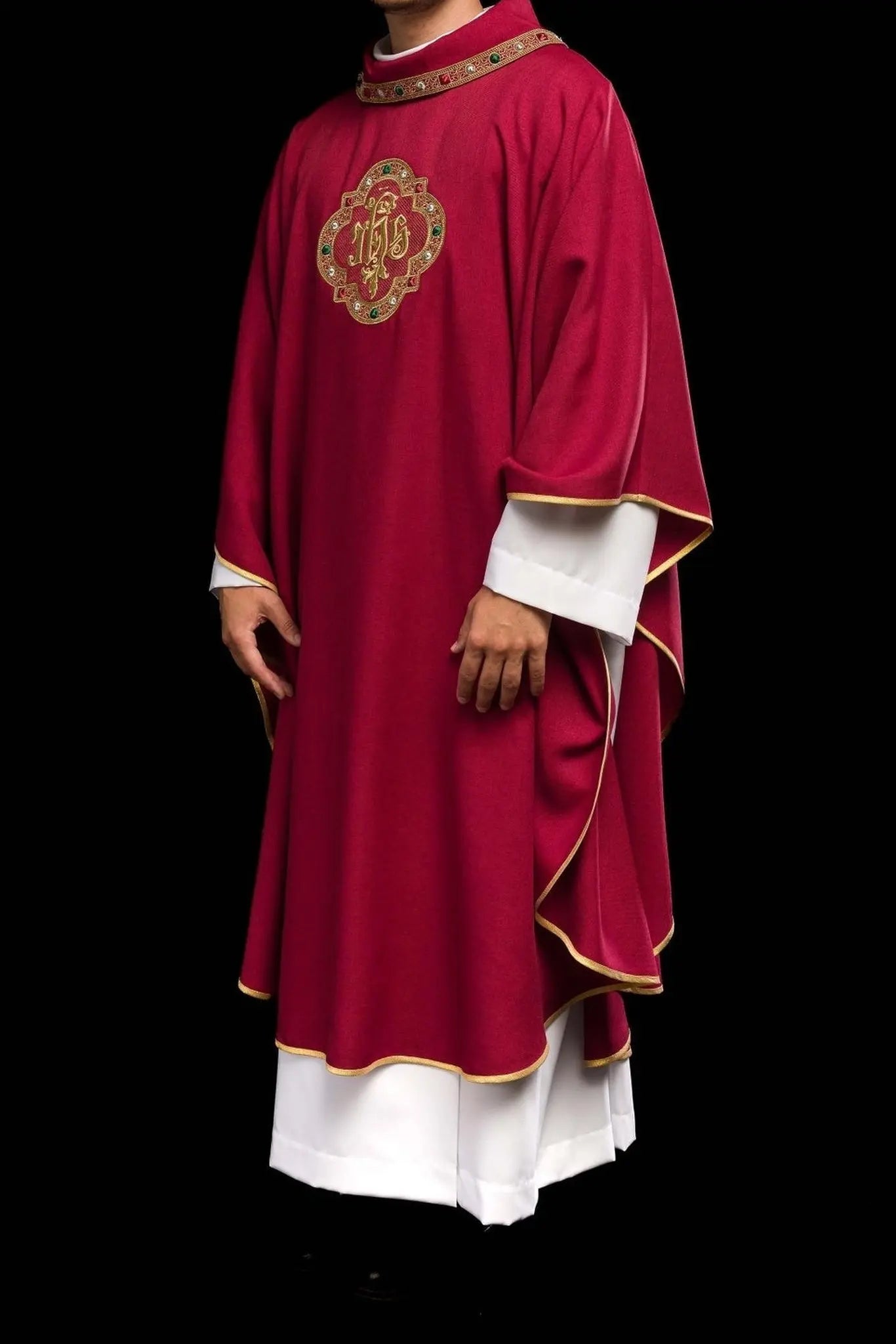
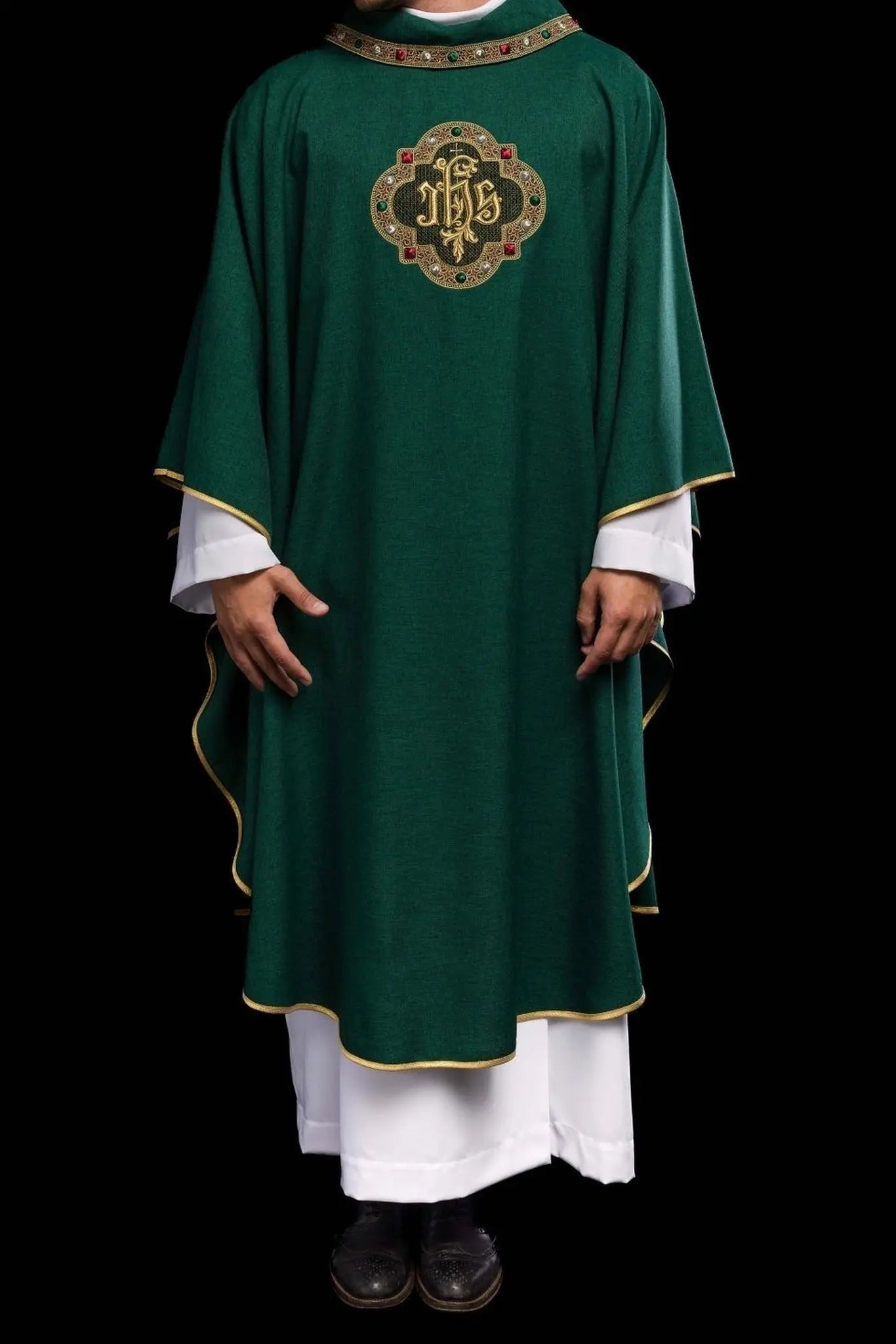
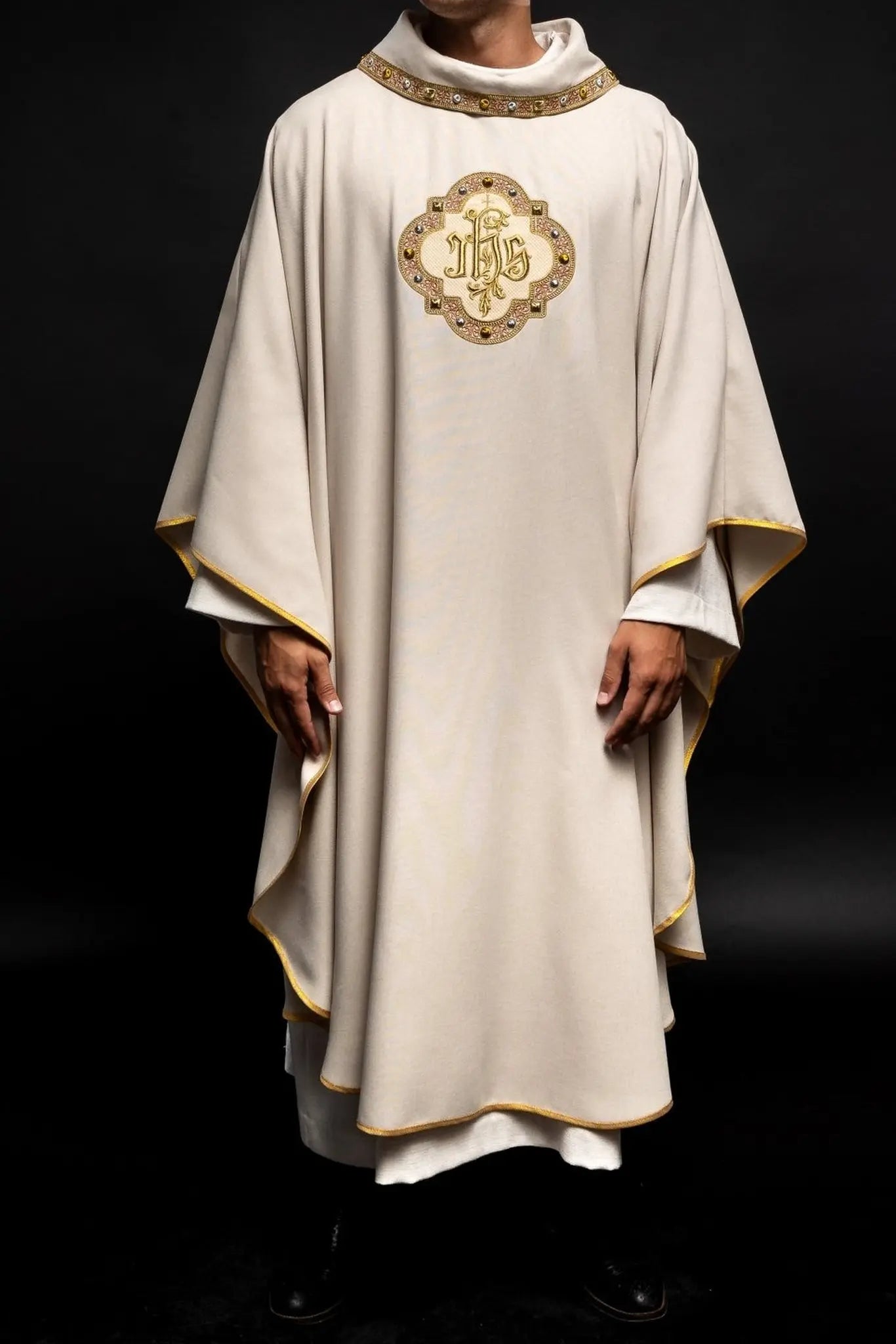
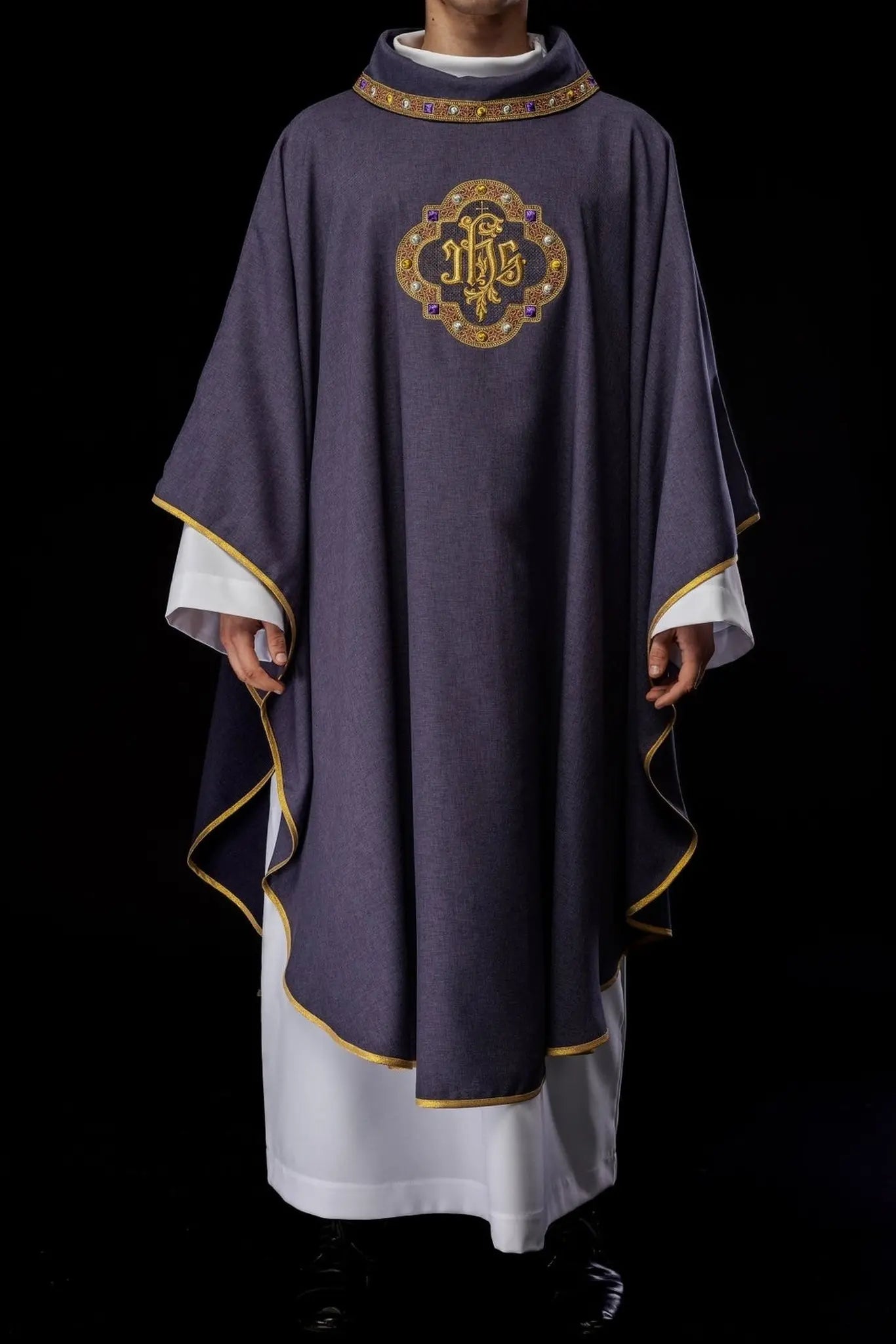
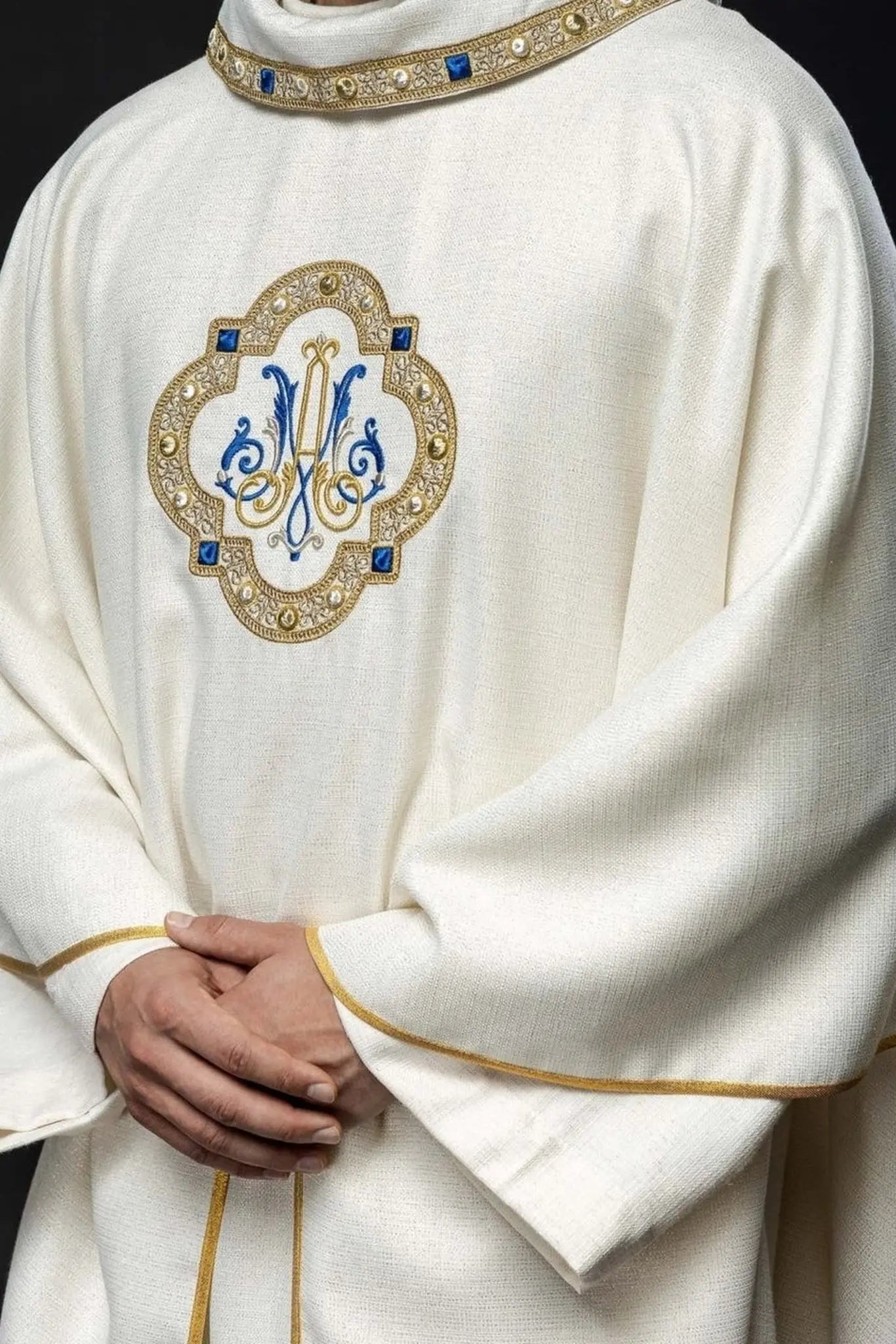
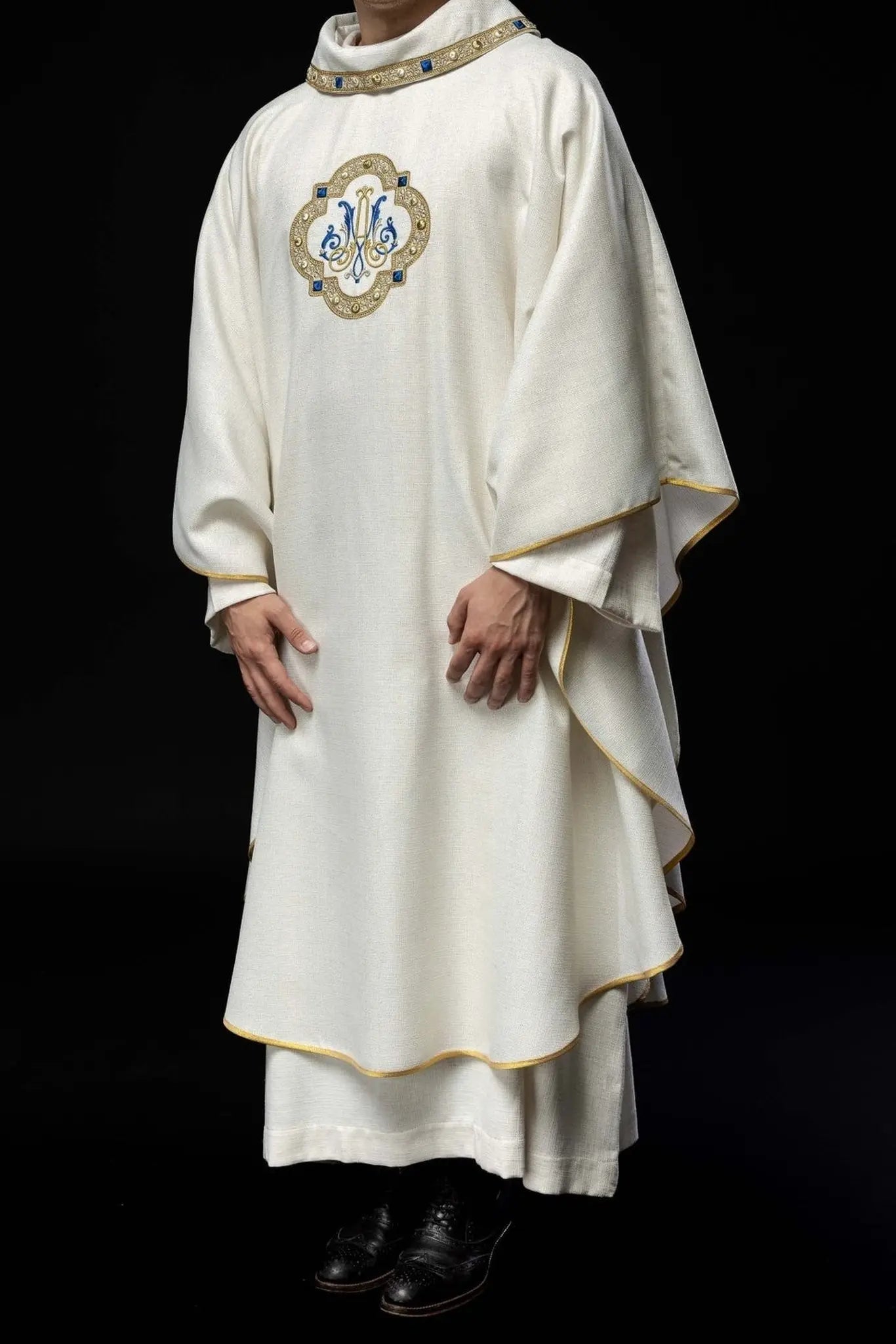
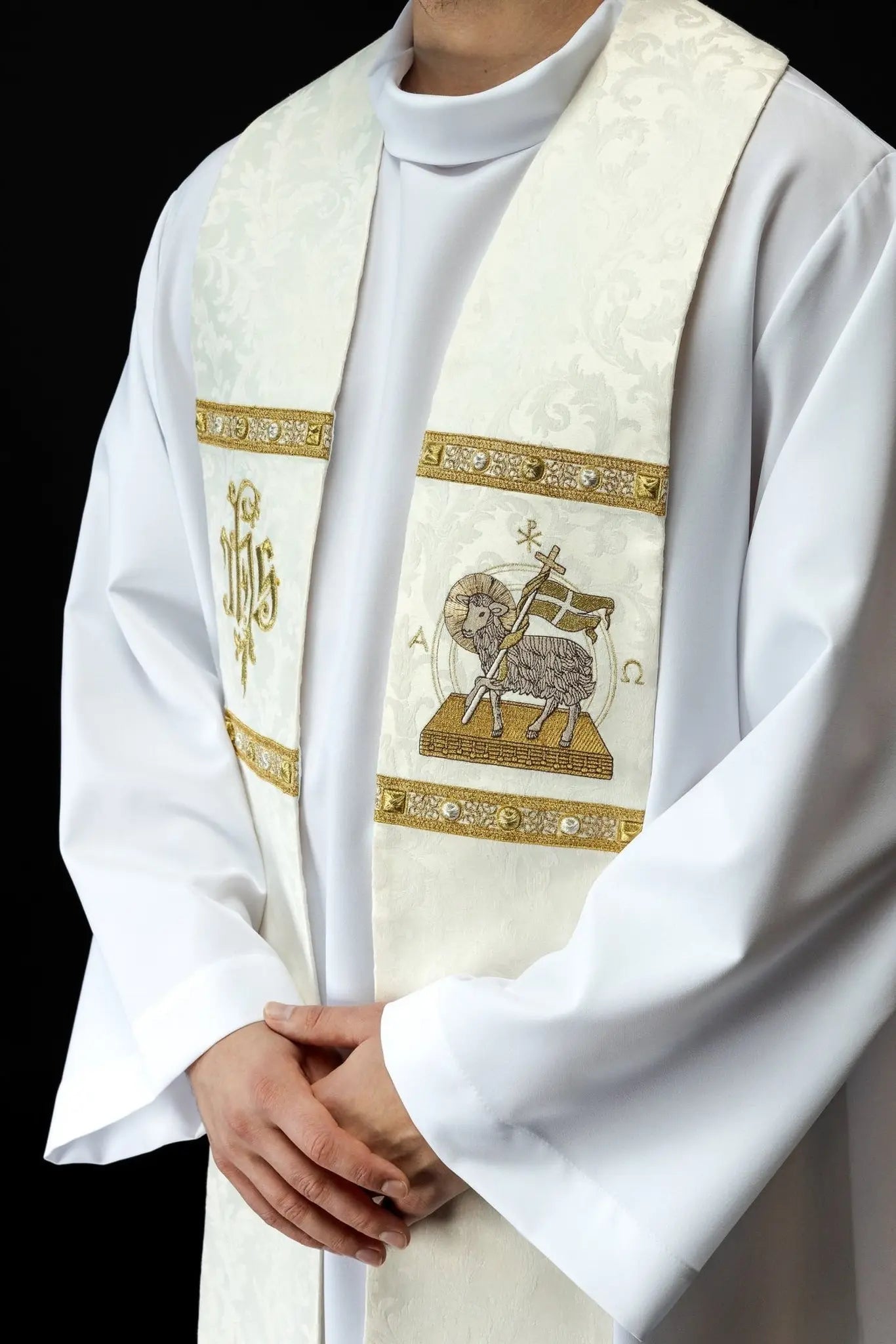
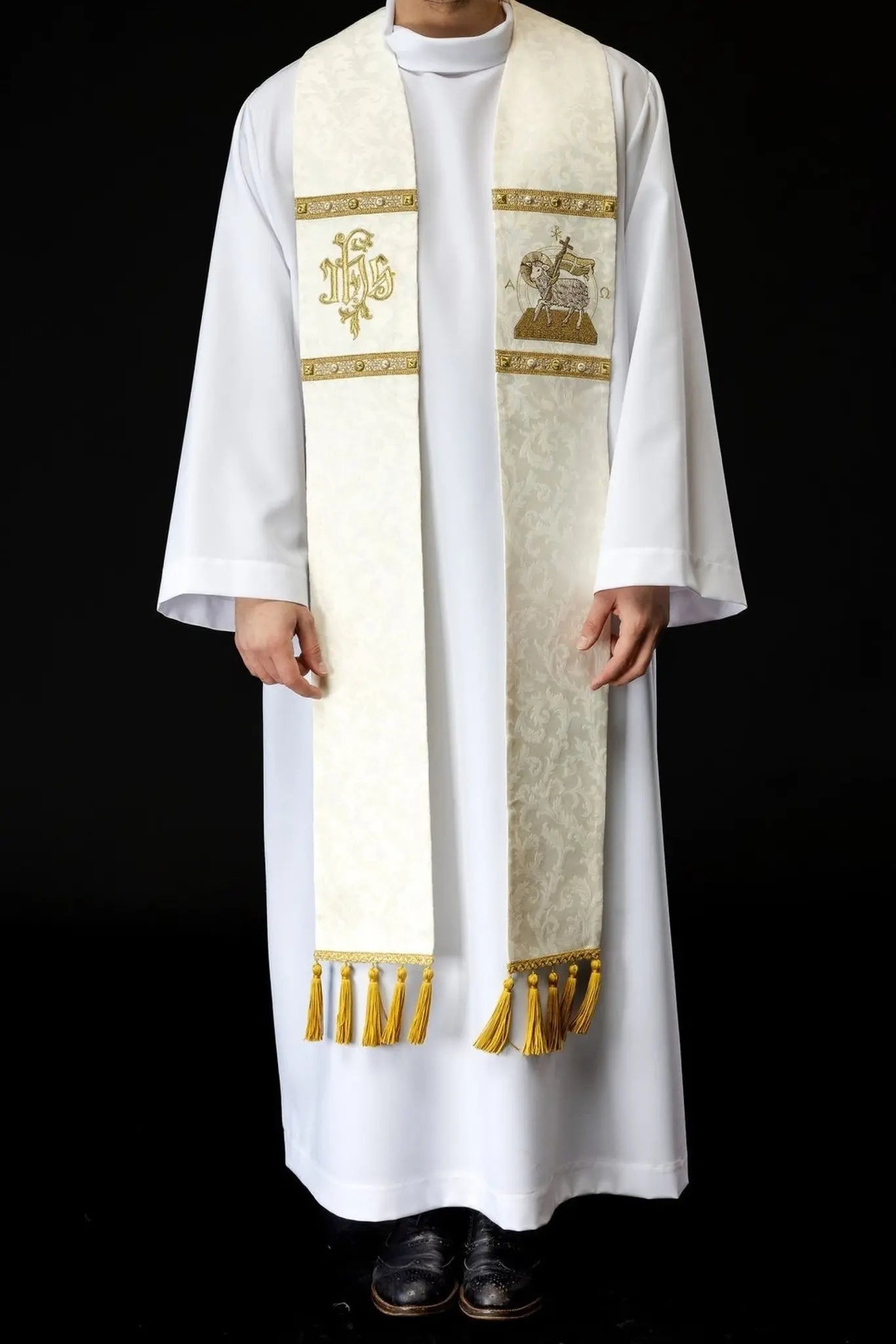
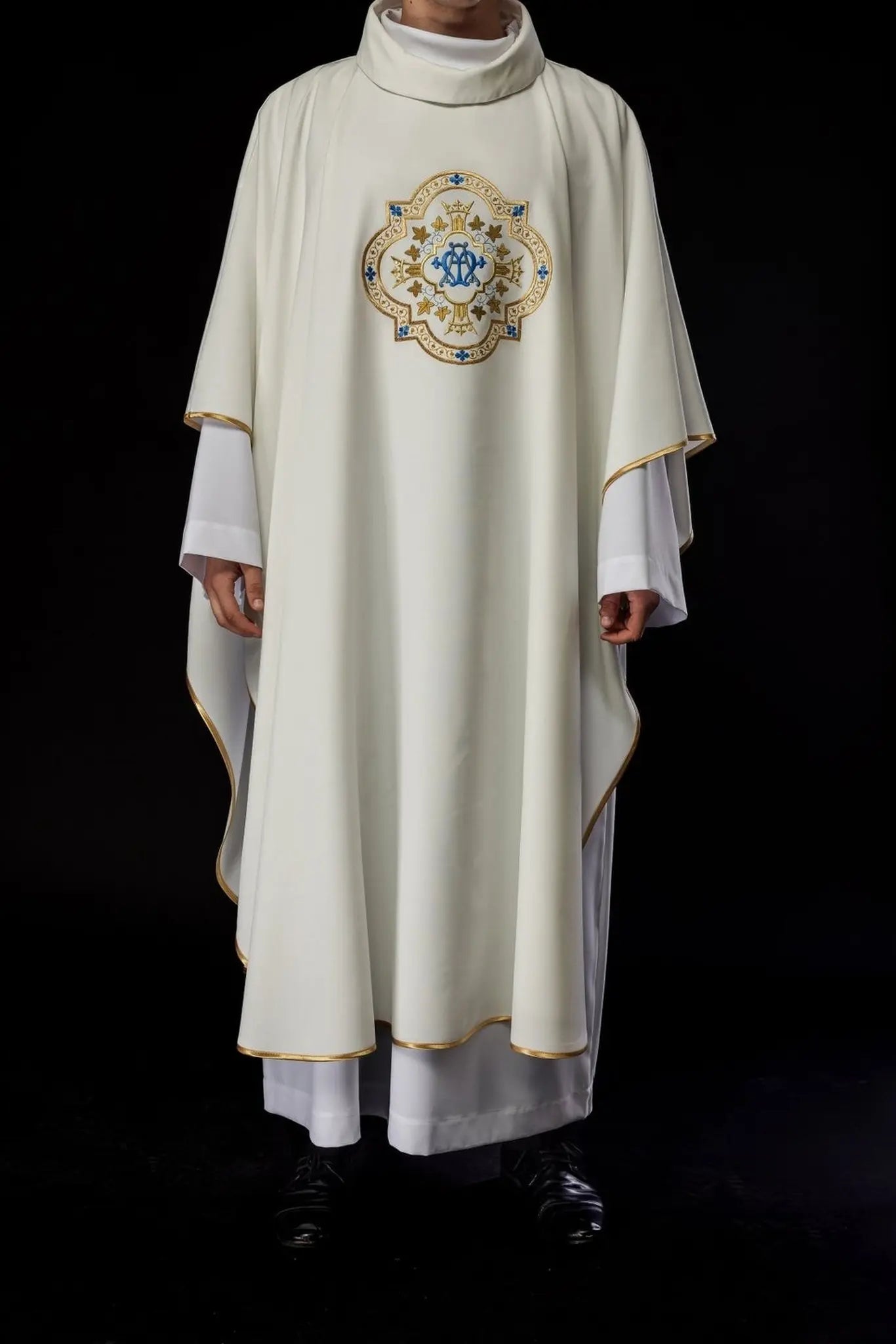
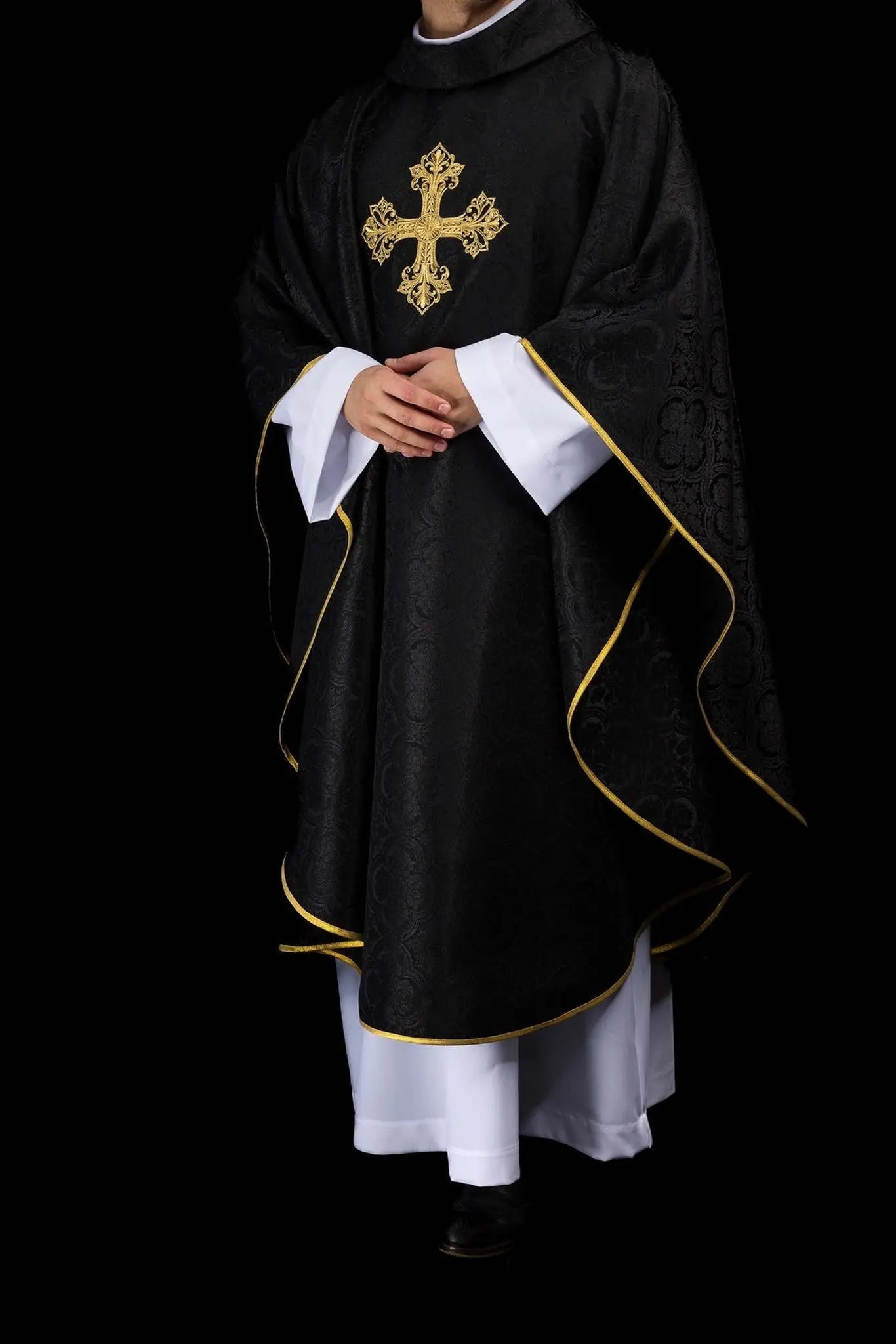
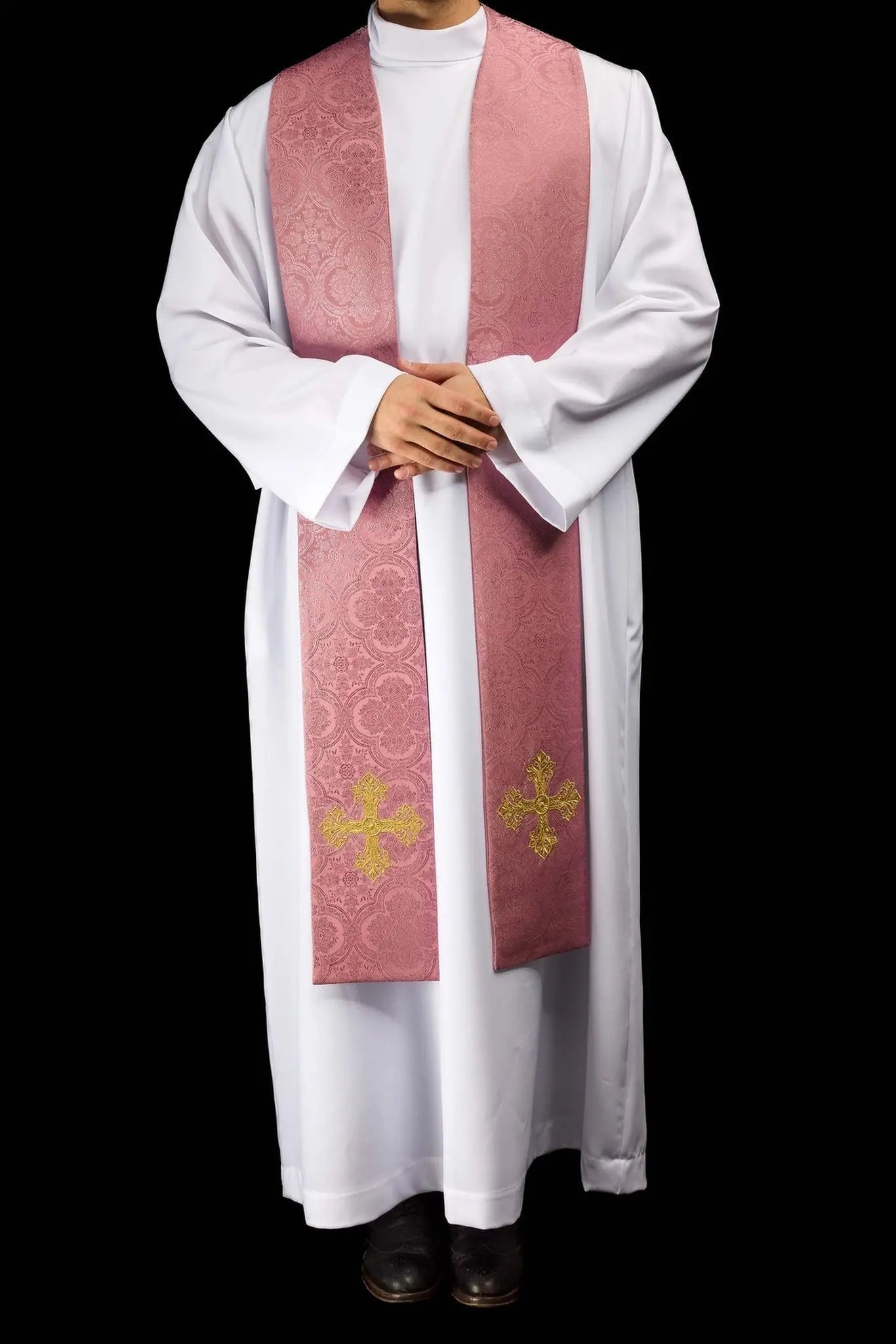
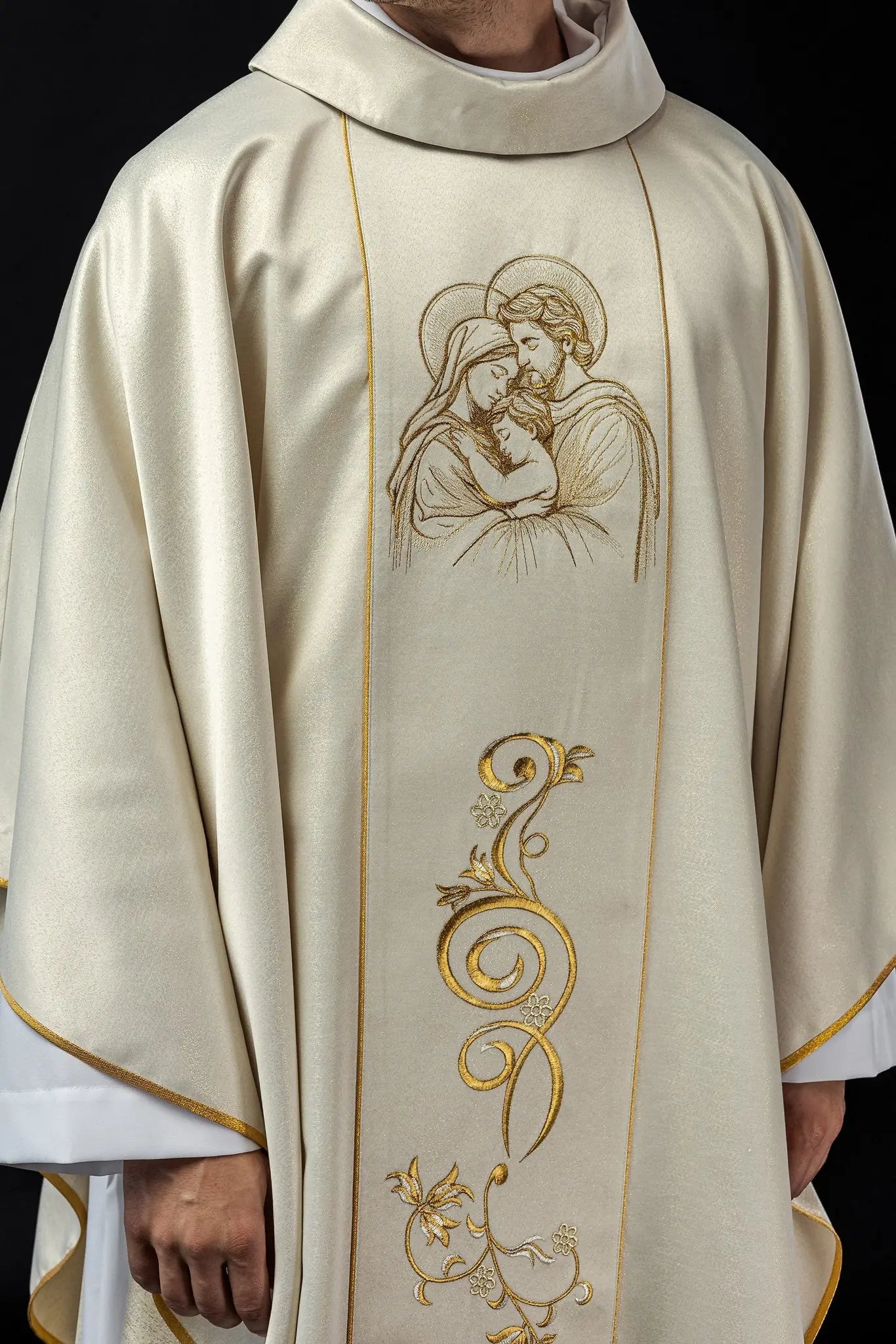
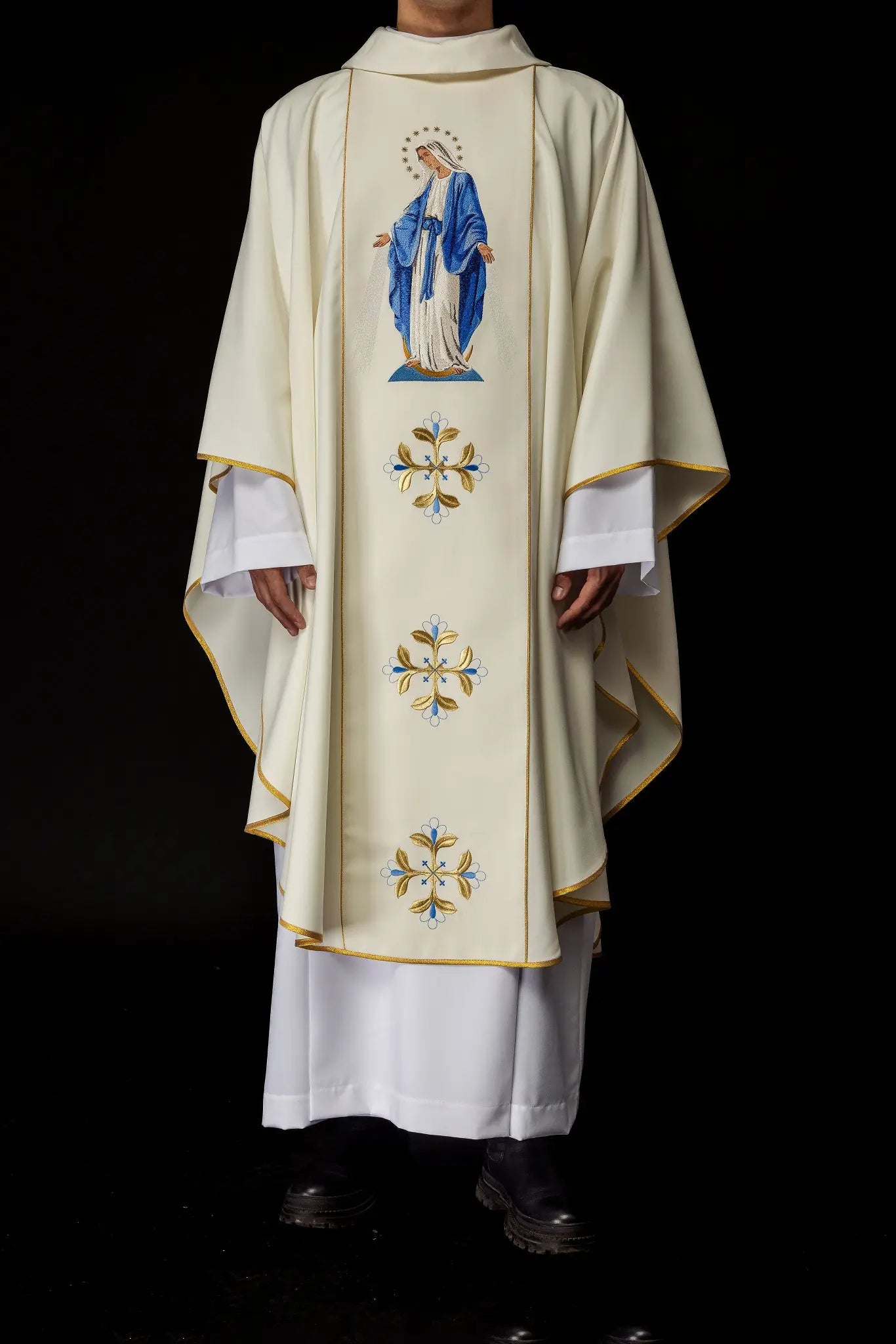
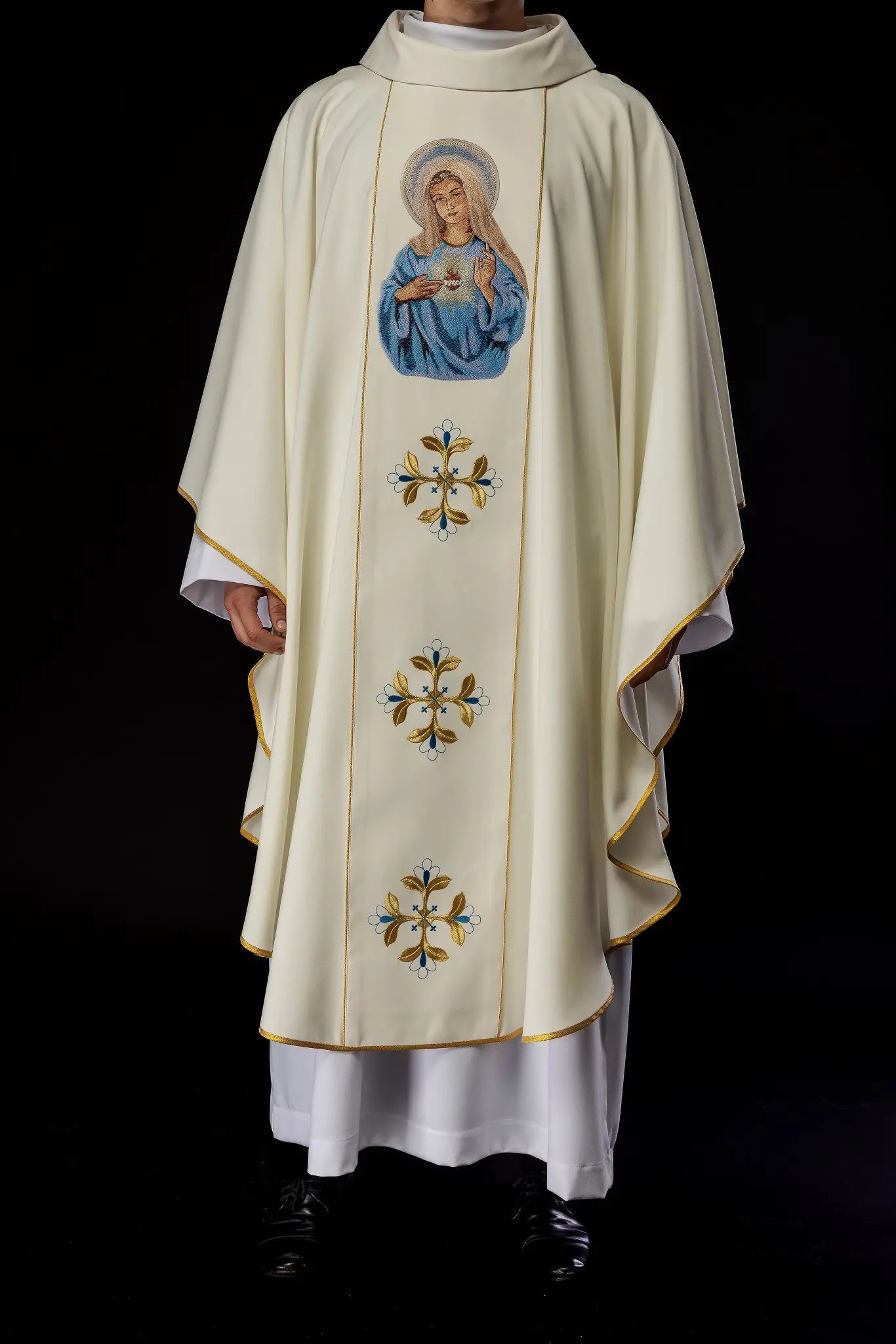
The collection includes several families of church vestments, each with its own purpose. The most central Eucharistic vestment is the chasuble, worn by priests and bishops when they celebrate Mass. The stole, worn according to the rank of the minister, is a sign of ordained ministry and is used at Mass, for sacraments, blessings, visits to the sick, and many pastoral services. The alb is the white garment that recalls baptismal dignity and may be worn by ordained ministers, instituted ministers, altar servers, and others serving in the liturgy.
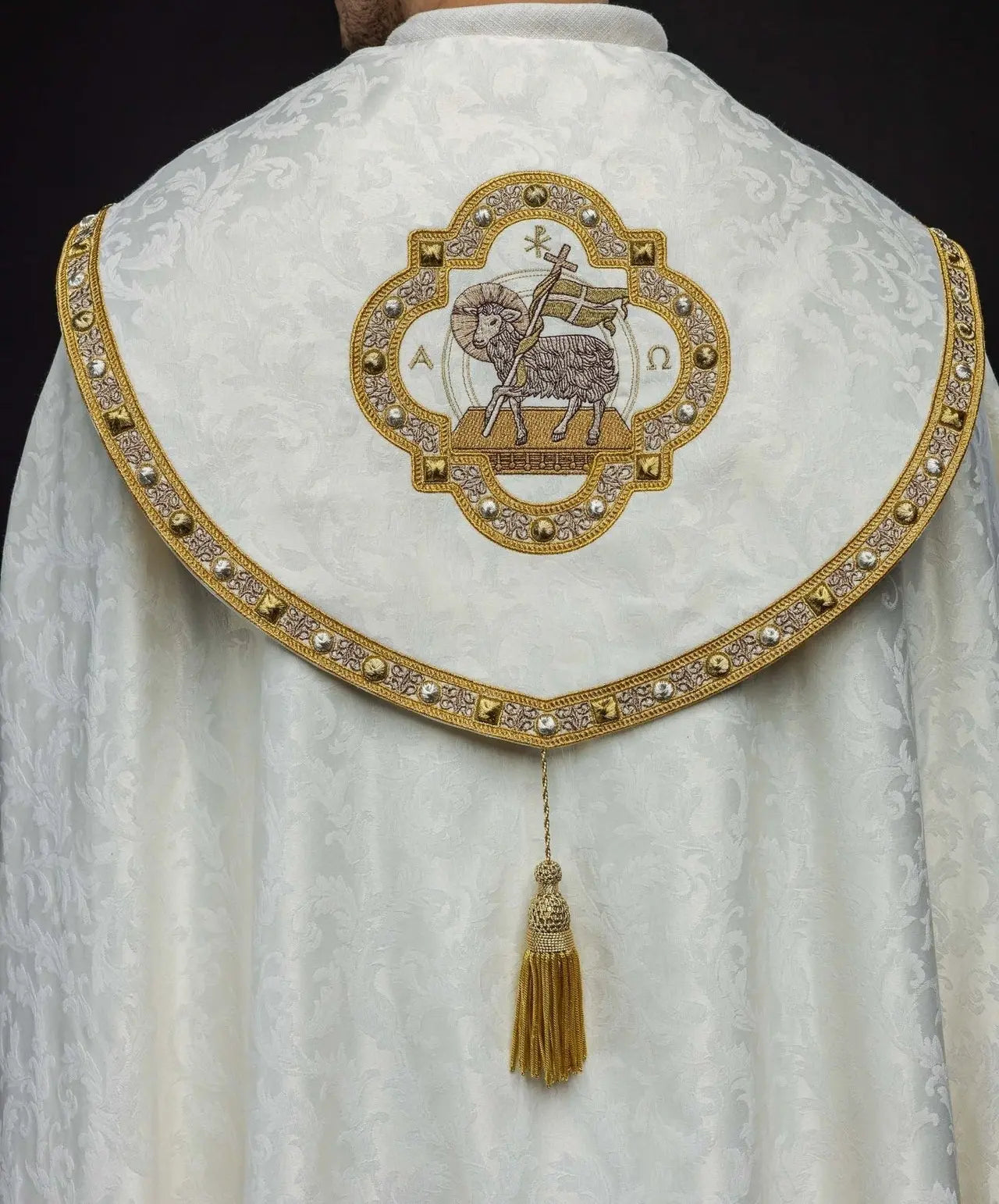
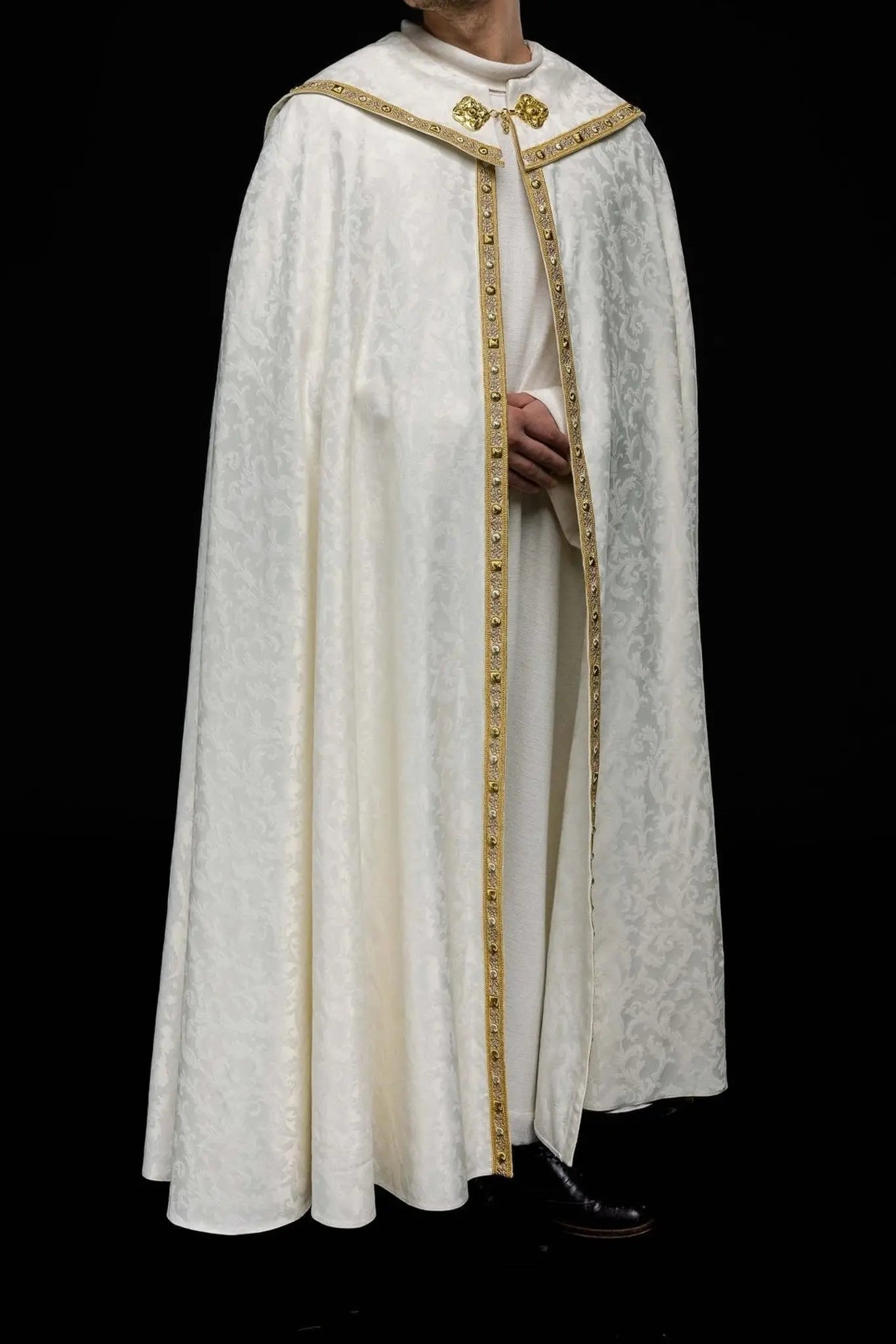
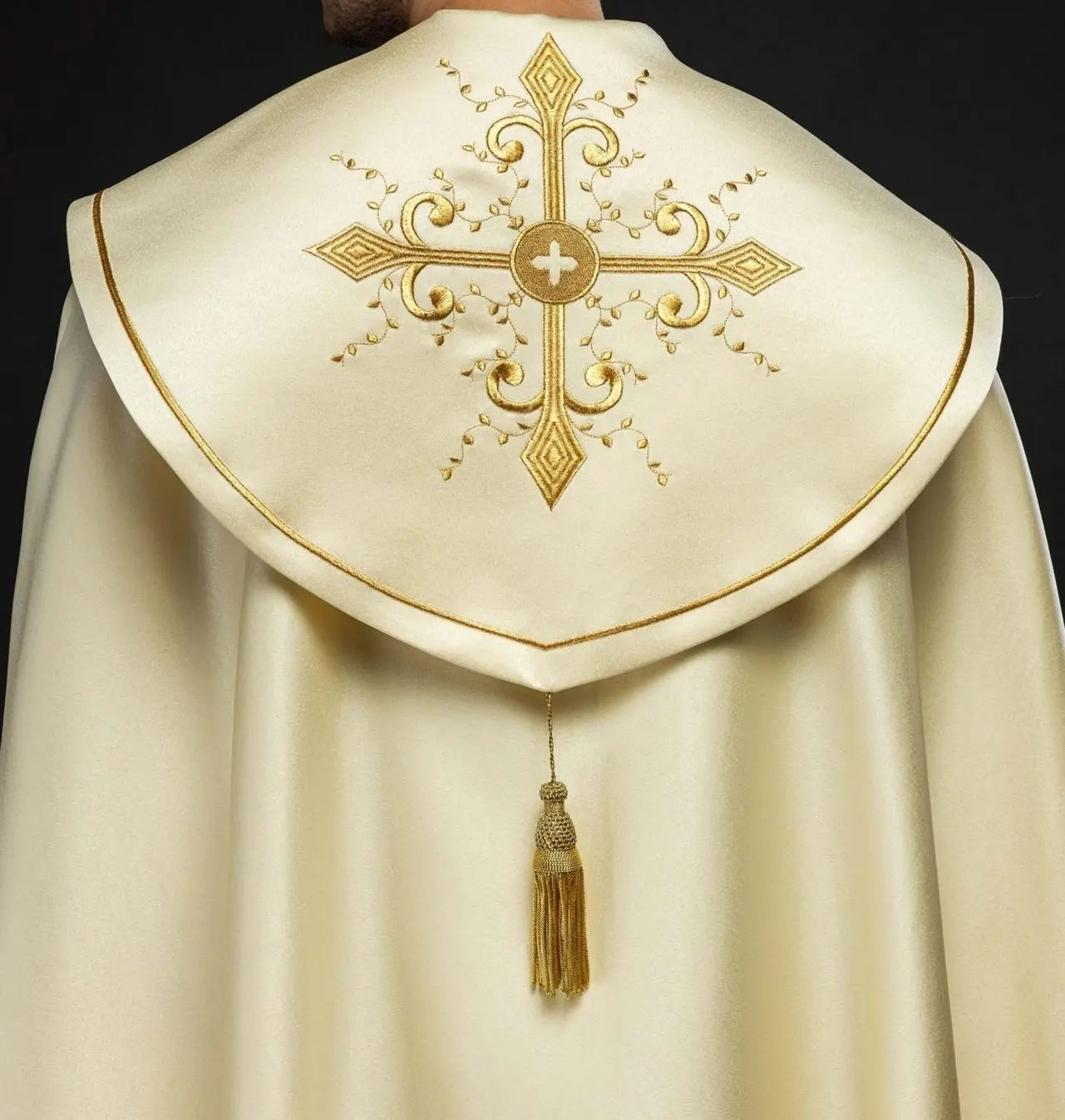
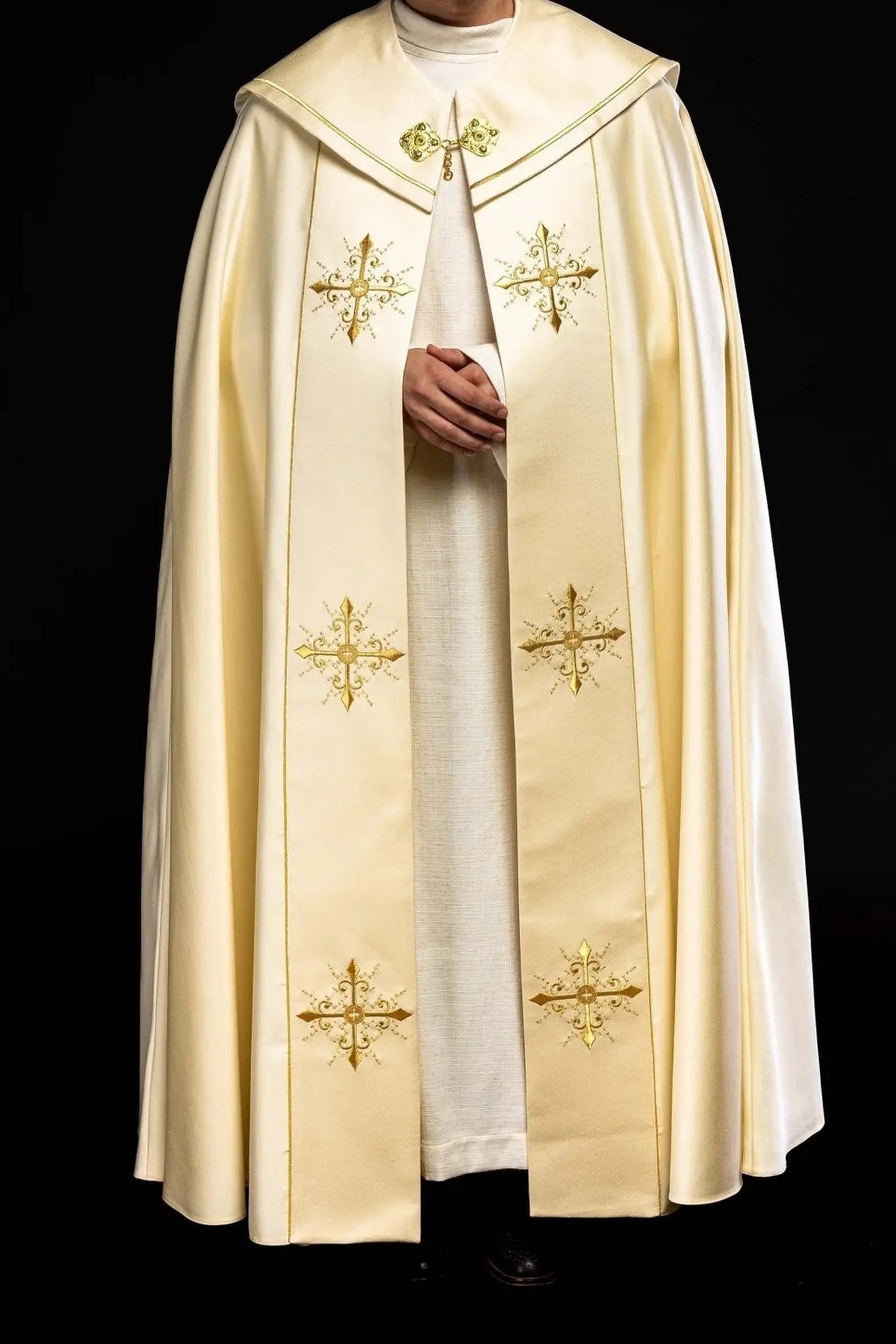
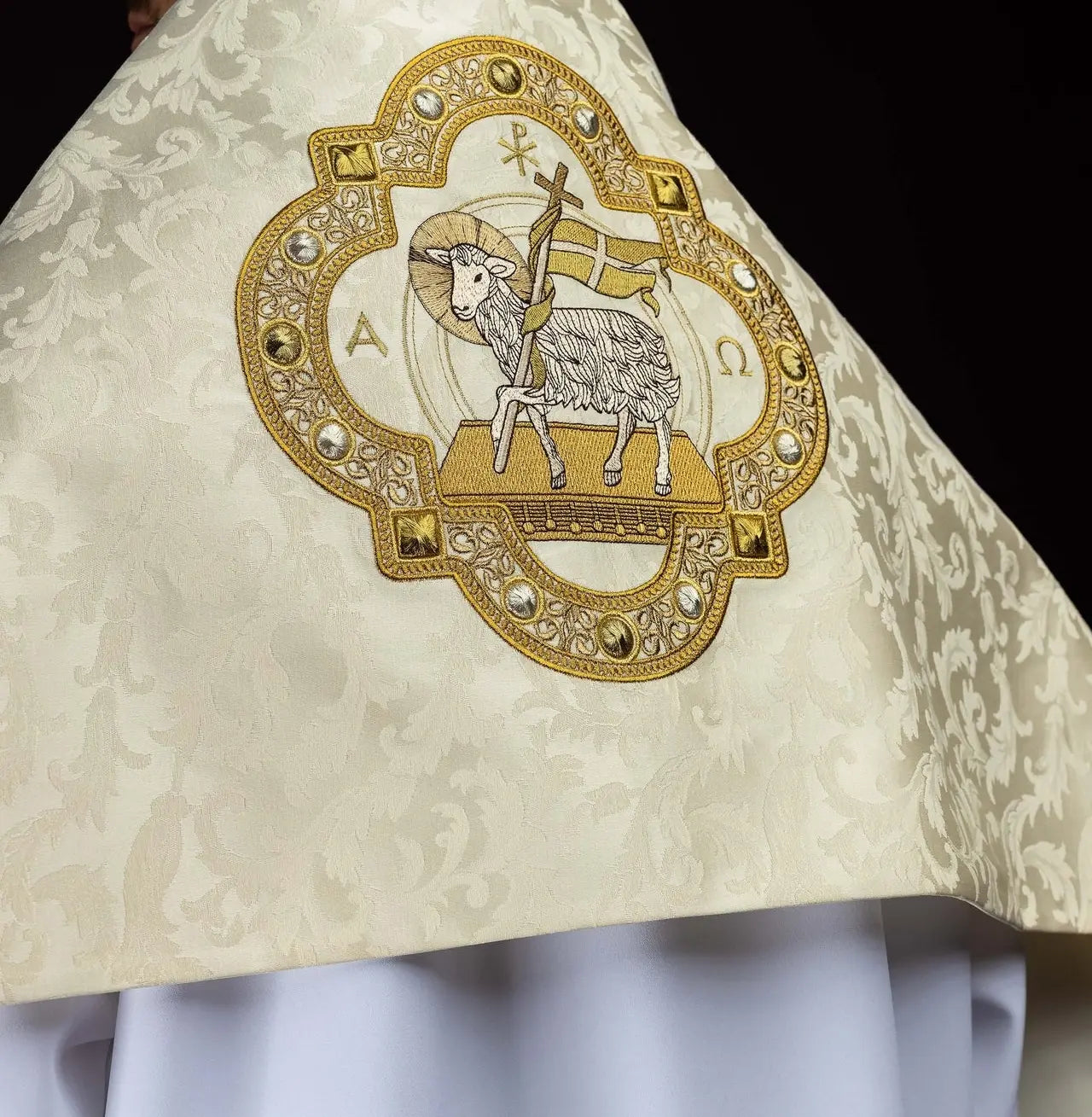
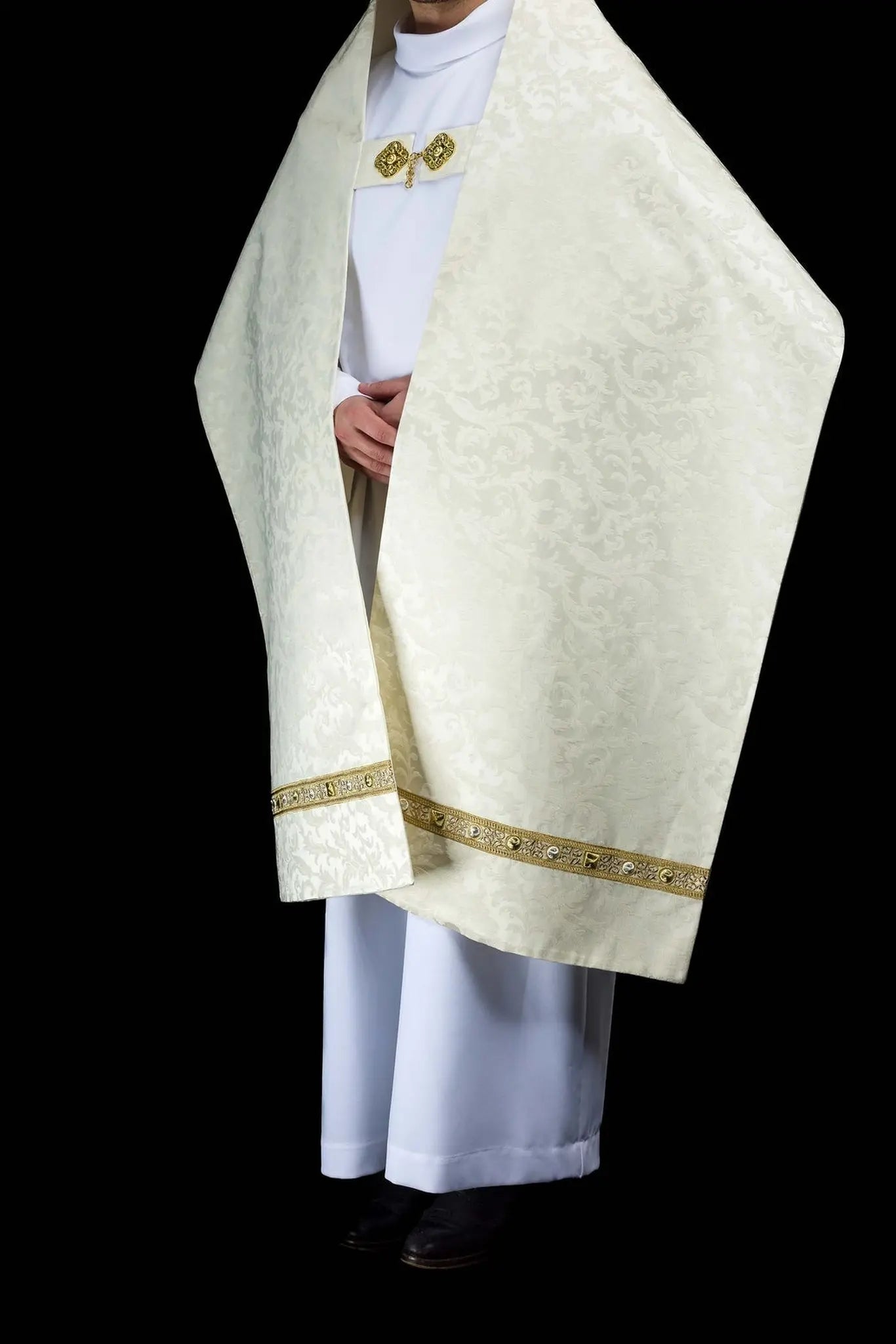
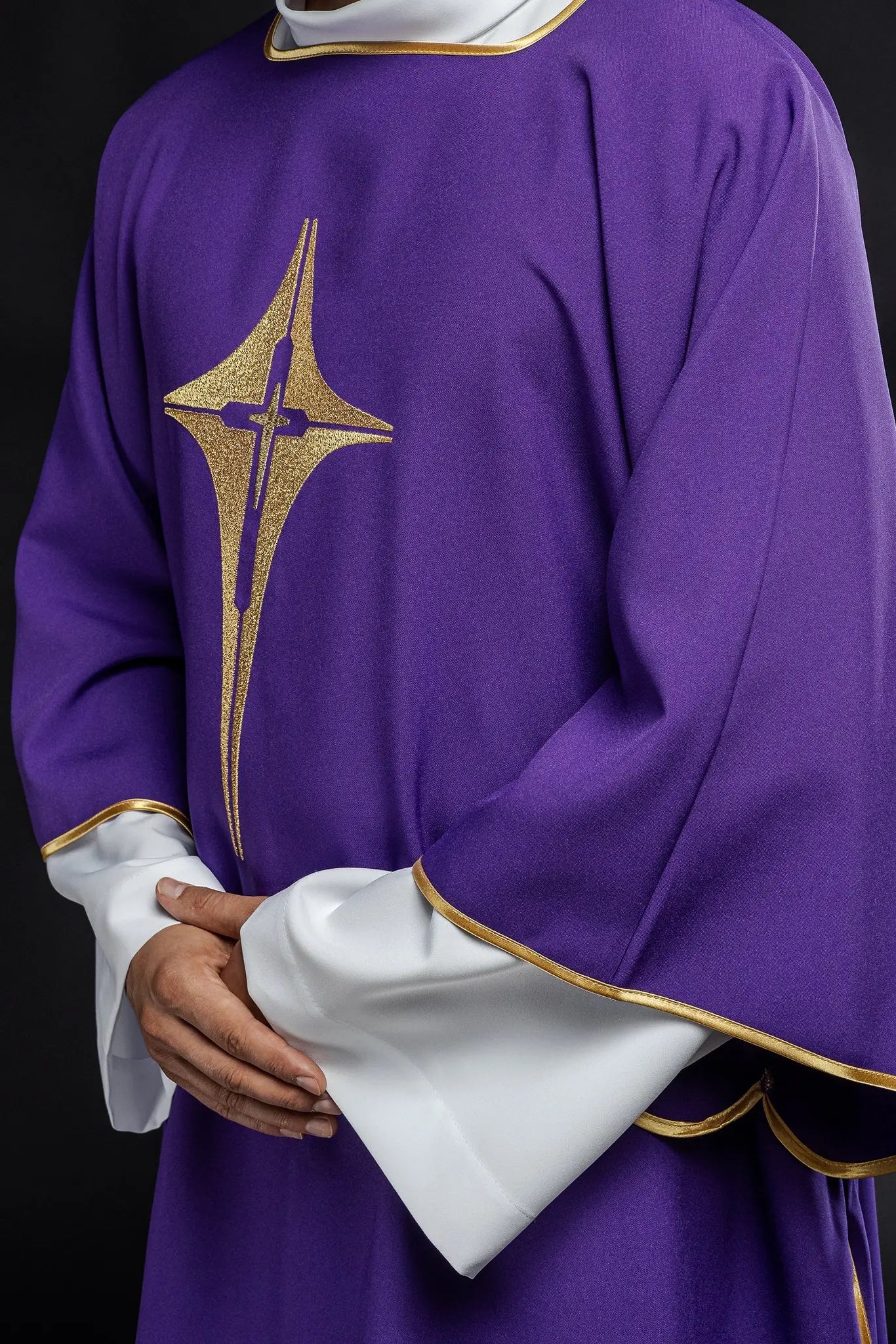
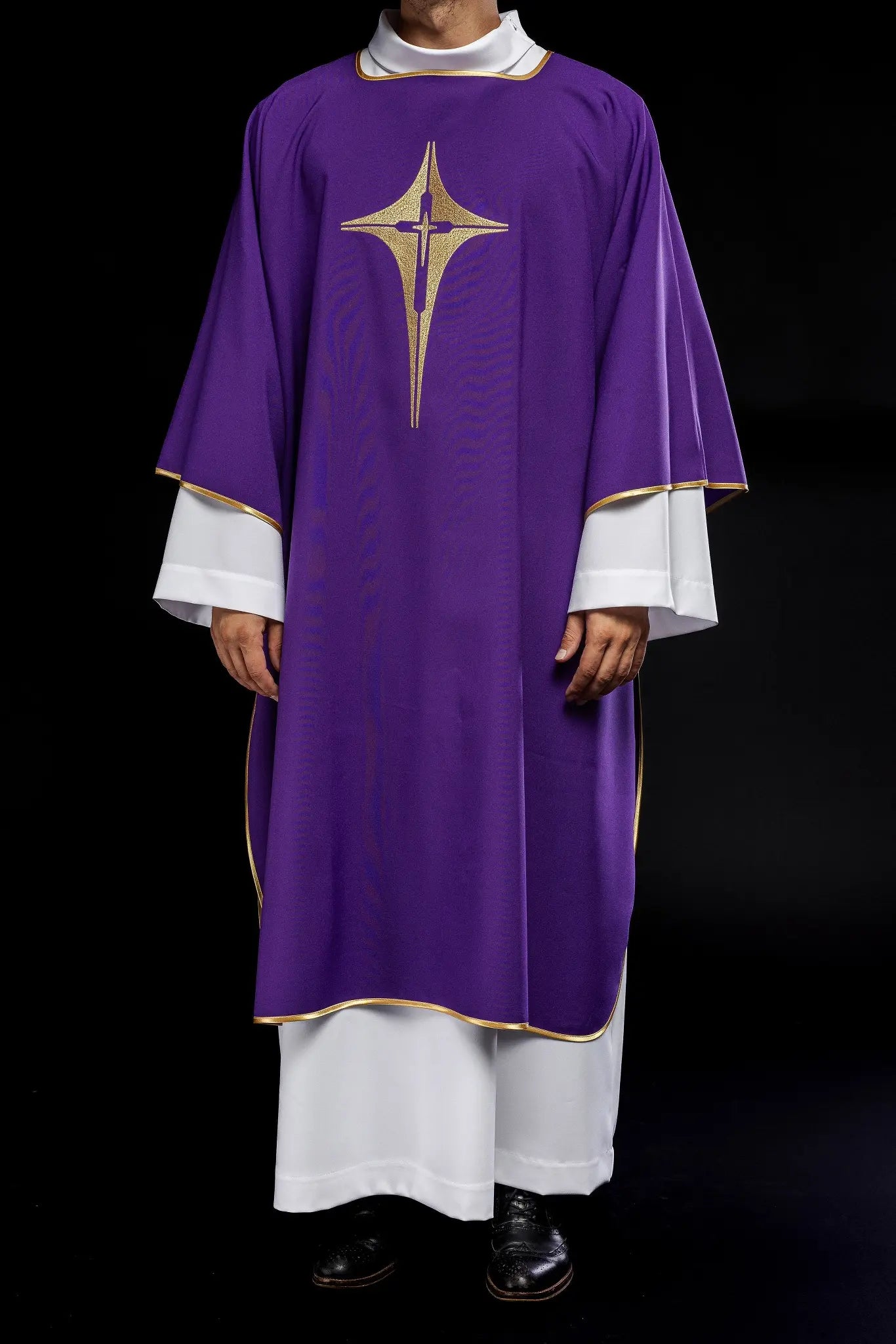
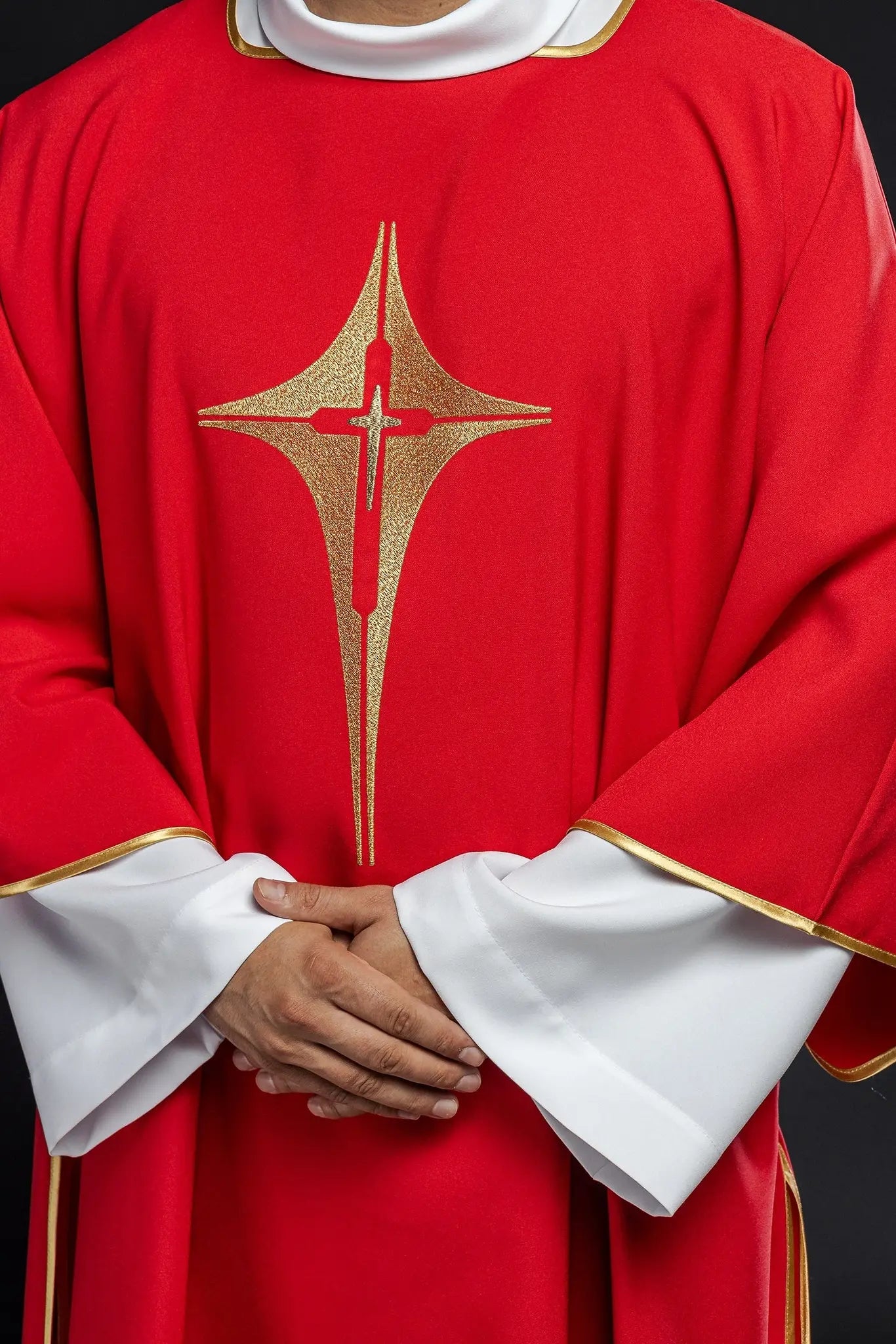
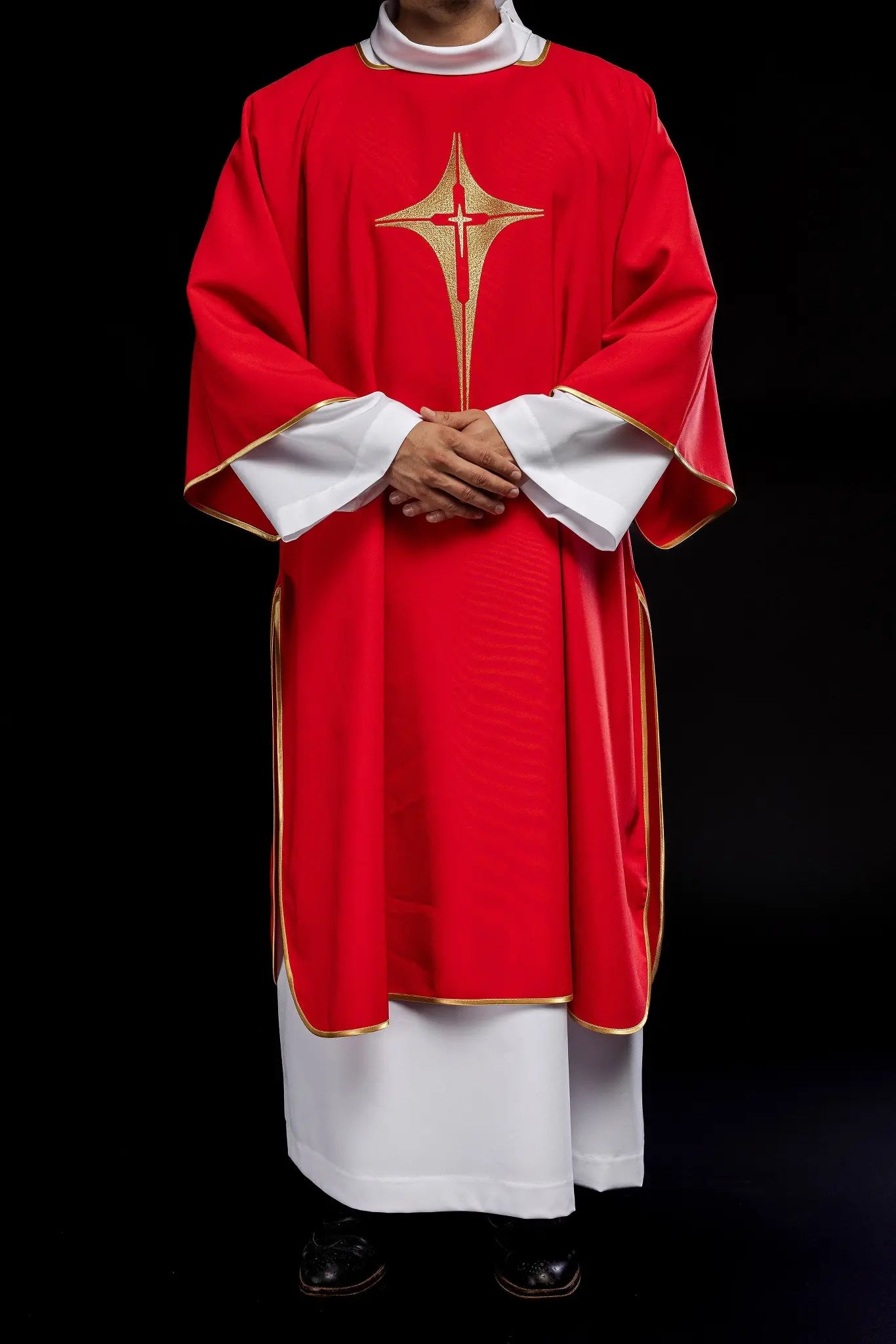
For deacons serving at Mass or other solemn rites, the appropriate outer vestment is the dalmatic. The deacon dalmatic differs from a priestly chasuble in form and liturgical meaning, so it should be chosen as a deacon vestment rather than treated as a variation of the chasuble. For processions, Benediction, Vespers, and other solemn celebrations outside Mass, the cope offers a ceremonial form that is distinct from Eucharistic vesture. Bishops may also require mitres for pontifical celebrations, while humeral veils are used in specific rites connected with the Blessed Sacrament and other solemn actions.
Choosing vestments by ministry
Priests and bishops
Priests and bishops normally require chasubles for Mass, stoles for sacramental and pastoral ministry, albs, cinctures where used, and additional vestments for solemn services. A parish sacristy often begins with a complete set of chasubles in the main liturgical colors and then adds more specific designs for Marian feasts, funerals, Corpus Christi, Christmas, Easter, and patronal celebrations. When selecting vestments for frequent use, the most important questions are correct liturgical color, comfortable cut, fabric weight, quality of lining or finish, and embroidery that suits the dignity of the celebration.
Deacons
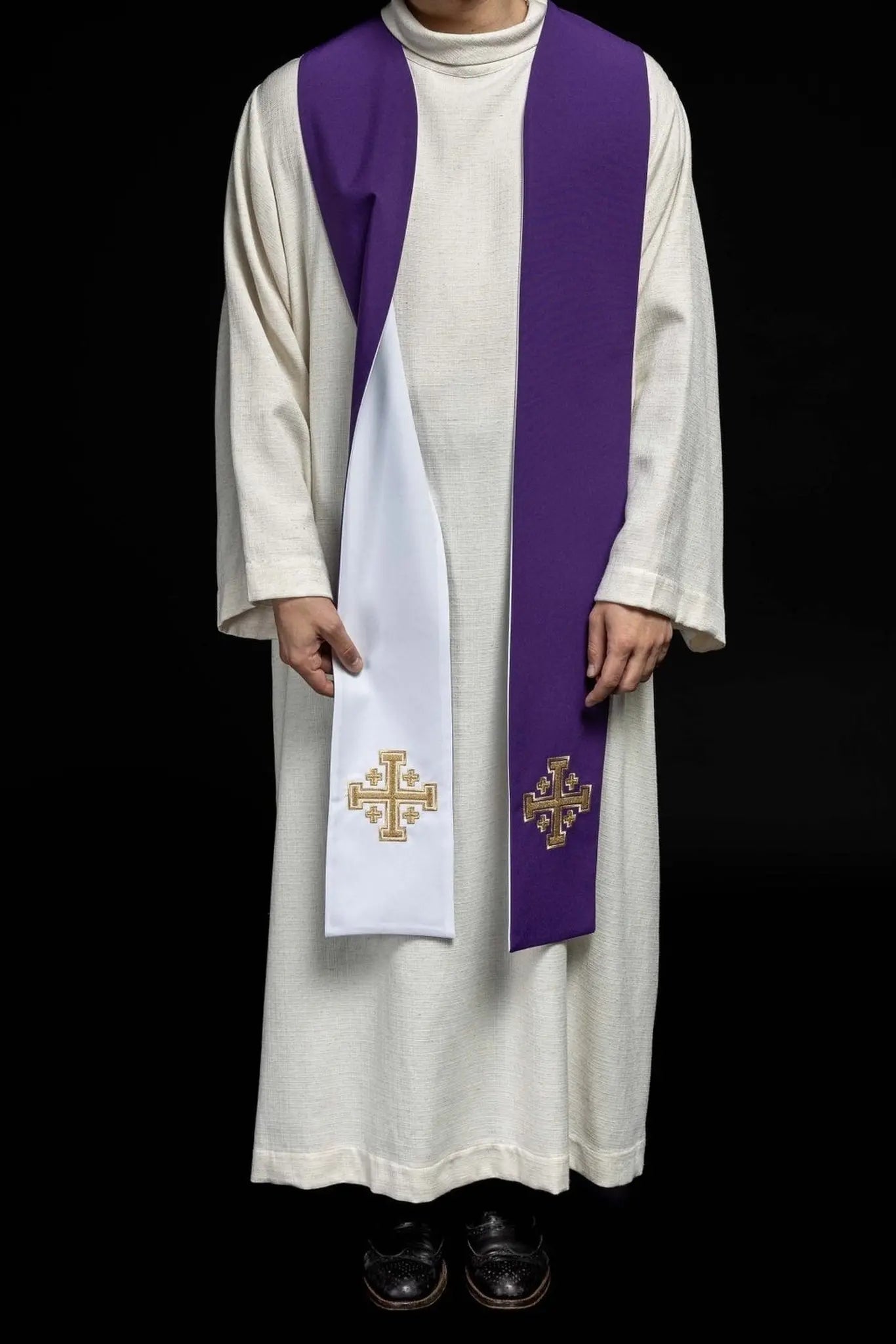
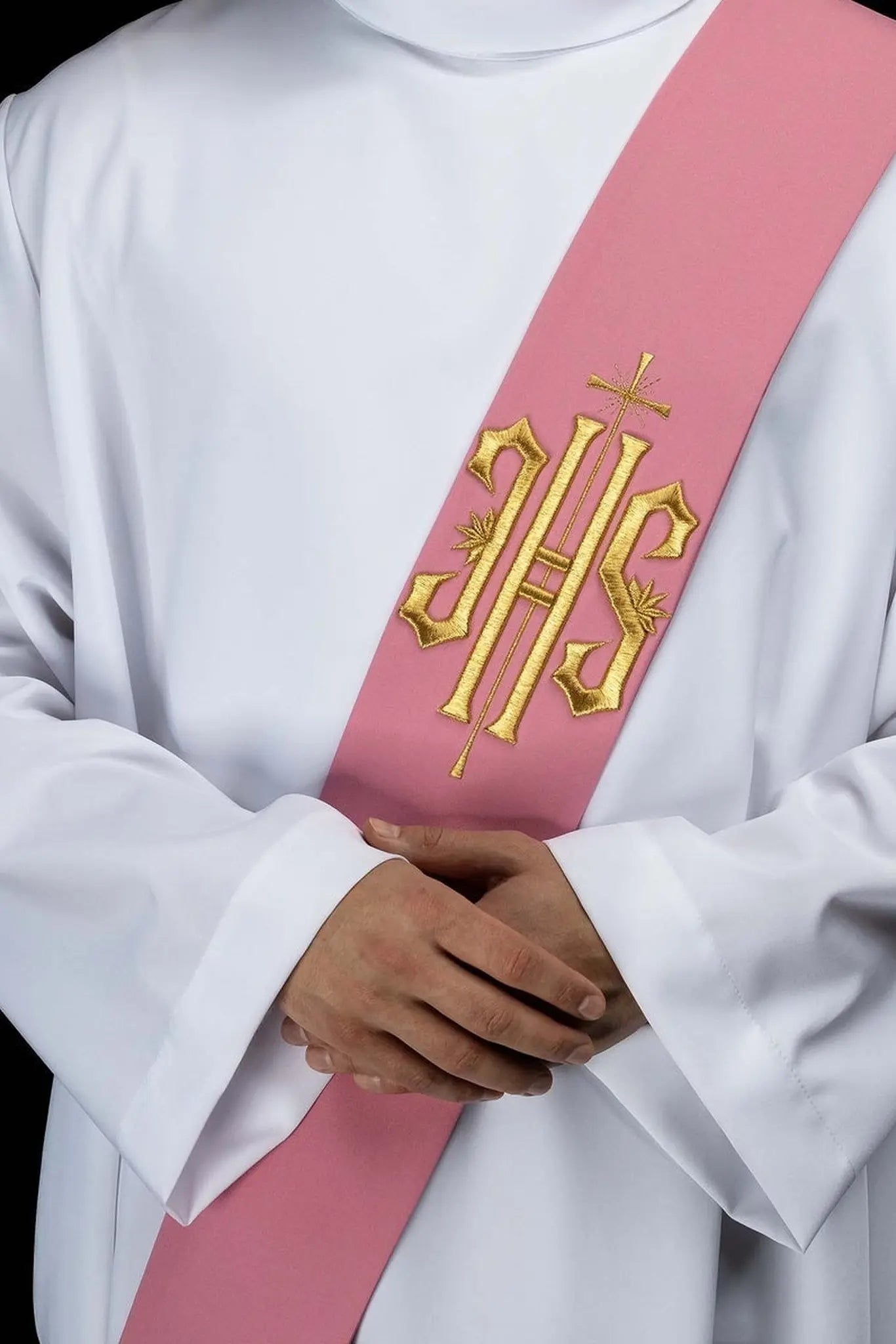
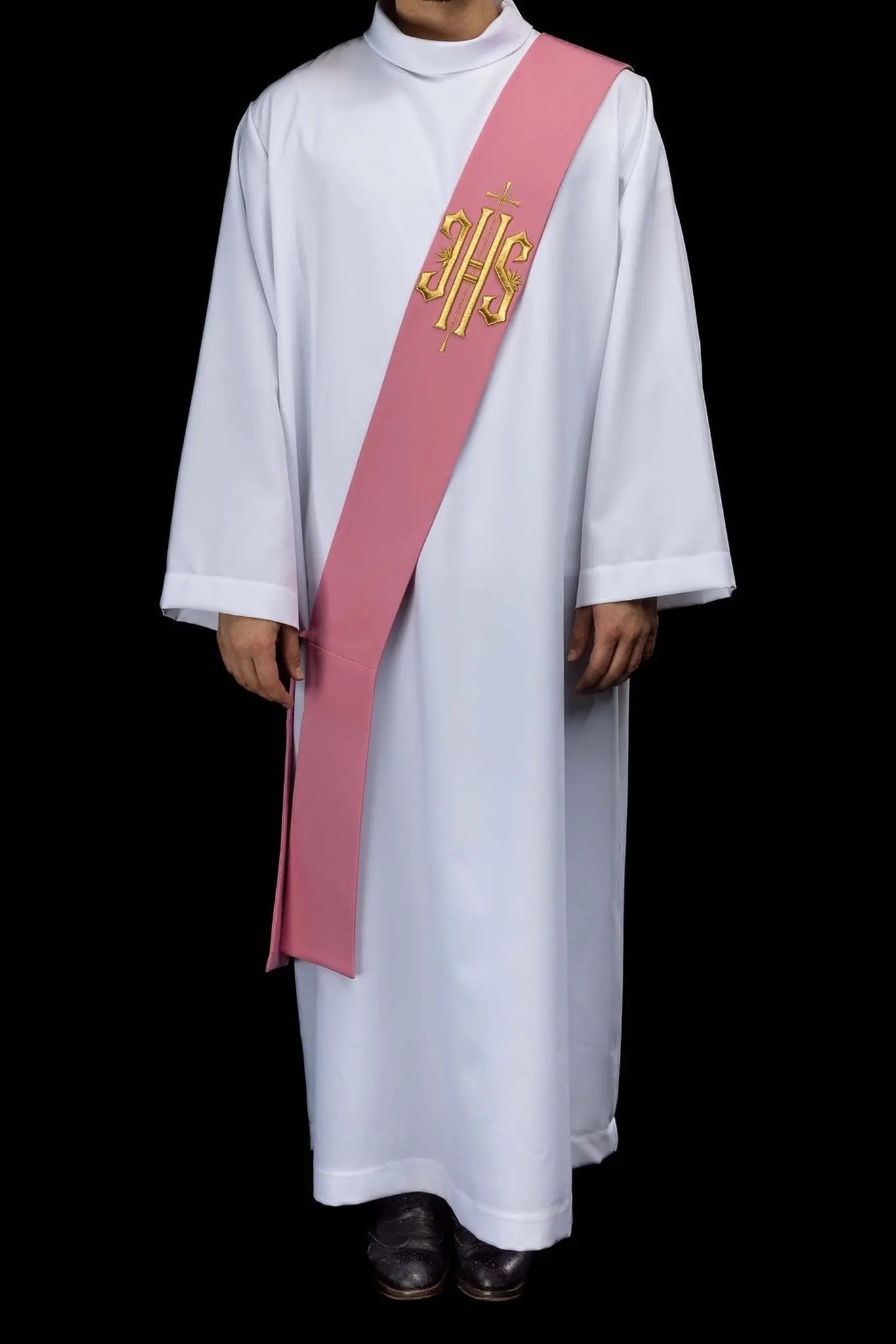
Deacons should be vested according to their office. A deacon wears a stole diagonally from the left shoulder to the right side, and at more solemn Masses he may wear a dalmatic over the alb and stole. For this reason, the collection connects naturally with deacon stoles and dalmatics. Matching deacon vestments with the celebrant's chasuble can give a unified appearance to the liturgy, especially at parish feasts, ordinations, confirmations, Corpus Christi processions, and diocesan celebrations.
Altar servers, lectors, choir members, and assisting ministers
Not every garment in a sacristy is reserved to ordained clergy. Albs and other white service garments are used by many ministers depending on local custom and liturgical norms. When choosing albs, consider the height of the wearer, the sleeve shape, ease of movement, transparency of the fabric, and whether the garment will be worn with a cincture. For choirs and assisting ministers, the goal is a clean and reverent appearance that allows service without drawing attention away from the sanctuary action.
Liturgical colors and their use
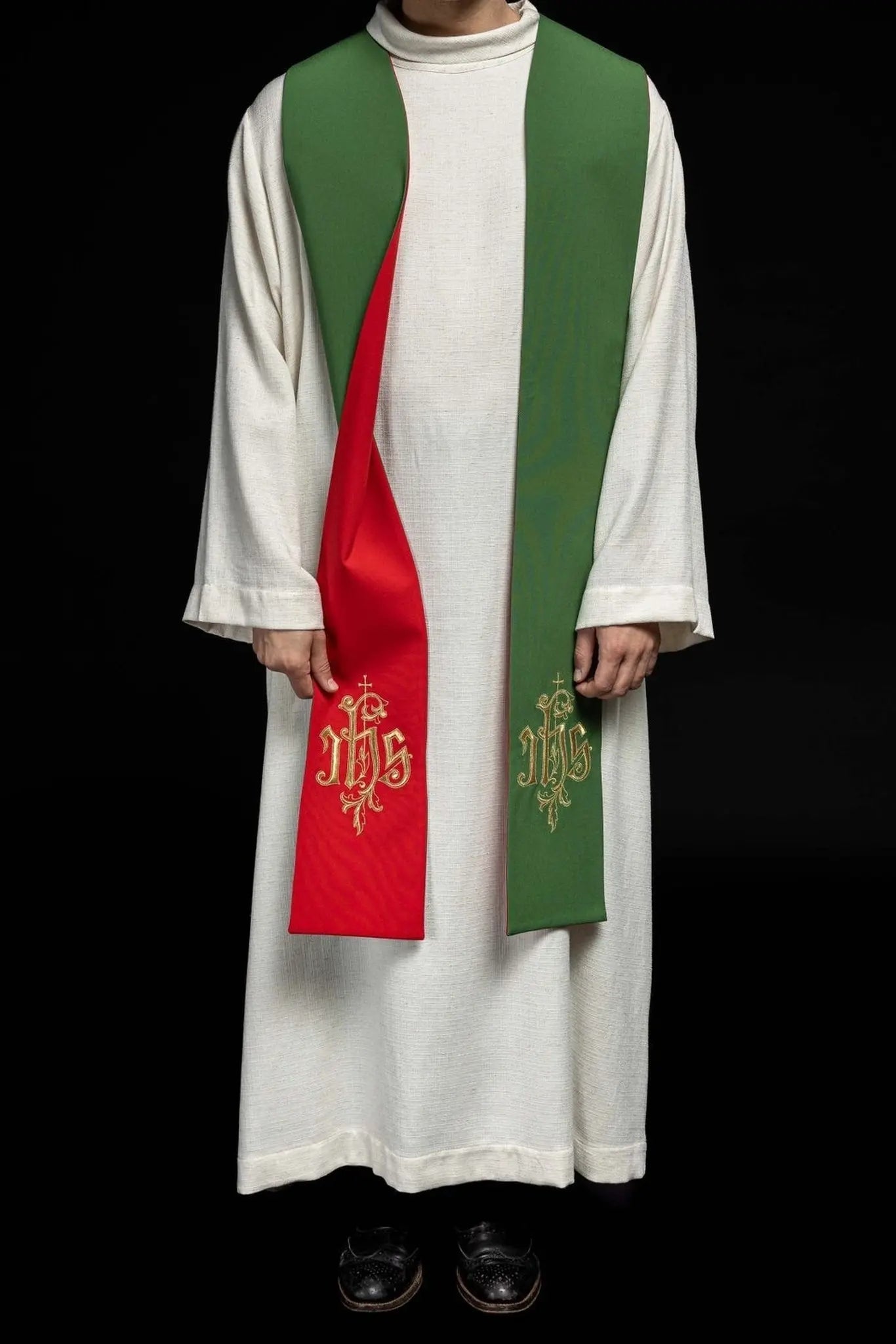
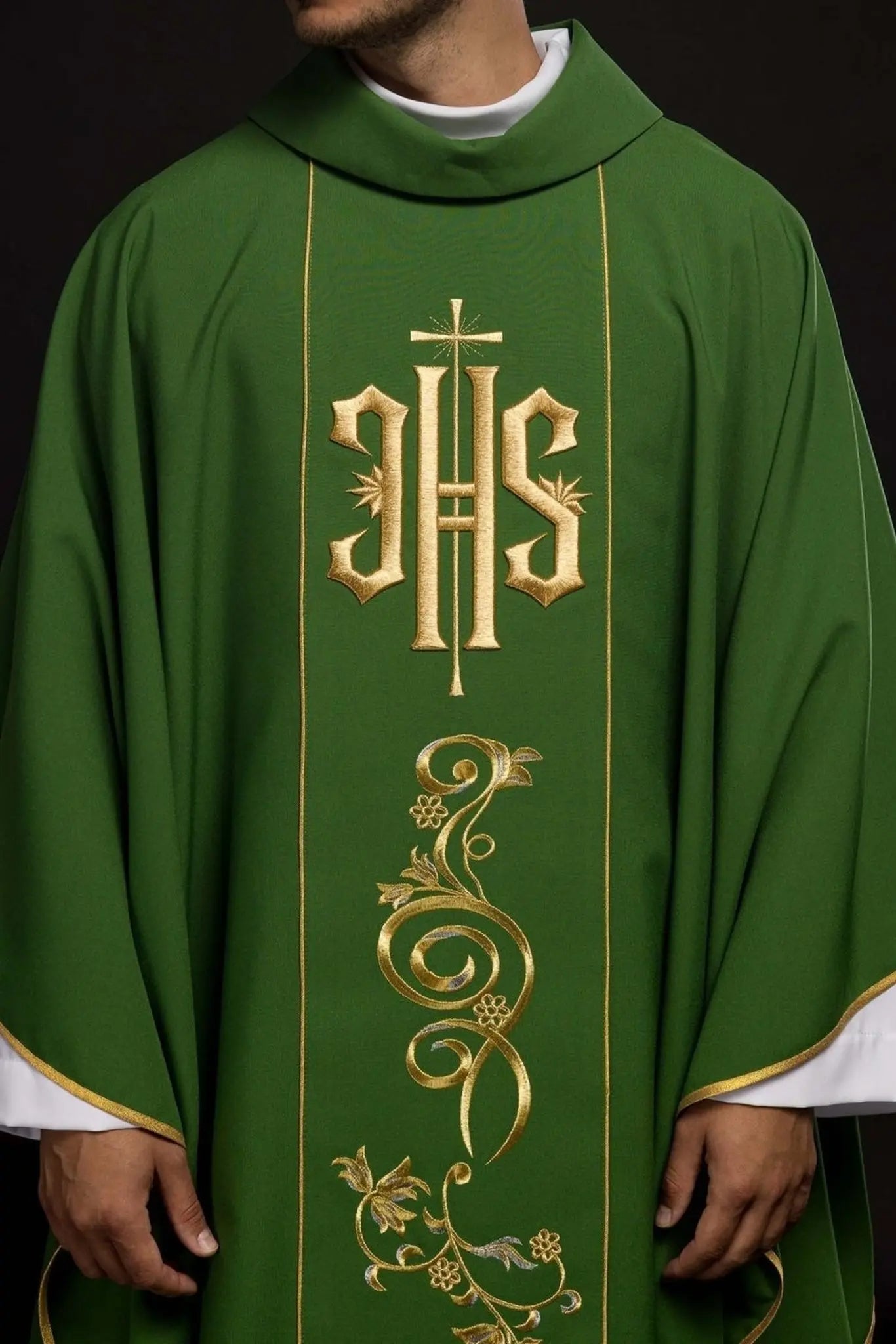
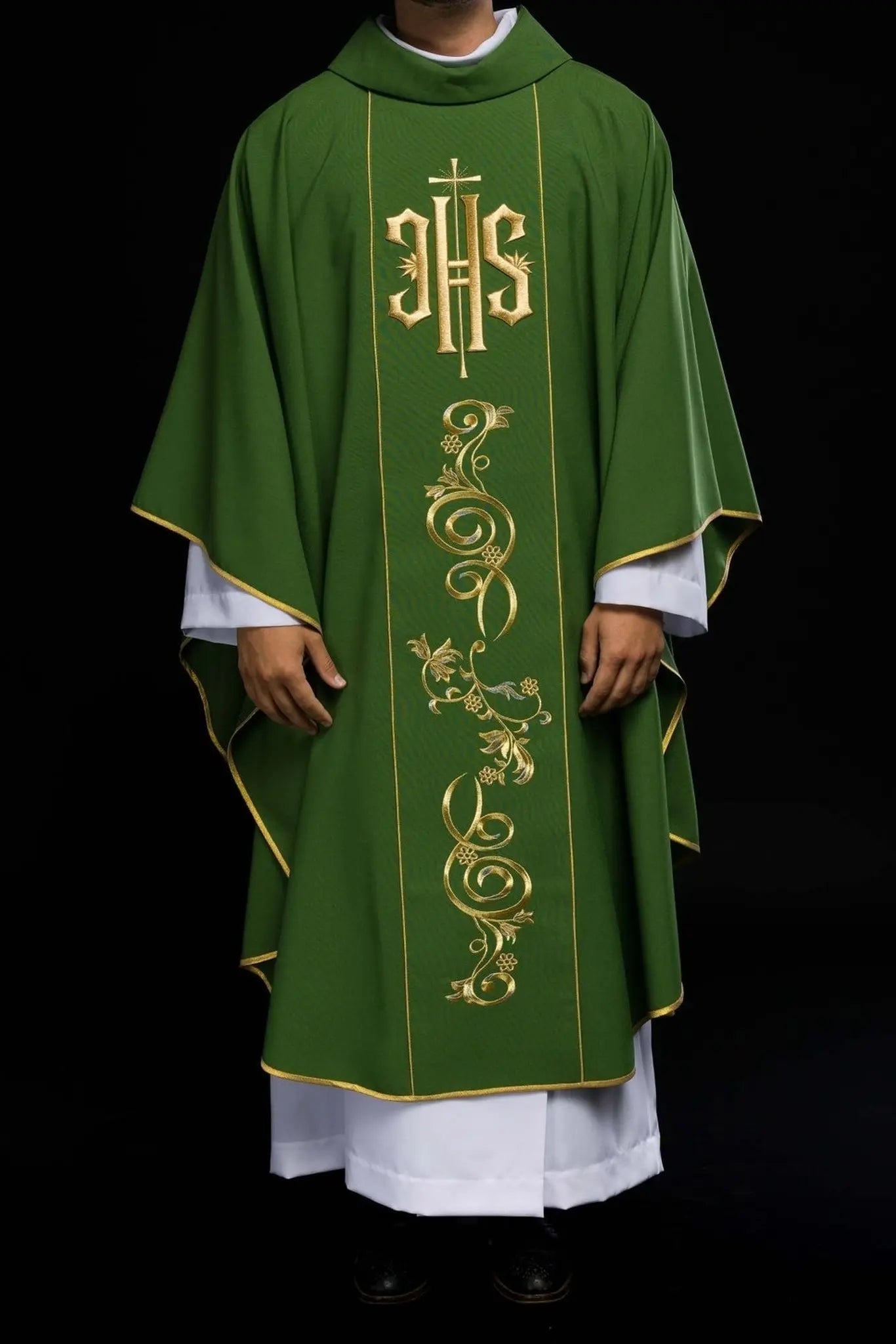
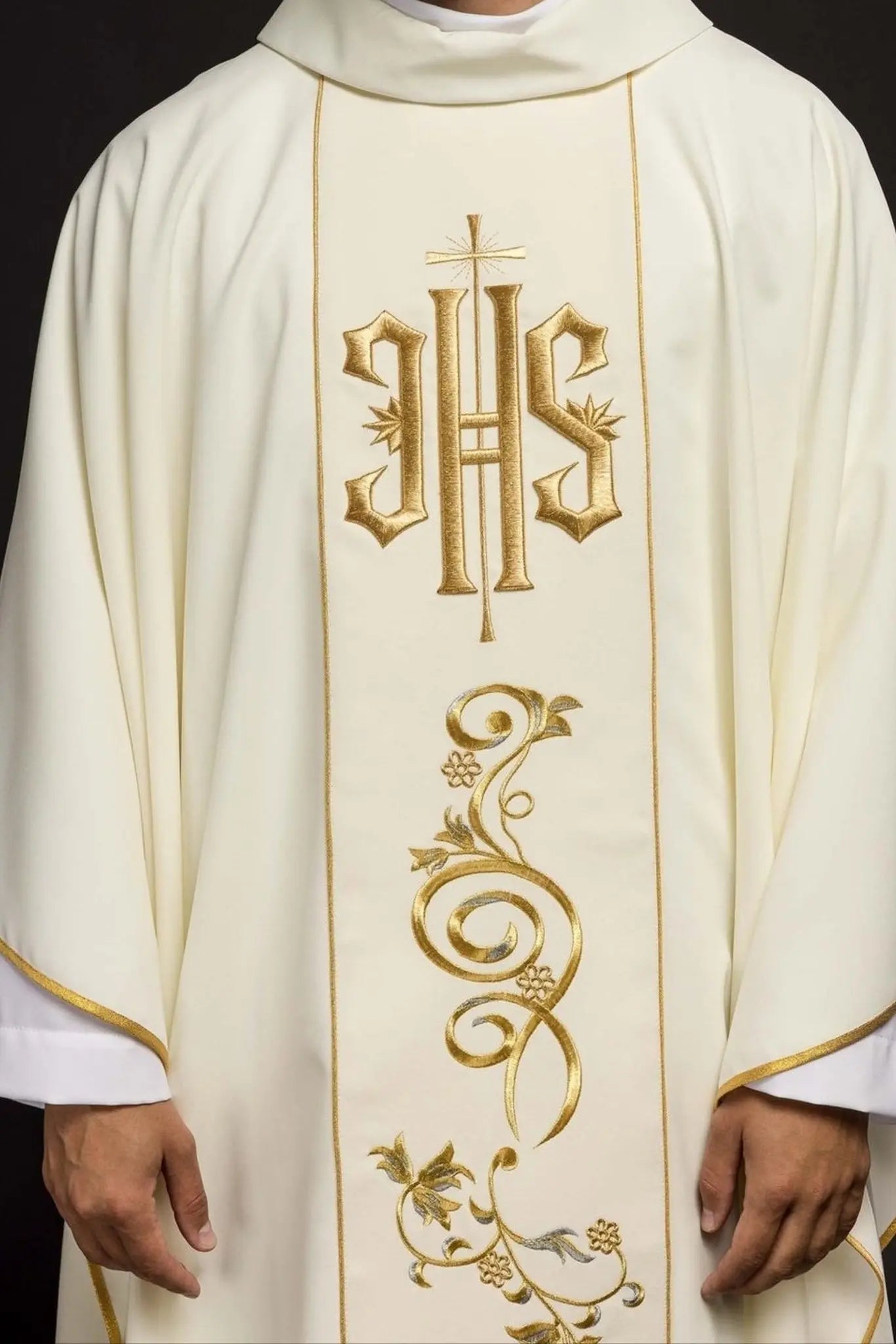
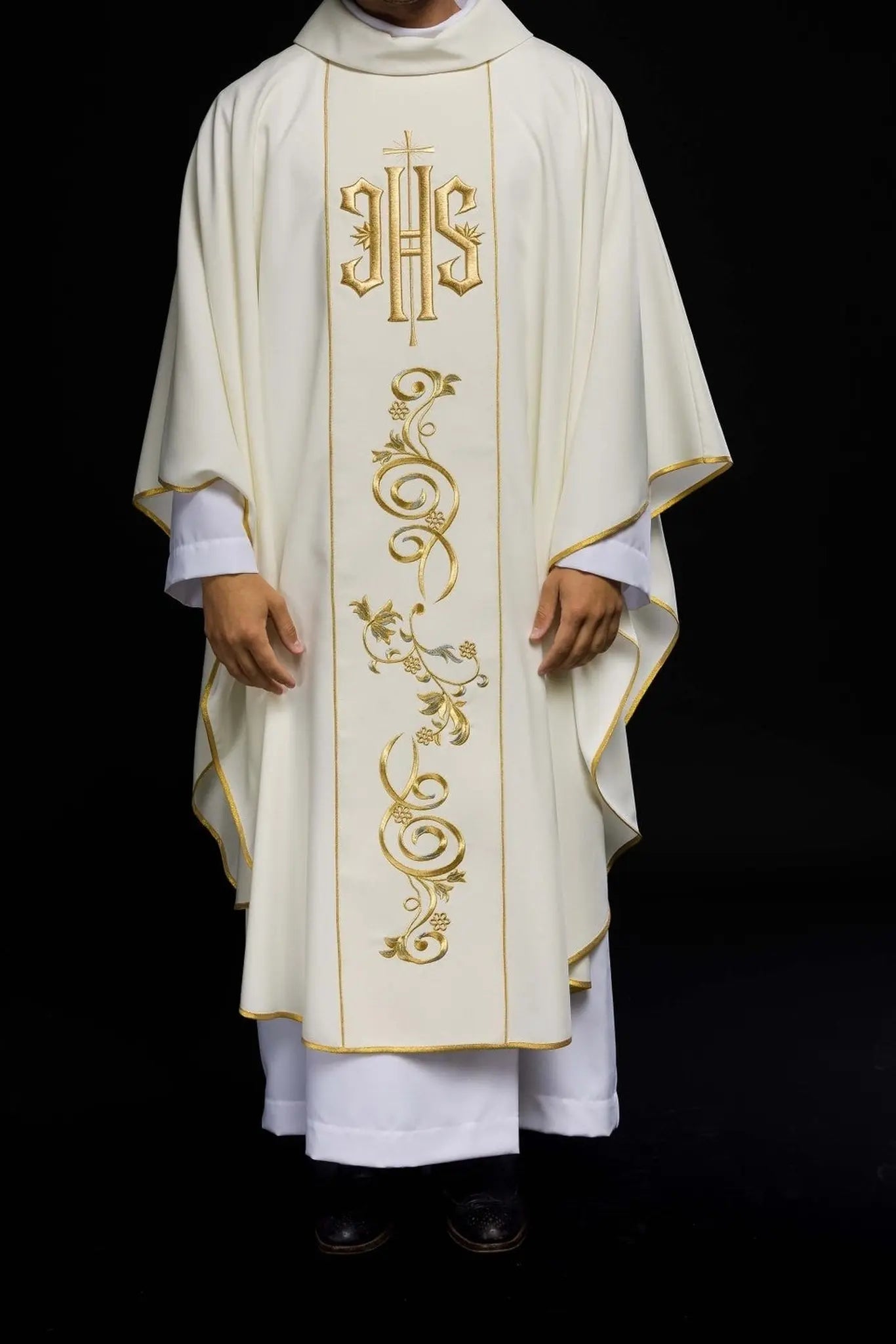
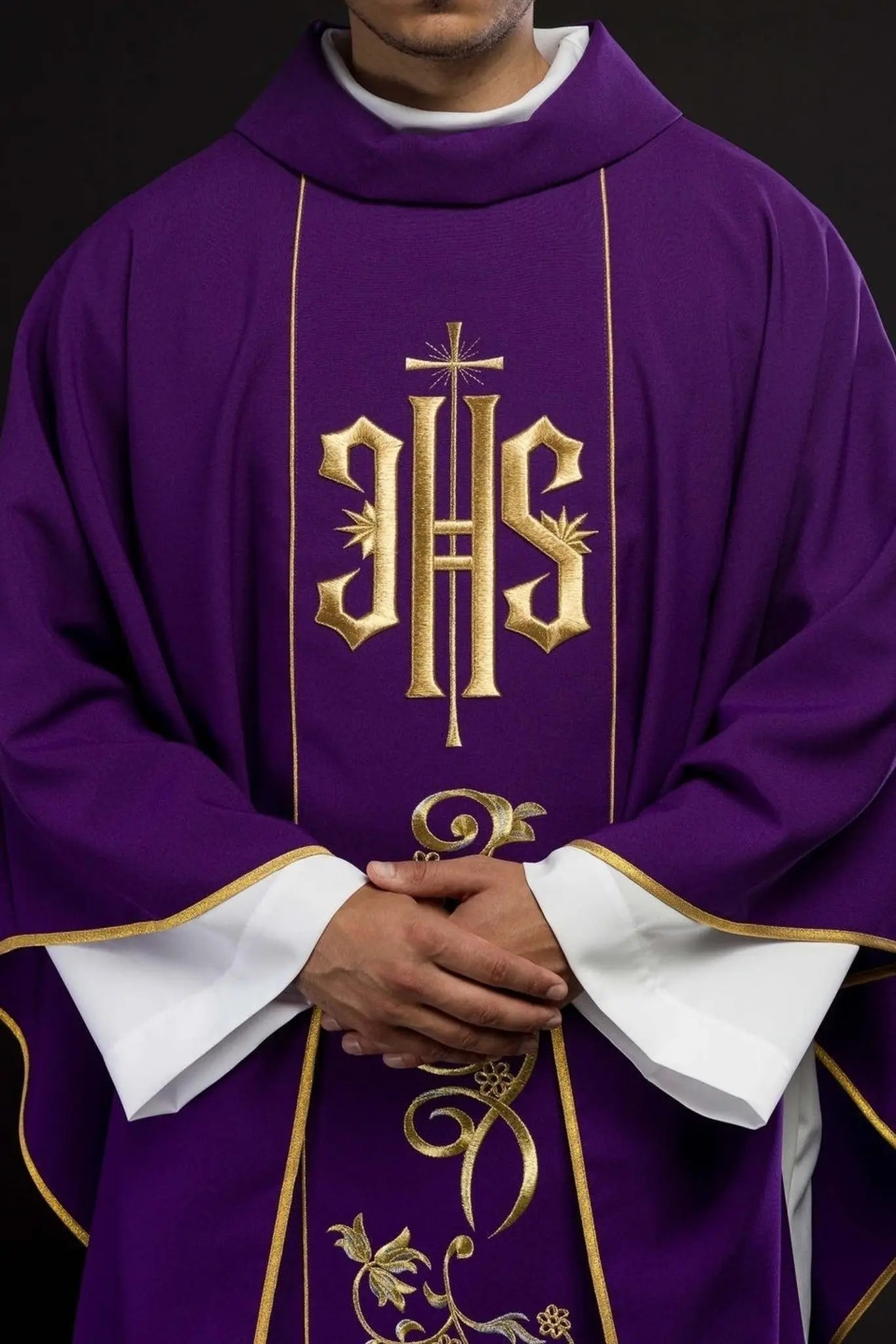
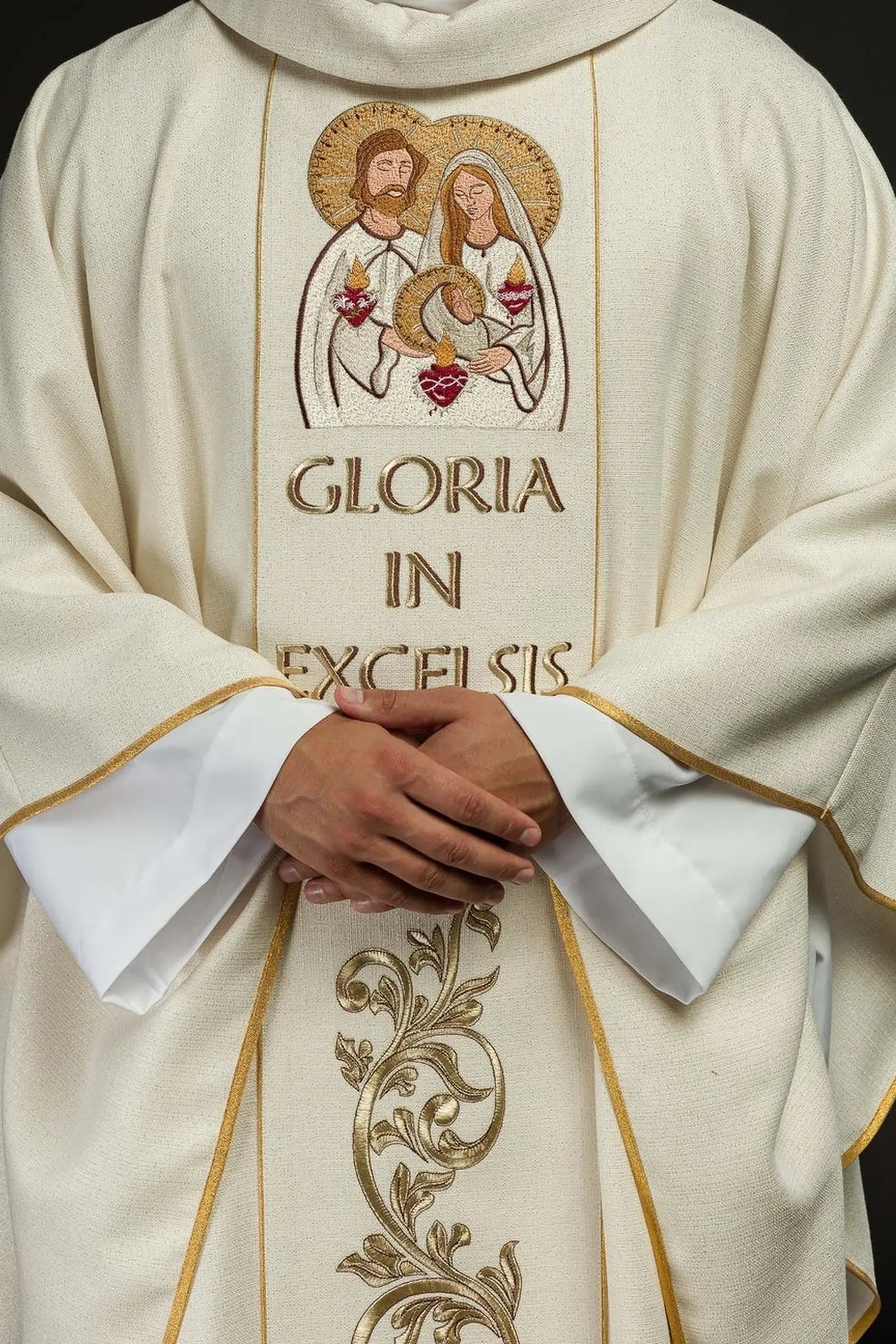
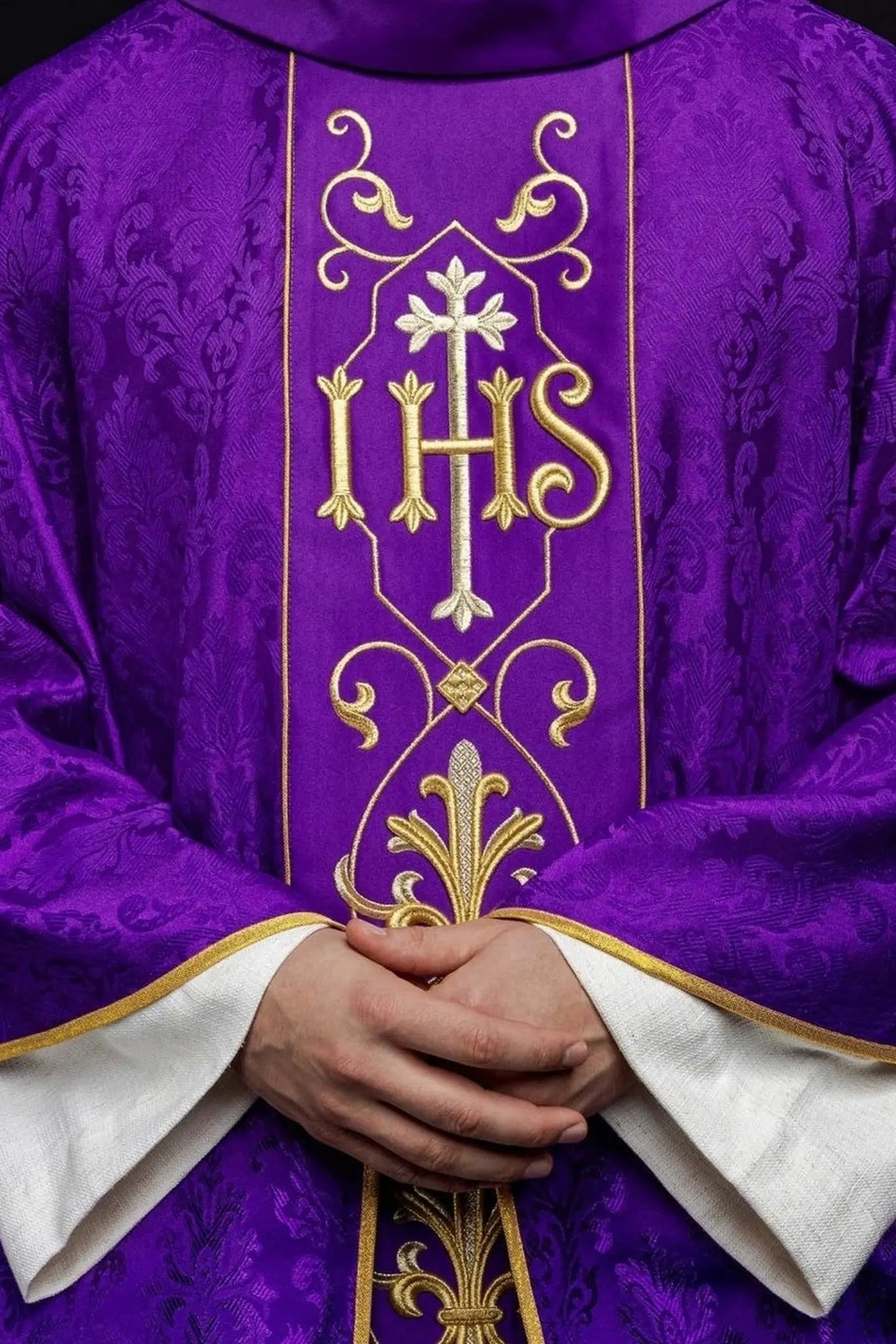
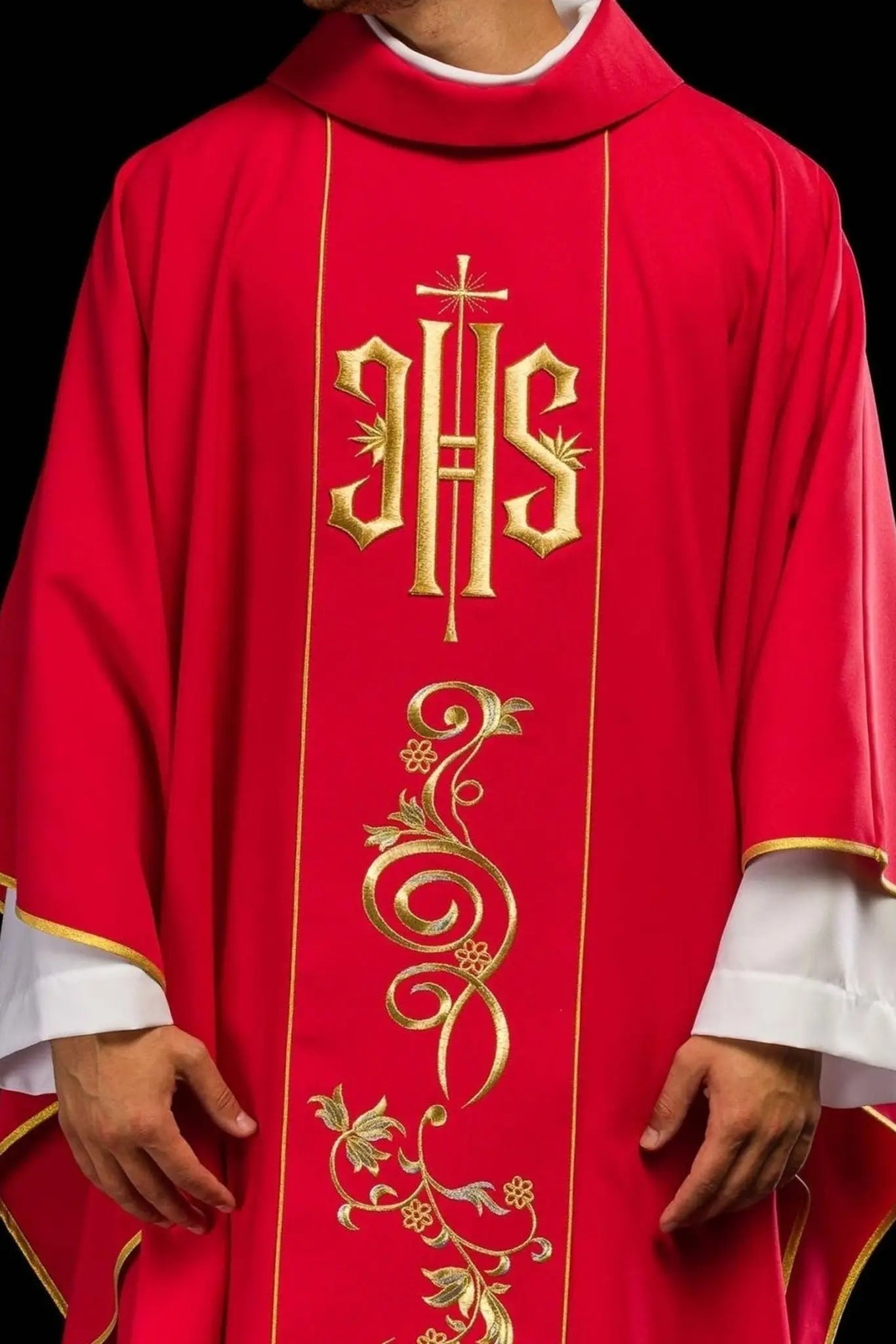
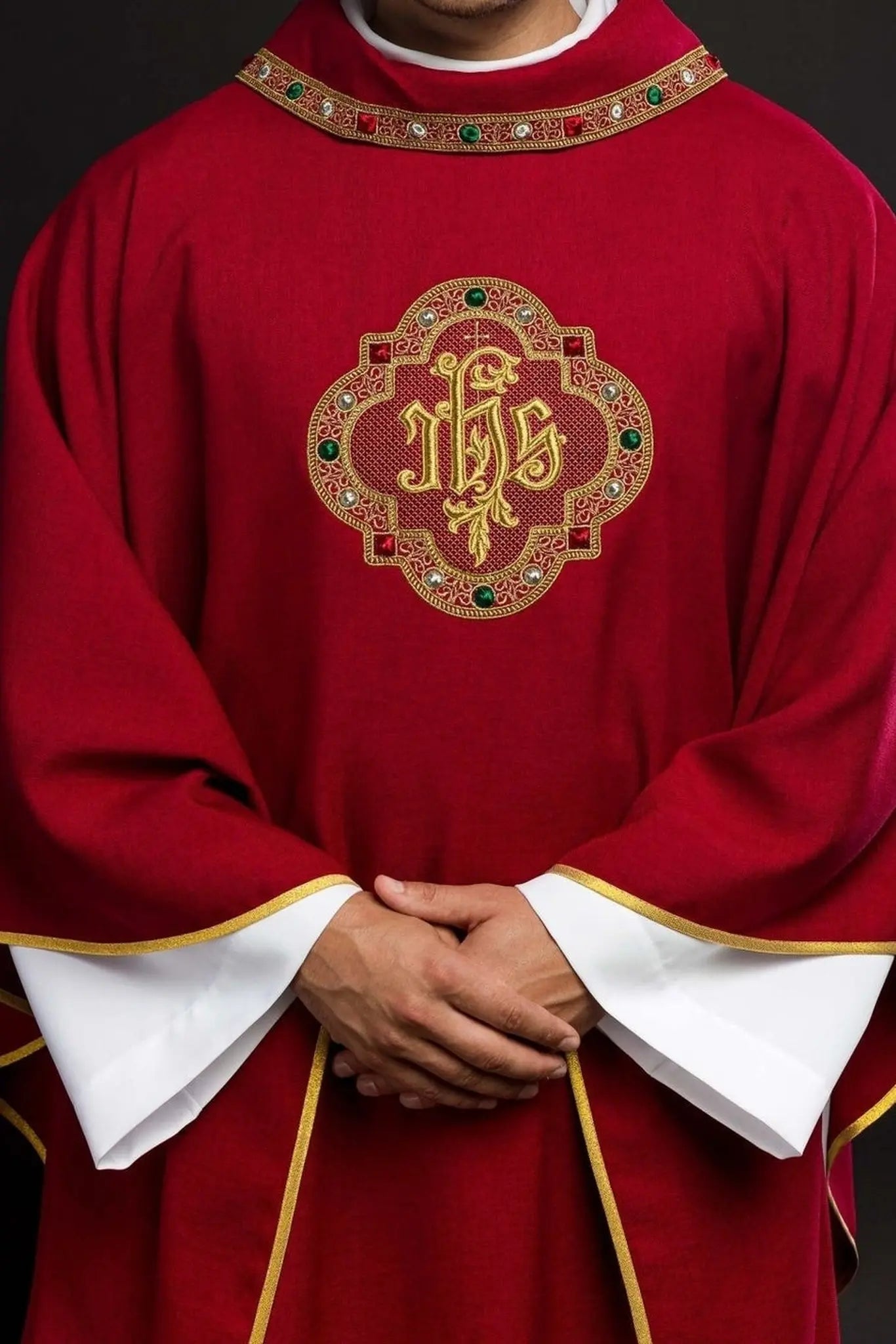
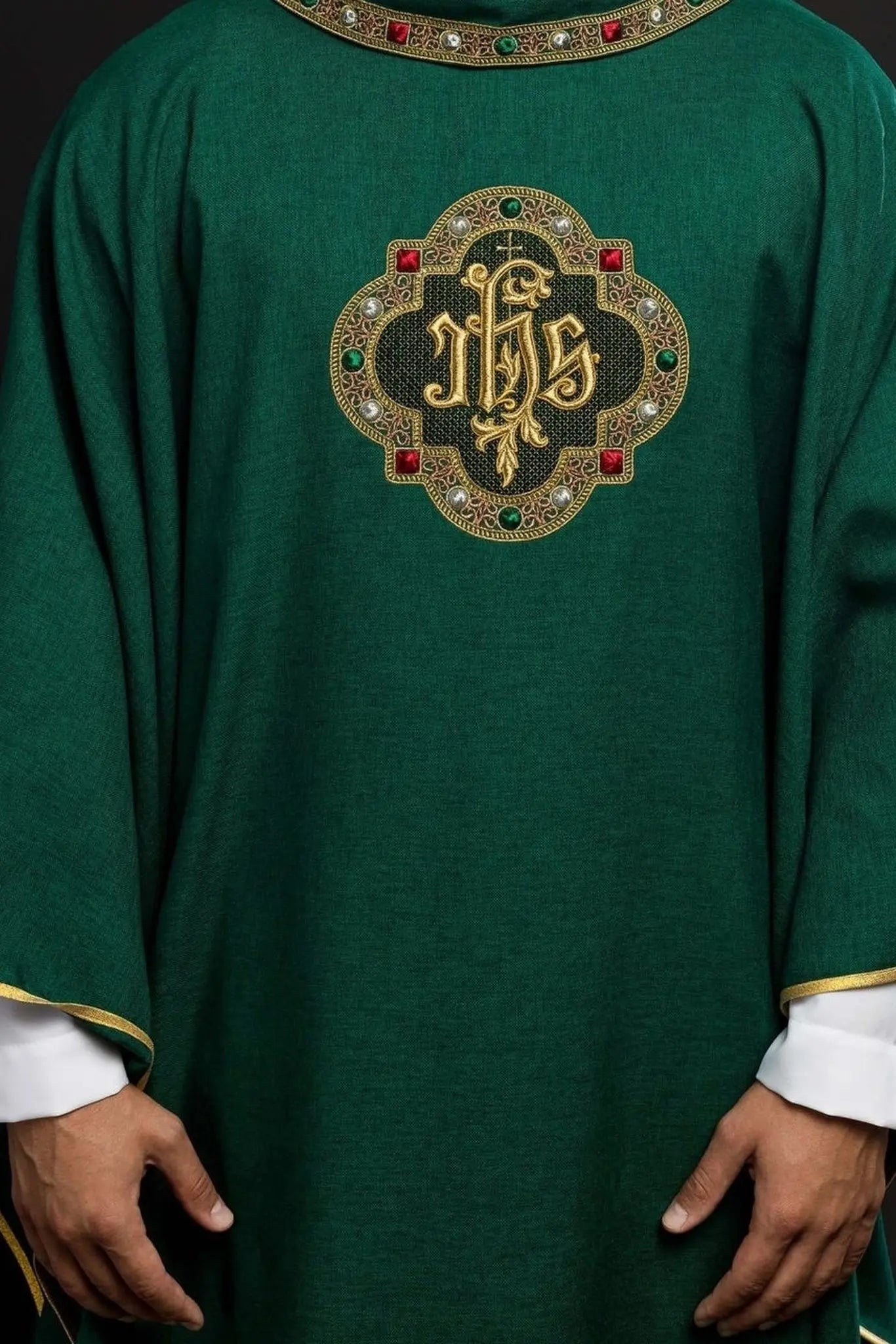
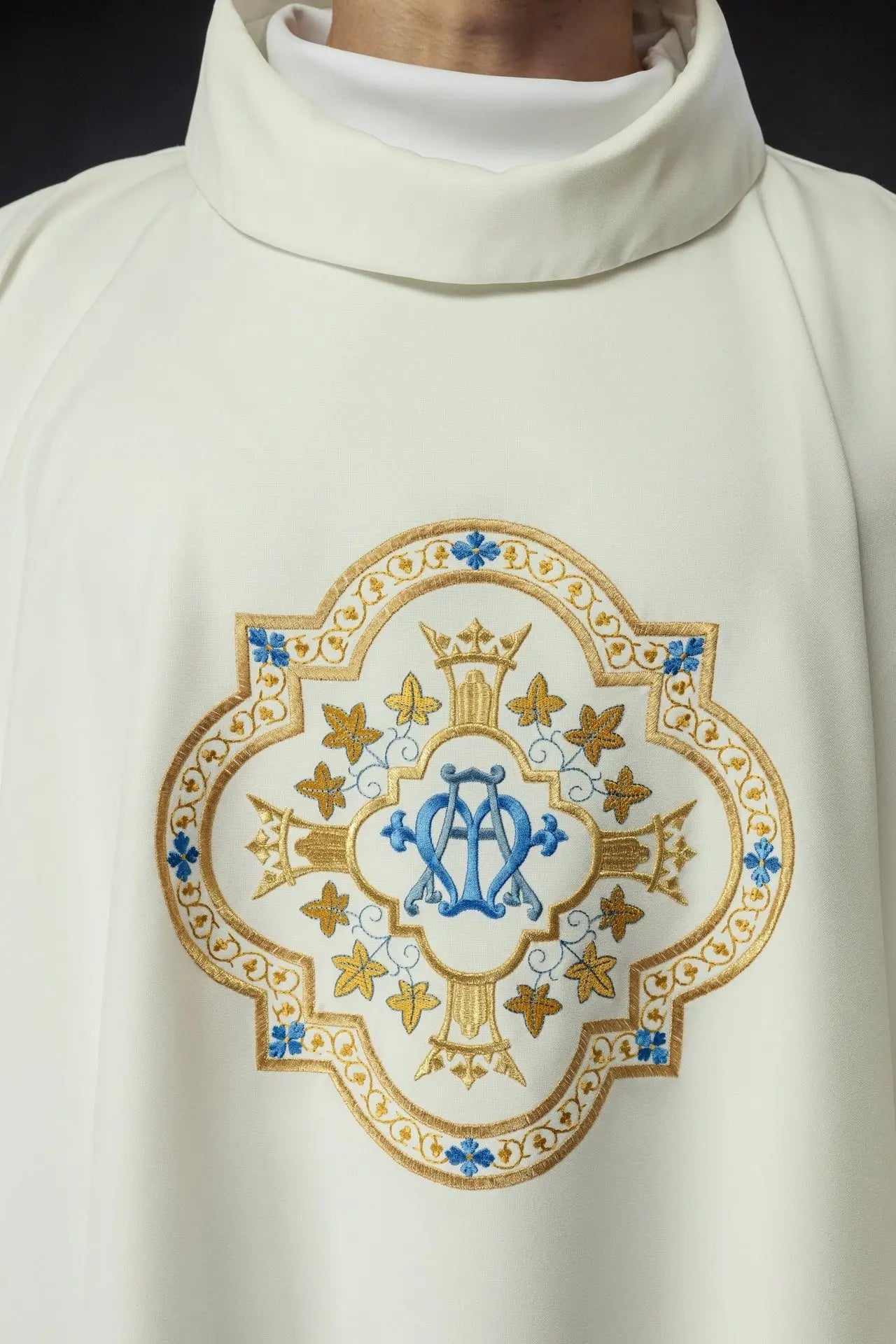
Color is one of the clearest ways vestments express the season or feast. White or ecru is used for Christmas, Easter, celebrations of the Lord other than the Passion, many Marian feasts, angels, and saints who were not martyrs. Green is used in Ordinary Time and is therefore one of the most frequently needed colors in a parish wardrobe. Violet is used in Advent and Lent and may also appear in penitential contexts. Red is used for Palm Sunday, Good Friday, Pentecost, celebrations of the Passion, the Holy Spirit, apostles, evangelists, and martyrs. Rose, not ordinary pink, is used where customary on Gaudete Sunday in Advent and Laetare Sunday in Lent.
Gold and silver vestments are often chosen for more solemn celebrations, especially when a festive white or highly solemn appearance is desired. They should be selected with care so the visual language remains liturgical rather than merely decorative. A parish that is building a full set may begin with green, white or ecru, violet, and red, then add rose, black or funeral vestments, Marian designs, and more elaborate solemn pieces. For season-specific browsing, collections such as Advent, Lent, Christmas, Ordinary Time, Corpus Christi, and Marian vestments can help narrow the choice after the basic vestment type is selected.
How to choose the right vestment for a parish or chapel
Start with the liturgical role. A priest celebrating Mass needs a chasuble, not a dalmatic. A deacon serving solemnly needs a dalmatic and a diagonal stole. A priest hearing confessions or giving blessings may need a stole without a chasuble. A celebrant presiding at Benediction or a procession may require a cope and, in Eucharistic rites, a humeral veil. Once the role is clear, choose the correct color and then the style, motif, fabric, and size.
Parishes should also consider frequency of use. Green vestments and everyday albs must withstand regular laundering or professional care, repeated movement, and long periods of use. Vestments for Christmas, Easter, Corpus Christi, a patron saint, or Marian feasts may be more richly embroidered because they are used for solemn moments. When several clergy serve together, coordinated chasubles, stoles, dalmatics, and copes can help the sanctuary appear orderly and unified.
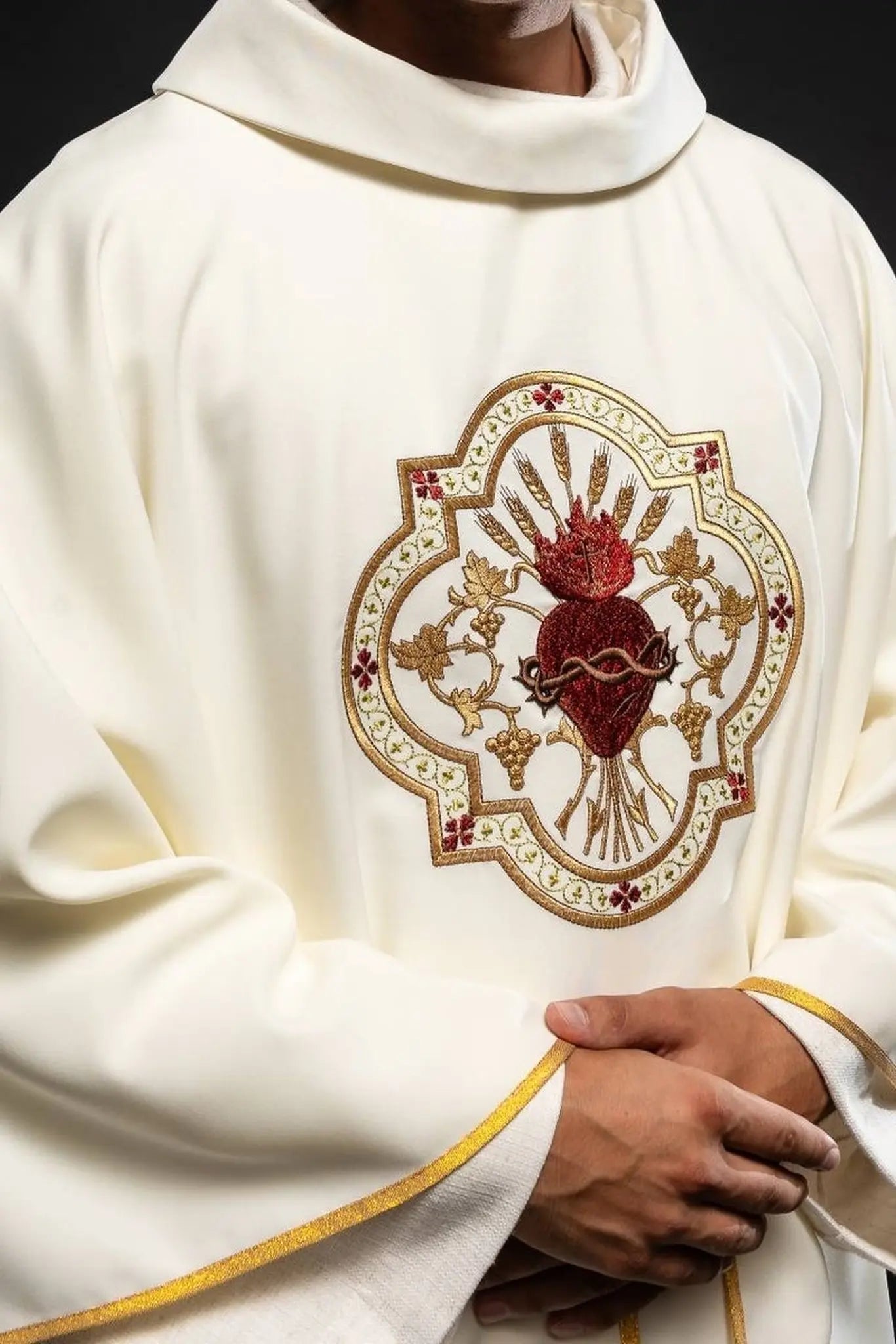
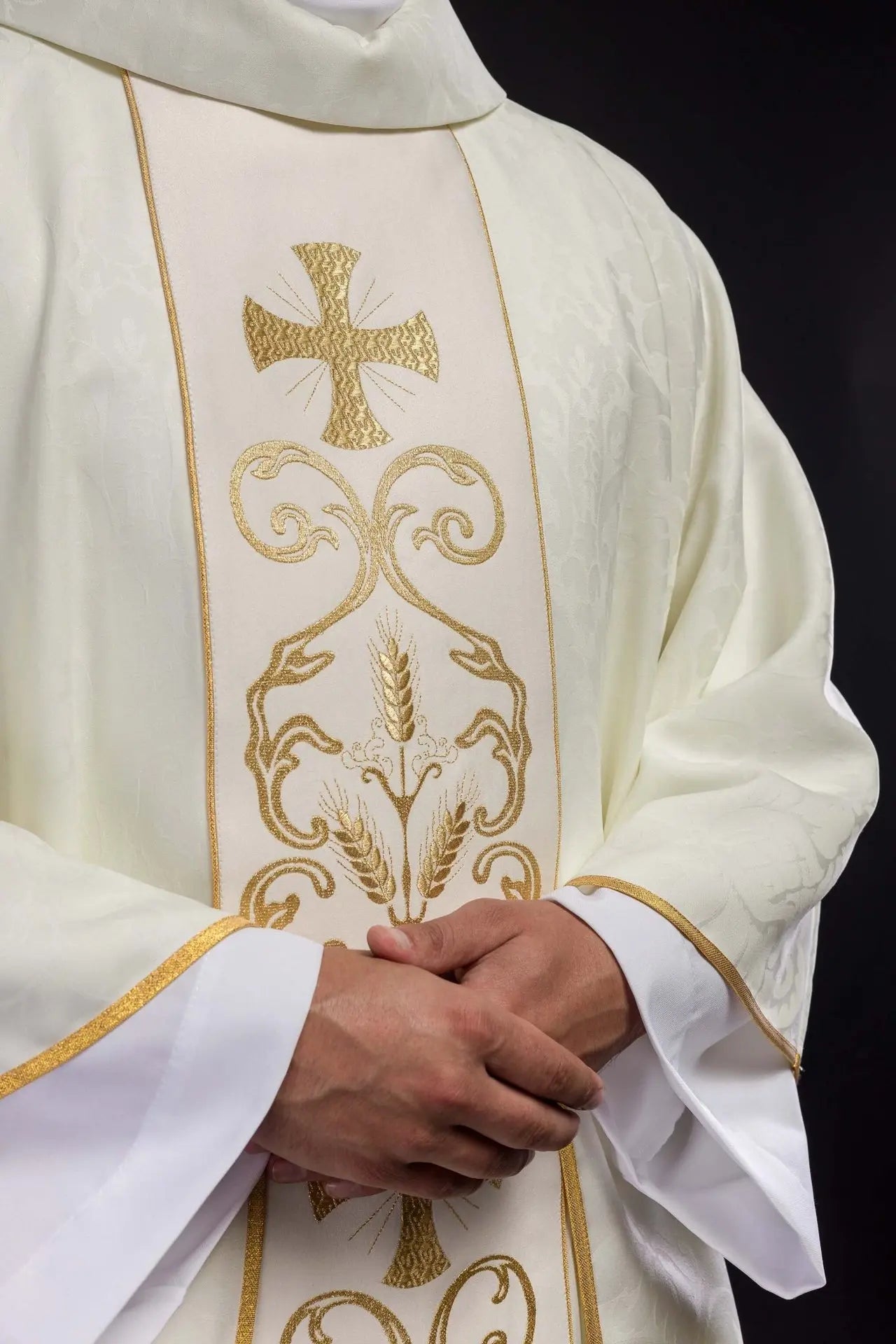
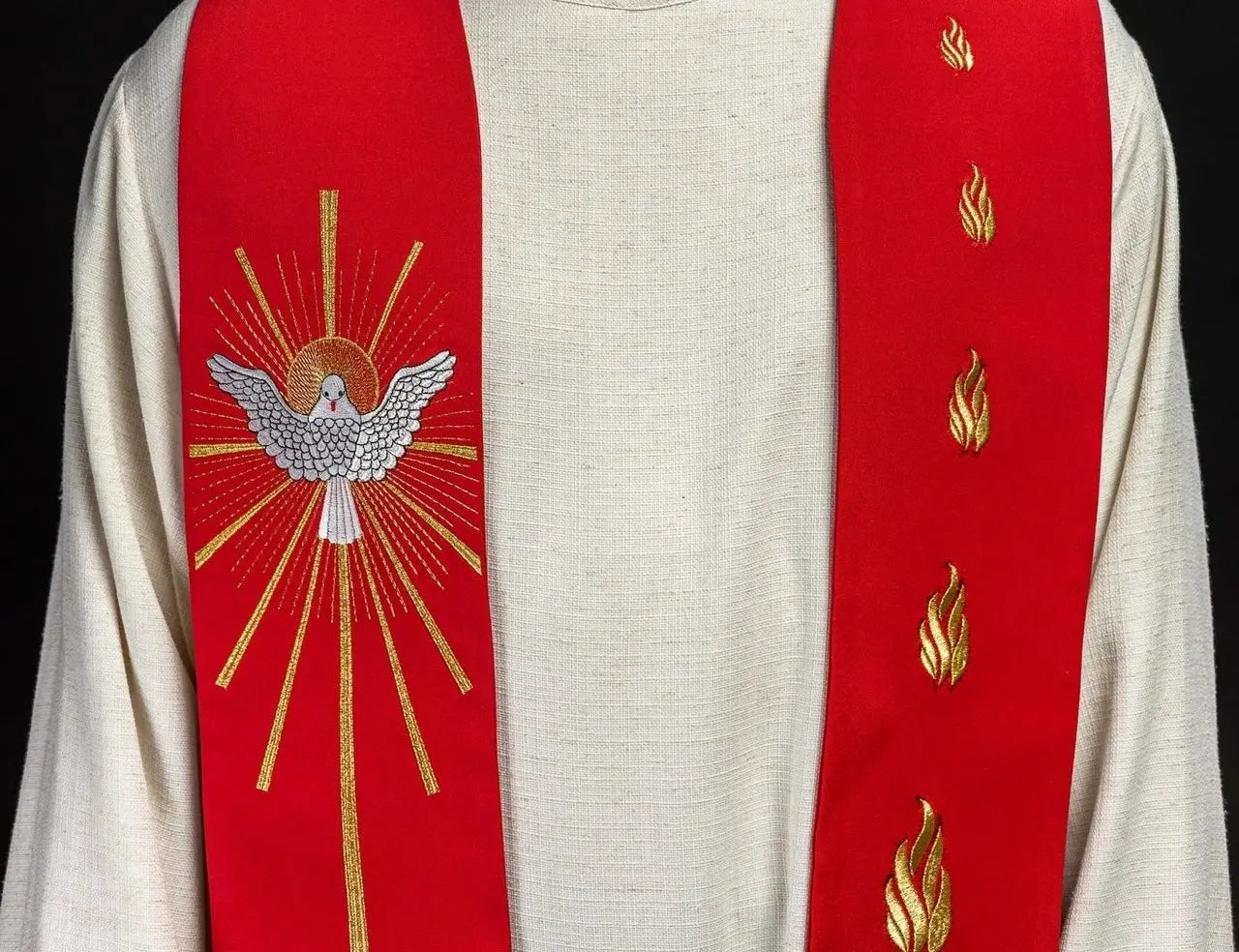
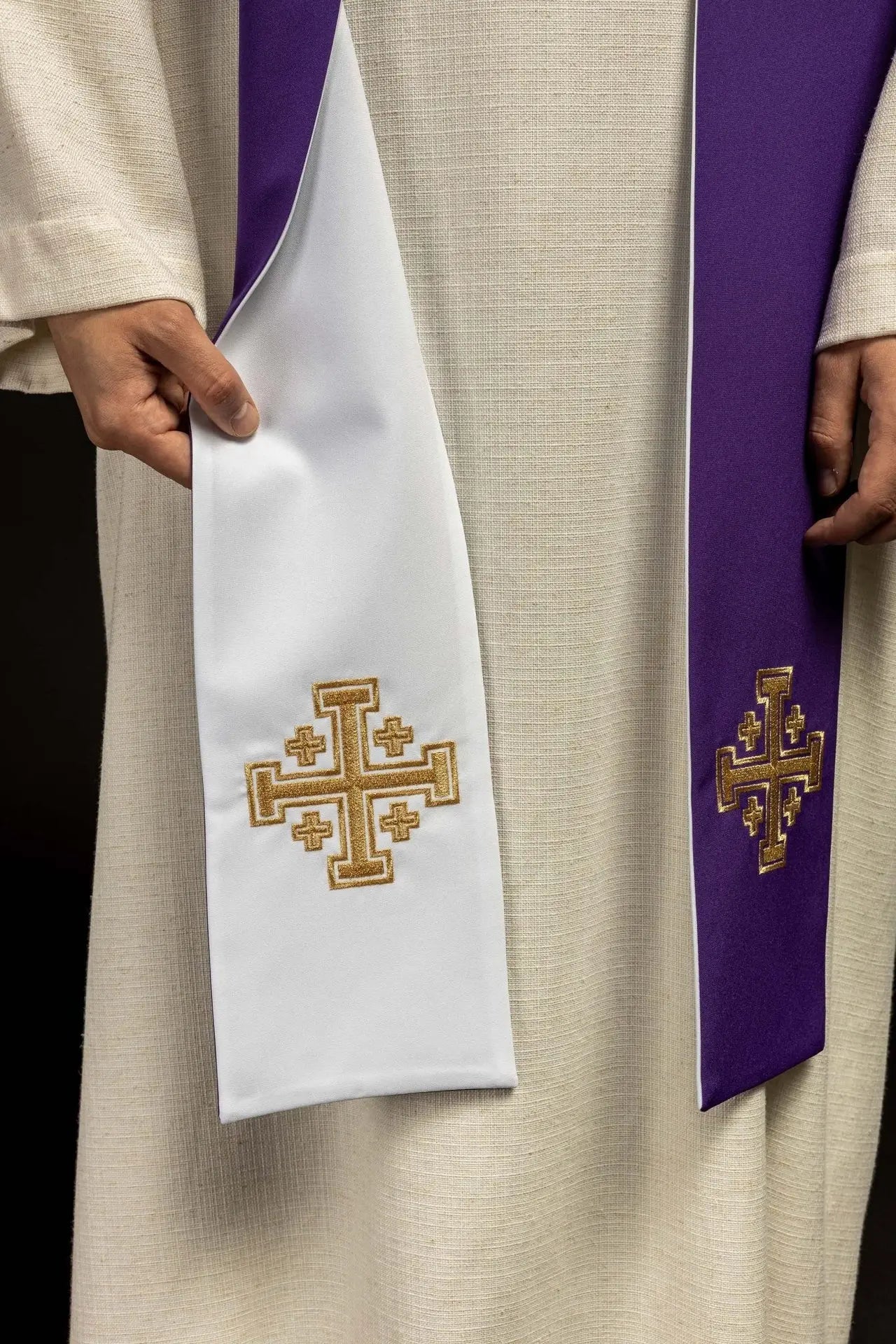
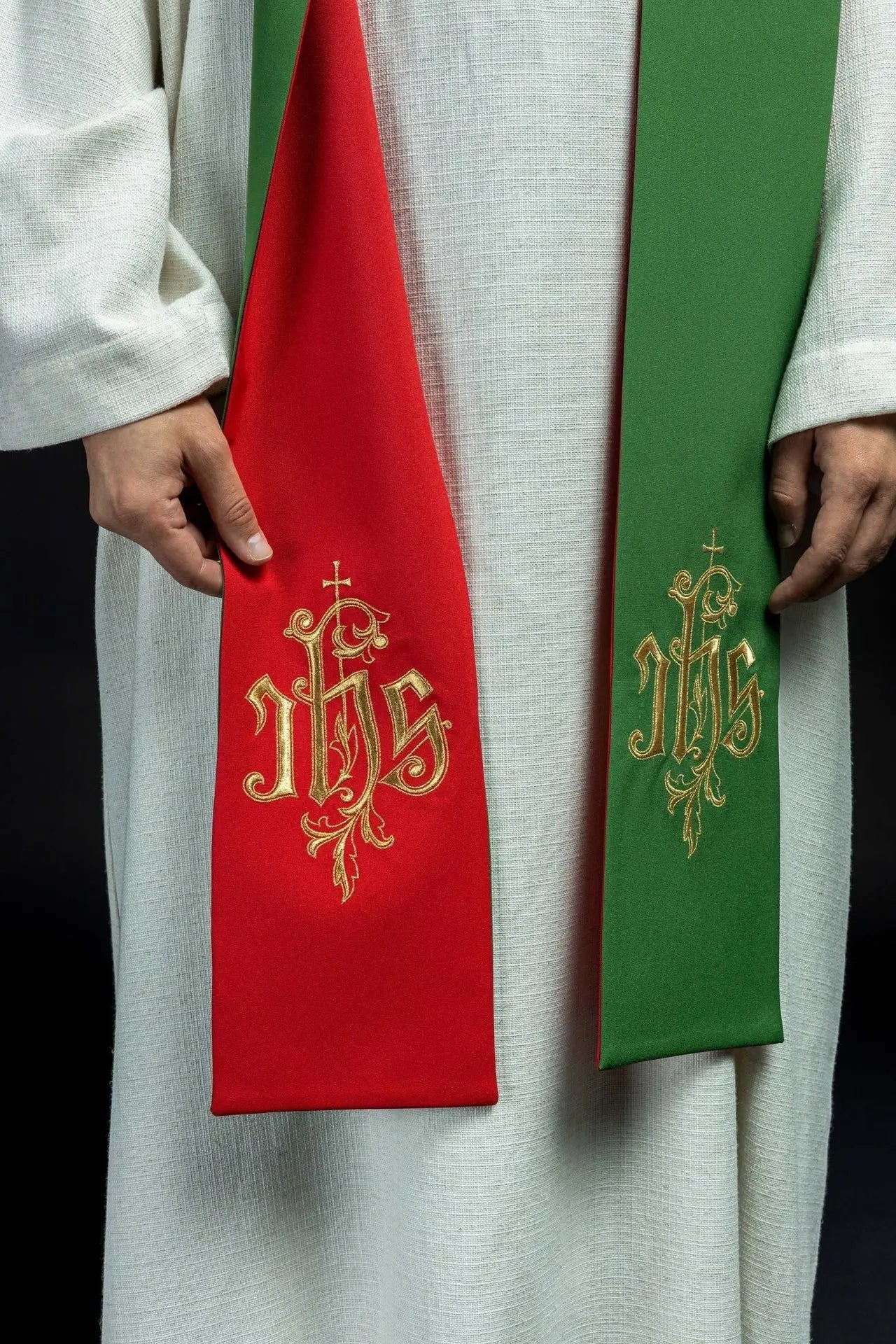
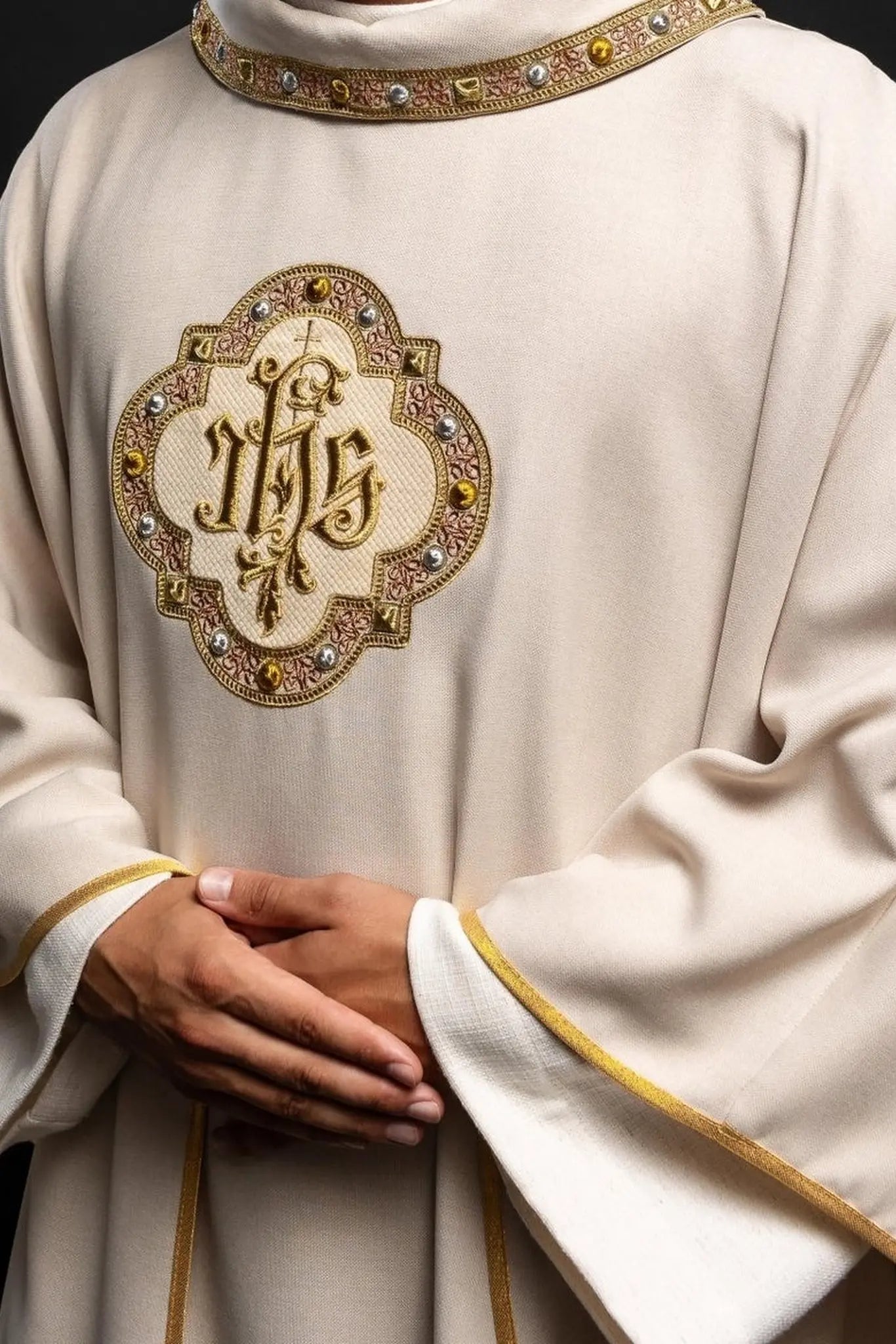
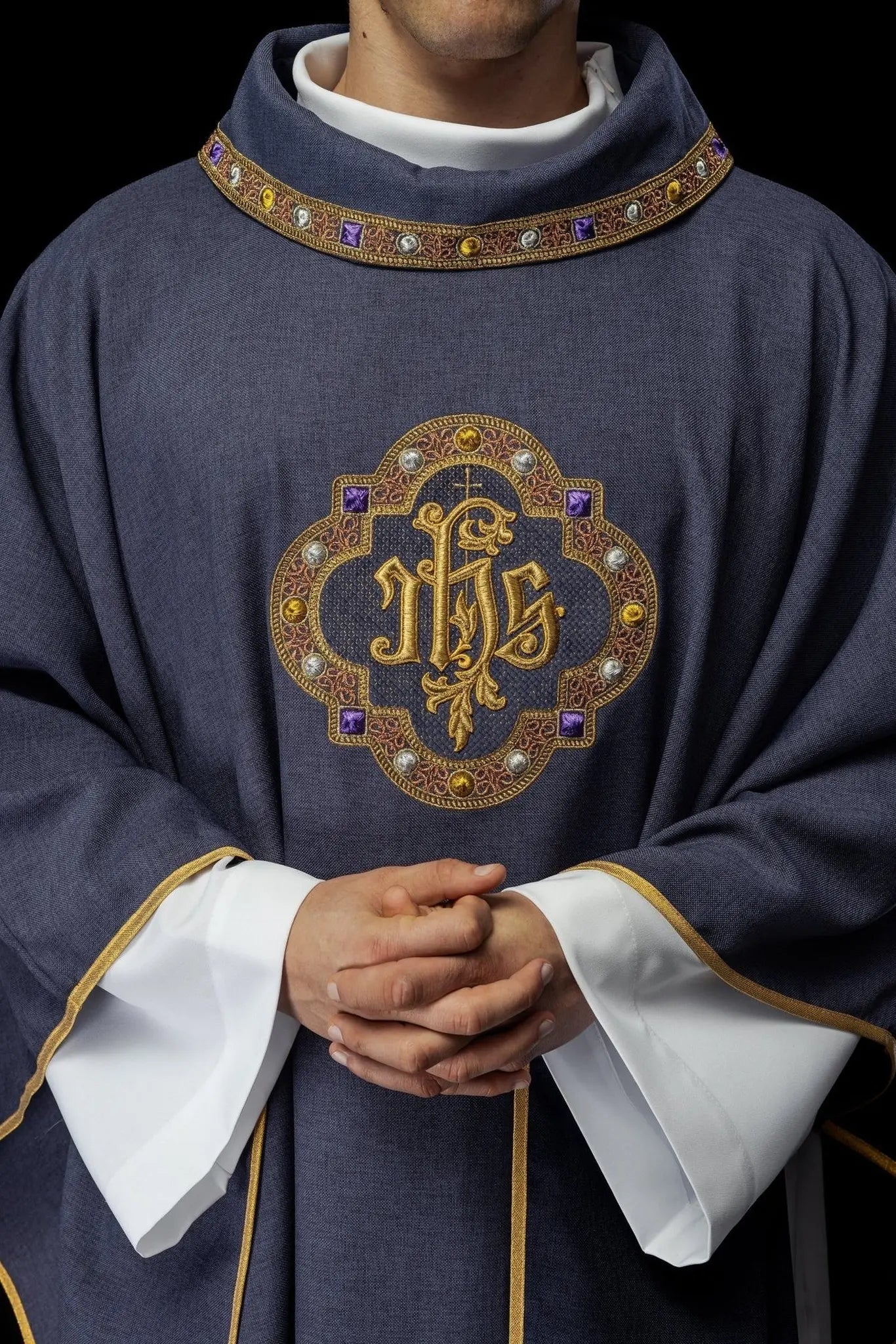
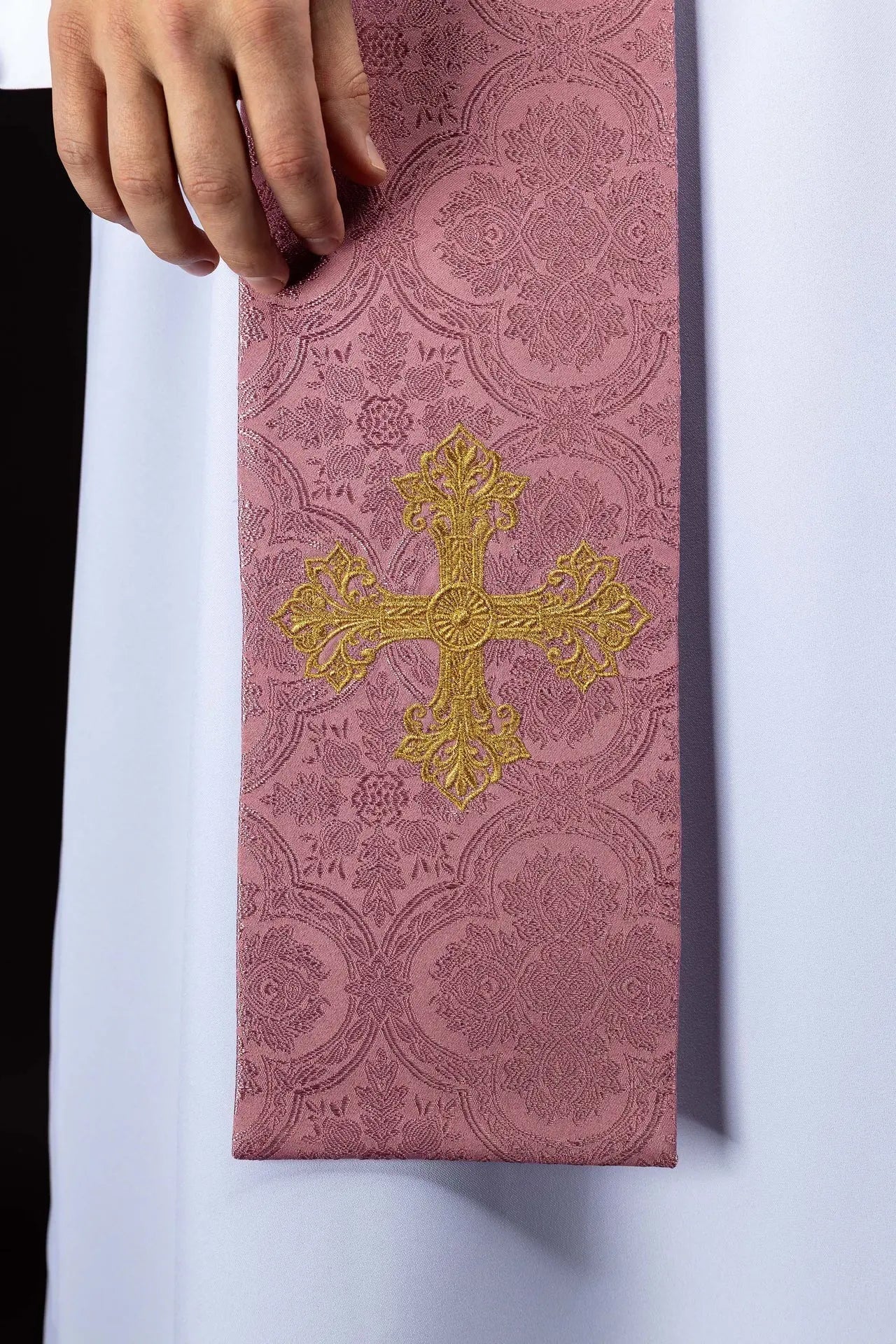
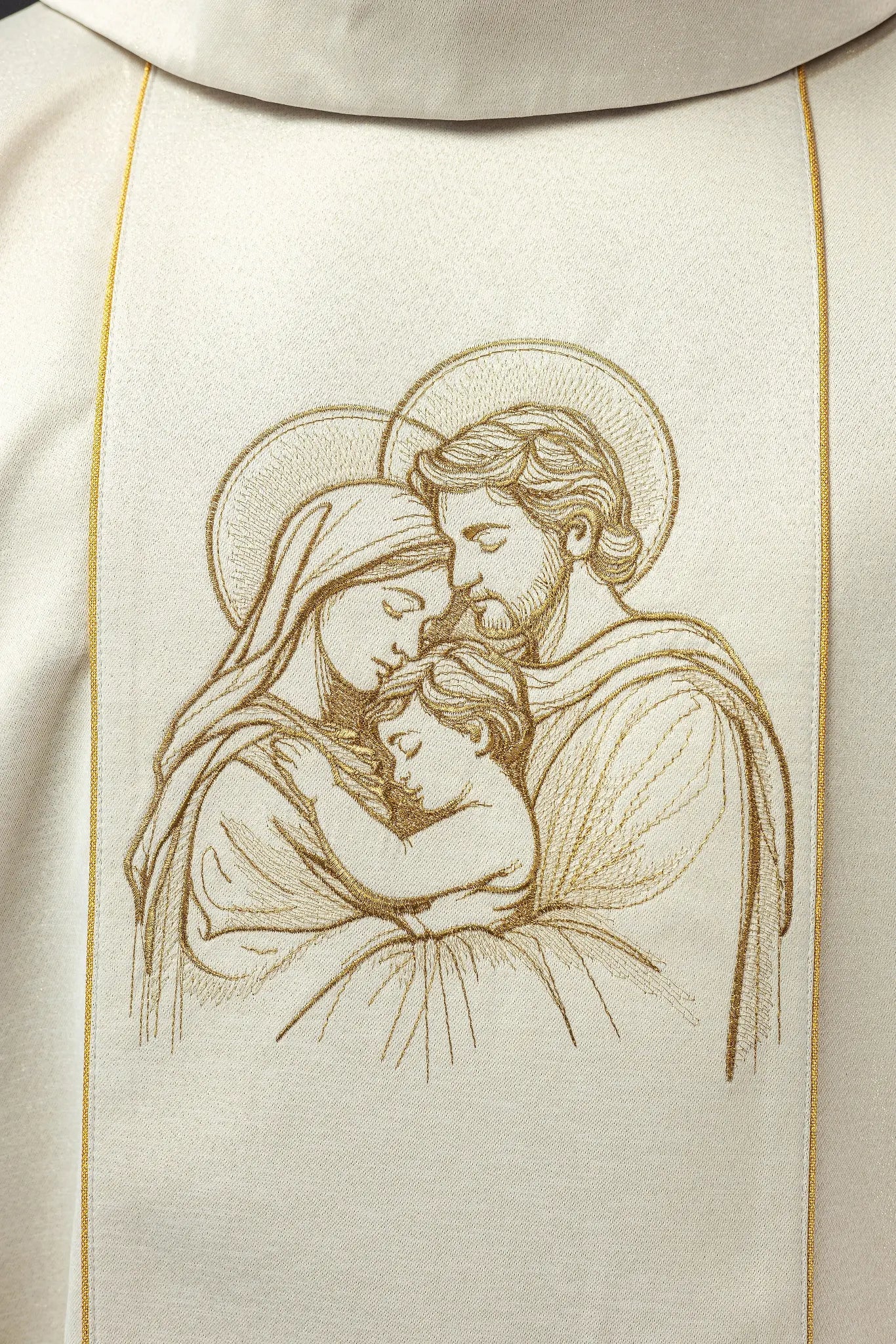
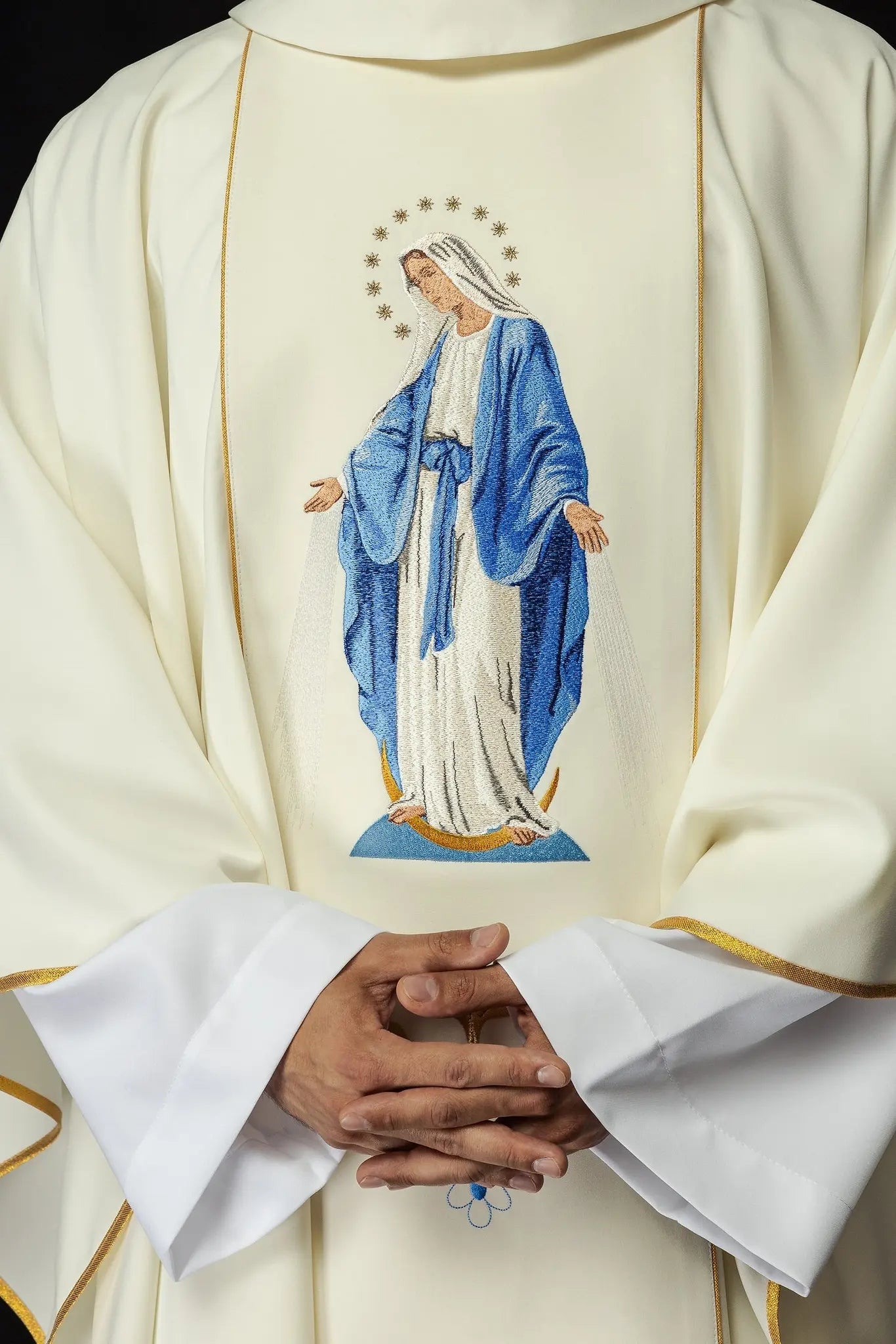
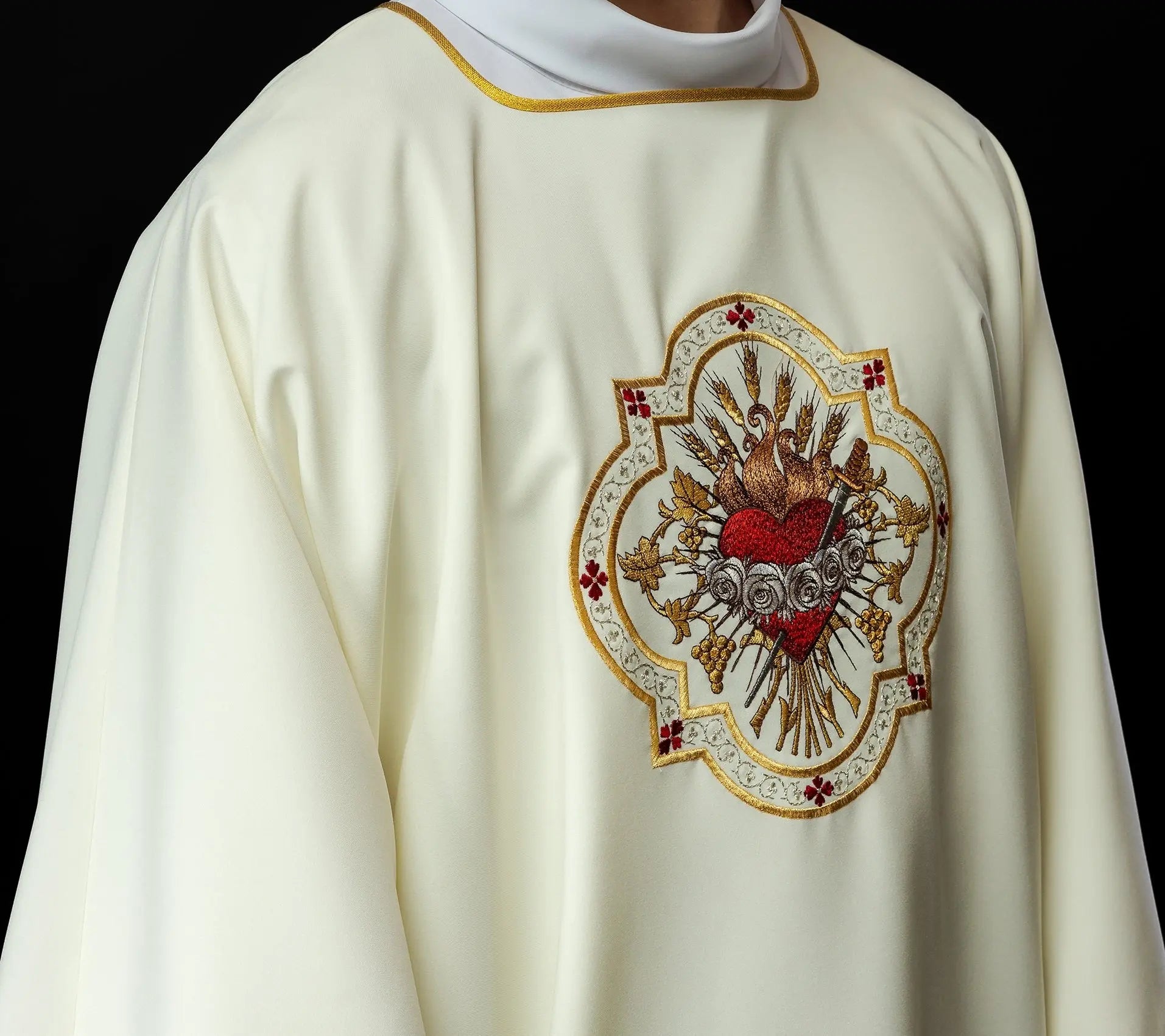
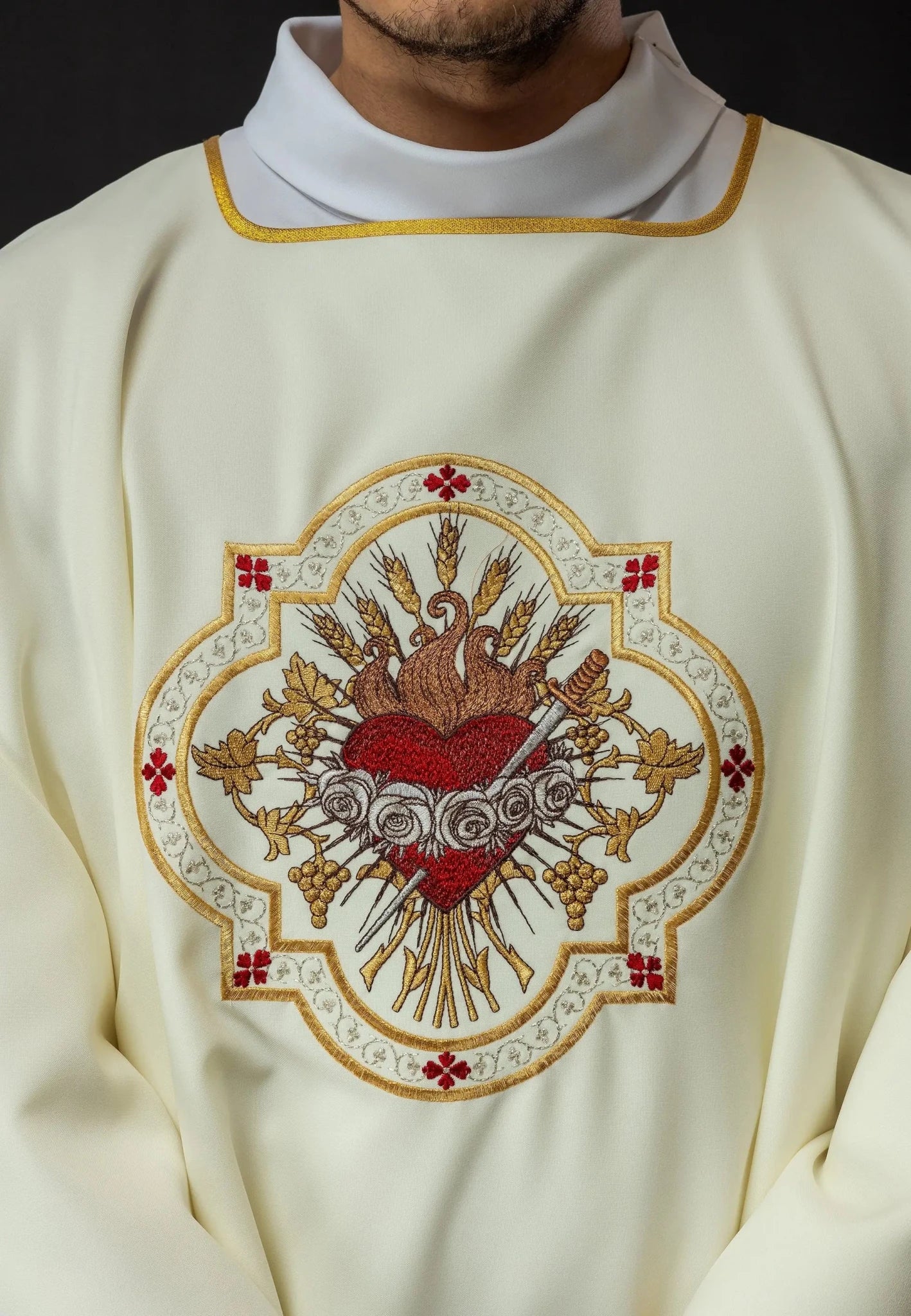
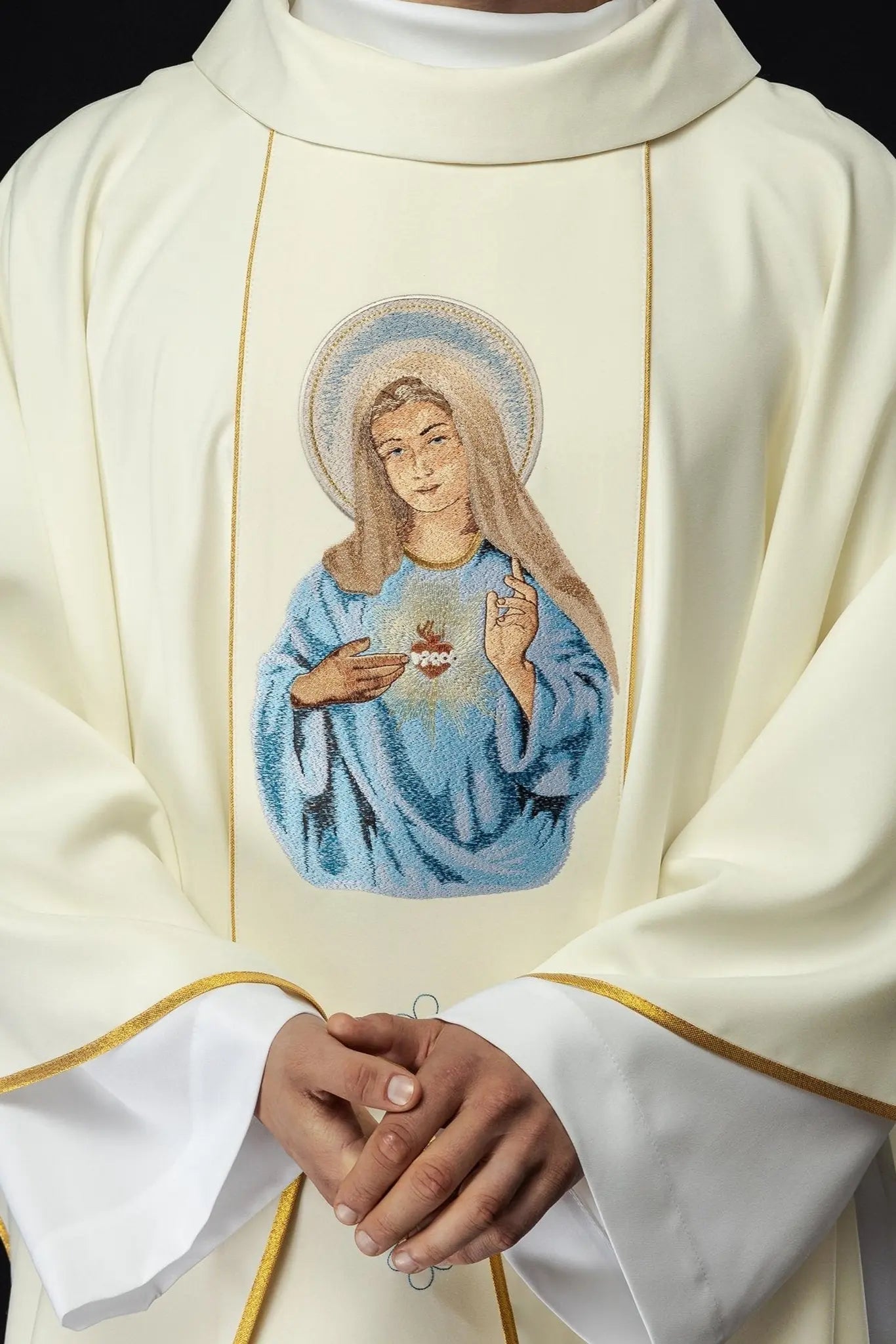
Embroidery should be chosen for both beauty and meaning. Eucharistic motifs, the cross, the IHS monogram, Marian symbols, the Sacred Heart, the Holy Spirit, vines, wheat, grapes, lilies, or images of saints all carry different associations. A design for daily Mass can be restrained and clear, while a patronal feast vestment may include more specific symbolism. If the church already has altar cloths, veils, banners, or pulpit covers in a particular style, vestments may be selected to harmonize with them without needing to match every detail exactly.
Adjacent vestment collections
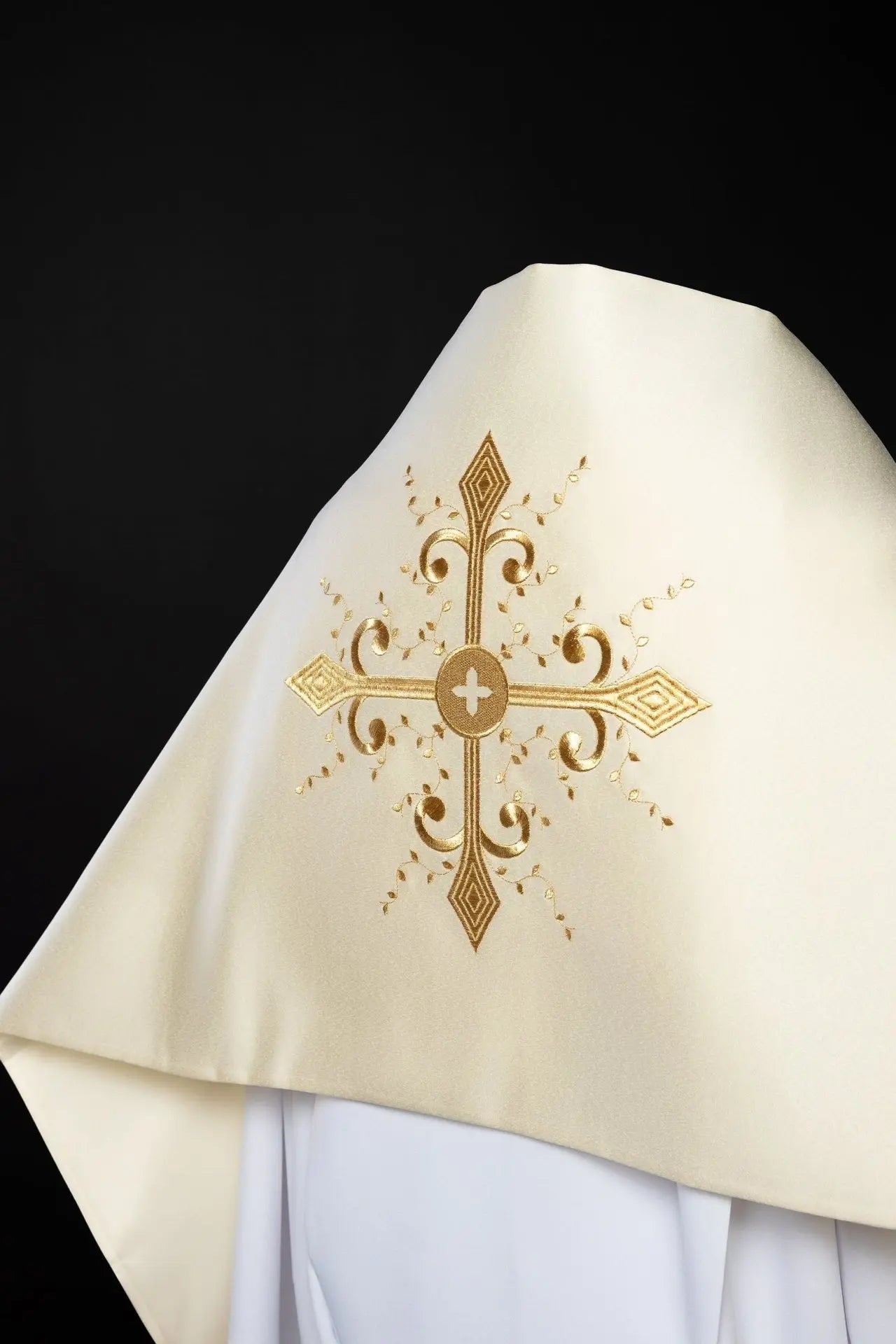
Because this is a broad collection, many visitors will find it useful to move from the general category to a more precise vestment type. Browse clergy stoles when the priority is sacramental ministry, concelebration, confession, blessings, or pastoral visits. Choose copes for processions, solemn Liturgy of the Hours, Benediction, and other ceremonial celebrations. Select humeral veils when the rite requires the minister to hold the monstrance or another sacred object in a prescribed way. For episcopal celebrations, mitres complete the pontifical vesture appropriate to a bishop.
Vestments also relate to the wider furnishing of the sanctuary. When a parish renews its sacristy, it may be helpful to coordinate vestments with altar cloths, chalice veils, ciborium veils, pulpit covers, and processional accessories. These items are not interchangeable with vestments, but together they shape the visual language of the church. A coherent sacristy allows the liturgical season, the rank of the celebration, and the ministry of each person to be read clearly by the assembly.
Craftsmanship, fabric, and practical details
High-quality liturgical vestments depend on more than a visible embroidered motif. The base fabric should hang well, move comfortably, and suit the climate and frequency of use. A heavy brocade can be fitting for solemn feasts, while lighter fabrics may be more practical for daily Mass or warm churches. The cut should allow the minister to raise the arms, process, sit, and serve at the altar without awkward pulling. Collars, openings, closures, linings, trims, and seams all contribute to whether a vestment feels dignified and practical over time.
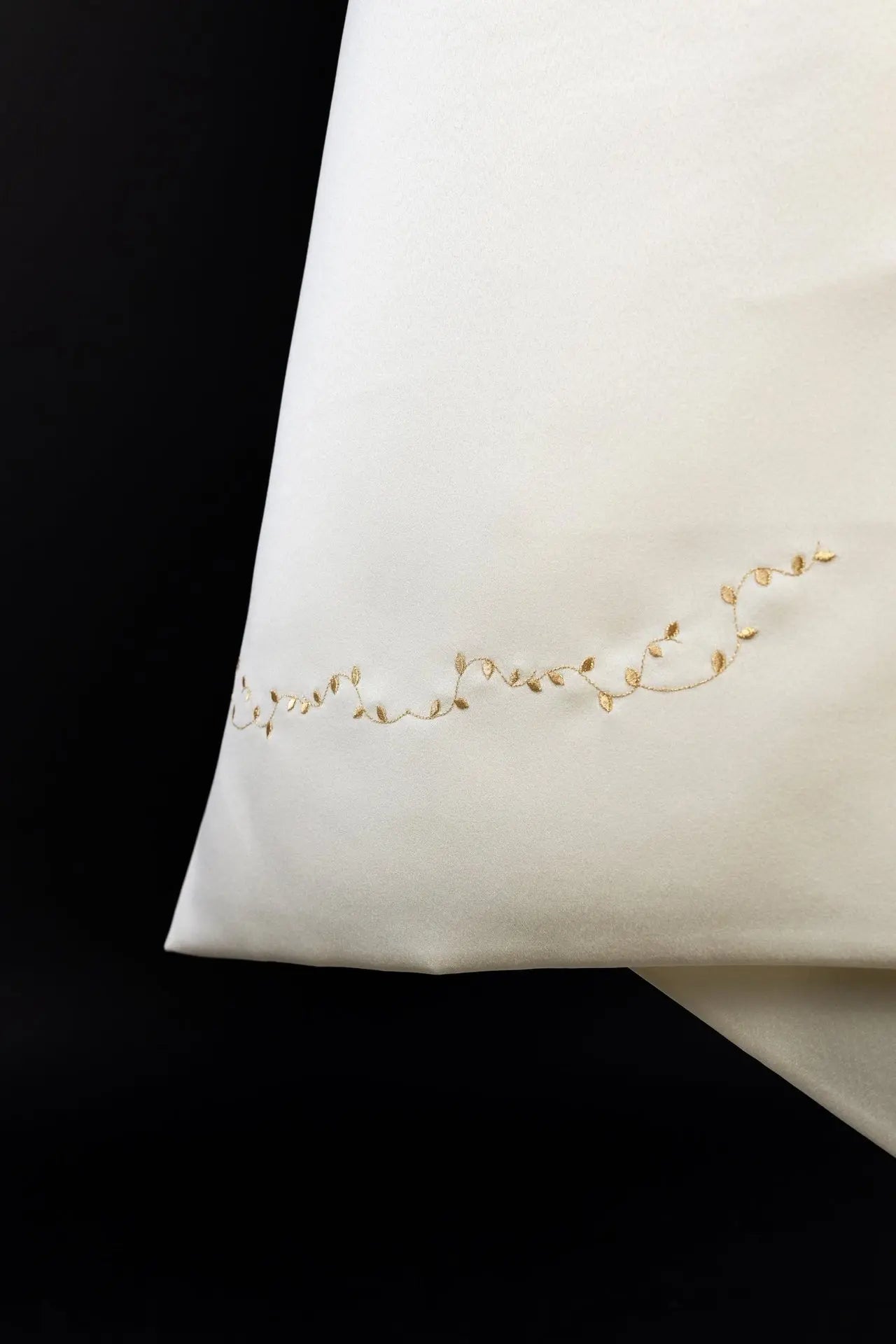
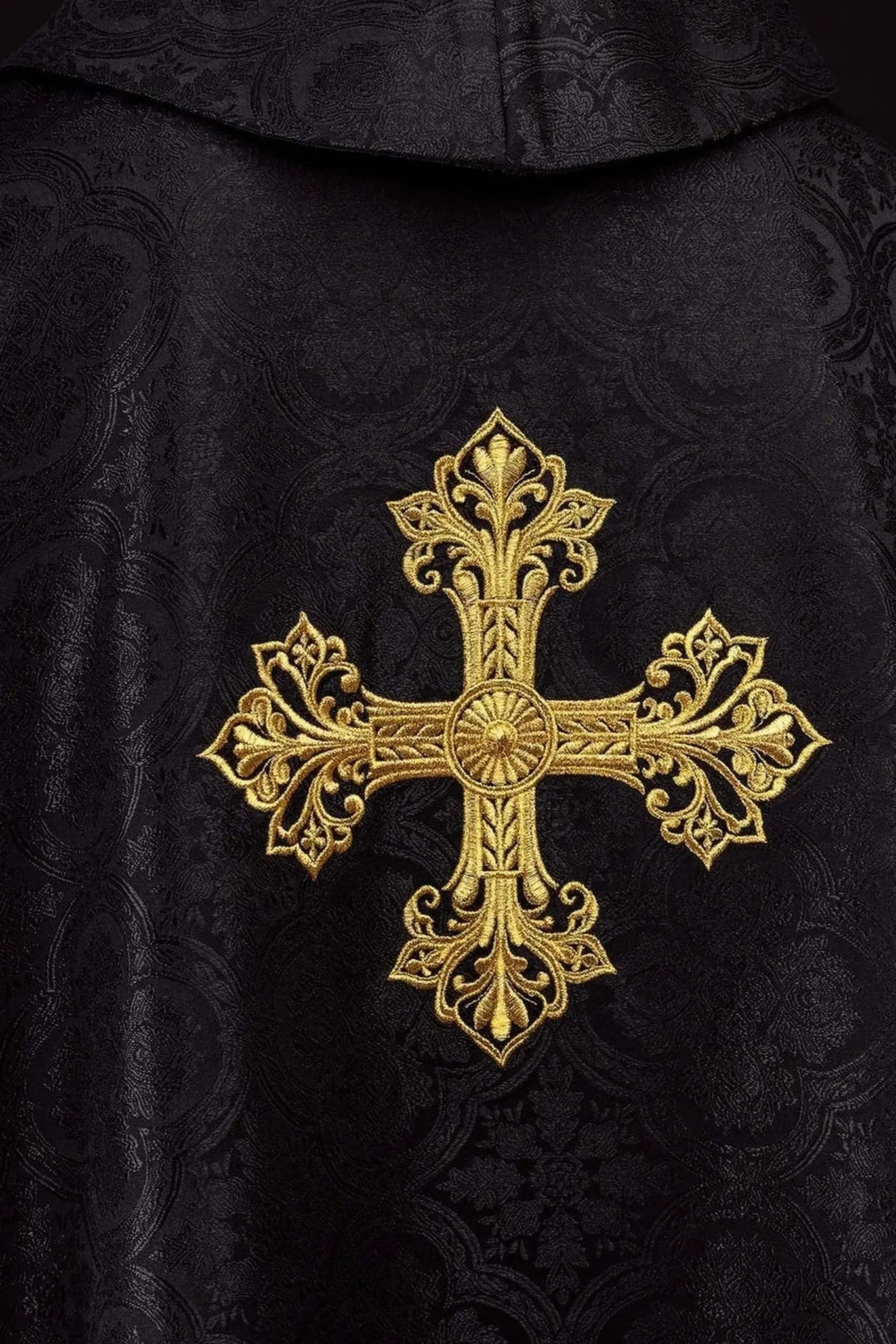
Embroidery and appliqué require particular attention because they carry both decorative and theological weight. A cross placed prominently on a chasuble, a Marian emblem on a stole, or Eucharistic symbols on a cope should be legible and proportionate. Good craftsmanship keeps the garment balanced: beautiful enough for worship, but still ordered toward prayer rather than display. For parishes ordering several vestments, consistency in fabric family, color tone, and embroidery scale can make the sacristy easier to manage and visually more harmonious.
Care and storage of liturgical vestments
Vestments should be treated as items reserved for sacred use. After the liturgy, they should be aired when necessary, checked for stains or loose threads, and stored in a clean, dry place away from direct sunlight. Chasubles and copes are often best stored flat or on broad hangers, depending on construction and available sacristy space. Embroidered areas should not be sharply folded, and heavy pieces should not be compressed under other garments.
Cleaning should follow the care instructions of the individual garment. Many embroidered vestments, brocades, and lined pieces require professional cleaning rather than ordinary machine washing. Albs used frequently by servers and ministers may need more regular care, but even simple garments benefit from careful laundering and proper drying. Regular inspection helps a parish repair small issues before they become visible during worship.
Frequently Asked Questions (FAQ)
Which vestments should a parish buy first?
A practical starting set usually includes chasubles in green, white or ecru, violet, and red, together with albs and stoles for the clergy who serve regularly. After that, a parish can add rose for Gaudete and Laetare, funeral vestments, Marian designs, dalmatics for deacons, and more solemn vestments for major feasts.
What is the difference between a chasuble and a dalmatic?
A chasuble is the outer vestment of a priest or bishop celebrating Mass. A dalmatic is the proper outer vestment of a deacon at solemn liturgies. They may be made in matching fabrics and colors, but they express different ordained ministries and should not be described as the same garment.
When is a cope used instead of a chasuble?
A cope is not normally the vestment for the priest celebrant at Mass. It is used for processions, Benediction, solemn celebrations of the Liturgy of the Hours, and other rites where the rubrics call for it. For Eucharistic adoration, a cope may be paired with a humeral veil depending on the action being performed.
How should I choose the correct liturgical color?
Begin with the day in the liturgical calendar and the rite being celebrated. Green belongs to Ordinary Time, violet to Advent and Lent, white or ecru to many feasts and seasons of joy, red to the Passion, Holy Spirit, apostles, evangelists, and martyrs, and rose to Gaudete and Laetare where it is used.
Can vestments be coordinated with altar cloths and other church textiles?
Yes, coordination can give the sanctuary a clear and dignified appearance. The items do not need to be identical, but color tone, embroidery style, and symbols can be selected so that vestments, altar textiles, veils, and pulpit covers support the same liturgical season or feast.