
Sort by
18 products
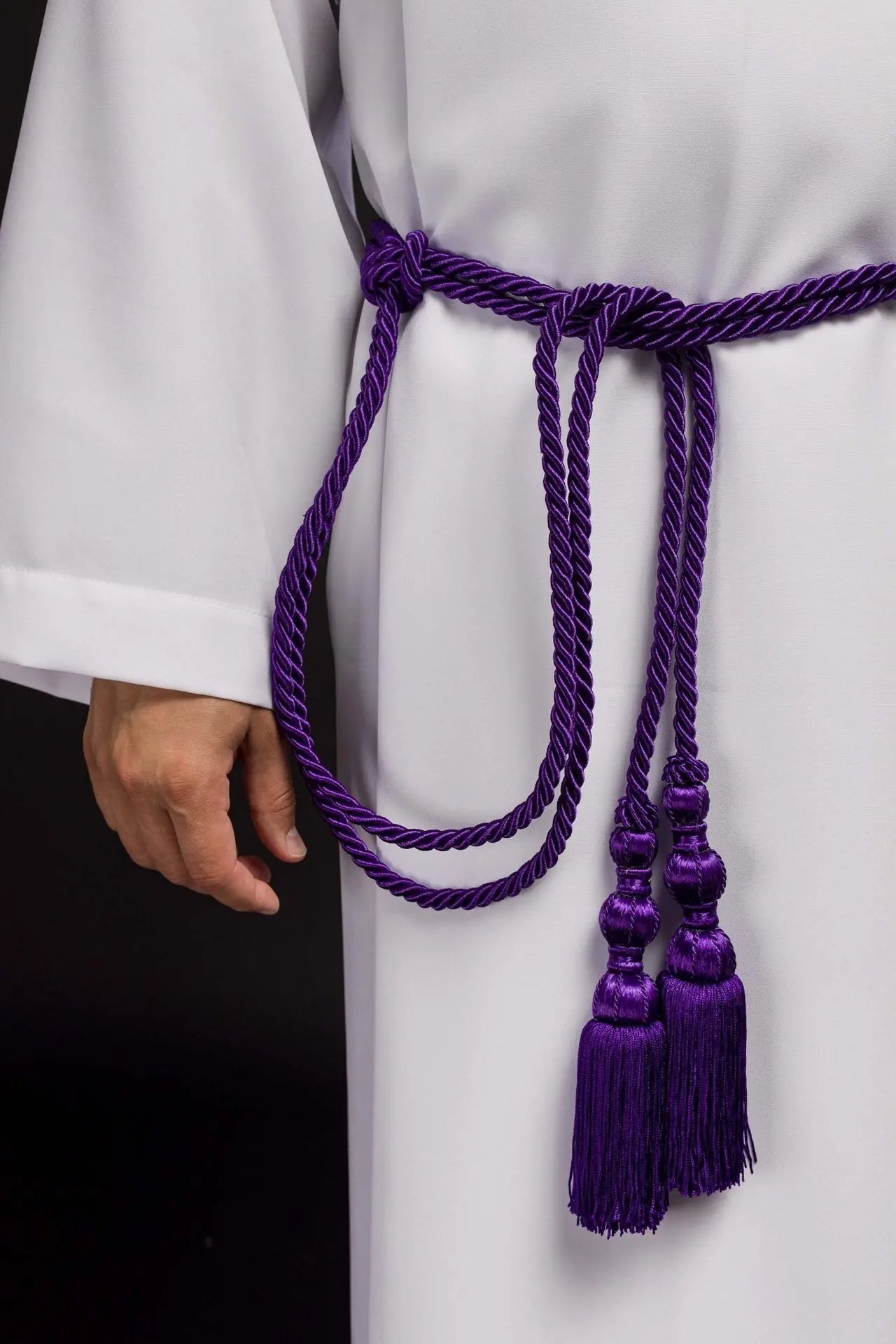
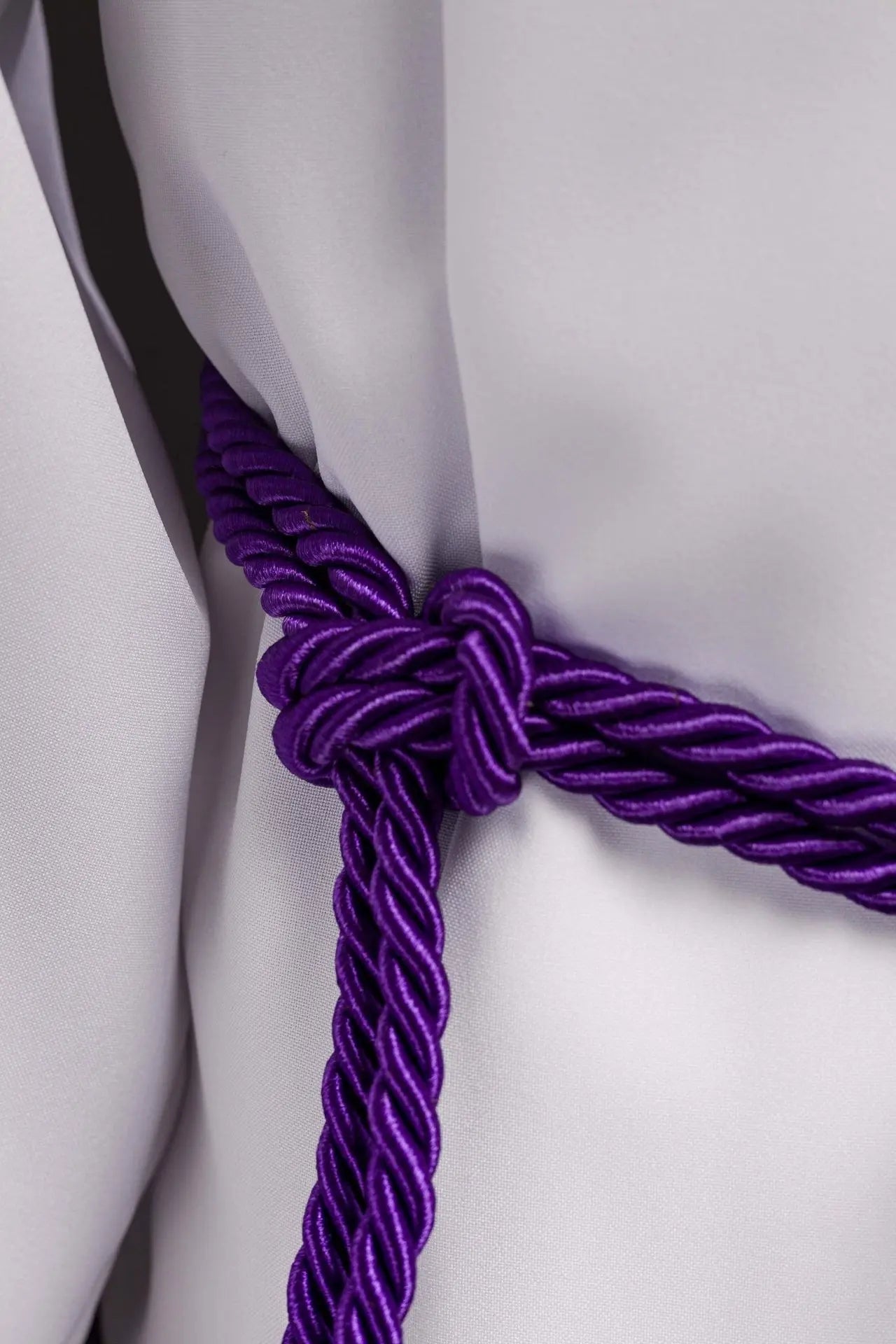
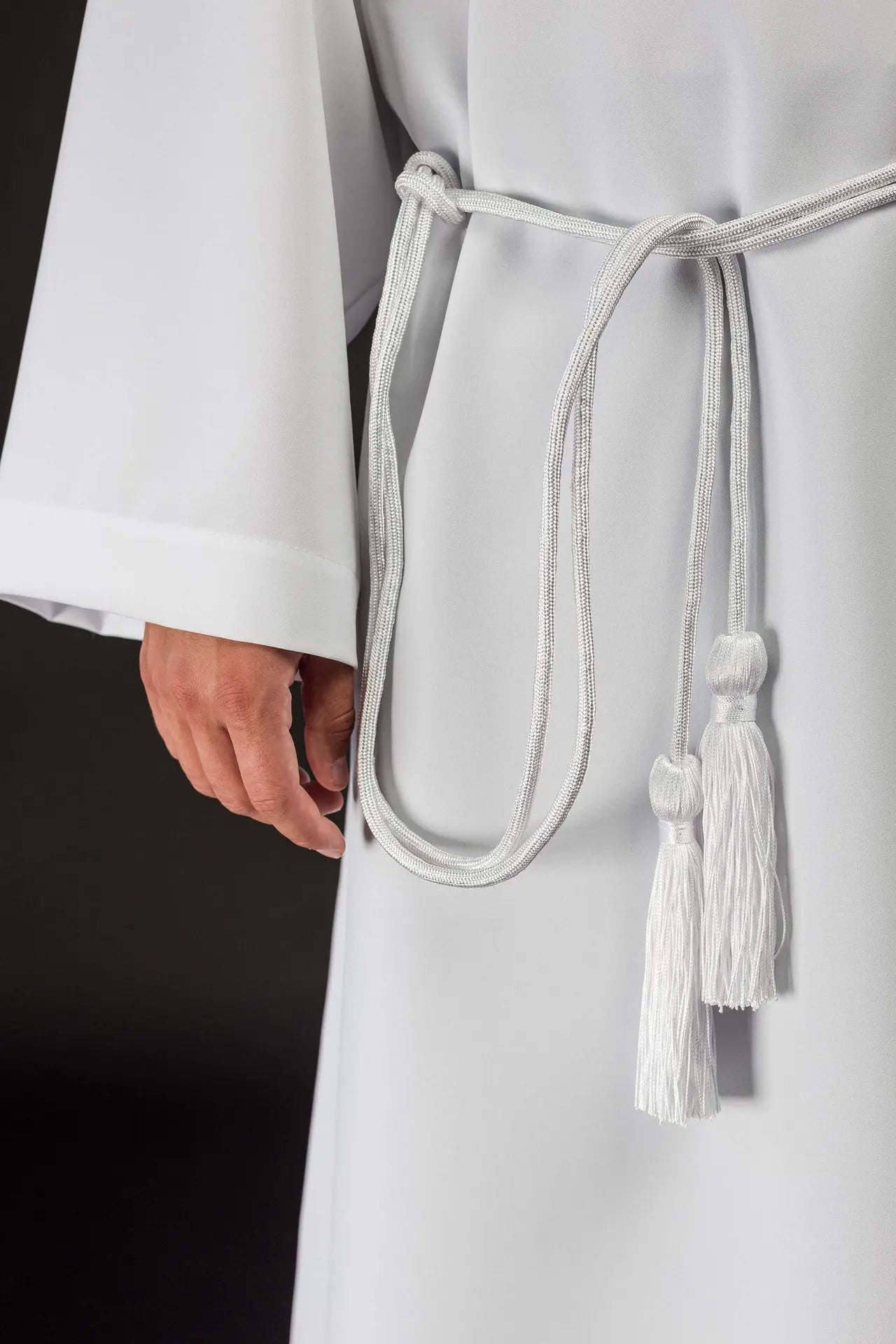
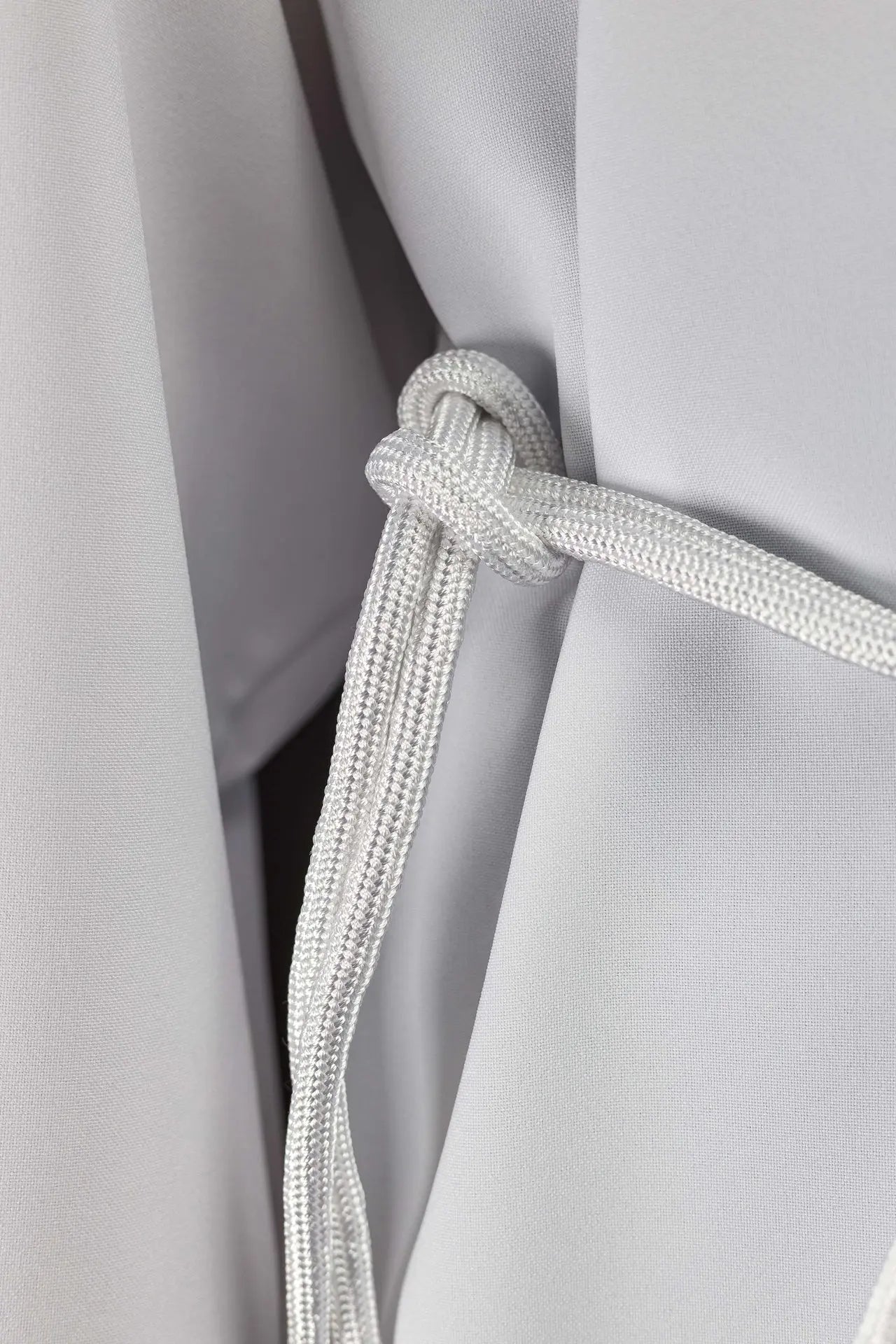
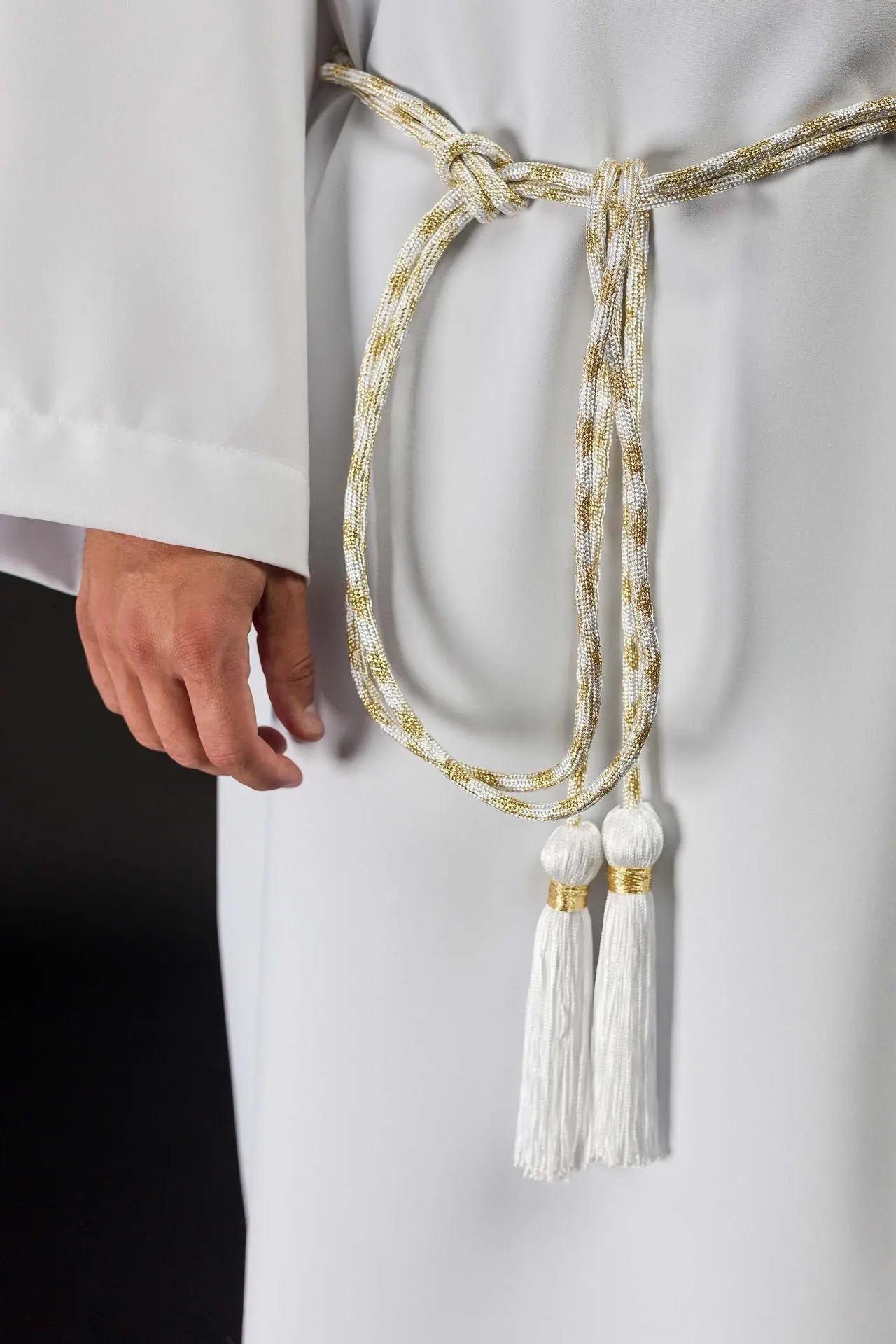
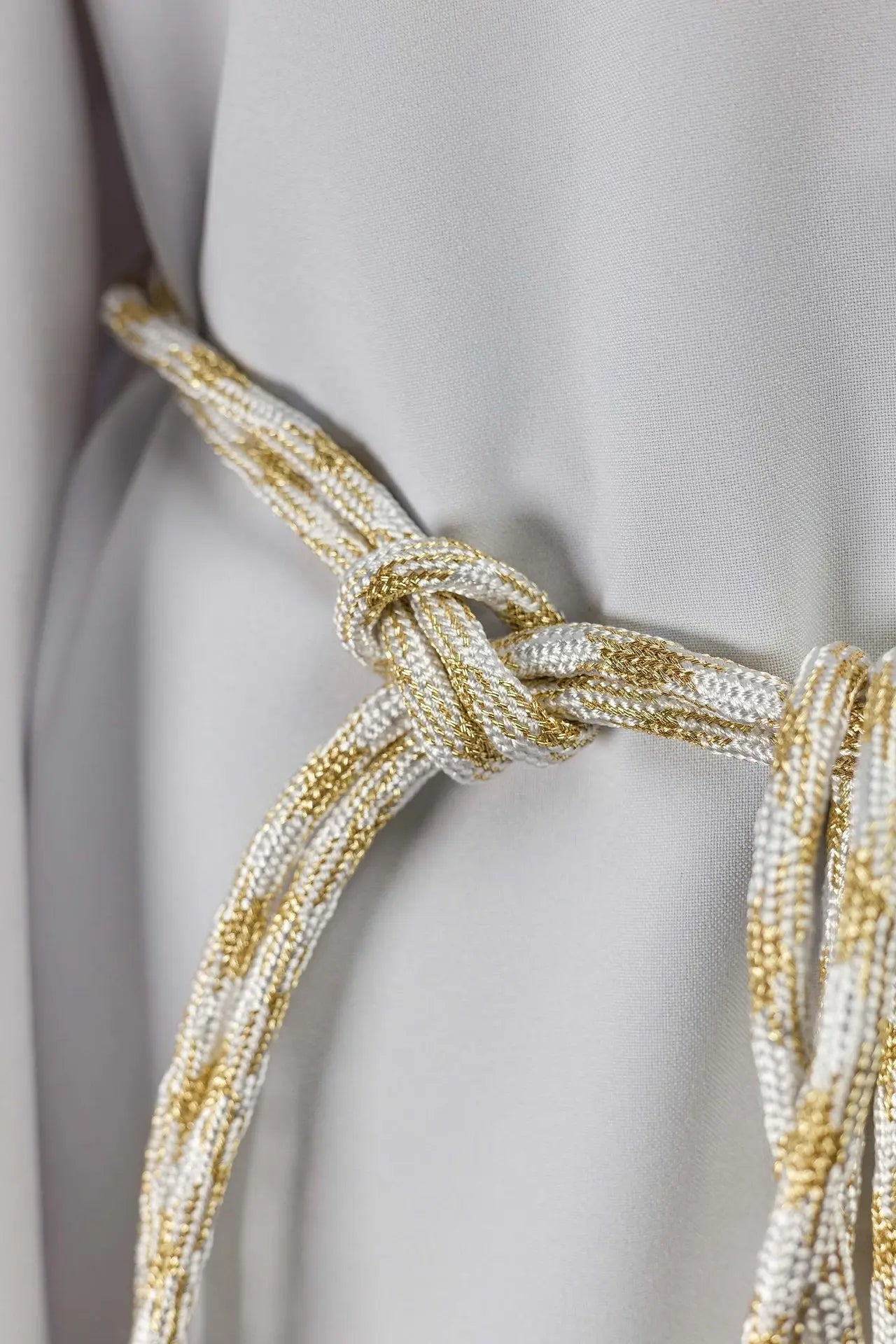
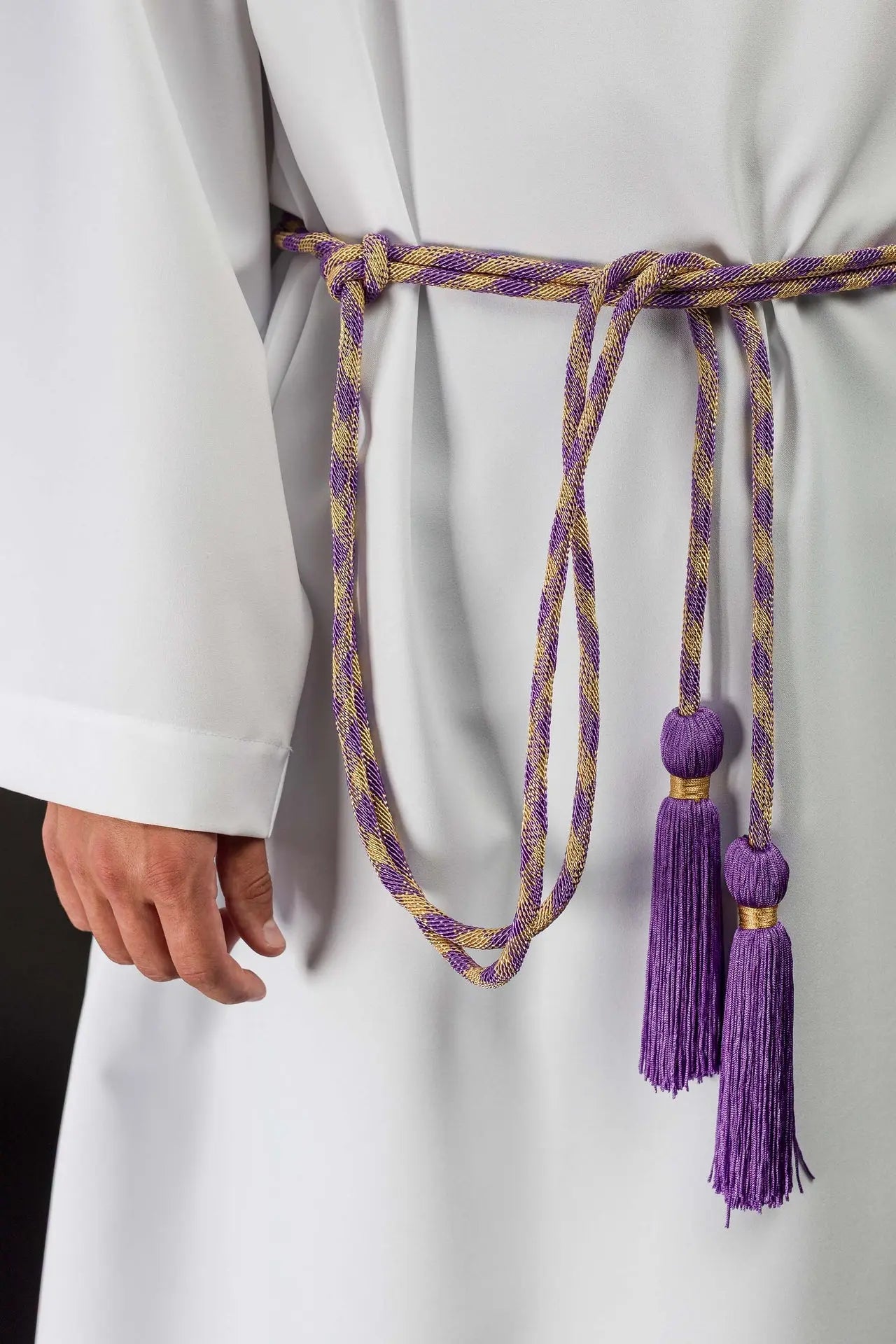
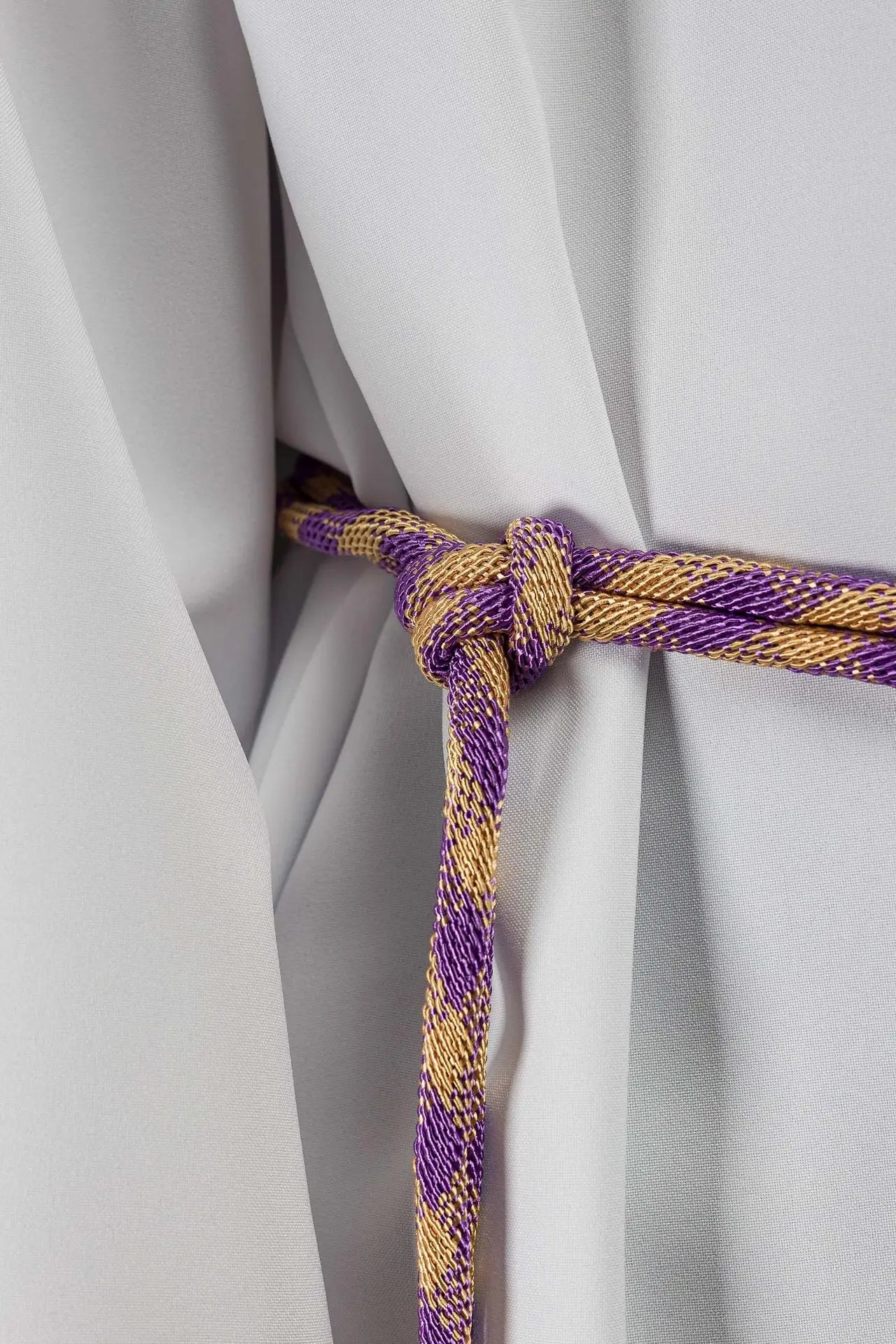
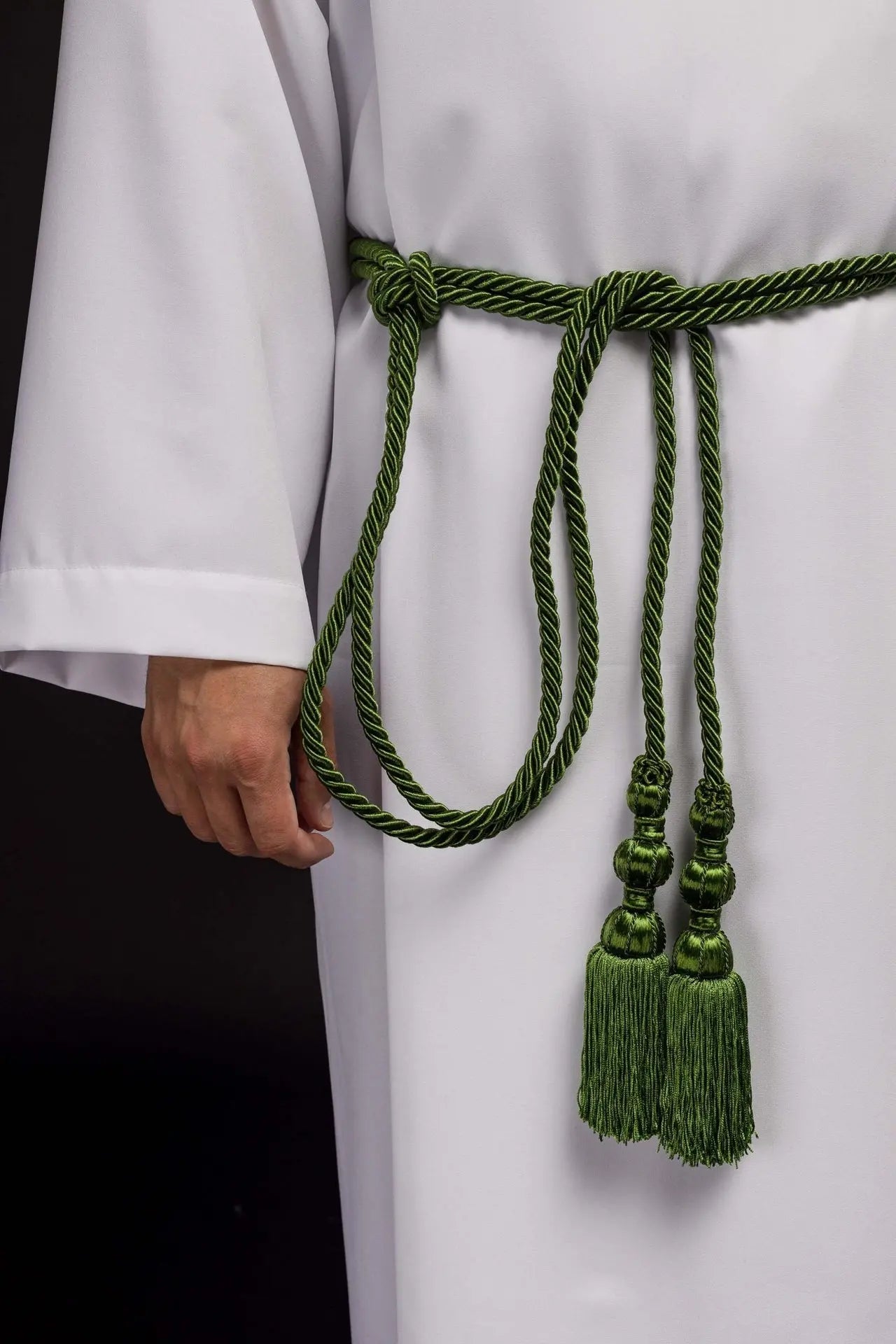
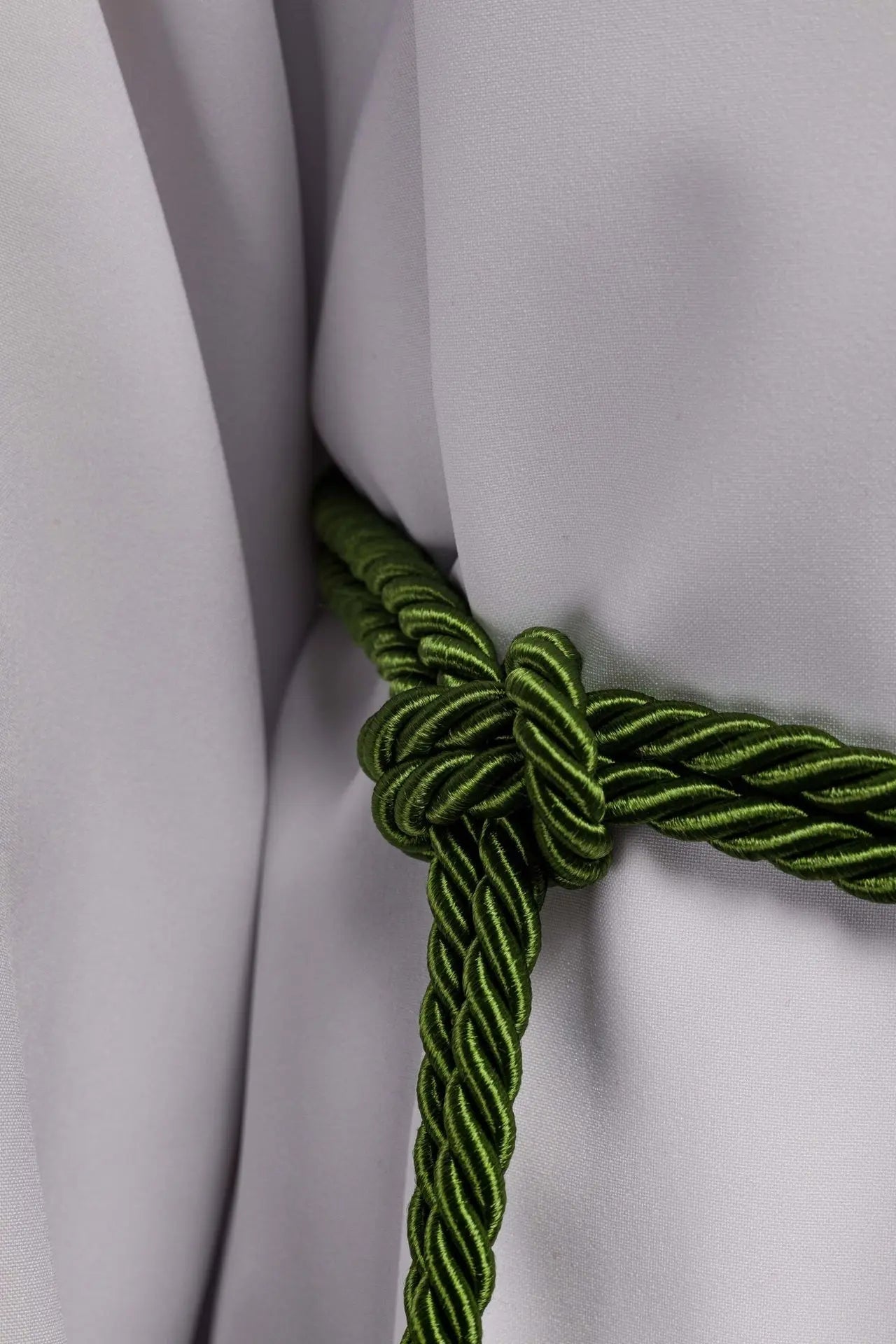
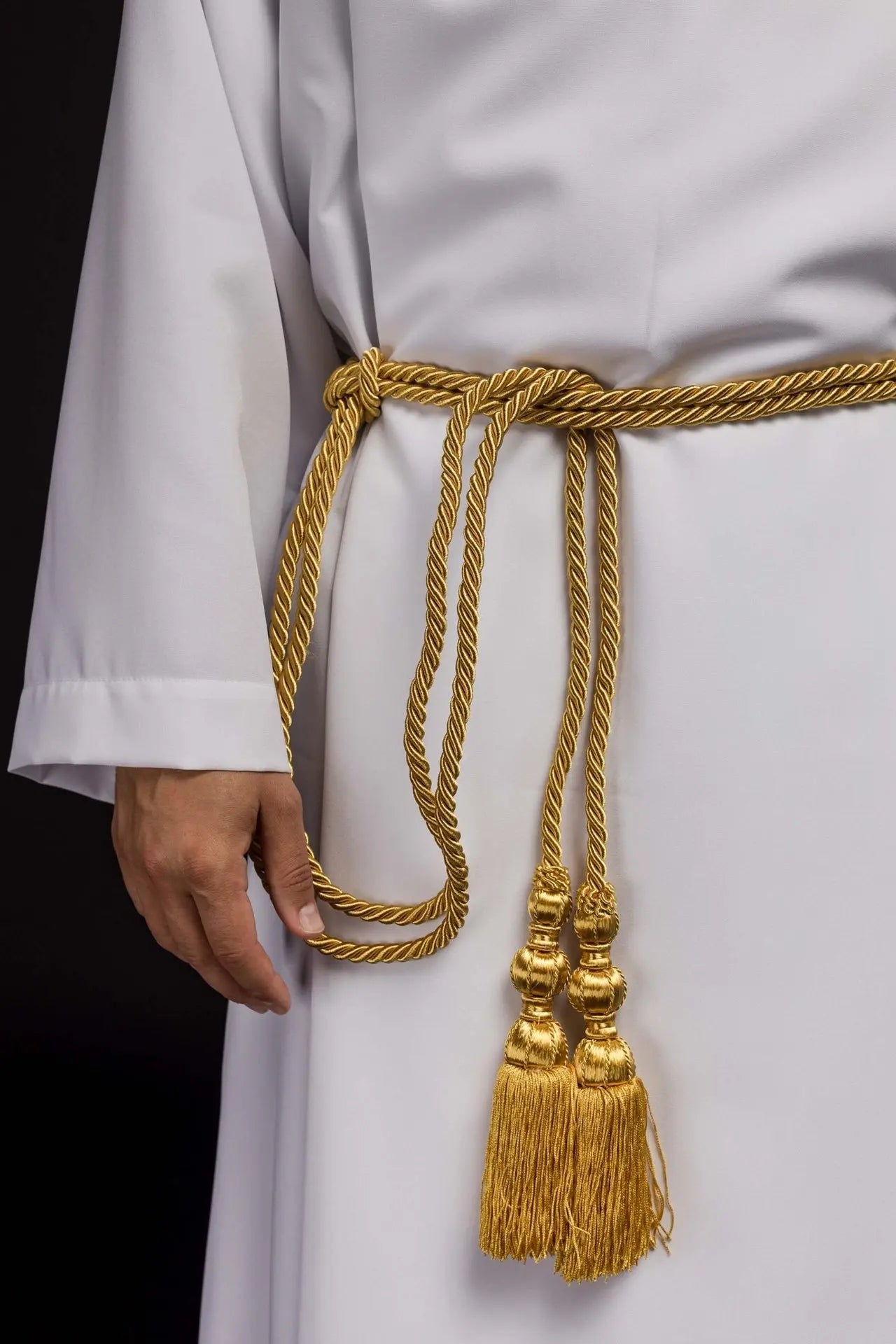
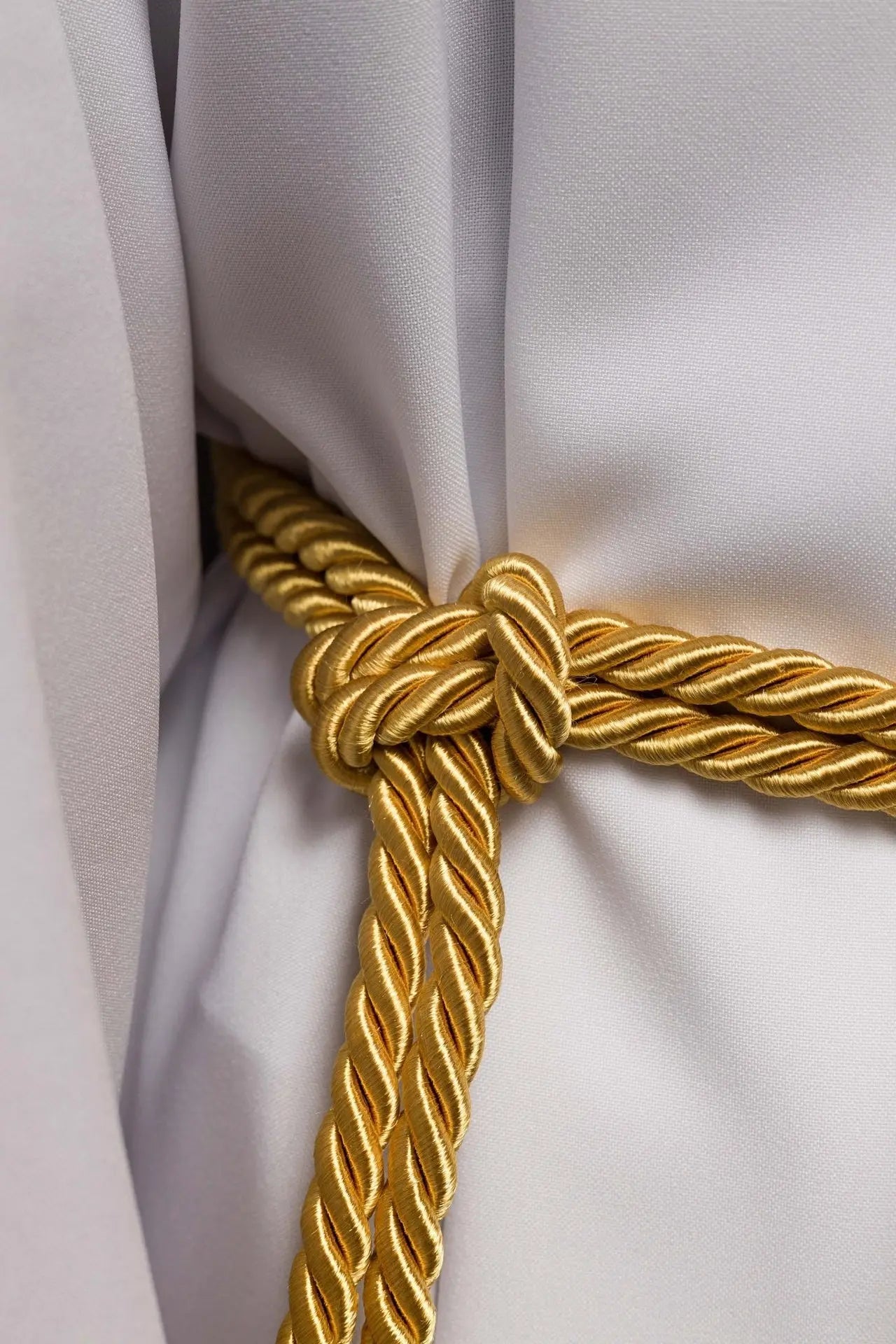
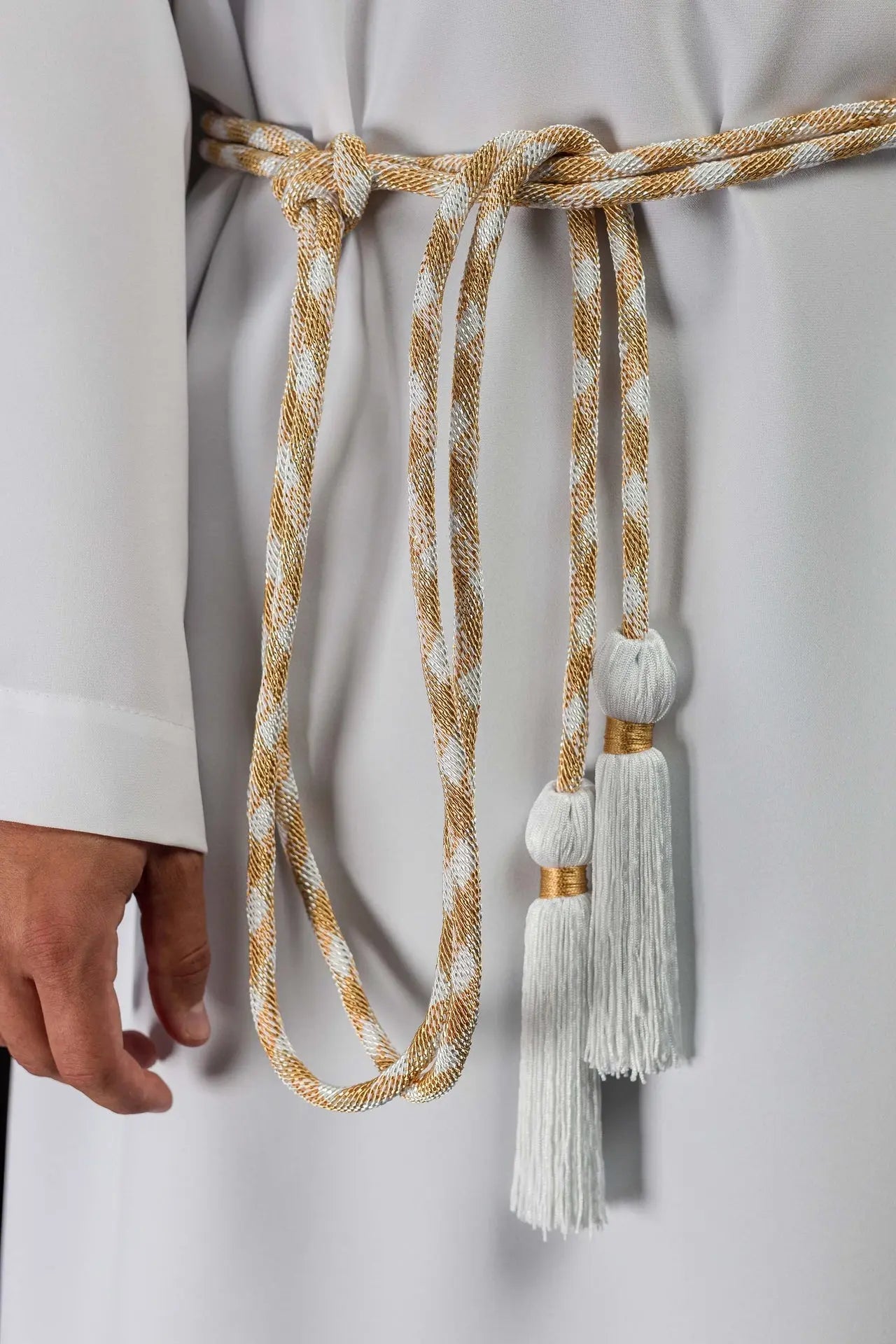
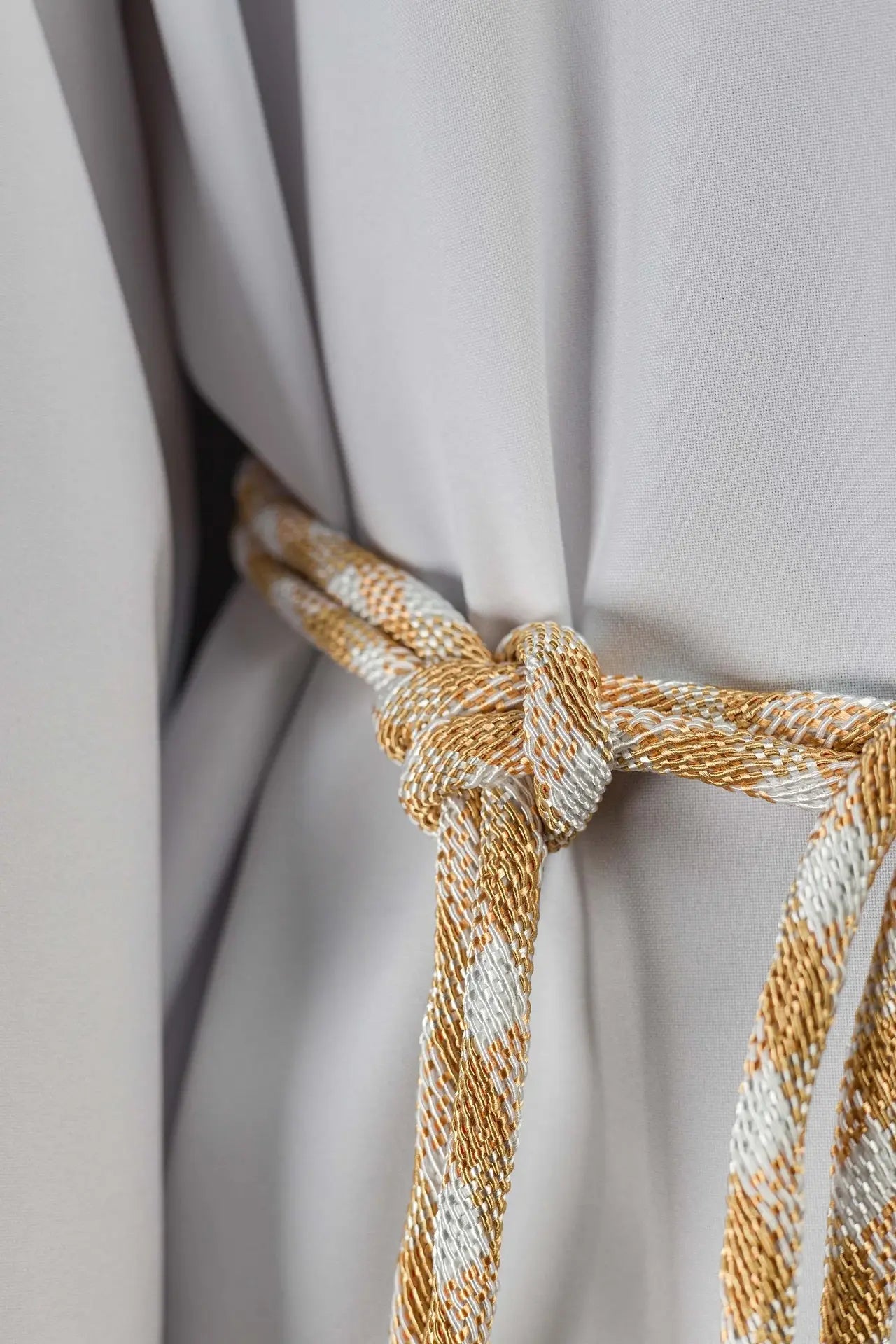
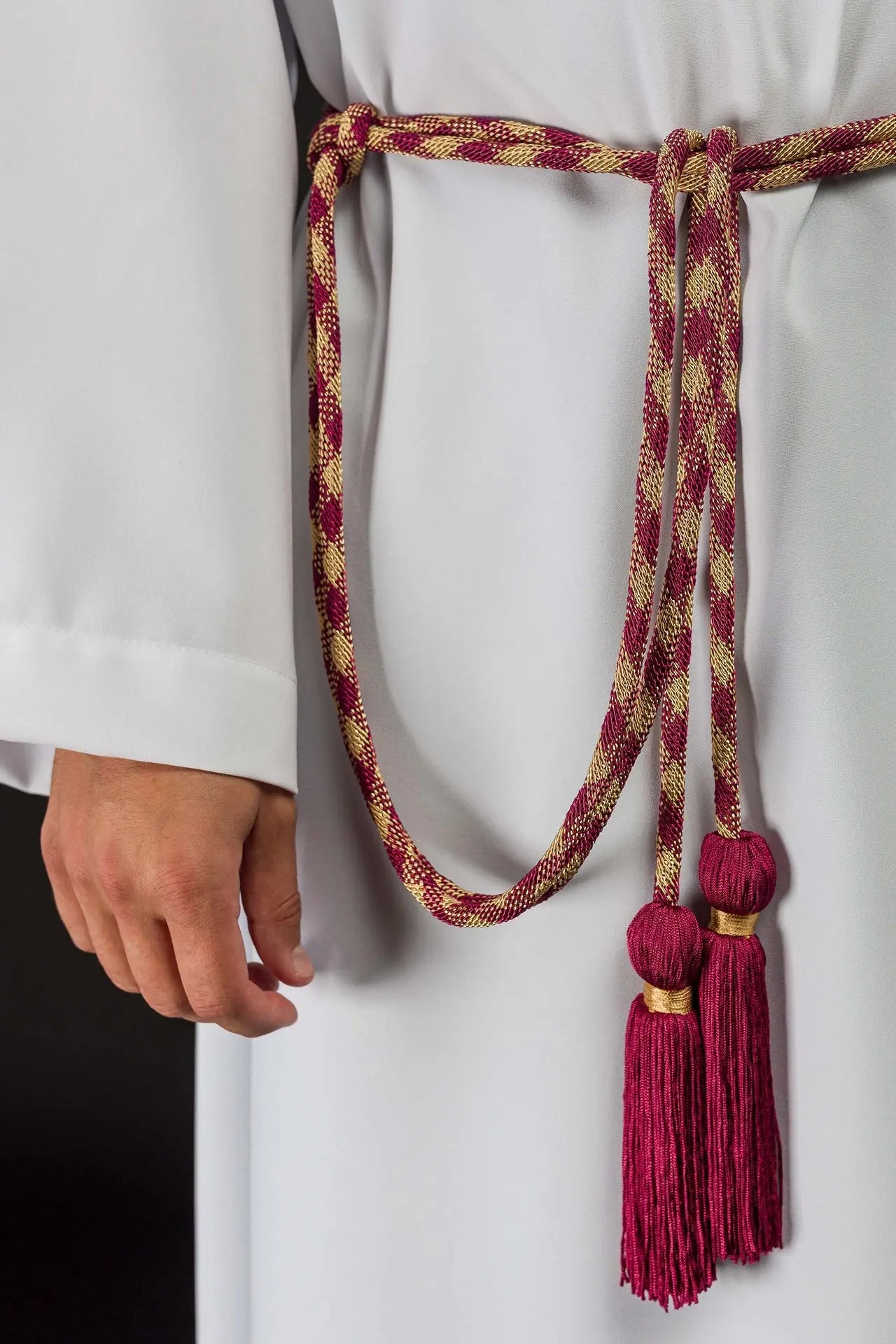
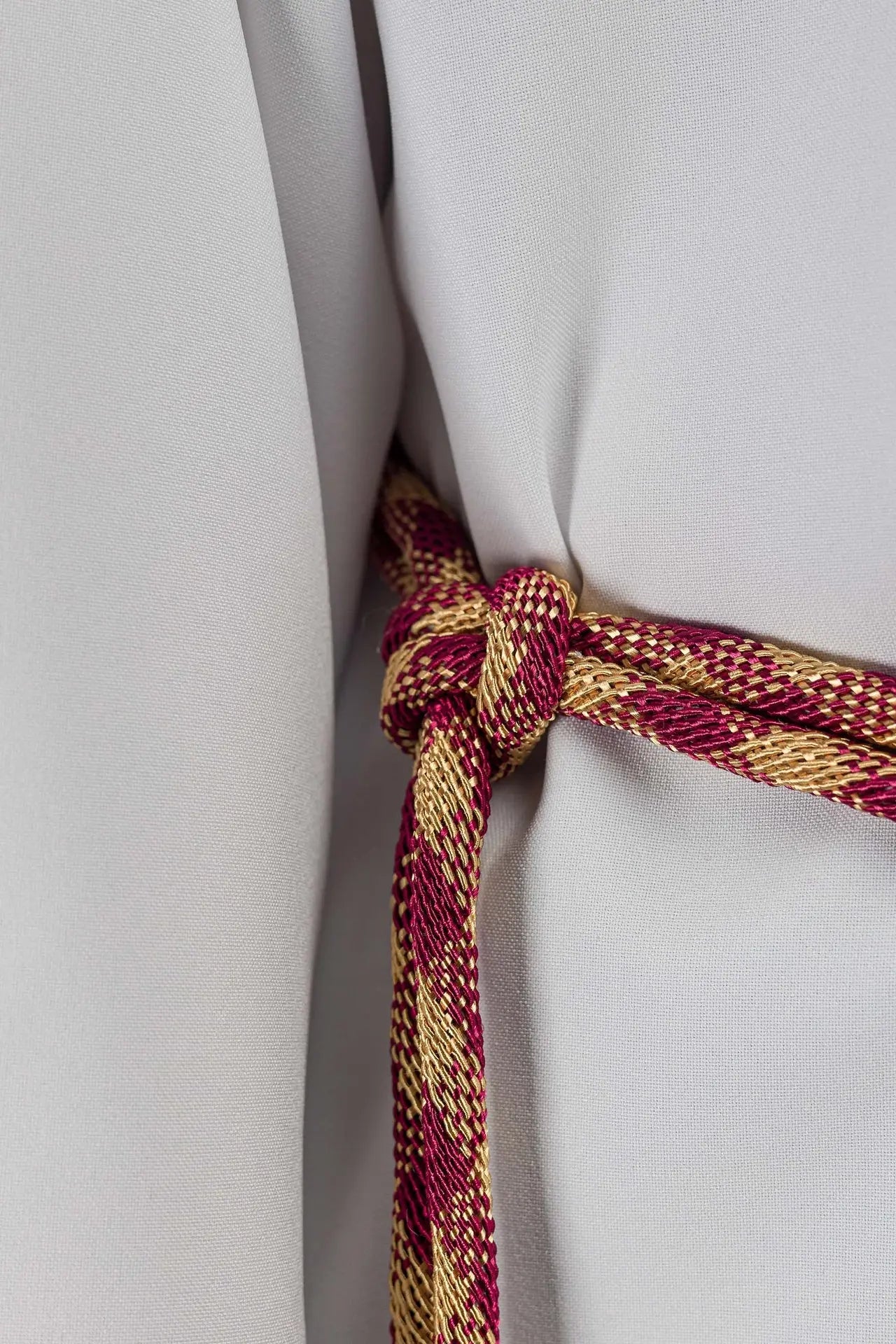
Liturgical Cinctures for Clergy and Altar Servers
The role of the cincture in liturgical vesture
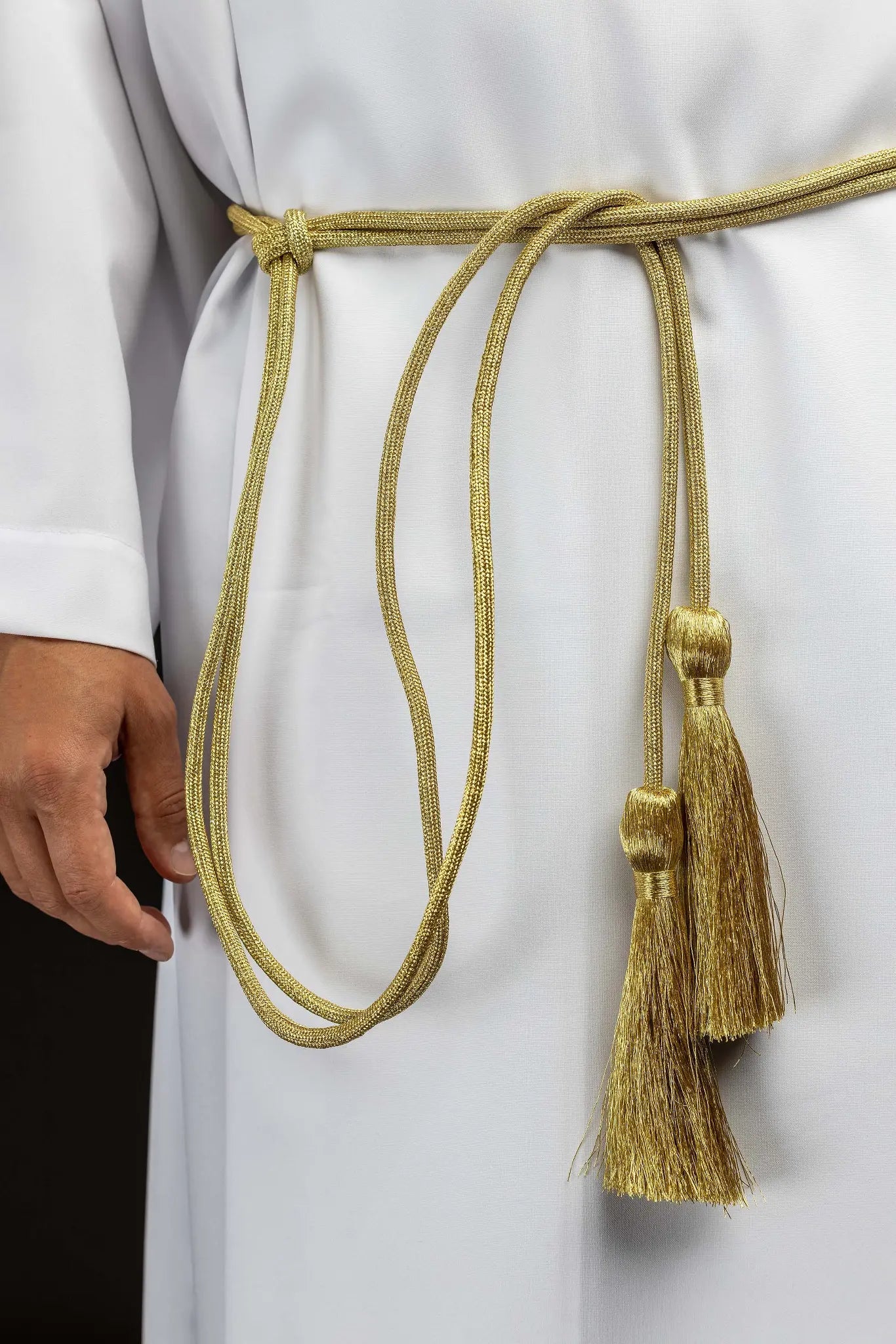
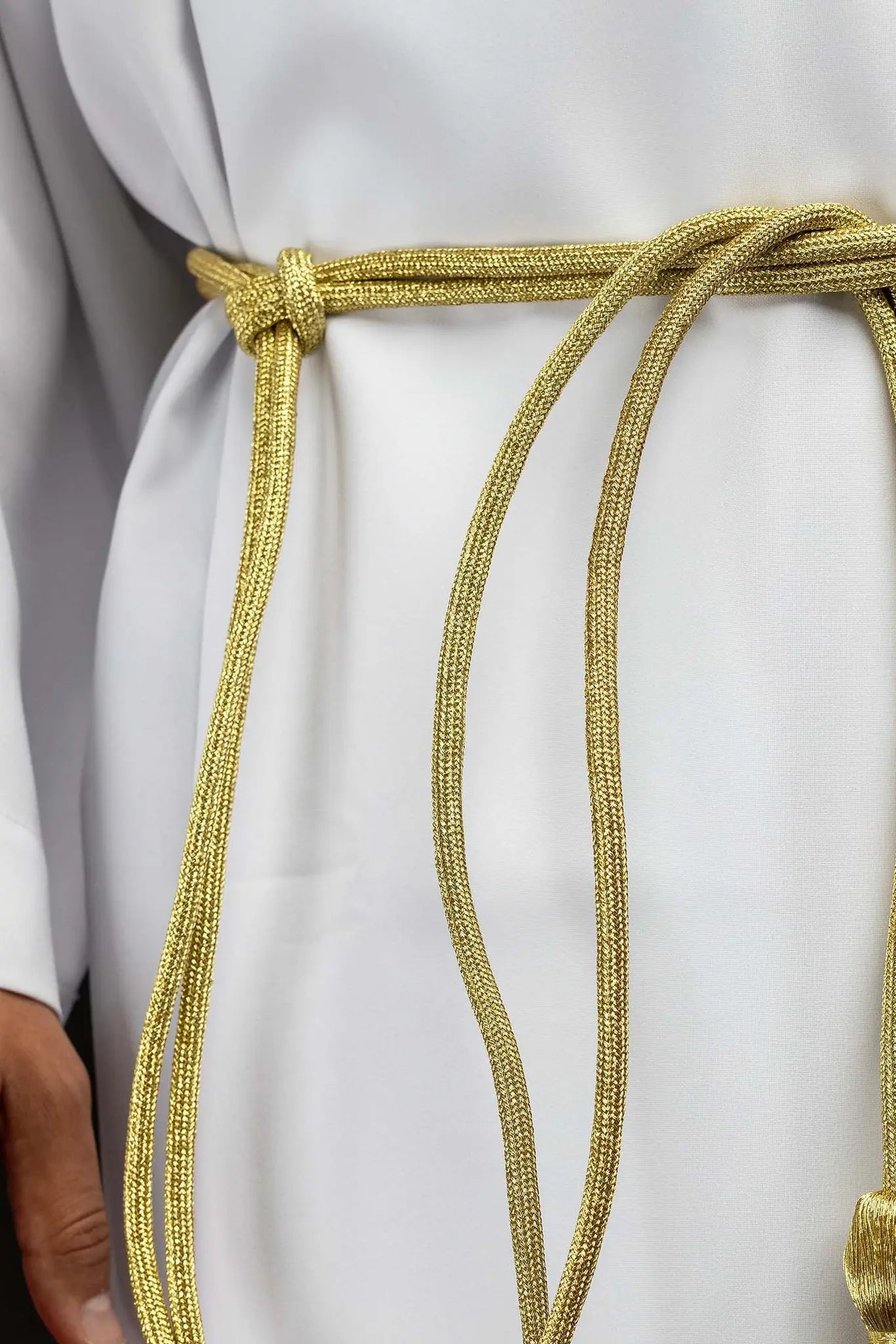
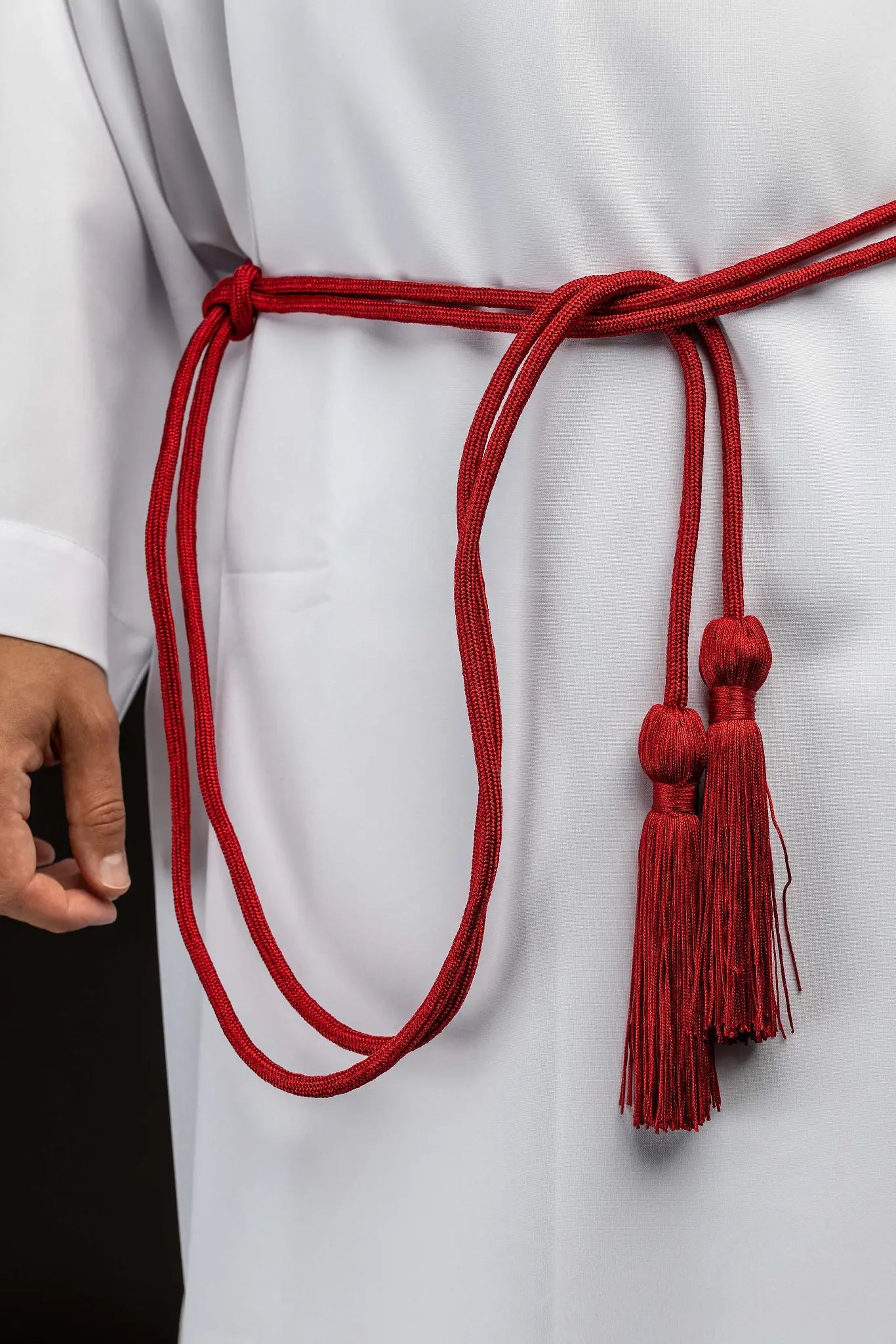
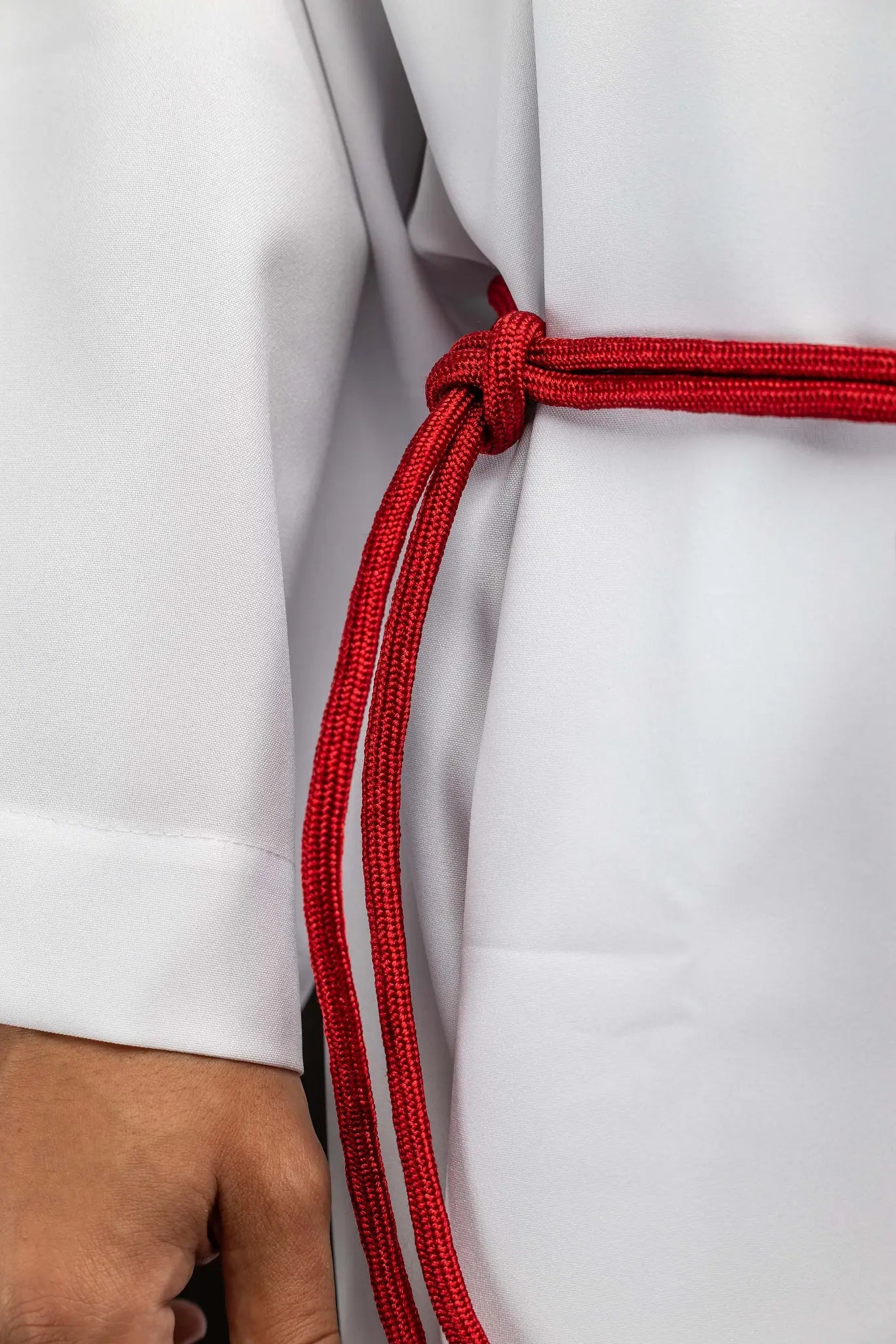
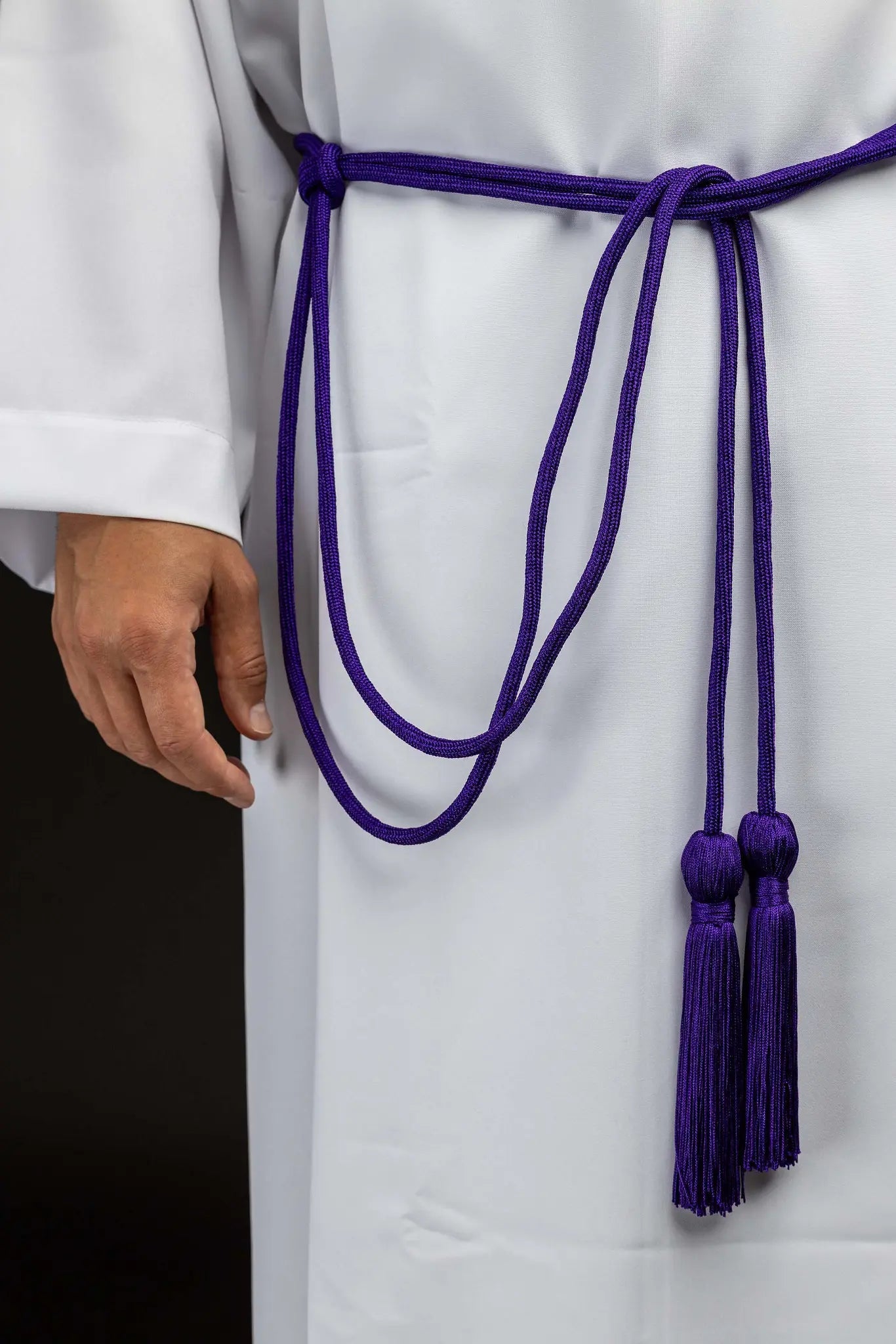
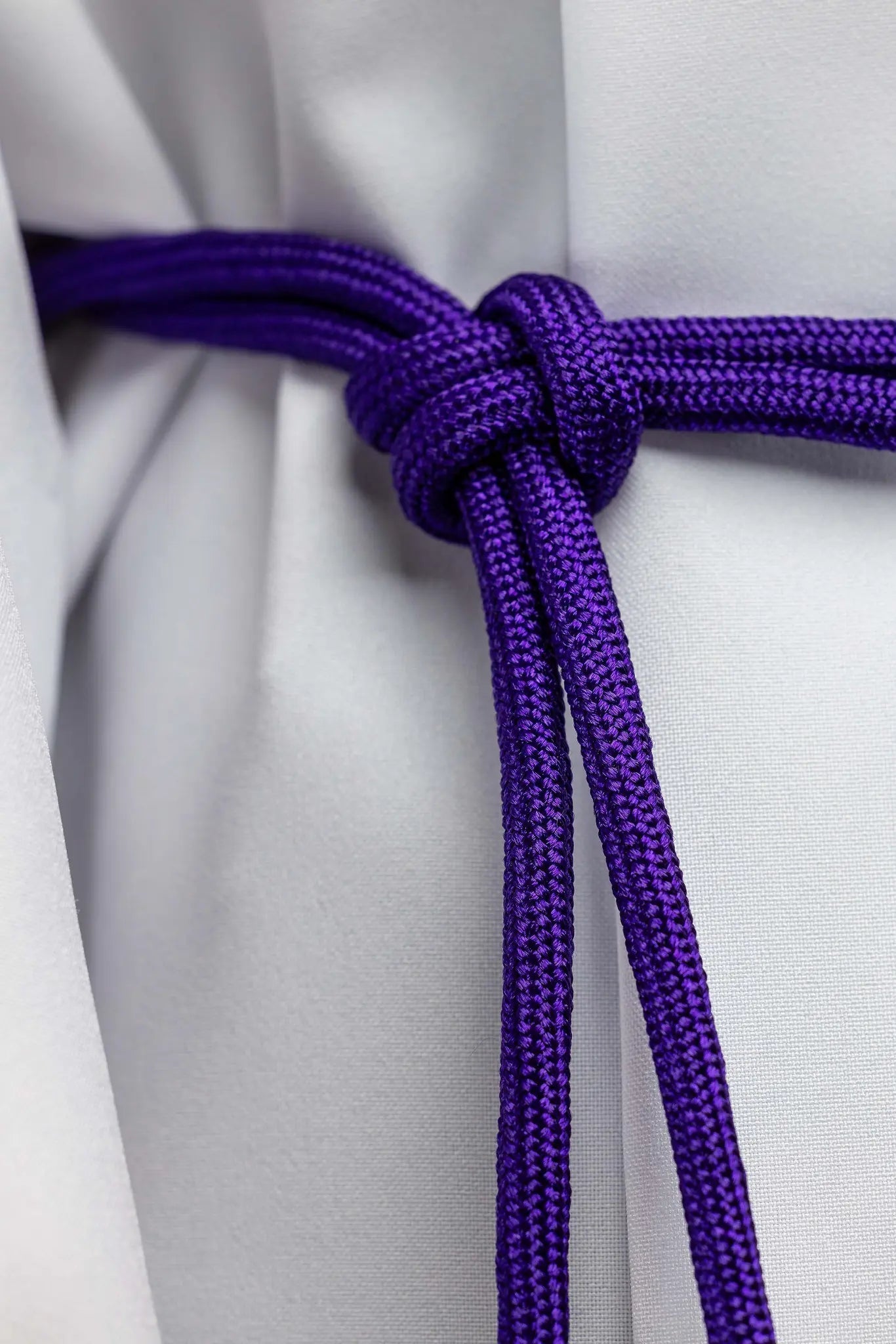
A cincture is a liturgical cord or belt worn around the waist, most often over the alb. It gathers the alb securely, helps the garment fall in a dignified line, and completes the vesting of clergy and altar servers according to local custom. In Christian liturgy it also carries a spiritual meaning: it is associated with readiness for service, discipline, purity of intention, and the careful preparation of the minister before sacred worship. Because the cincture is visible whenever an alb is worn, its color, length, texture, and tassels should harmonize with the rest of the vesture rather than appear as an afterthought.
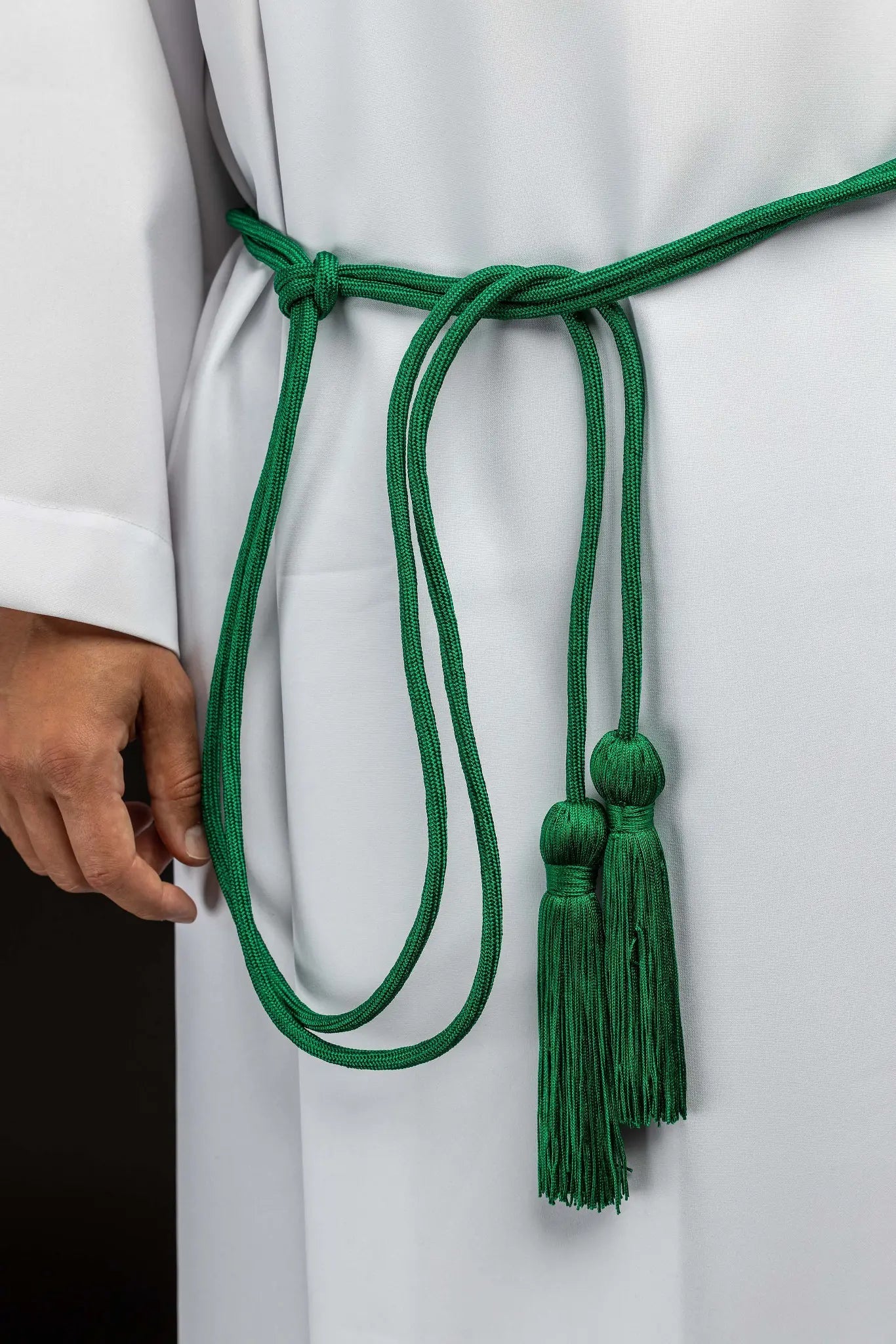
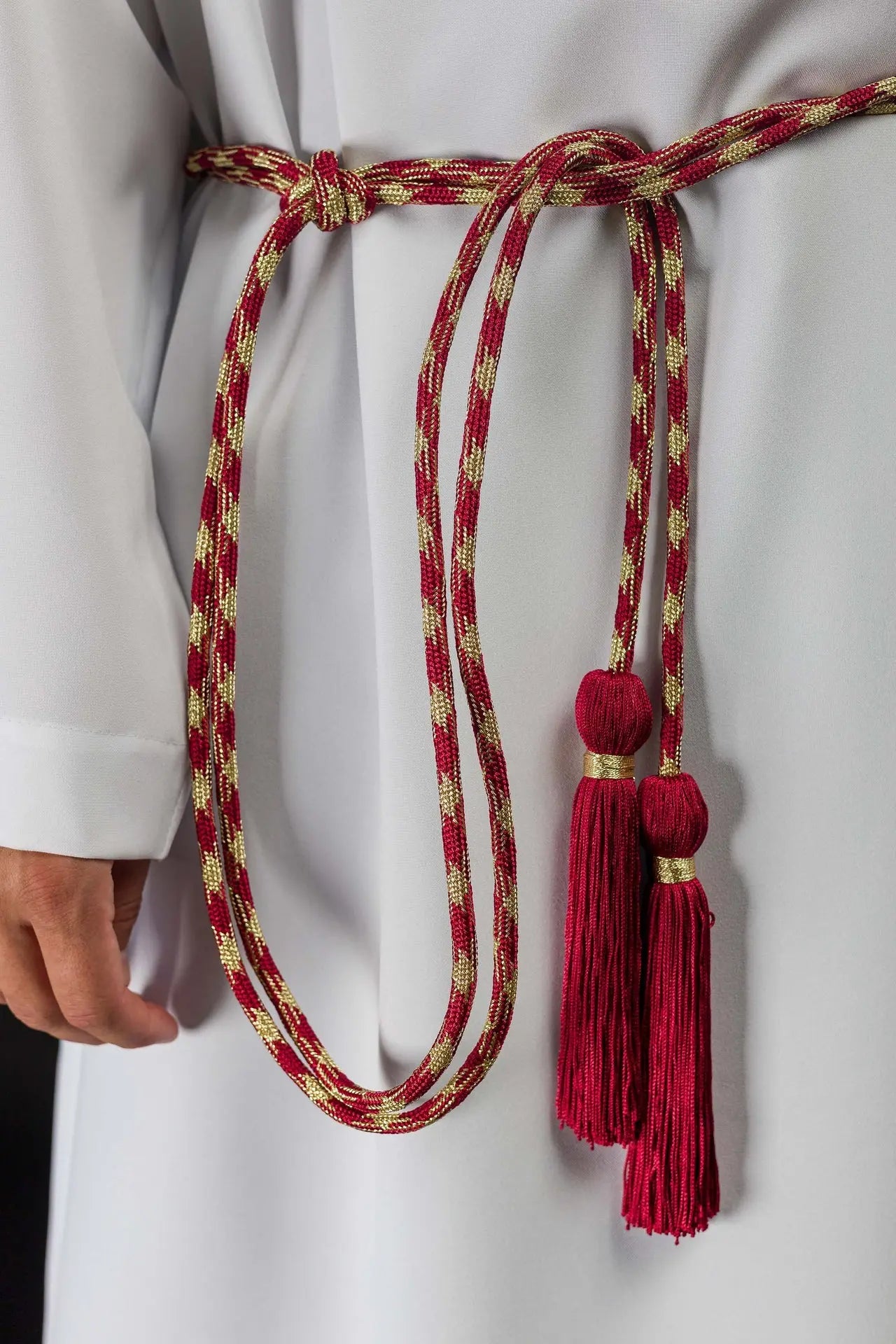
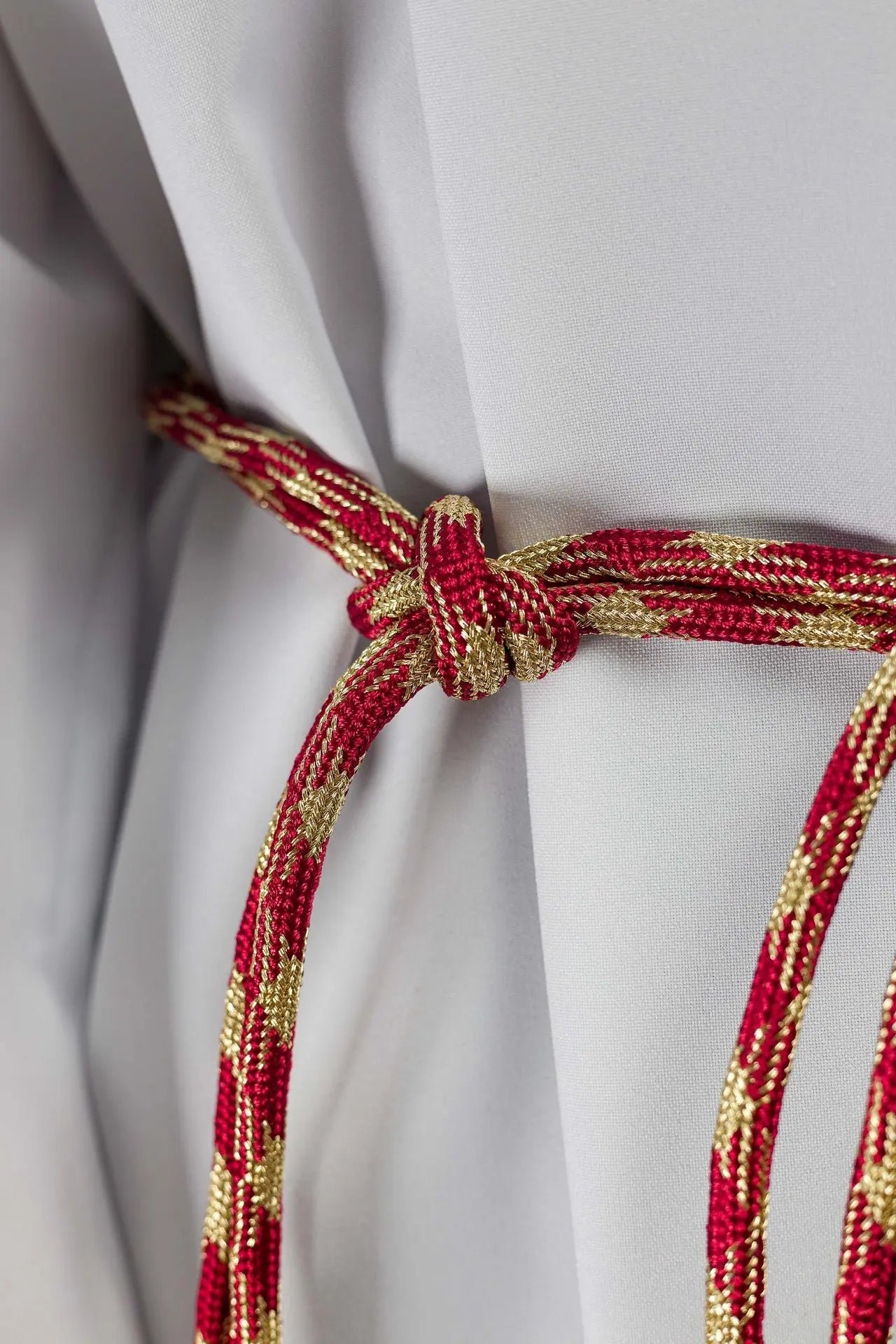
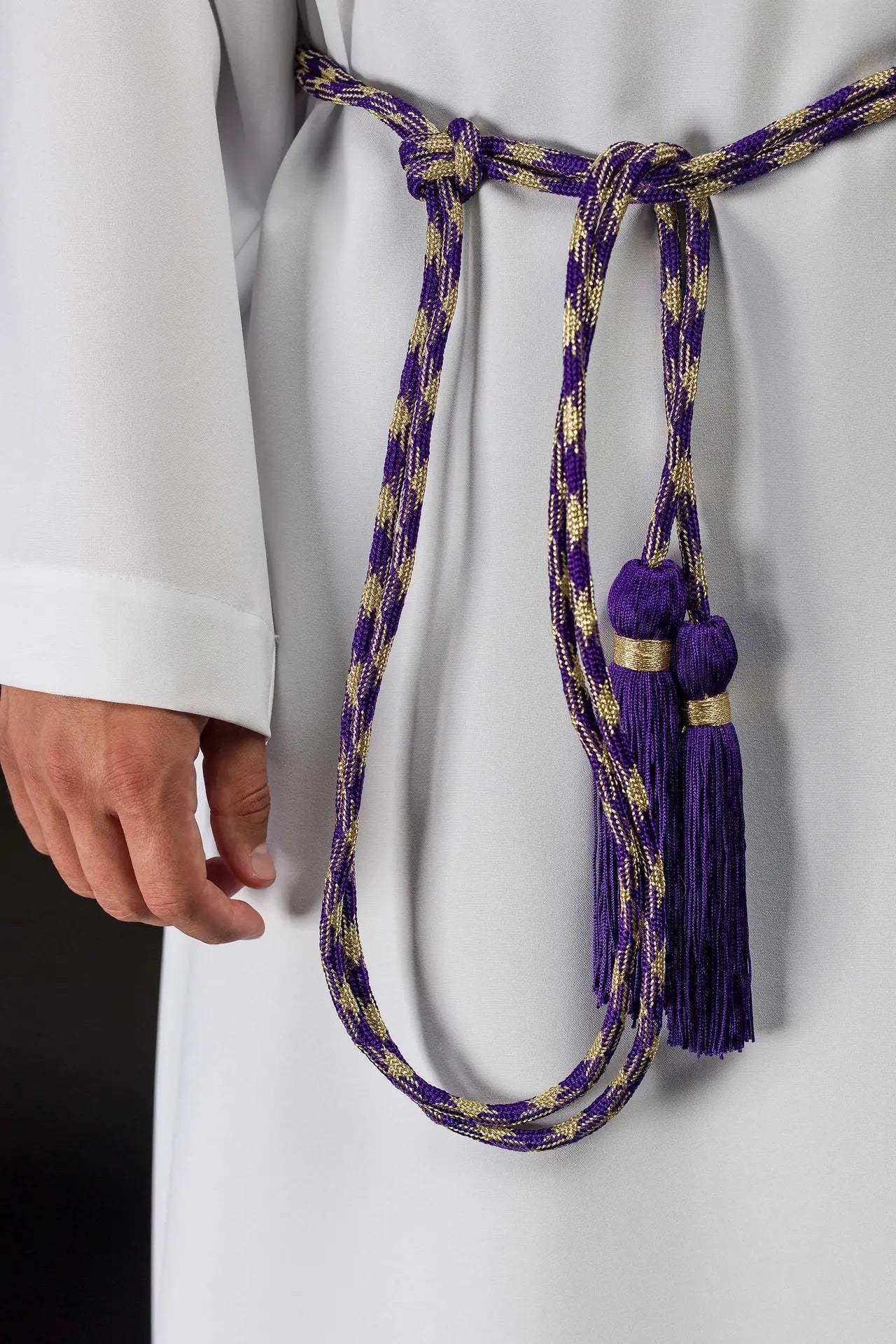
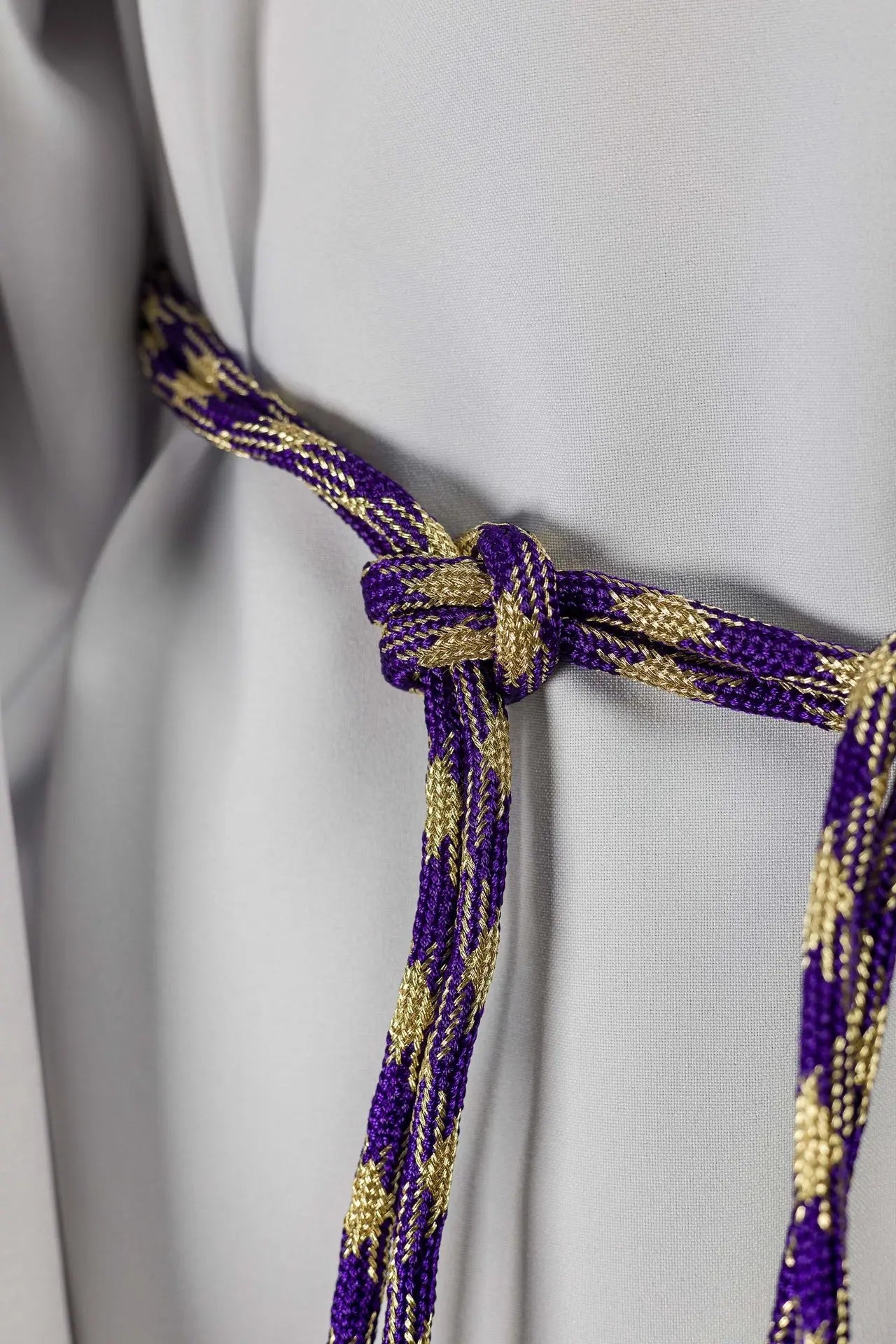
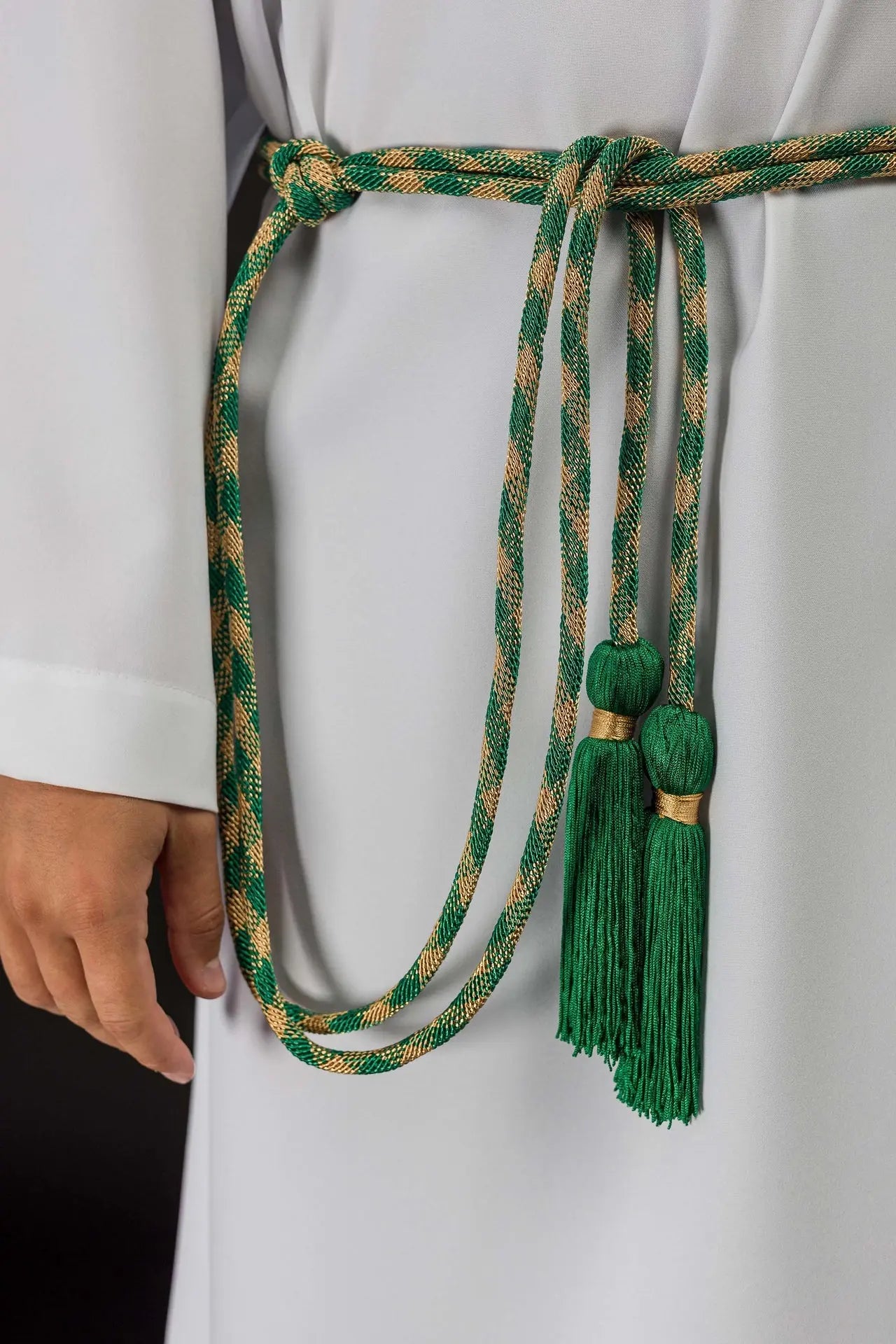
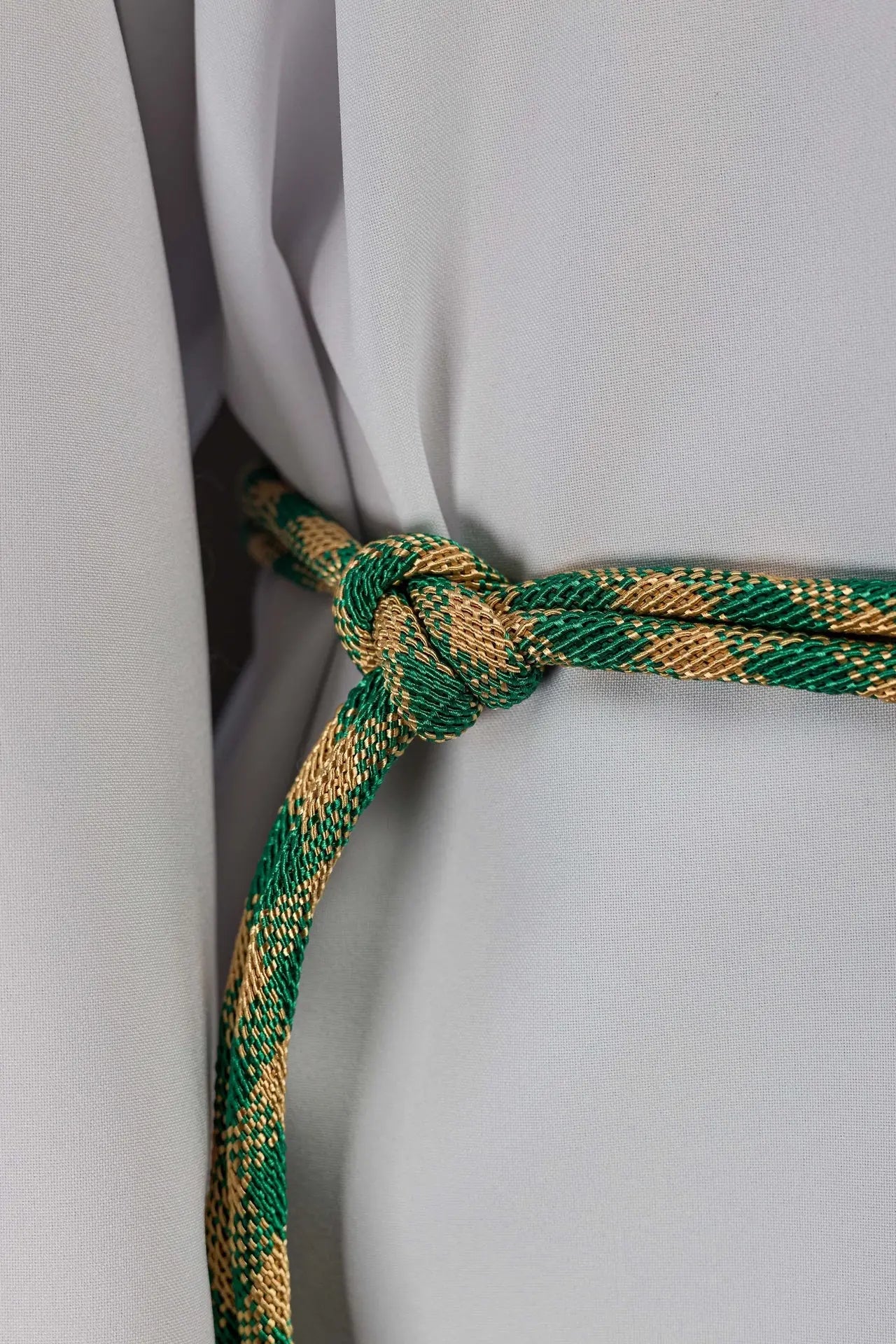
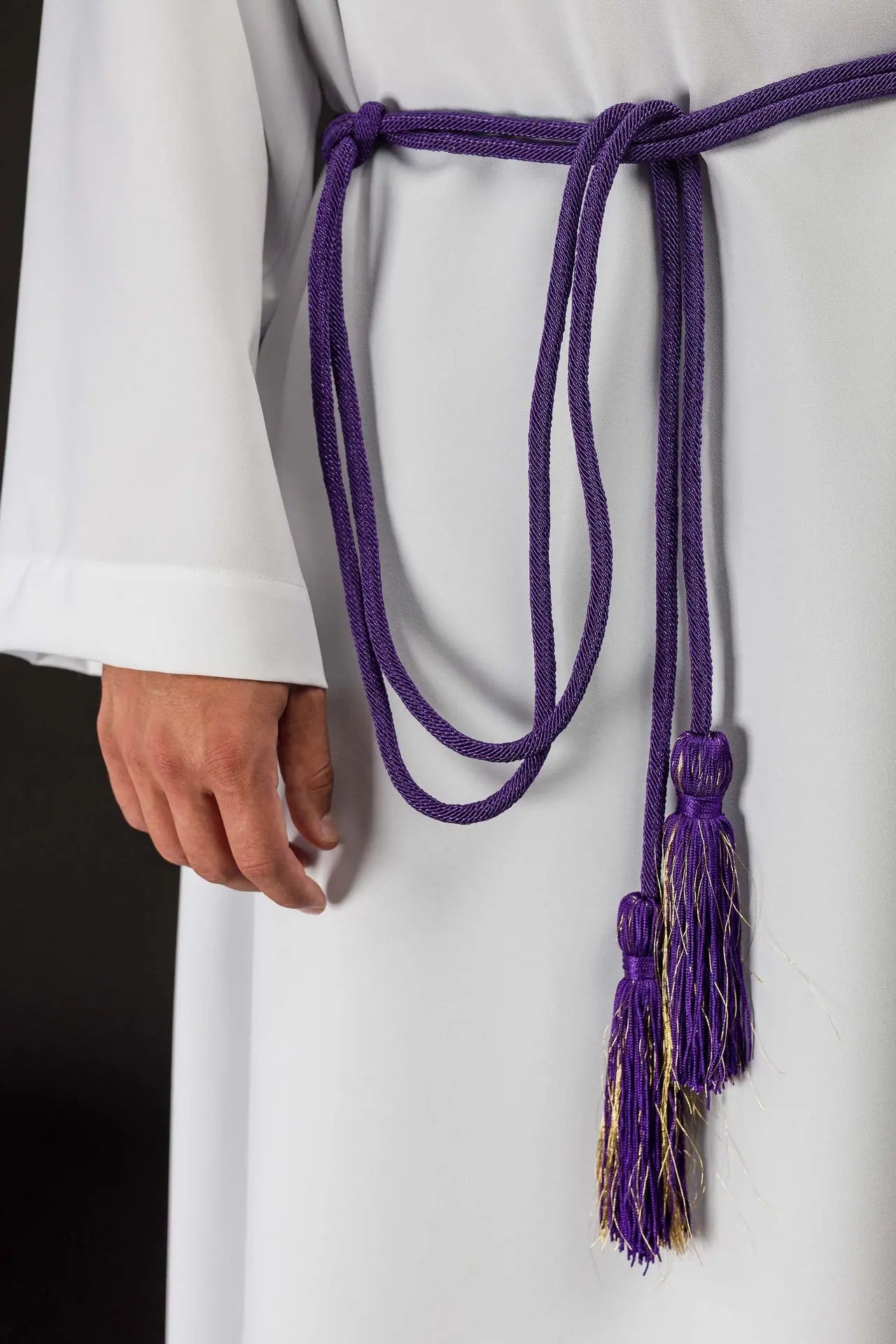
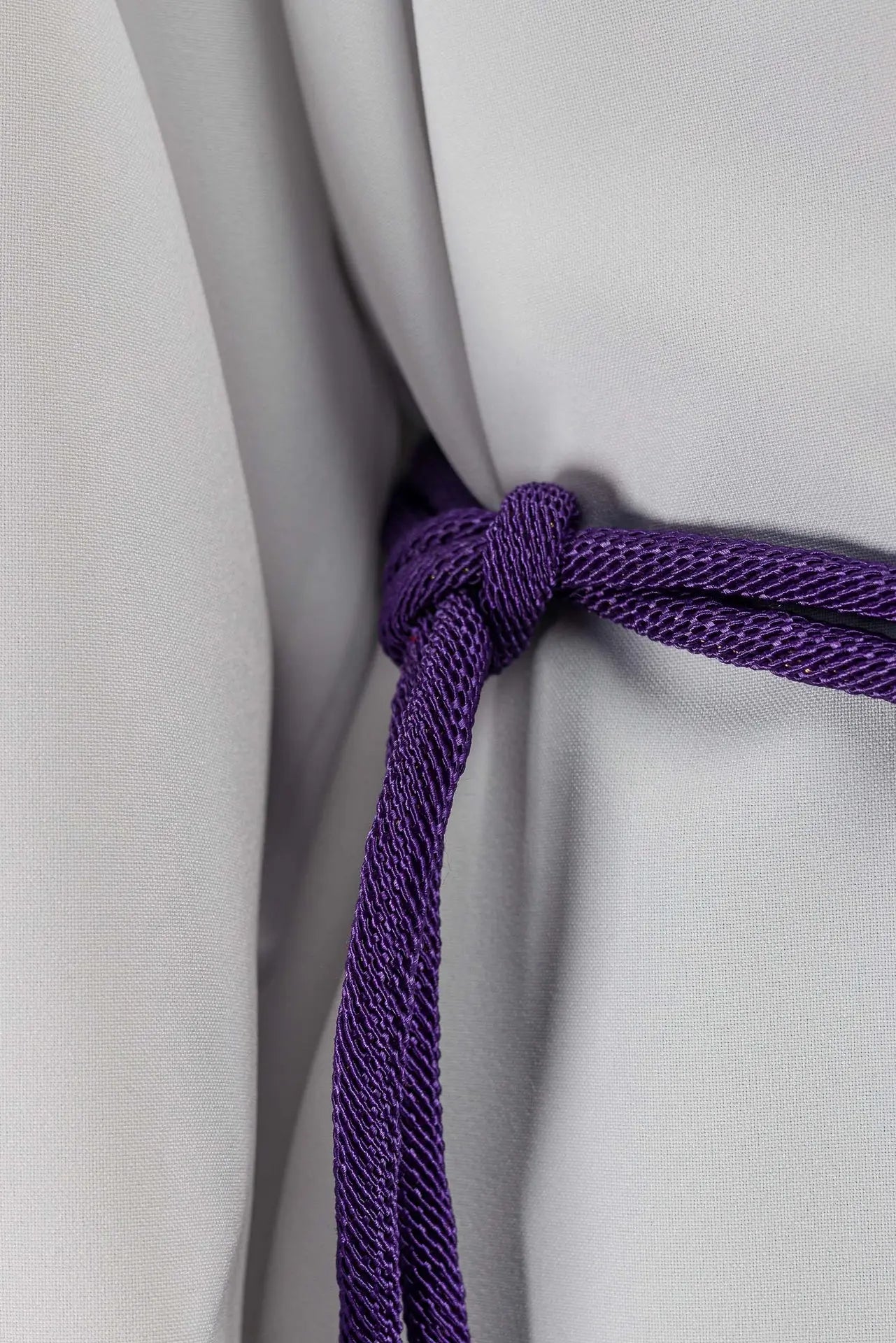
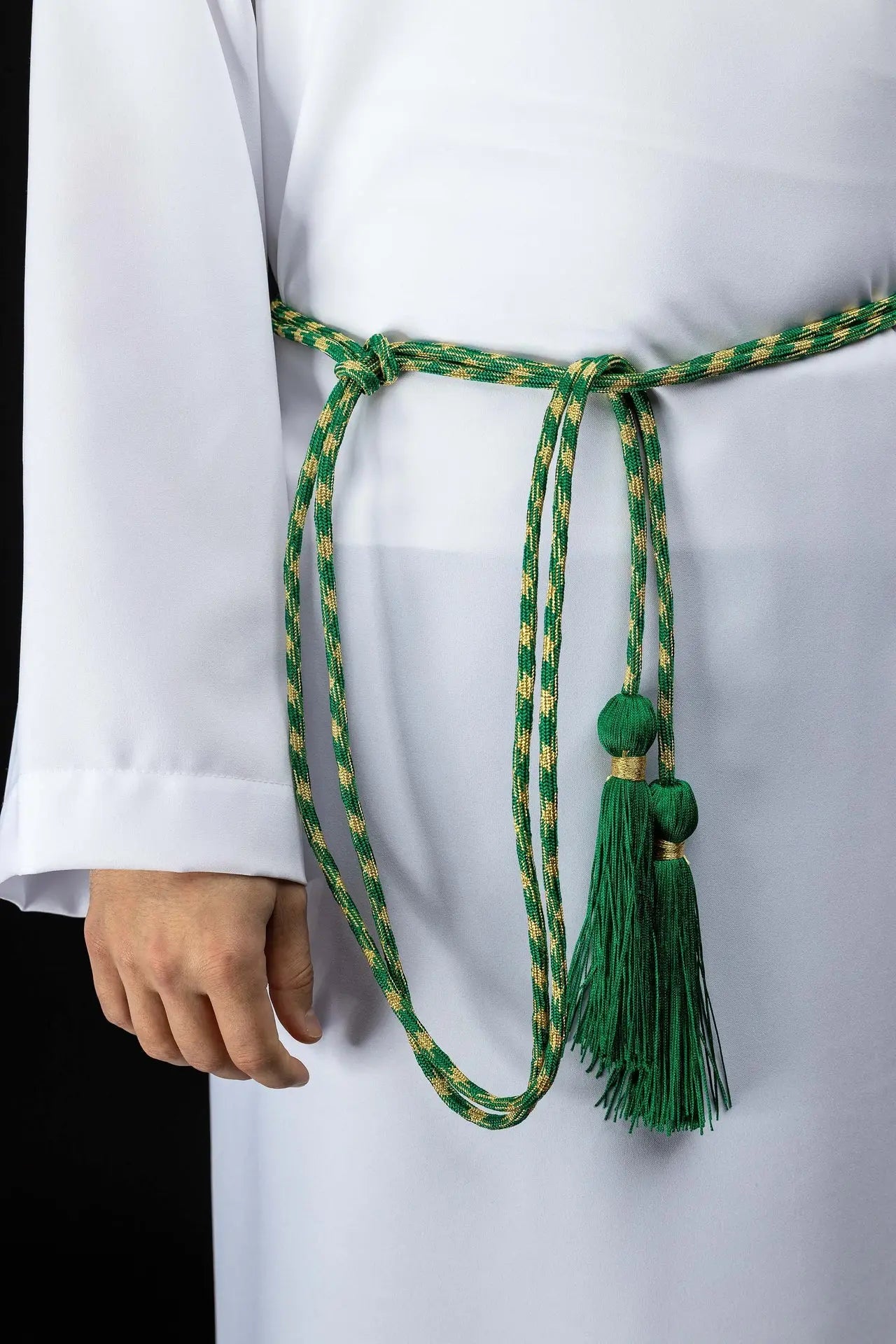
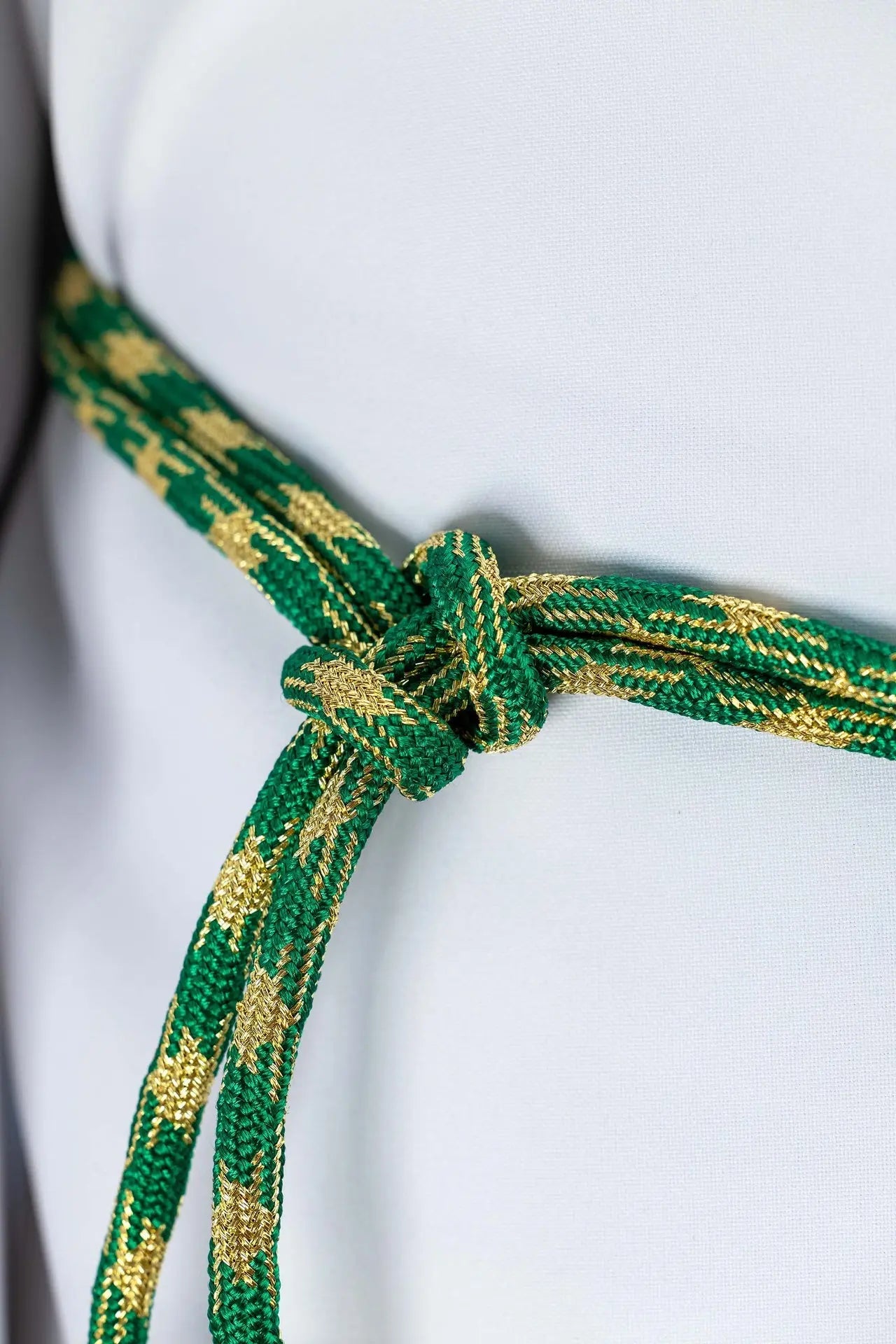
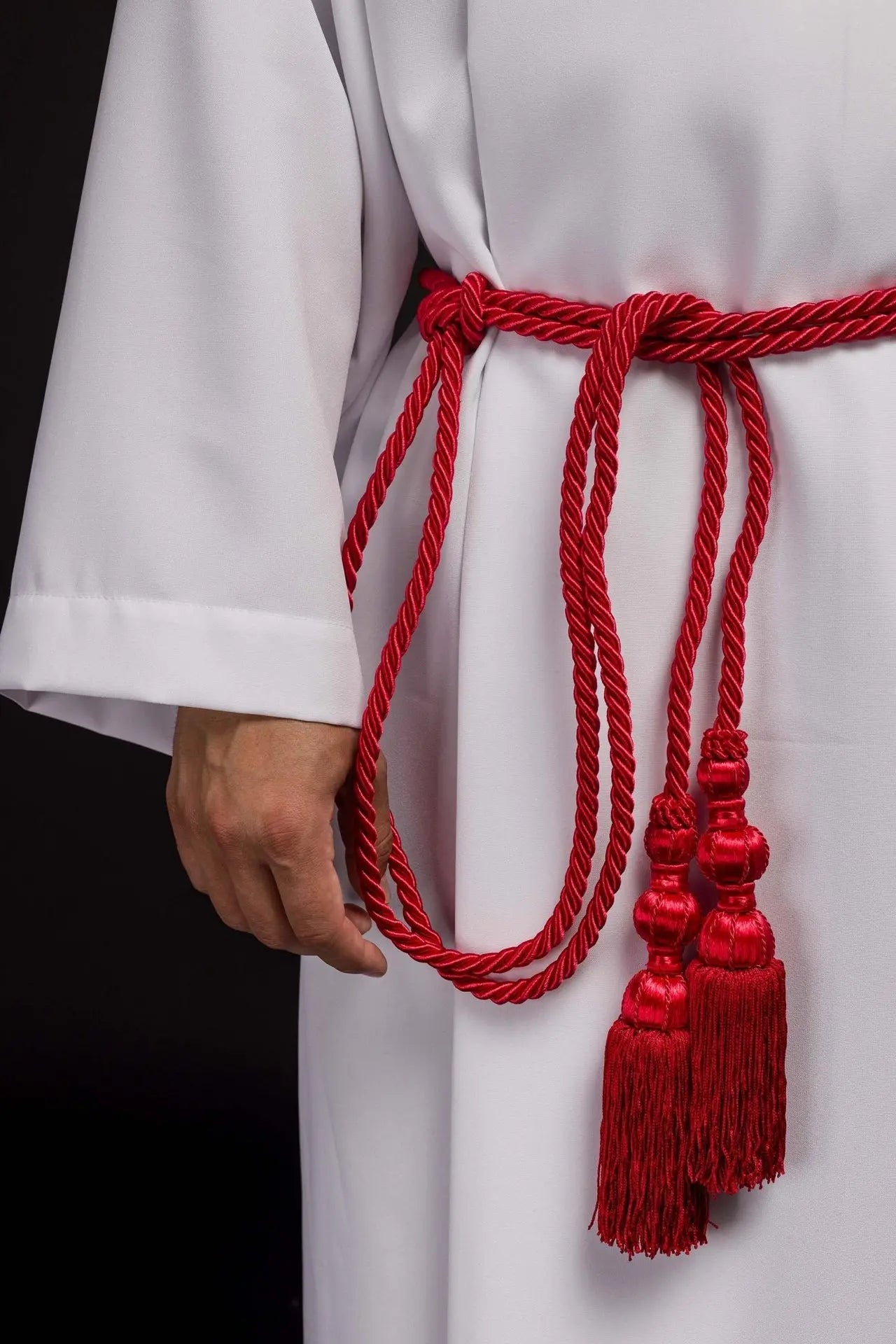
This collection brings together liturgical cinctures for parish sacristies, clergy, seminarians, acolytes, altar servers, and religious communities. The range includes classic white cinctures, gold and white-gold options for festive celebrations, seasonal green, red, and purple cinctures, and richly finished combinations such as purple-gold, red-gold, and green-gold. Many pieces are finished with tassels, giving the cincture the traditional appearance expected in Roman Catholic and other Christian worship settings where an alb is girded at the waist.
What you will find in this collection
The Cinctures collection focuses on practical liturgical belts that support a neat, reverent appearance during Mass, Eucharistic adoration, processions, funerals, retreats, parish feasts, and daily chapel use. A well-chosen cincture is not only decorative. It keeps the alb in place while the minister walks, bows, kneels, carries sacred vessels, or serves at the altar. For this reason, parishes often keep several colors available so that servers and ministers can coordinate with the liturgical day.
- White and white-gold cinctures are commonly chosen for solemnities, feasts of the Lord, Christmas, Easter, Marian celebrations, weddings, First Communion, and other joyful occasions.
- Gold cinctures work well with festive vestments and can be used when a parish wants a warmer ceremonial accent without changing the alb itself.
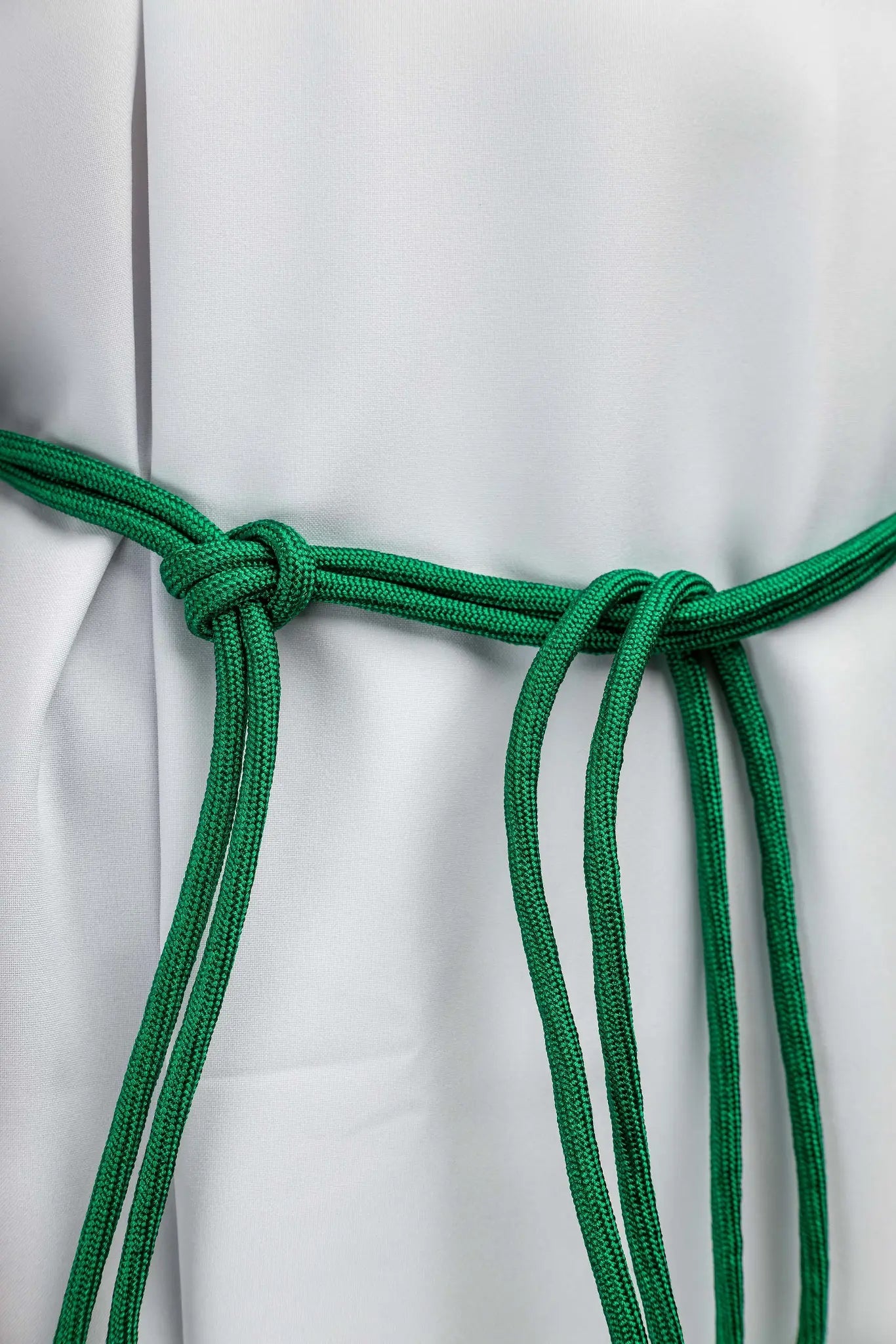
- Green cinctures coordinate naturally with Sundays and weekdays of Ordinary Time, especially when paired with green chasubles, stoles, or pulpit textiles.
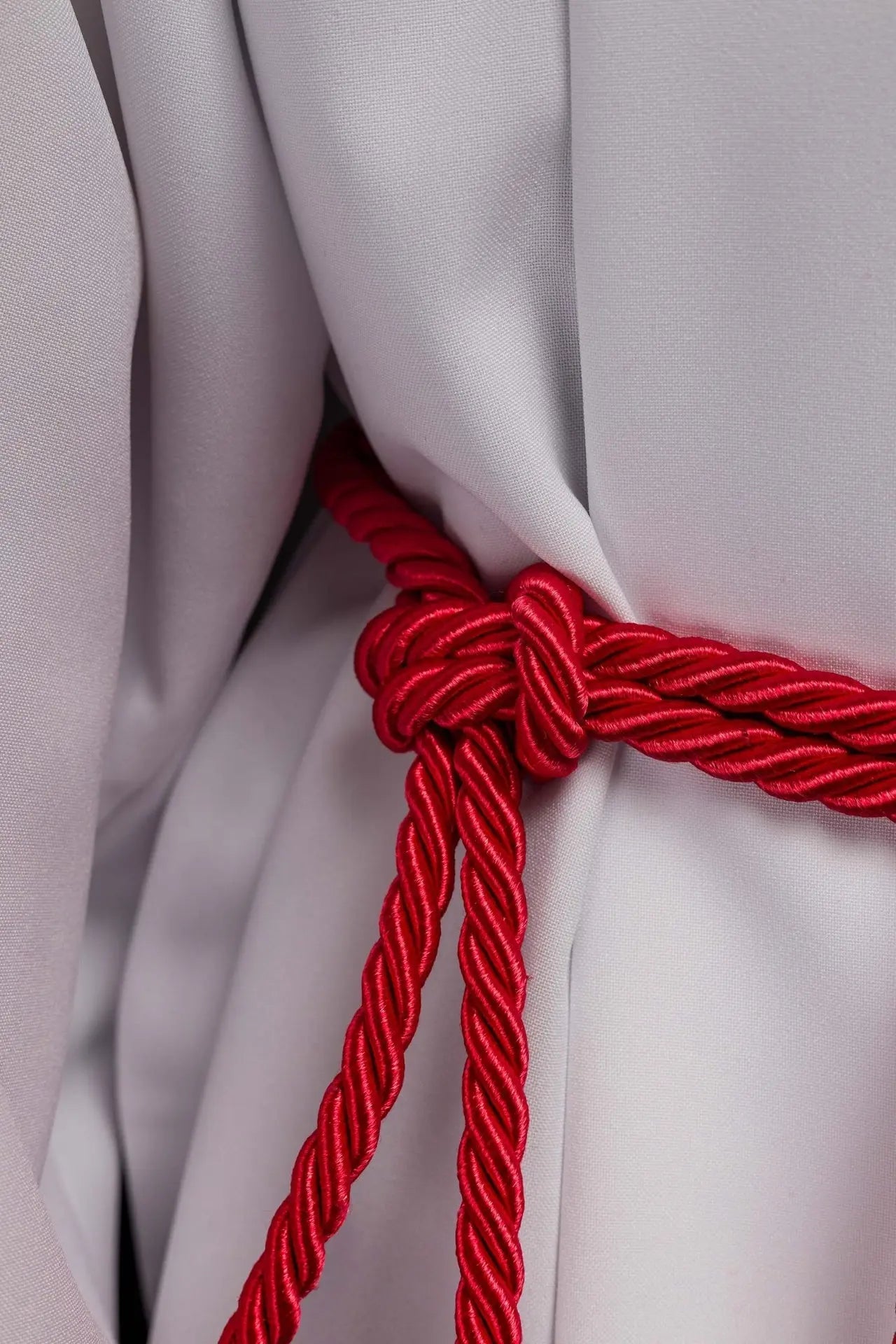
- Red cinctures suit celebrations connected with the Holy Spirit, the Passion of the Lord, martyrs, apostles, and other days when red vestments are used.
- Purple cinctures are appropriate for penitential seasons and services, especially Advent, Lent, reconciliation services, and other sober liturgical settings.
- Cinctures with tassels give a traditional finish and help the ends hang neatly at the side or front, depending on how the minister has been taught to tie them.
How to choose the right liturgical cincture
Start with the alb. A cincture should be long enough to wrap securely around the waist and leave ends that hang evenly, but it should not be so bulky that it distorts the alb or interferes with movement. When choosing pieces for altar servers, consider a simple and durable style that can be tied quickly and comfortably. For priests and deacons, a more refined cincture may be preferred for principal celebrations, especially when it is coordinated with the chasuble, stole, cope, dalmatic, or seasonal textile set.
Color is the next important choice. Many sacristies keep white as the universal option because it works with most albs and solemn occasions. Green, red, and purple cinctures are useful when the parish wants a complete seasonal appearance. For vestments used through the year, explore related liturgical vestments, including chasubles and clergy stoles. Coordinating the cincture with these pieces creates a clearer visual unity without making the alb look crowded.
For ordinary parish use, green cinctures are especially helpful during the long periods of the liturgical calendar represented by Ordinary Time. Purple cinctures support the more restrained tone of Lent and may also be used in Advent where local practice follows violet or purple vesture. White and gold cinctures can remain available for major feasts and solemn days when a brighter appearance is desired. If one sacristy serves several chapels or many altar servers, choosing a consistent length and finish helps everyone vest more easily.
Pairing cinctures with albs and other church textiles
The cincture is most closely connected with the alb, so it is worth checking the fabric weight, cut, and fullness of the alb before choosing the cord. A lighter alb may need a smooth cincture that ties without pulling the fabric sharply. A fuller alb can carry a more substantial cord with decorative tassels. When new albs are being ordered, consider the cincture at the same time so that the waistline, sleeve length, and overall fall of the garment work together. You can compare suitable garments in the albs collection.
Although a cincture is a small item, it has a visible effect on the entire sanctuary. A red cincture used with red vestments can strengthen the color language of the celebration. A white-gold cincture can soften the transition between a white alb and gold embroidery. A purple-gold cincture can add a solemn accent while still respecting the penitential character of the season. In communities with processions, servers who wear matching cinctures also appear more ordered when carrying candles, cross, incense, missal, or banner.
Use in parish sacristies, chapels, and solemn celebrations
Cinctures are useful in small parish sacristies as well as larger cathedrals, schools, monasteries, and shrines. A basic set may include white, green, red, and purple. A more complete sacristy can add gold or color-and-gold versions for solemn celebrations. The exact choice depends on the number of ministers, the usual vesting practice, the style of the albs, and whether the community wants altar servers to match the celebrant or simply wear a clean neutral cincture.
When ordering for a group, it is helpful to think about who will wear the cinctures most often. Children and younger altar servers may need lengths that are easy to manage, while adult servers, lectors vested in albs, seminarians, deacons, and priests may prefer longer cords. If the cincture has tassels, the ends should hang neatly and remain clear of candles, steps, kneelers, and other items used around the sanctuary. The aim is reverent simplicity: the cincture should support the liturgy, not distract from it.
Care and storage of liturgical cinctures
Regular care keeps cinctures presentable through repeated liturgical use. After services, allow the cord to dry naturally if it has absorbed moisture, then coil or fold it gently so that the tassels are not crushed. Avoid tight knots during storage, because they can create permanent creases or weaken decorative threads. If cleaning is needed, follow the care information supplied with the item and use a method appropriate to the material and any metallic or decorative finish.
Store cinctures by color or by set so that sacristans and servers can find the right piece quickly before Mass. A simple label system for white, green, red, purple, and gold options can prevent confusion during busy feast days. For a broader view of related items used in the sanctuary, processions, and sacristy, browse the full liturgical accessories category.
Frequently Asked Questions (FAQ)
What is a liturgical cincture used for?
A liturgical cincture is tied around the waist over the alb. It helps the alb sit securely and is traditionally associated with readiness for ministry and purity of intention. It is used by clergy and, in many parishes, by altar servers and other ministers who vest in albs.
Which cincture color should a parish choose first?
White is usually the most versatile starting point because it works with many albs and solemn celebrations. A practical parish set often adds green for Ordinary Time, red for feasts connected with the Holy Spirit or martyrs, and purple for Advent, Lent, and penitential services.
Should the cincture match the chasuble or the alb?
Either approach can be suitable. Matching the alb creates a simple and understated look, while matching the vestment color gives a more seasonal appearance. Many sacristies use white for daily service and reserve colored cinctures for Sundays, solemnities, and coordinated vestment sets.
Are cinctures suitable for altar servers?
Yes, cinctures are commonly used for altar servers who wear albs. For servers, the best choice is usually a cord that is comfortable, easy to tie, and long enough to hang neatly without becoming a distraction during processions or service at the altar.
How should cinctures be stored in the sacristy?
Keep them clean, dry, and grouped by color or liturgical season. Coiling the cord gently and protecting the tassels helps preserve the shape. This also makes it easier for servers and sacristans to select the correct cincture before each celebration.