
Sort by
10 products
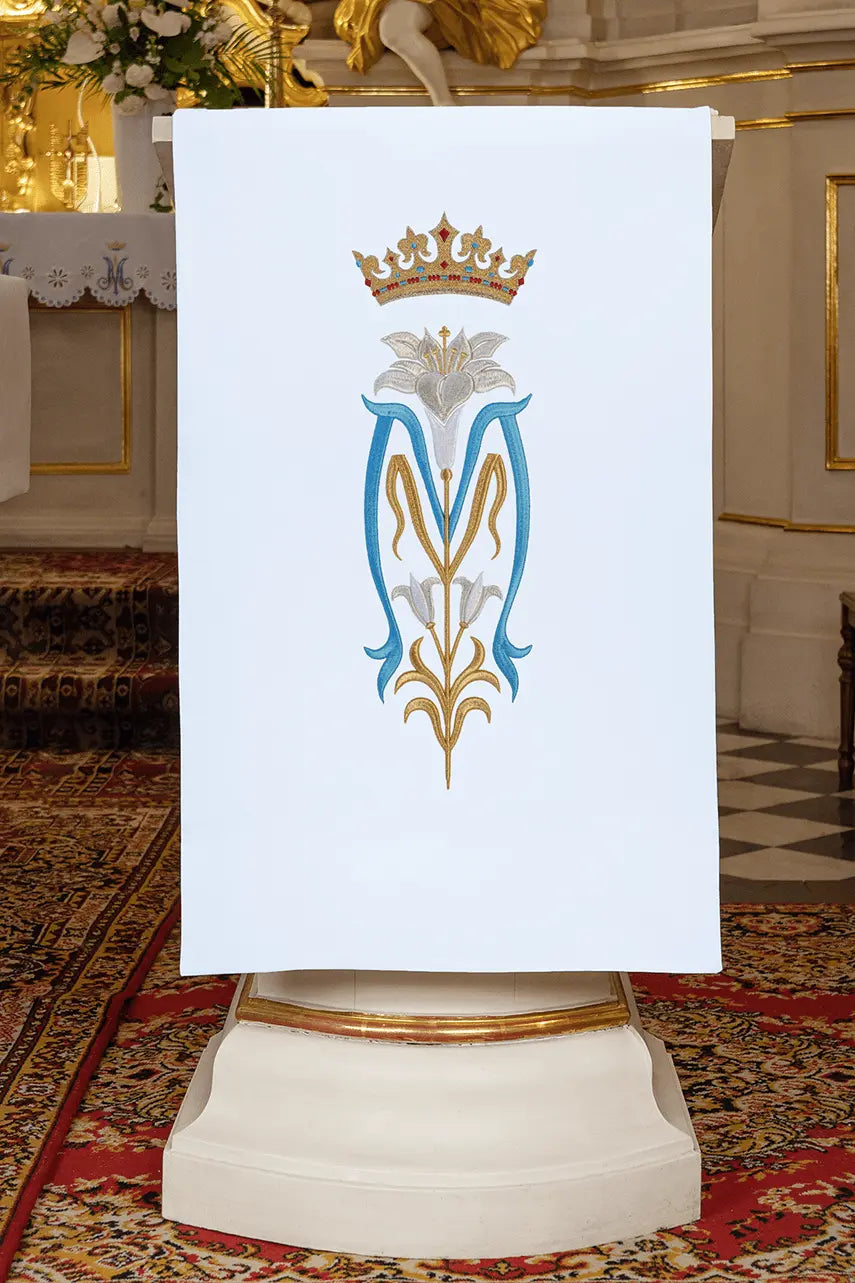
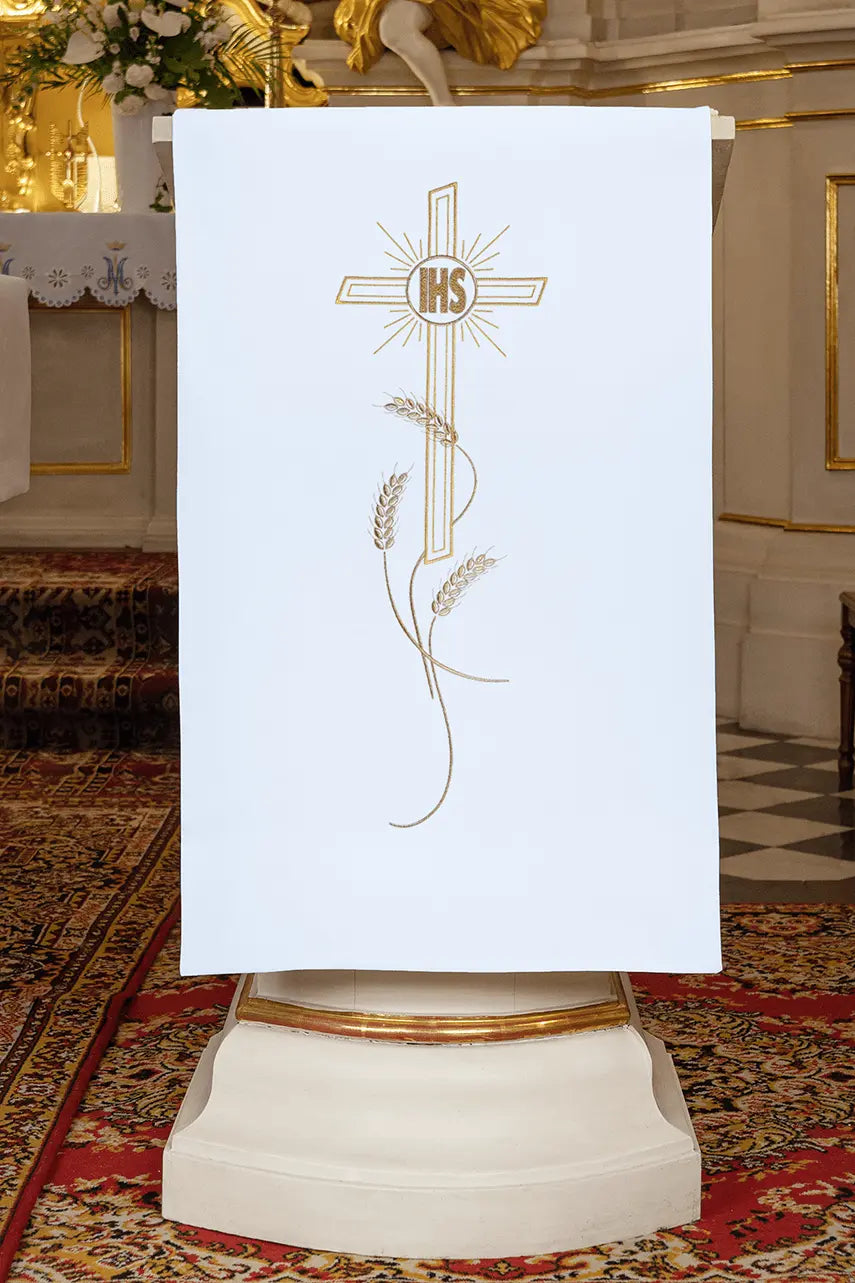
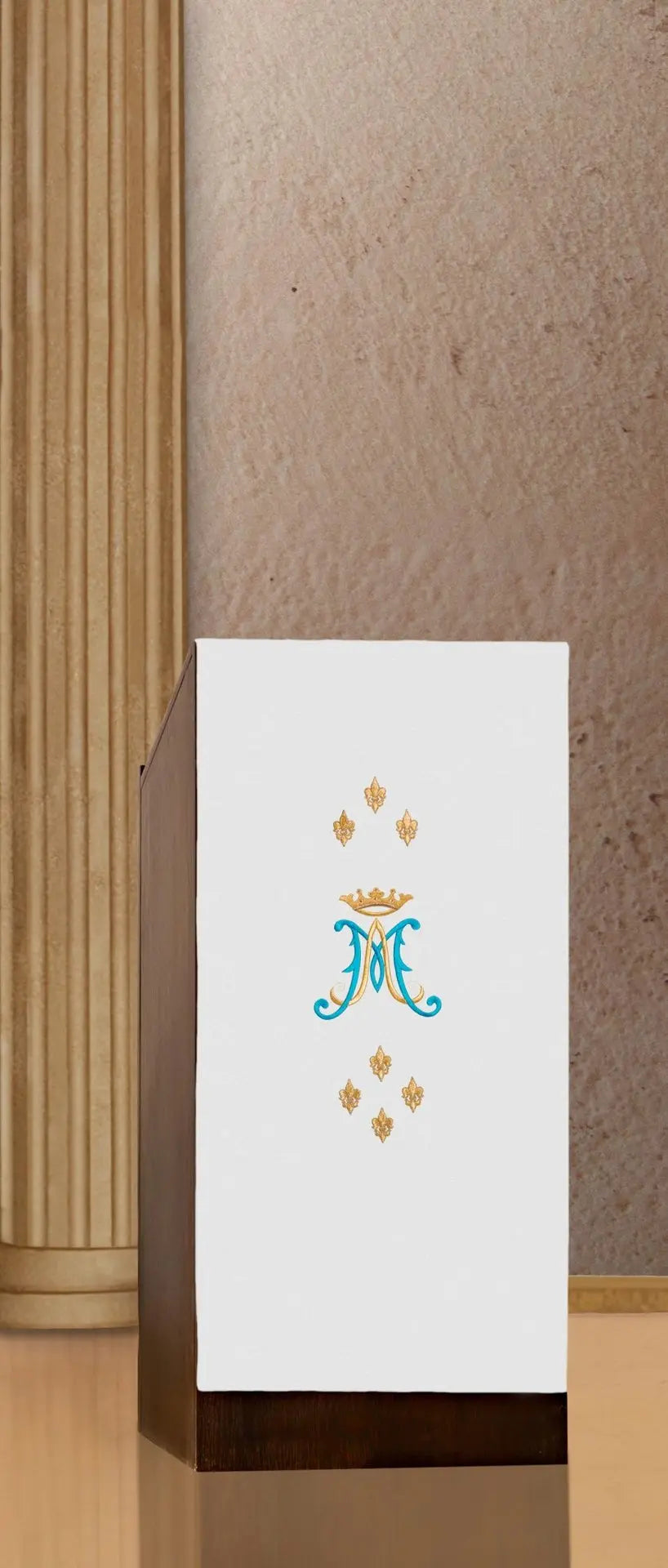
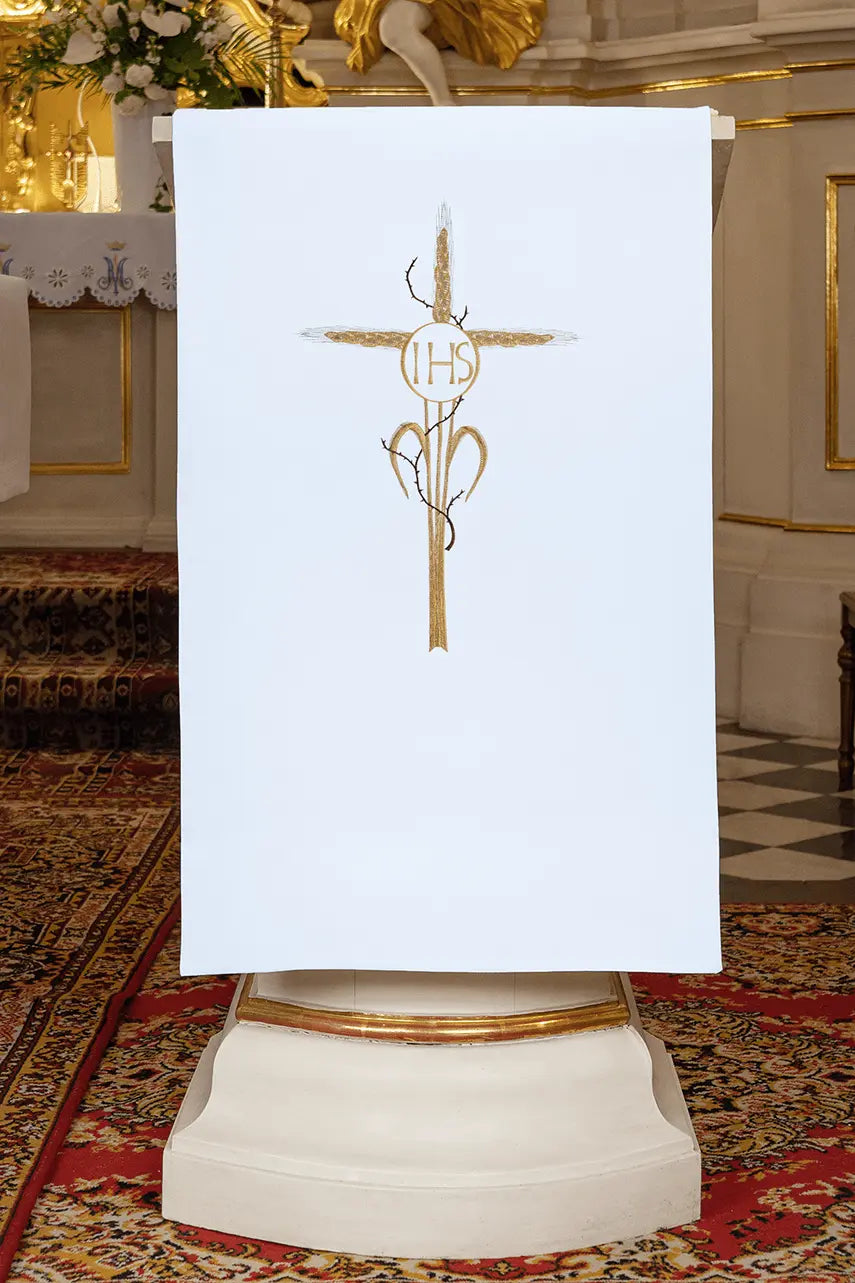
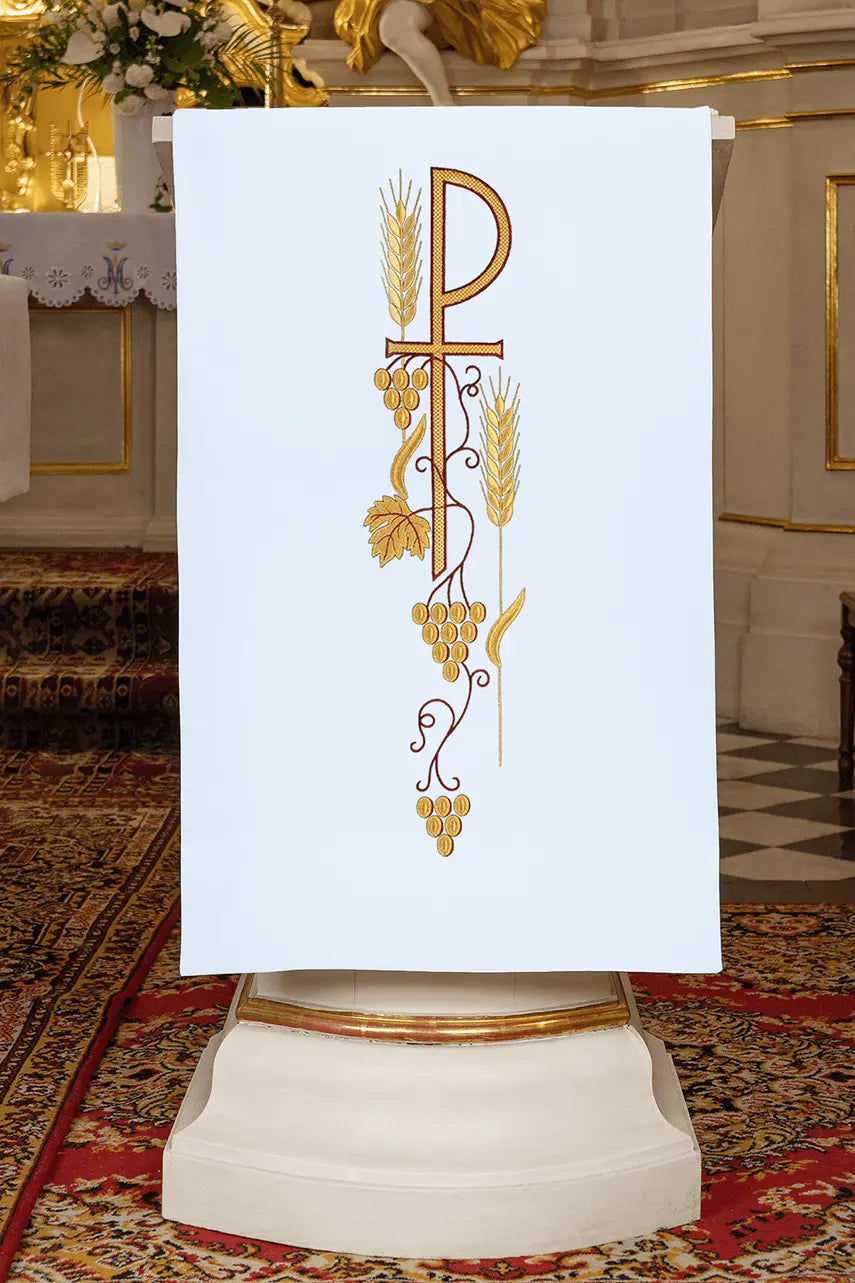
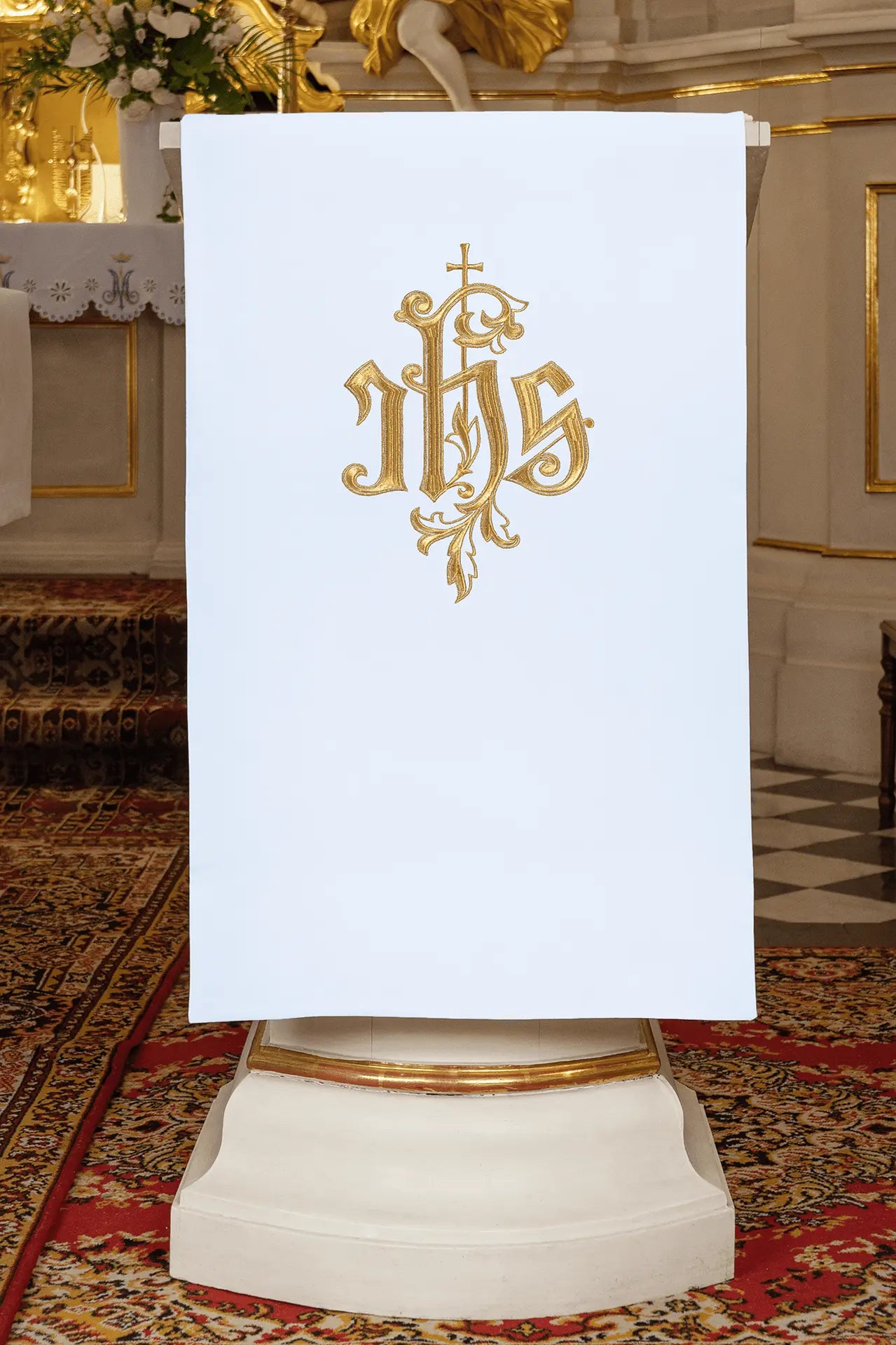
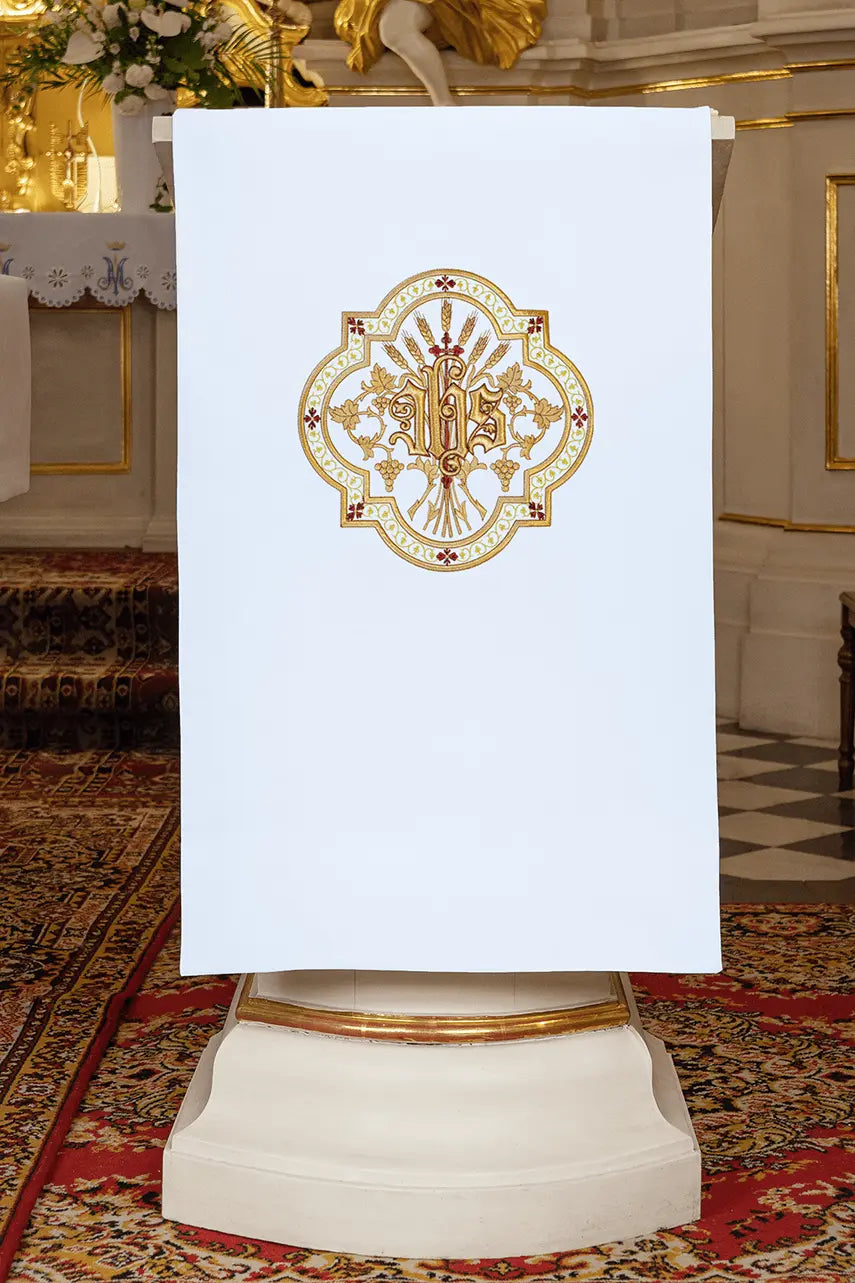
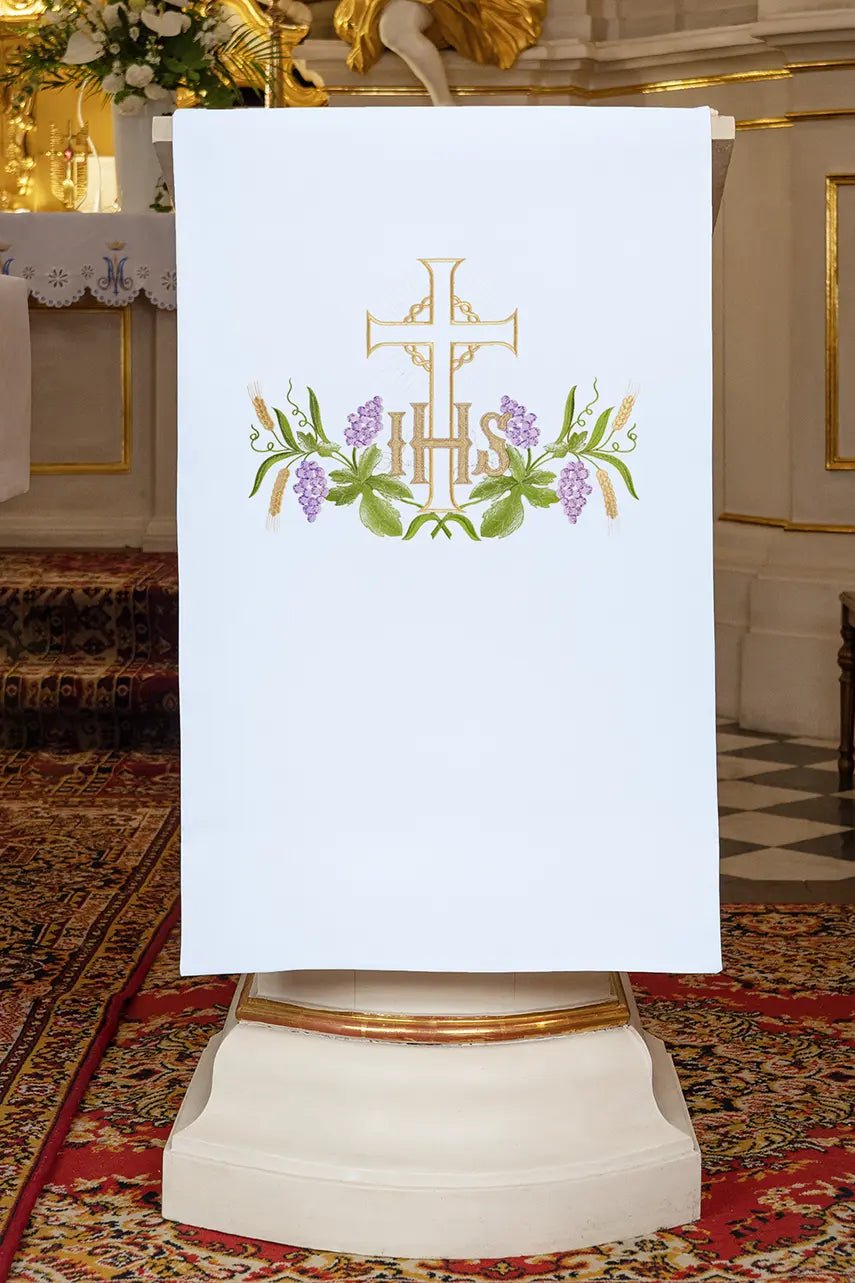
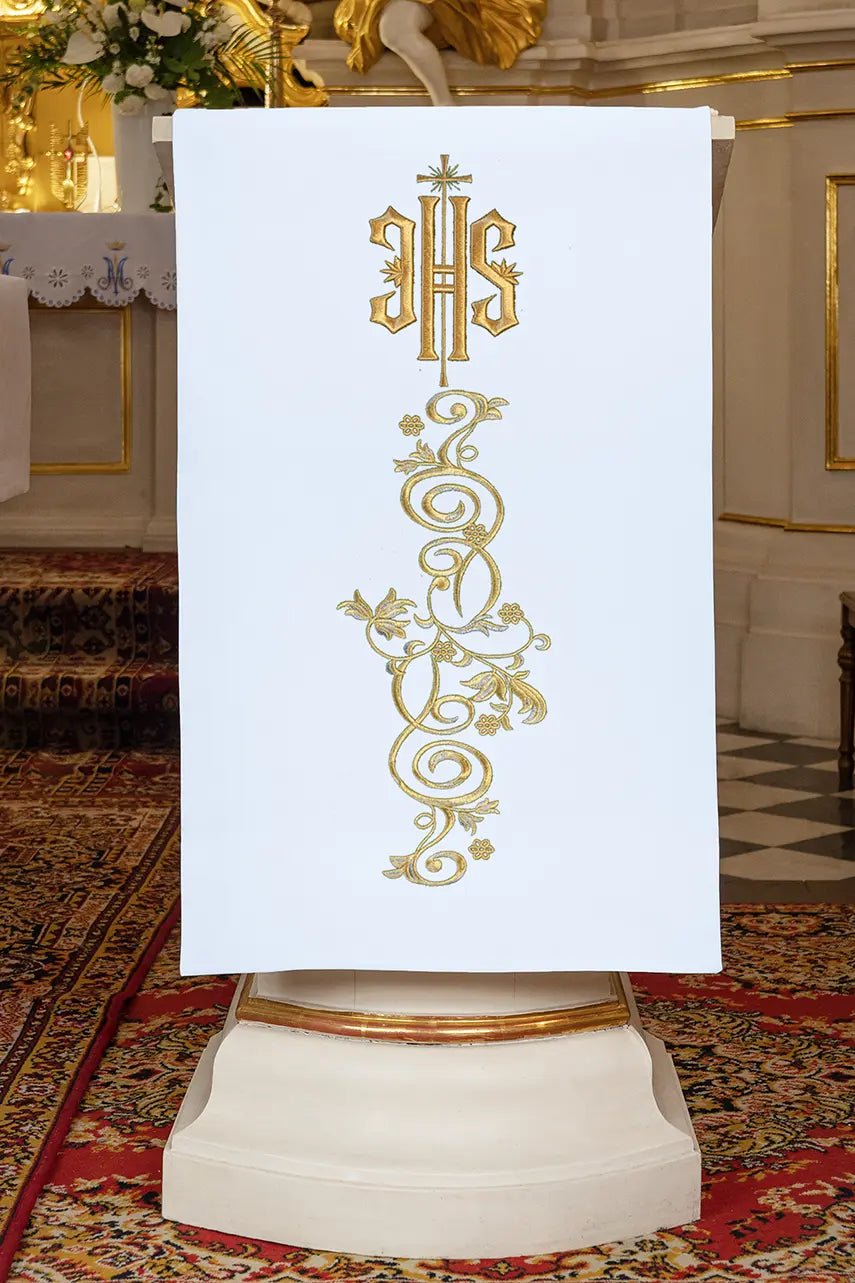
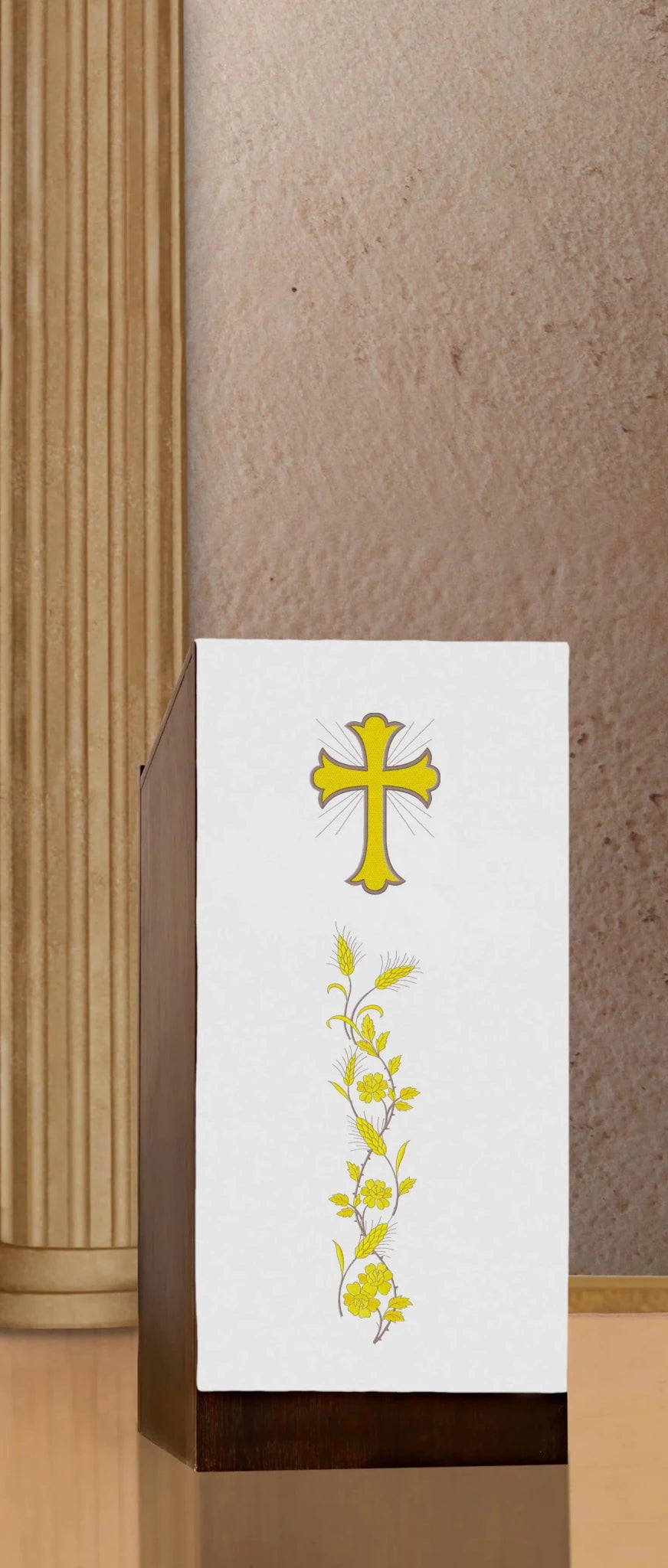
White Pulpit Covers for Church Lecterns and Ambos
White pulpit covers bring visual clarity, brightness and solemn beauty to the place where Scripture is proclaimed. This collection is dedicated to white liturgical textiles for the pulpit, ambo, lectern or lectorium, with embroidered motifs that help the congregation recognize the festive character of the celebration. The selection includes refined lectern napkins and pulpit covers with Marian motifs, IHS and JHS symbols, the cross, gold cross embroidery, PAX symbolism and other sacred designs suited to celebrations in which white is the proper liturgical color. A white cover is not simply a decorative cloth; it frames the proclamation of the Word and connects the reading desk with the wider language of the sanctuary.
White pulpit covers in the liturgical year
In the Western liturgical tradition, white is associated with joy, light, purity, resurrection and the glory of Christ. White pulpit covers are especially appropriate for Christmas, Easter, solemnities of the Lord, celebrations of the Blessed Virgin Mary, feasts of angels, feasts of saints who were not martyrs, baptisms, weddings and many parish celebrations with a joyful character. Churches preparing seasonal textiles for the Nativity can pair this collection with the Christmas collection, while communities preparing for Eucharistic processions and solemn worship may also find related textiles in the Corpus Christi collection.
The pulpit or ambo has its own liturgical focus: it is the place of the readings, the psalm, the Gospel proclamation and often the homily. Because the eye of the congregation turns naturally toward this place, a white pulpit cover should be dignified, proportionate and easy to read visually from a distance. Embroidery in gold, silver or coordinated thread can mark the cover as festive without overwhelming the lectionary, microphone, book stand or surrounding architecture.
Embroidered motifs for the proclamation of the Word
The designs in this collection emphasize symbols that speak clearly within a church interior. The cross is the most universal motif, suitable for almost any white celebration and easy to coordinate with altar linens, vestments and sanctuary furnishings. IHS or JHS embroidery points to the Holy Name of Jesus and is especially fitting for feasts of the Lord, Eucharistic celebrations and chapels where Christological symbolism is central. PAX embroidery highlights peace in Christ and can be chosen for festive Masses, weddings, confirmations, parish anniversaries and other celebrations where a calm, balanced visual language is desired.
Marian motifs in white pulpit covers are appropriate when the ambo is prepared for celebrations connected with the Mother of God. For a wider selection of textiles and vestments with Marian emphasis, the Blessed Virgin Mary collection and Marian Pulpit Covers offer closely related options. Choosing between a general white design and a Marian design depends on how broadly the cover will be used. A simple cross or IHS motif can serve many feasts across the year, while a Marian motif gives the lectern a more specific devotional character.
How to choose the right white pulpit cover
When selecting a white pulpit cover, begin with the dimensions and shape of the pulpit or lectern. The textile should hang neatly, remain stable during use and leave enough space for the lectionary, missal, notes and microphones. A cover that is too short may look unfinished, while one that is too long can interfere with movement around the ambo. The best choice should look intentional from both the sanctuary and the nave, with embroidery positioned where it remains visible when books are in place.
- Choose the symbol first: a cross is versatile, IHS or JHS is strongly Christ-centered, PAX is peaceful and solemn, and Marian embroidery is best for Marian celebrations.
- Match the color temperature: white, ecru and gold can look different under church lighting, so consider nearby altar cloths, wall color, stone, wood and existing vestments.
- Consider frequency of use: a durable, classic embroidered design is practical for parishes that use white textiles frequently throughout the year.
- Keep the ambo functional: the cover should beautify the reading place without covering controls, microphones, book supports or carved details that need to remain visible.
Coordinating white pulpit covers with sanctuary textiles
A well-prepared sanctuary usually feels most coherent when the ambo, altar and vestments speak the same liturgical language. White pulpit covers can be combined with clean altar linens from the Altar Cloths range and with related textiles from the main Pulpit Covers collection. For celebrations in which a warmer tone is preferred, Ecru Pulpit Covers may create a softer look, especially in churches with ivory marble, warm wood, cream walls or gold decorative elements.
The ambo textile does not need to copy every detail of the chasuble or altar frontal, but it should not visually compete with them. A white cover with modest gold embroidery pairs well with gold or white vestments; a more symbolic design can echo the main theme of the feast. When a parish already owns colored pulpit covers for Ordinary Time, Lent, martyrs feasts or Gaudete and Laetare, a white cover completes the basic liturgical set and gives the most joyful seasons their proper visual emphasis.
White, ecru and Marian designs: choosing with precision
White is the standard festive color and works well when the celebration calls for clarity and brightness. Ecru is related but visually warmer, so it may be chosen for interiors where pure white appears too stark or where existing vestments and altar fabrics have a cream tone. Marian pulpit covers may also be white, but their embroidery and iconographic emphasis make them more specific. This distinction helps sacristans avoid using one textile for every feast when a more precise option is available.
For example, a white pulpit cover with a cross or IHS symbol can be used across Eastertide, Christmastide and many solemnities. A Marian motif is especially meaningful for Marian feasts, shrines, May devotions and celebrations where the Blessed Virgin Mary is the focus. A parish that celebrates many Marian solemnities may benefit from both a general white cover and a dedicated Marian cover, allowing the ambo to reflect the occasion more accurately.
Care and storage of white pulpit covers
White textiles require careful handling because dust, candle soot, incense residue and fingerprints are more visible on light fabric. After use, the cover should be allowed to dry fully if the sanctuary is humid, then stored flat or gently folded in a clean, dry place. Avoid placing heavy objects on embroidered areas, because raised threads can become compressed over time. When cleaning is needed, follow the instructions for the specific fabric and embroidery; delicate liturgical textiles often benefit from professional care rather than aggressive washing.
Good care preserves not only the appearance of the cover but also the dignity of the liturgical space. A bright, clean pulpit cover makes the ambo look prepared and respected, while careful storage helps the textile remain ready for the next solemnity. Parishes that rotate several colors may find it useful to store each pulpit cover separately and label it by color, motif and season.
Frequently Asked Questions (FAQ)
When should a church use a white pulpit cover?
A white pulpit cover is used for celebrations marked by joy, light and glory, including Christmas, Easter, many feasts of the Lord, Marian feasts, angels, non-martyr saints, baptisms and weddings. It is also suitable when the parish wants the ambo to coordinate with white or gold vestments for a solemn celebration.
What is the difference between a pulpit cover, a lectern napkin and an ambo textile?
The terms can describe closely related church textiles used on the place where Scripture is read. The most important practical point is fit: the textile should suit the specific shape of the pulpit, lectern, lectorium or ambo and should remain secure while the lectionary and microphones are in use.
Which embroidery is best for a versatile white pulpit cover?
A cross, IHS or JHS motif is usually the most versatile because it can serve many white seasons and solemnities. PAX embroidery is a good choice when the parish prefers a quieter visual message, while Marian embroidery is best when the cover will be used mainly for Marian celebrations.
Should the pulpit cover match the altar cloth exactly?
Exact matching is not required, but the textiles should look harmonious. Similar white tones, compatible embroidery colors and balanced ornamentation help the sanctuary feel unified without making the pulpit cover look like a duplicate of the altar cloth.
How can a sacristan choose between white and ecru pulpit covers?
Choose white when the church needs a clear festive textile with a bright appearance. Choose ecru when the sanctuary has warmer tones or when existing vestments and linens are closer to ivory or cream. The decision is usually visual as well as liturgical, because both colors can appear different under church lighting.