
Sort by
6 products
Sprinklers and Holy Water Fonts
Sprinklers and Holy Water Fonts for Church Use
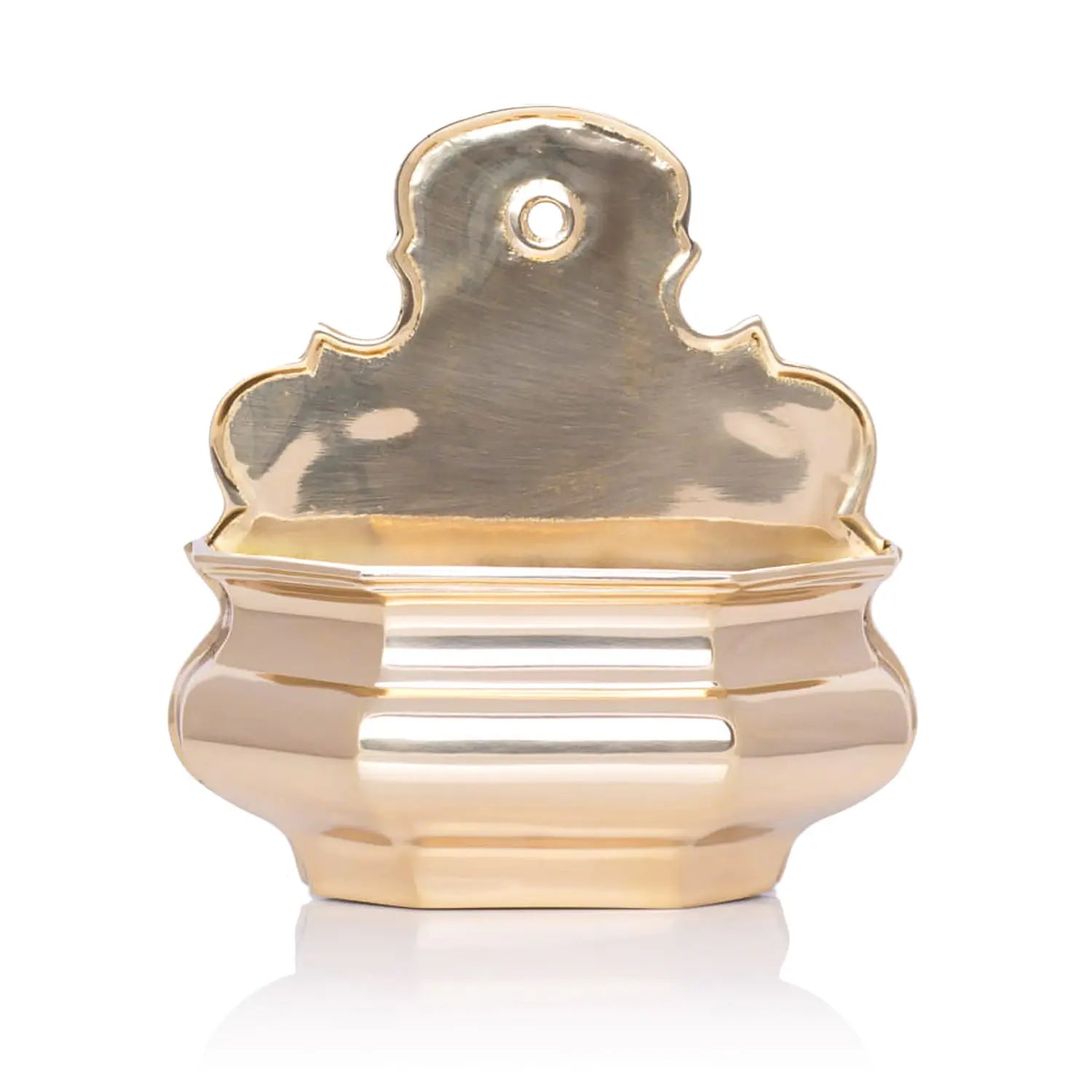
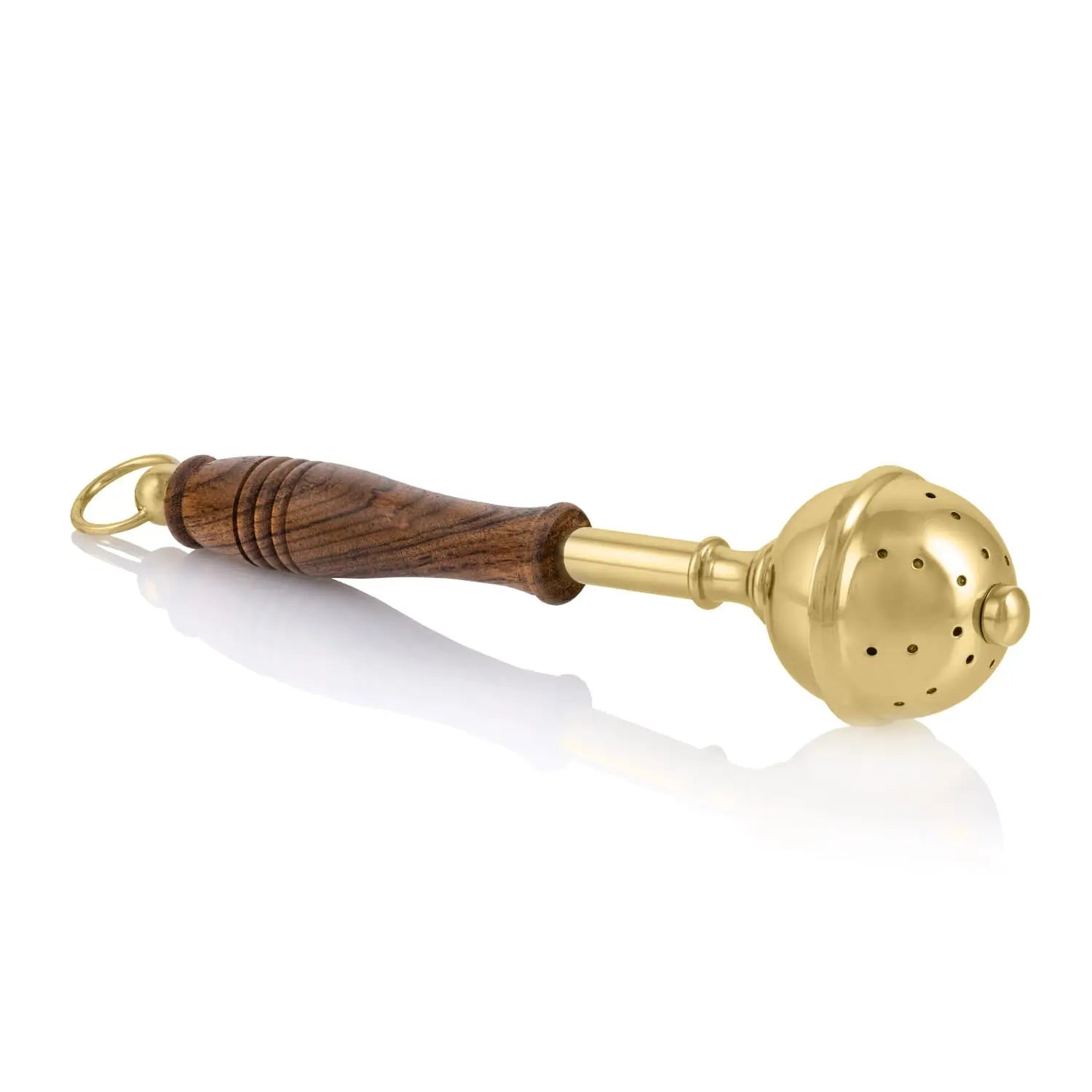
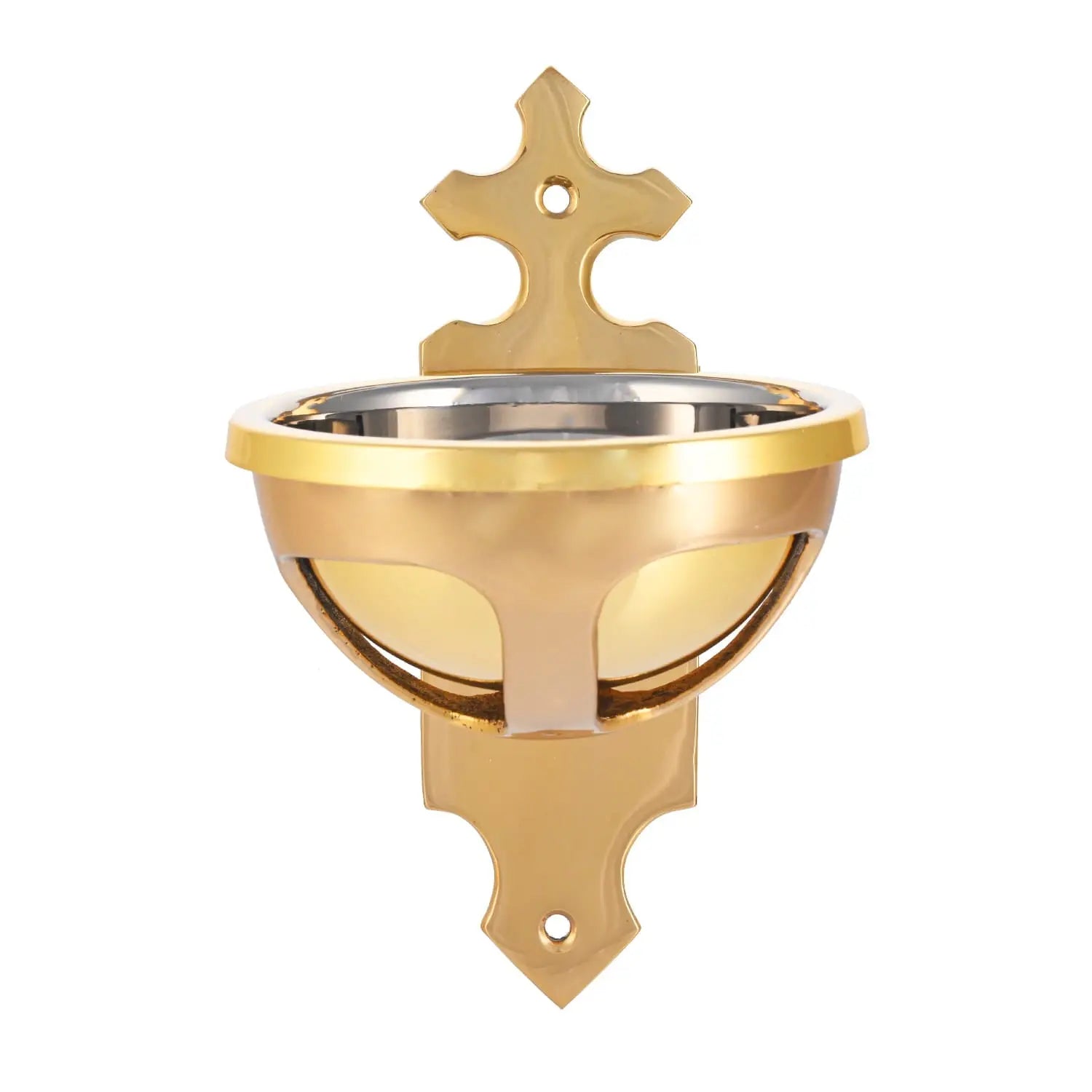
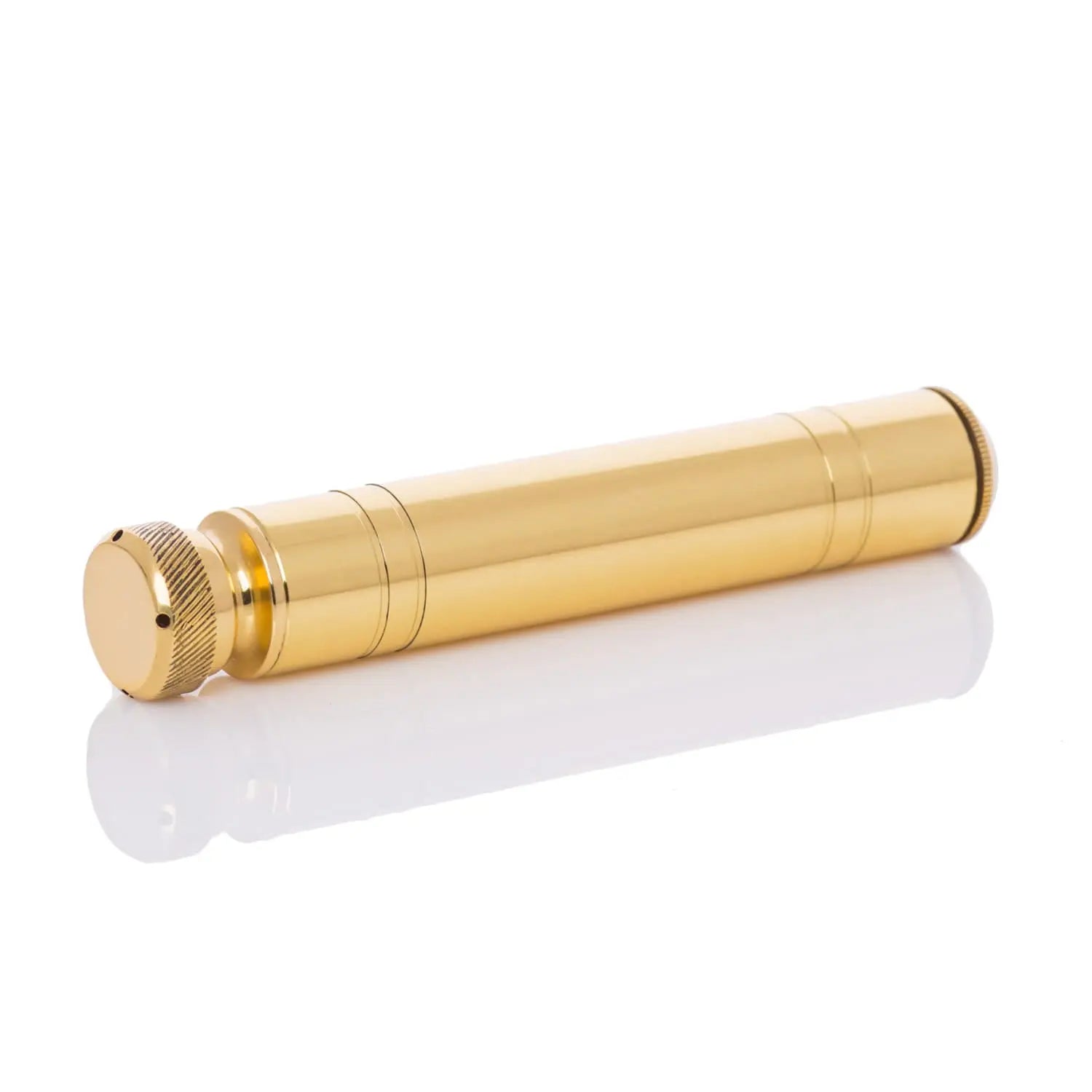
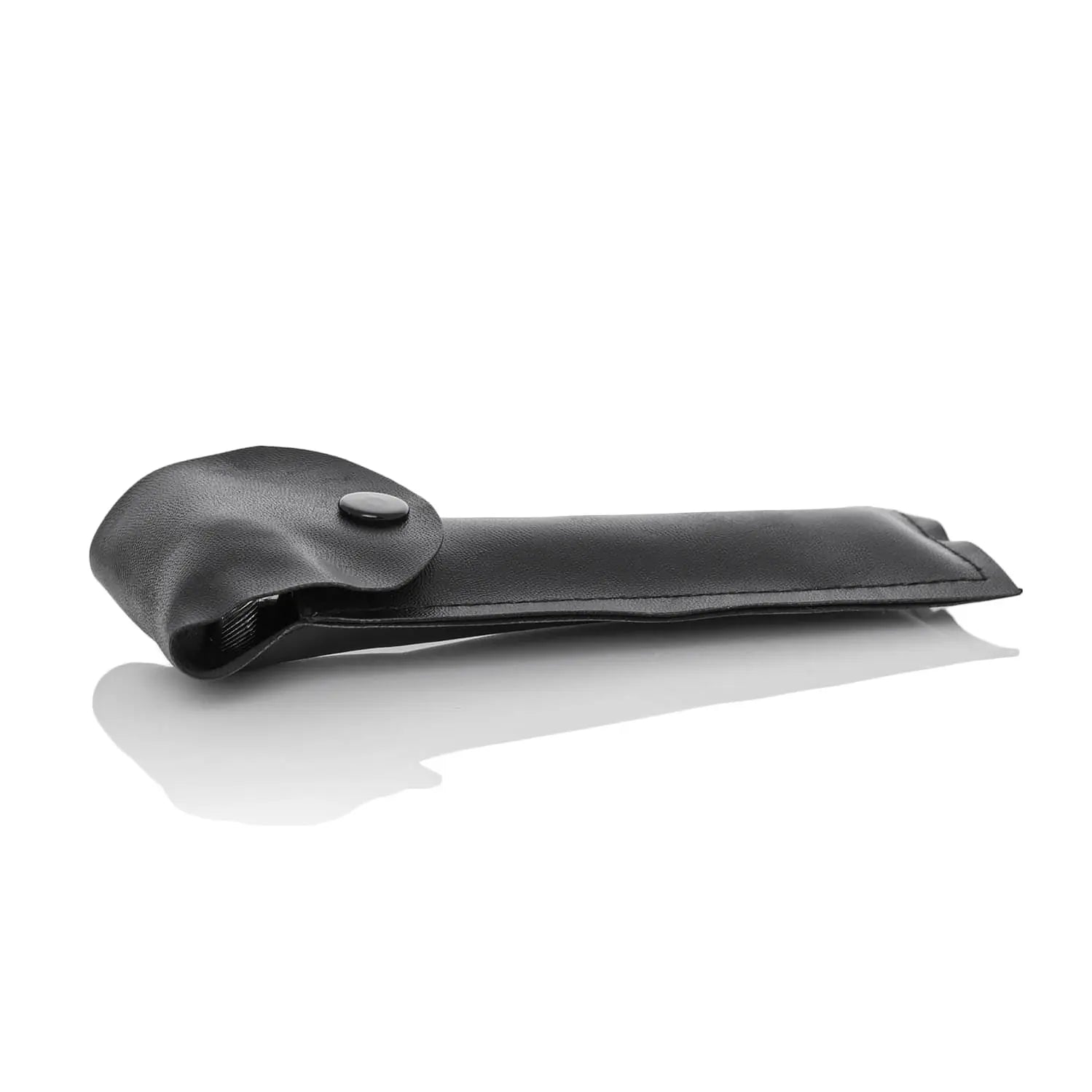
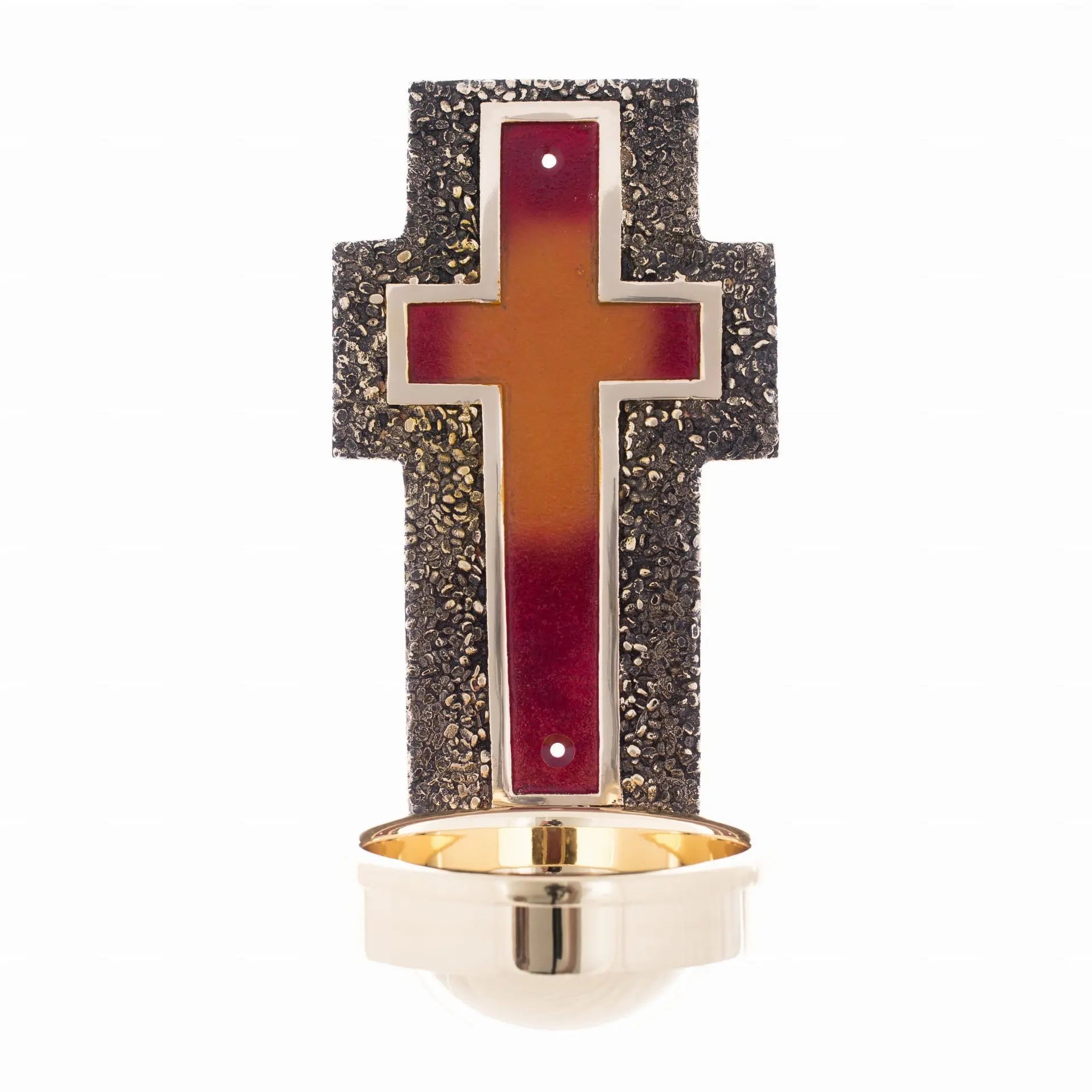
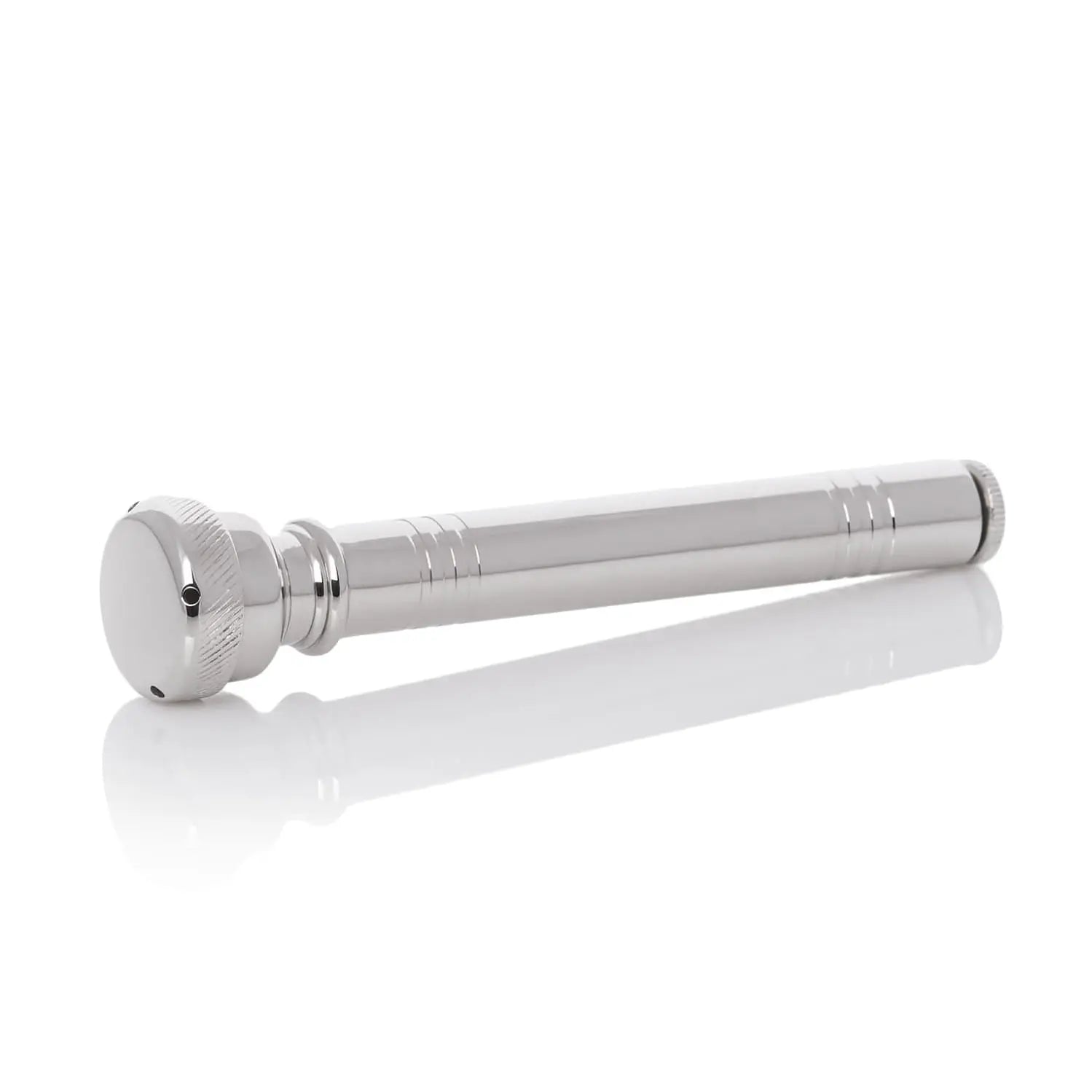
This collection brings together aspergillums, commonly called holy water sprinklers, and holy water fonts for churches, chapels, sacristies, parish houses and devotional spaces. These pieces are used wherever blessed water is prepared, kept or applied in the liturgical life of the Church. The visible selection includes wall-mounted brass holy water fonts, brass aspergillums with wooden handles, holy water fonts with cross-shaped details, aspergillums supplied with cases, and portable nickel-plated brass aspergillums designed for careful storage and practical use.
An aspergillum is used by the priest or other authorized minister to sprinkle holy water during blessings, processions and rites connected with purification, remembrance of baptism and the sanctification of persons, places and objects. A holy water font serves a different but closely related purpose: it holds blessed water so that the faithful may bless themselves when entering a church, chapel or devotional area. Together, these liturgical accessories support visible gestures of faith while also contributing to the order, dignity and beauty of a sacred space.
For a wider view of nearby items used in church service, see our liturgical accessories. Parishes preparing a complete sanctuary or sacristy may also coordinate holy water items with candlesticks, sanctuary bells, thuribles and incense boats, reliquaries and chalices.
What Belongs in This Collection
The collection is focused on two related groups of items: aspergillums and holy water fonts. Aspergillums are handheld instruments used to distribute holy water in a controlled and reverent way. Their form may include a handle and a metal head that releases water through small openings. Holy water fonts are receptacles intended to hold blessed water, most often near the entrance of a church or in another devotional location where the faithful can use them appropriately.
Wall-mounted fonts are practical for churches, side chapels, parish offices, retreat houses and home prayer spaces because they keep holy water accessible while saving floor or tabletop space. A brass holy water font with a cross detail can become both a functional vessel and a clear Christian sign at the threshold of a room. Portable aspergillums with a case are especially useful when the item must be protected between services, carried to a cemetery, taken for pastoral visits, or stored neatly in the sacristy.
Liturgical Use of Aspergillums
The aspergillum is associated with rites of blessing and with the sprinkling of holy water over the faithful, objects or places. It may be used in the sprinkling rite at Mass, during the blessing of homes, religious articles, graves, devotional spaces or parish buildings, and during processions where holy water is part of the rite. The gesture recalls baptism and expresses purification, renewal and dedication to God.
When choosing an aspergillum, consider the place and frequency of use. A church or parish that uses holy water frequently may prefer a durable brass design with a comfortable handle. A portable model with a case can be suitable for clergy who travel between churches, chapels, hospitals, homes or cemeteries. A wooden handle may offer a traditional appearance and a secure grip, while a nickel-plated brass finish can be chosen when a brighter metal tone is desired.
Choosing a Holy Water Font
A holy water font should be selected according to its liturgical role, location and visual relationship to the surrounding sacred space. For church entrances, a wall-mounted font is often the most convenient option because it is easy to reach and does not interrupt movement through the doorway. In smaller chapels, a compact brass font may provide a dignified solution without overwhelming the architecture. In a devotional corner or parish prayer room, a simple font with a cross motif can clearly indicate its purpose while maintaining a modest appearance.
Material and finish matter because holy water vessels are handled regularly and remain visible to the faithful. Brass is valued for its traditional church appearance, strength and compatibility with many other metal accessories used in the sanctuary and sacristy. A holy water font should be easy to clean, stable in its mounting or placement, and proportionate to the number of people who will use it. A small chapel may need only a compact receptacle, while a larger parish church may require a more prominent font or more than one location for holy water.
How to Coordinate Holy Water Items with Other Church Accessories
Holy water fonts and aspergillums rarely stand alone in parish use. They are part of a wider group of liturgical objects that help clergy and sacristans prepare services with consistency and care. When a church is refreshing its sanctuary or sacristy, it can be helpful to coordinate the metal tone and overall style of the aspergillum and font with candlesticks, chalices, bells and other metalwork. This creates a calmer visual impression and supports the dignity of worship without distracting from the liturgy itself.
For services that include incense, a parish may choose an aspergillum alongside items from thuribles and boats. For Eucharistic devotion, the same sacristy may also require monstrances and related sanctuary furnishings. For processions and solemn celebrations, holy water can be used together with processional items such as processional banners or canopies, depending on the rite and local custom.
Practical Selection Guide
- For parish entrances: choose a wall-mounted holy water font that is visible, secure and easy for the faithful to reach.
- For sacristy use: select an aspergillum that is durable, comfortable to hold and simple to clean after repeated use.
- For pastoral visits: a portable aspergillum with a protective case helps keep the item organized and protected during transport.
- For traditional interiors: brass designs coordinate well with many classic church furnishings and sanctuary accessories.
- For devotional spaces: a compact holy water font with a cross detail can provide a clear sign of blessing in a chapel, prayer room or parish house.
Care and Maintenance
Because holy water contains minerals and is used regularly, both fonts and aspergillums should be maintained with care. Empty and dry a font when needed according to parish practice, and clean the surface gently with a soft cloth. Avoid abrasive cleaning agents that may scratch metal, damage plating or dull decorative details. For aspergillums, remove remaining water after use when appropriate, dry the item thoroughly and store it in its case or a safe sacristy location.
Good care preserves not only the appearance of the item but also its suitability for sacred use. A clean holy water font is more inviting at the church entrance, and a well-kept aspergillum functions more reliably during a blessing. Sacristans may also find it useful to keep holy water items in a dedicated area with other regularly used accessories, so that preparation before Mass, processions, blessings and pastoral visits remains orderly.
Frequently Asked Questions (FAQ)
What is the difference between an aspergillum and a holy water font?
An aspergillum is the handheld instrument used to sprinkle holy water. A holy water font is the receptacle that holds blessed water, usually near the entrance of a church or in a chapel. They are related, but they are not the same item.
When is an aspergillum used in church?
An aspergillum may be used during blessings, the sprinkling rite, processions, cemetery services, home blessings and other rites where holy water is sprinkled. The exact use depends on the rite, the minister and local liturgical practice.
Is a wall-mounted holy water font suitable for a chapel?
Yes. A wall-mounted holy water font is often a practical choice for chapels because it saves space and keeps blessed water available at a clear devotional point. Choose a size and finish that match the chapel entrance or prayer area.
Why choose a brass holy water font or aspergillum?
Brass is a traditional material for church accessories because it is durable, visually warm and easy to coordinate with many sanctuary items. It also suits both simple parish interiors and more ornamented sacred spaces.
What should I consider when choosing a portable aspergillum?
Look for a model that is comfortable to hold, secure during use and protected during storage. A case is helpful for priests, deacons or sacristans who need to carry the aspergillum between churches, homes, hospitals or cemeteries.