
Sort by
4 products
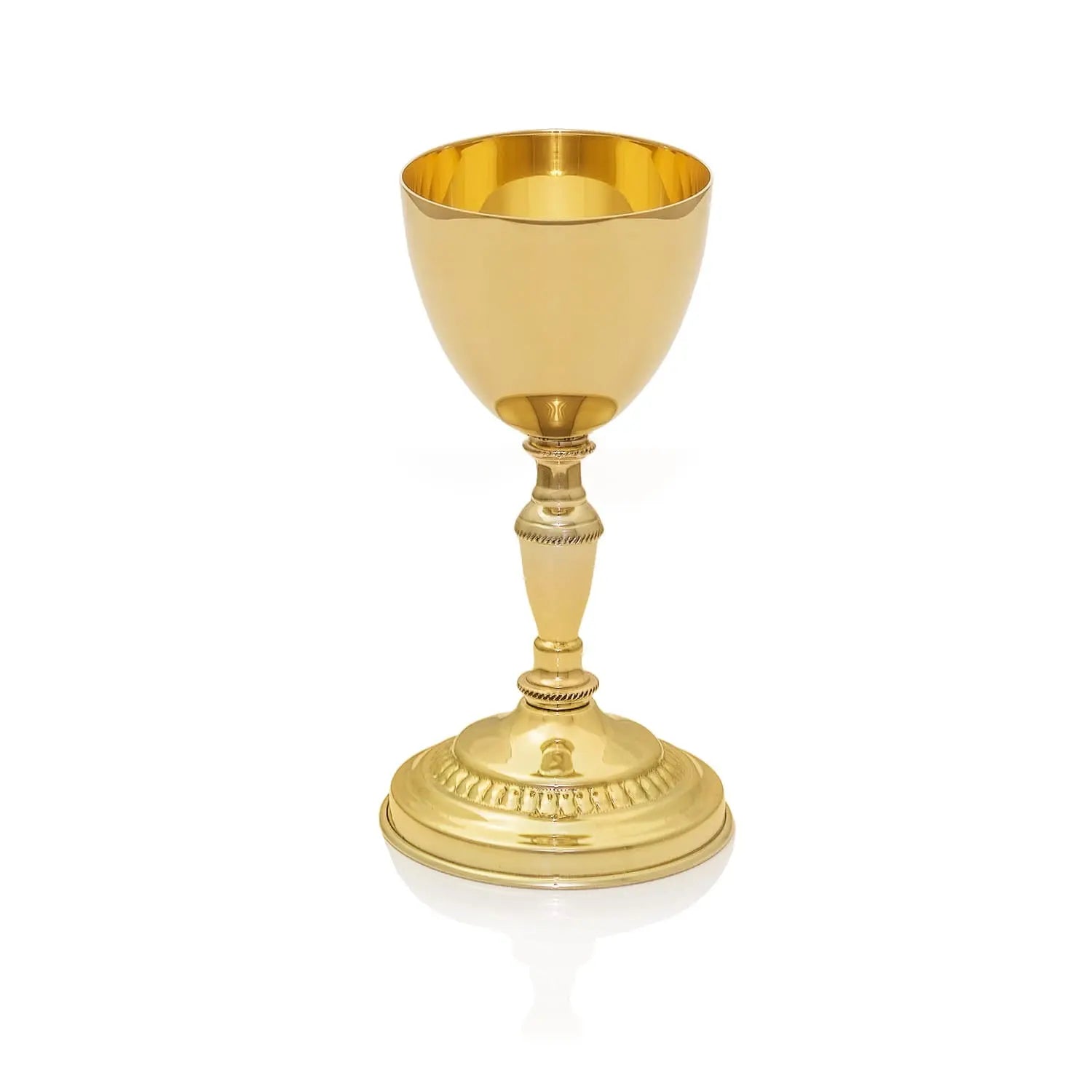
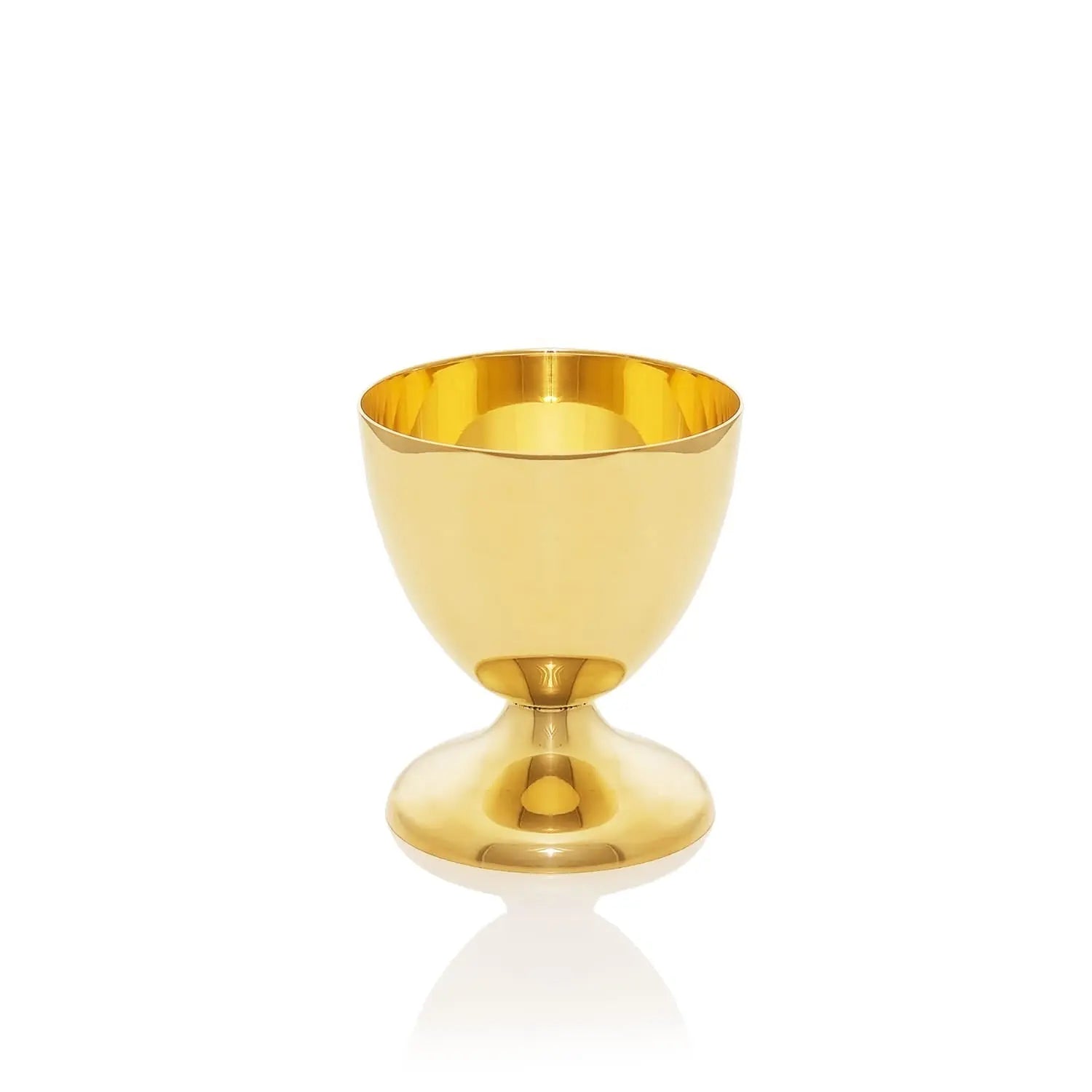
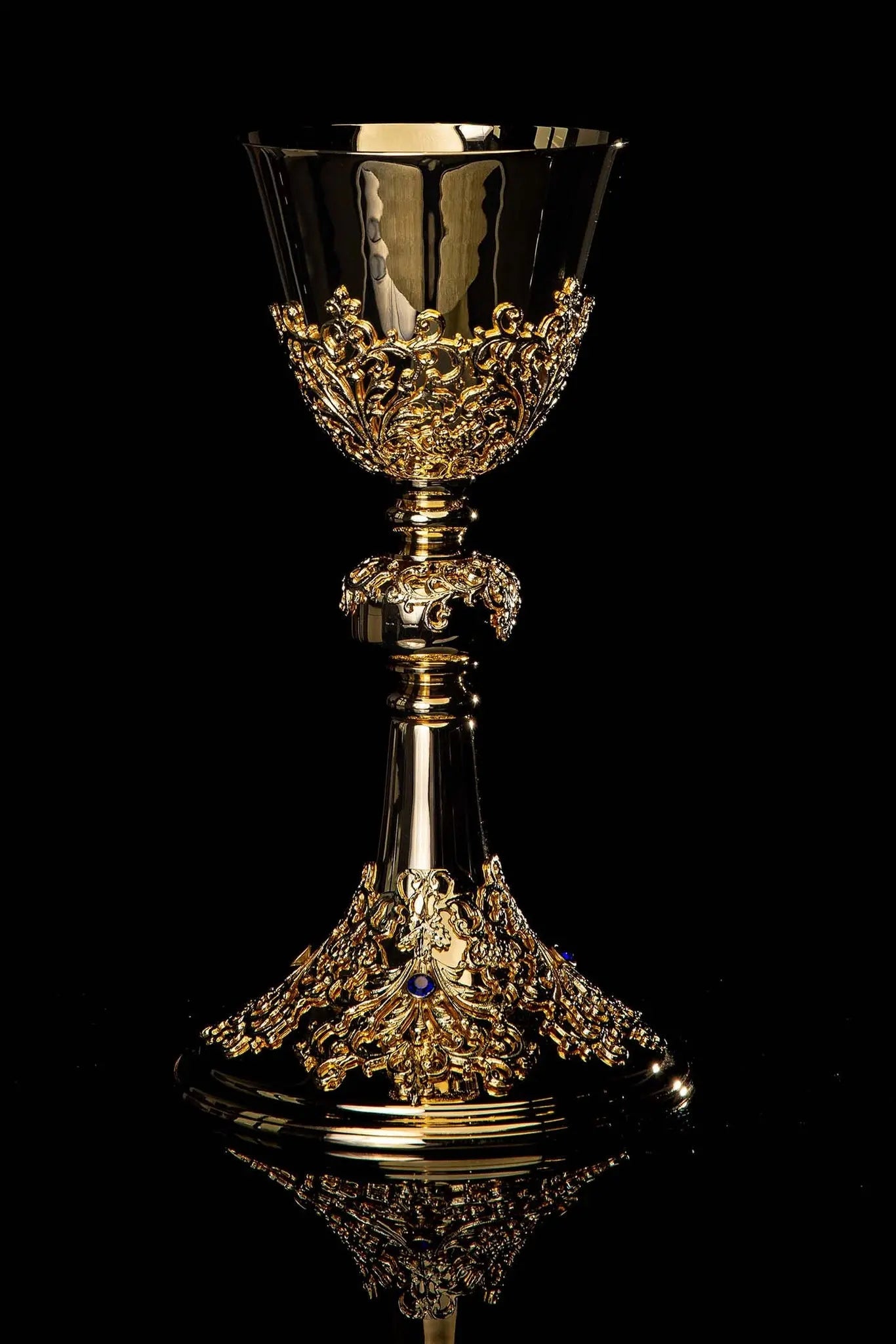
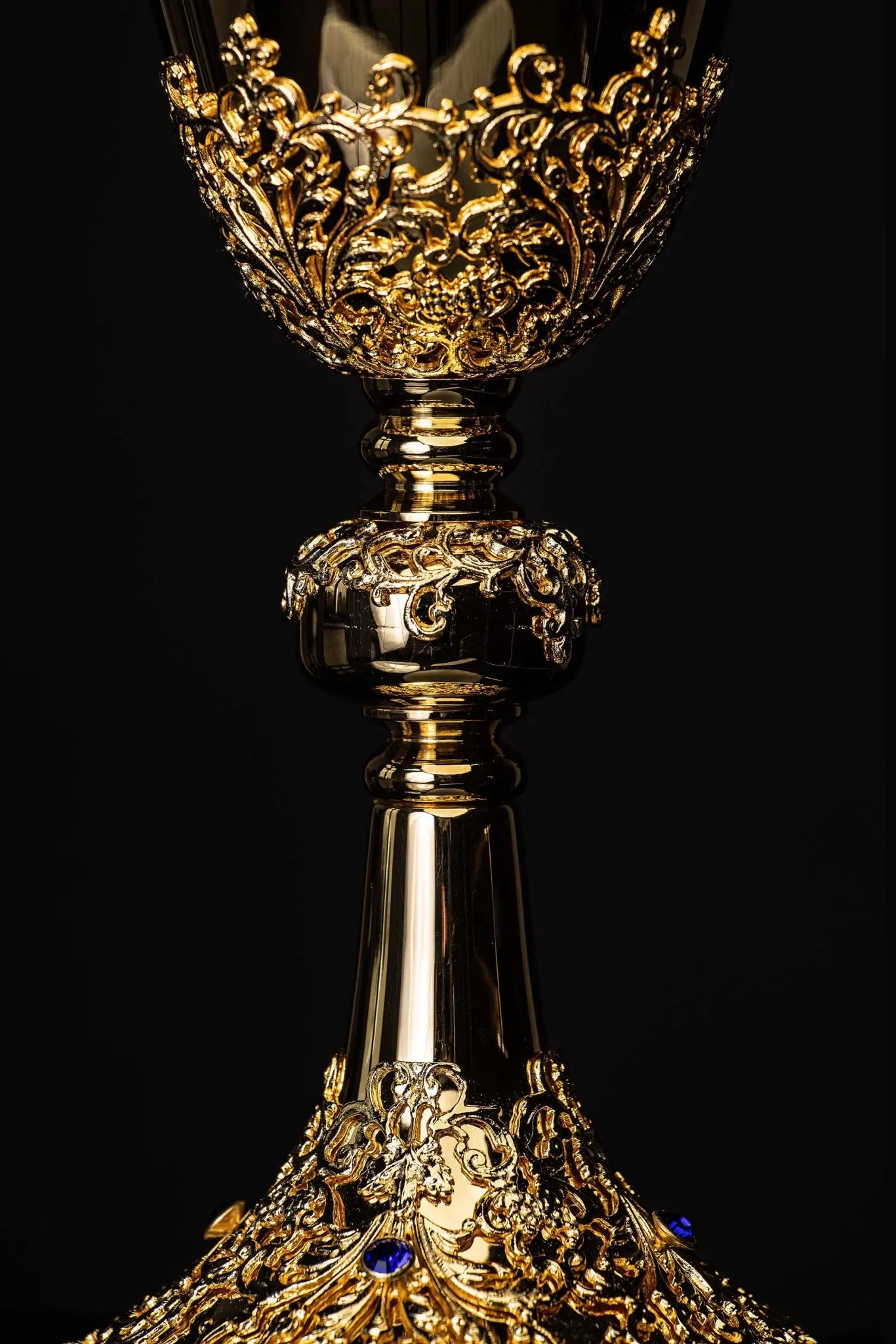
Chalices
Chalices for the Celebration of the Eucharist
Liturgical chalices for the altar
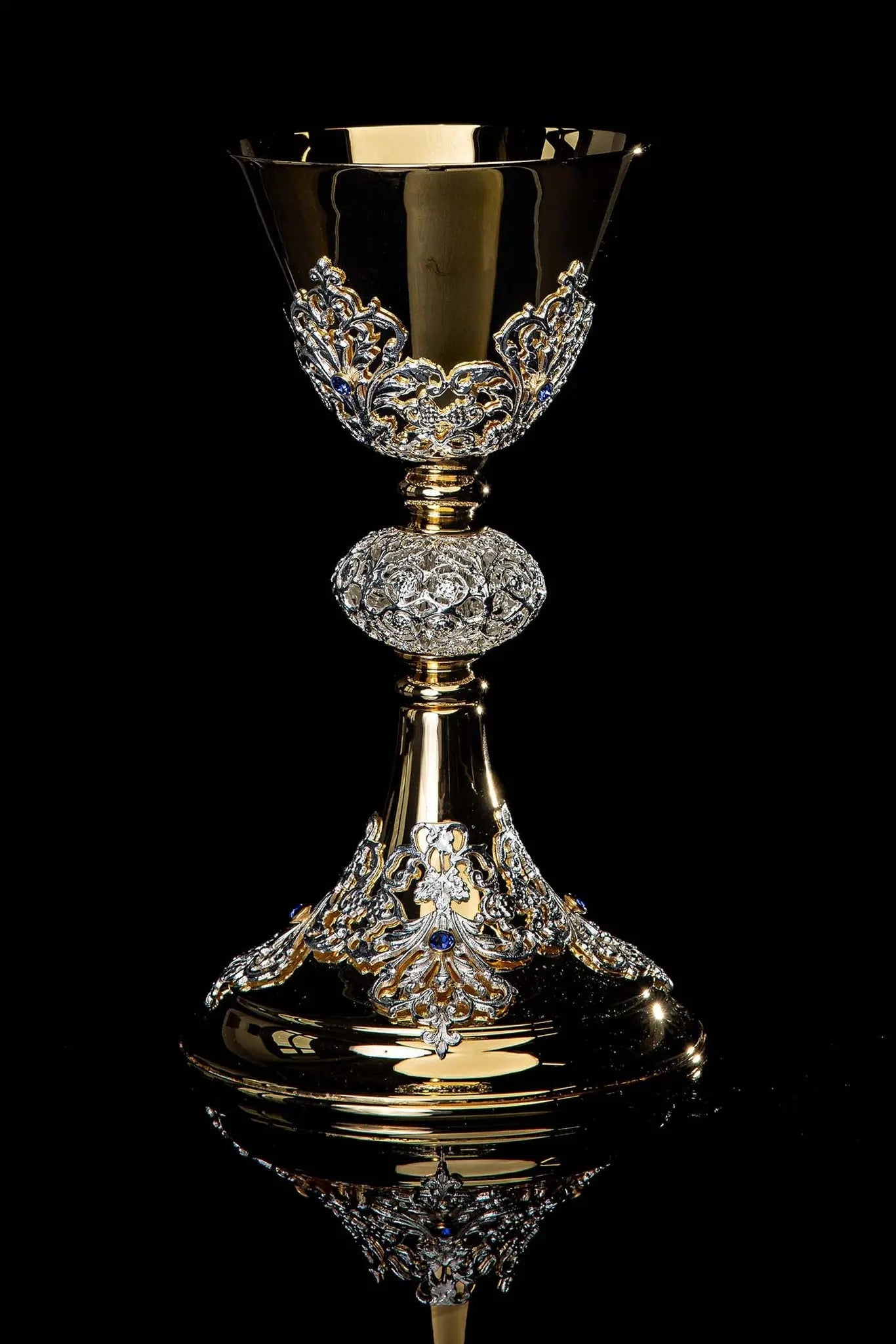
The chalice is one of the central sacred vessels used in the celebration of the Holy Mass. It holds the wine that is consecrated during the Eucharistic Prayer, so its form, material, finish and decoration should express dignity, reverence and stability at the altar. This collection gathers chalices intended for Catholic liturgy, especially gold-plated brass chalices and handmade liturgical chalices decorated with refined sacred details such as sapphire-like stones. Each piece is selected for use in churches, chapels, religious houses and parish sacristies where the vessel must be beautiful, practical and appropriate for repeated liturgical service.
A chalice is not simply a decorative object. It belongs to the order of sacred vessels and is handled with particular care before, during and after Mass. For that reason, the best choice is a vessel that combines a noble appearance with a secure base, a comfortable stem, a well-proportioned cup and a finish suitable for contact with the Precious Blood. Gold plating is especially valued because it gives the cup a traditional liturgical appearance and helps preserve the noble character of the vessel used at the altar.
This collection is part of our wider liturgical accessories range. It can be completed with related altar and sacristy items, including candlesticks, altar bells, thuribles and incense boats, and other accessories used in the solemn celebration of the liturgy.
The liturgical role of a chalice
During Mass, the chalice is prepared at the altar with wine and a small amount of water. It is then used in the Eucharistic Prayer and at the distribution or reception of Holy Communion according to the liturgical form and local practice. Because the chalice is closely connected with the mystery of the Eucharist, its design should be more than ornamental. The vessel should support the action of the liturgy without distracting from it.
A well-chosen chalice helps create visual harmony on the altar. Its height, proportions and decoration should correspond to the church interior, the altar cross, candles, missal stand, altar linen and vestments used by the celebrant. A richly decorated chalice may be appropriate for solemnities, feast days, parish celebrations and chapels with traditional furnishings. A simpler gold-plated chalice may be preferred for daily Mass, smaller chapels or communities that value restrained sacred design.
When selecting a chalice, churches often consider how it will be used throughout the liturgical year. The same vessel may serve at weekday Masses, Sunday celebrations, Eucharistic solemnities and special parish occasions. It should therefore be durable enough for regular use and dignified enough for major celebrations. For feasts centered on Eucharistic devotion, you may also wish to coordinate the altar setting with monstrances for adoration and benediction, as well as other processional or sanctuary furnishings.
What you will find in this collection
The chalices in this collection are focused on sacred use and traditional liturgical presentation. The live collection includes a concise selection of chalices, including gold-plated brass pieces and handmade chalices with decorative stones. Their style is suitable for parishes, private chapels, clergy gifts, ordination gifts and church communities replacing or supplementing older sacred vessels.
Gold-plated chalices
Gold-plated chalices are a classic choice for Catholic worship. The golden finish gives the vessel a radiant appearance that suits the solemn character of the Eucharist. Gold plating is also widely associated with sacred vessels because it emphasizes the honor given to the sacrament. In practical terms, a gold-plated chalice can be suitable both for regular parish use and for special celebrations, provided that it is cared for properly and stored safely between services.
Handmade chalices with decorative stones
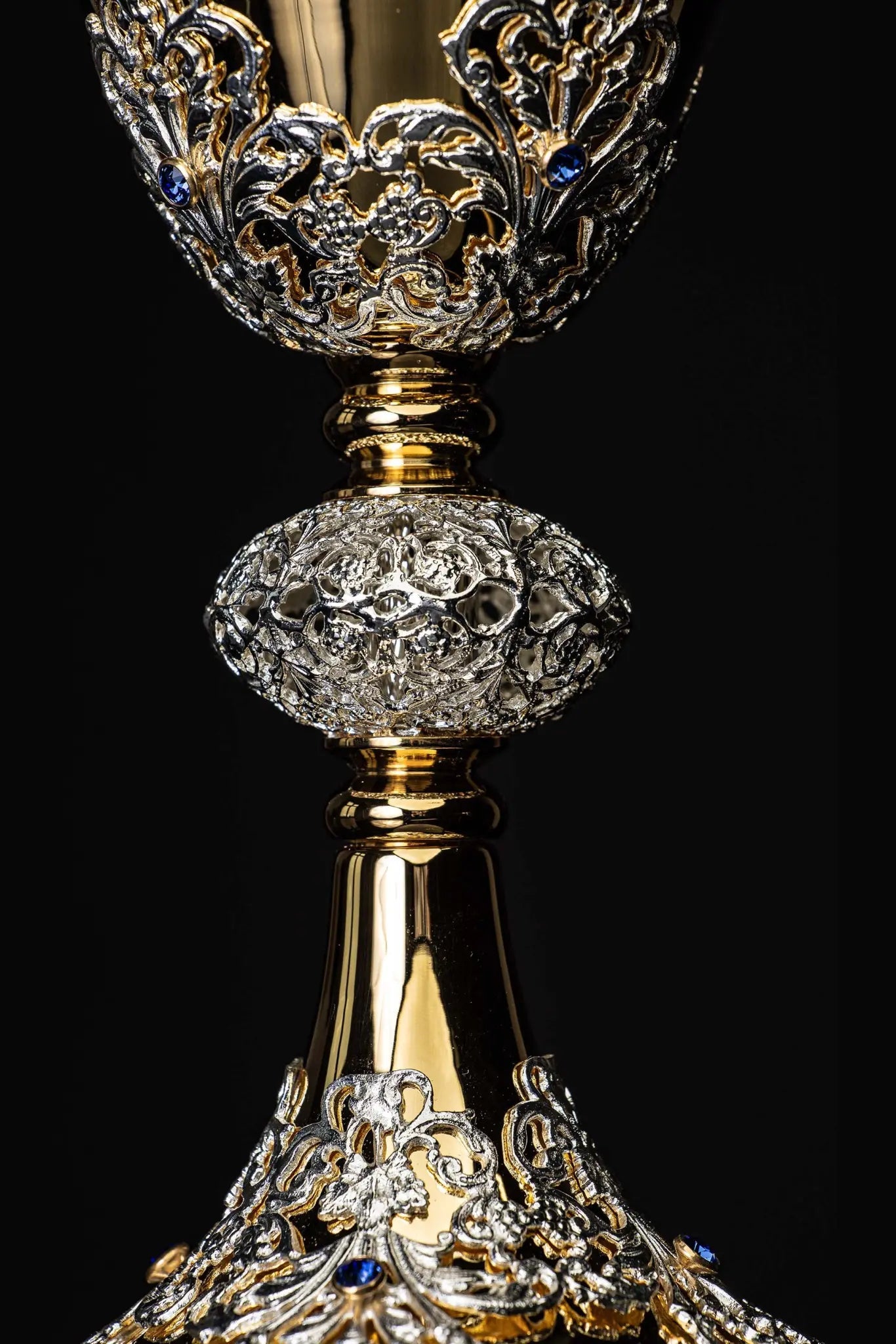
Some chalices in this collection include handcrafted decorative details and sapphire-like stones. Such ornamentation can give the vessel a more solemn and festive character without changing its liturgical purpose. Stone decoration is often chosen when the chalice is intended for a jubilee, ordination, anniversary, chapel dedication or another meaningful occasion. The decoration should be read as a sign of reverence rather than as ordinary luxury: it helps the vessel stand apart from everyday tableware and marks its sacred function.
Chalices for parish and chapel use
For a parish, the most important features are stability, proportion and ease of handling. A chalice used frequently should feel secure when placed on the corporal and should be comfortable for the priest to lift during the Eucharistic Prayer. For chapels, convents and smaller communities, the size and visual weight of the chalice should be proportionate to the altar and the number of people normally present. The right choice is the one that serves the liturgy faithfully and can be maintained with care over many years.
How to choose a liturgical chalice
Choosing a chalice requires attention to both sacred meaning and practical details. The vessel should be worthy of the Eucharist, but it should also be suitable for the community and the altar on which it will be used. Before selecting a chalice, consider the following points:
- Liturgical suitability: choose a chalice intended for sacred use, with a dignified design and an interior finish appropriate for the Eucharistic liturgy.
- Material and finish: gold-plated brass is a strong and traditional option for churches seeking a noble appearance with practical durability.
- Proportions: the cup, stem and base should be balanced so that the chalice stands securely on the altar and can be lifted comfortably.
- Decoration: engraved details, sacred motifs or stone settings may be appropriate for solemn celebrations, commemorative gifts and churches with ornate interiors.
- Use context: a daily Mass chapel may need a simpler vessel, while a parish church may prefer a more decorative chalice for Sundays and feasts.
- Care routine: select a chalice that can be cleaned gently, dried thoroughly and stored safely after each use.
The chalice should also work well with other items used at the altar. It is often placed with a purificator, paten, pall, corporal and chalice veil. For a coordinated altar preparation, browse linen chalice sets, chalice pall sets and chalice veils. These collections help complete the practical setting around the sacred vessel without confusing the chalice itself with the linens that accompany it.
Chalice, paten, linens and veils: keeping the altar set coherent
A chalice is usually considered together with the other objects needed for the preparation of the gifts and the purification after Communion. Although each item has its own function, they should form a visually coherent altar set. A gold-plated chalice pairs naturally with white or ecru altar linens, embroidered palls and veils, and classic altar furnishings. If the chalice is decorated with stones or ornamental motifs, a more refined pall or veil can help create a complete and harmonious presentation.
It is important to distinguish between the sacred vessel and the textile accessories used with it. A chalice holds the wine for consecration. A purificator is used for wiping the chalice. A corporal is spread on the altar beneath the vessels. A pall may cover the chalice, and a chalice veil may cover the prepared chalice before the Liturgy of the Eucharist in traditions and settings where it is used. These objects are related, but each has a separate purpose and should be chosen with that purpose in mind.
For a sanctuary prepared for solemn Mass, the chalice may also be coordinated with other altar accessories. Candlesticks frame the altar and emphasize the sacred action. Bells may be used at key moments according to local custom. Thuribles and boats are used when incense is part of the rite. Reliquaries, monstrances and processional items belong to adjacent devotional or ceremonial contexts, so they should be chosen according to the needs of the church and the type of celebration.
When a new chalice may be needed
A parish or chapel may need a new chalice for many reasons. An older vessel may no longer be in good condition, the community may be preparing a new chapel, or the church may need an additional chalice for concelebrations and larger liturgies. Chalices are also meaningful gifts for priestly ordinations, jubilees, anniversaries of ordination, parish milestones and memorial donations. In each case, the vessel should be chosen with lasting use in mind, not only for the day of presentation.
For a commemorative gift, the visual symbolism of the chalice matters. Gold plating communicates solemnity, while decorative stones or handcrafted details can mark the importance of the occasion. For daily parish service, the most important qualities are reliable construction, balanced proportions and a finish that can be maintained with regular care. Both approaches can be correct, provided that the chalice remains suitable for the sacred liturgy.
Care and handling of a sacred chalice
Proper care protects both the appearance and the liturgical dignity of the chalice. After use, the chalice should be purified according to liturgical norms and then cleaned gently as needed. Avoid abrasive materials, harsh chemicals and rough cloths that may damage the plating or decorative details. A soft, lint-free cloth is usually best for drying and light polishing. If water is used, the vessel should be dried completely to reduce the risk of marks or tarnish.
Storage is just as important as cleaning. Keep the chalice in a secure place in the sacristy, ideally in a protective box, pouch or cabinet where it will not be scratched by other metal items. Decorated chalices with stones or fine details should be handled with extra care around the cup, stem and base. Regular gentle maintenance is better than aggressive polishing, especially for plated surfaces.
When a chalice is used frequently, establish a consistent sacristy routine. The person responsible for sacristy preparation should know where the vessel is stored, how it is placed on the credence table or altar, and which linens are used with it. This helps preserve the vessel and supports the smooth preparation of the liturgy.
Related accessories for a complete sacred setting
The chalice belongs to a wider group of church accessories that support the celebration of Mass and Eucharistic devotion. For the altar, consider candlesticks, bells, chalice linens, palls and veils. For solemn liturgies, incense accessories and processional items may also be needed. For Eucharistic adoration, the chalice is not replaced by a monstrance; each vessel has its own role. Understanding these distinctions helps a parish build a coherent sacristy inventory without duplicating items unnecessarily.
To continue building a complete set, explore the main Accessories collection for sanctuary and ceremonial items, or compare chalices with related sacred vessels and objects such as reliquaries and monstrances. For Eucharistic textiles, the altar linen collections provide the pieces that accompany the chalice before, during and after Mass.
Frequently Asked Questions (FAQ)
What is a chalice used for during Mass?
A chalice is the sacred vessel used to hold the wine that is consecrated during the Eucharistic Prayer. It is placed on the altar with the other necessary vessels and linens, and it is handled according to the reverence due to the Eucharistic liturgy.
Is a gold-plated brass chalice suitable for church use?
Yes, gold-plated brass chalices are commonly chosen for churches because they combine a traditional golden appearance with practical strength. The important point is that the vessel is made for liturgical use and cared for properly after each celebration.
How should I choose between a simple and decorated chalice?
A simpler chalice may be best for daily Mass, small chapels or restrained church interiors. A decorated chalice with handcrafted details or stones may be more suitable for solemnities, ordination gifts, parish jubilees or a principal chalice used on major feast days.
What accessories should be ordered with a chalice?
Most altar settings require appropriate linens such as a purificator, corporal and pall. Many churches also use a chalice veil. Matching the chalice with linen chalice sets, palls and veils helps prepare a complete and orderly altar arrangement.
How should a chalice be cleaned and stored?
After liturgical purification, clean only as needed with gentle materials. Use a soft cloth, avoid abrasive products and dry the vessel completely. Store the chalice separately in a safe sacristy space so the plating and decorative elements are protected from scratches.