
Sort by
17 products
Additional Church and Sacristy Accessories
Additional Church and Sacristy Accessories
This collection brings together church accessories that support the daily work of the sacristy, the careful preparation of the altar, Eucharistic devotion, blessings, and solemn celebrations. The items gathered here do not belong to only one narrow category. Instead, they answer practical liturgical needs that appear throughout parish life: holding holy water with dignity, sounding a gong or bell at important moments, arranging purificators near the credence table, preparing incense, displaying a monstrance with reverence, or keeping small ritual tools ready for use.
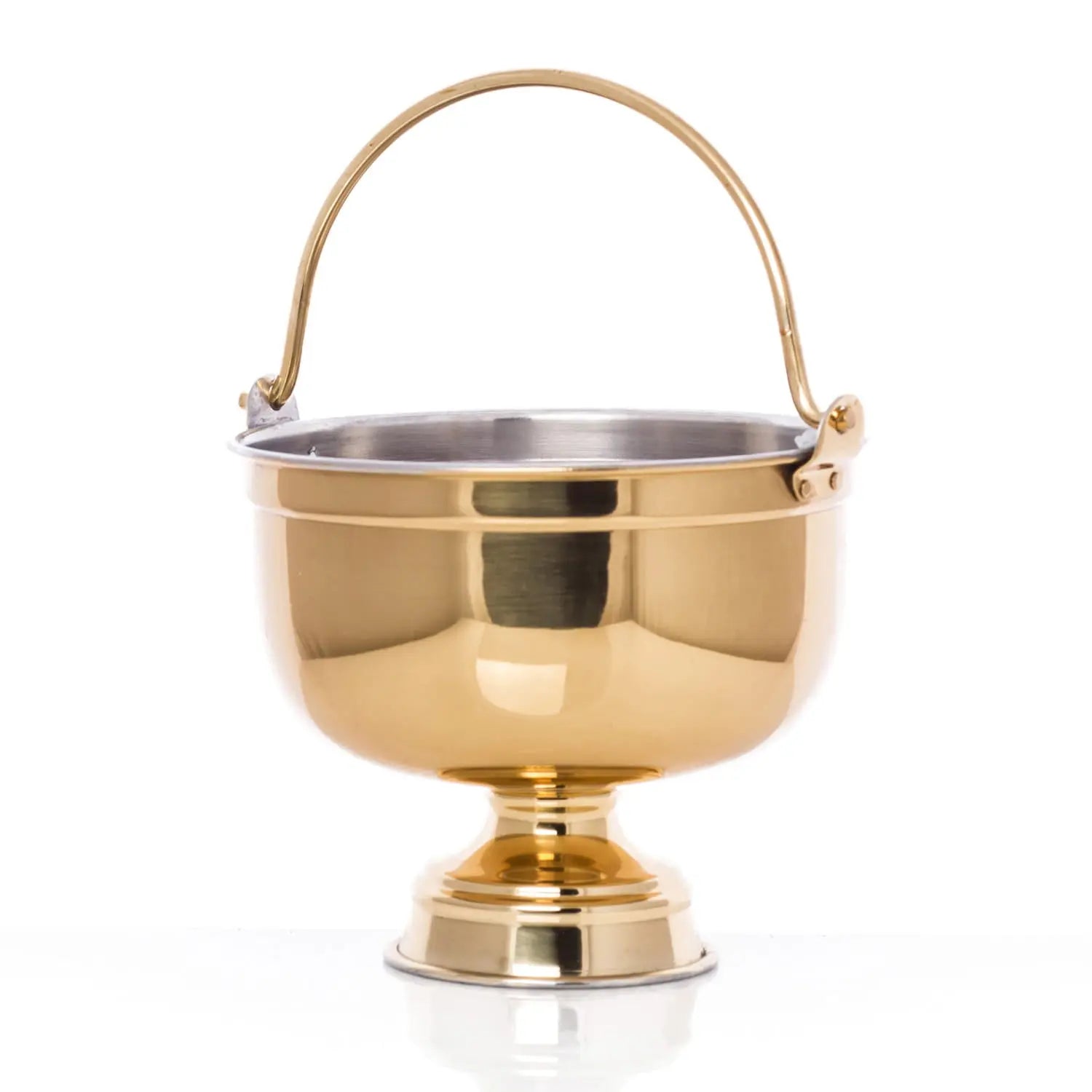
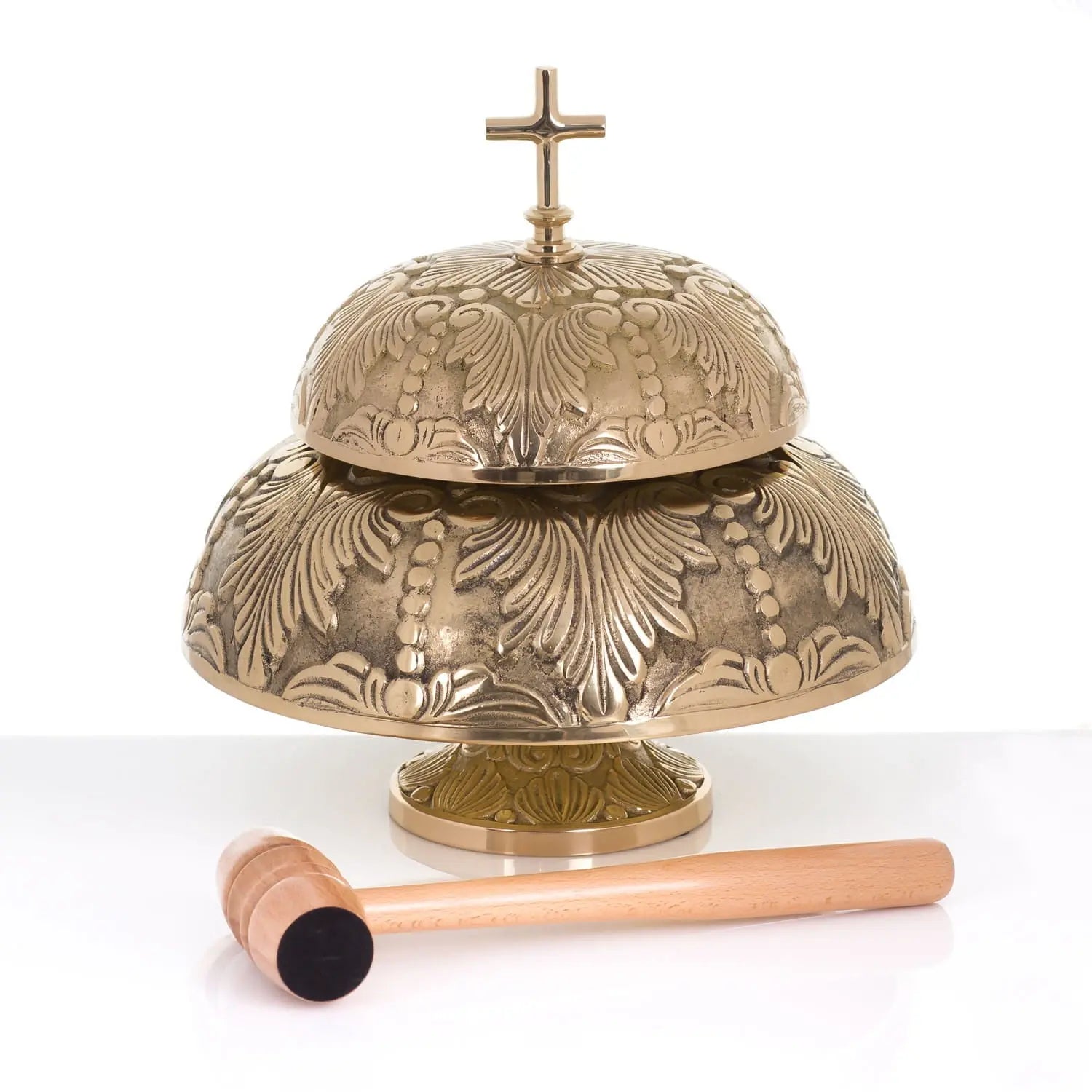
The original idea of this collection was a broad presentation of liturgical accessories. In this improved version, the description is focused more precisely on the accessories actually associated with this page: brass holy water buckets, decorative liturgical gongs with wooden mallets, brass and nickel-plated purificator hangers, church censers, charcoal tongs, monstrance thrones, and similar practical objects used in the sanctuary or sacristy. These pieces are not vestments and they are not altar linens, although they are closely connected with both. They complete the setting in which vestments, vessels, linens, candles, incense, and holy water are used in an orderly and reverent way.
For a wider overview of related church goods, visit the main liturgical accessories collection. When a parish needs a more specific category, this page also connects naturally with bells and liturgical gongs, thuribles and incense boats, sprinklers and holy water fonts, monstrances, chalices, and candlesticks. Together, these collections help churches choose coherent accessories for Mass, adoration, processions, blessings, funerals, feasts, weekday liturgies, and sacristy organization.
What Belongs in the Other Liturgical Accessories Collection?
The items in this collection are best understood as supporting accessories for worship rather than as the main sacred vessels or vestments. They are often small, but their function is important. A holy water bucket assists with blessings. A gong or bell helps mark liturgical moments. A purificator hanger keeps linens available and orderly. A censer and charcoal tongs help prepare incense. A monstrance throne gives visual emphasis to Eucharistic adoration. Each object has a practical purpose, yet each also contributes to the dignity and clarity of the celebration.
Many churches already organize their sacristy by category: vestments in one place, altar linens in another, vessels in a locked cabinet, candles and incense nearby, and seasonal items arranged according to the liturgical year. The accessories here are useful precisely because they fill the spaces between those major categories. They help clergy, sacristans, altar servers, and parish staff prepare the sanctuary more efficiently and maintain a reverent rhythm before, during, and after liturgical services.
Holy Water Buckets and Accessories for Blessings
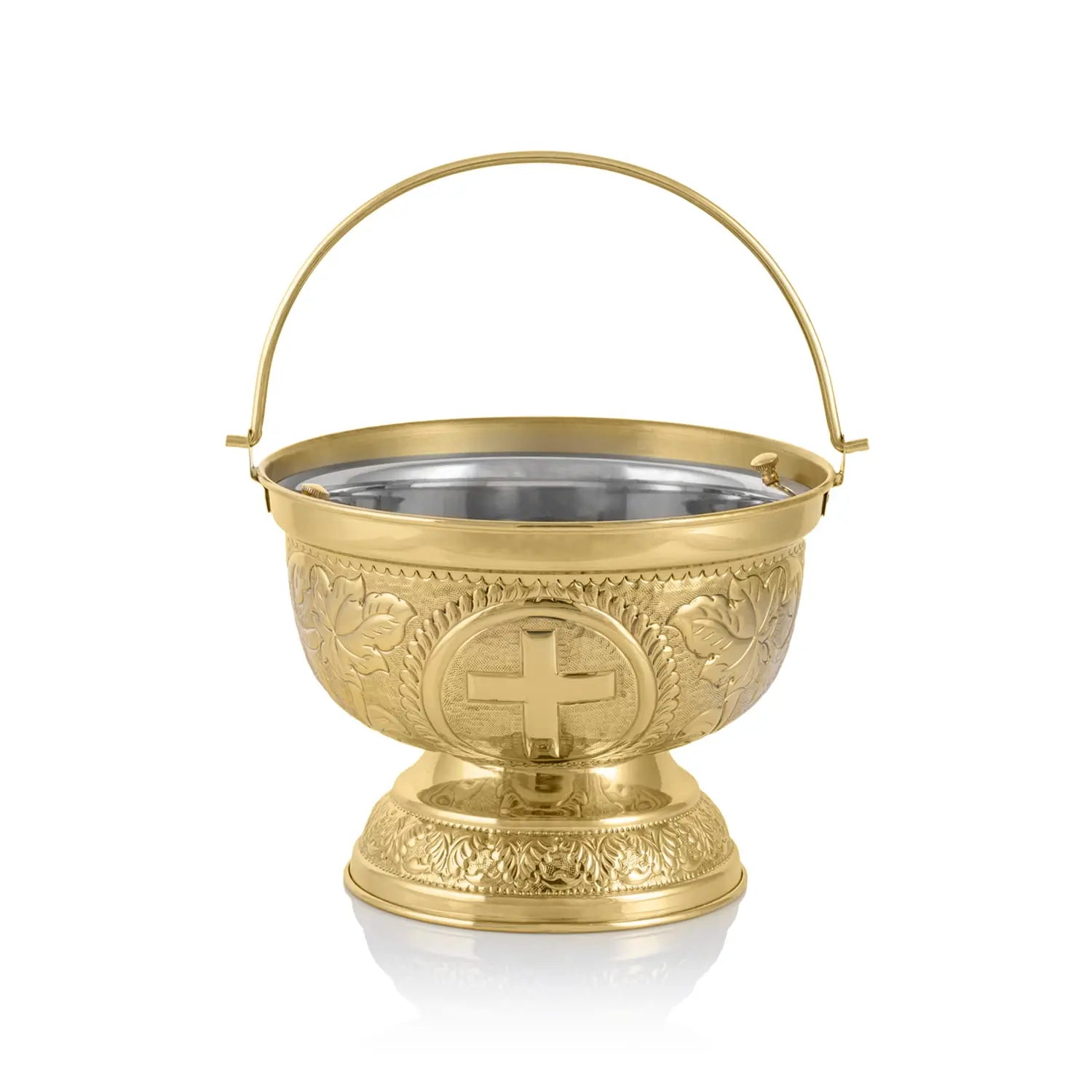
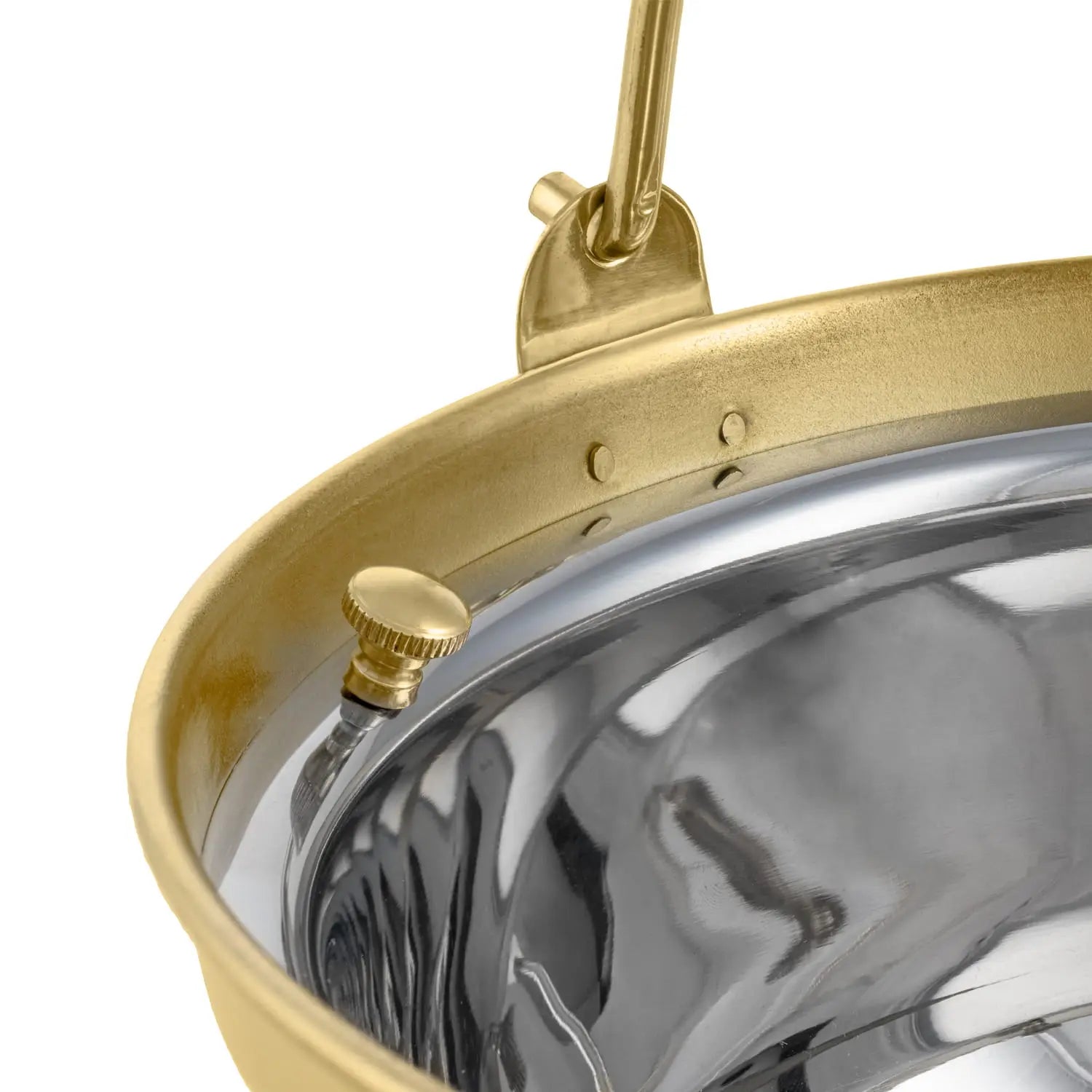
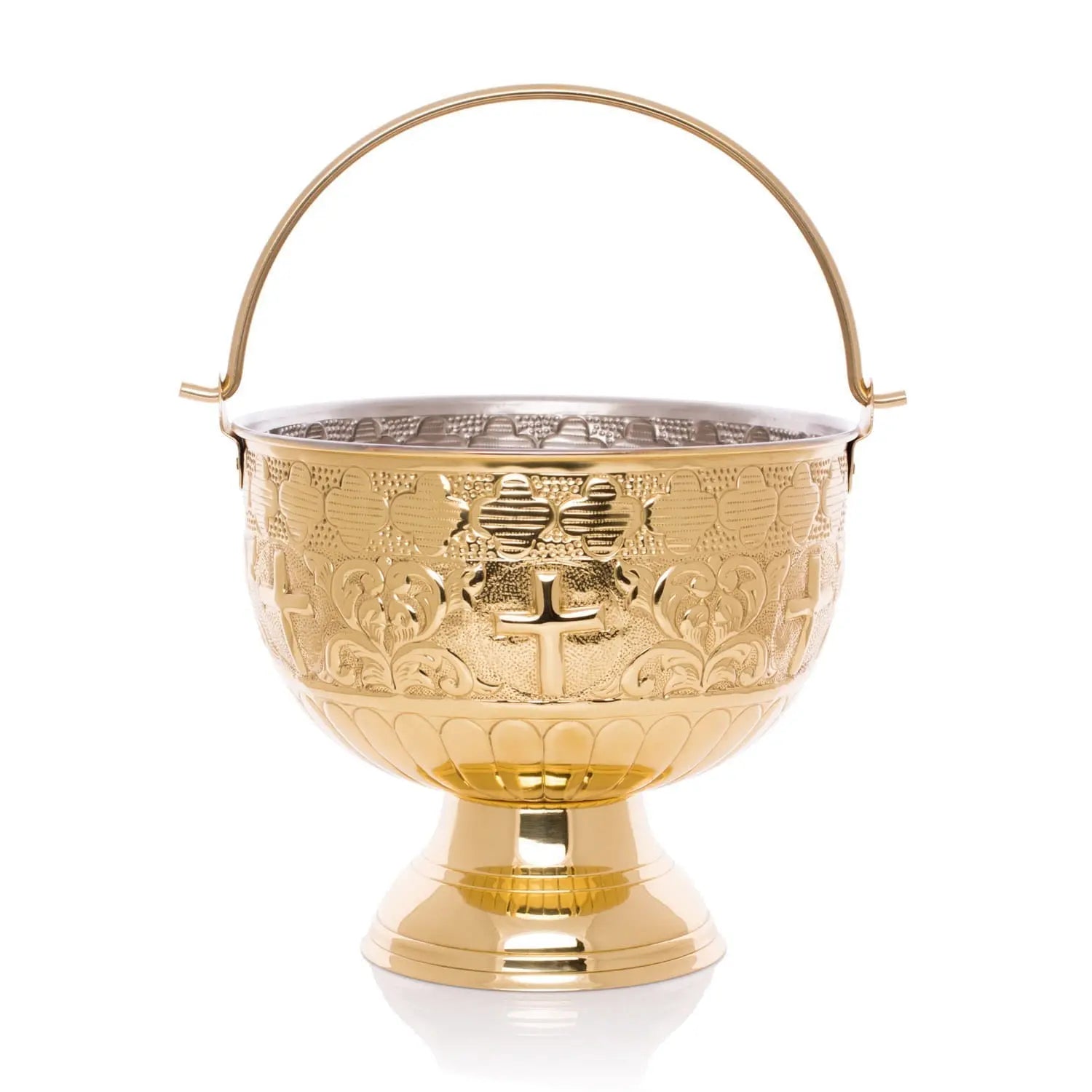
A holy water bucket is used when holy water needs to be carried for blessings, processions, or pastoral rites. It may be used in the church, at the entrance of the sanctuary, during the blessing of the faithful, in cemetery rites, in homes, or during parish celebrations where water is carried from place to place. Brass holy water buckets are valued because brass has a traditional appearance that suits church interiors, while stainless steel inserts can make daily maintenance easier.
When choosing a holy water bucket, parishes should consider capacity, weight, handle stability, and ease of cleaning. A bucket that looks beautiful but is too heavy when filled may be difficult for servers or clergy to carry. A bucket with a practical insert may be especially useful in parishes where blessings are frequent. The finish should harmonize with nearby church accessories, especially candleholders, thuribles, processional items, and sanctuary vessels.
Holy water accessories are often selected together with sprinklers, aspergilla, and fonts. If your parish is preparing a coordinated set for blessings, the related sprinklers and holy water fonts collection is a natural place to continue. The goal is not only a matching appearance, but also a smooth liturgical workflow: the bucket, sprinkler, and place of preparation should all support easy and dignified use.
Liturgical Gongs, Bells, and Sound in Worship
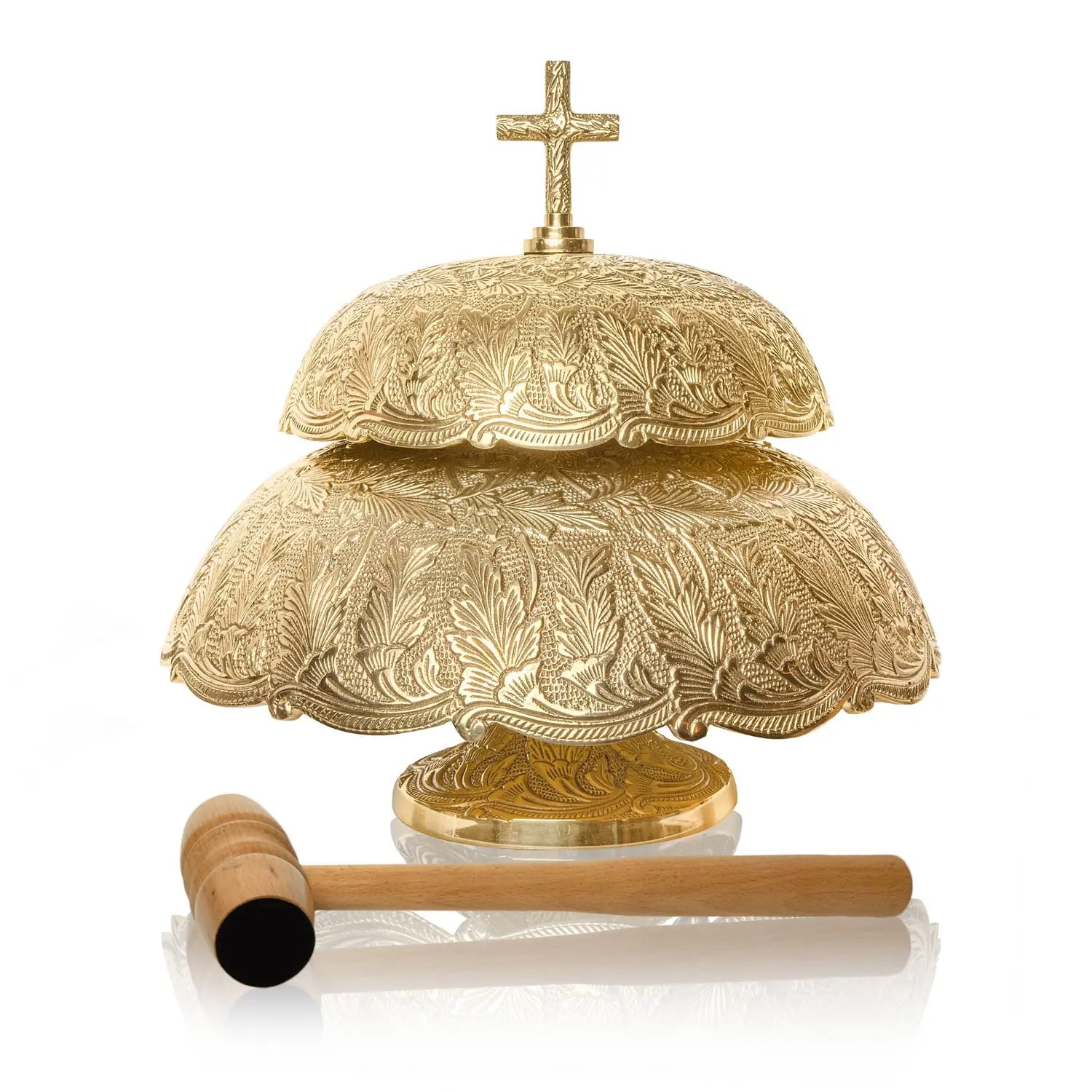
Liturgical sound has a clear function in worship. Bells and gongs can signal attention, mark an important moment, or accompany a solemn action. A small gong with a wooden mallet may be used in a chapel, sacristy, or sanctuary setting where a clear and controlled sound is needed. Its tone should be audible without becoming distracting, and its design should suit the surrounding altar furnishings.
In many parish contexts, sound is especially helpful when the faithful need a gentle cue. A bell or gong can mark moments of adoration, draw attention to a procession, or support the rhythm of service when multiple ministers are involved. The correct choice depends on the size of the church, the acoustics of the interior, and local liturgical custom. A smaller chapel may require a more restrained sound, while a large church may need something more resonant.
Decorative two-tone liturgical gongs and brass gongs with wooden mallets offer a visual and functional alternative to hand bells. For a broader selection of items used to create liturgical sound, compare this page with the bells and liturgical gongs collection. Keeping these items consistent in style helps the sanctuary feel ordered rather than assembled from unrelated objects.
Purificator Hangers for Sacristy and Credence Table Order
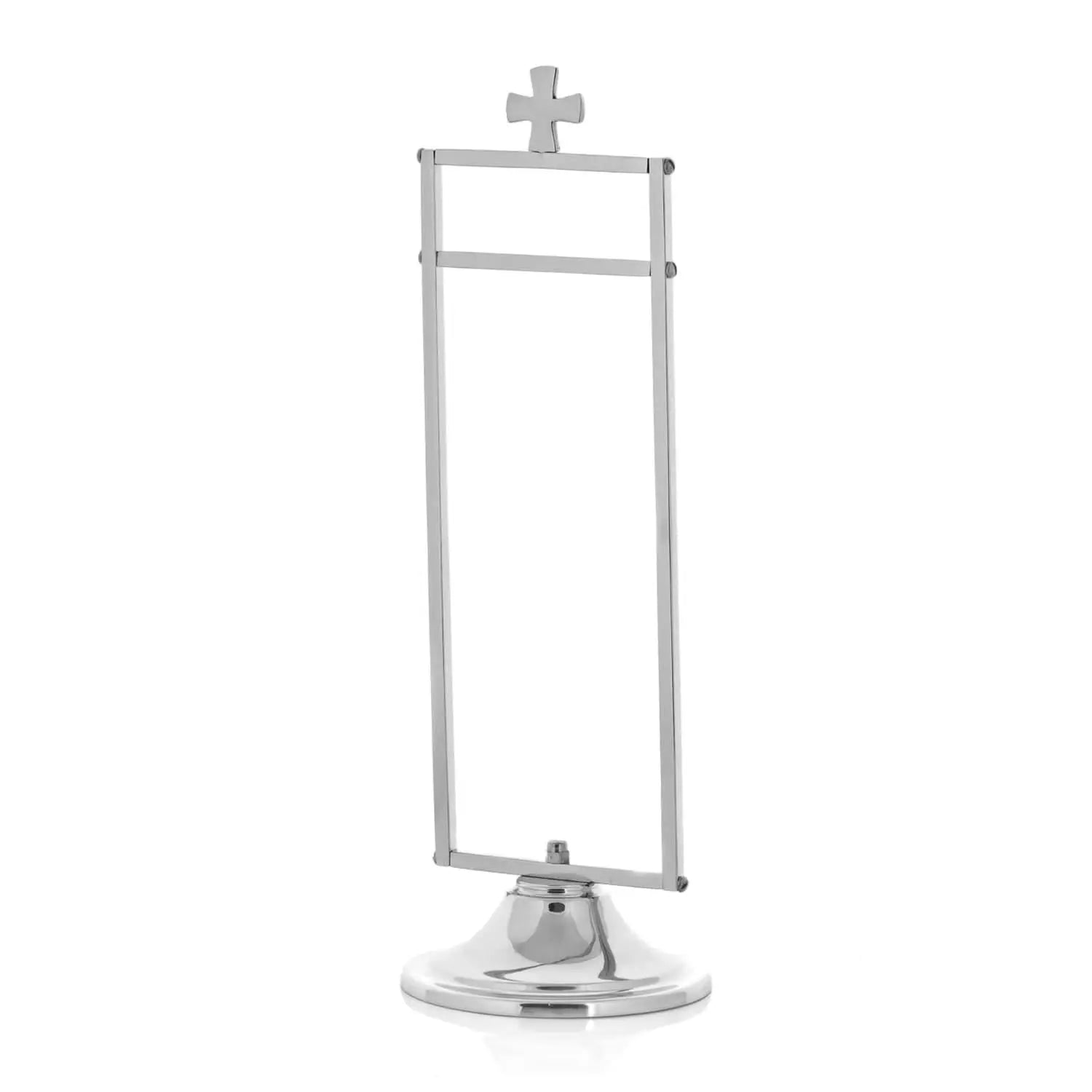
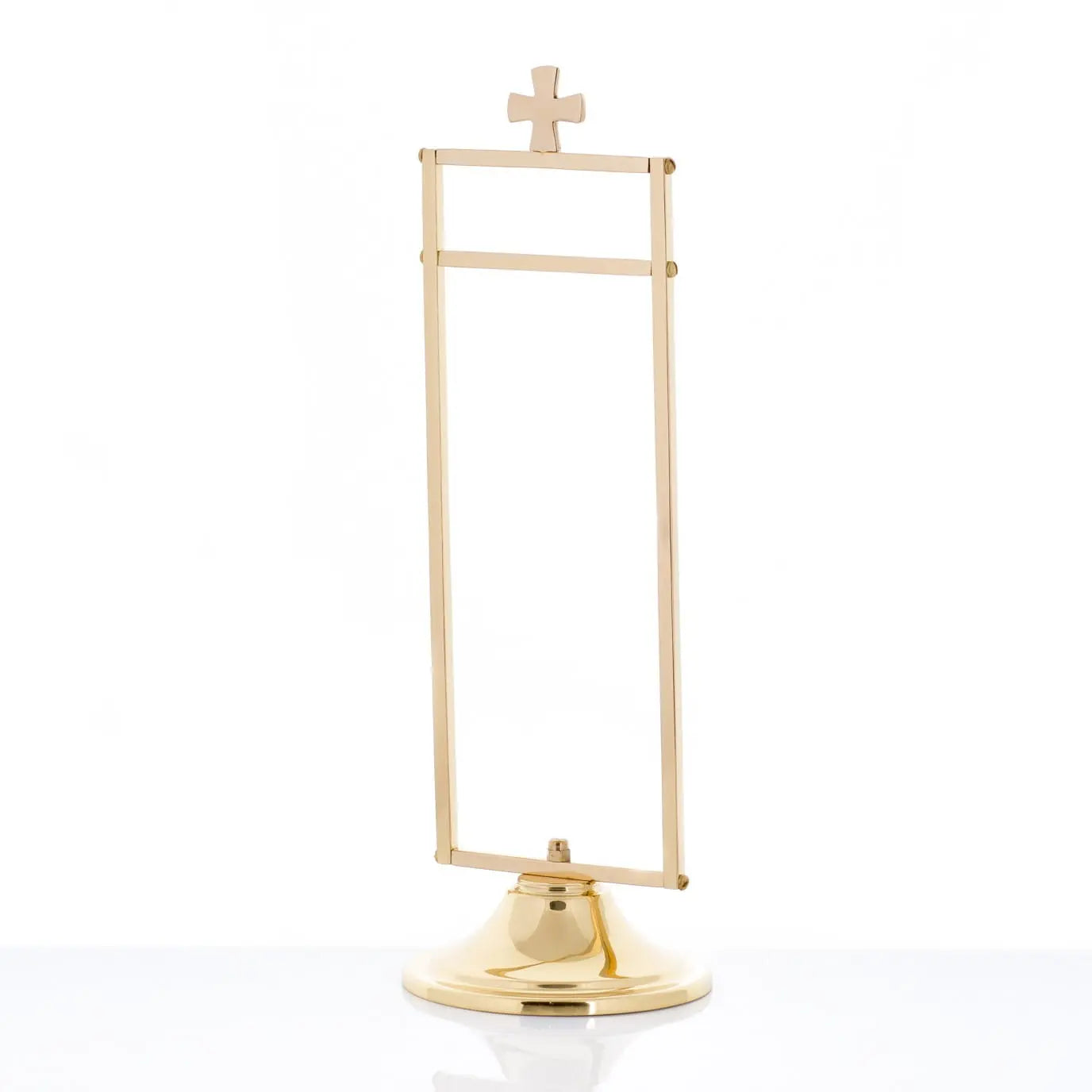
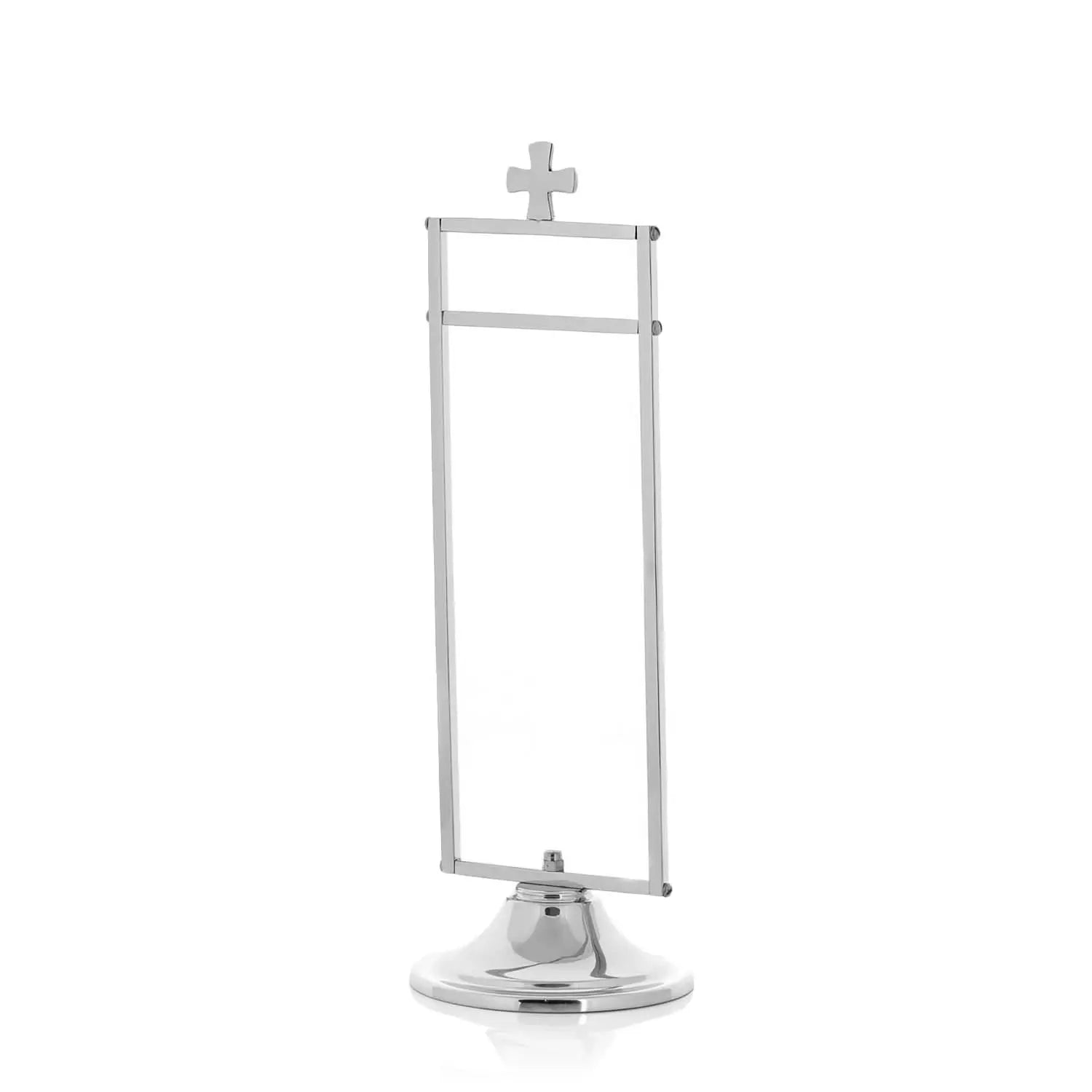
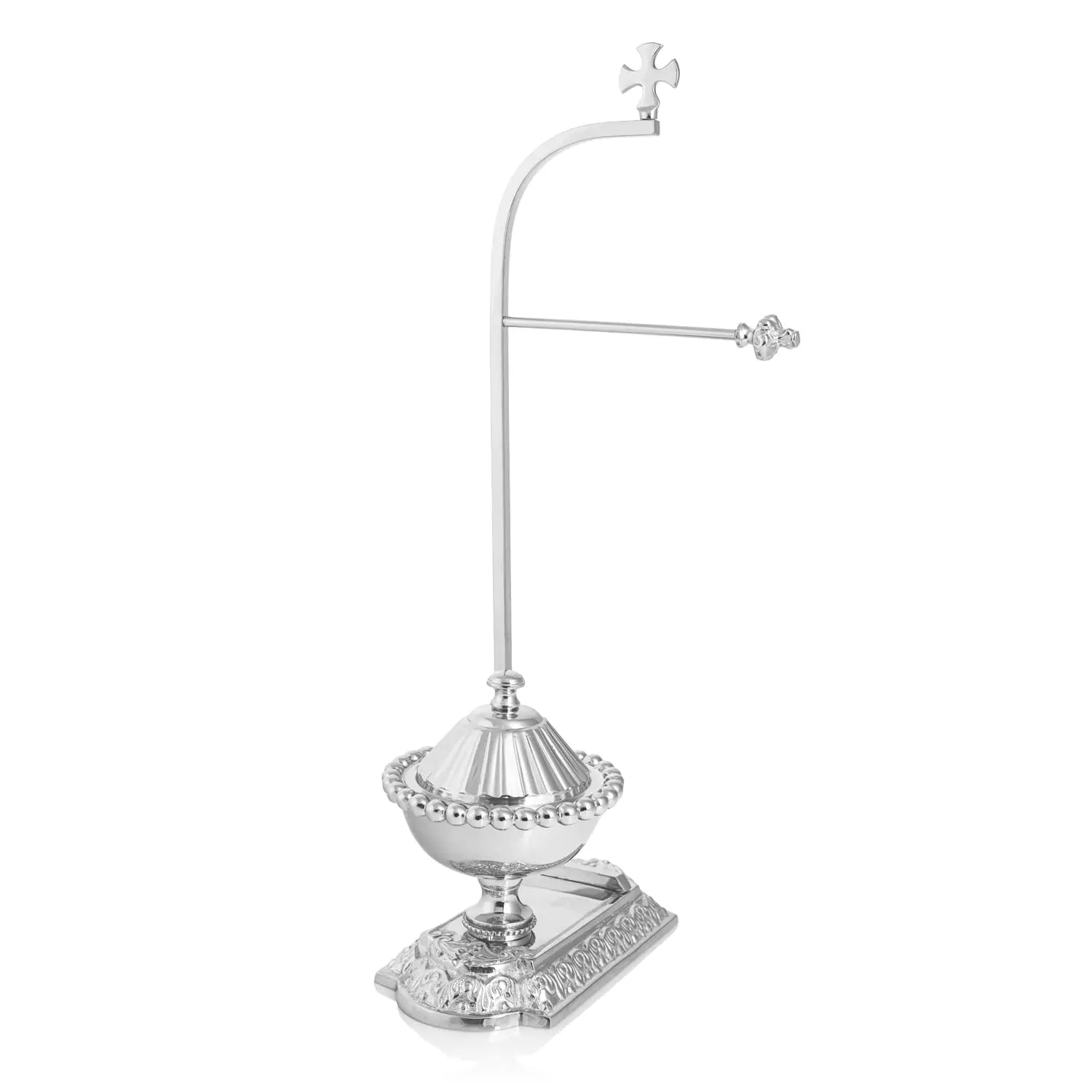
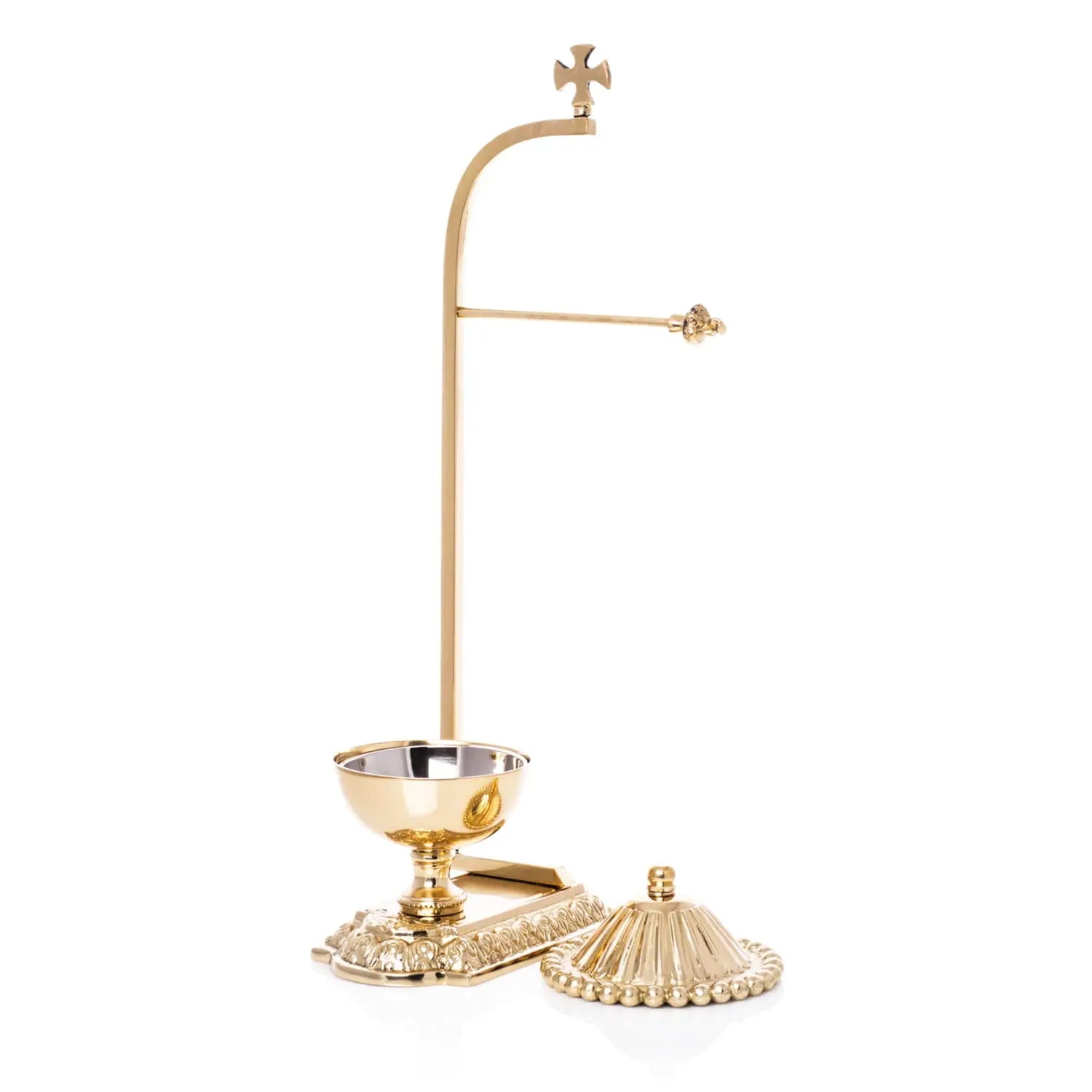
Purificators must be treated with care because they are used in connection with the chalice and the purification of sacred vessels. A purificator hanger helps keep these linens arranged, accessible, and separate from ordinary cloths. In the live product range for this collection, brass and nickel-plated brass purificator hangers appear in different sizes, including models with a cross and models with a vasculum. These details matter because churches vary in how they prepare, store, and handle linens before and after Mass.
A hanger with a cross clearly identifies the object for liturgical use and helps maintain a visual distinction from ordinary storage accessories. A nickel-plated finish may suit churches where other vessels and fittings have a silver tone, while brass may better match warm-toned candleholders, thuribles, or sanctuary furnishings. The width of the hanger should be chosen according to the available sacristy space and the number of linens typically prepared.
Good sacristy organization reduces confusion. When the purificators, corporals, palls, lavabo towels, and chalice veils each have a proper place, servers and sacristans can prepare with calm attention. This collection therefore relates closely to chalice preparation, even though it is not itself a linen collection. For coordinated linens, the store also offers categories such as chalice sets and altar linens within the altar cloth area.
Censers, Charcoal Tongs, and Incense Preparation
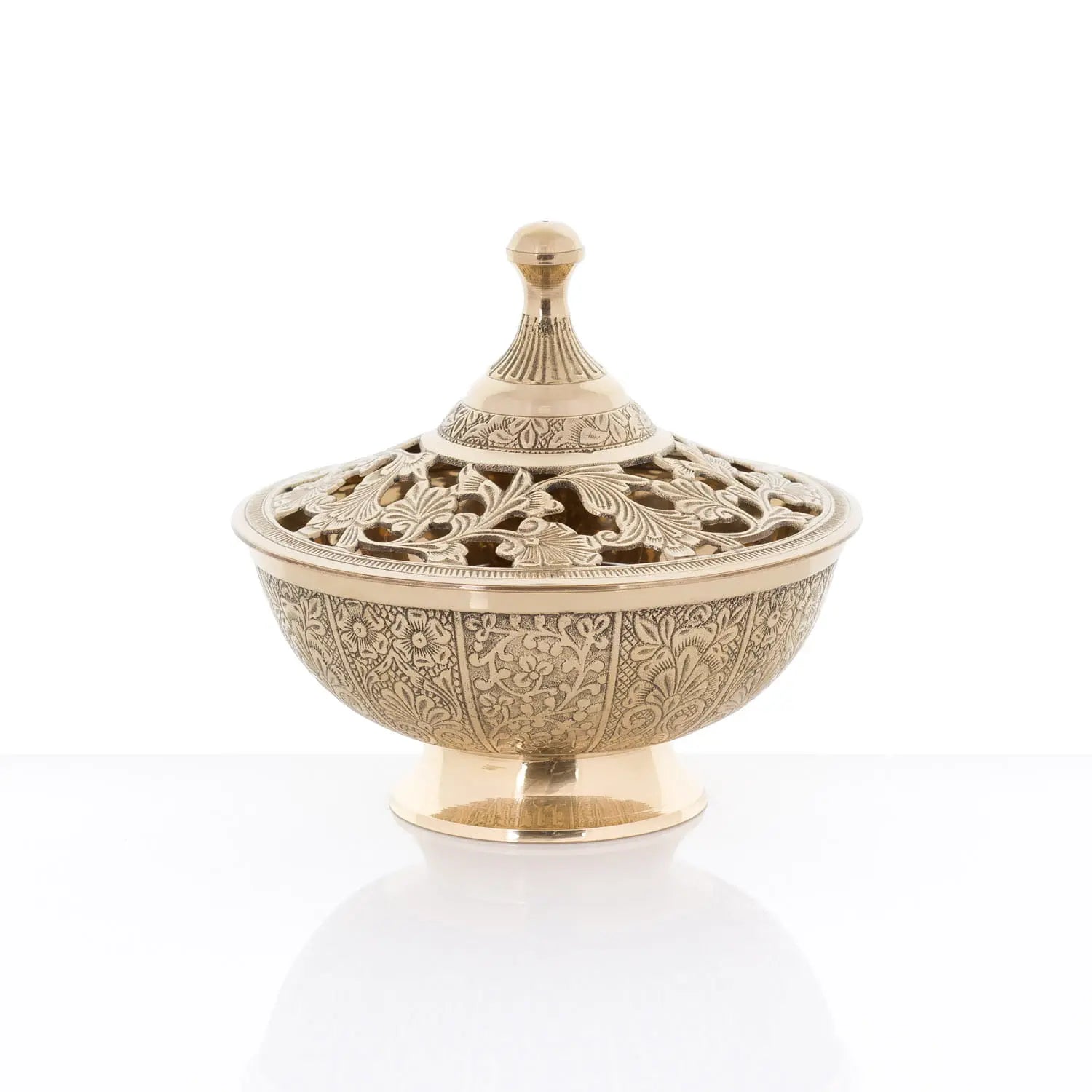
Incense is used in many solemn liturgies, including Mass, Eucharistic adoration, processions, funerals, blessings, and feast-day celebrations. A church censer, also called a thurible, holds burning charcoal and incense. Charcoal tongs allow the charcoal to be handled safely and placed correctly. Even a small tool such as tongs plays an important role because proper preparation protects the minister, the server, the sacristy, and the vessel itself.
A brass church censer should be chosen with attention to chain movement, bowl capacity, ventilation, and cleaning access. It must be practical for the ministers who will use it, especially if altar servers are involved. The style should correspond with the broader sanctuary setting. In a church with brass candlesticks and a warm-toned altar arrangement, a brass censer can look especially coherent.
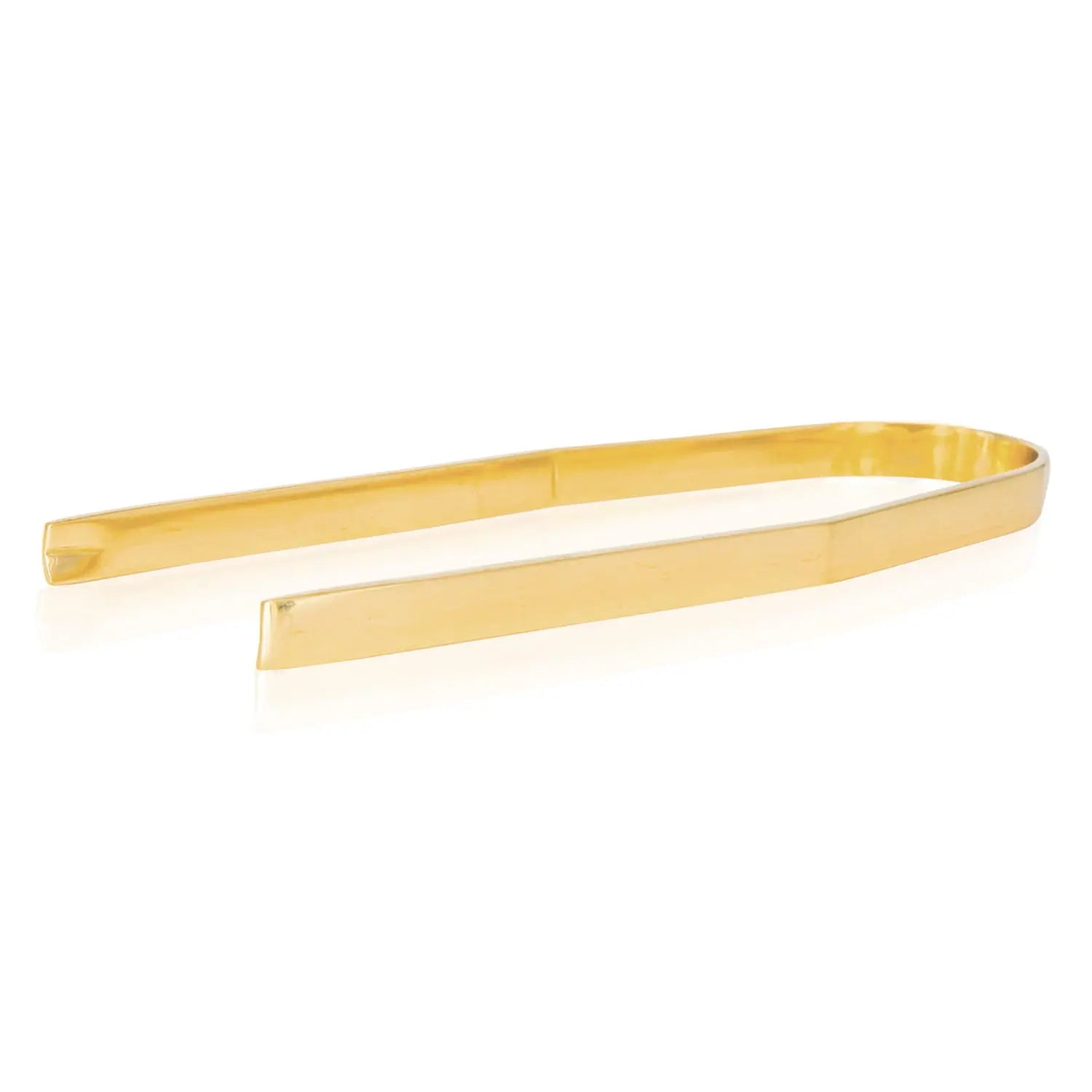
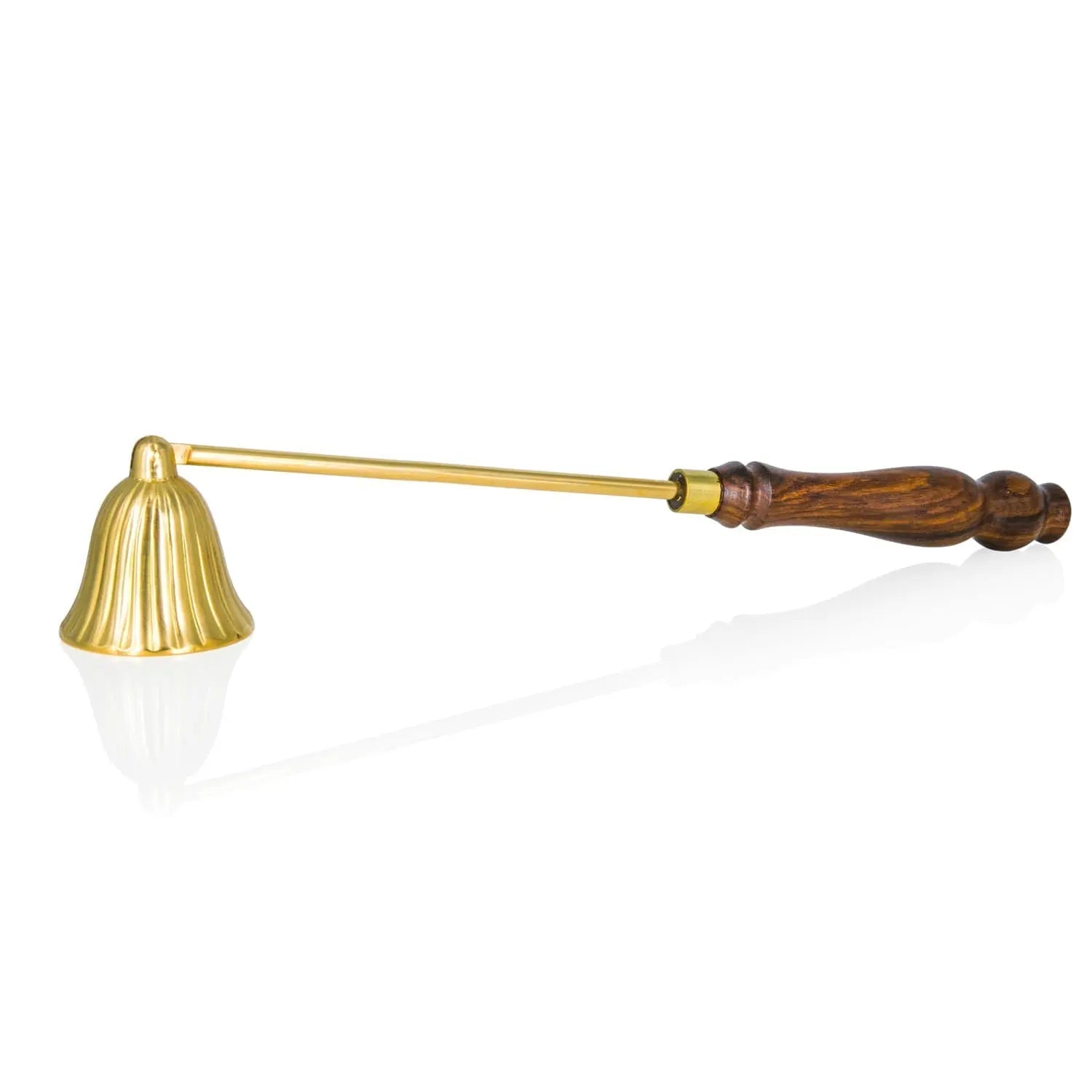
Charcoal tongs should be strong enough to grip liturgical charcoal securely. They should not be overly delicate, because charcoal preparation involves heat, ash, and repeated use. When incense is used frequently, parishes may wish to keep a complete set together: censer, incense boat, spoon, charcoal, tongs, and a safe place for preparation. For a more complete category dedicated to incense vessels, see thuribles and incense boats.
Monstrance Thrones and Eucharistic Adoration
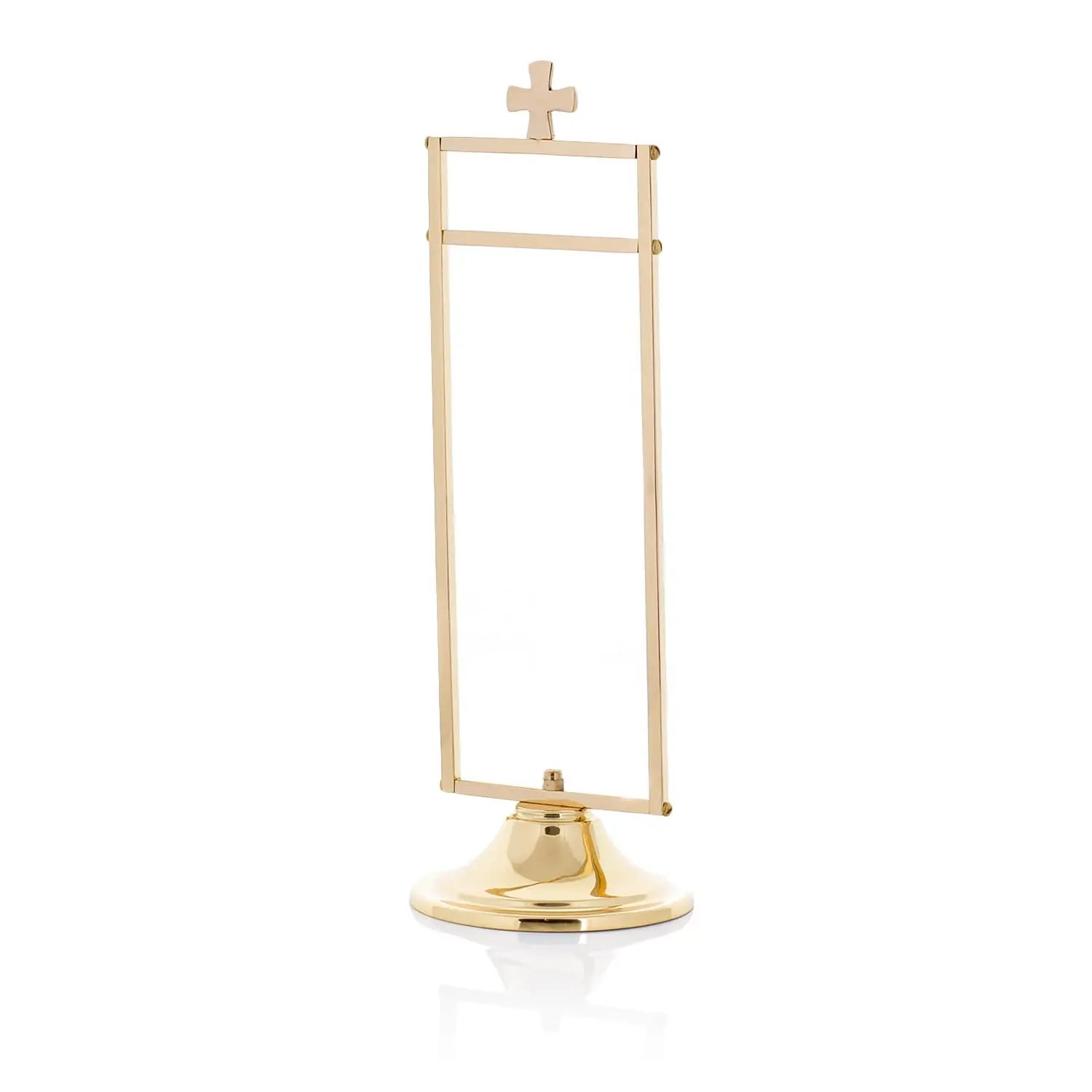
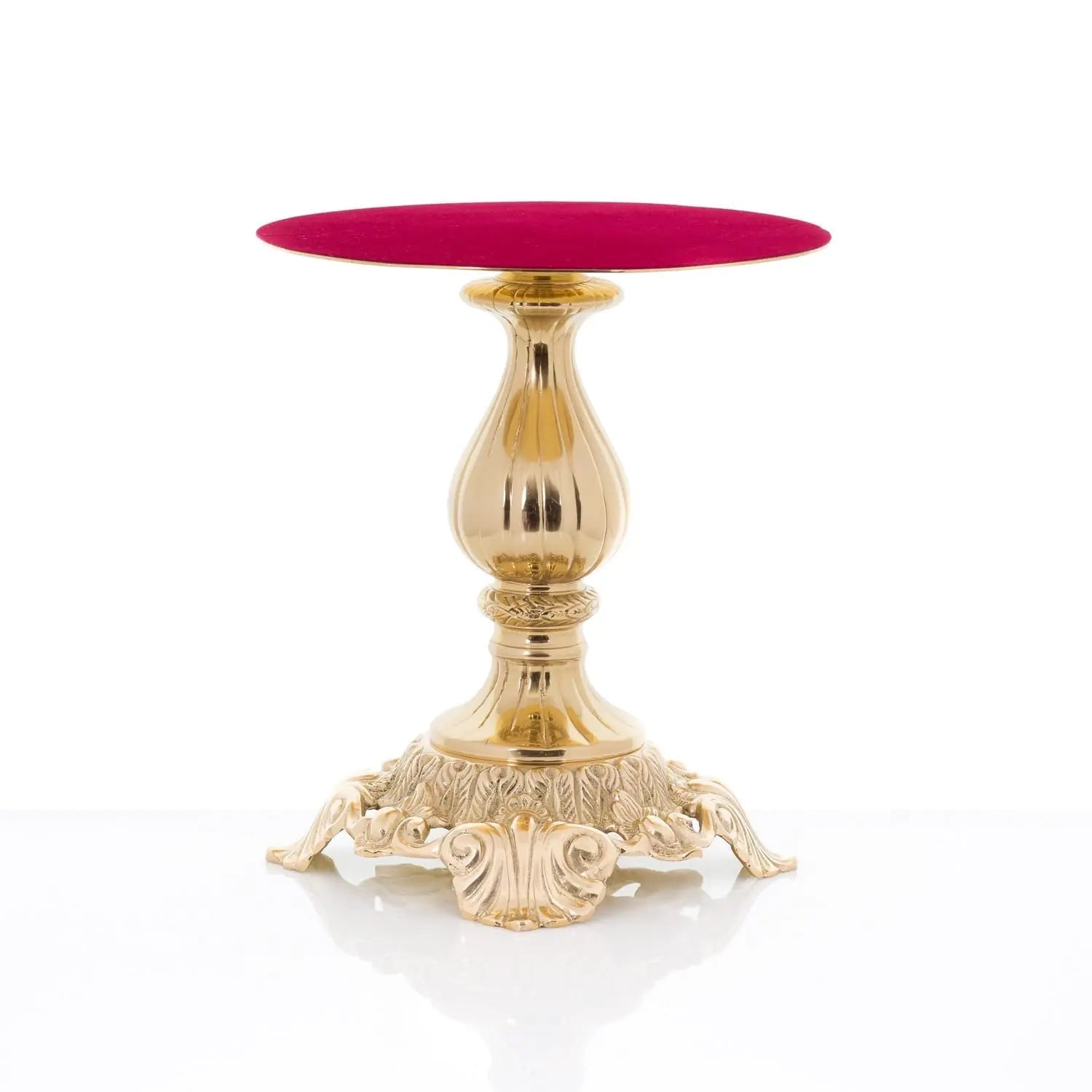
A monstrance throne is used to raise or display a monstrance with special dignity, especially during Eucharistic adoration or solemn exposition of the Blessed Sacrament. It helps create a clear visual focus in the sanctuary. The throne should be stable, proportionate to the monstrance, and suitable for the altar or exposition setting. Stability is especially important because the monstrance must be placed securely and reverently.
When selecting a monstrance throne, consider the height of the altar, the scale of the church, the size of the monstrance, and the background behind the exposition area. A throne that is too small may disappear visually, while one that is too large may overwhelm the altar. The finish should also match the monstrance and nearby candlesticks as much as possible, especially in chapels where the furnishings are seen at close range.
This collection includes accessories connected with Eucharistic devotion, but parishes choosing a throne may also need to review the monstrances collection. For a complete adoration setting, candlesticks, altar cloths, humeral veils, and incense accessories may also be considered according to local custom and the solemnity of the occasion.
How to Choose Accessories for a Parish, Chapel, or Religious House
The best liturgical accessory is one that serves its purpose clearly, lasts through regular use, and fits the visual language of the church. Before choosing, identify the exact setting. A parish church may need durable accessories for frequent use by several ministers. A convent chapel may prefer smaller pieces with a quiet, restrained appearance. A shrine or large church may require more visible accessories that can be seen from a distance.
It is also helpful to consider who will use the item. If altar servers handle the gong, censer, or holy water bucket, weight and grip are important. If sacristans maintain the item, cleaning and storage should be considered. If clergy use the item during blessings or exposition, the shape and handling should support dignified movement. Liturgical beauty is not separate from practical function; in sacred use, the two should work together.
- For blessings: choose a holy water bucket that is easy to carry, stable when placed down, and compatible with the sprinkler or aspergillum used in your parish.
- For liturgical sound: select a gong or bell according to the acoustics of the church and the solemnity of the service.
- For sacristy order: use purificator hangers that keep linens clean, visible, and separate from ordinary textiles.
- For incense: make sure the censer, charcoal tongs, and related vessels are practical for safe preparation and repeated use.
- For adoration: choose a monstrance throne that is stable, proportionate, and visually harmonious with the monstrance and candlesticks.
Material, Finish, and Visual Harmony
Many accessories in this category use brass or nickel-plated brass. Brass brings a warm traditional tone and pairs well with classic candlesticks, thuribles, bells, and altar fittings. Nickel plating gives a brighter silver-toned appearance that may suit churches where chalices, patens, or sanctuary lamps have a cooler finish. The right choice depends on what is already present in the church.
Visual harmony is especially important because liturgical accessories are often placed close to one another. A brass holy water bucket beside brass candlesticks can look intentional. A nickel-plated purificator hanger near silver-toned vessels may feel more coherent than a mixed finish. Complete matching is not always necessary, but the overall arrangement should avoid distraction. Liturgical objects should support prayer, not draw attention to inconsistency.
Parishes may also compare these accessories with the candlesticks collection when planning a sanctuary refresh. Candlesticks, thuribles, gongs, buckets, and monstrance stands often share the same visual space, especially on solemn feasts. Selecting them with similar proportions and finishes helps create a sanctuary that feels dignified and unified.
Connection with Chalices, Linens, and Altar Preparation
Although this collection is not a chalice or linen category, several accessories here are connected to the preparation and care of the altar. Purificator hangers relate directly to the handling of chalice linens. Monstrance thrones relate to Eucharistic devotion. Censers and charcoal tongs often appear in solemn Masses where the altar, gifts, celebrant, and people are incensed. Holy water buckets may be used before Mass, during blessings, or in rites outside the Eucharistic celebration.
For churches updating several areas at once, it can be useful to plan accessories together with vessels and linens. A chalice, paten, purificator, pall, corporal, chalice veil, and burse each has a defined place in altar preparation. Accessories such as hangers, tongs, buckets, and stands do not replace those items, but they support the care and use of them. For sacred vessels, the chalices collection is the proper related category.
Clear distinction between categories prevents liturgical confusion. Chalices and patens are sacred vessels. Corporals, purificators, palls, and lavabo towels are linens. Chalice veils and ciborium veils cover specific vessels. Thuribles, buckets, gongs, hangers, and thrones are supporting accessories. This collection is intended for those supporting objects, especially when they do not fit neatly into a more specialized accessories category.
Care and Maintenance of Metal Liturgical Accessories
Church accessories made from brass or nickel-plated metal should be cleaned according to their finish. Harsh abrasives may damage plating or leave scratches. Regular gentle cleaning is usually better than occasional aggressive polishing. Items used with water, incense, ash, or charcoal should be checked more often because residue can build up and affect both appearance and function.
Holy water buckets should be emptied and dried after use whenever possible, especially if they include removable inserts. Censers should be cleared of ash after cooling, and charcoal tongs should be stored where they will not stain linens or vestments. Gongs and bells should be kept in a secure place so mallets are not lost and the instrument is not dented. Purificator hangers should be installed or stored in a way that keeps clean linens away from dust and moisture.
Good care is a form of respect for sacred use. It also helps the parish avoid unnecessary replacement costs. Durable accessories can serve for many years when they are chosen well, handled properly, and stored in a sacristy system that keeps each item in its proper place.
Using This Collection with Adjacent Categories
This page is especially useful when you know the function you need but the object does not fall into a main category such as vestments, chalices, altar cloths, or processional equipment. For example, a parish preparing for more solemn Eucharistic adoration may begin with a monstrance throne here, then review monstrances, candlesticks, humeral veils, and incense accessories. A parish improving sacristy organization may begin with purificator hangers and then review altar linens and chalice sets.
Likewise, a community preparing for blessings may combine a holy water bucket from this collection with sprinklers and holy water fonts. A church preparing for solemn Masses may combine a gong or bell with incense vessels and processional items. The practical value of this collection is that it gathers those useful supporting objects in one place, making it easier to complete the liturgical setting without confusing them with vestments or linens.
Frequently Asked Questions (FAQ)
What types of items are included in this Other Liturgical Accessories collection?
This collection includes supporting church accessories such as holy water buckets, liturgical gongs with mallets, purificator hangers, censers, charcoal tongs, monstrance thrones, and similar sacristy or sanctuary items. These objects help with blessings, incense preparation, Eucharistic adoration, altar organization, and the practical flow of liturgical service.
How is this collection different from the main Accessories collection?
The main accessories category gives a broader overview of church accessories. This collection is more focused on items that do not always belong to a single specialized group. It is useful when a parish needs practical objects for sacristy preparation, blessings, sound cues, incense handling, or Eucharistic display rather than a full category such as chalices, bells, or thuribles.
How should I choose between brass and nickel-plated accessories?
Choose brass when the sanctuary already uses warm-toned fittings, brass candlesticks, or classic gold-toned accessories. Choose nickel-plated pieces when the church has silver-toned vessels or cooler metal finishes. Function should come first, but matching the finish to nearby objects helps the sanctuary and sacristy look intentional and well ordered.
Are these accessories suitable for both parish churches and smaller chapels?
Yes, but the size and sound level should be considered carefully. A large parish church may need more visible or resonant accessories, while a small chapel may benefit from quieter, simpler pieces. Weight, storage space, cleaning requirements, and the number of people using the item should guide the final choice.
Which related categories should I check when preparing a complete liturgical setup?
For a complete setup, review the related categories according to the function you need. Bells and gongs are useful for liturgical sound, thuribles and boats for incense, sprinklers and holy water fonts for blessings, monstrances for adoration, chalices for Eucharistic vessels, and candlesticks for altar or exposition arrangements.