
Sort by
16 products
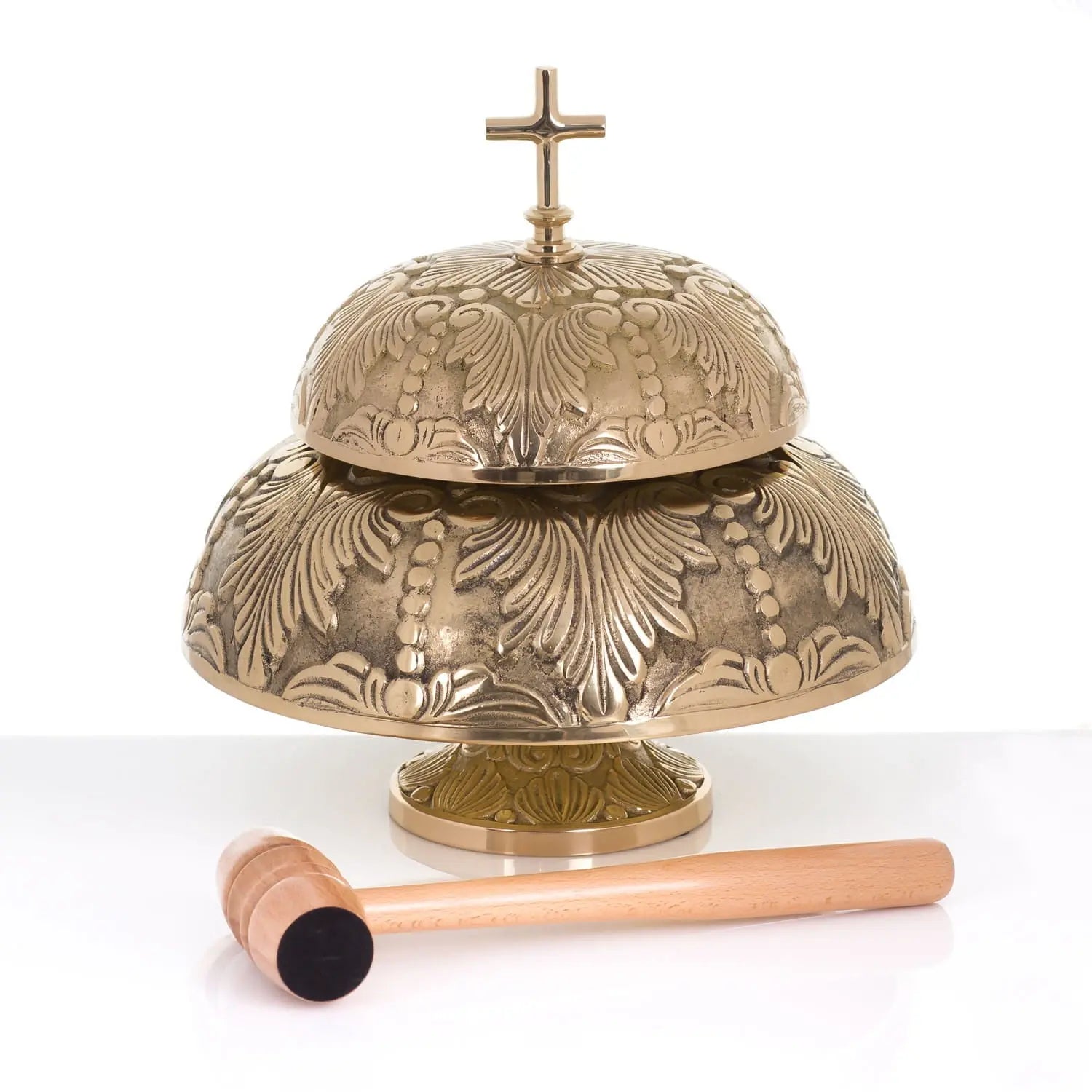
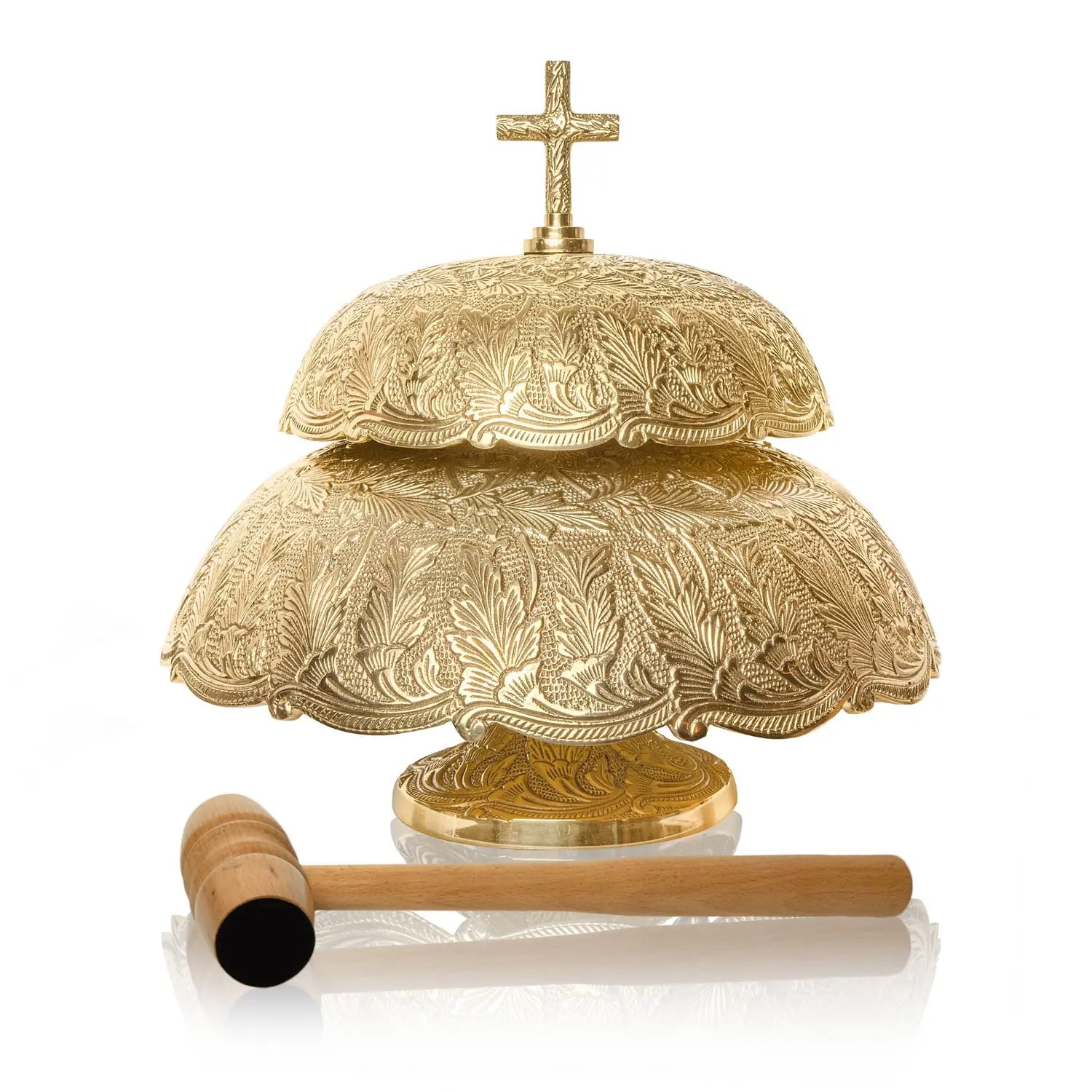
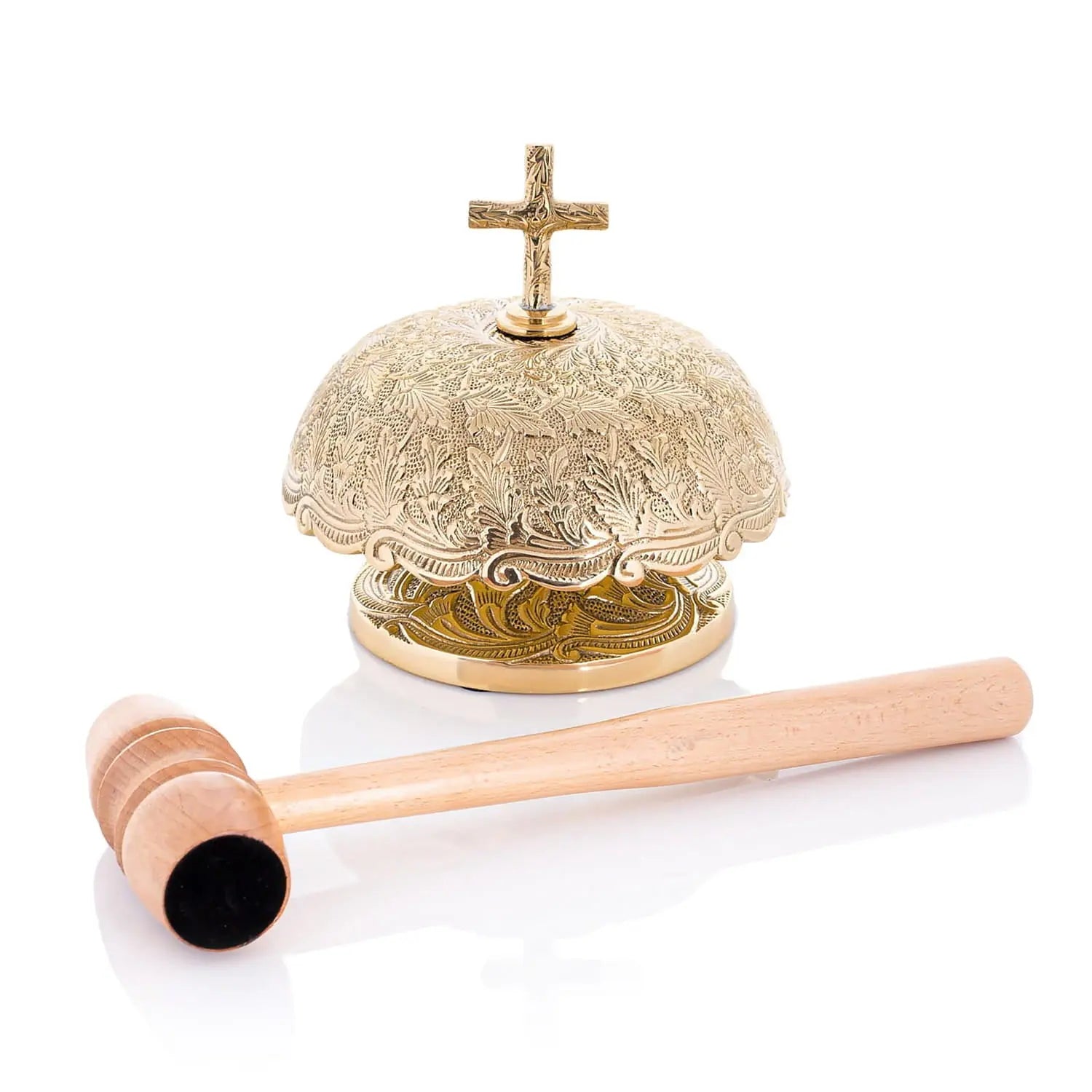
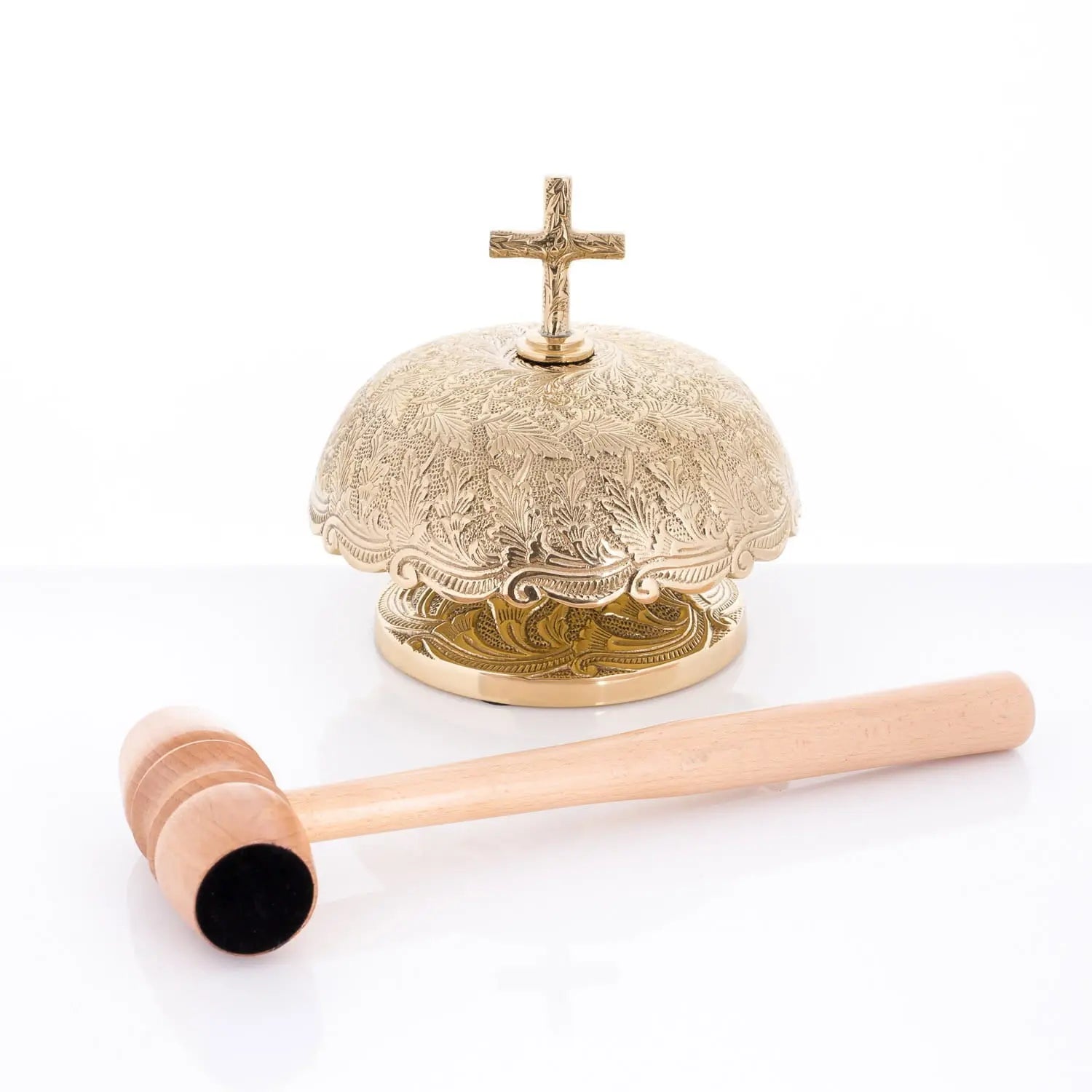
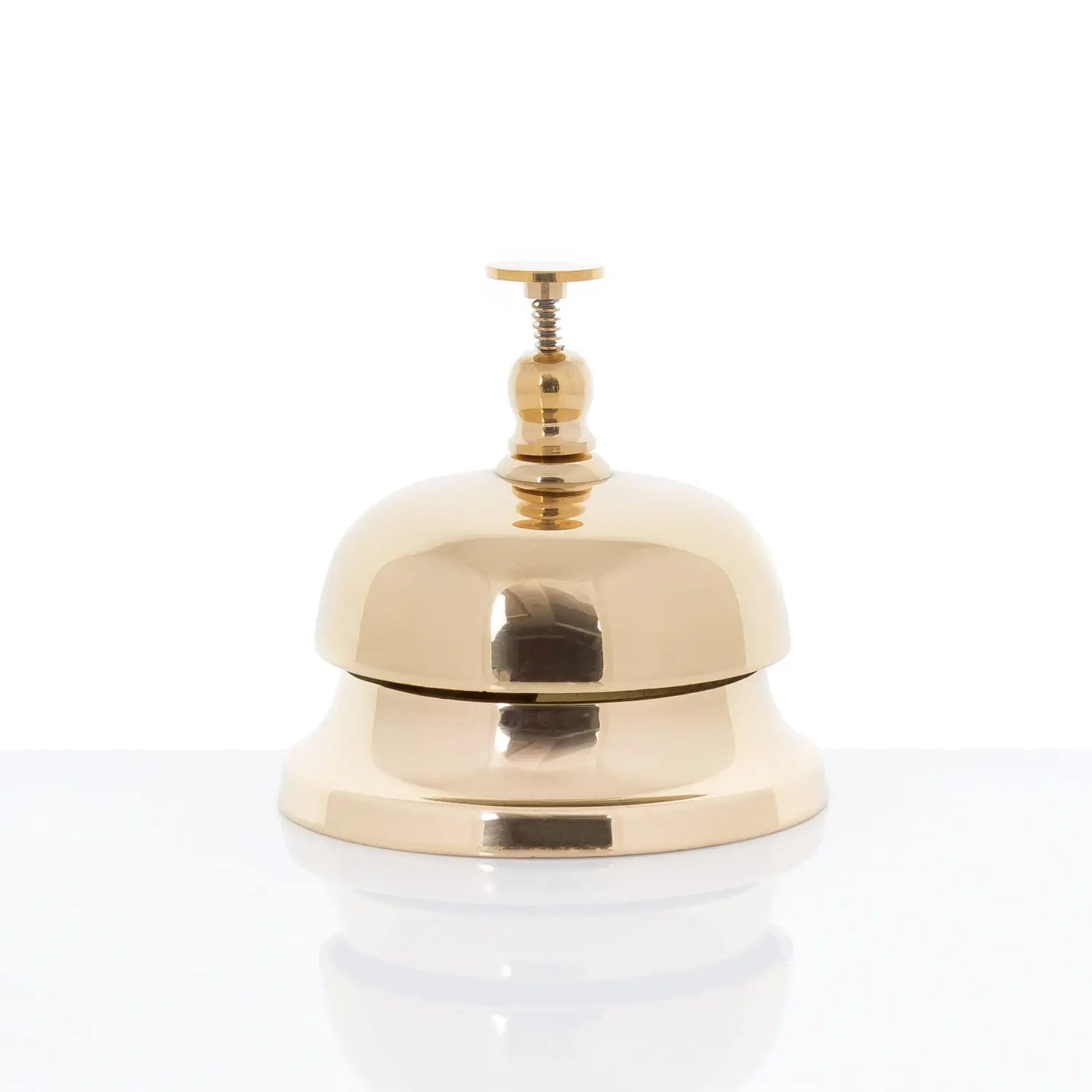
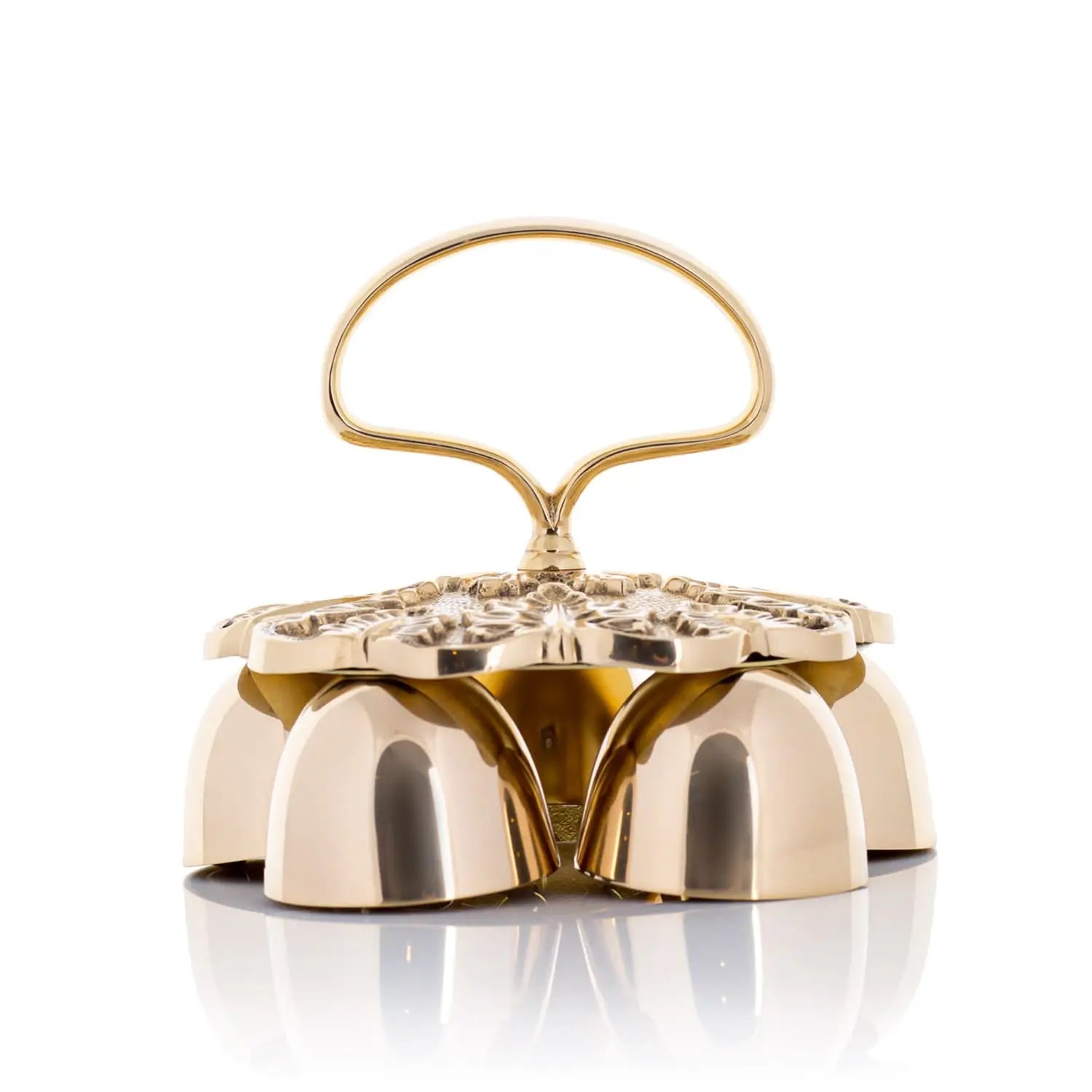
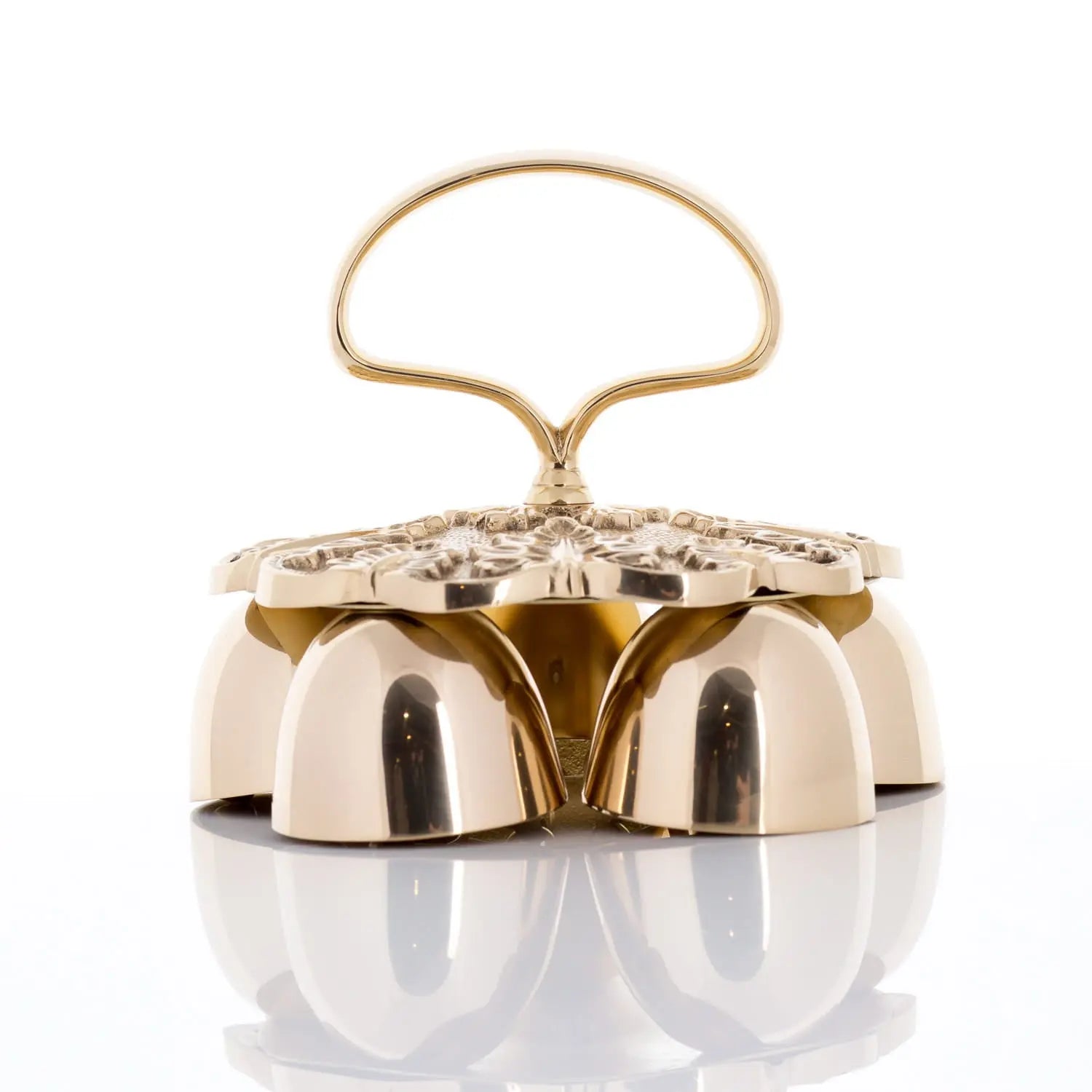
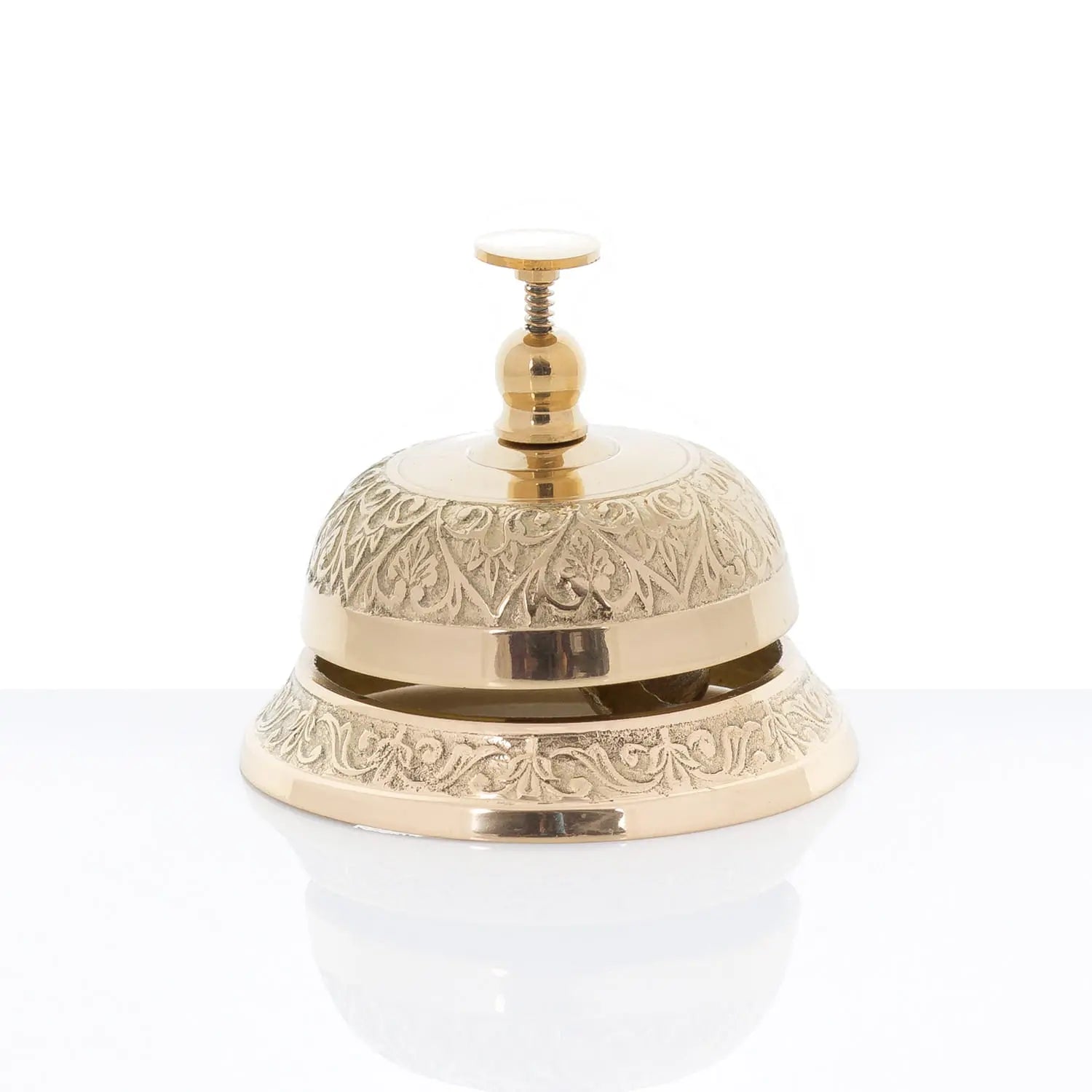
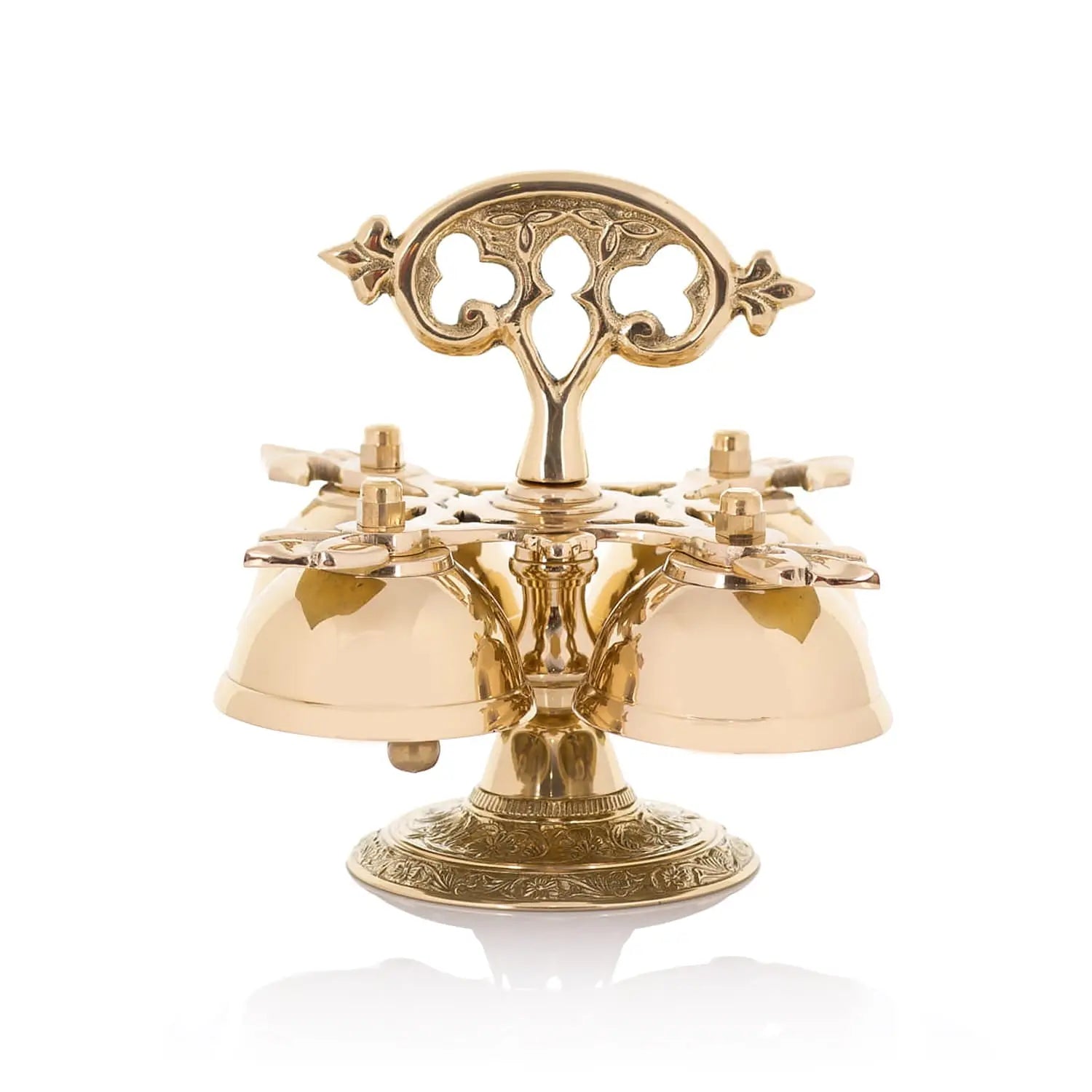
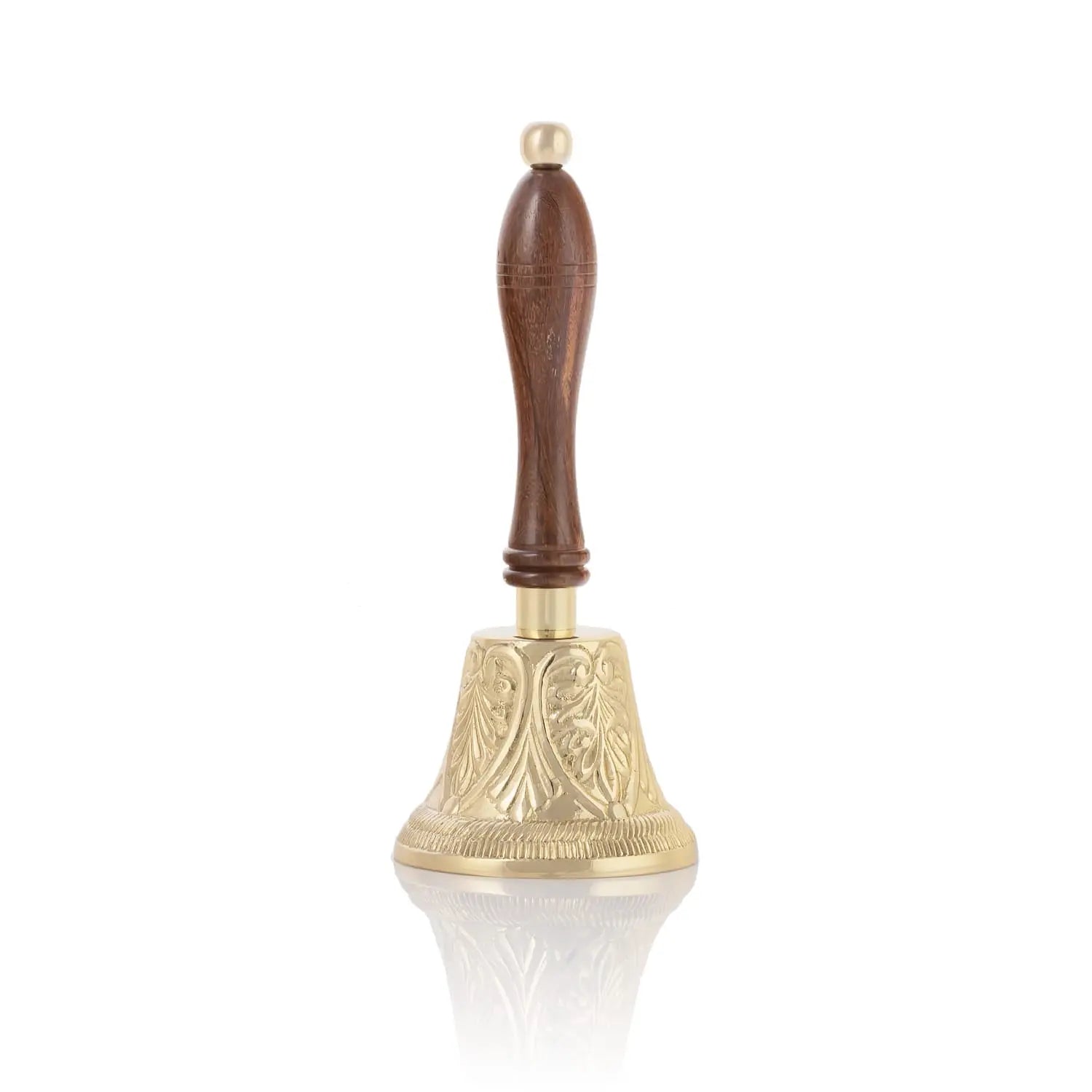
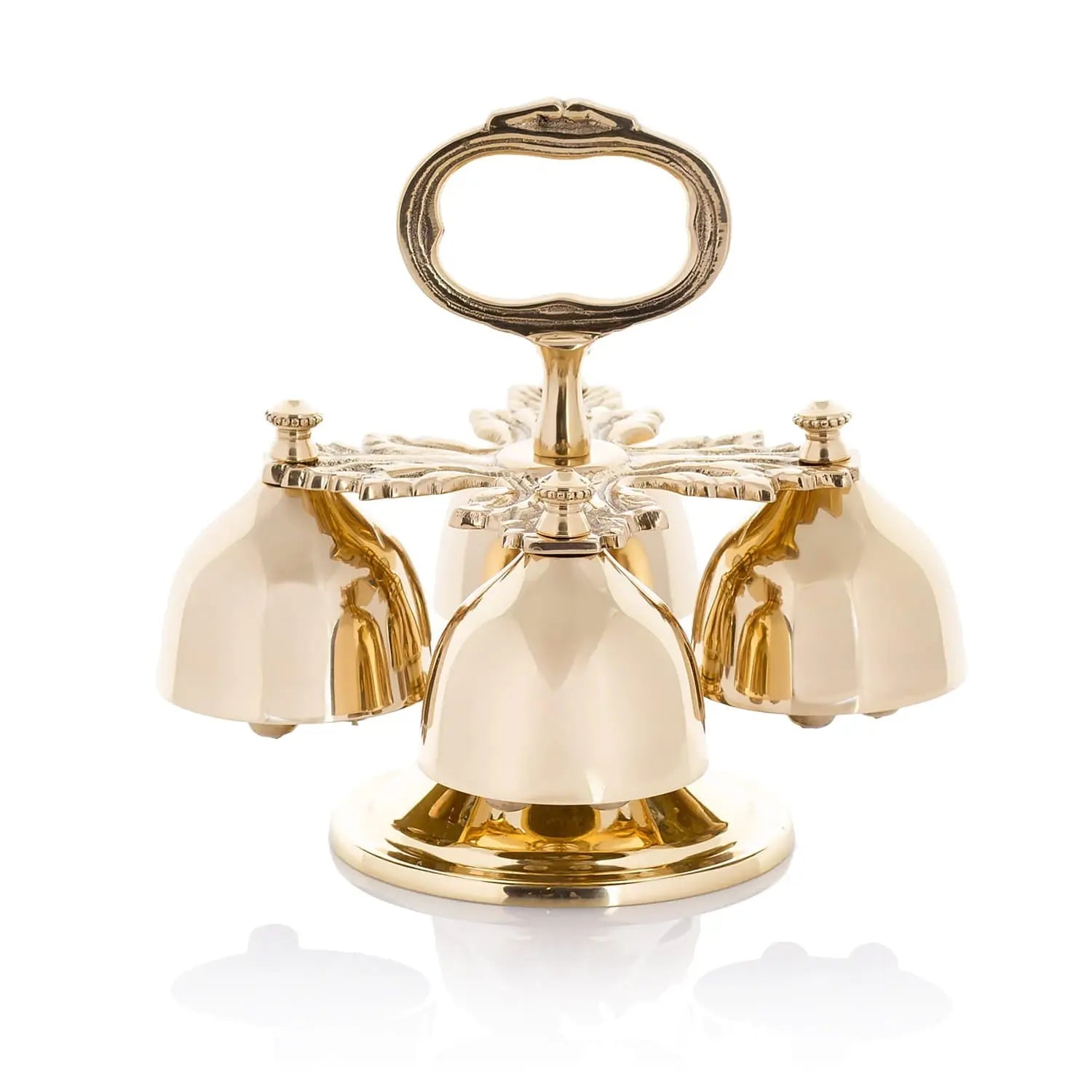
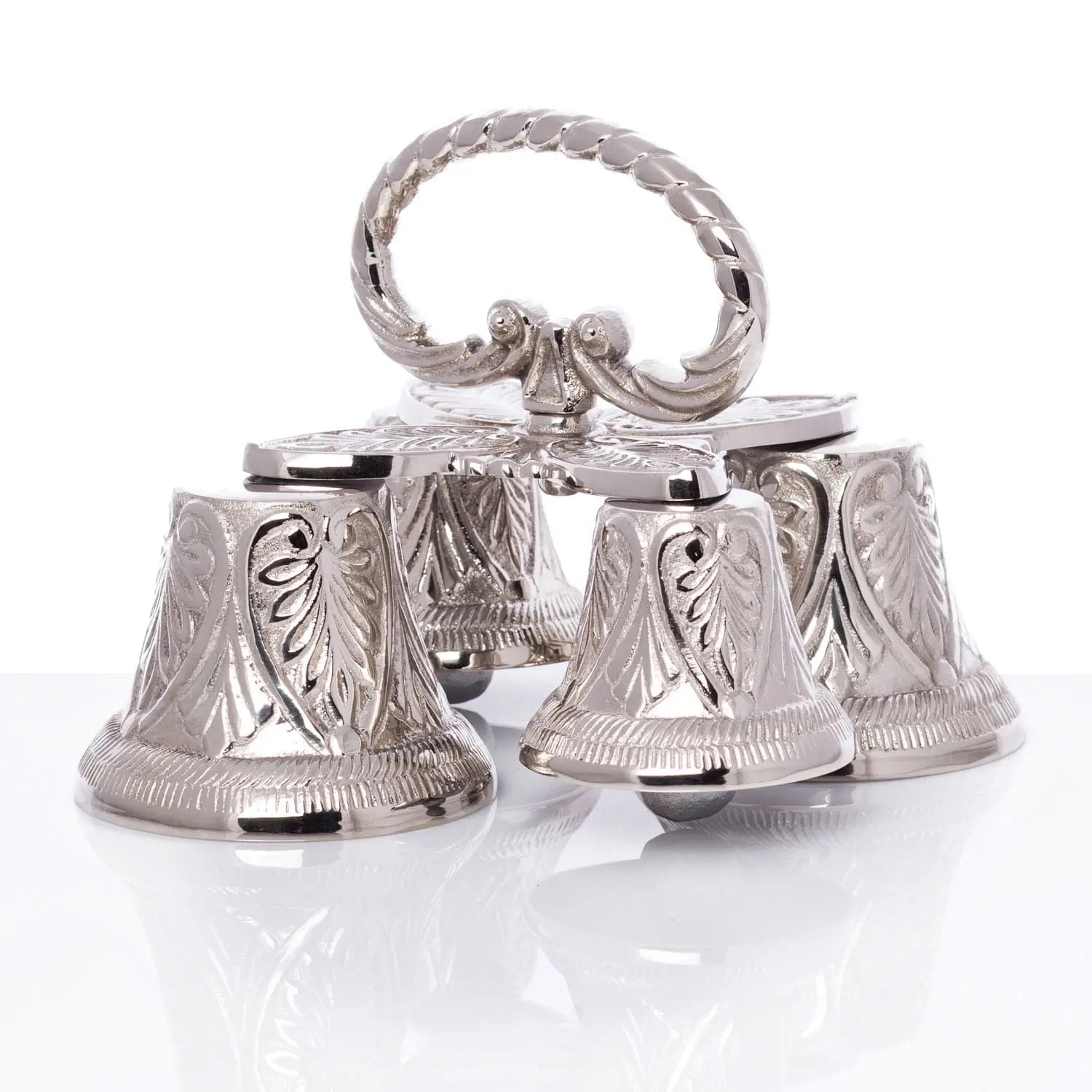
Liturgical Bells
Liturgical Bells for the Altar and Sanctuary
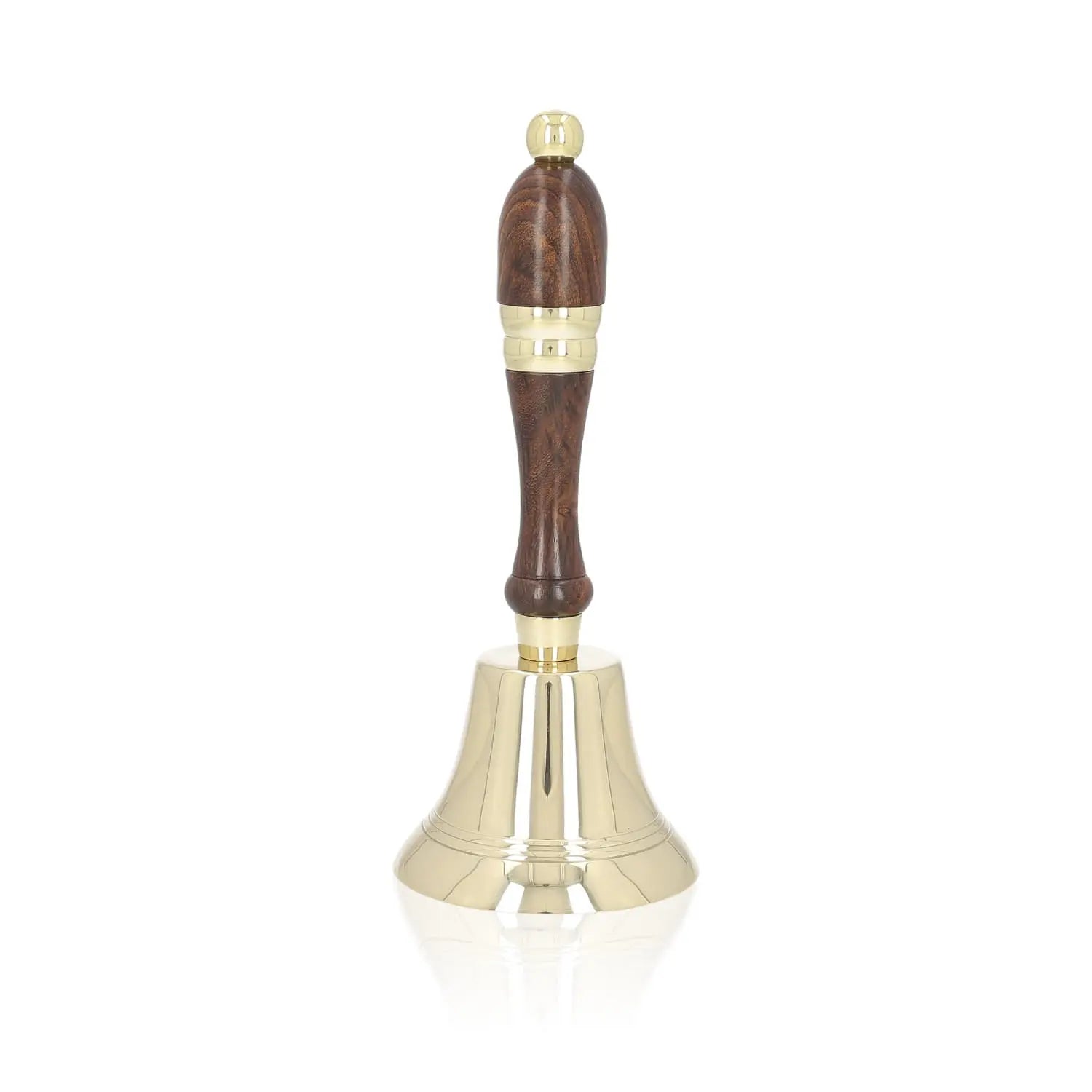
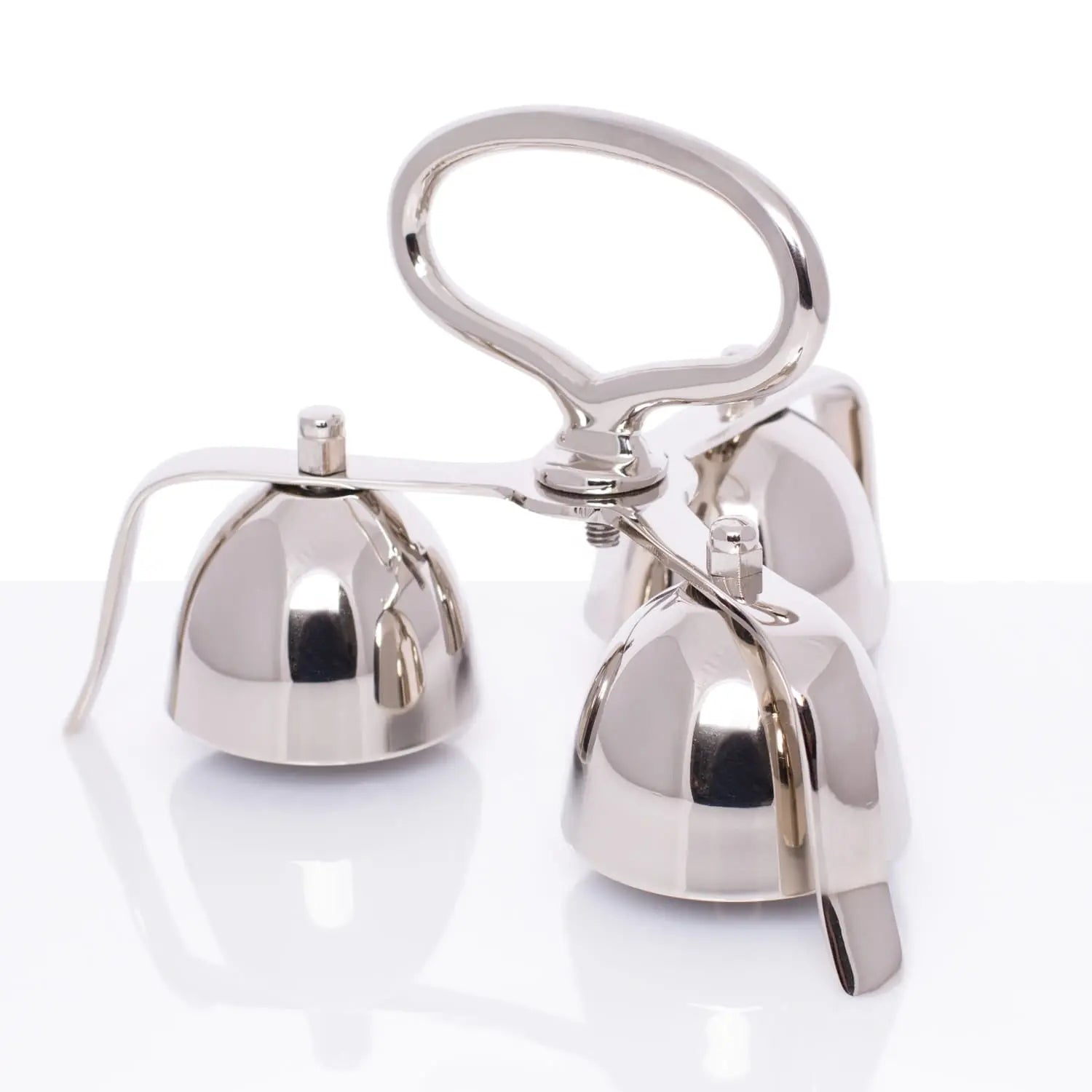
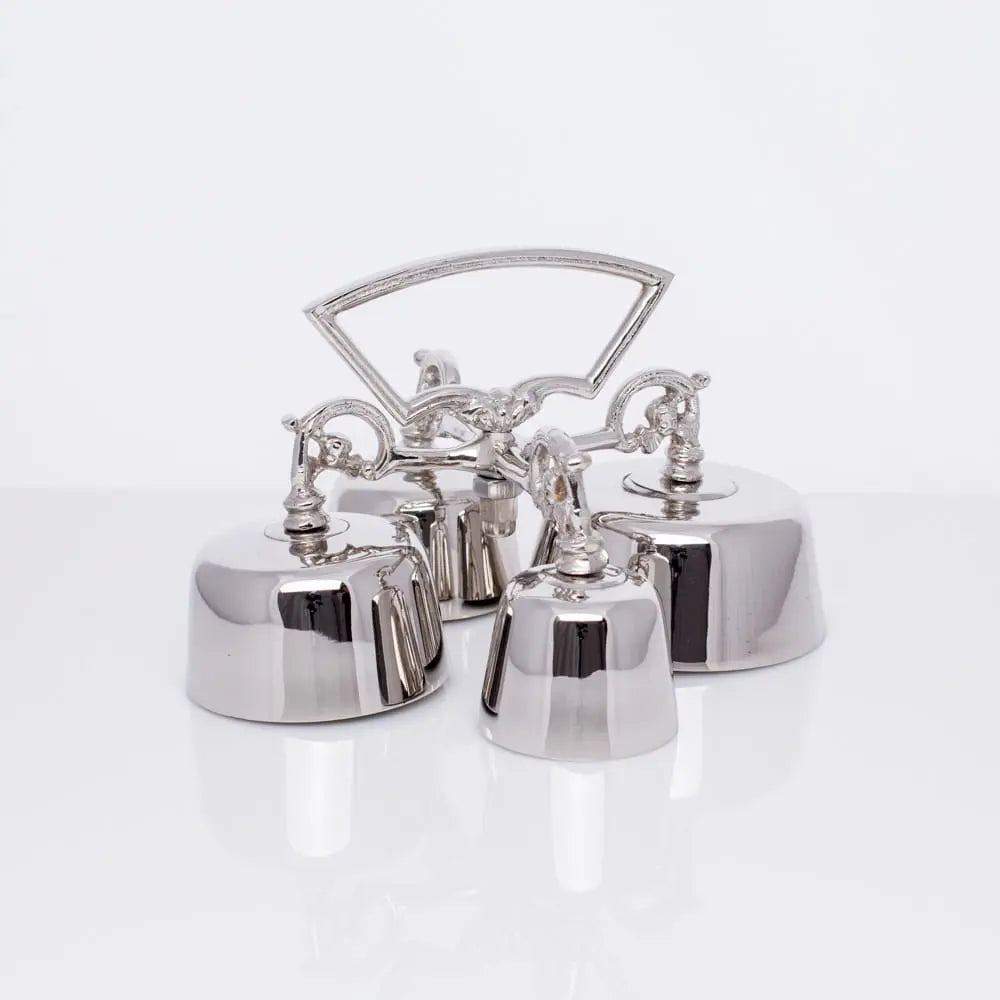
Liturgical bells are among the most recognizable sound signs used in Catholic worship. Their clear tone marks moments that deserve special attention, helps the assembly follow the action of the liturgy, and adds dignity to the celebration without becoming the focus of it. This collection brings together church bells and gongs suited to use near the altar, in the sacristy, during solemn celebrations, and in spaces where a precise, reverent sound is needed. The selection includes brass hand bells, altar bell sets, and liturgical gongs with wooden mallets, including single, double, triple, and quadruple forms.
In parish life, a bell is not chosen only as a decorative object. It must be comfortable to handle, stable when placed near the sanctuary, audible in the church interior, and visually appropriate beside other sacred vessels and altar furnishings. Polished brass, nickel-plated finishes, floral ornaments, wooden handles, and shaped gong frames all influence the way the bell looks, sounds, and serves. When paired thoughtfully with other liturgical accessories, bells become a practical and beautiful part of the church’s regular rhythm of prayer.
The Liturgical Purpose of Bells
Bells are used to call attention, express reverence, and mark transitions. At Mass, altar bells are commonly rung at important moments such as the elevation, depending on local custom and the form of celebration. Their sound helps the faithful recognize the sacred action taking place at the altar. In larger churches, chapels, convents, and religious houses, a hand bell or gong may also be used to signal the beginning of a service, accompany a procession, or bring order to a moment when the congregation or ministers need a clear audible cue.
The bell’s role is therefore both practical and symbolic. Practically, it is a signal that can be heard even when the assembly is silent or when movement takes place in the sanctuary. Symbolically, it gives the liturgy a tone of solemnity, reminding worshippers that the moment being marked is set apart. A clear bell sound should support prayer rather than distract from it, which is why proportion, resonance, and handling matter when selecting a bell for regular church use.
What Belongs in This Collection
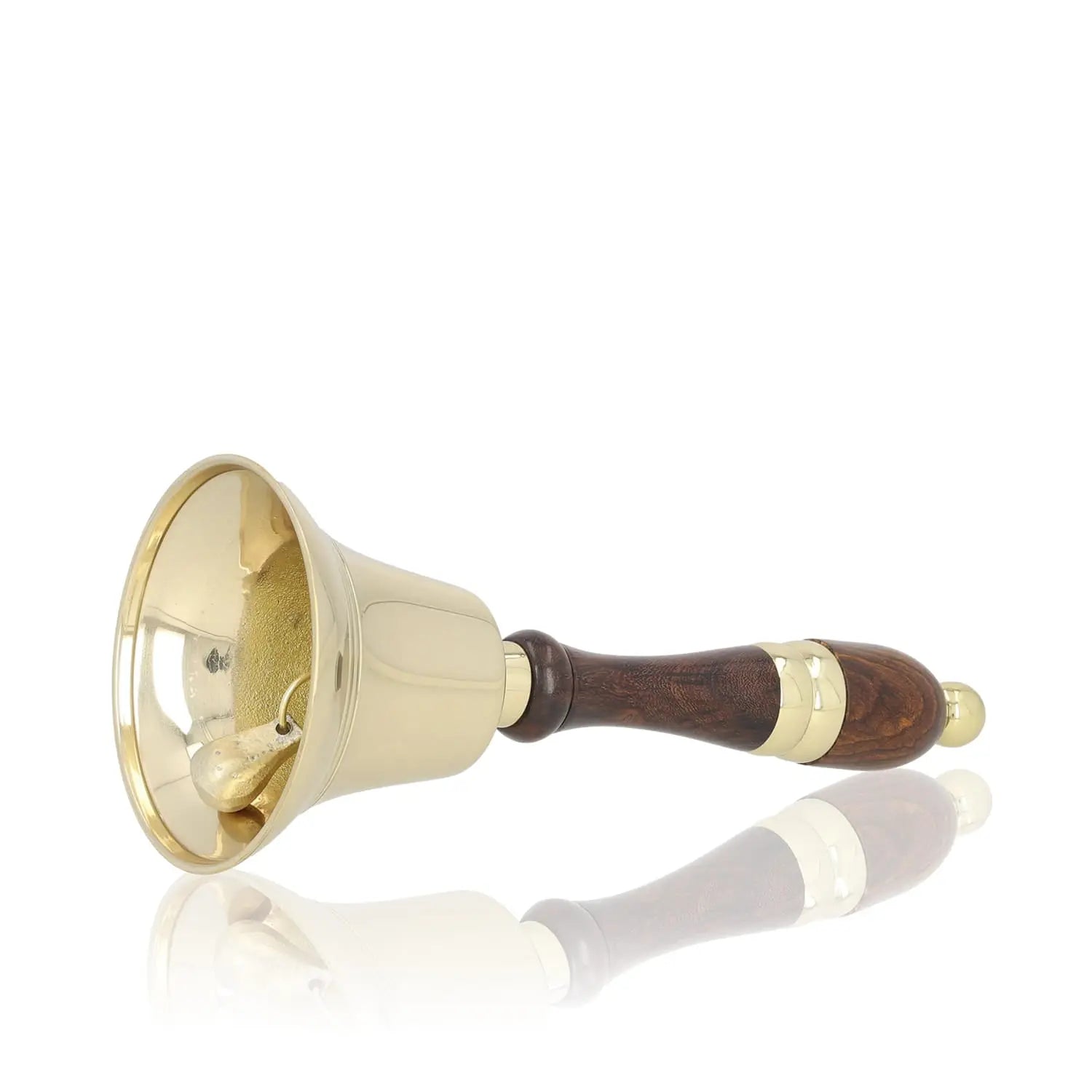
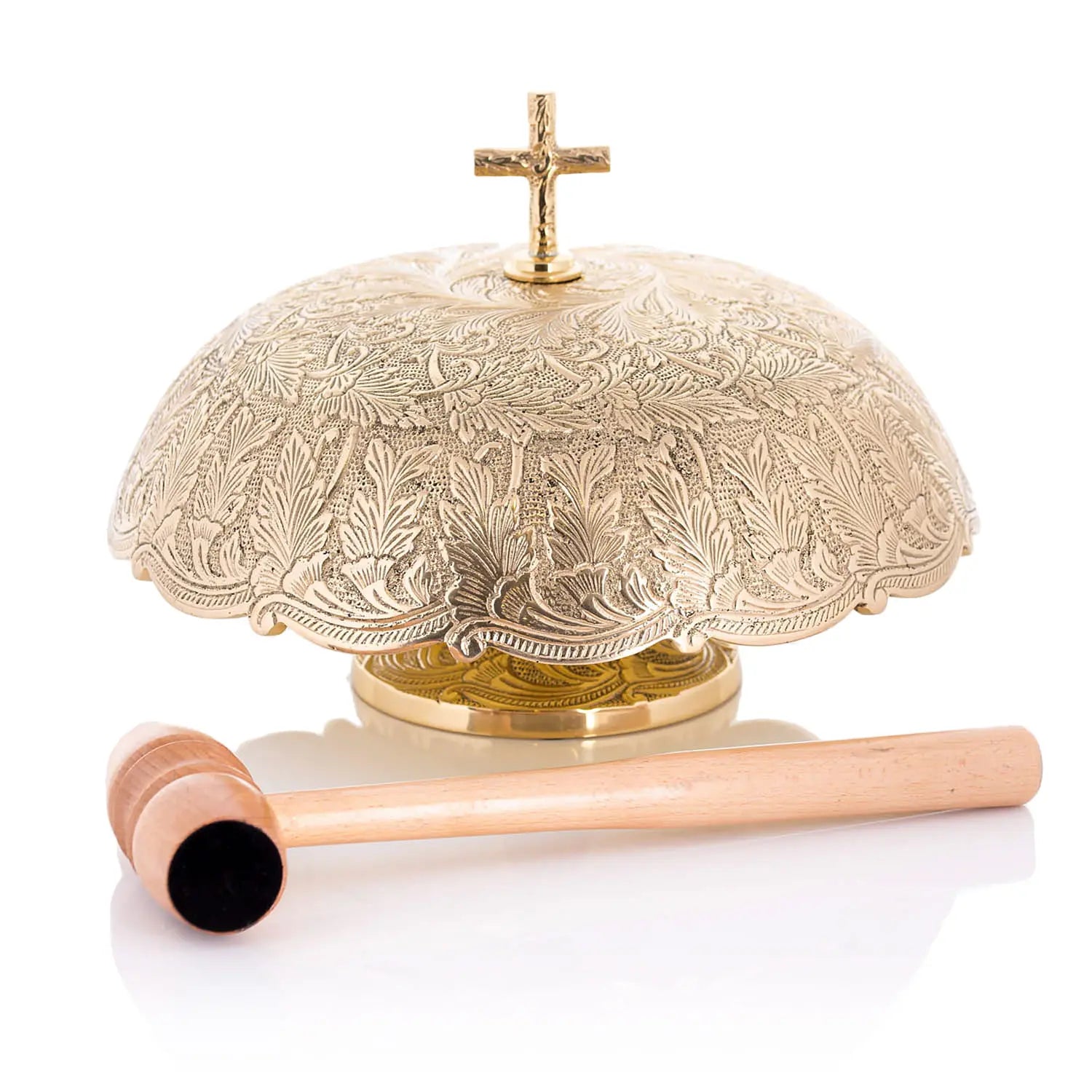
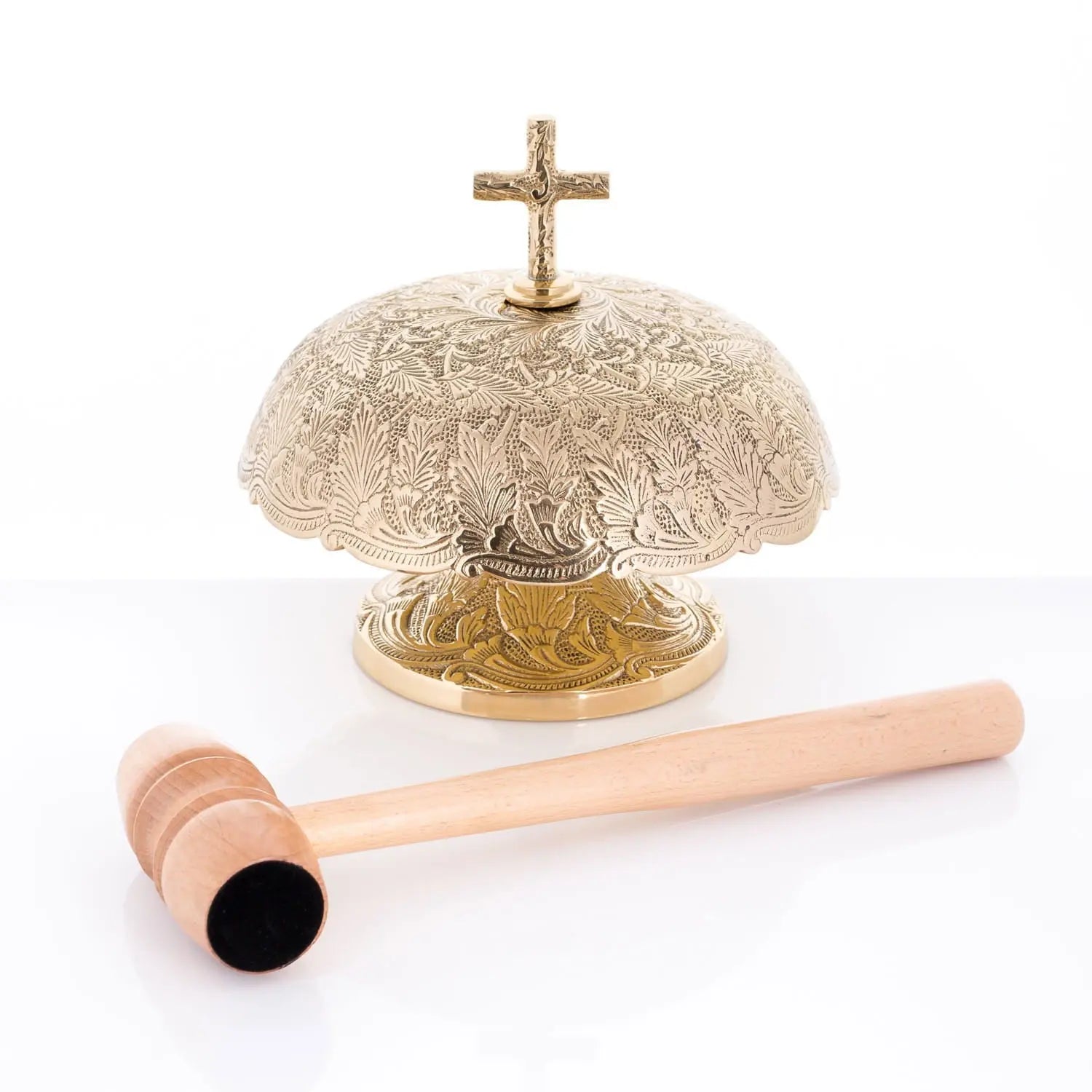
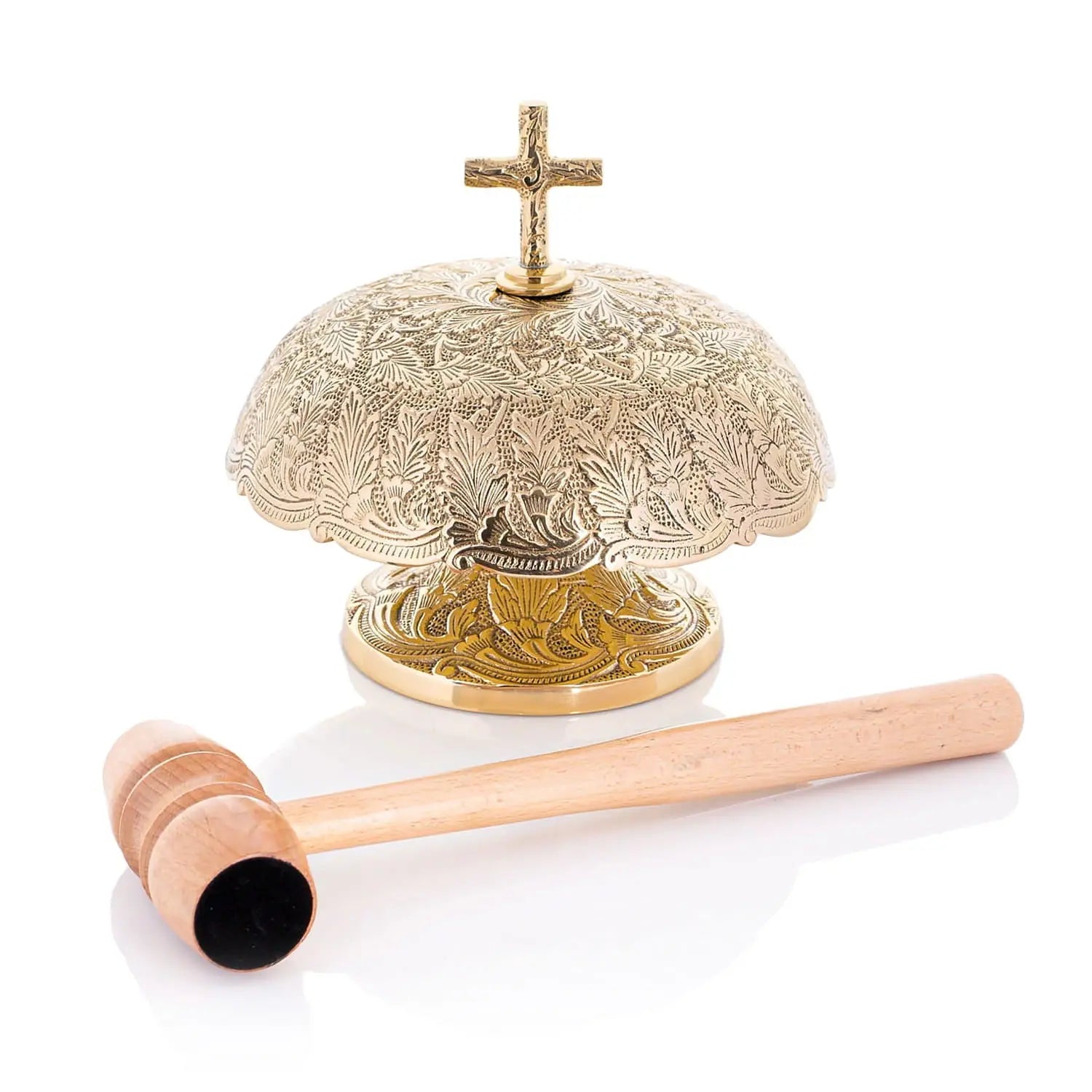
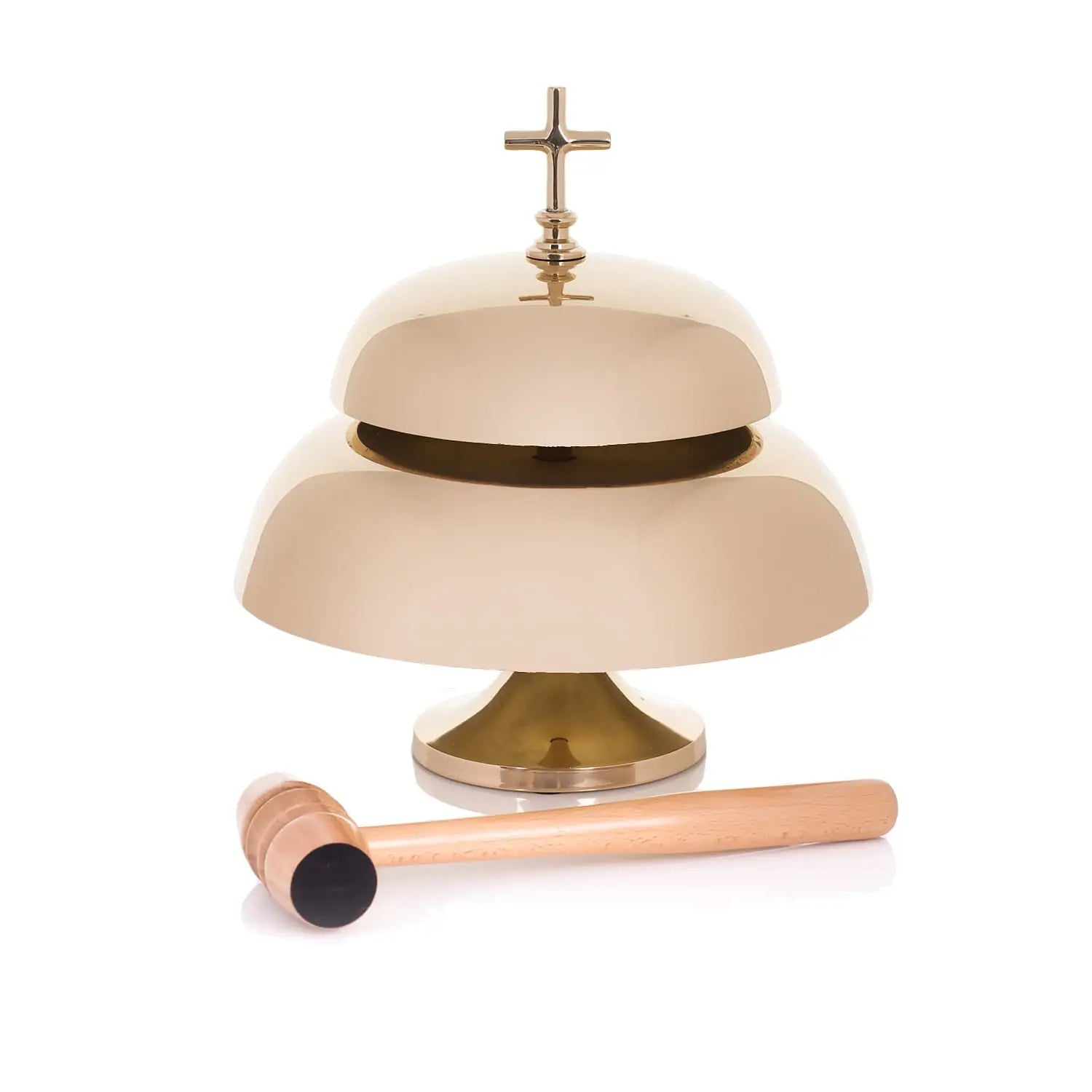
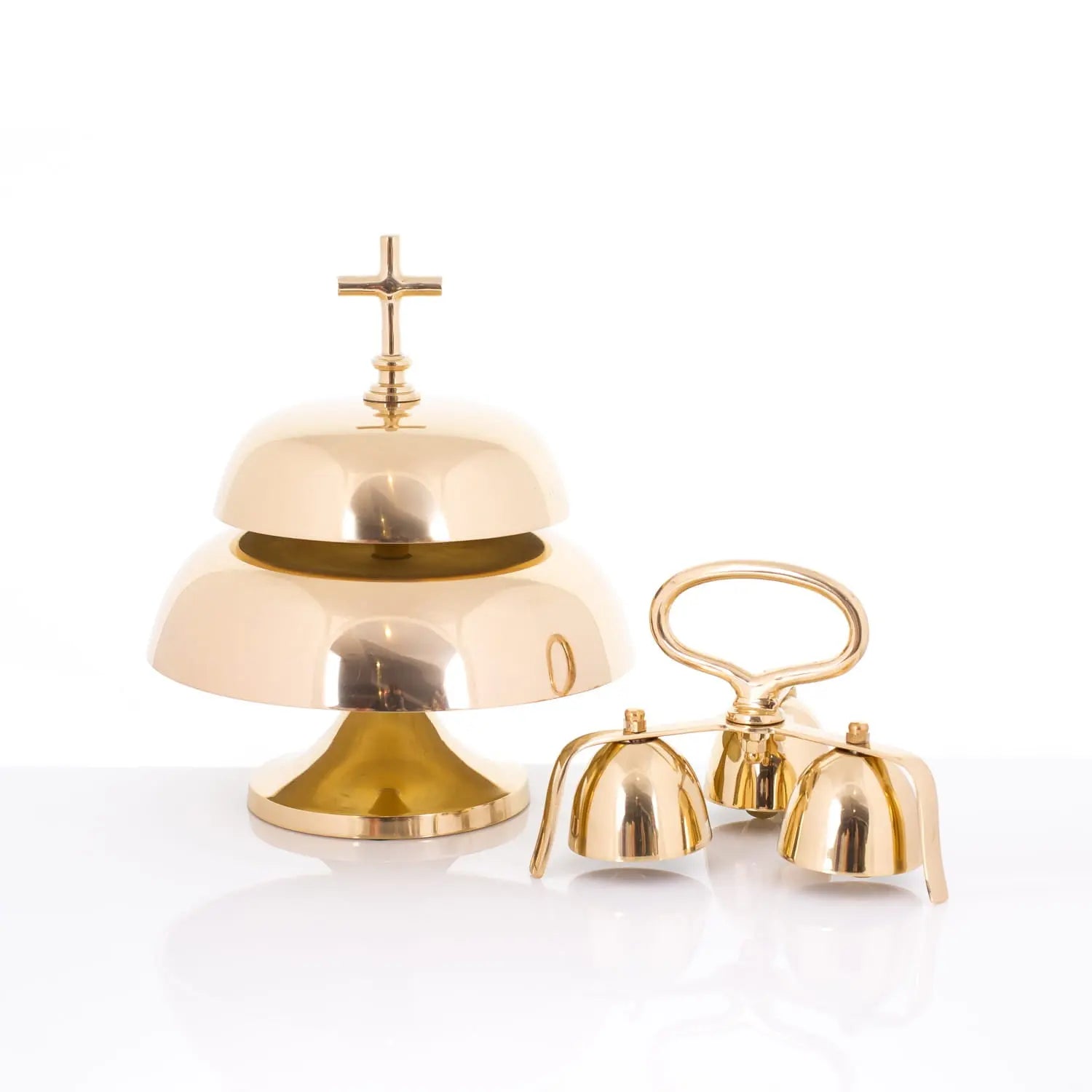
This collection focuses on bells and gongs intended for liturgical and devotional settings. Brass hand bells are suitable for altar service, sacristy use, and chapel celebrations. Altar bell sets with multiple bells create a fuller sound and are often chosen where a stronger chime is needed. Liturgical gongs with wooden mallets offer a deeper, more sustained tone and may be used where a parish or chapel prefers the sound of a gong rather than a traditional small bell. Silver-toned and nickel-plated options can coordinate with vessels, candlesticks, and other metalwork already present in the sanctuary.
Because the collection includes different forms, the choice can be adapted to the size of the church and the style of the celebration. A single hand bell is simple, portable, and easy for an altar server to use. A triple or quadruple altar bell set produces a richer sound with one movement. A gong can be especially helpful where a rounded tone is preferred, or where the visual form of the instrument should stand firmly on a side table, credence table, or other suitable place near the sanctuary.
Choosing Bells for Your Church
When choosing a bell for a parish, chapel, or religious community, begin with the place where it will be used. A small chapel may require a lighter and more restrained tone, while a larger church may need a bell set or gong with stronger projection. The bell should be audible, but it should not feel harsh or excessive. Consider who will handle it: altar servers, sacristans, religious sisters, clergy, or lay ministers. A bell with a secure handle or a stable base is easier to use consistently and respectfully.
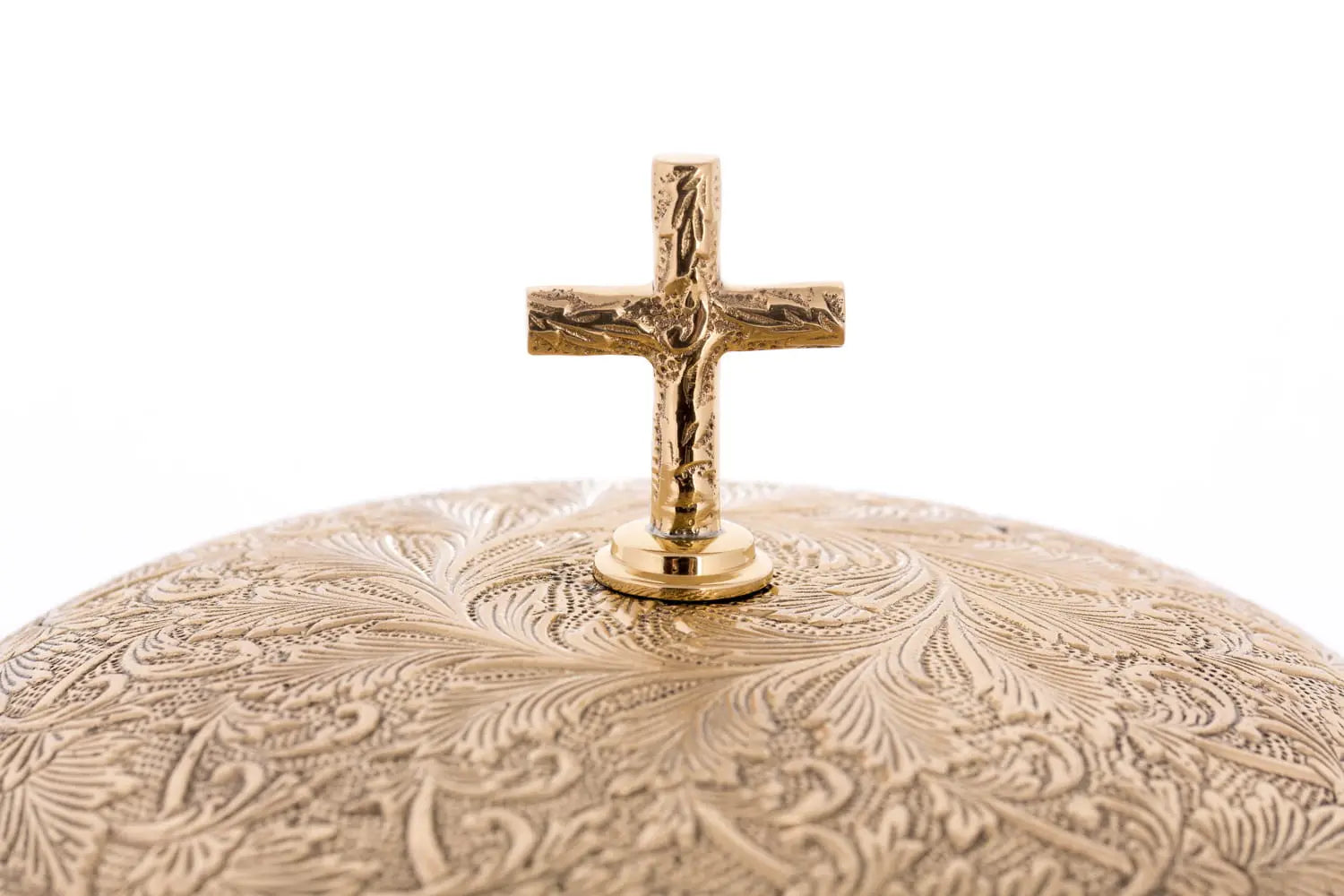
The finish should also harmonize with the sanctuary. Brass bells work well with traditional altar candlesticks, chalices, processional crosses, and other gold-toned metal elements. Nickel-plated or silver-toned bells can suit interiors where silver vessels or cooler metal finishes are already used. Ornamental details, such as floral motifs or shaped frames, should be chosen with the church’s style in mind: simple for a restrained chapel, more decorative for a richly furnished sanctuary.
Bells, Gongs, and Altar Service
For altar service, the most important qualities are clarity, reliability, and ease of use. A bell should ring immediately when needed and remain silent when set down. Hand bells are especially practical because they can be moved easily and stored in the sacristy after Mass. Multi-bell altar sets are useful when the parish wants a fuller sound without requiring complicated handling. Gongs, by contrast, require a mallet and a little more space, but they offer a distinctive tone that can be solemn and measured.
The best choice depends on custom, acoustics, and the number of ministers available. In some churches, altar bells are placed near the server’s position. In others, they may be kept on a credence table and used only at selected moments. For processions and solemn celebrations, sound can also be coordinated with visual elements such as processional banners, processional canopies, or processional umbrellas, especially during outdoor devotions or Eucharistic processions where a dignified rhythm helps the faithful participate.
Material, Finish, and Sound
Many liturgical bells in this collection are made of brass or finished in tones that coordinate with traditional church metalwork. Brass is valued for its bright appearance, durability, and clear ringing quality. Nickel-plated brass gives a cooler silver-toned appearance while maintaining a strong liturgical character. Wooden handles and wooden mallets add warmth and make the instrument easier to hold or strike with control.
Sound depends on the bell’s size, shape, weight, and construction. A smaller hand bell gives a sharper and more immediate tone. A larger bell or a multi-bell set can produce greater volume and richness. A gong creates a broader resonance that lingers slightly longer than the ring of a small bell. Because church interiors differ greatly, from intimate chapels to high vaulted naves, it is worth choosing a bell whose sound will be clear in the actual worship space rather than selecting only by appearance.
Care and Storage
Liturgical bells should be treated with the same care given to other sacred accessories. After use, they should be placed where they will not be knocked over, scratched, or exposed to moisture. Brass and nickel-plated surfaces may be wiped gently with a soft dry cloth to remove fingerprints and dust. Strong abrasives should be avoided, especially on decorative elements, plated finishes, or areas close to moving parts.
Gongs with wooden mallets should be stored so that the mallet is not lost and the striking surface is not damaged. Hand bells should be kept upright when possible, with enough space around the handle and rim. Regular, gentle care helps preserve both the appearance and the sound of the bell. A well-kept bell can serve a parish for years, becoming a familiar part of the community’s prayer and a trusted signal within the liturgy.
Related Liturgical Accessories
Bells often belong to a wider group of items prepared for solemn worship. A parish equipping the sanctuary may also need chalices, candlesticks, cruets, thuribles, holy water vessels, reliquaries, and other sacred accessories. For celebrations with incense, bells may be used alongside thuribles and boats, especially in solemn Masses, Benediction, funerals, and feast-day liturgies. For Eucharistic devotion, the sound of a bell may accompany moments of adoration near a monstrance or during a procession.
Because these objects are used together, it is helpful to think of tone, finish, and proportion as a whole. A polished brass bell can coordinate naturally with brass candlesticks and a gold-toned chalice. A silver-toned bell can match nickel-plated or silver vessels. Processional settings may require bells that are portable, while a fixed altar gong may be better suited to a chapel or sanctuary where it remains in one place. Choosing related pieces together creates a more coherent visual and liturgical environment.
Frequently Asked Questions (FAQ)
Which bell is best for use during Mass?
For regular Mass use, a hand bell or a multi-bell altar set is usually the most practical choice. A single hand bell is easy to hold and store, while a triple or quadruple altar bell creates a fuller sound with one movement. The right option depends on the size of the church, the local custom, and how strong the sound needs to be.
What is the difference between an altar bell and a liturgical gong?
An altar bell produces a bright ringing tone and is commonly handled by an altar server. A liturgical gong is struck with a wooden mallet and gives a deeper, more sustained sound. Both can serve a reverent liturgical function, but they differ in tone, handling, and the amount of space needed near the sanctuary.
Should I choose brass or a silver-toned finish?
Choose brass when the sanctuary already includes gold-toned vessels, brass candlesticks, or warm metal details. A silver-toned or nickel-plated bell is a good match for cooler metal finishes. The finish does not only affect appearance; it also helps the bell fit visually with the rest of the church furnishings.
Can these bells be used outside the Mass?
Yes. Depending on local practice, bells or gongs may be used for devotions, chapel services, processions, sacristy signals, or community prayer. They should be used in a way that supports reverence and order, rather than as decoration alone.
How should liturgical bells be cared for?
Wipe the bell gently with a soft cloth after handling and store it in a dry, secure place. Avoid abrasive cleaners, especially on plated or ornamented surfaces. For gongs, keep the wooden mallet together with the instrument and protect the striking surface from scratches.