
Sort by
15 products
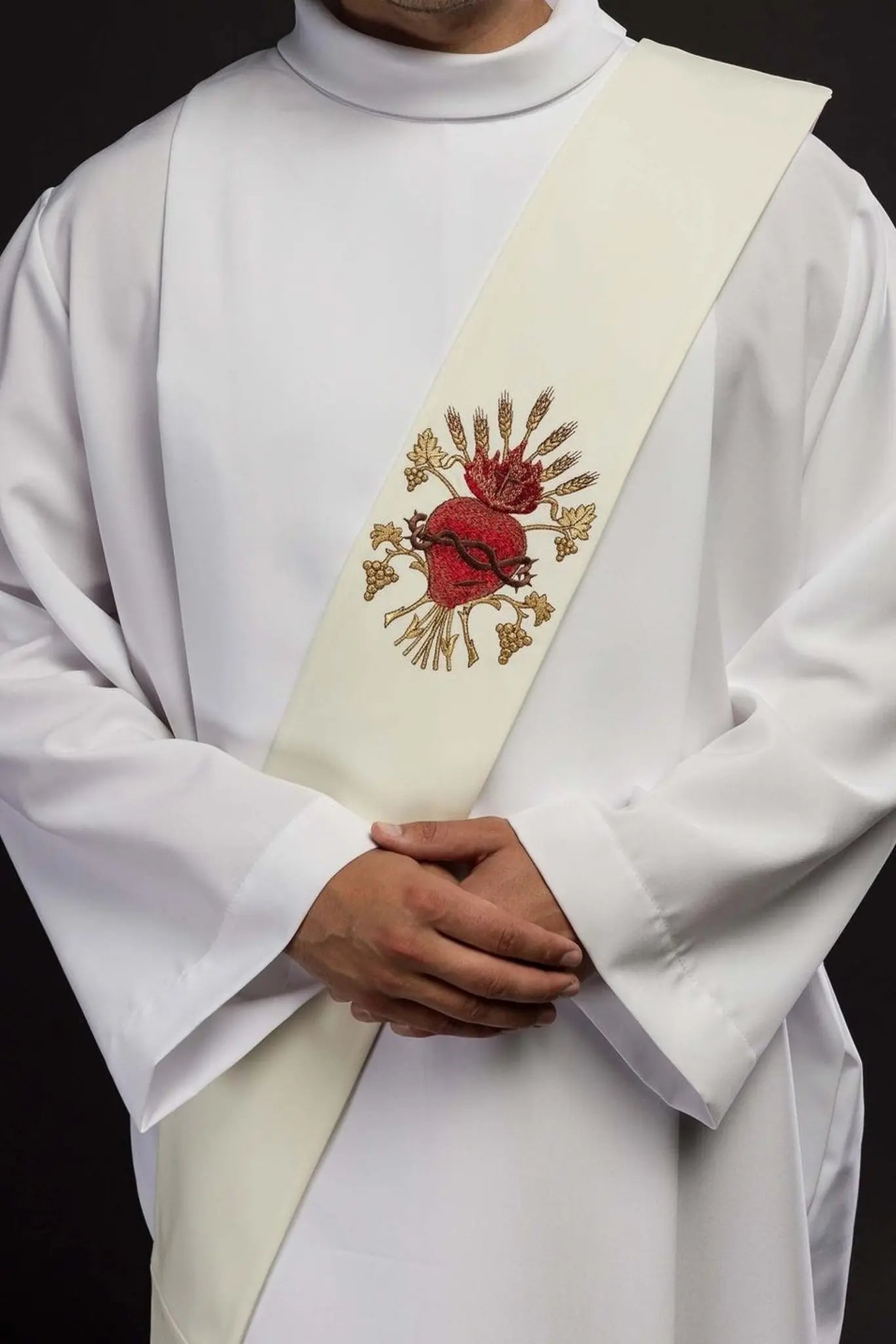
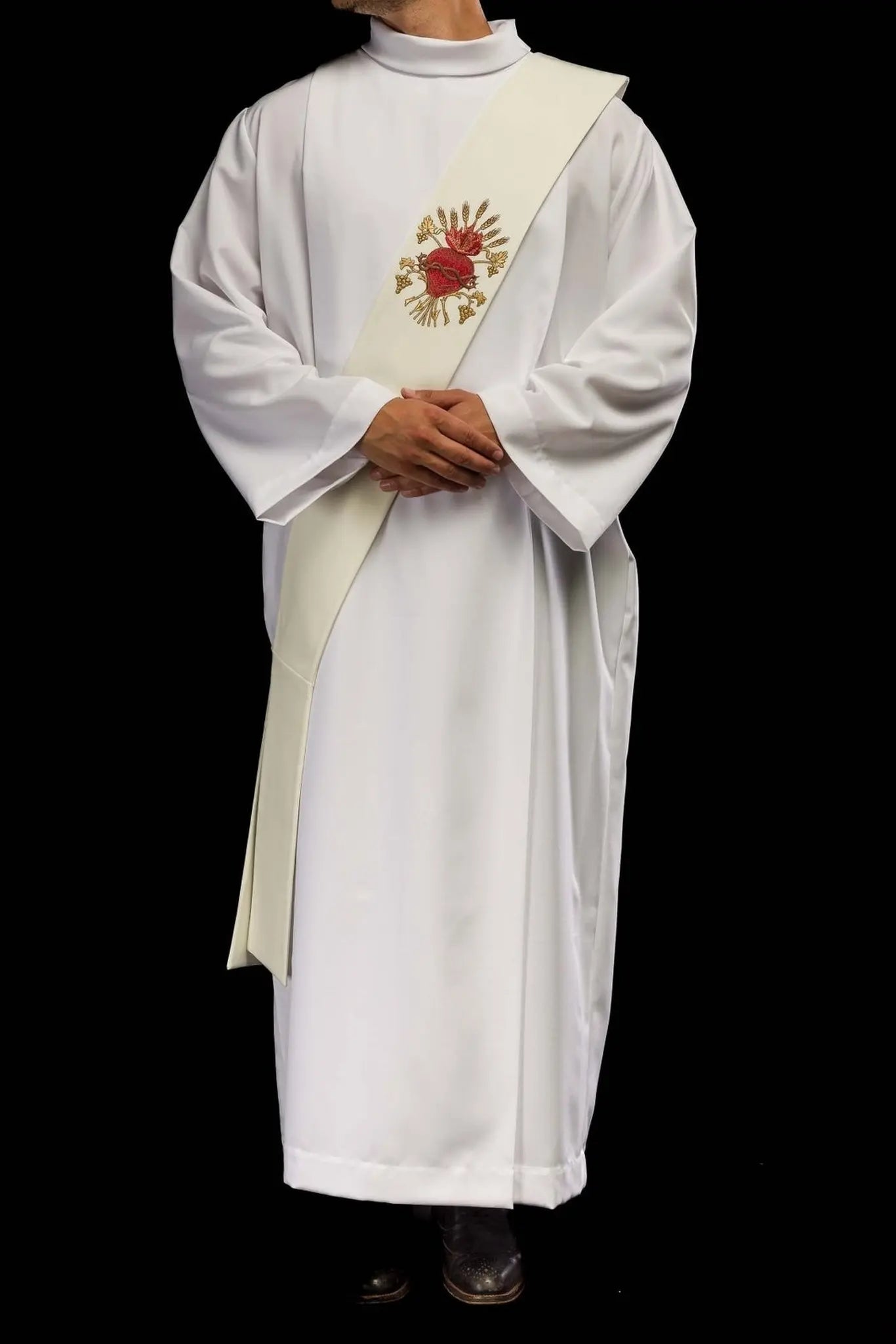
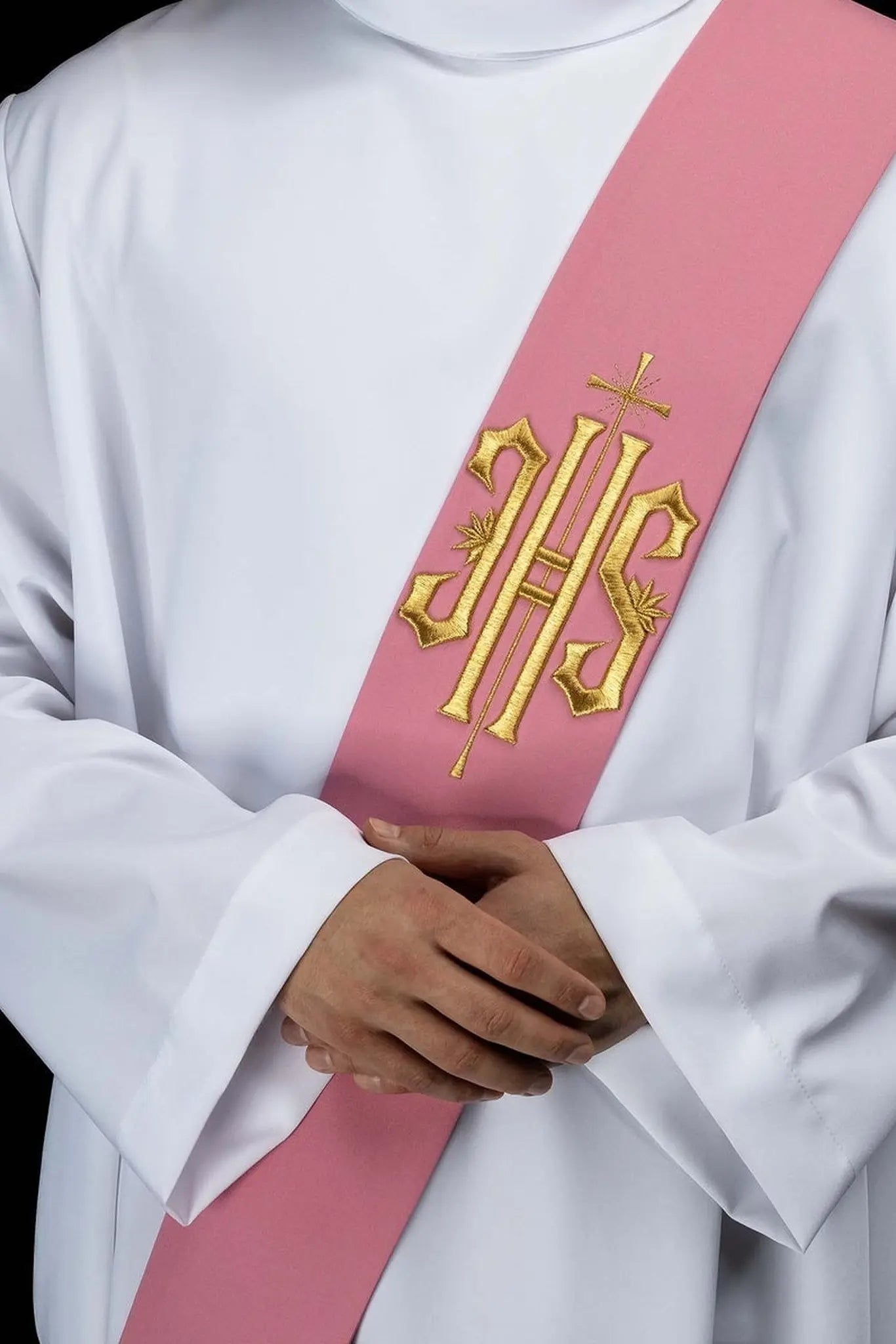
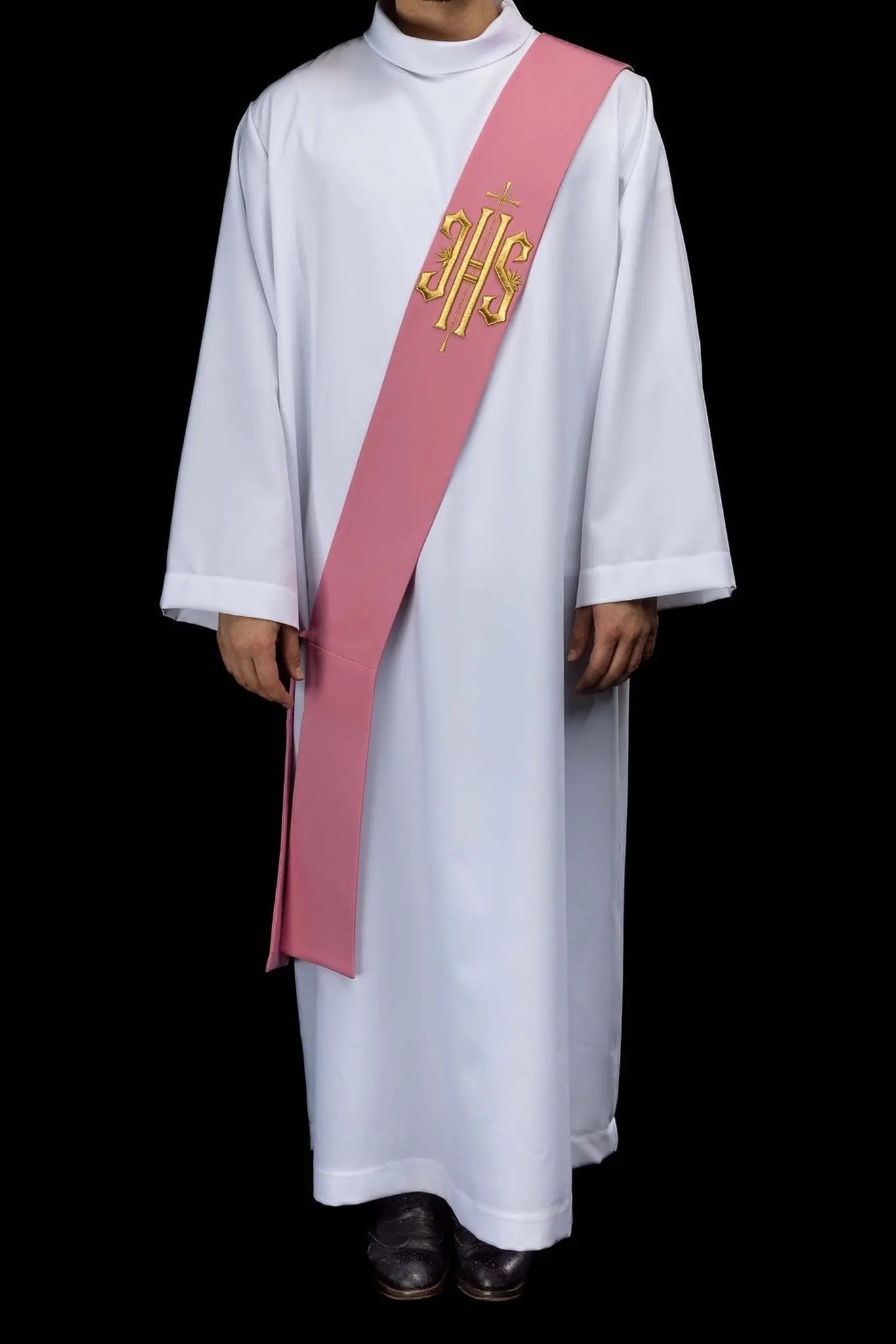
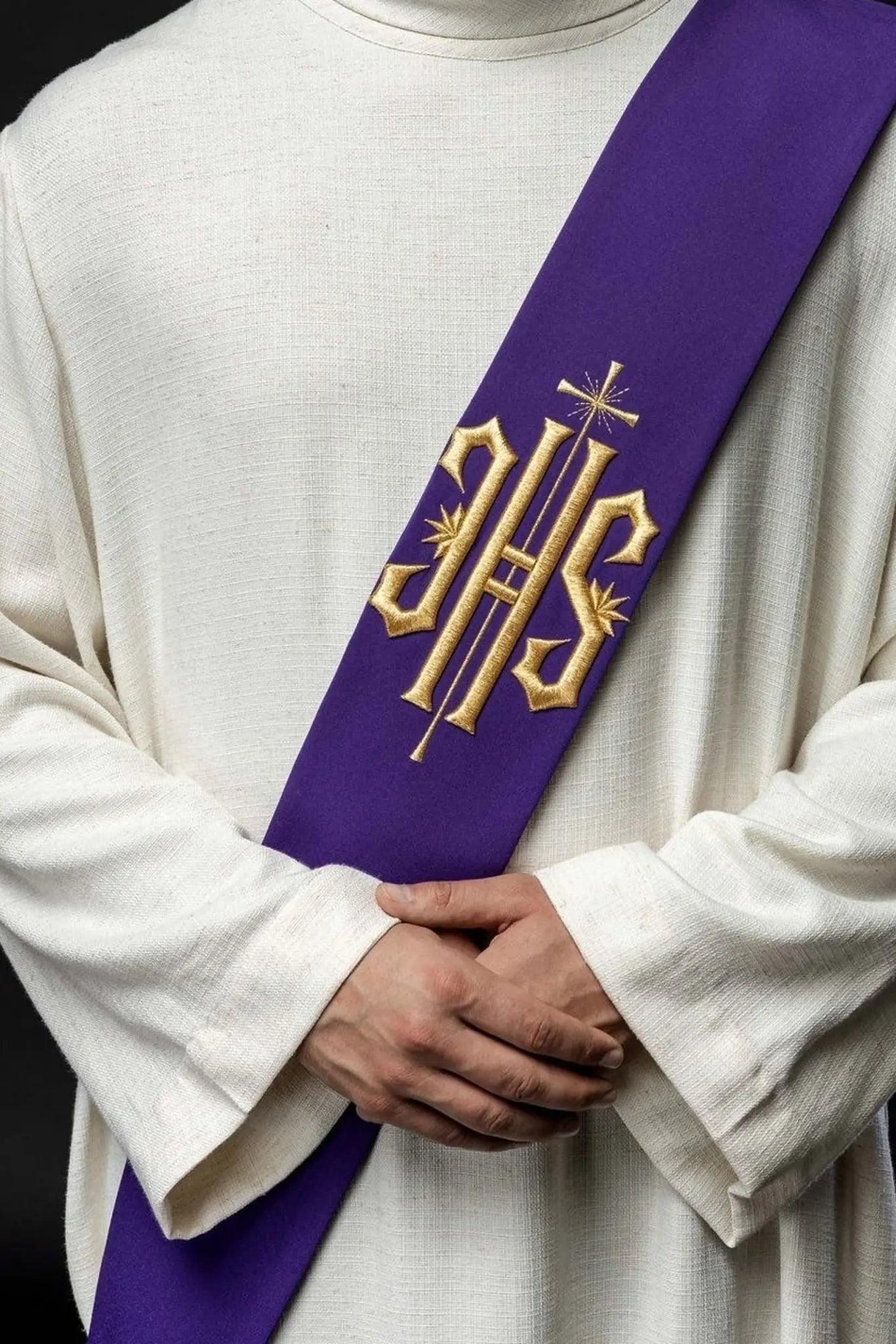
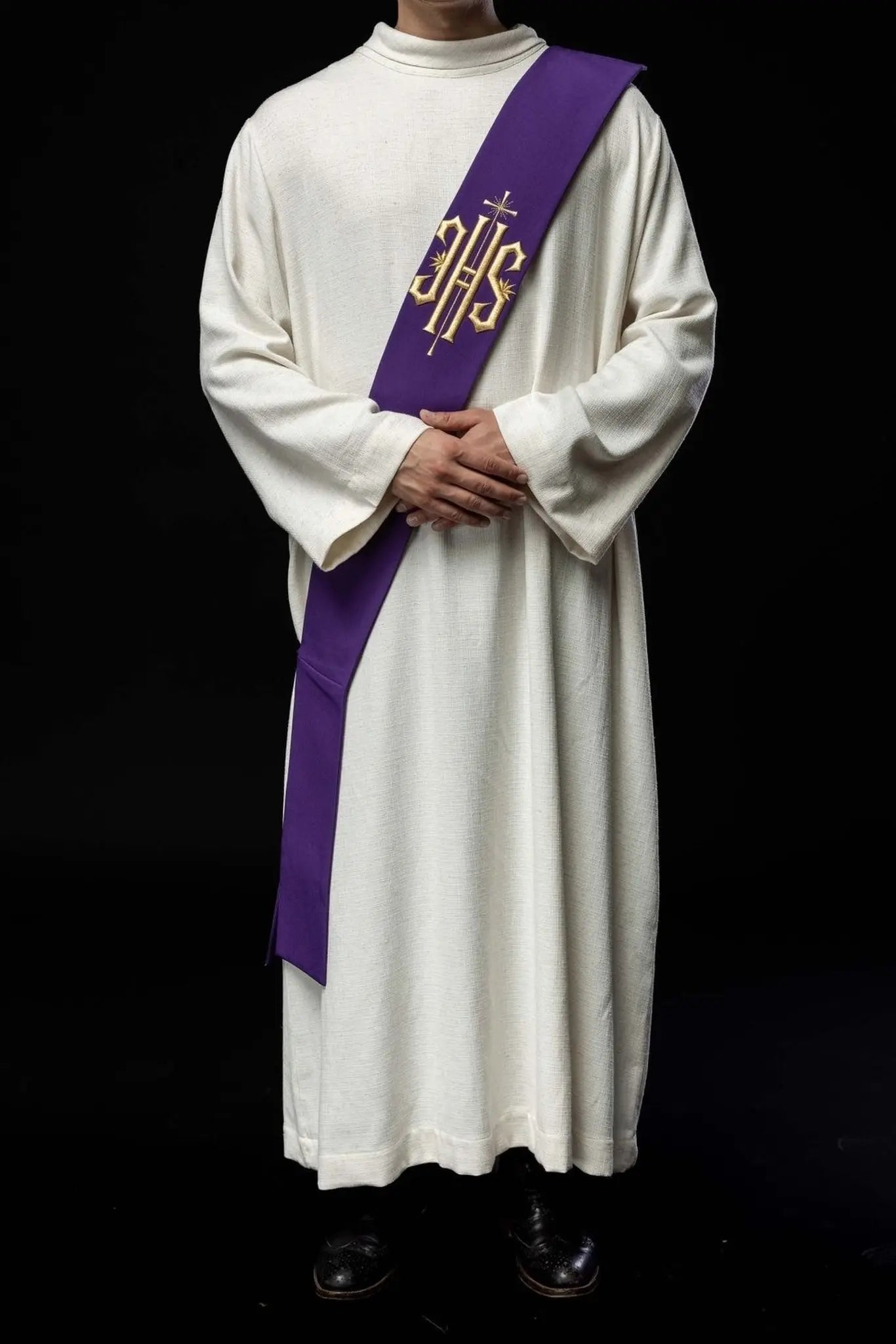
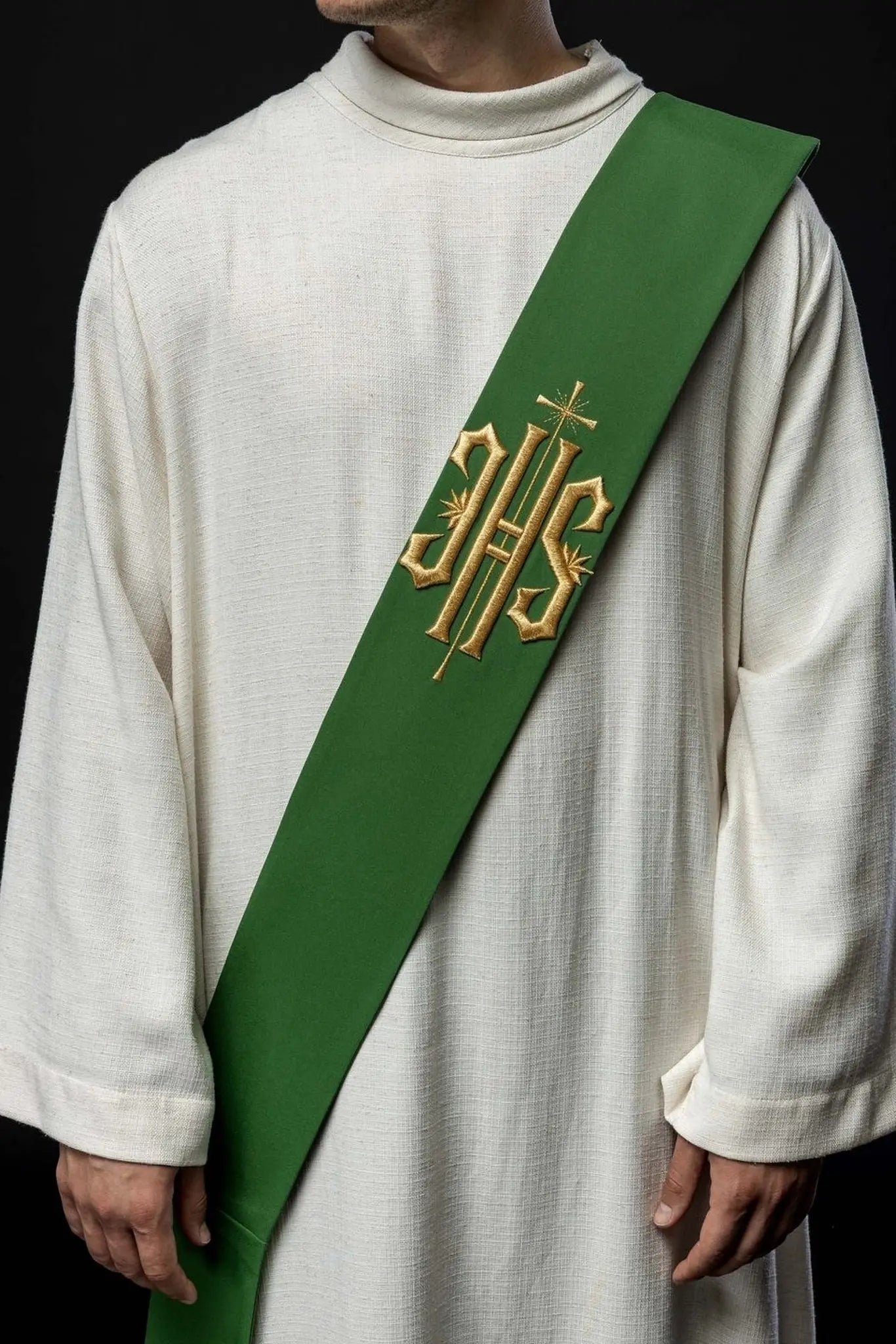
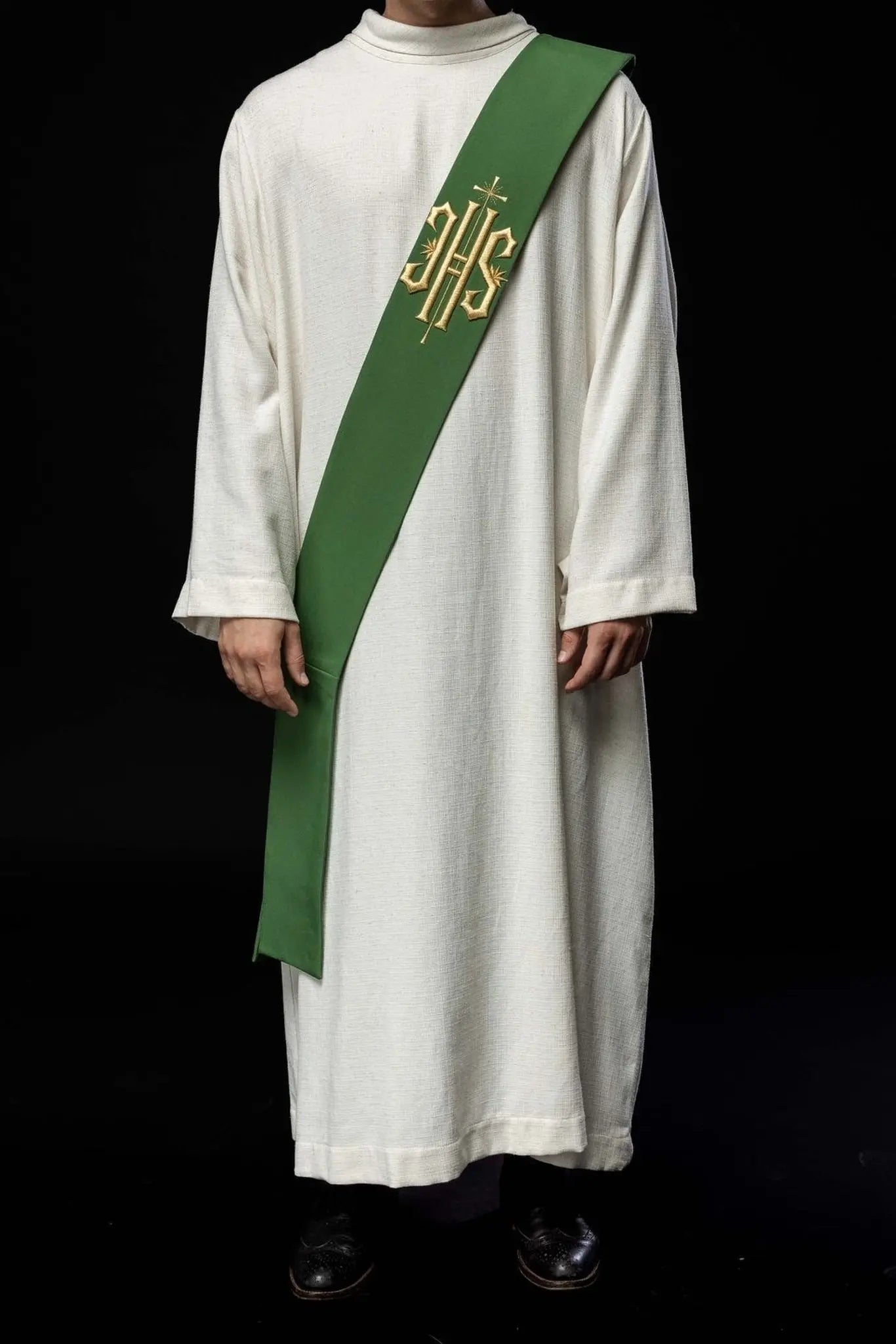
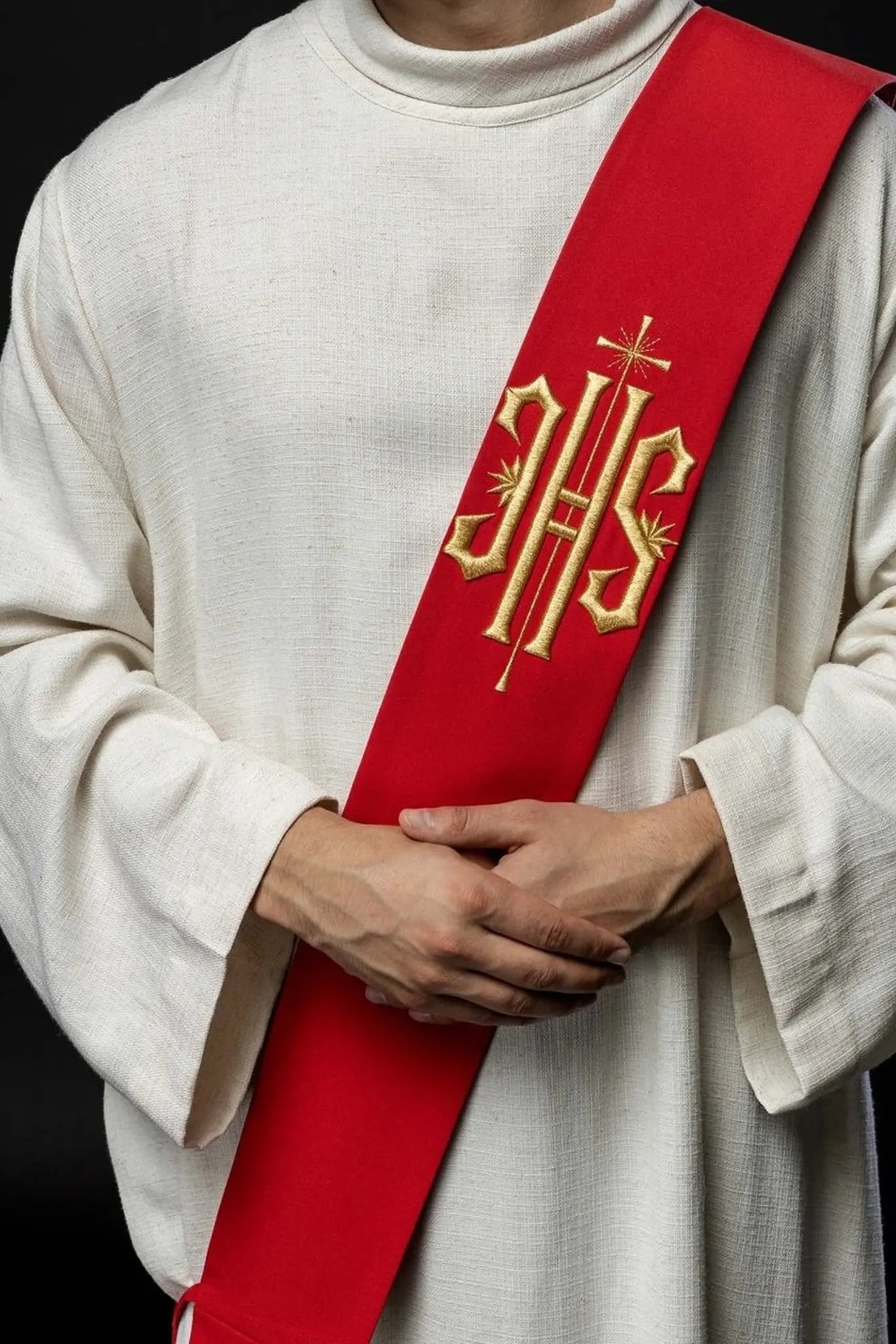
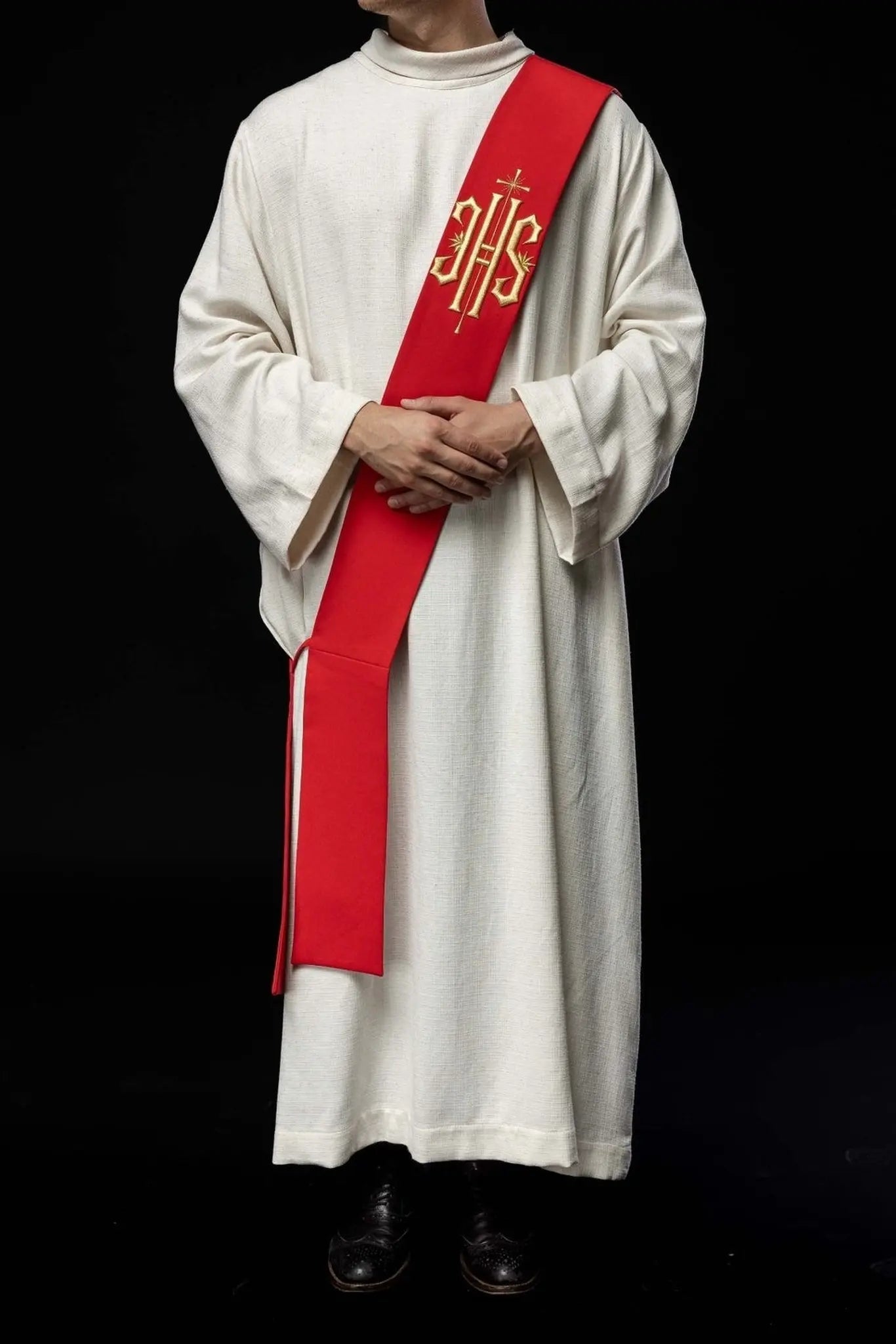
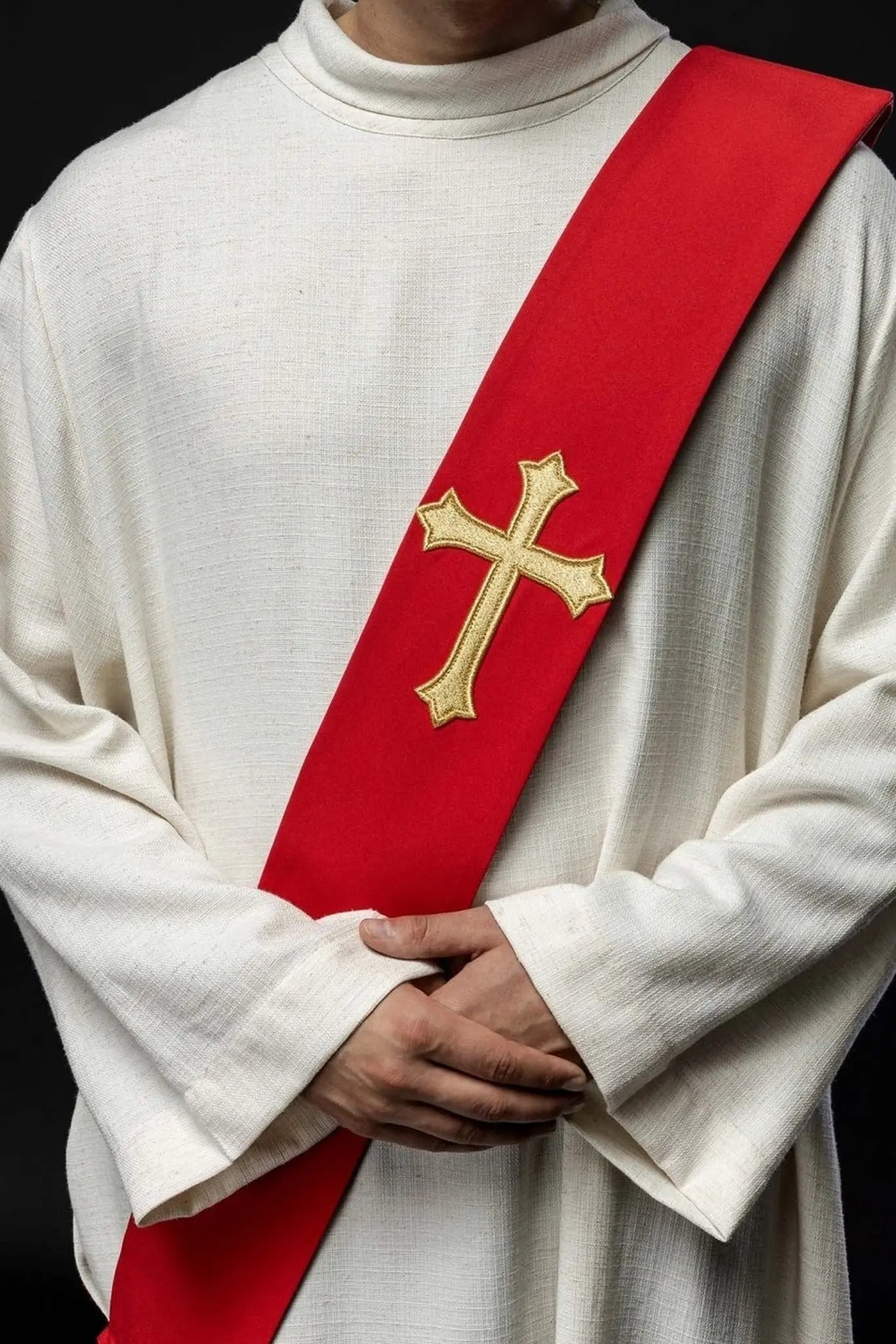
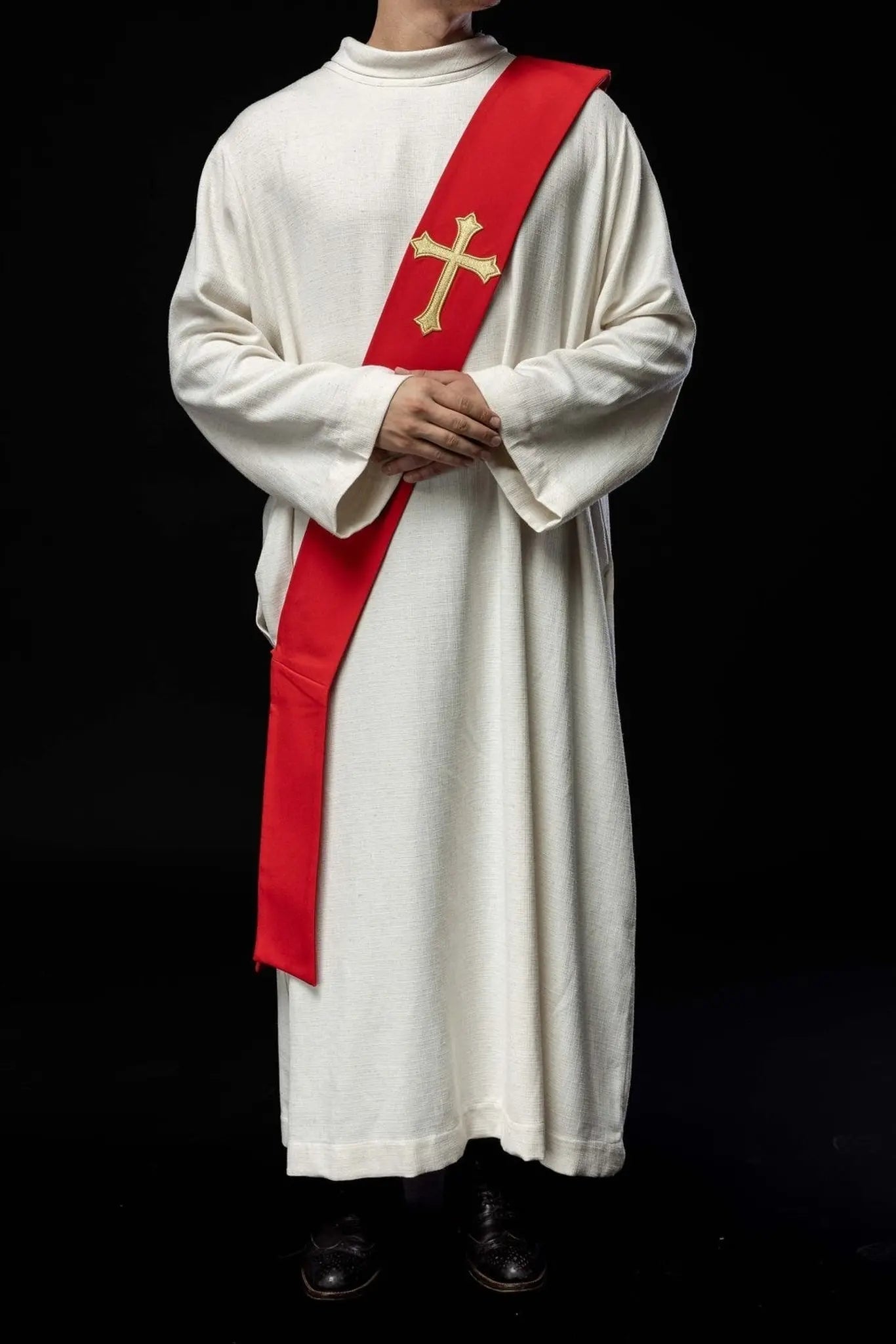
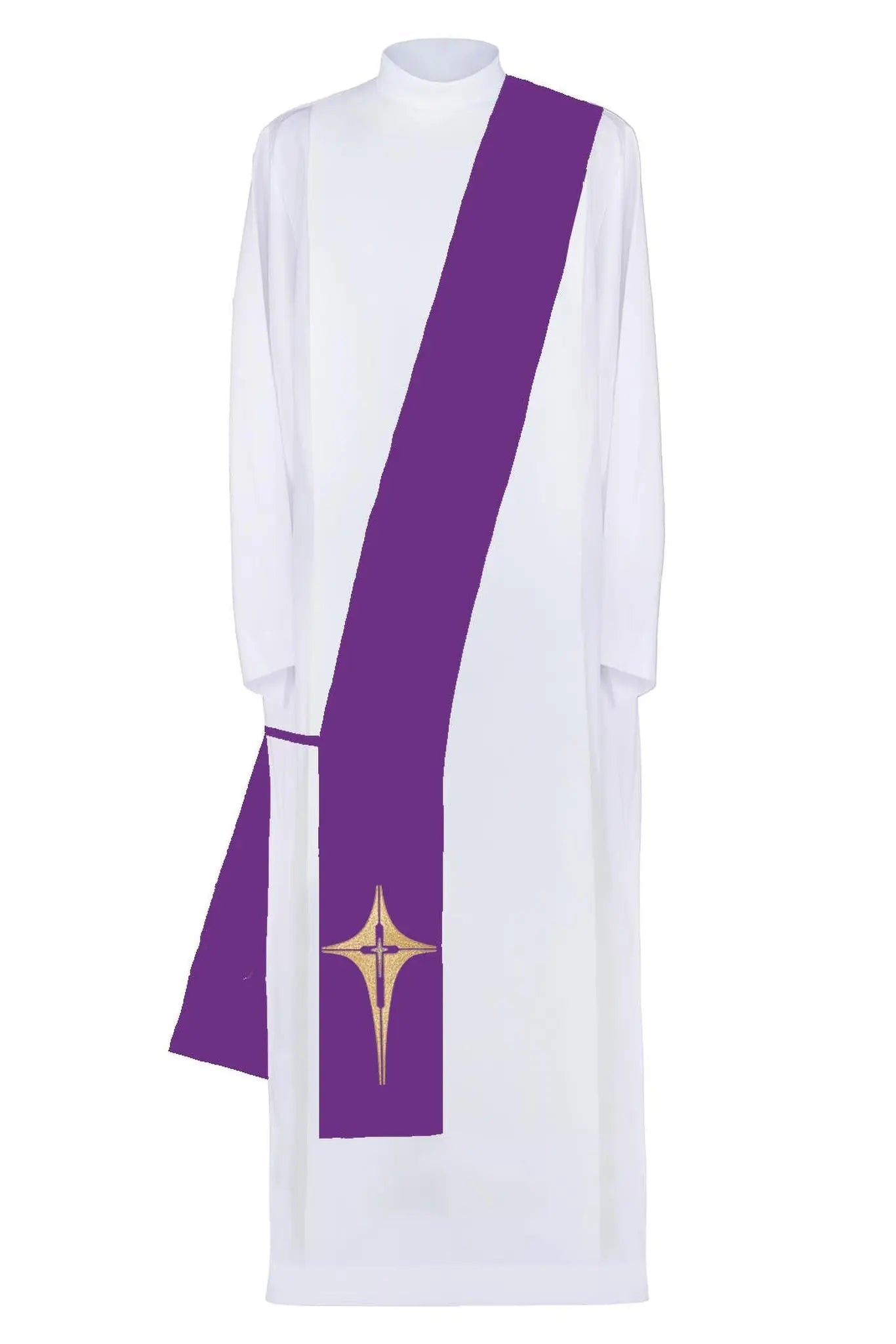
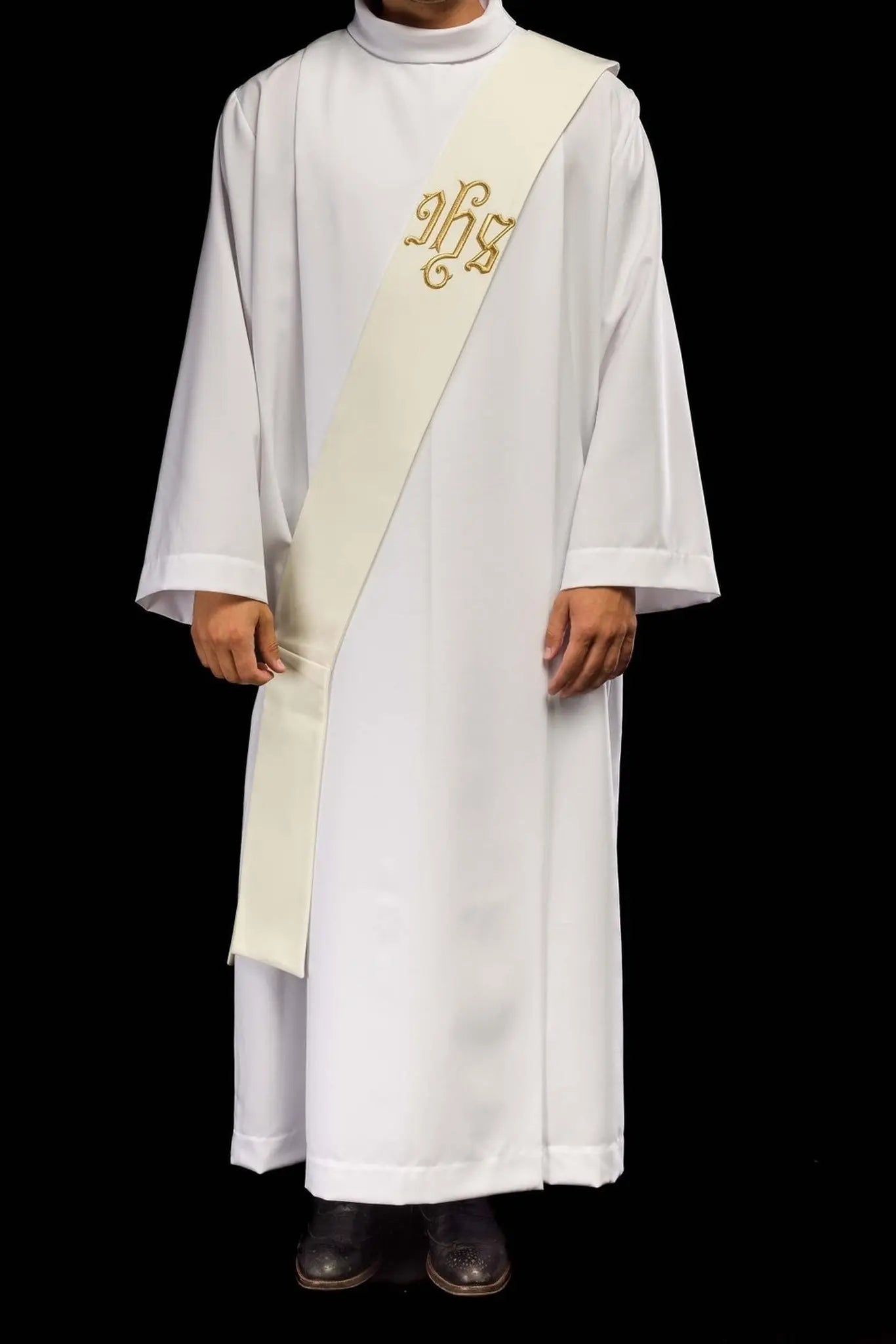
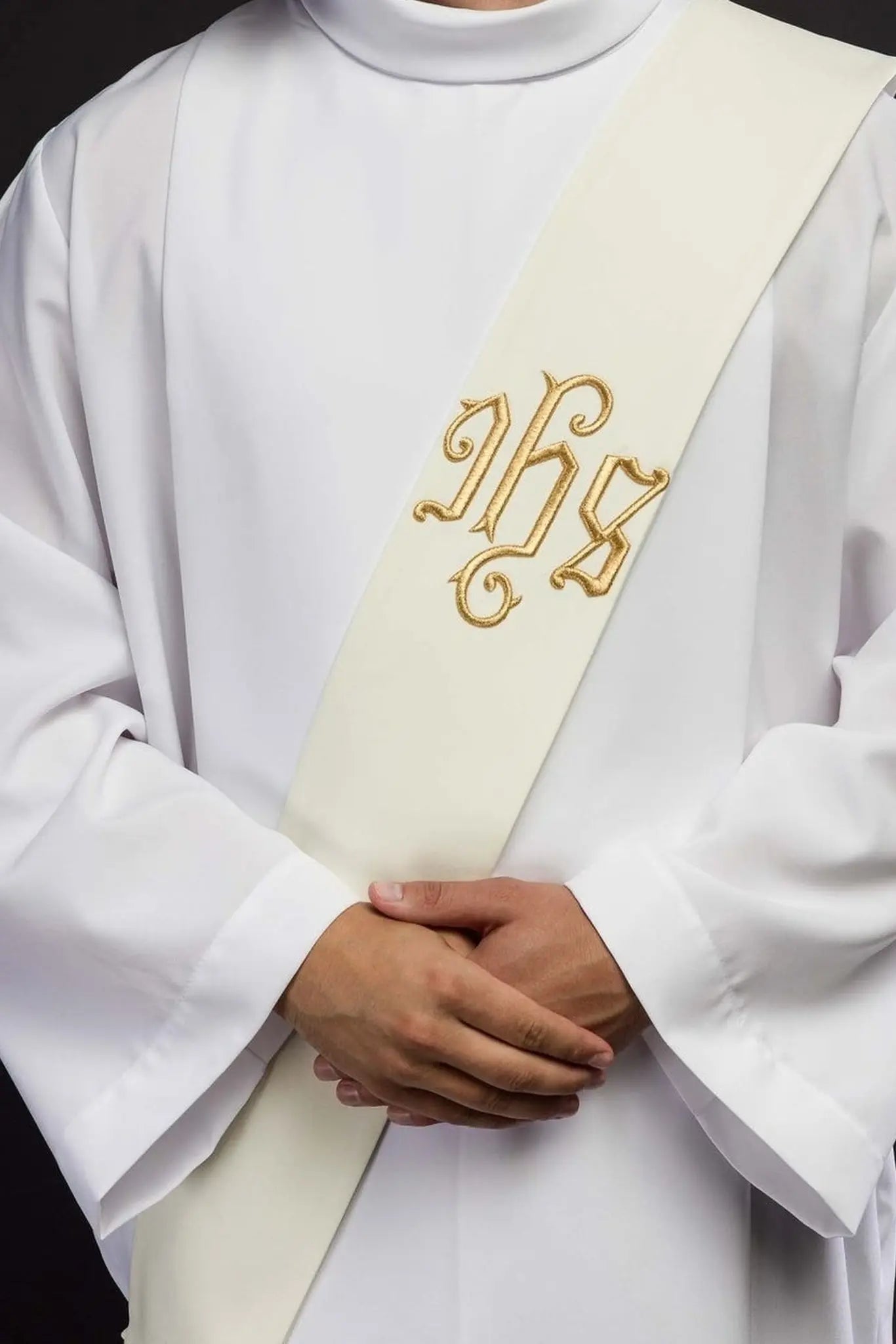
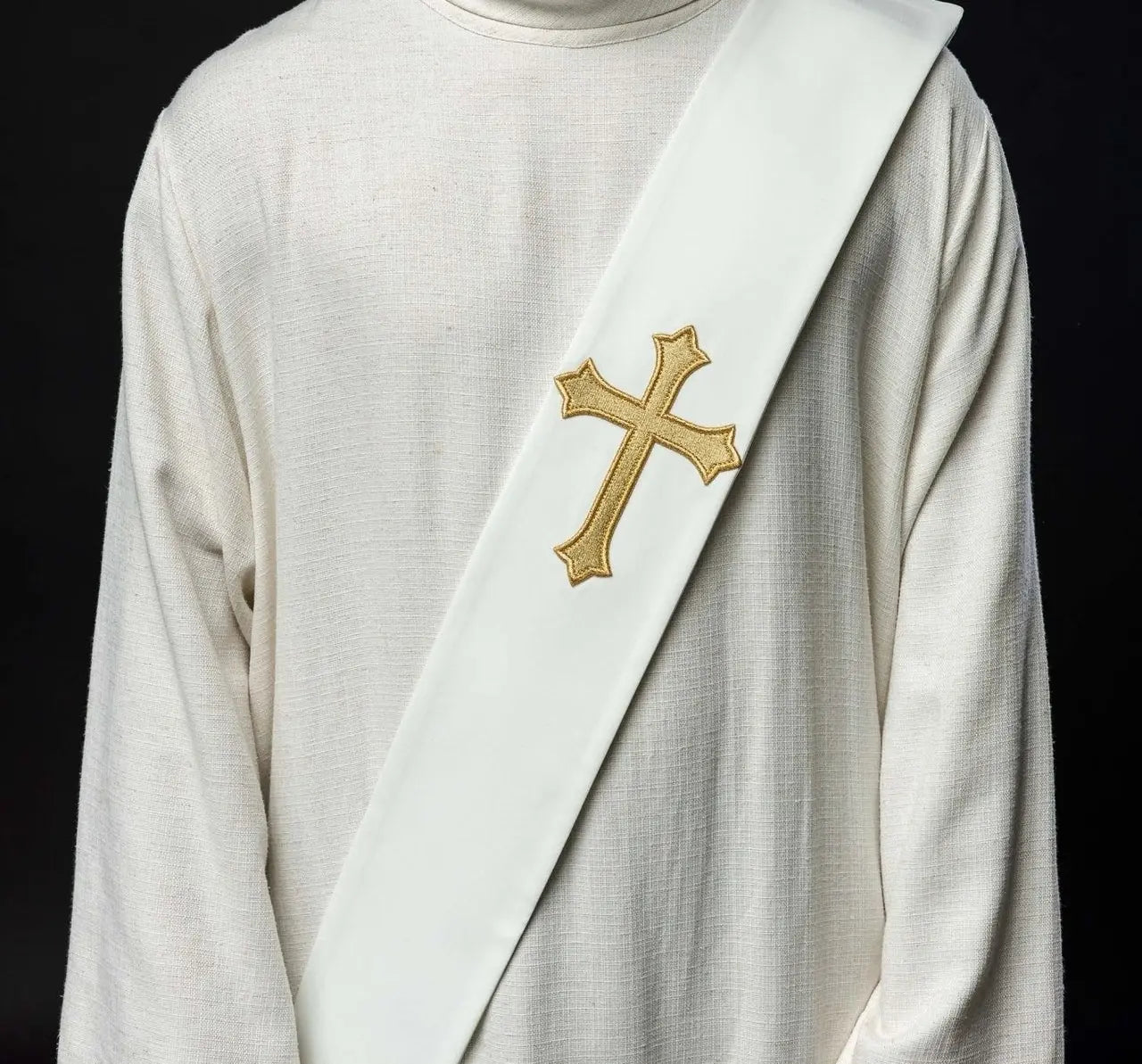
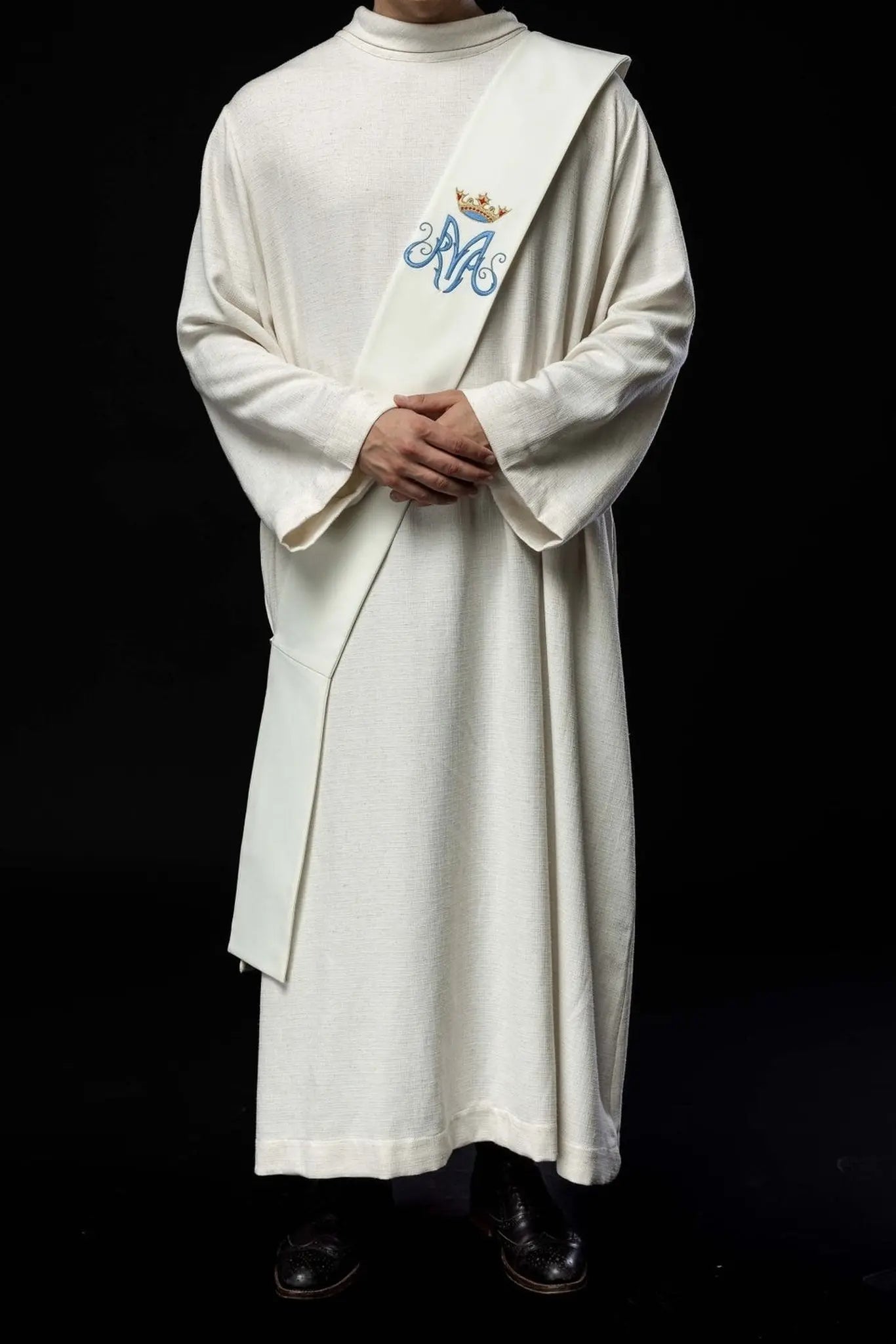
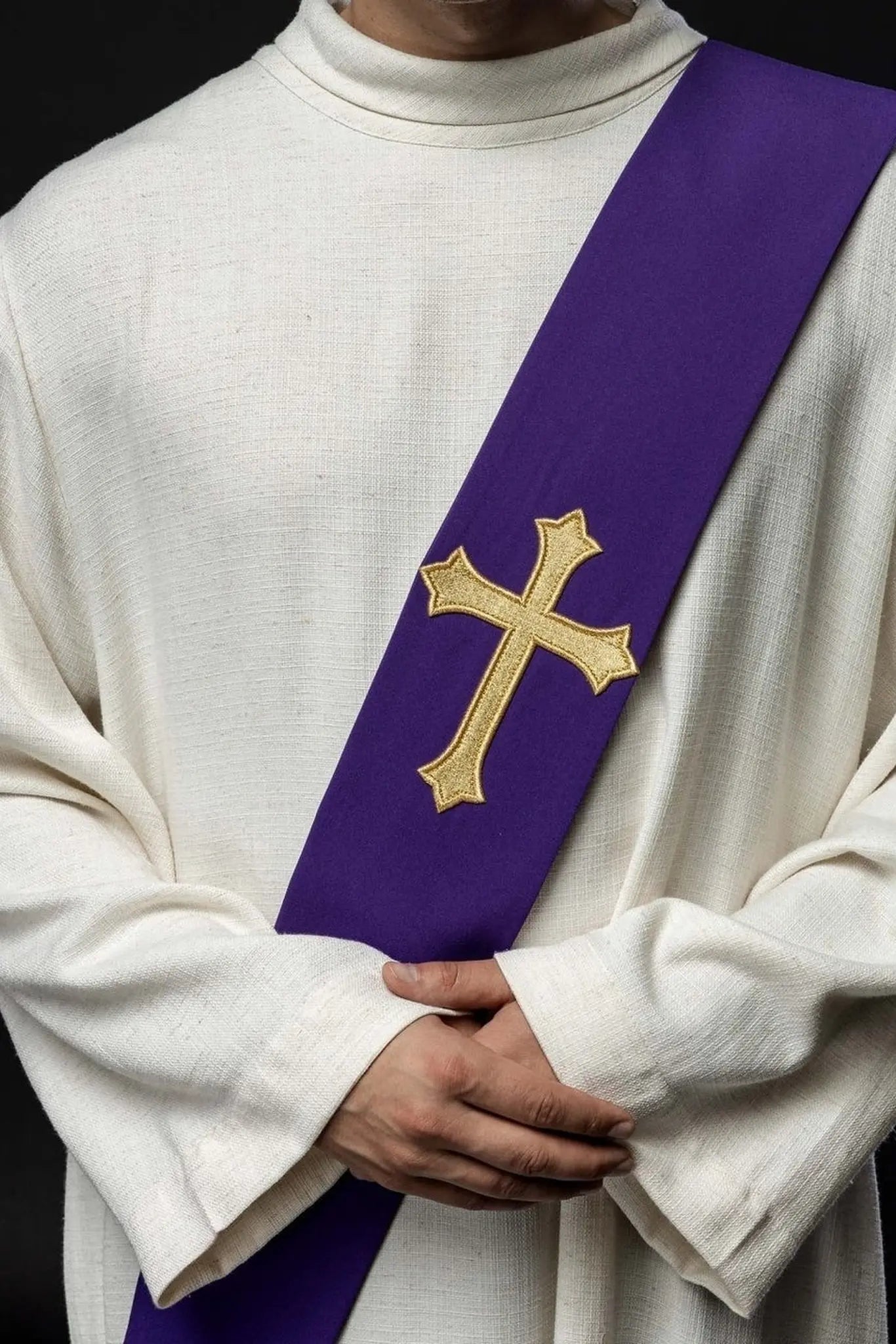
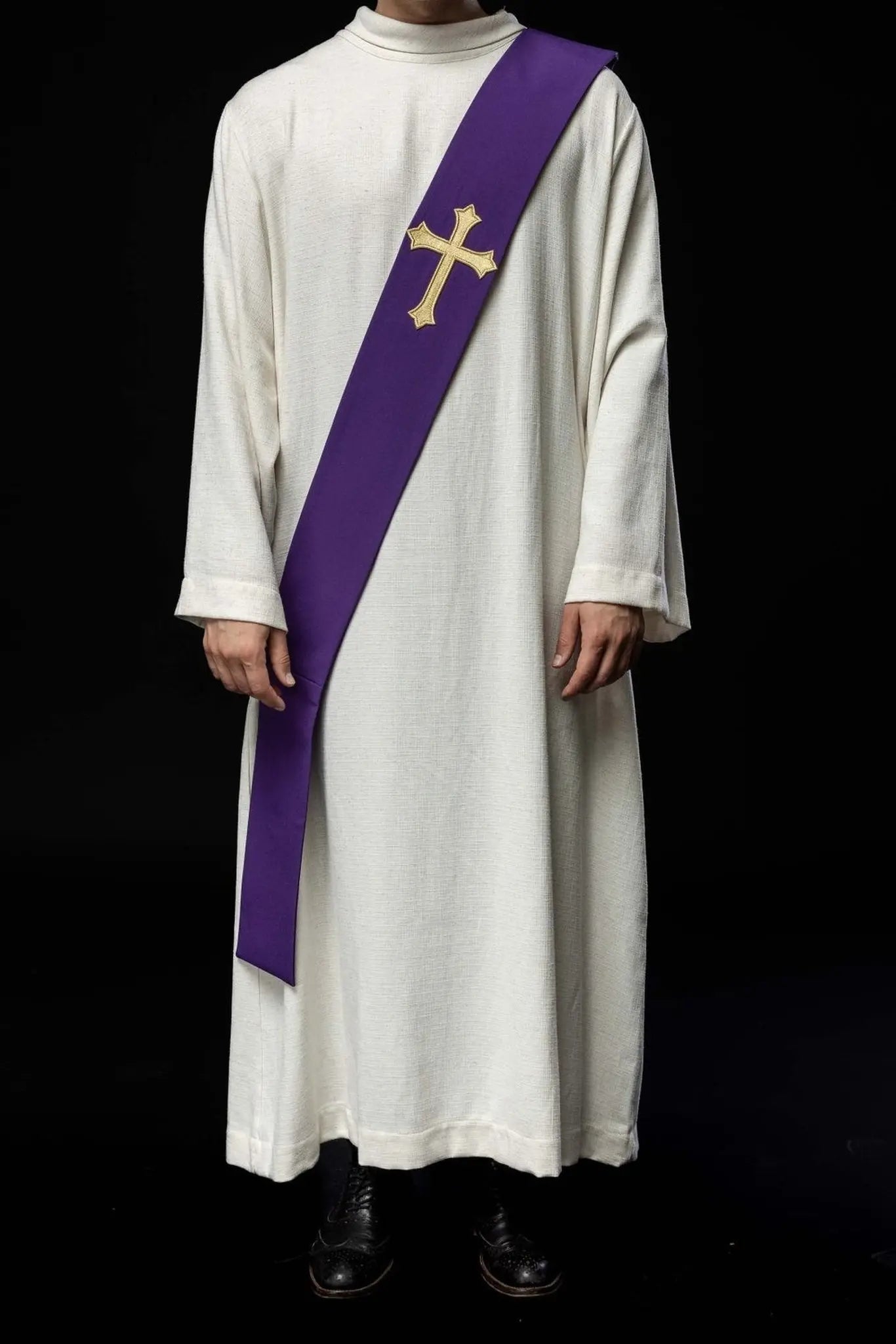
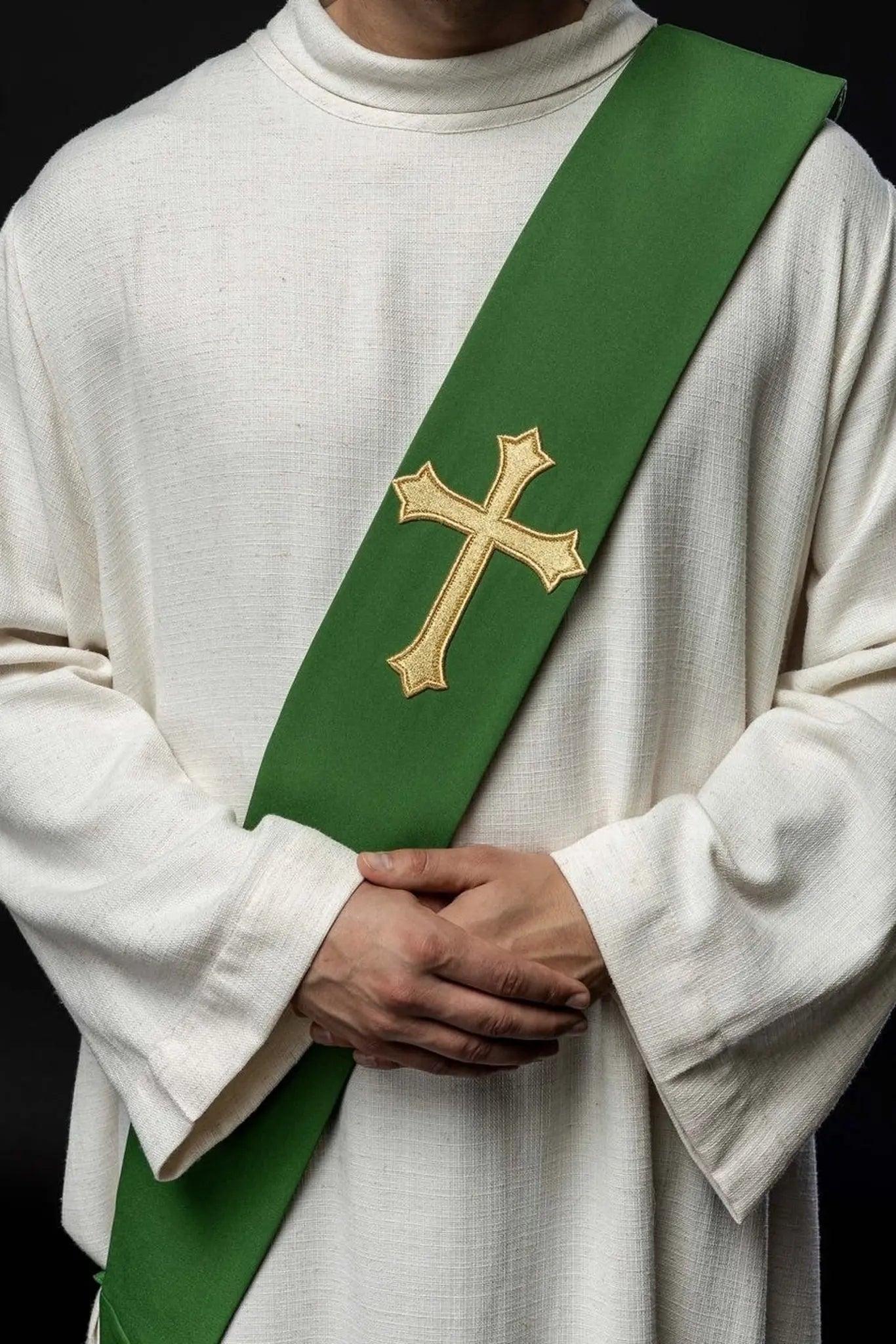
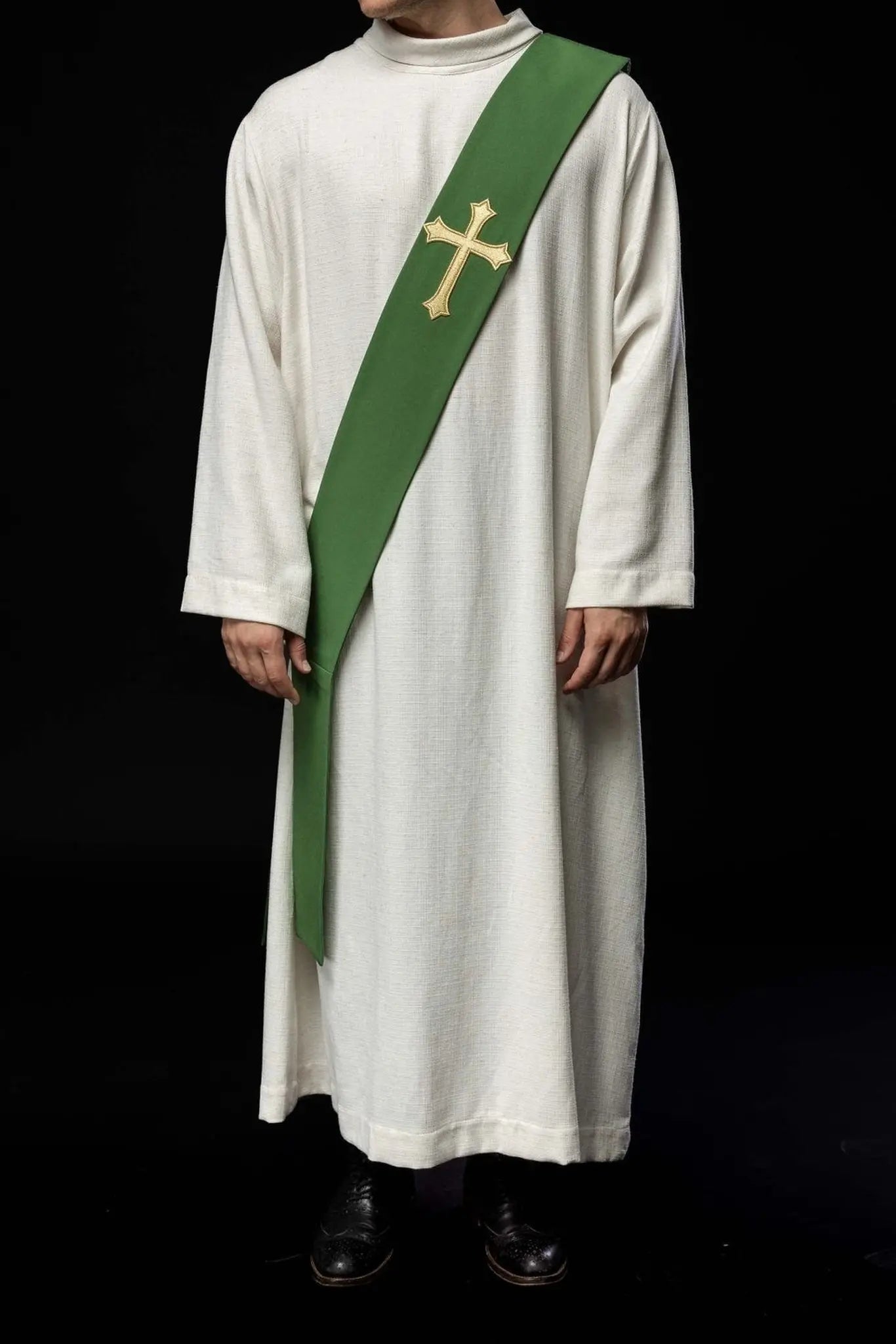
Deacon Stoles for Liturgical Ministry
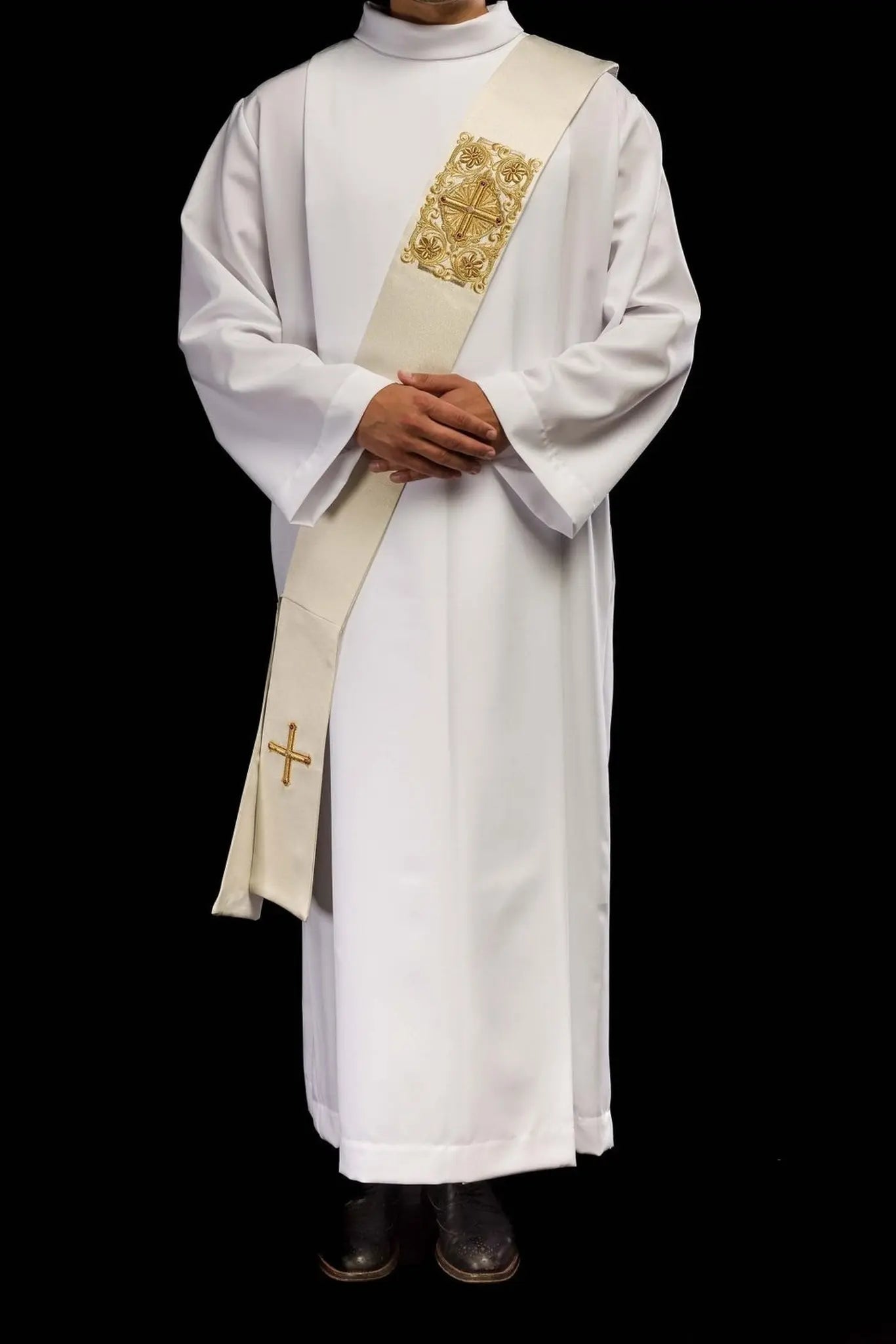
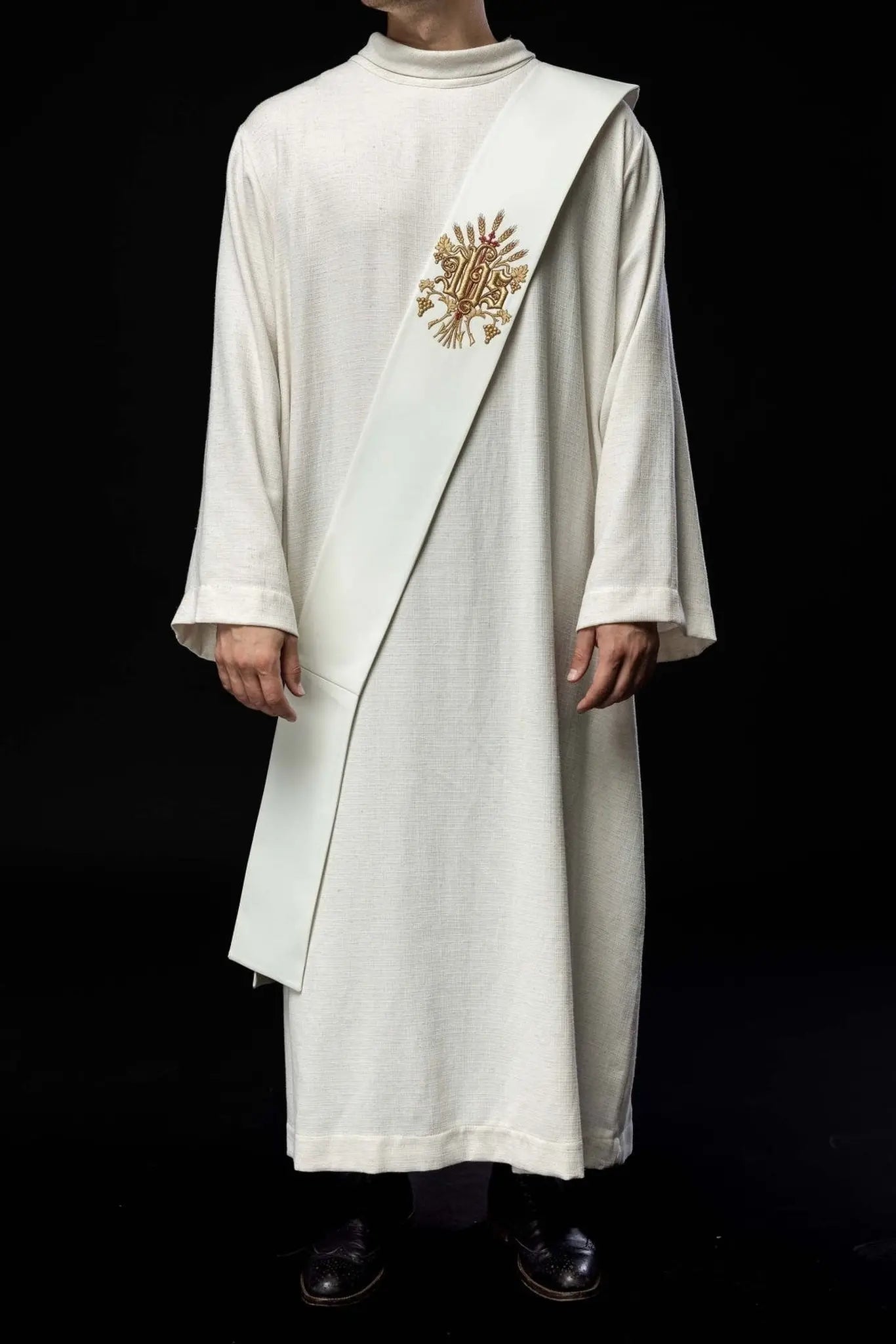
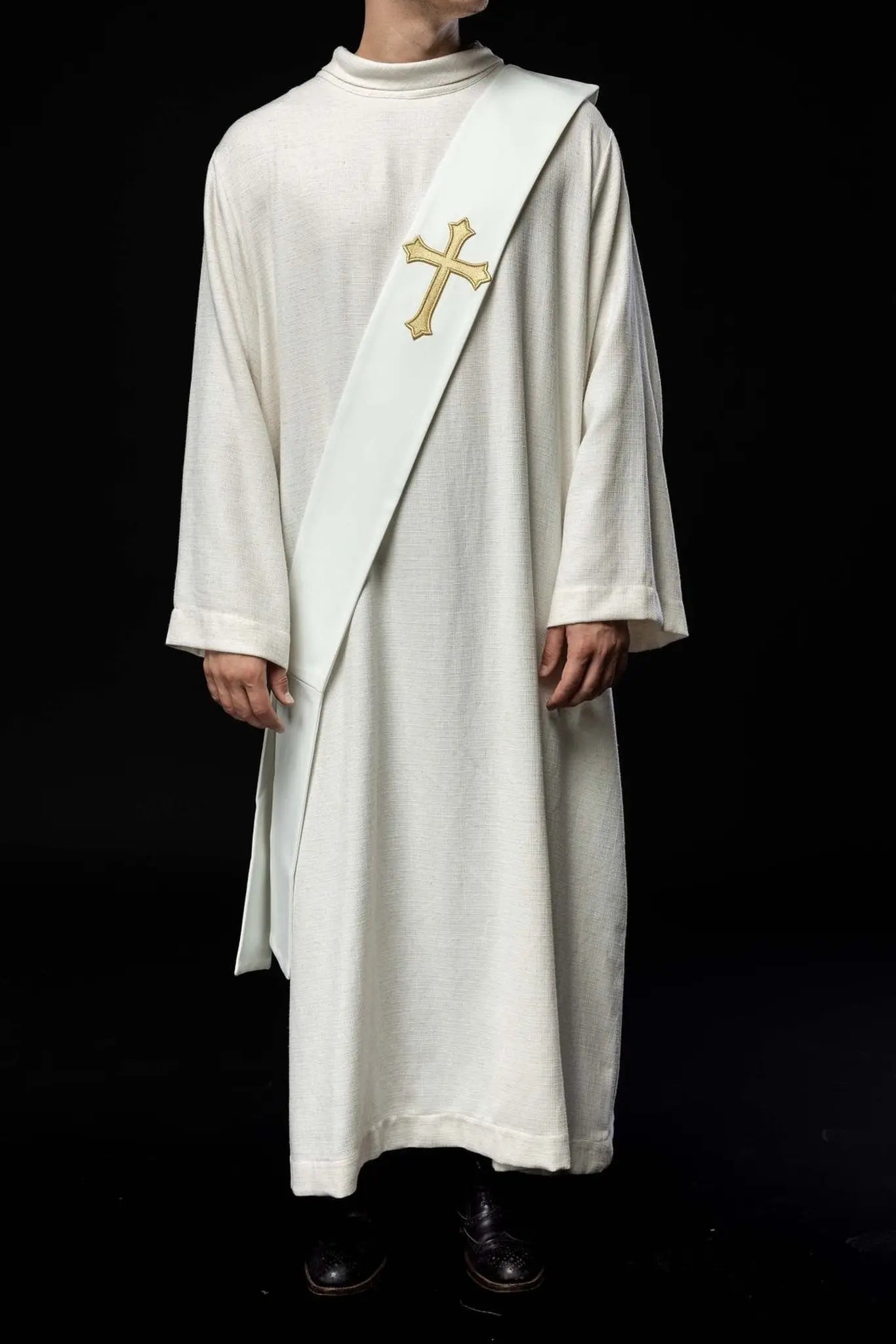
Deacon stoles are distinctive liturgical vestments worn by ordained deacons during the celebration of the Mass, the Liturgy of the Word, baptisms, weddings, funerals, blessings, Eucharistic adoration, and other services entrusted to the diaconal ministry. This collection gathers stoles designed for the deacon’s proper manner of wearing the vestment: diagonally from the left shoulder across the chest and fastened or falling toward the right side. The shape immediately distinguishes the deacon’s office from the priestly stole worn around the neck, while still expressing participation in the Church’s ordained ministry.
Within the wider range of liturgical vestments, the deacon stole has a practical and symbolic role. It should be dignified enough for solemn celebrations, comfortable enough for active service at the altar, and clear in its liturgical identity. Deacons proclaim the Gospel, assist at the altar, prepare the chalice, distribute Holy Communion when appointed, lead certain rites, and serve the people of God through word, charity, and sacrament. A well-chosen stole supports that ministry without drawing attention away from the rite itself.
What belongs in this collection
This collection is dedicated to deacon stoles rather than priest stoles or generic clergy accessories. The pieces in this category are selected for diagonal wear and for use by deacons in Catholic and other liturgical Christian settings where the deacon stole is part of the proper vesture. They may be chosen for parish use, diocesan celebrations, ordination gifts, permanent deacons, transitional deacons, seminary communities, retreat houses, chapels, and churches that need a complete set of vestments for the liturgical year.
For broader stole options, including priest-style stoles and other clergy designs, visit the related clergy stoles collection. For the deacon’s outer vestment worn over the alb and stole on more solemn occasions, see the deacon dalmatic collection. When a parish is building a coordinated sacristy set, deacon stoles are often selected together with dalmatics, priest stoles, chasubles, albs, pulpit covers, and altar linens so that the color and ornamentation remain consistent throughout the celebration.
Liturgical use and symbolism
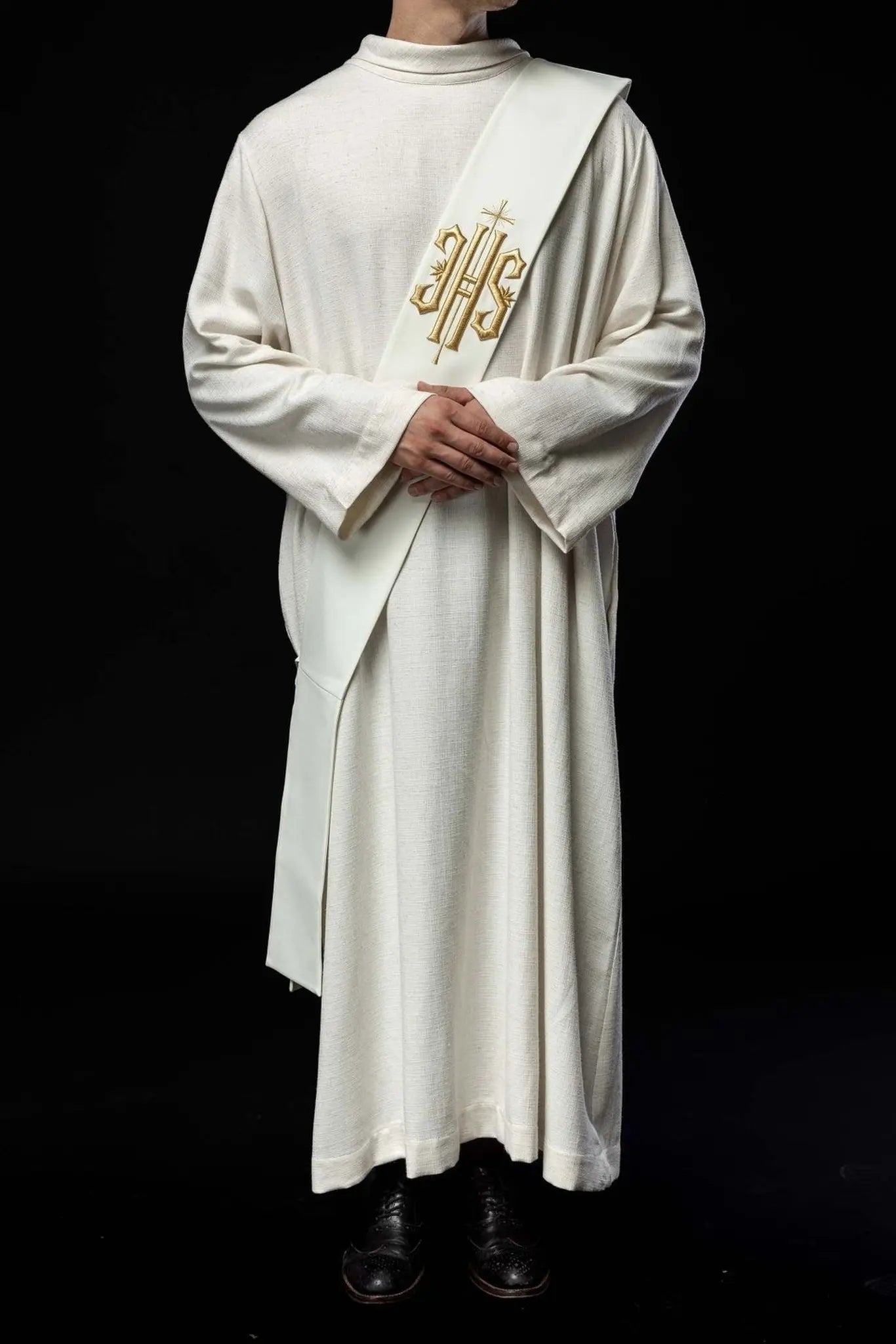
The stole is one of the most recognizable signs of ordained ministry. For a deacon, its diagonal form has a long tradition and visually communicates service. It recalls the deacon’s ministry at the altar and among the faithful: service to the Word, service to charity, and assistance in the sacred liturgy. The stole is normally worn over an alb, and for more solemn celebrations it may be worn under a dalmatic. Its placement across the body should be secure, balanced, and comfortable so the deacon can move freely while proclaiming, preparing the altar, incensing, assisting the celebrant, or distributing Communion.
The diagonal stole should not be confused with a priest stole. Priests and bishops wear the stole around the neck with the ends hanging down in front, while deacons wear it from the left shoulder to the right side. This distinction matters for proper liturgical vesture and for the clarity of the rite. Choosing a true deacon stole helps avoid an improvised appearance and gives the minister a vestment shaped for his actual role.
Choosing the right deacon stole
When selecting a deacon stole, begin with the liturgical color required for the celebrations in which it will be used. Parishes often need a full color set for the year, while an individual deacon may first choose the colors most often used in his ministry. Green is used during Ordinary Time and is therefore one of the most frequently needed colors. White, ivory, ecru, or gold tones are used for solemnities, feasts of the Lord, Christmas, Easter, many Marian celebrations, weddings, and other joyful occasions. Red is used for Pentecost, Palm Sunday, Good Friday, celebrations of the Passion, martyrs, and the Holy Spirit. Violet or purple is used during Advent, Lent, penance, and many funeral contexts according to local practice. Rose is reserved for Gaudete Sunday in Advent and Laetare Sunday in Lent where this color is used.
For color-specific browsing, you can compare green clergy stoles, red clergy stoles, purple clergy stoles, and rose stoles. These adjacent collections are useful when a church wants the deacon stole to coordinate with other stoles of the same color or when a buyer is confirming the correct shade for a specific season. In this deacon-focused collection, the priority remains the diagonal cut and suitability for diaconal use.
Fit, fabric, and practical details
A deacon stole should sit neatly on the shoulder, lie well across the chest, and remain stable during movement. Length and width affect both appearance and comfort. A stole that is too short can look cramped over an alb, while one that is too long may interfere with movement at the altar. The fabric should drape cleanly without twisting, and the finish should be appropriate to the setting in which the stole will be worn. Lightweight fabrics can be practical for long services, warm churches, travel, and frequent pastoral use. Richer textiles and more ornate embroidery may be preferred for solemn Masses, diocesan events, feast days, and celebrations where a fuller ceremonial appearance is expected.
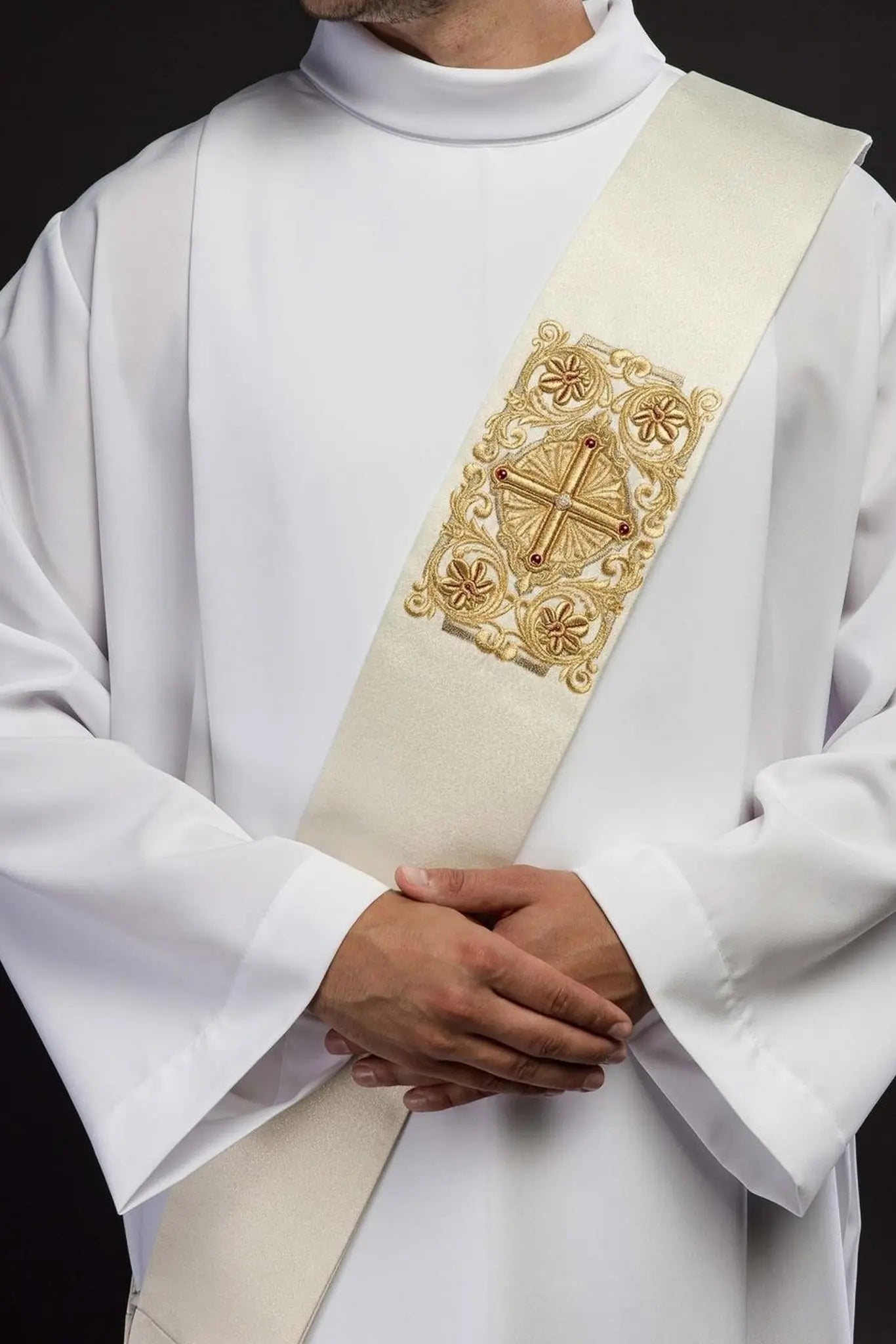
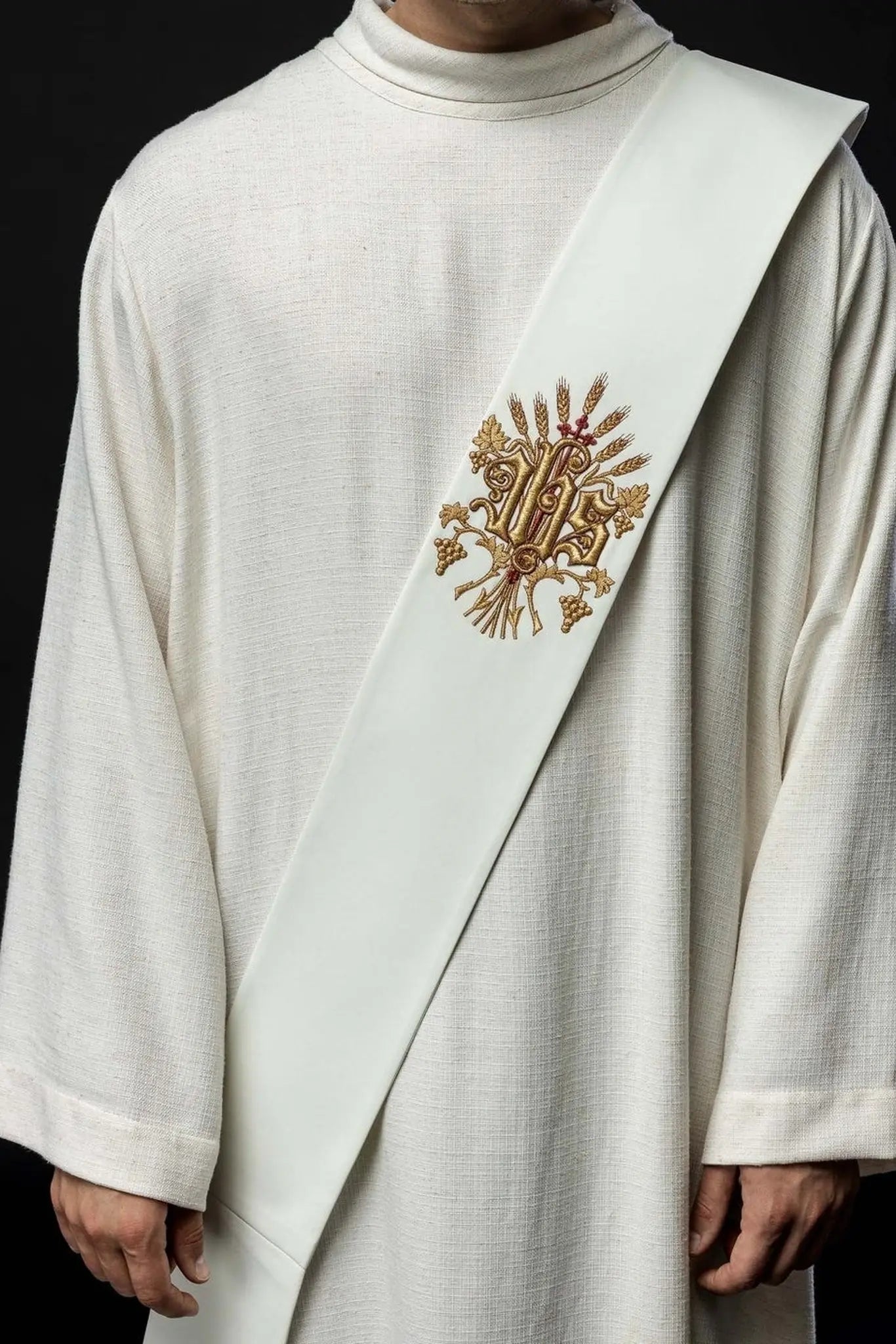
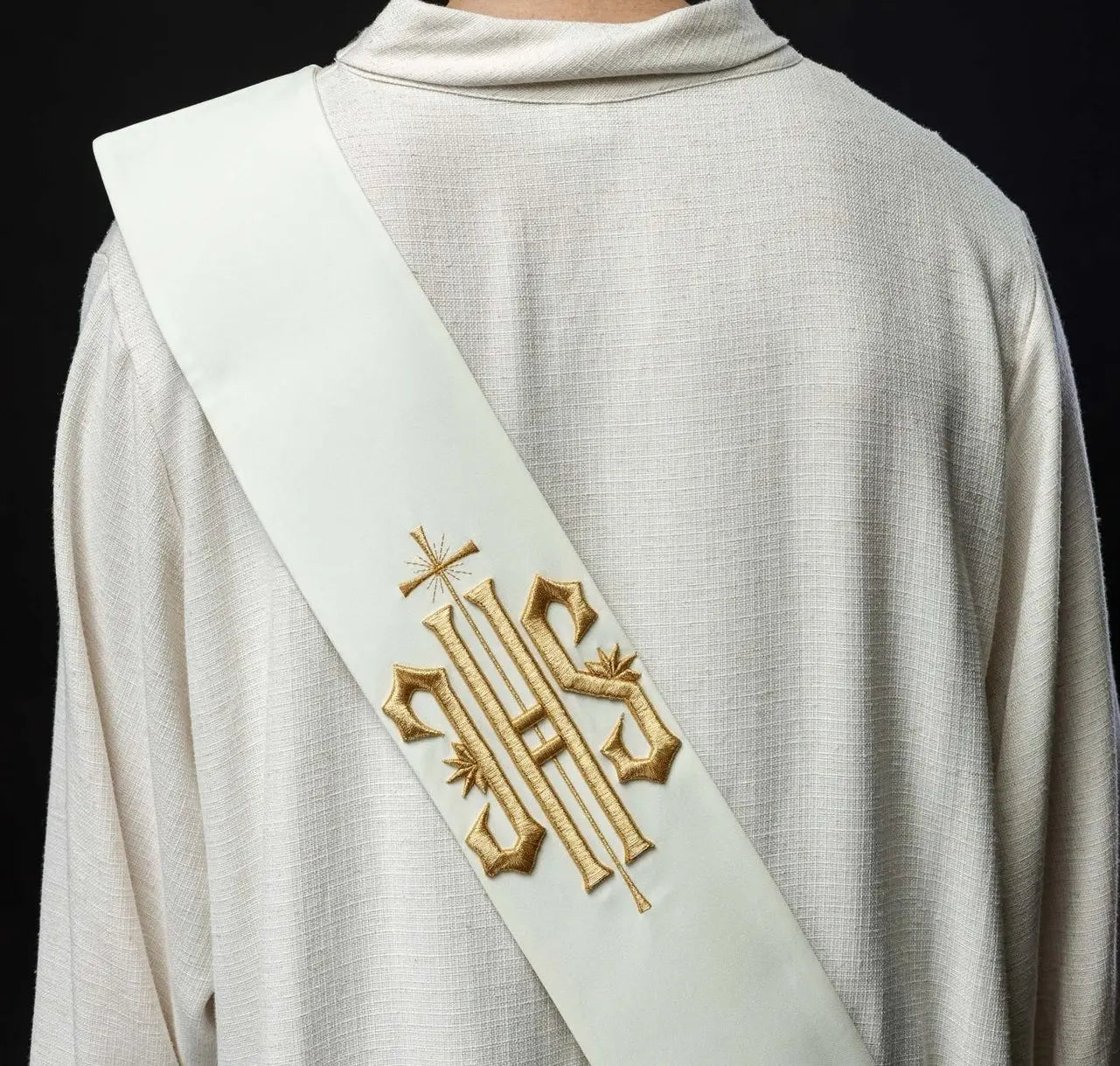
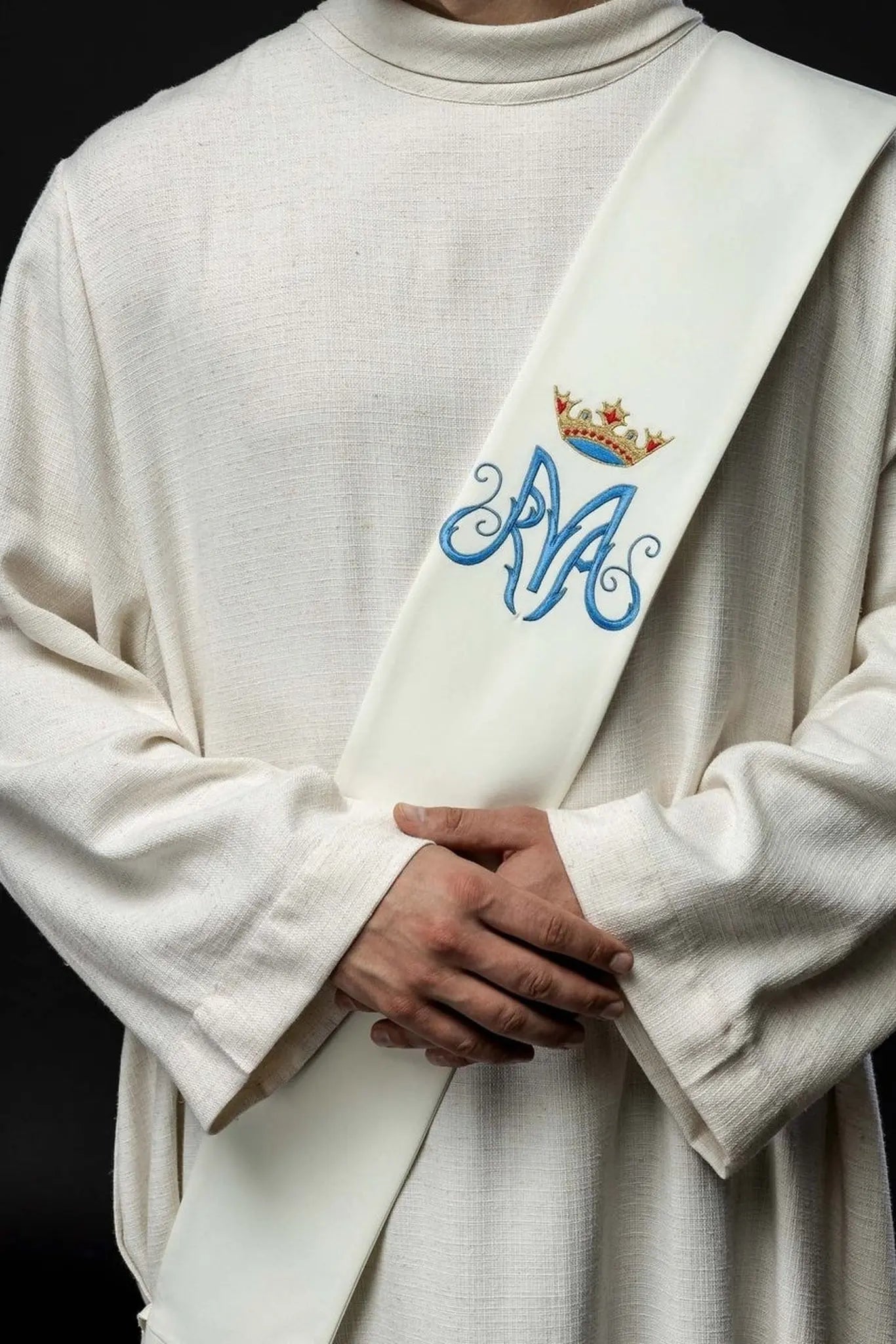
Embroidery and ornamentation should support the meaning of the liturgy. Crosses, Eucharistic symbols, Marian motifs, IHS monograms, vine and wheat patterns, and other sacred imagery can be appropriate depending on the occasion and parish style. Simpler designs are often preferred for daily ministry, hospital or chaplaincy work, retreats, and communities that favor restrained vestments. More decorative stoles may coordinate with solemn dalmatics or a parish’s festive vestment set. The best choice is not always the most ornate one; it is the one that fits the rite, the church environment, and the deacon’s ministry.
How deacon stoles relate to other vestments
The deacon stole is usually worn over an alb, so the alb should provide a clean foundation for the vestment. If a deacon needs a complete set for service at Mass, the albs collection is a natural companion to this category. The alb’s fit, sleeve length, and fabric weight can influence how the stole rests on the shoulder and across the chest. A smooth, properly sized alb helps the stole hang evenly and reduces the need for adjustment during the liturgy.
For solemn celebrations, the deacon may wear a dalmatic over the alb and stole. In that case, the stole still retains its liturgical meaning even when it is partly covered by the dalmatic. Many churches choose matching or harmonized colors for the priest’s chasuble, deacon’s dalmatic, and deacon stole. The stole can also coordinate with other clergy stoles used by priests or concelebrants, especially in diocesan liturgies, parish feasts, and major seasons of the Church year.
For parishes, deacons, and ordination gifts
Deacon stoles are often purchased for several different needs. A parish may need durable stoles in the core liturgical colors for regular Sunday and weekday ministry. A newly ordained deacon may need his first set for parish assignment, preaching, baptisms, weddings, funerals, and pastoral service. Families, parish groups, or formation communities may choose a stole as a meaningful ordination gift, especially when the design reflects the deacon’s spirituality or future ministry. A chapel, religious house, or retreat center may need a practical selection that can serve different deacons over time.
When buying for a specific deacon, consider the intended use. A stole for frequent parish ministry should be comfortable, versatile, and easy to coordinate. A stole for ordination, feast days, or anniversaries may have more decorative embroidery or a more ceremonial fabric. A set for a sacristy should be clear in color, easy to identify, and consistent with the rest of the vestment collection. Deacon stoles that are used often should also be stored carefully so the diagonal form remains smooth and the embroidery is protected.
Care and storage
Liturgical stoles deserve careful handling because embroidery, decorative trims, and fine fabrics can be damaged by harsh cleaning or poor storage. Ornate and heavily embroidered deacon stoles are usually best cleaned professionally, especially when metallic threads, appliques, or delicate fabrics are present. Simpler stoles may have different care requirements depending on their materials, so the safest approach is to follow the care guidance supplied with the vestment. Avoid folding embroidered areas sharply, and keep the stole away from direct sunlight and damp storage conditions.
For sacristy organization, store deacon stoles by color and season whenever possible. This makes preparation for the liturgy easier and helps prevent accidental use of the wrong color. A parish that owns several clergy stoles should also keep deacon stoles clearly separate from priest stoles, because the two forms are not interchangeable. Good storage habits protect the investment and help the vestment remain dignified through years of ministry.
Frequently Asked Questions (FAQ)
How is a deacon stole different from a priest stole?
A deacon stole is made to be worn diagonally from the left shoulder toward the right side. A priest stole is worn around the neck with both ends falling in front. This difference is not only visual; it identifies the minister’s order and helps the congregation recognize the deacon’s role in the liturgy.
Which liturgical colors should a deacon have first?
For regular parish use, green, white or ecru, red, and violet are the most practical starting colors because they cover Ordinary Time, major feasts, the Holy Spirit and martyrs, Advent, Lent, and penitential celebrations. Rose can be added for Gaudete and Laetare where the parish uses that color.
Can a deacon stole be worn with a dalmatic?
Yes. The deacon wears the stole with an alb, and on more solemn occasions a dalmatic may be worn over it. Even when the dalmatic covers much of the stole, the stole remains part of the deacon’s proper vesture and should be suitable for diagonal wear.
Should the deacon stole match the priest’s chasuble?
It is not always required, but coordinated colors and compatible embroidery create a unified appearance at the altar. For solemn liturgies, parish feasts, and diocesan celebrations, matching or harmonized vestments help the different ministries appear ordered and intentional.
Is a deacon stole a suitable ordination gift?
Yes. A deacon stole can be a thoughtful ordination gift because it is directly connected with the new deacon’s ministry of service, proclamation, and liturgical assistance. For a gift, choose a color and design that the deacon will be able to use often, or select a more solemn design for important celebrations.