
Sort by
9 products
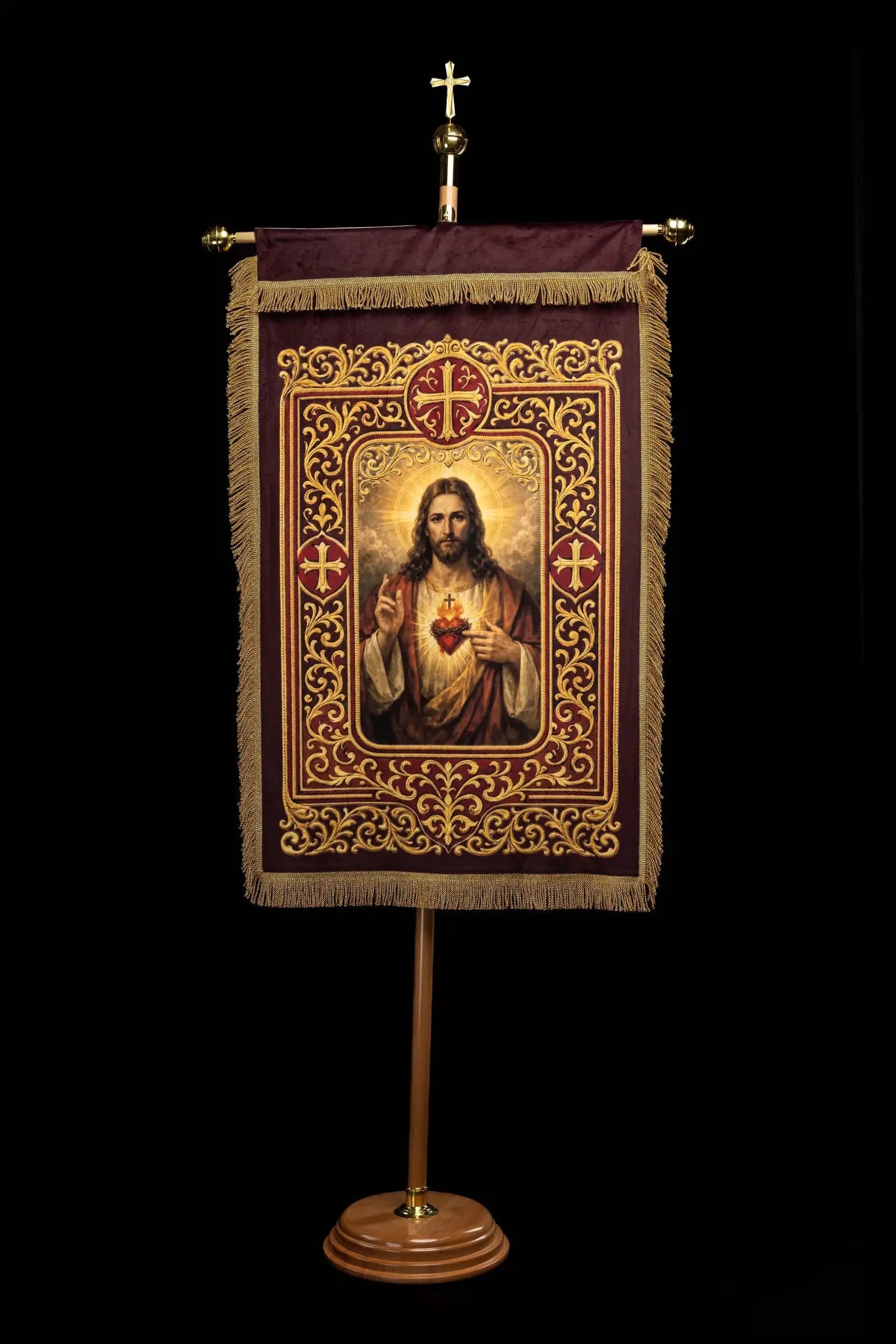
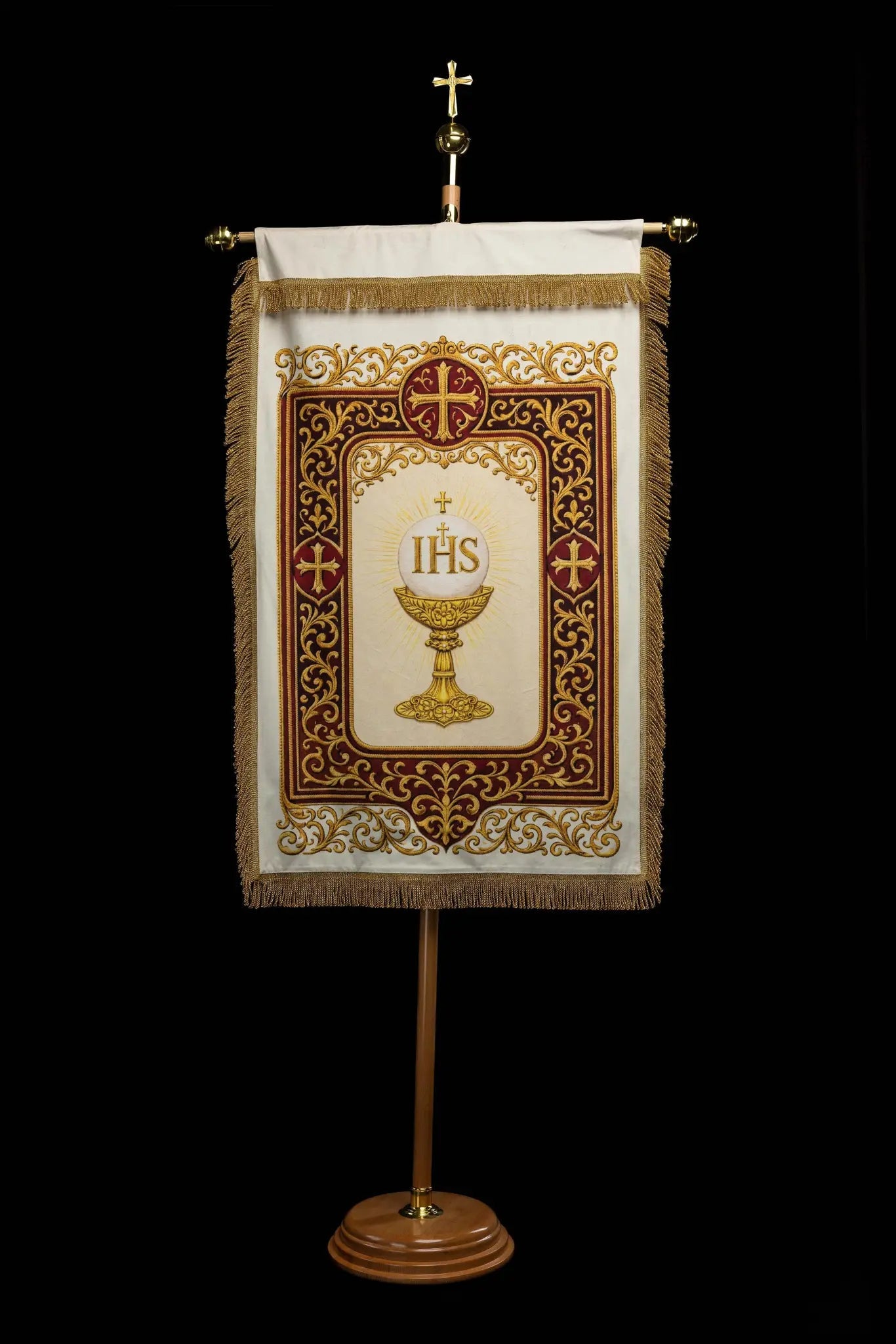
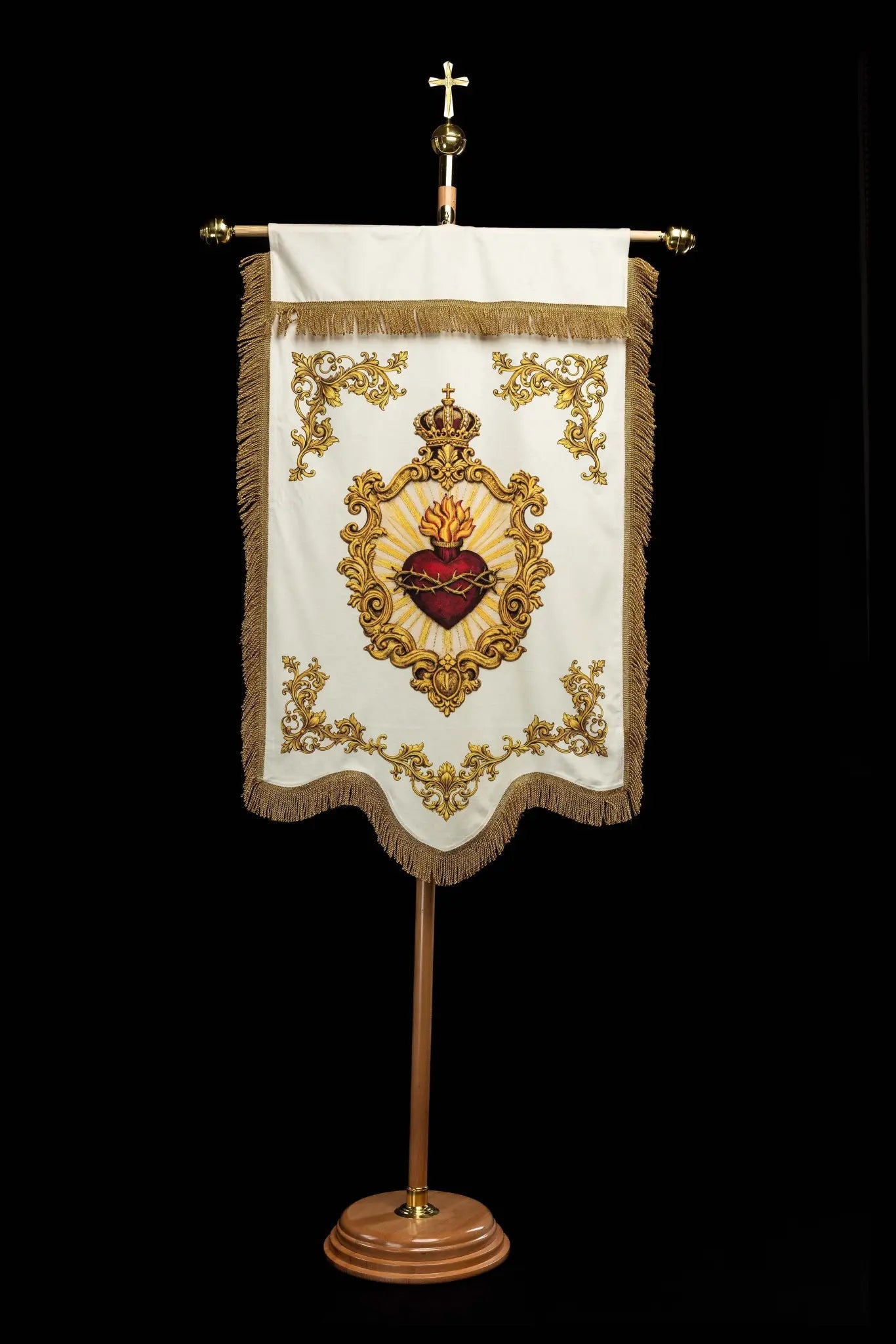
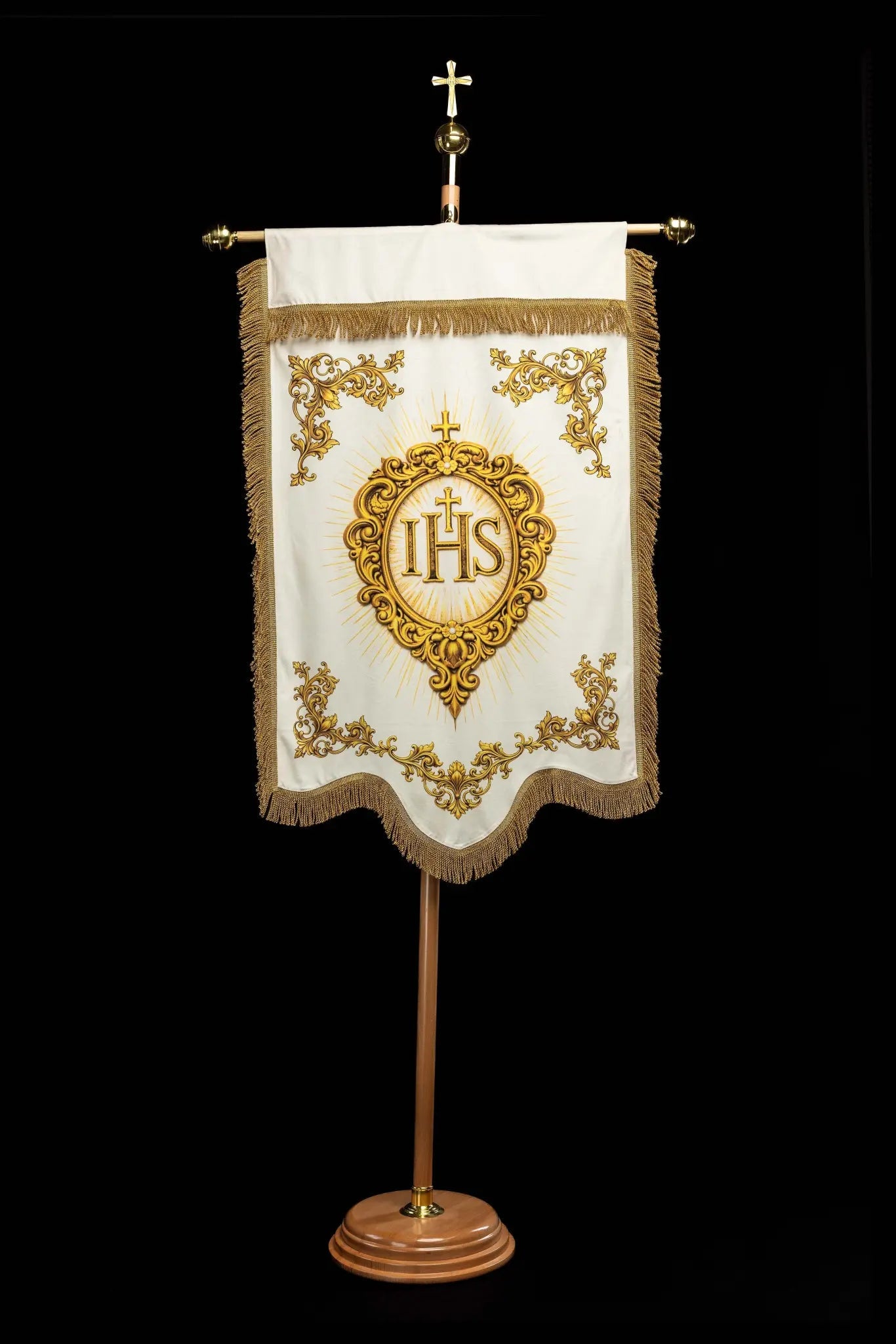
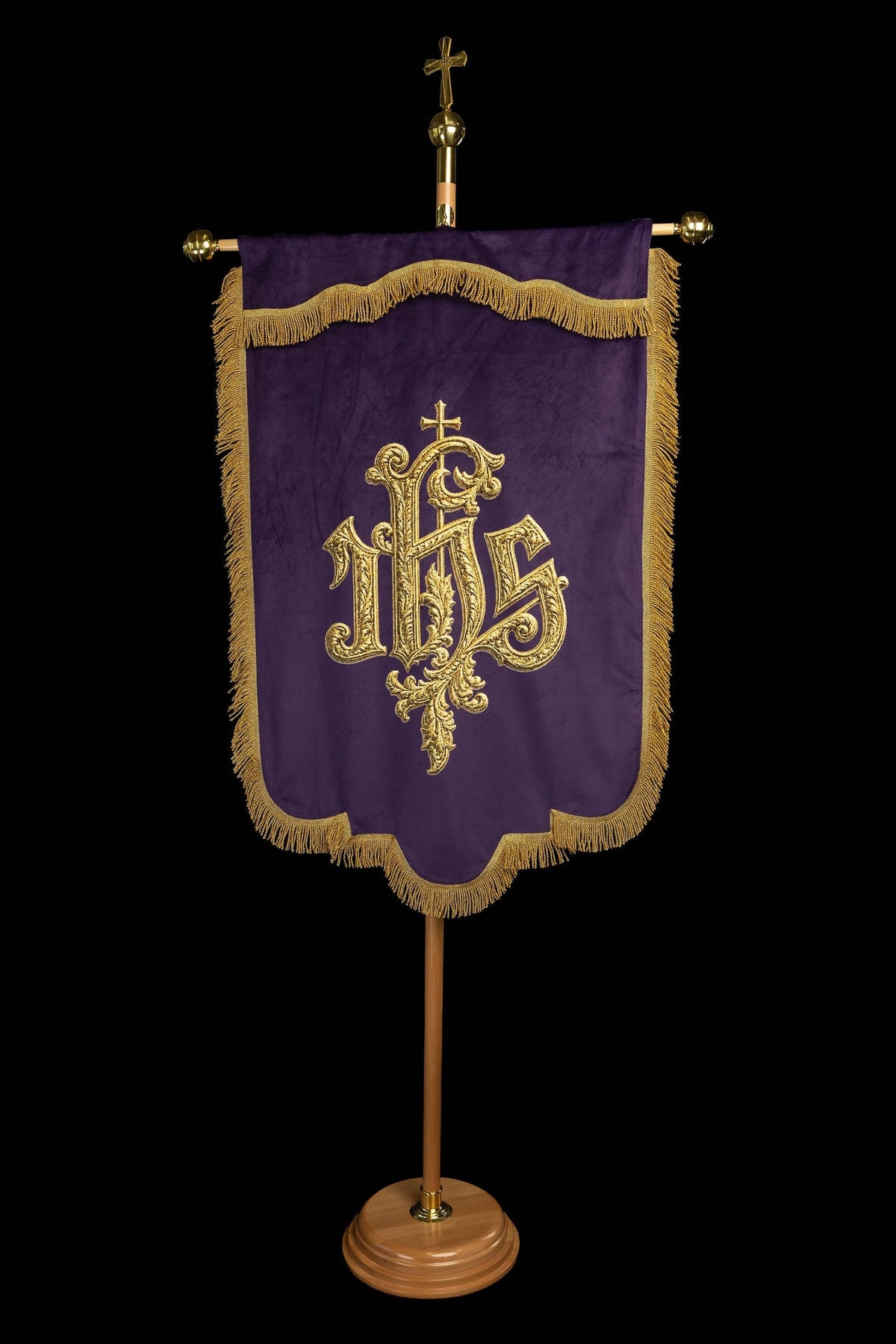
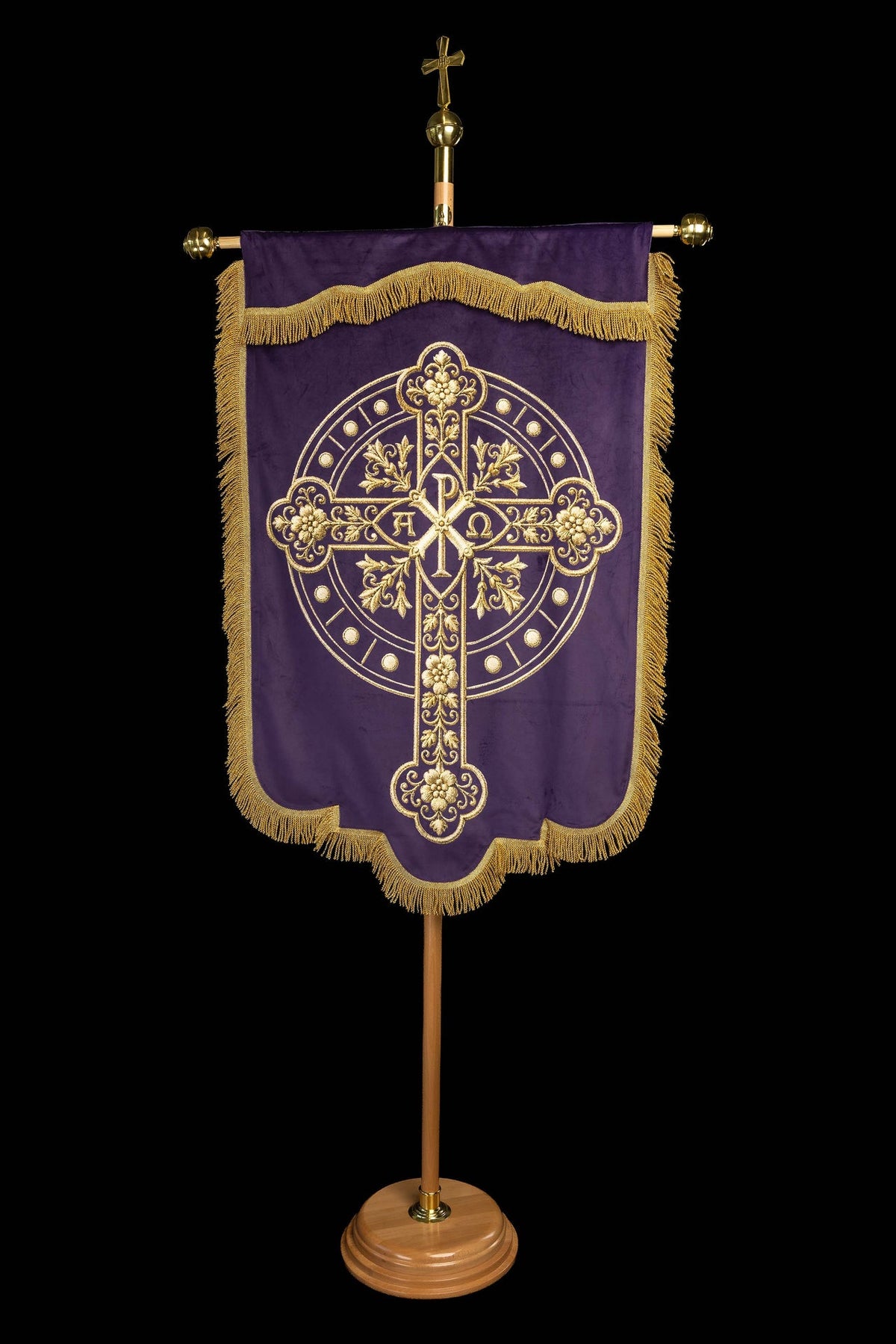
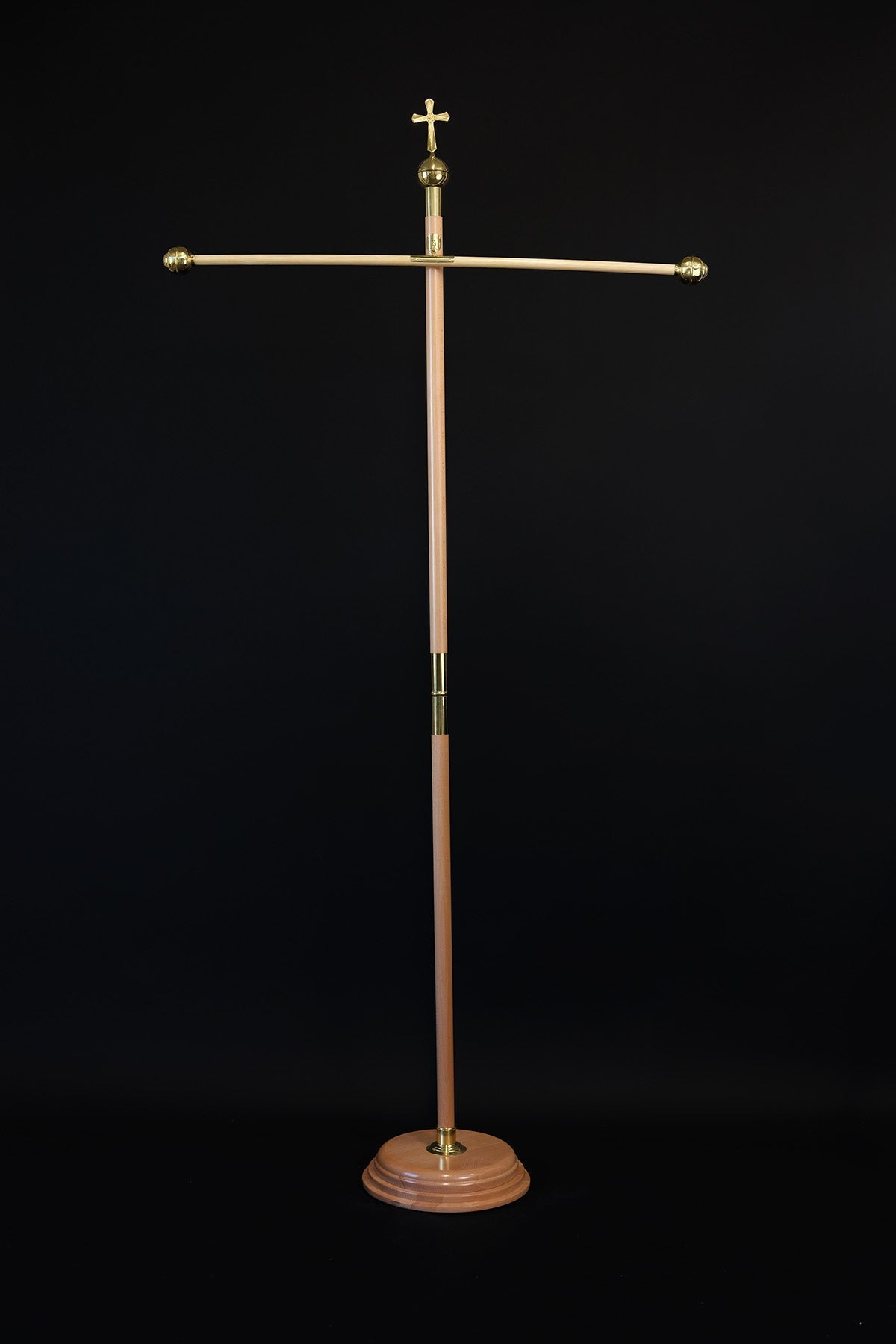
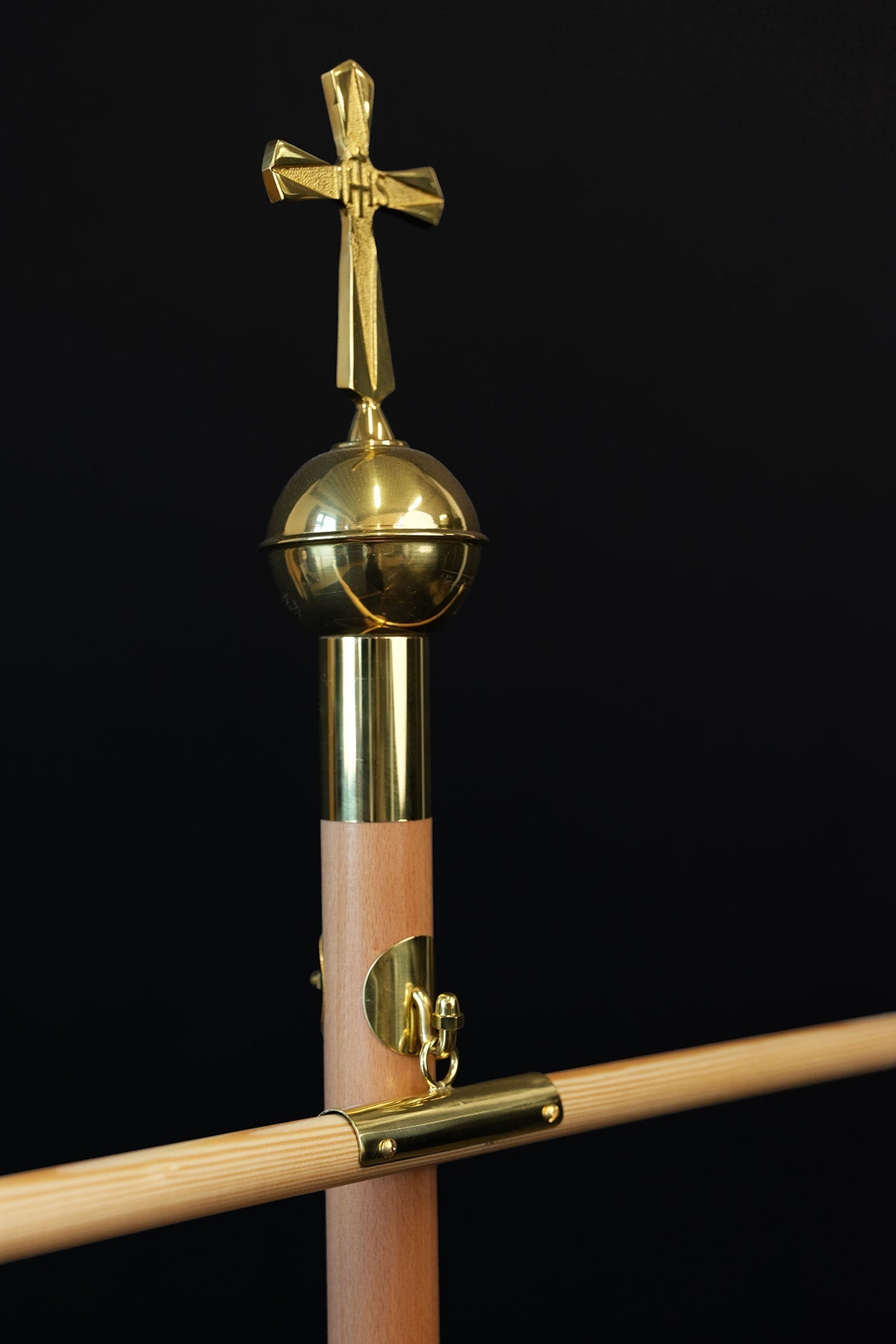
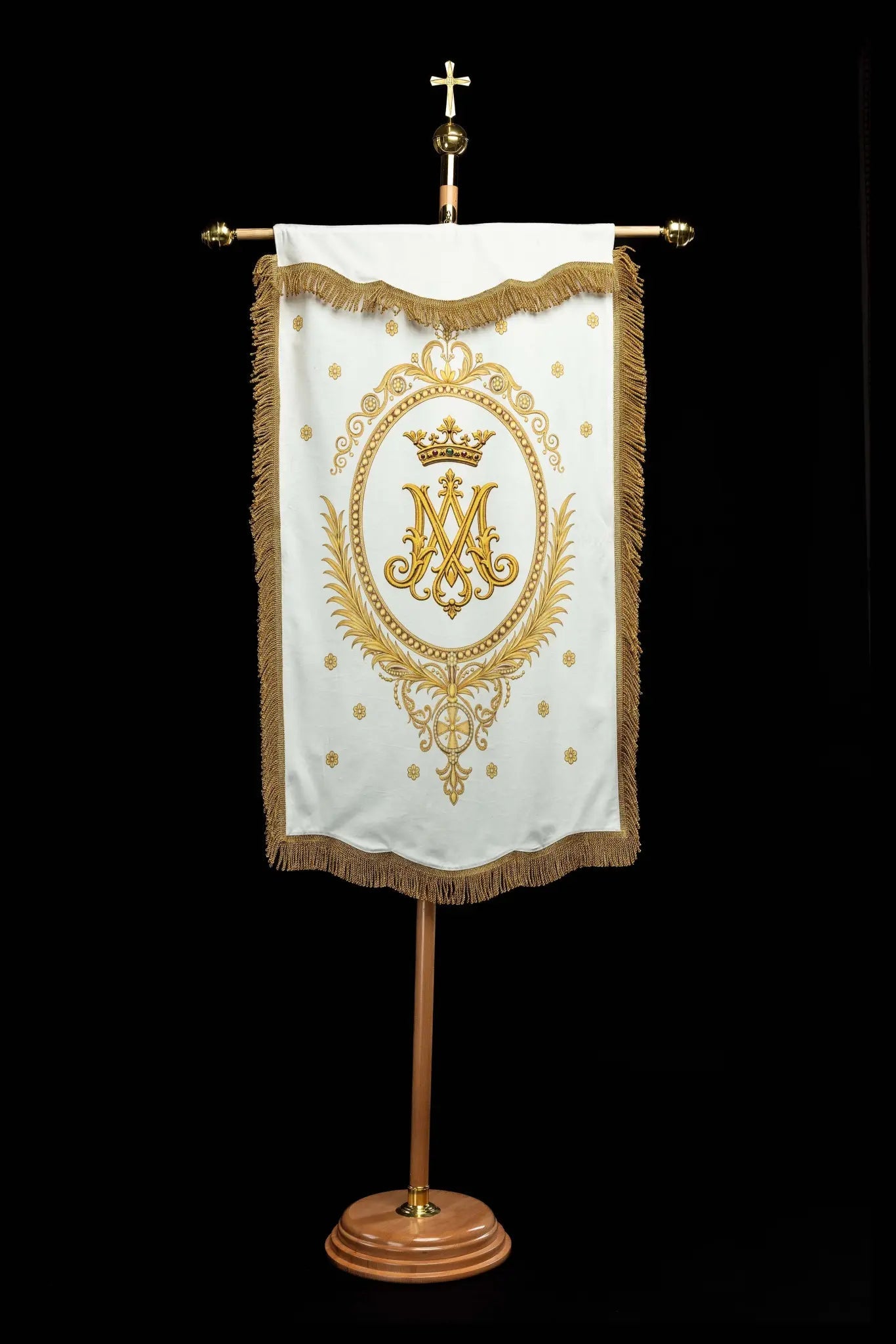
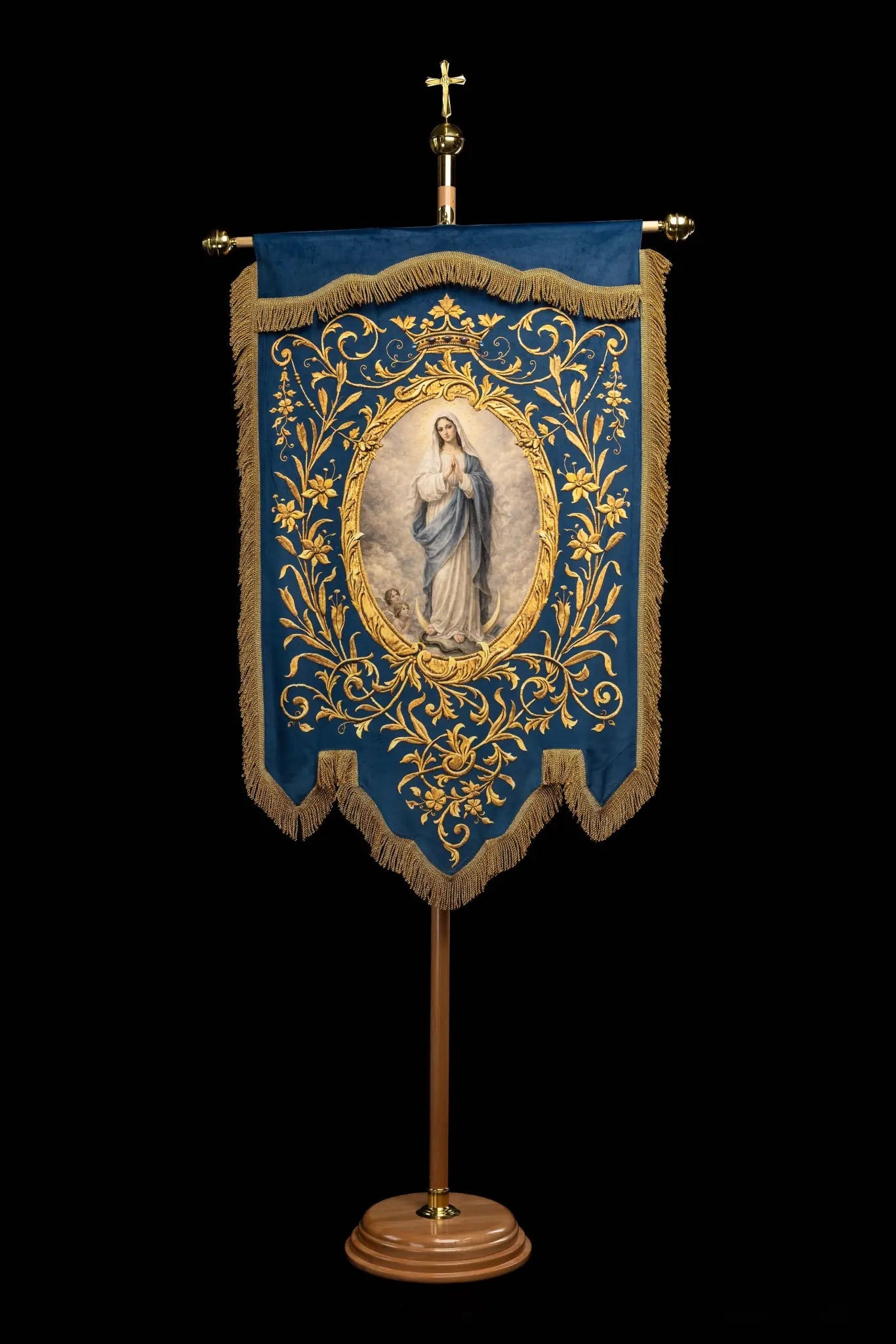
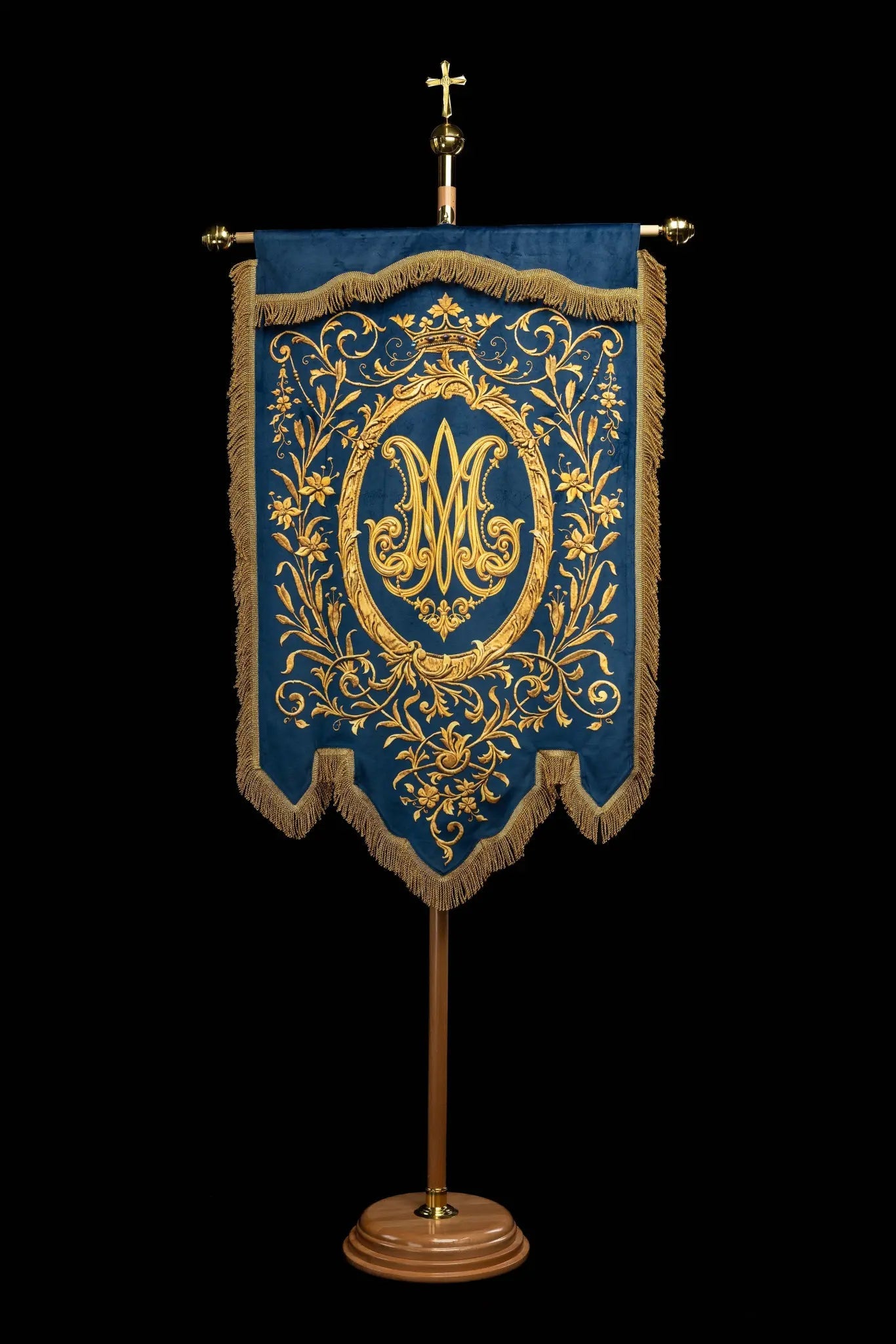
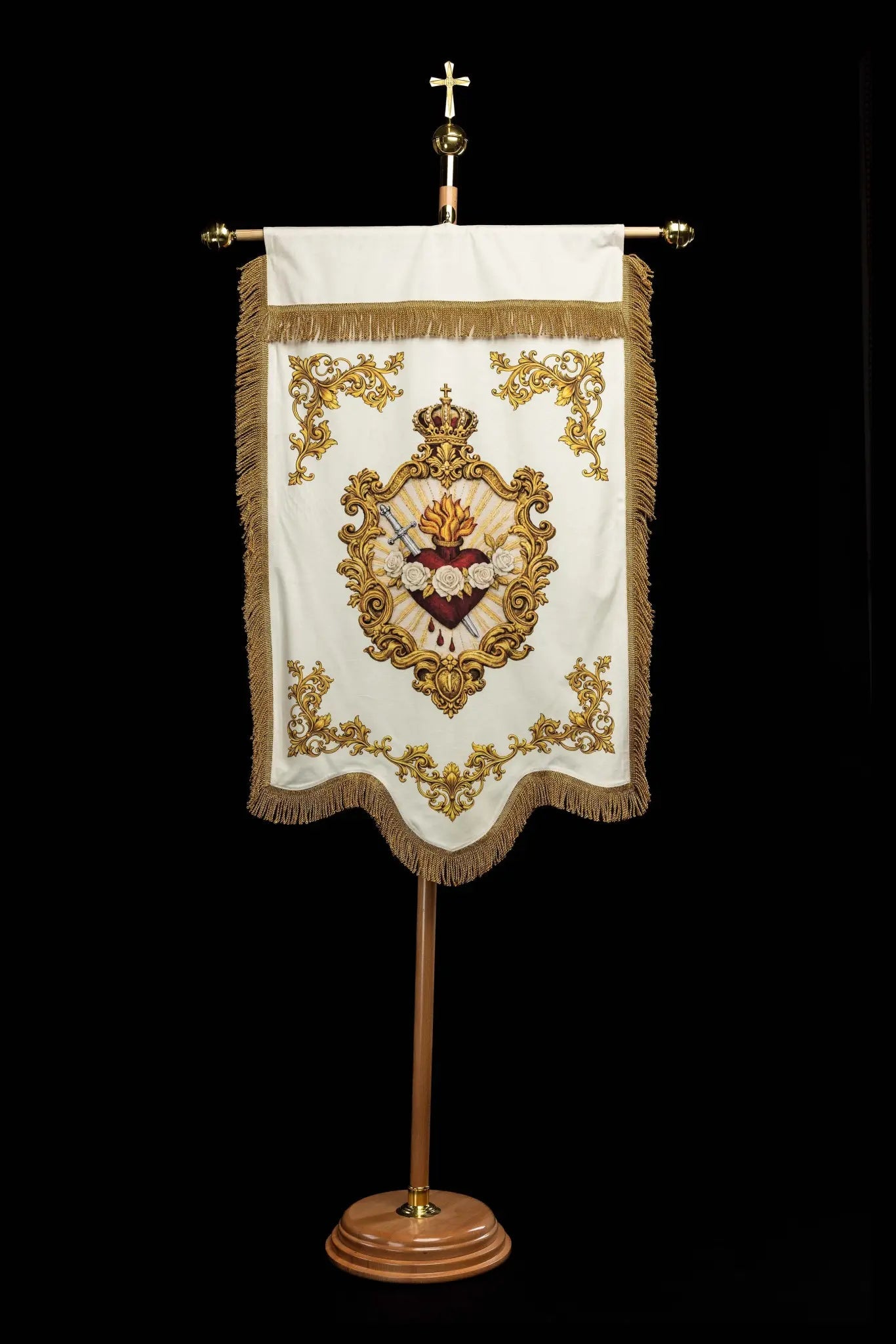
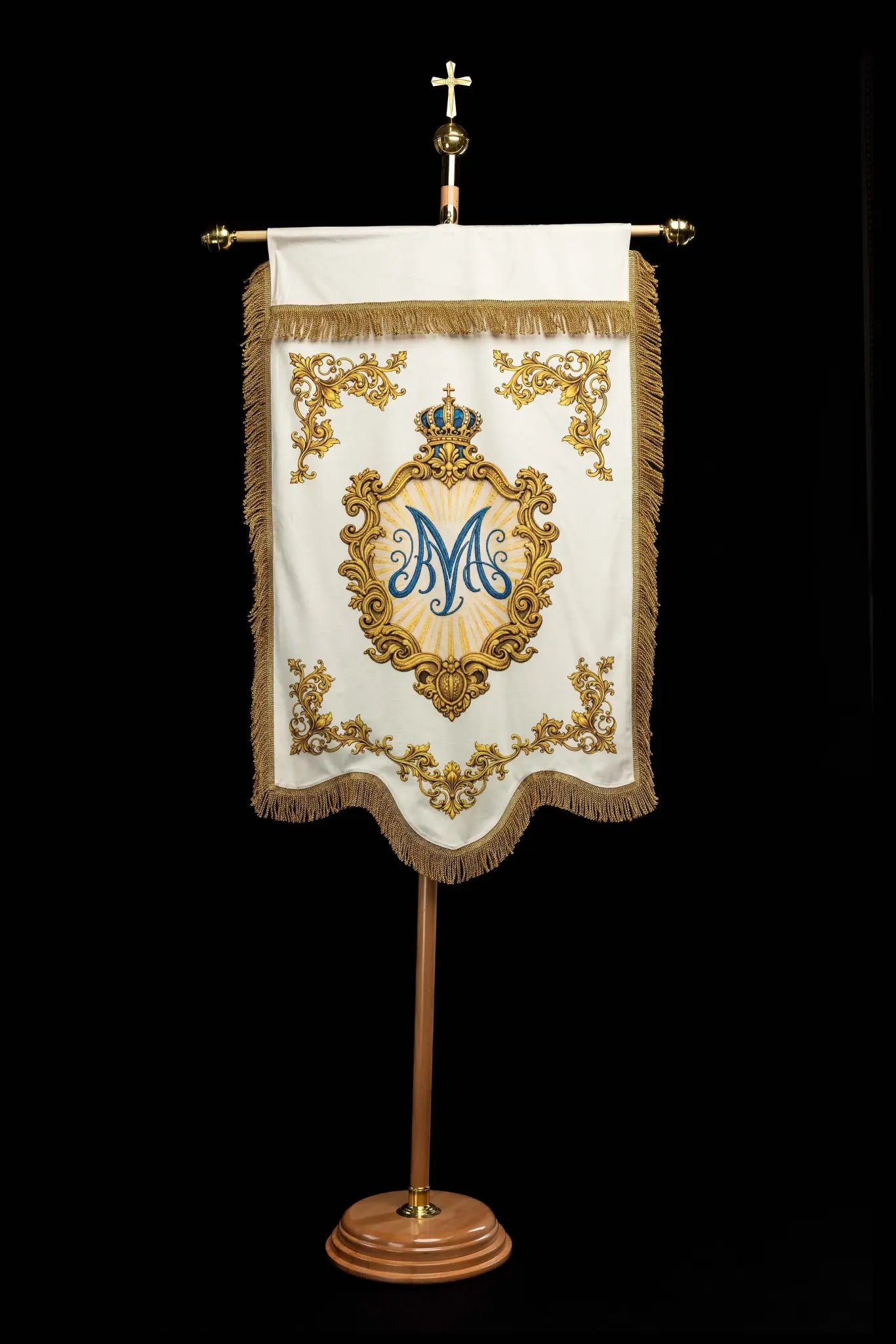
Processional Banners
Processional Banners for Church Processions and Liturgical Celebrations
Processional banners give a visible point of reverence and direction during parish processions, solemn entrances, feast-day celebrations and outdoor devotional services. This collection brings together church banners designed to be carried with dignity before the faithful, including double-sided processional banners with Marian, Eucharistic and Sacred Heart imagery, as well as a wooden processional banner pole with a decorative cross. They are intended for communities that need a clear devotional sign for liturgical movement, parish identity and public acts of worship.
A processional banner is more than a decorative textile. In the life of the Church, it helps gather the attention of the assembly and visually expresses the mystery being celebrated. A banner with the Sacred Heart of Jesus can accompany devotions, parish feasts and June celebrations. Marian banners are well suited to processions honoring the Blessed Virgin Mary, parish patronal feasts, May devotions and solemn Marian observances. Designs with IHS, chalice motifs, monograms and sacred emblems connect the movement of the procession with prayer, Eucharistic worship and the tradition of Christian symbolism.
What belongs in this collection
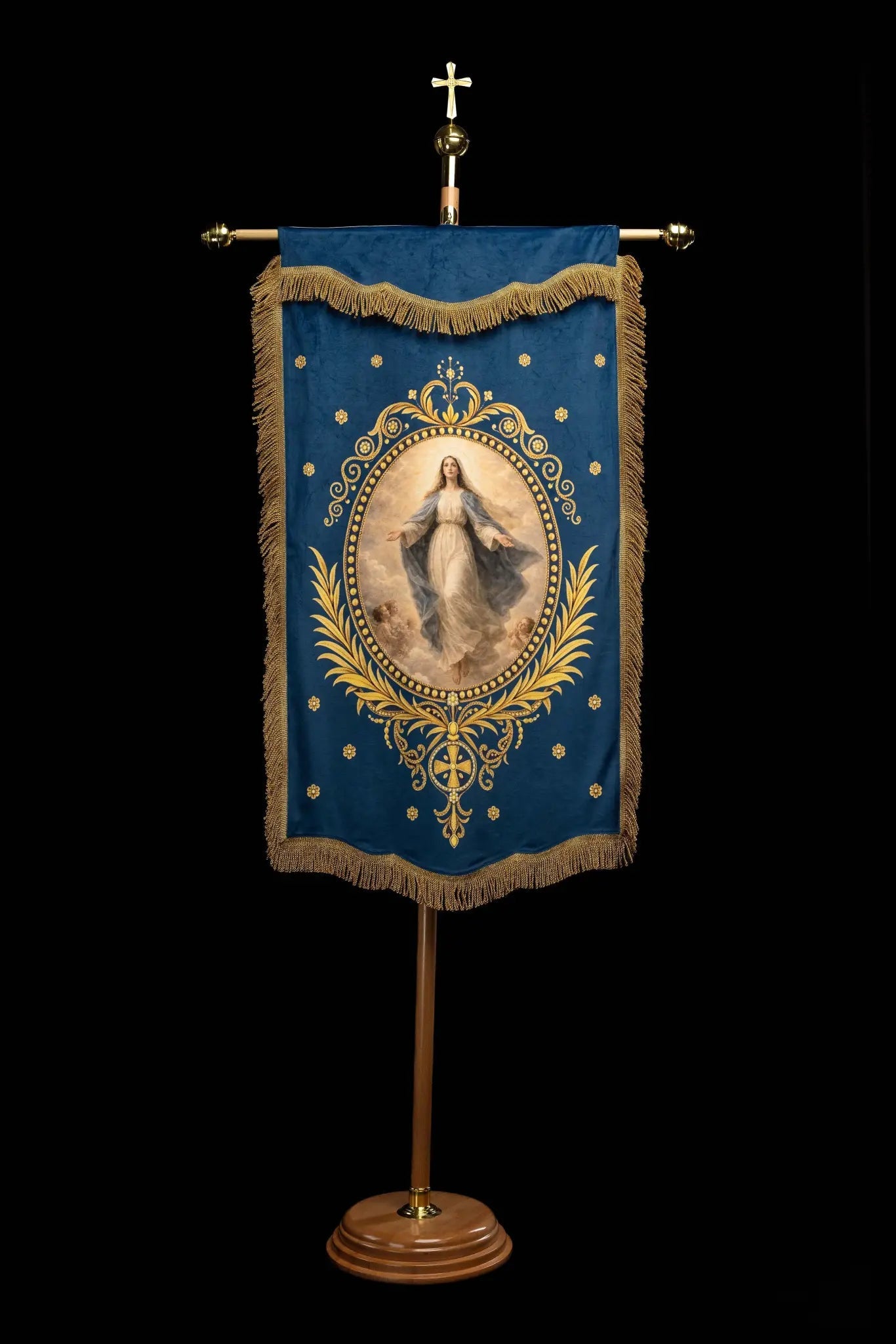
The Processional Banners collection is focused on banners and banner accessories used in church processions. The visible selection includes double-sided printed banners with images such as the Sacred Heart of Jesus, the Immaculate Heart, Our Lady of the Assumption, Our Lady of the Immaculate Conception, Marian monograms and Eucharistic symbols. Because several banners are double-sided, they remain visually meaningful from both directions during movement through the church, around the parish grounds or in a public procession.
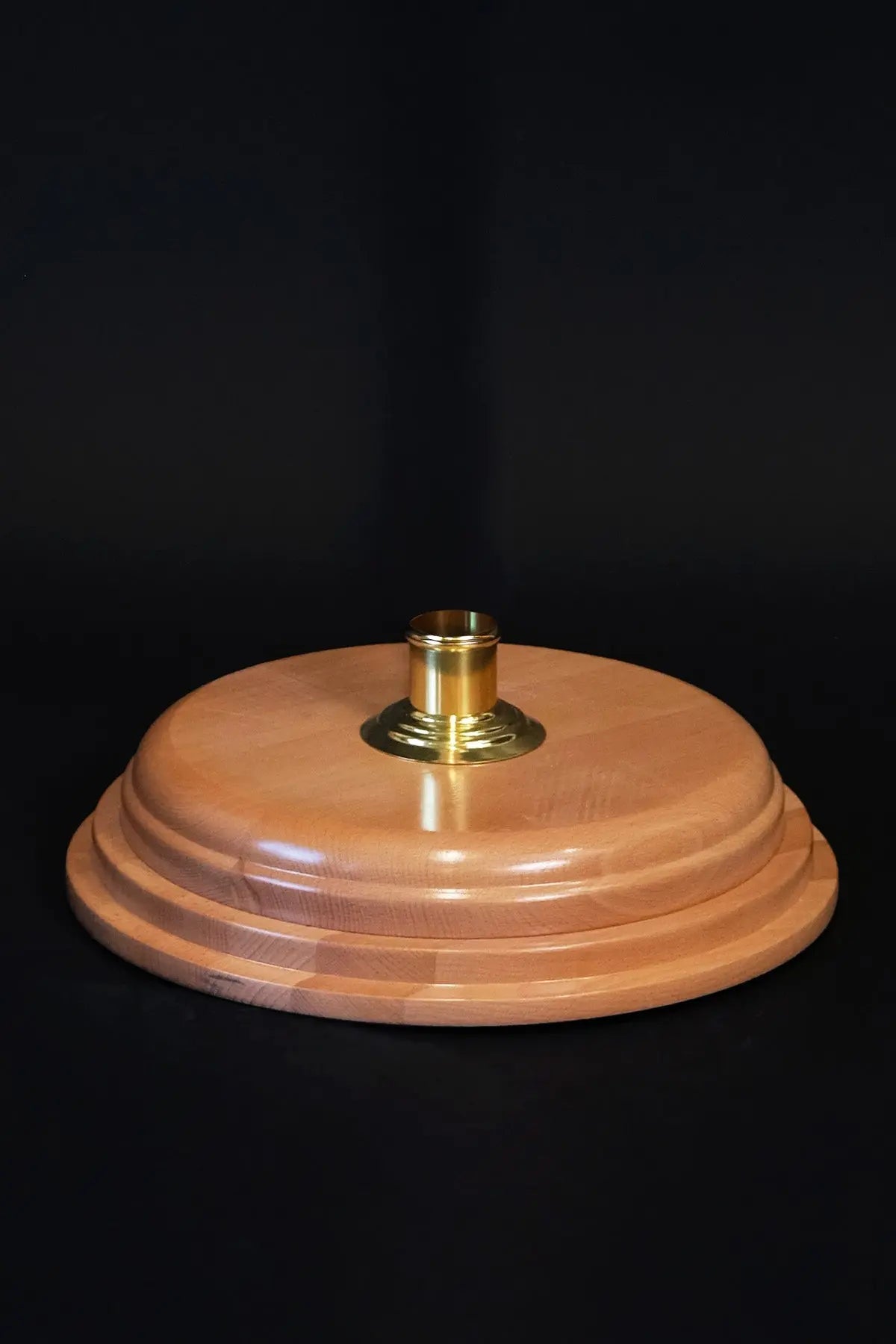
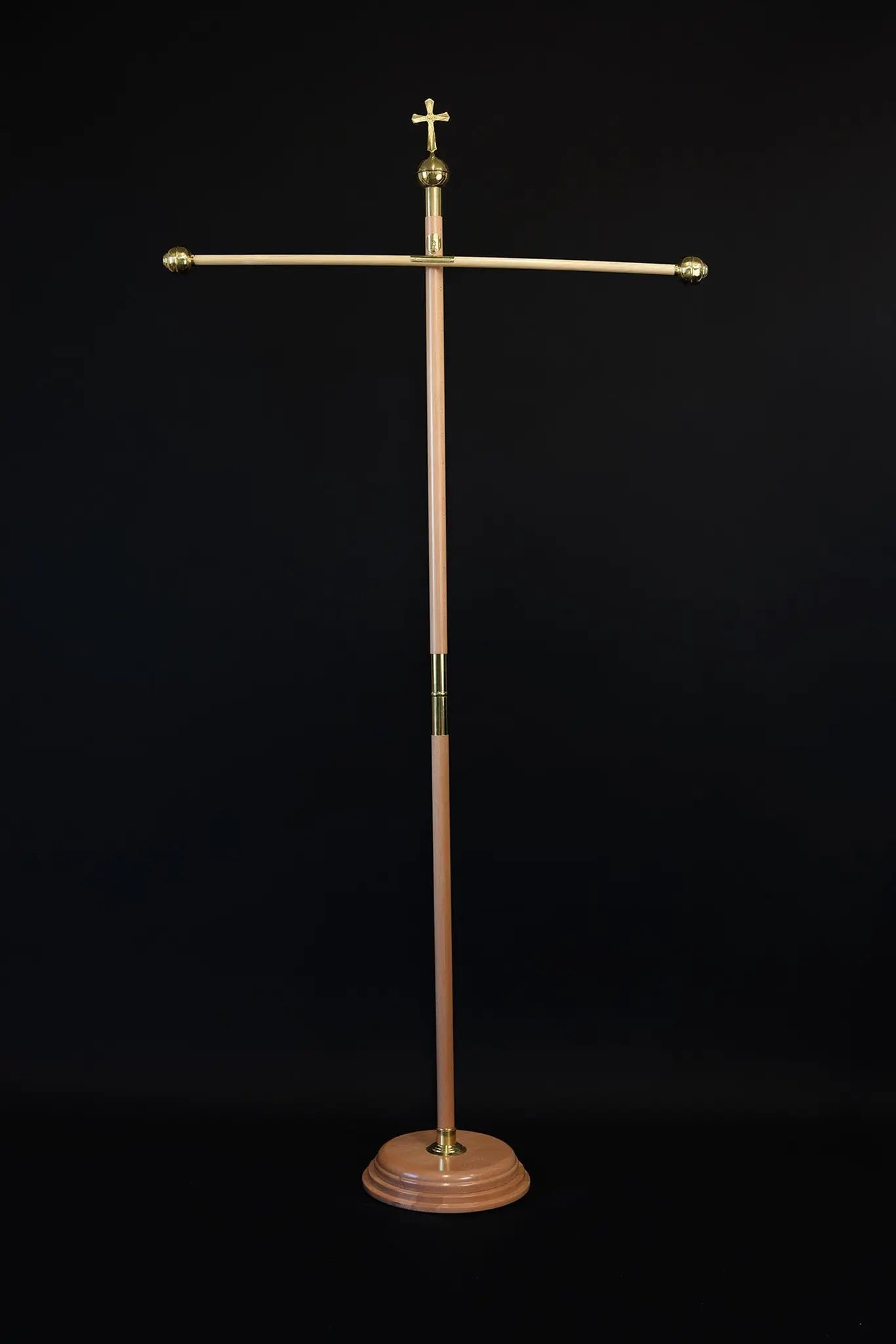
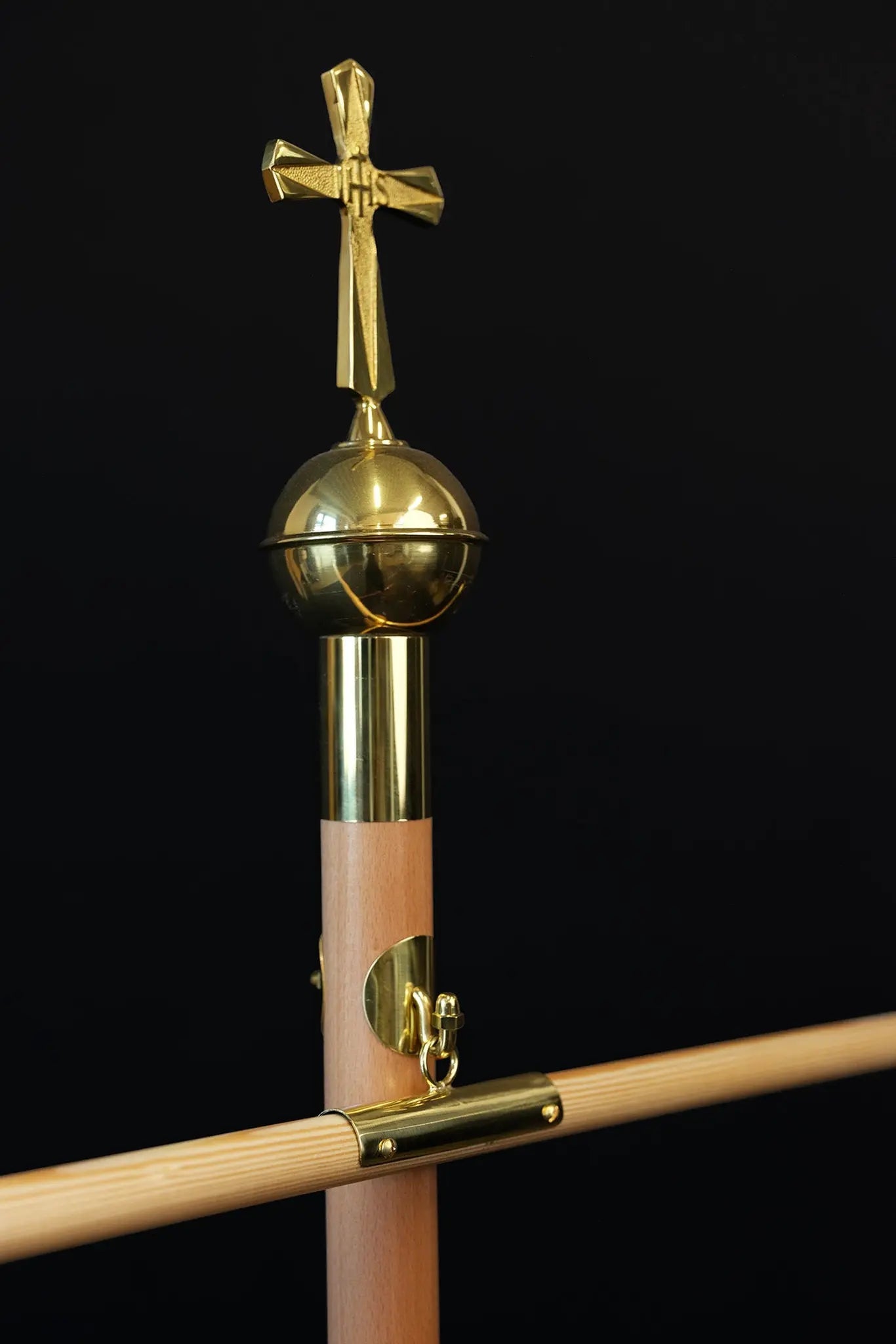
The collection also includes a light wood processional banner pole with a decorative cross. A suitable pole is important because a banner must be carried securely, remain balanced and present its image clearly. When choosing a banner, it is therefore worth considering the banner design and the method of carrying it together, especially if it will be used frequently by altar servers, parish groups, confraternities, school communities or members of a devotional association.
Liturgical and devotional use
Processional banners can be used at the entrance or recessional procession, during parish missions, pilgrimages, Corpus Christi processions, Marian celebrations, patronal feasts and local devotions. They are especially helpful when a community wants to identify a particular group, devotion or feast in a clear and reverent way. For Eucharistic processions and solemn outdoor worship, banners often accompany other liturgical accessories such as processional canopies and processional umbrellas, which provide a more complete ceremonial setting.
For the Feast of Corpus Christi, a banner with Eucharistic symbolism can support the public witness of the procession and visually connect the celebration with the Blessed Sacrament. Related vestments and accessories for this celebration can be found in the Corpus Christi collection. When the focus is Marian devotion, banners with images of Our Lady or Marian monograms pair naturally with the Blessed Virgin Mary collection and with vestments or textiles featuring Marian motifs.
How to choose a processional banner
Begin with the purpose of the banner. A parish that needs a general banner for solemn processions may prefer a Eucharistic or IHS design. A Marian group may choose a banner with Our Lady of the Immaculate Conception, Our Lady of the Assumption or an Immaculate Heart motif. A banner for devotions to the Sacred Heart should use imagery that is immediately recognizable and suitable for June celebrations, First Fridays, parish patronal feasts or a chapel dedicated to the Sacred Heart of Jesus. Related devotional items can be explored in the Sacred Heart of Jesus collection.
Next, consider whether a double-sided banner is important. In many processions the faithful see the banner from different directions: at the beginning of the procession, while turning in the nave, during outdoor routes and when the procession returns to the church. A double-sided banner helps keep the devotional image visible throughout the movement. This is especially useful for longer processions or for events where the banner represents a group rather than serving only as a backdrop.
Scale and handling also matter. The banner should be large enough to be seen, but not so large that it becomes difficult to carry steadily. A light wooden pole with a decorative cross is a practical choice when the banner must be carried by different people over time. For frequent parish use, choose a complete arrangement that can be carried reverently and stored safely after the celebration.
Symbolism, design and church setting
The best processional banner is easy to recognize, theologically appropriate and visually harmonious with the celebration. Sacred Heart imagery emphasizes Christ's love and mercy. Marian images call attention to the Mother of God and her role in the prayer of the Church. Eucharistic motifs such as a chalice or IHS direct the faithful toward the mystery of Christ present in the liturgy. These symbols are most effective when the banner design is clear, balanced and dignified rather than crowded.
Processional banners should also coordinate with the rest of the liturgical environment. For solemn Masses and feast days, the banner may be used alongside liturgical vestments, altar textiles, candles and processional accessories. If the church is preparing a full ceremonial arrangement, related collections such as candlesticks, thuribles and boats and monstrances may help complete the visual and devotional setting for worship.
Craftsmanship and practical care
The source description of this collection emphasizes careful selection of fabrics, threads, finishing and decorative techniques. In practice, the durability of a processional banner depends on the quality of the textile, the clarity of the image, the finishing of the edges and the way the banner is attached to its pole. A banner used in public worship should hang neatly, move predictably and be easy to present without distracting from the liturgy.
Proper care helps preserve the dignity of the banner. Store the banner in a dry, clean place away from strong sunlight. Avoid folding it sharply for long periods, because creases can weaken the presentation of the image and the textile. If a banner becomes dusty, use gentle handling and avoid harsh cleaning methods. For serious soiling, professional textile care is safer than home washing, especially when the banner includes decorative finishing, printed imagery or delicate materials.
Related church accessories
Processional banners belong within the broader group of church accessories used for worship, devotion and ceremonial order. The parent Accessories collection includes related items for the liturgy and parish life. Banners are especially close to canopies and umbrellas because all three appear in solemn movement, particularly outdoors or during processions connected with the Blessed Sacrament. They can also be coordinated with bells, candles, incense, reliquaries and other items used to shape the rhythm and dignity of the celebration.
When selecting several pieces for one parish, keep the celebration in mind. A Corpus Christi procession may require a canopy, a suitable banner, candles, incense and a monstrance. A Marian procession may focus on a banner, matching vestments or Marian textiles. A Sacred Heart celebration may combine a Sacred Heart banner with appropriate liturgical colors and devotional imagery. Choosing these items together helps create a coherent visual language that supports prayer without drawing attention away from the sacred action.
Frequently Asked Questions (FAQ)
What is a processional banner used for?
A processional banner is carried during liturgical or devotional movement to identify a feast, devotion, parish group or sacred theme. It can be used inside the church, around the parish grounds or in a public procession, depending on the celebration and local custom.
Are double-sided processional banners useful?
Yes. A double-sided banner is practical when the procession changes direction or when people view it from both the front and the back. It keeps the sacred image visible during movement and is especially helpful for outdoor processions, pilgrimages and larger parish celebrations.
Which banner should I choose for a Marian celebration?
For Marian celebrations, choose a banner with Our Lady, the Immaculate Heart, a Marian monogram or another clearly Marian symbol. Such designs are well suited to May devotions, Marian processions, patronal feasts and communities dedicated to the Blessed Virgin Mary.
Can a processional banner be used for Corpus Christi?
Yes. A banner with Eucharistic symbols such as IHS, a chalice or imagery connected with Christ can accompany a Corpus Christi procession. For this feast, it is often coordinated with a canopy, processional candles, incense and other accessories used in solemn Eucharistic worship.
How should a church store a processional banner?
Store it in a clean, dry place and protect it from direct sunlight. If possible, avoid sharp folds and heavy pressure on the textile. Careful storage helps the banner keep its shape, image clarity and dignified appearance for repeated parish use.