
Sort by
20 products
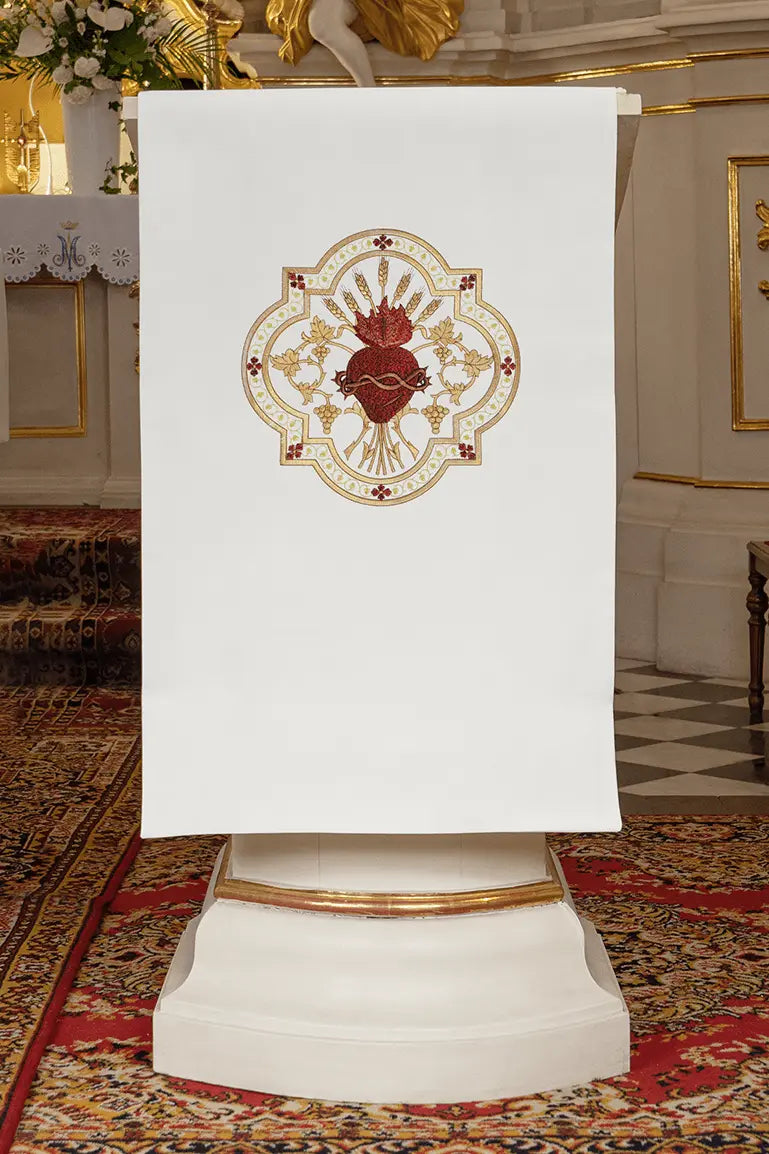
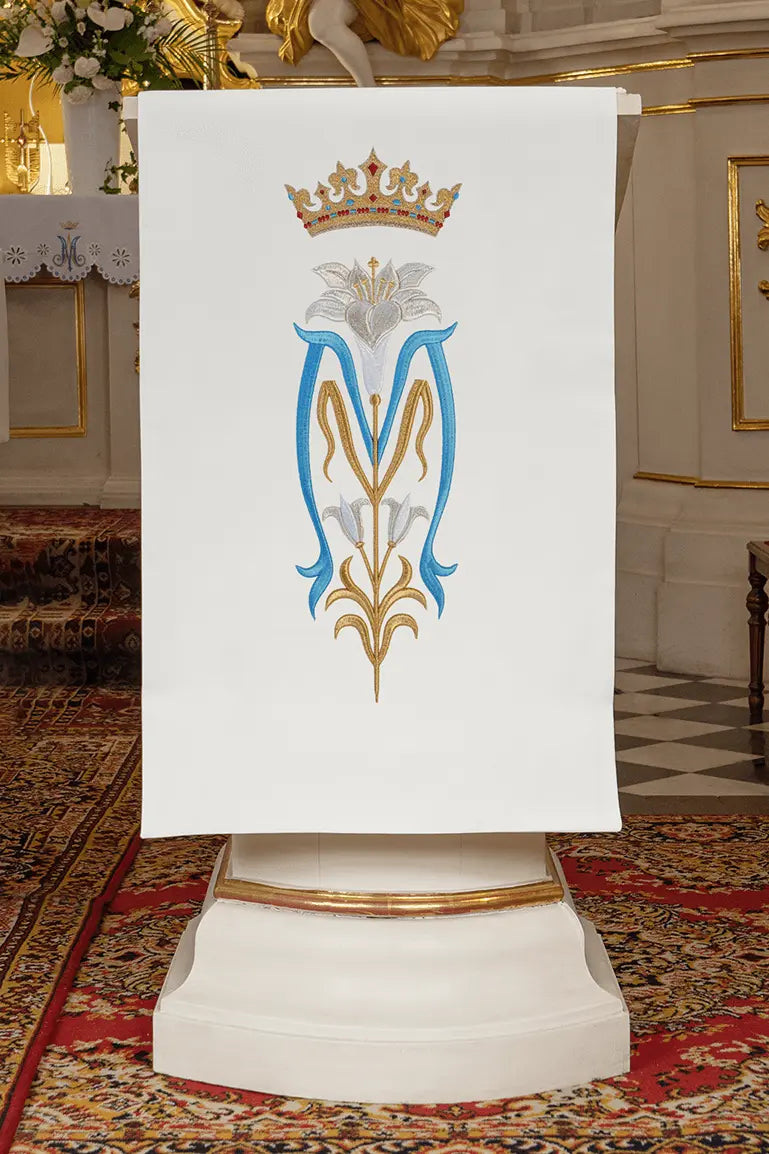
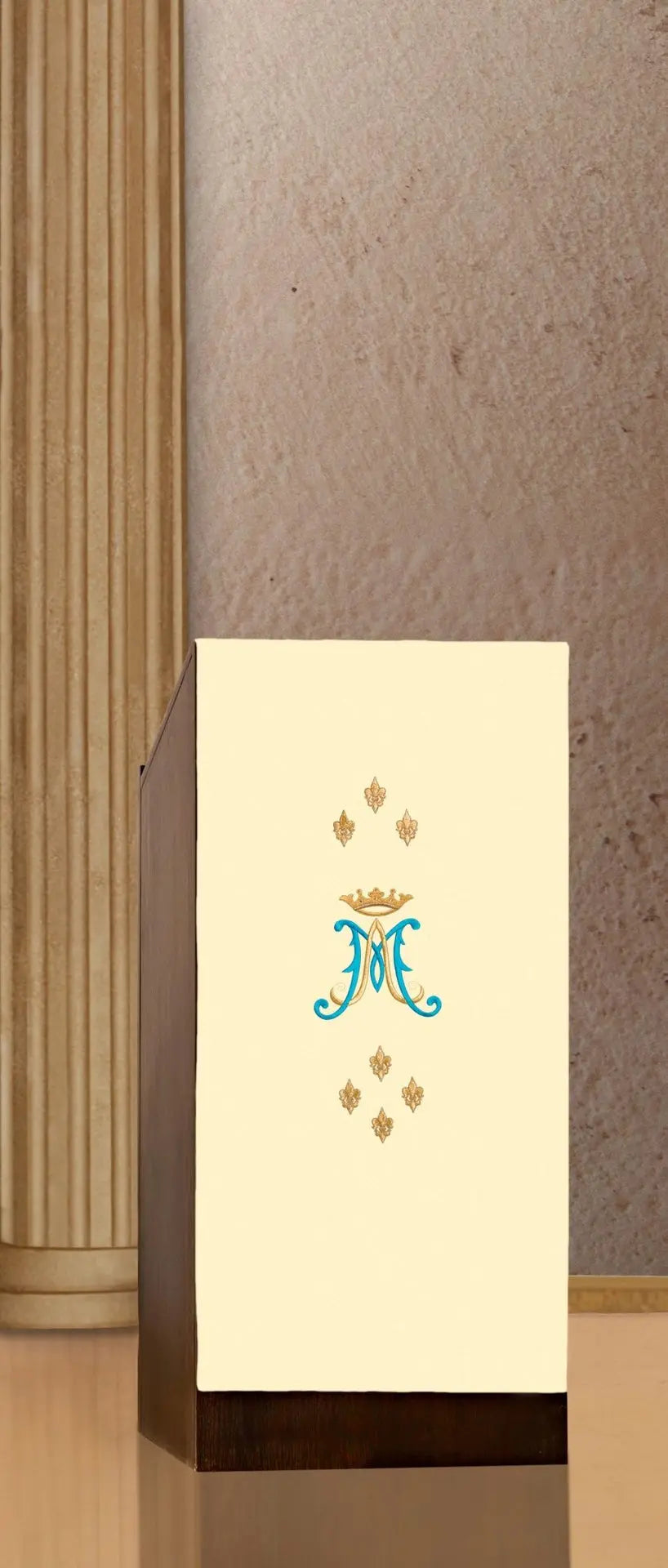
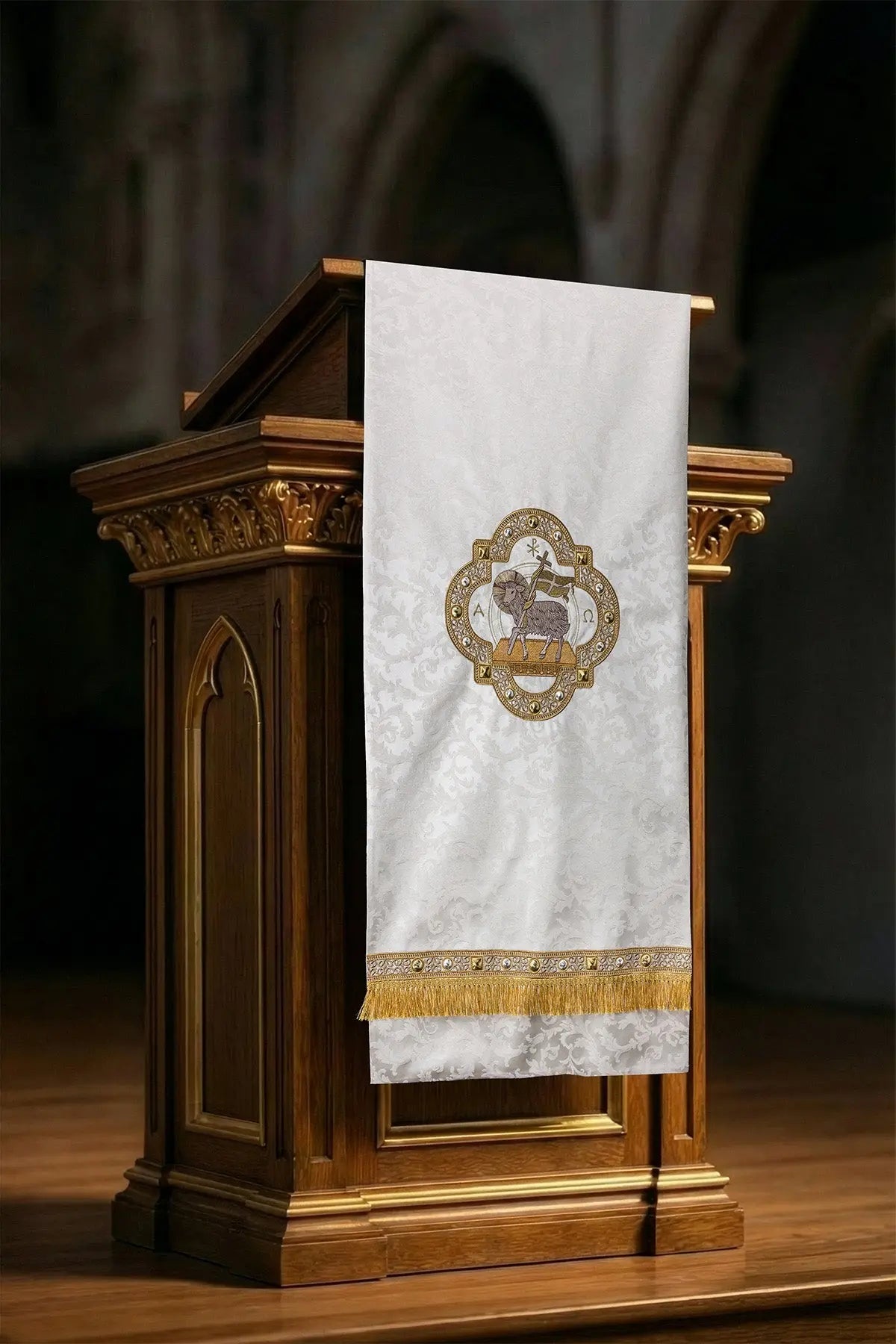



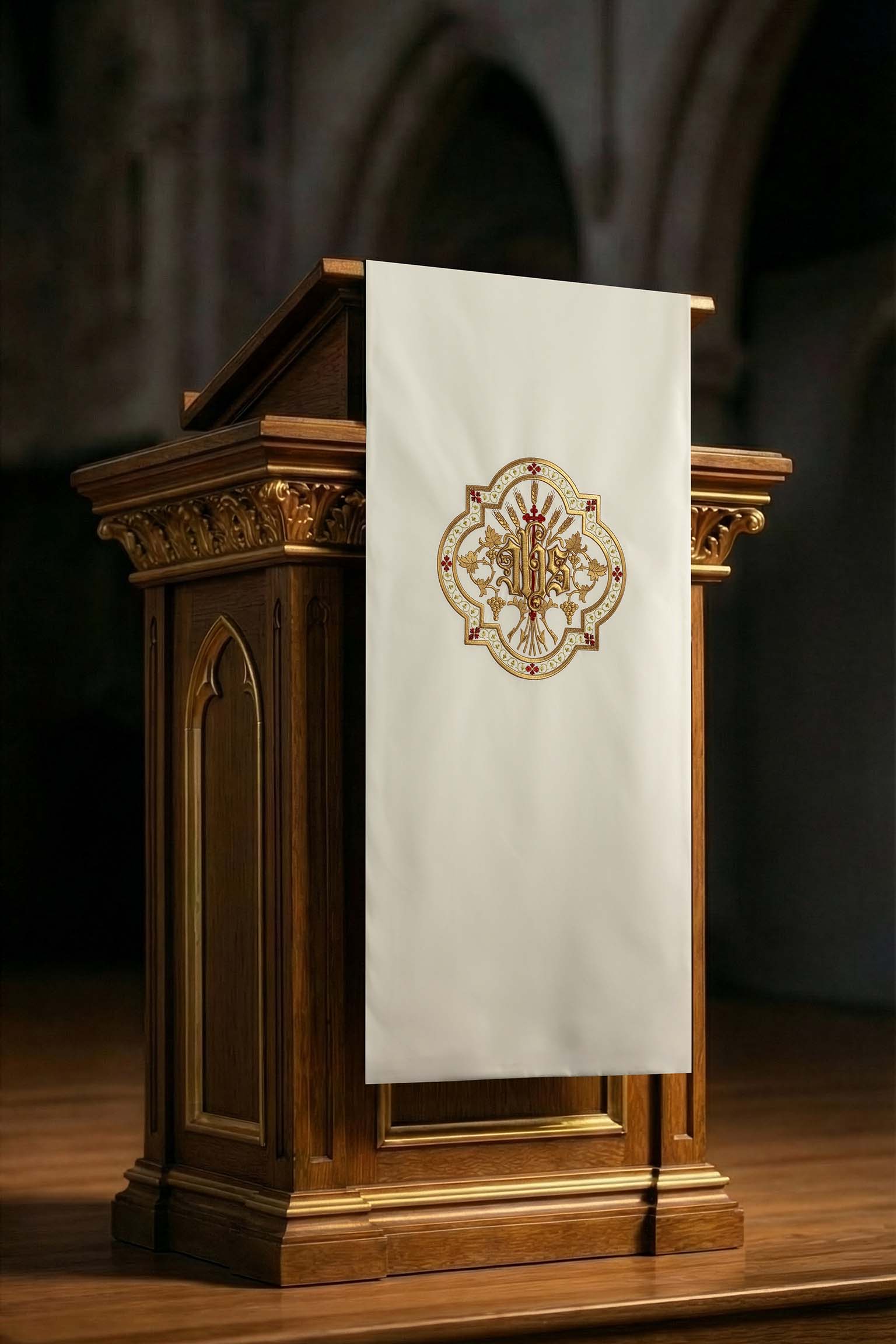
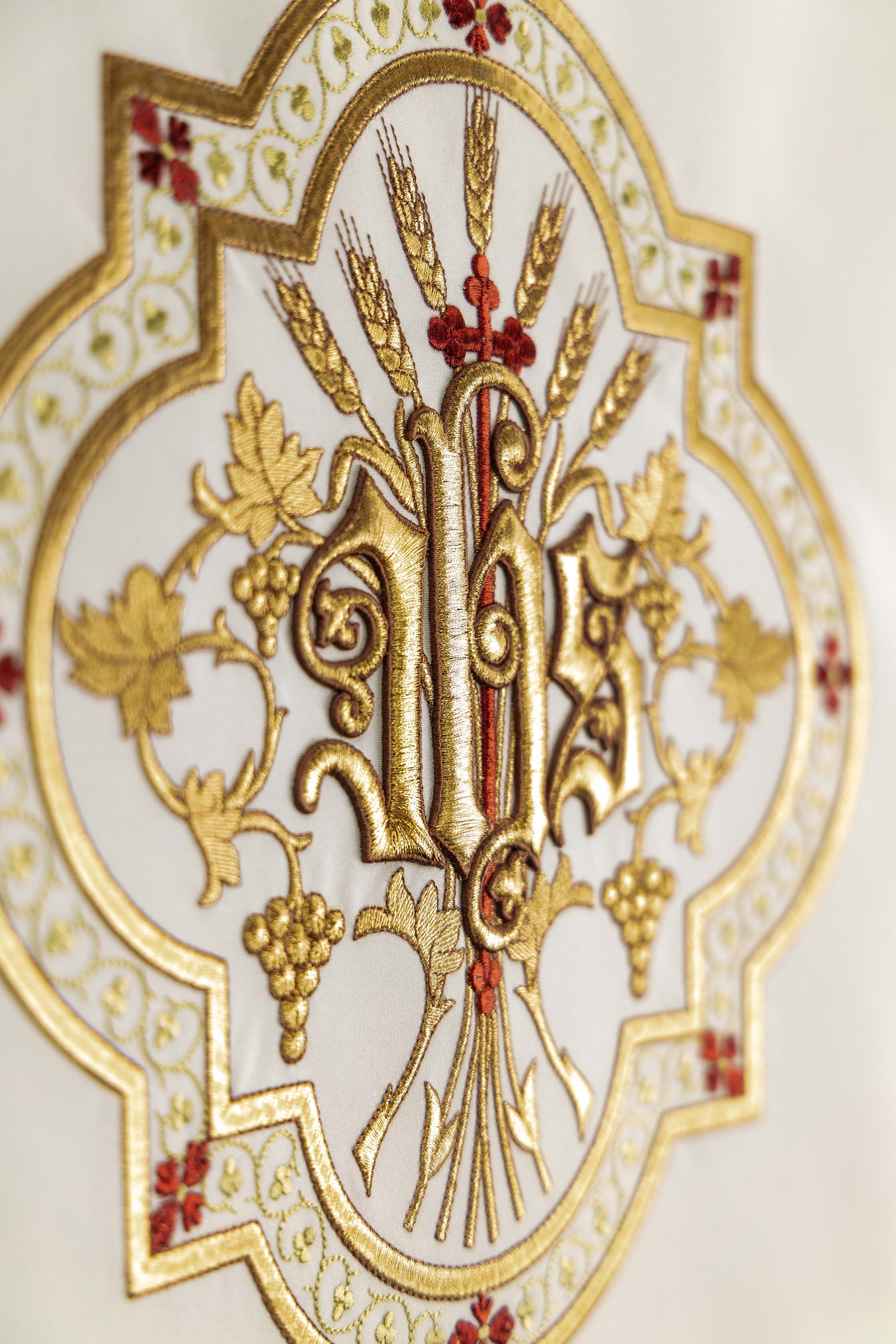
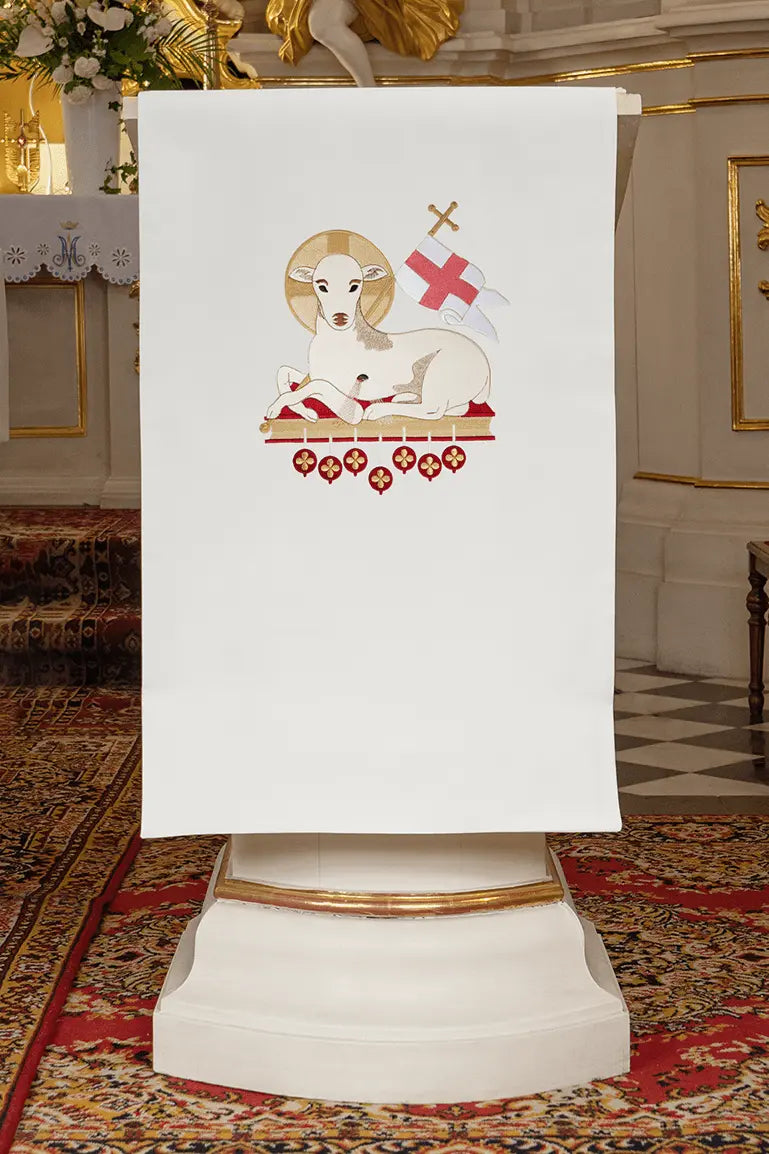
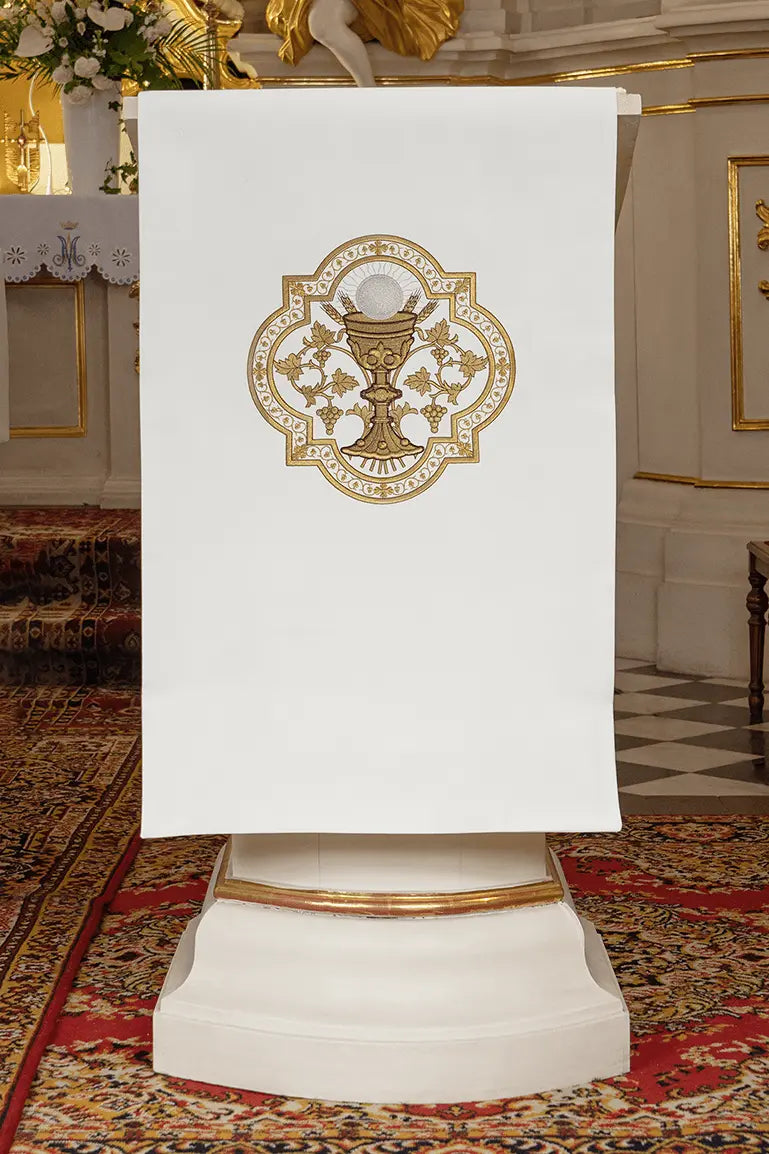
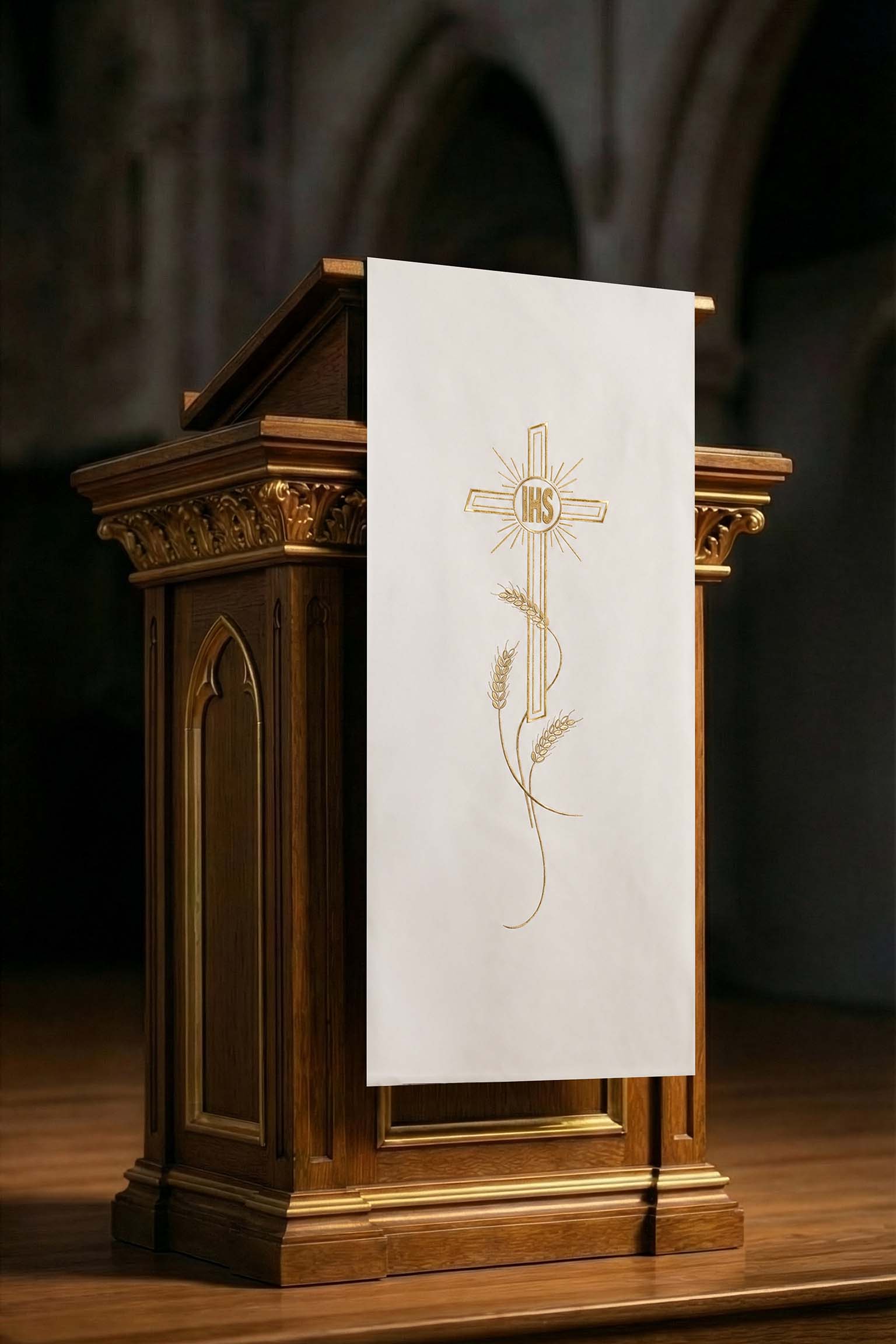
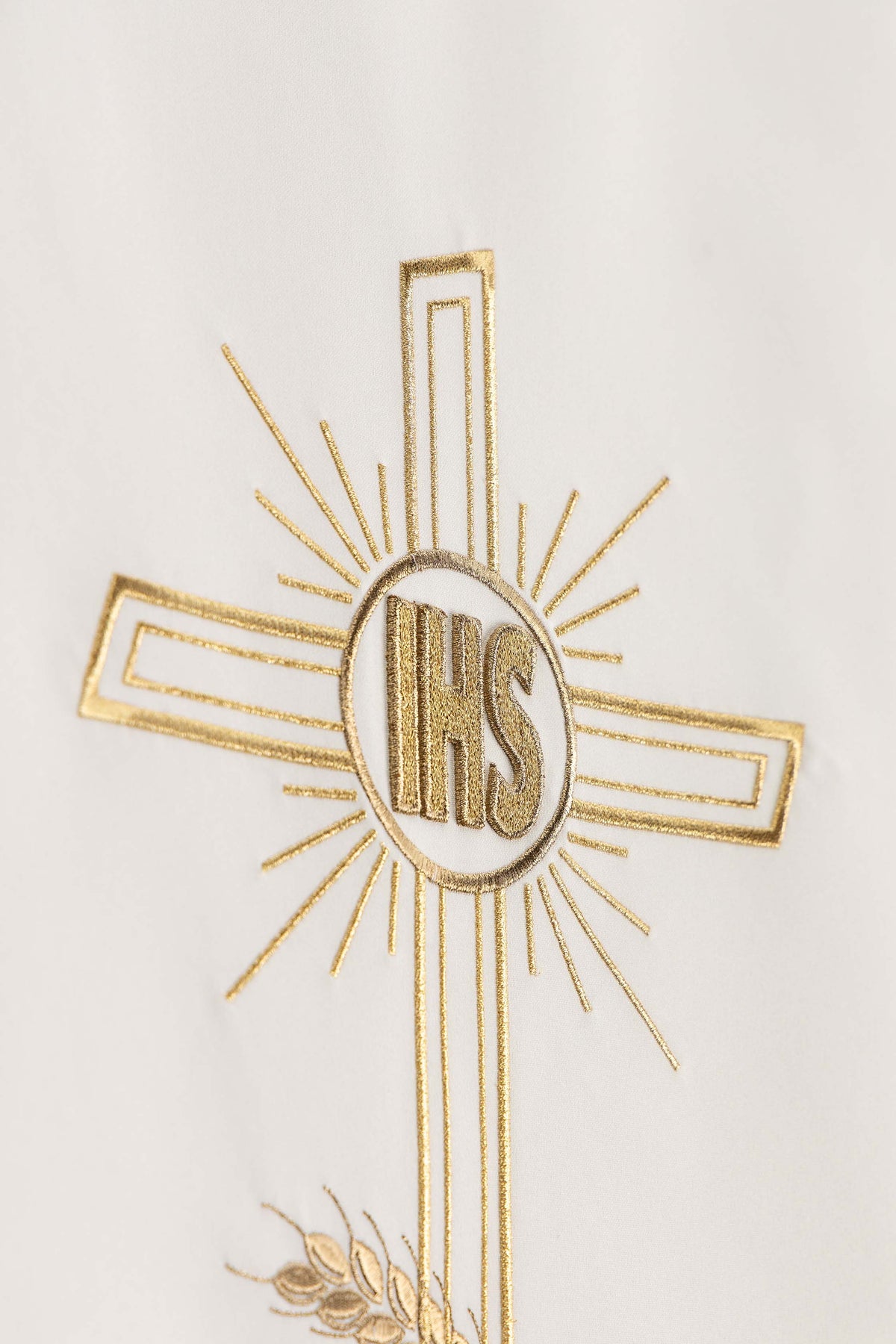
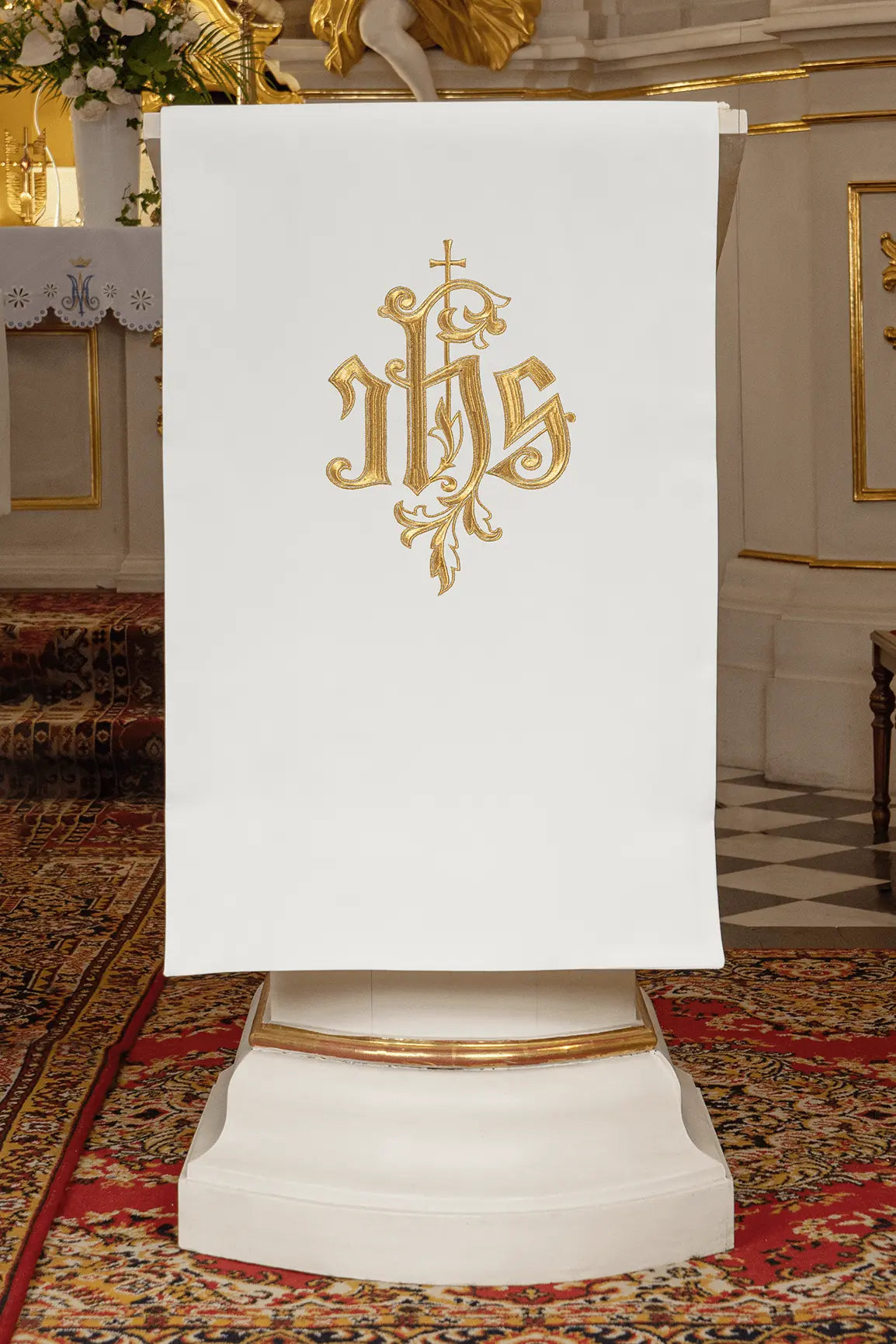
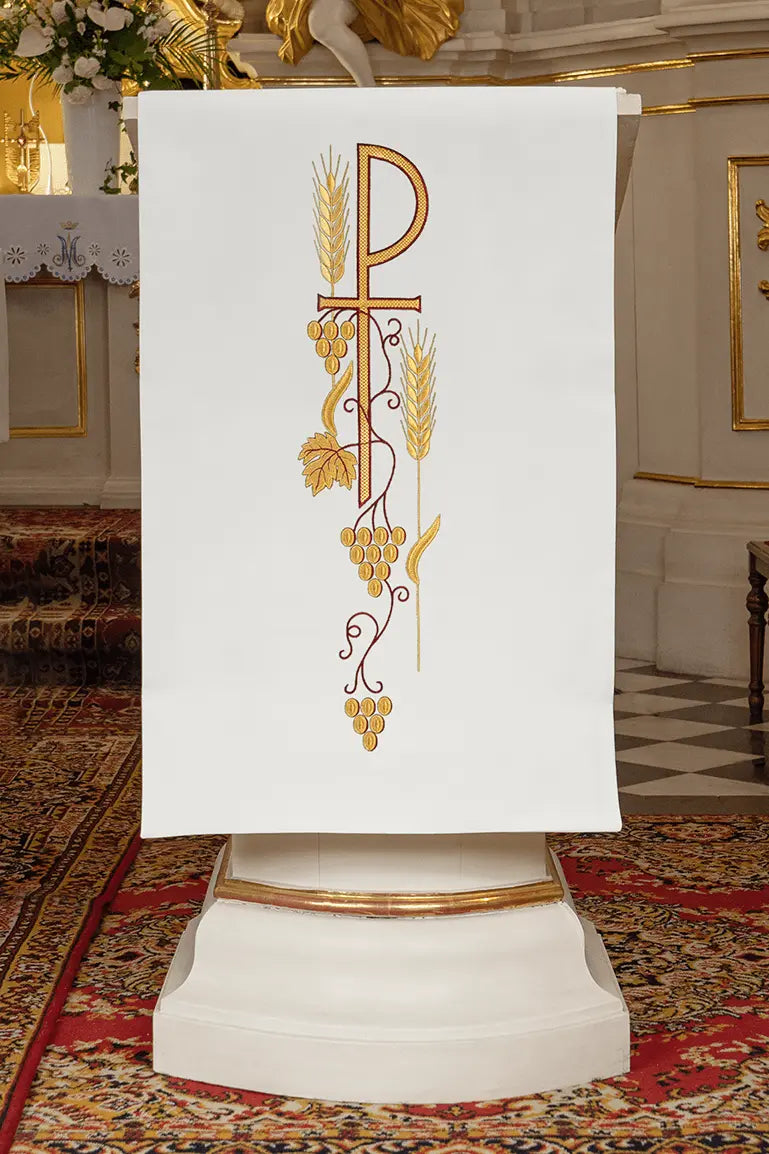
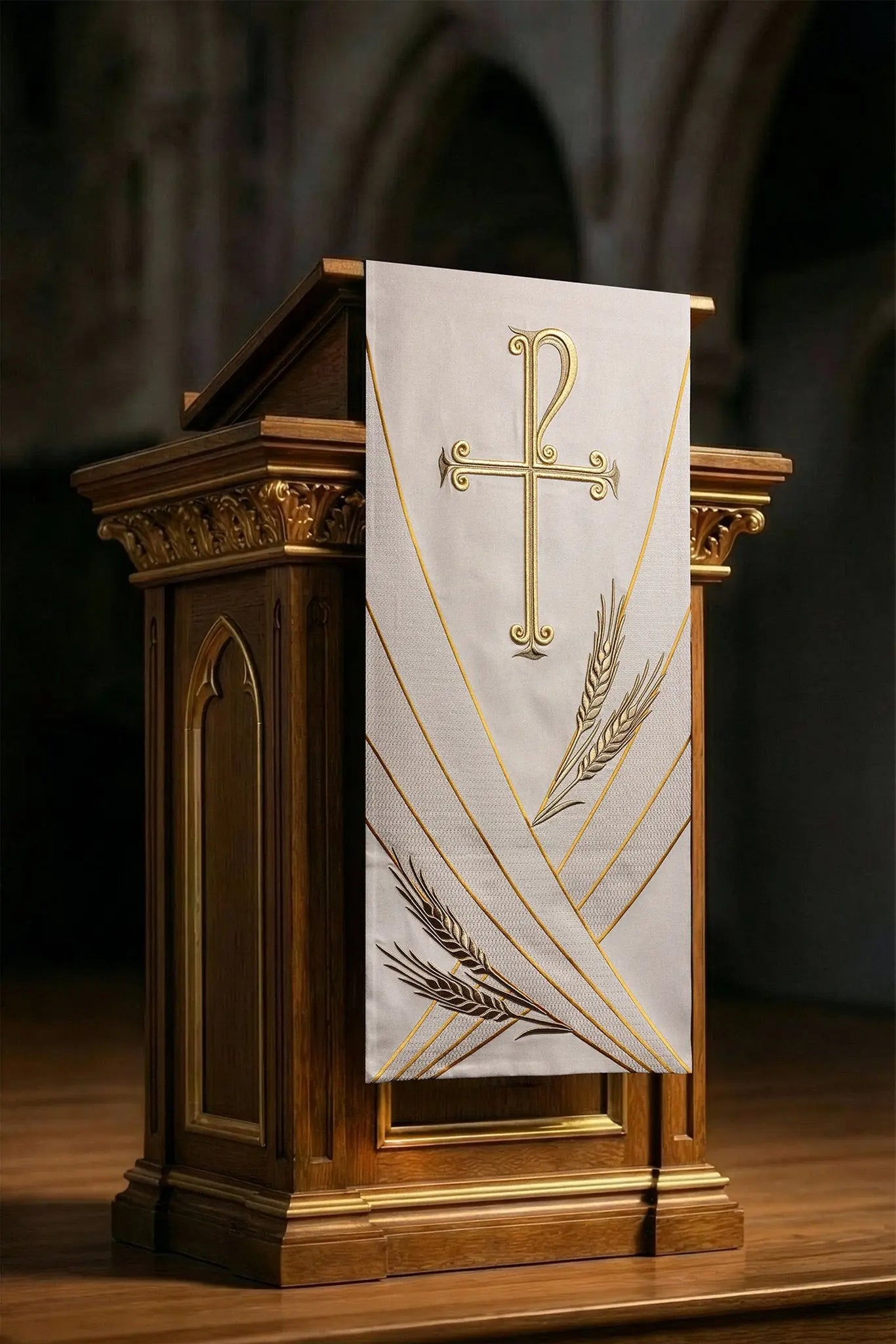
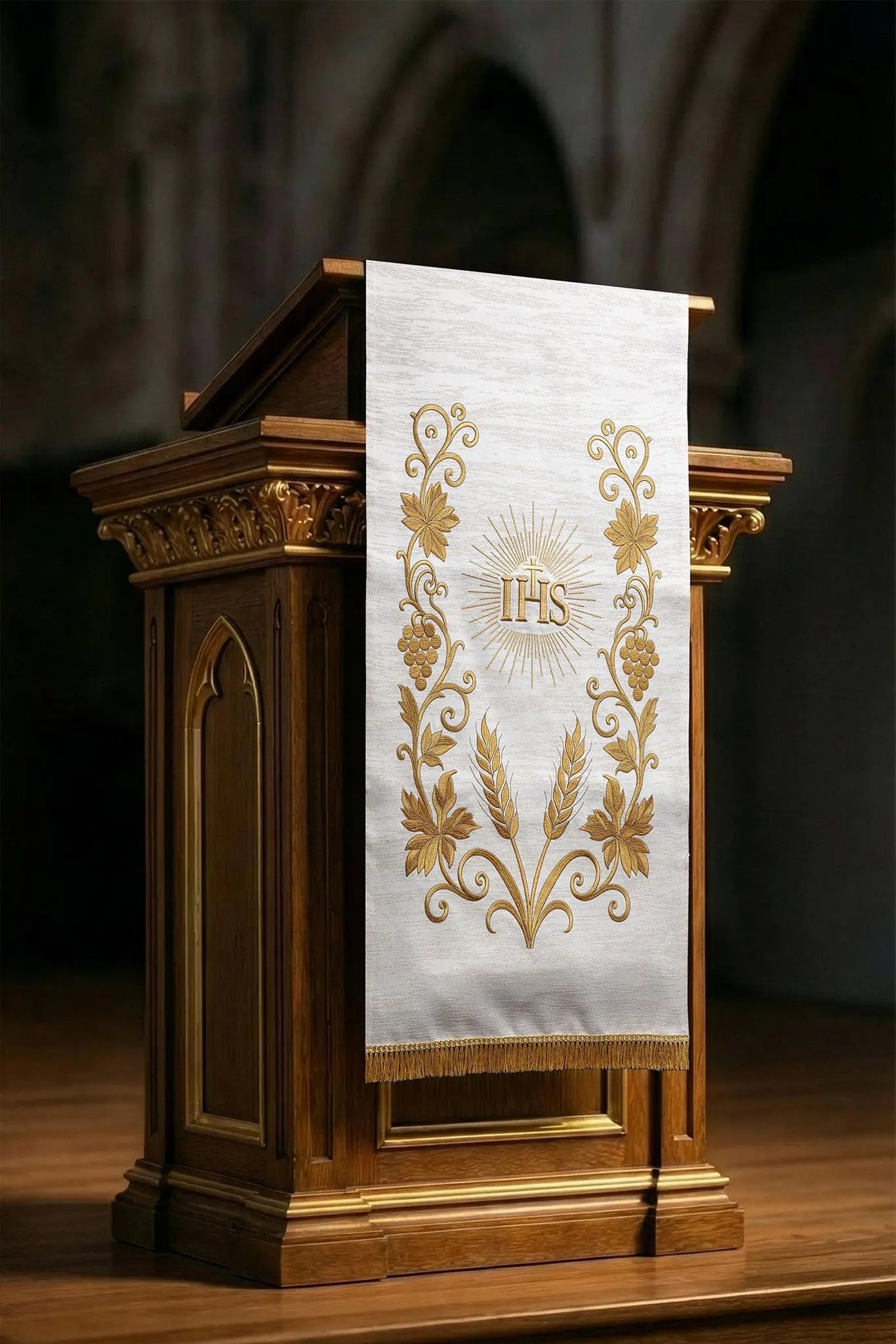
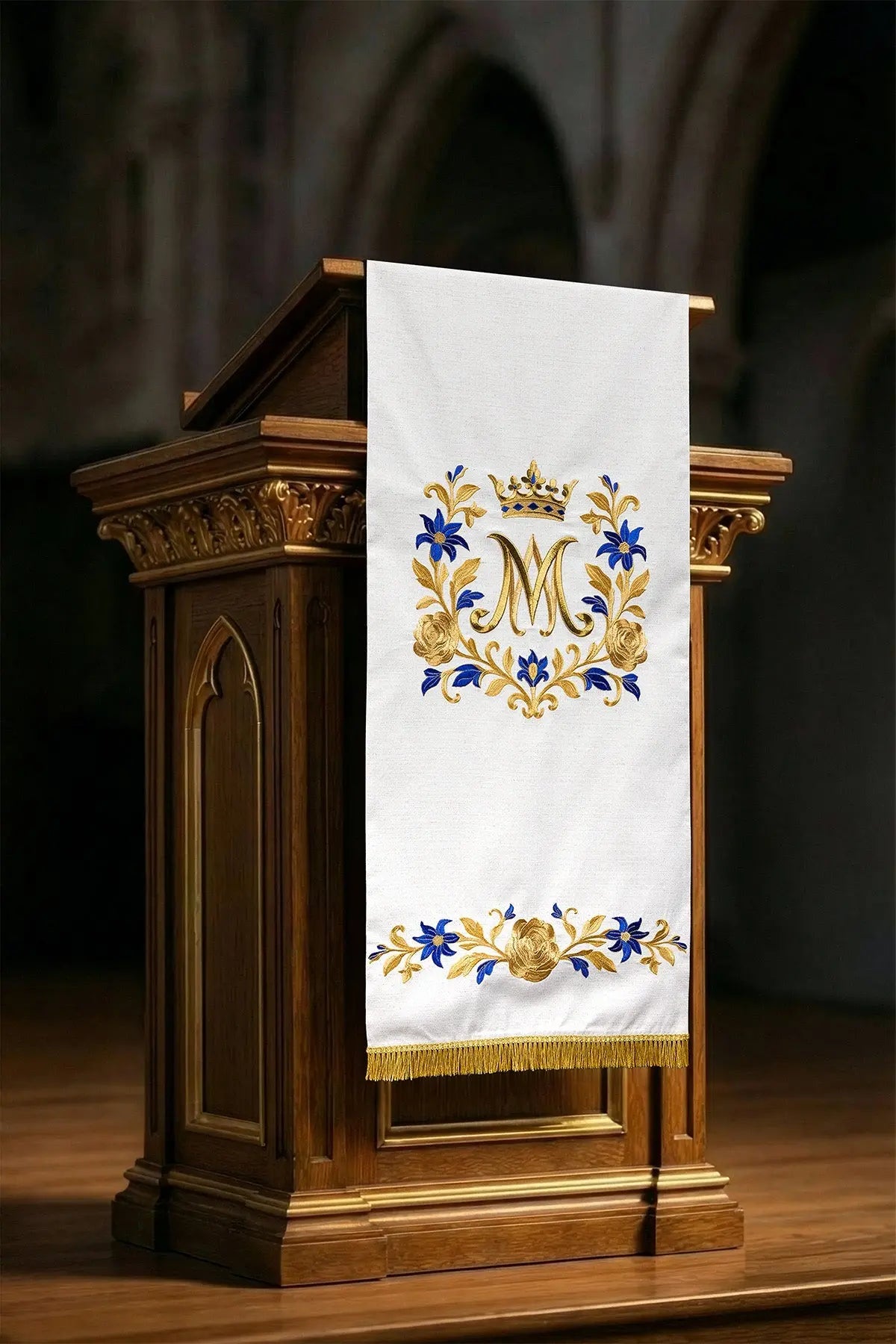
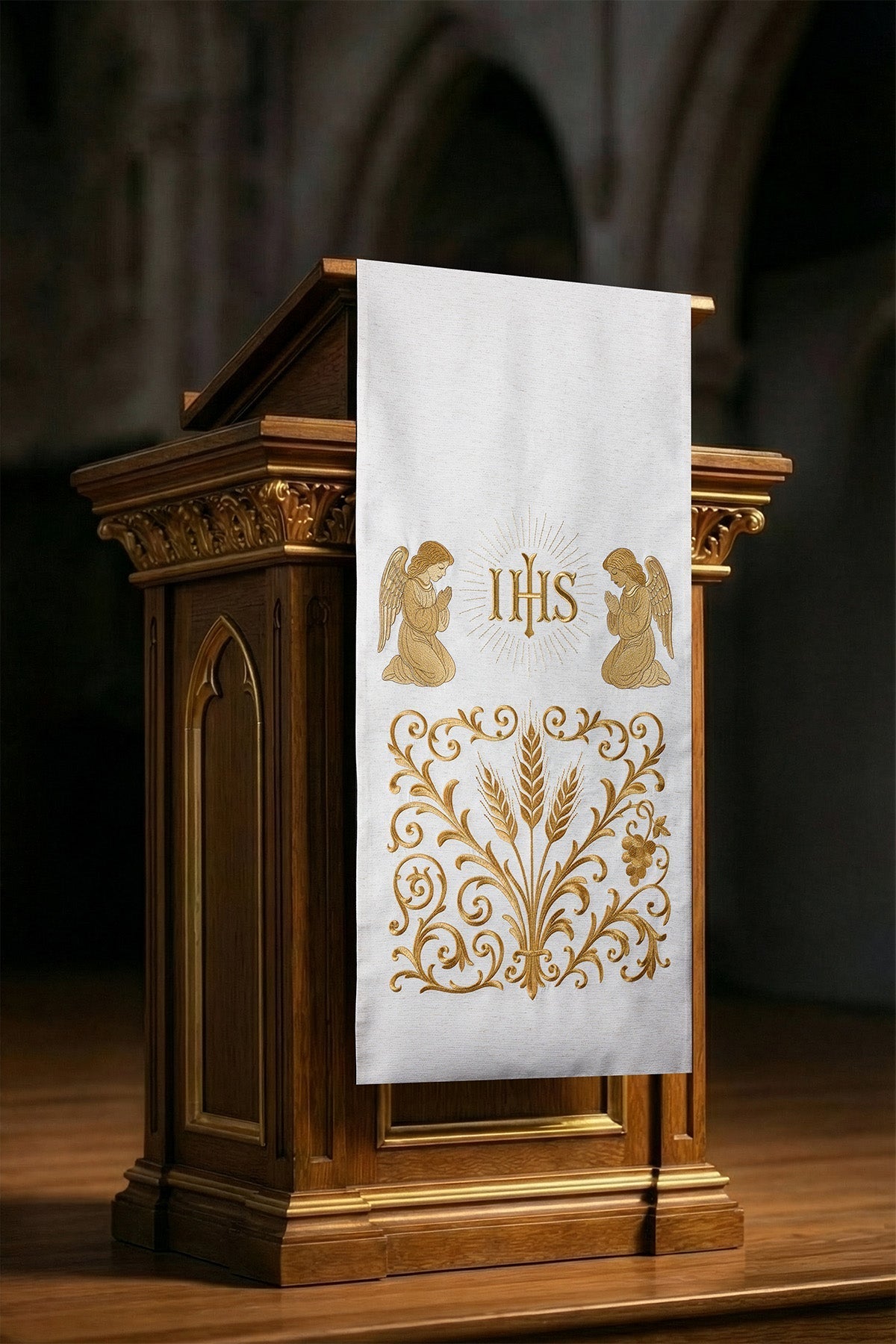
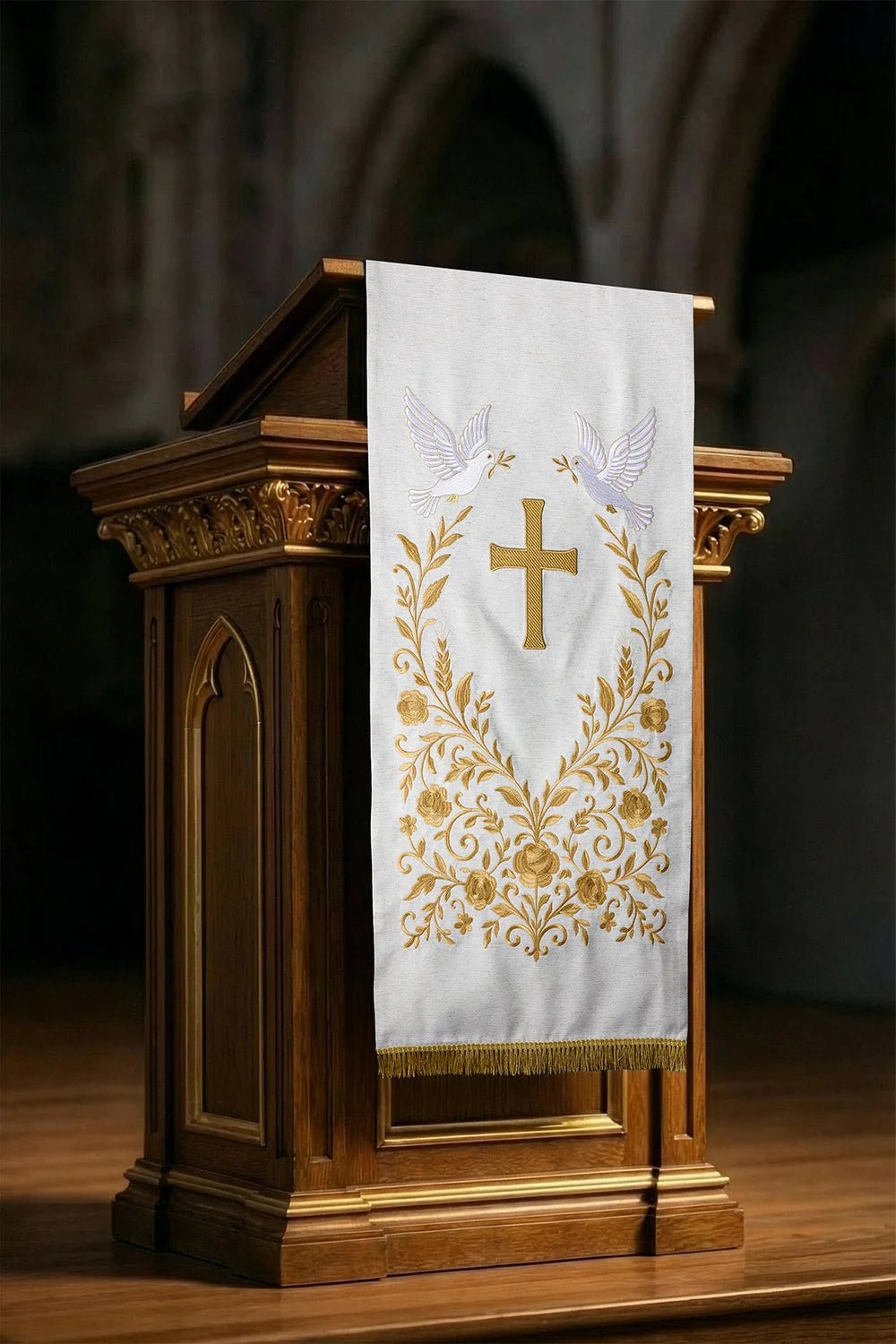
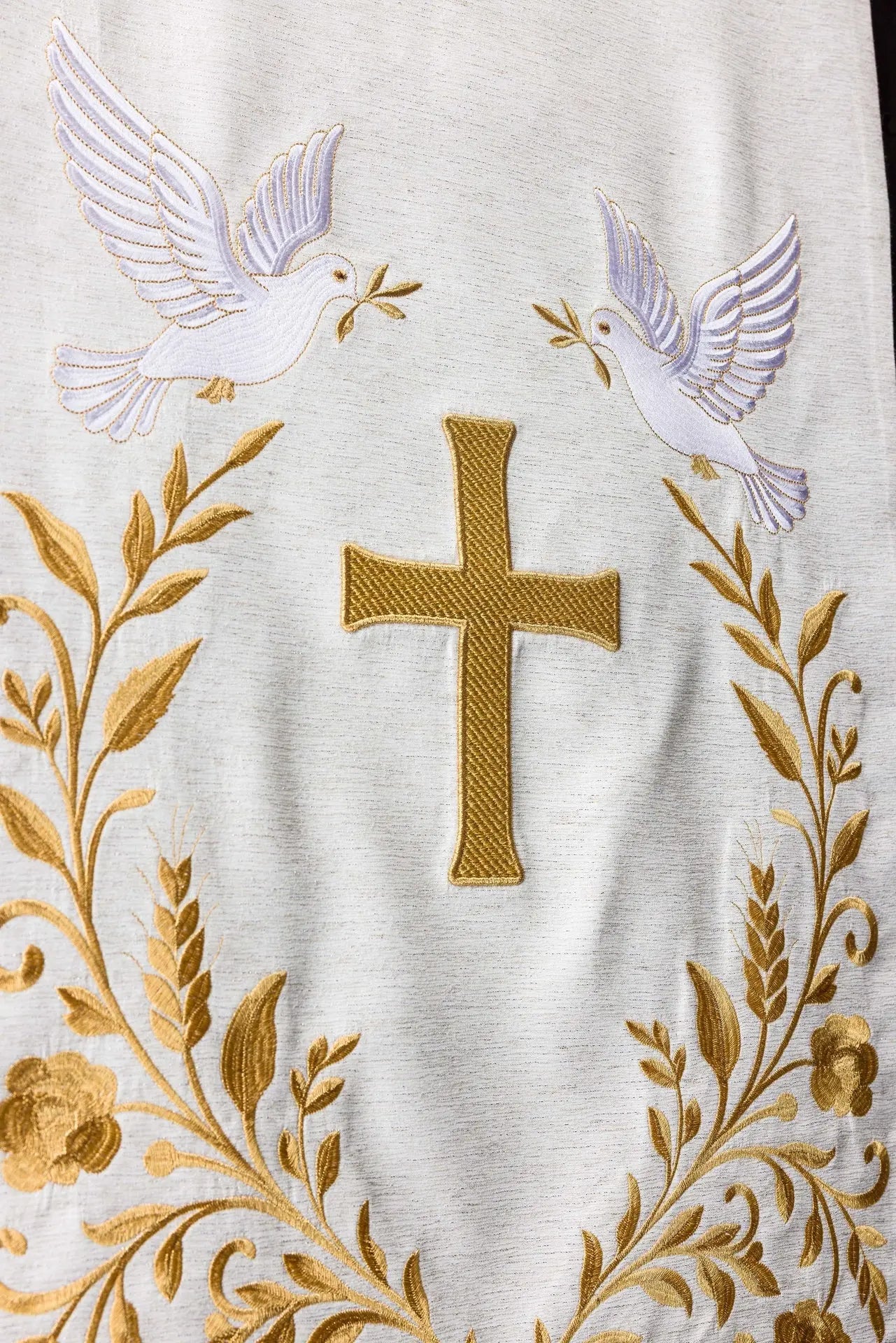
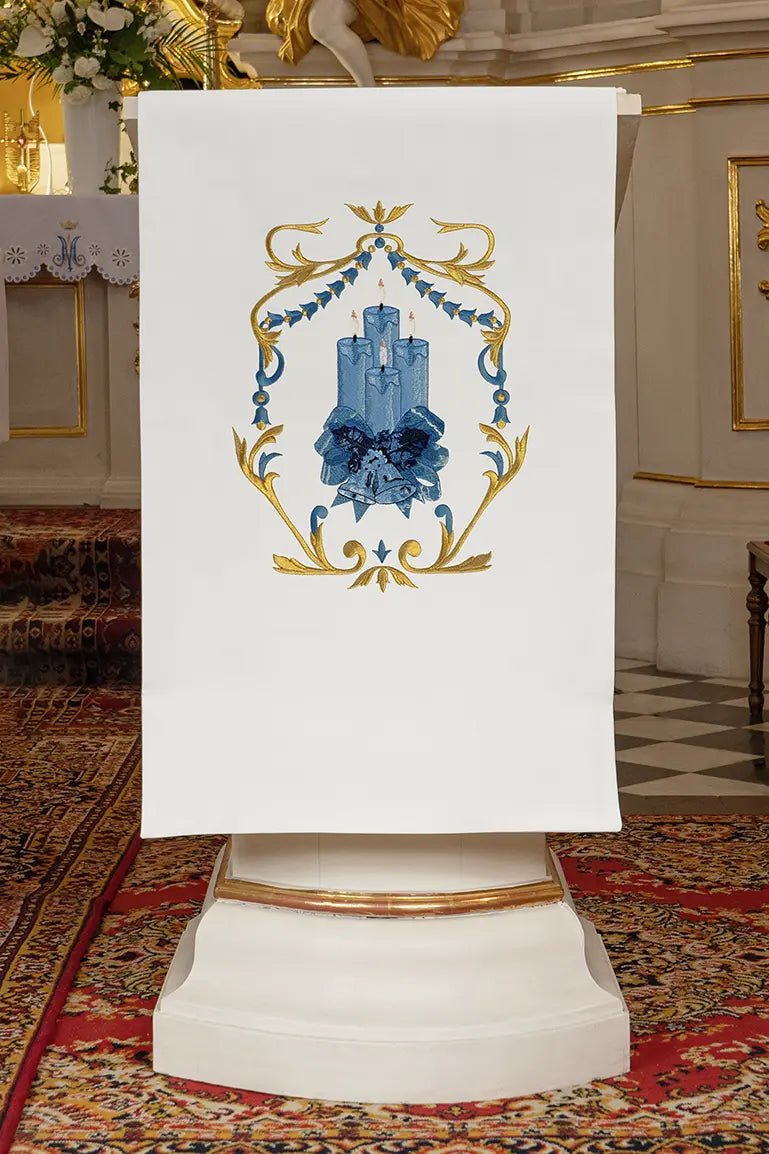
Ecru Pulpit Covers for the Ambo and Lectern
Ecru pulpit covers bring a calm, dignified tone to the place where the Word of God is proclaimed. This collection is devoted to pulpit and lectern textiles in an ecru palette, including embroidered covers and lectionary napkins designed for the ambo, lectern, or lectorium. Unlike altar cloths, which are placed on the altar of sacrifice, a pulpit cover belongs to the ministry of the Word: it frames the book, protects the reading surface, and helps the ambo harmonize with the wider liturgical setting. The soft natural shade of ecru is especially valued when a parish wants a warmer alternative to pure white, or when the interior of the church already uses cream, stone, wood, gold, or ivory details.
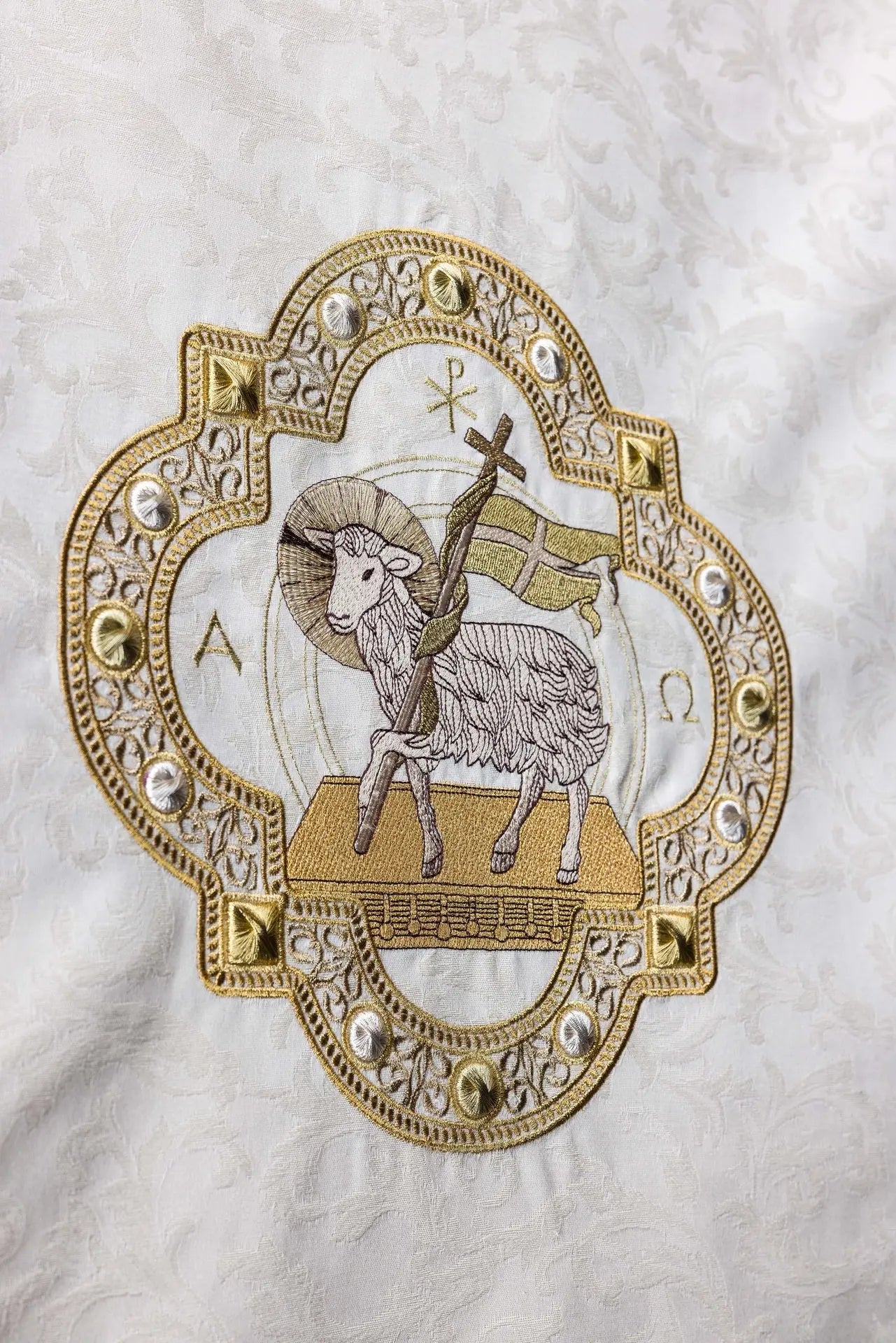
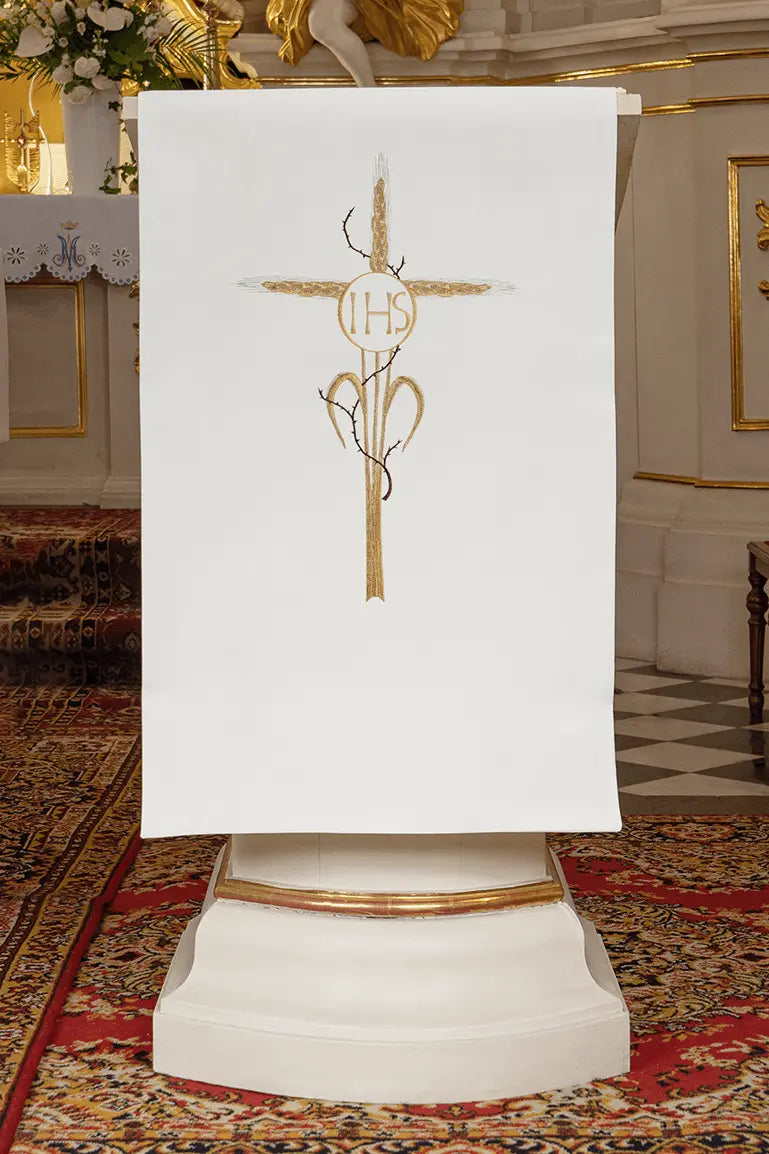
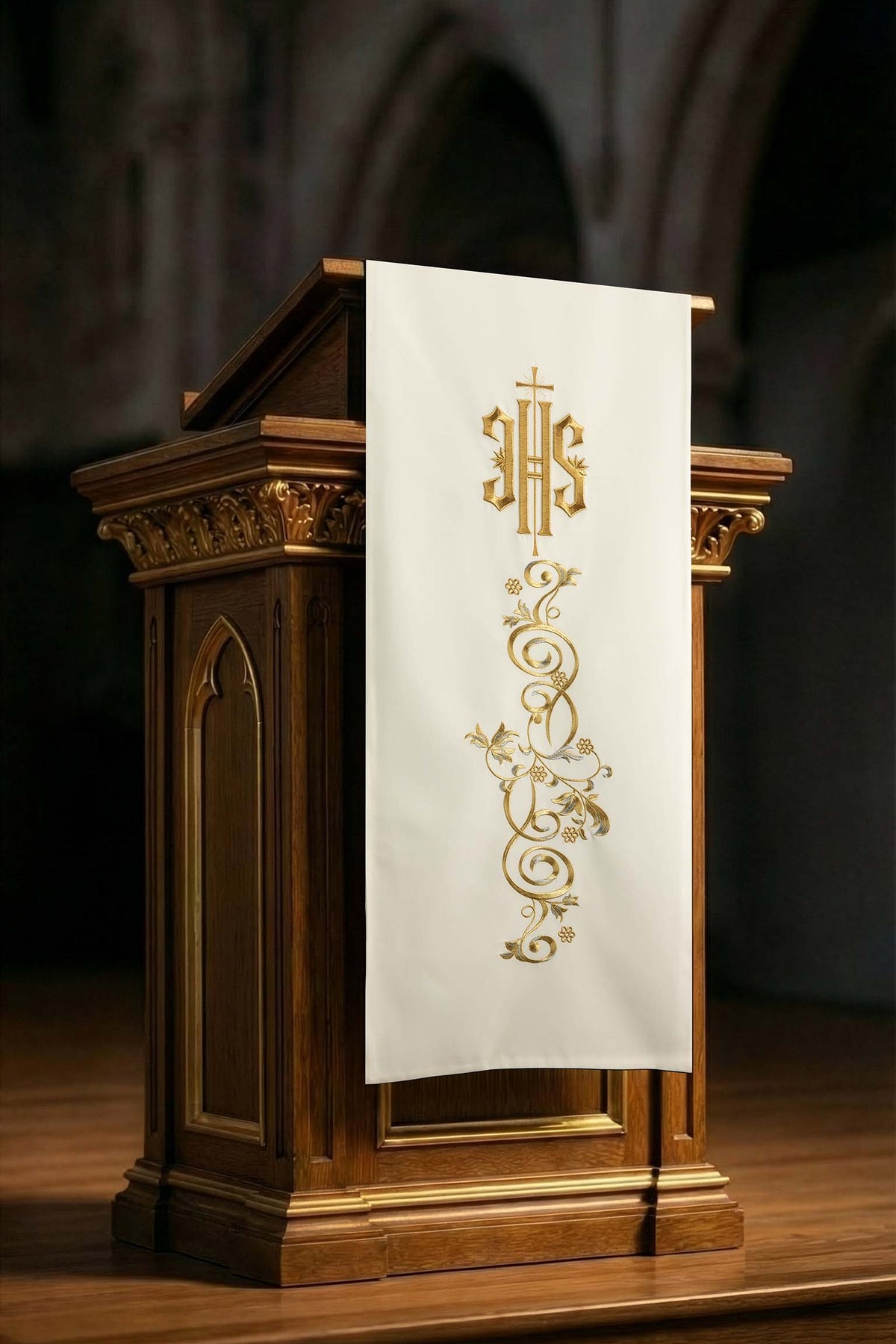
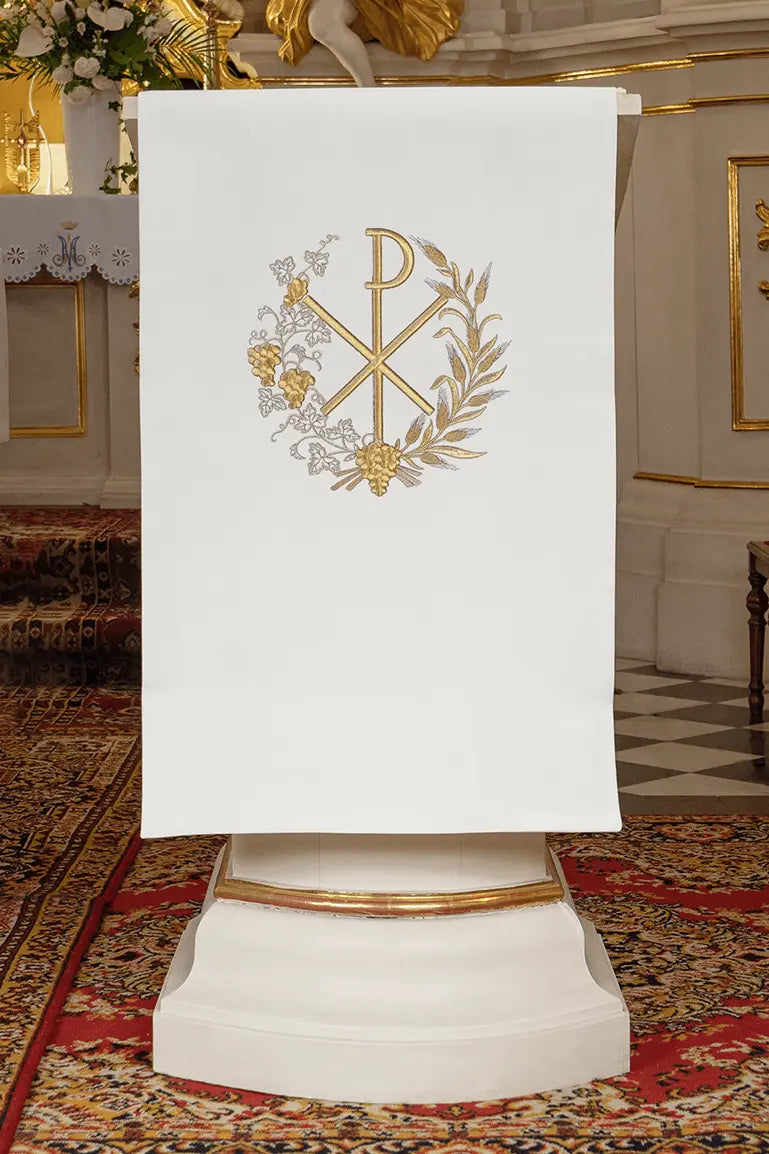
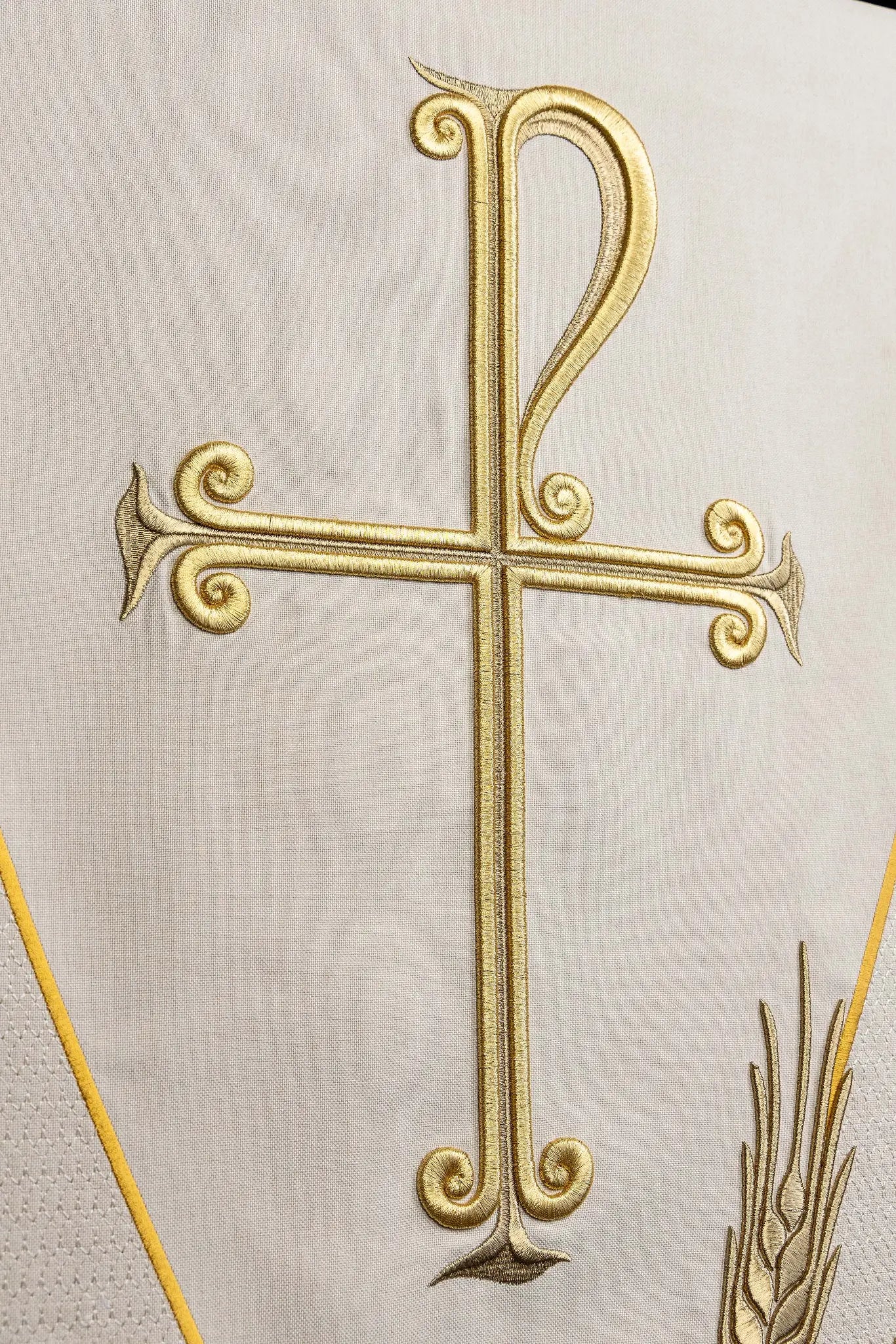
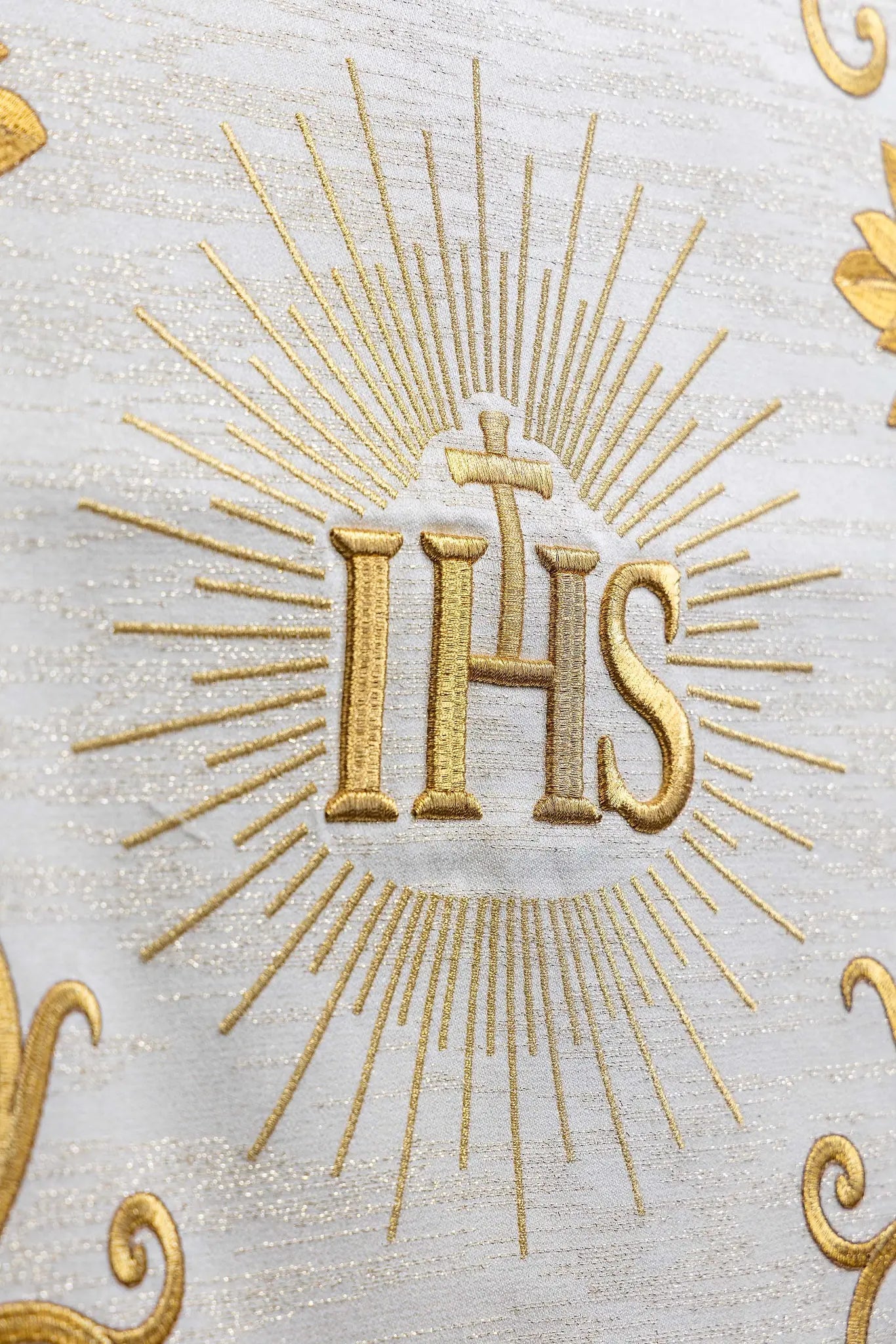
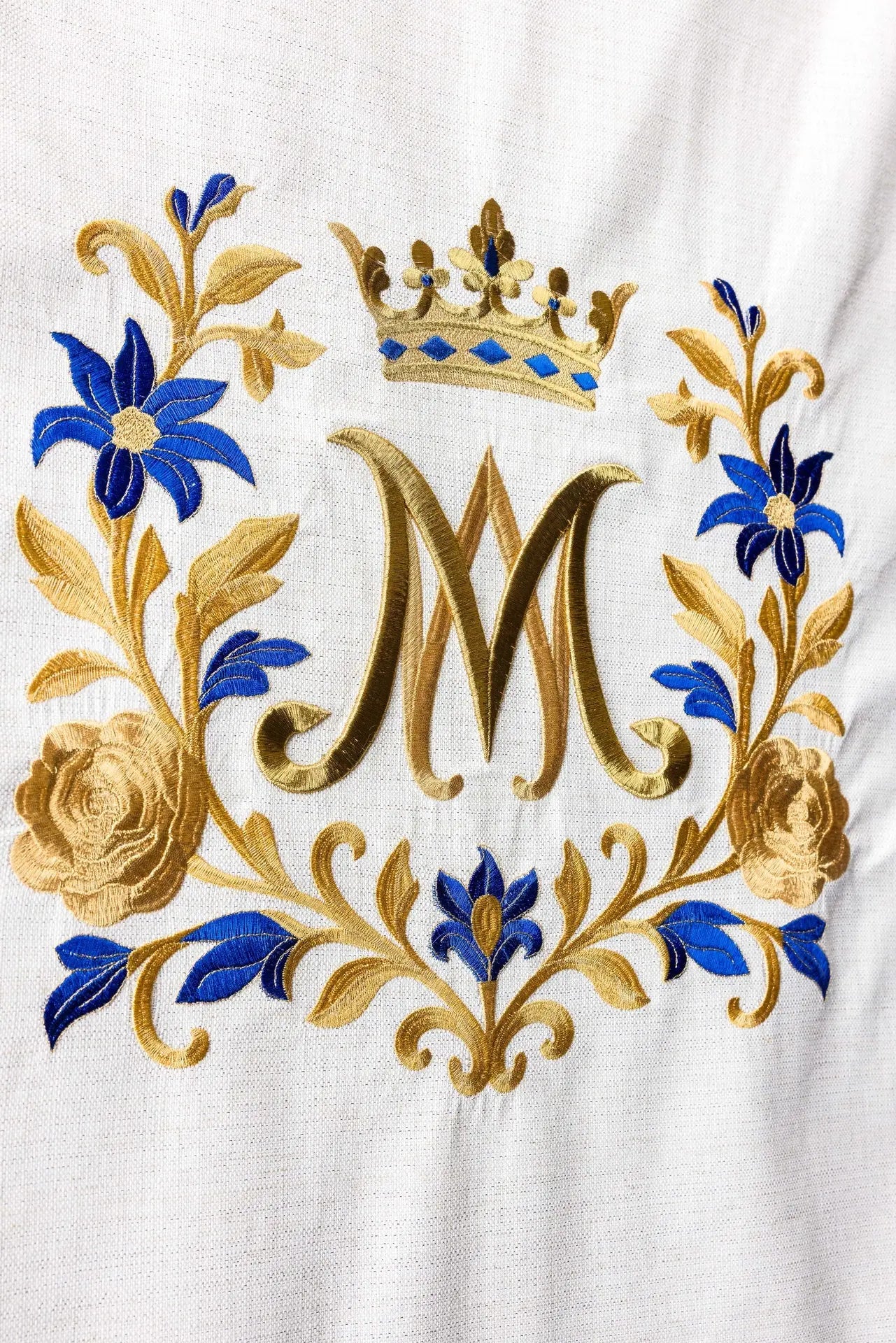
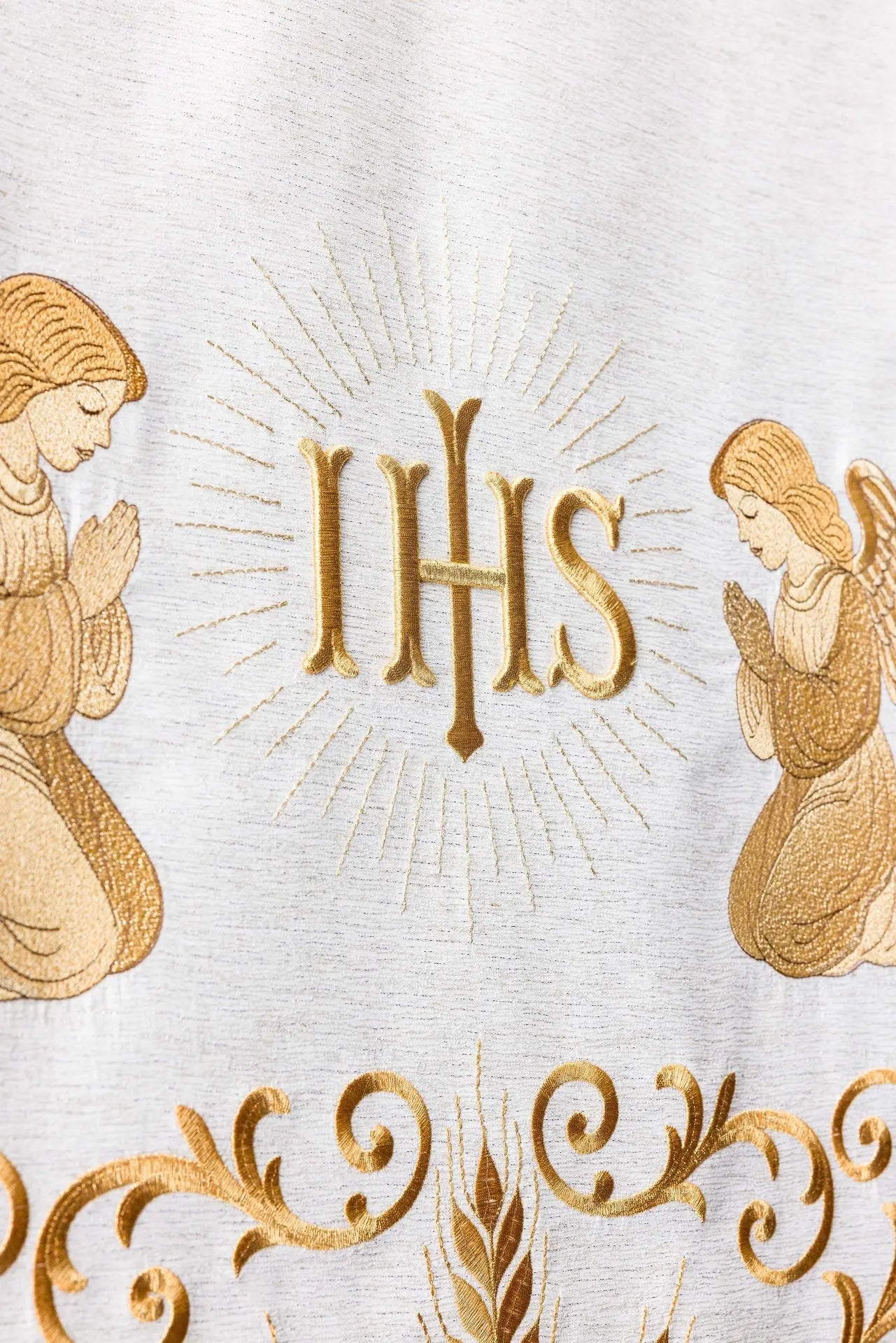
The visible designs in this collection include covers with Christian symbols such as IHS, JHS, the cross, PAX, wheat, the Paschal Lamb, doves, angels, Marian motifs, and crowned monograms. These motifs are not only decorative. They help connect the proclamation of Scripture with the mystery celebrated at the altar, reminding the faithful that the Word leads the assembly toward prayer, thanksgiving, and the Eucharist. For a broader overview of related ambo textiles, you can also explore the parent category of pulpit covers.
What belongs in this collection
This collection focuses on ecru pulpit covers, also called lectern covers, ambo covers, lectionary covers, or lectern napkins depending on local usage. The products are intended for the reading stand rather than for the altar mensa. They may be used to dress a wooden lectern, a stone ambo, a movable reading stand, or a parish lectorium used for Mass, devotions, parish missions, retreats, and celebrations of the Liturgy of the Word. Their role is visual and practical: they create a clear liturgical focal point, keep the proclamation area neat, and introduce symbolic embroidery without overwhelming the sanctuary.
Ecru is a natural, understated shade that sits between white, cream, and beige. In church textiles it often reads as warm white, which makes it suitable for solemn and festive settings where pure white may appear too bright against historic interiors or carved wood. It also pairs well with gold embroidery and with Marian blue or subtle neutral motifs. Because the live collection includes ecru and white-adjacent designs, the key distinction is not only color but the intended use: these items are pulpit textiles made for the ambo and lectern, not altar tablecloths or chalice linens.
Liturgical use of ecru pulpit covers
A pulpit cover is most often used during Mass, services of the Word, Benediction when readings are proclaimed, parish devotions, feast-day celebrations, and other moments when the ambo should be visually prepared with care. Ecru designs are especially useful for Christmas, Eastertide, Marian celebrations when the embroidery supports the theme, parish patronal feasts, first communions, weddings, jubilees, and other solemn occasions. In communities that prefer restrained decoration, an ecru lectern cover can also serve as an elegant all-purpose textile for ordinary parish use.
When planning a full sanctuary set, it helps to coordinate the pulpit cover with other church textiles rather than treating it as a separate ornament. Ecru pairs naturally with ecru chasubles, ecru clergy stoles, chalice veils, and altar linens. A parish does not always need every textile to be identical, but the color temperature, embroidery thread, and main symbol should feel intentional. A gold IHS design on the ambo, for example, can be matched with gold accents on vestments or with a chalice veil that uses a similar Eucharistic symbol.
Symbols and embroidery motifs
The embroidery on a pulpit cover should be readable from the nave and meaningful in relation to the proclaimed Word. IHS and JHS motifs point to the Holy Name of Jesus and work well for general solemn use, adoration-related settings, and feast days centered on Christ. Cross motifs are universal and suitable for most seasons, especially when the parish needs a flexible cover that can be used with different vestment sets. PAX, wheat, and chalice-related symbolism may suggest peace, Eucharistic fulfillment, and the fruitfulness of the Word received by the faithful.
Marian motifs, including monograms and crowned emblems, are appropriate for Masses and devotions honoring the Blessed Virgin Mary, such as Marian feasts, rosary services, May devotions, and parish celebrations dedicated to Our Lady. If a parish uses Marian vestments or blue-accented sanctuary textiles, the related category of Marian pulpit covers may help complete the visual arrangement. For occasions where a brighter, more classic white textile is desired, the adjacent selection of white pulpit covers can be compared with this ecru range.
How to choose an ecru pulpit cover
Begin with the size and shape of the ambo or lectern. A cover should hang evenly, remain stable during readings, and leave enough room for the lectionary, book of the Gospels, notes, or microphone without bunching. The drop should look proportionate from the front of the church. A small lectern may require a narrower napkin-style cover, while a larger ambo can carry a longer frontal with more visible embroidery. Before choosing, measure the width of the reading surface, the desired front drop, and any side clearance needed around microphones, lamps, or fixed book supports.
Next, consider the liturgical context. For daily Mass or parish chapels, a restrained ecru cover with a cross, IHS, or simple embroidery is often easiest to combine with existing vestments. For solemnities and parish feasts, richer gold embroidery or a more figurative motif such as the Paschal Lamb or adoring angels can add a festive emphasis. If the sanctuary already uses decorated altar textiles, keep the pulpit cover complementary rather than competitive. The ambo should be honored, but the altar should remain visually central within the sanctuary.
- For broad use: choose a simple ecru cover with a cross, IHS, JHS, or PAX motif.
- For festive celebrations: consider richer gold embroidery, angels, doves, wheat, or the Paschal Lamb.
- For Marian occasions: choose a crowned monogram, Marian embroidery, or a design that coordinates with Marian vestments.
- For historic churches: ecru often blends beautifully with stone, wood, cream walls, gilding, and traditional furnishings.
- For a complete set: coordinate the pulpit cover with altar linens, vestments, chalice veils, or seasonal sanctuary textiles.
Ecru compared with other pulpit cover colors
Ecru should not be treated as a replacement for every liturgical color. It is a warm neutral, often used where white or cream tones are appropriate, or where the parish seeks a softer visual effect. Green pulpit covers usually support Ordinary Time, red is connected with the Passion, martyrs, the Holy Spirit, and similar celebrations, purple is associated with Advent, Lent, and penitential contexts, and rose is reserved for Gaudete and Laetare. Ecru works best when the liturgical setting calls for brightness, solemnity, Marian or Eucharistic symbolism, or a refined neutral accent.
For parishes that plan the ambo by season, the ecru selection can be one part of a wider set. Compare it with green pulpit covers for Ordinary Time, purple pulpit covers for penitential seasons, or rose pulpit covers for the two Sundays on which rose vestments may be used. This makes it easier to keep the lectern in harmony with the priest celebrant, deacon, servers, and altar textiles throughout the liturgical year.
Relationship with altar cloths and sanctuary textiles
The source of confusion around this collection is understandable because pulpit covers and altar cloths both belong to the wider world of church textiles. They are not the same item. An altar cloth is placed on the altar and has a direct relation to the Eucharistic celebration. A pulpit cover belongs to the ambo or lectern and relates to the proclamation of Scripture. Both deserve reverent design, but they have different functions, measurements, and visual priorities. To coordinate the whole sanctuary, browse related altar cloths and altar linens alongside the pulpit textile.
Good coordination does not require every item to match perfectly. A parish may use an ecru pulpit cover with a white altar cloth, a gold-accented chasuble, and a chalice veil that repeats the same Eucharistic symbol. Another community may choose a Marian lectern cover for Marian days and keep a simple ecru cover for solemnities and parish celebrations. What matters is that the ambo looks prepared, dignified, and integrated with the liturgical action rather than decorated as an afterthought.
Care and practical handling
Because pulpit covers are frequently touched, moved, folded, and placed near books or microphones, careful handling helps preserve their appearance. Always follow the care instructions supplied with the specific product, especially when embroidery, decorative trim, or delicate fabric is involved. In general, the textile should be stored clean and dry, folded along natural lines, and protected from moisture, candle soot, dust, and direct sunlight. Embroidered areas should not be pressed harshly, and any ironing should be done with attention to the fabric and thread.
It is also wise to assign a consistent storage place for seasonal pulpit covers. Keeping ecru, white, green, purple, red, rose, and Marian designs organized by liturgical use helps sacristans and parish volunteers prepare the sanctuary quickly and avoid last-minute mismatches. A clear system reduces wear, prevents unnecessary laundering, and helps each cover remain suitable for solemn worship over many years.
Frequently Asked Questions (FAQ)
Are ecru pulpit covers the same as altar cloths?
No. Ecru pulpit covers are made for the ambo, lectern, or lectorium, while altar cloths are used on the altar. The two categories can be coordinated, but their liturgical functions and required measurements are different.
When is an ecru lectern cover most appropriate?
Ecru is a warm neutral shade that suits solemn celebrations, Marian or Eucharistic motifs, festive parish occasions, and churches where cream or gold tones fit the interior better than stark white.
How should I choose the right size for my ambo?
Measure the width of the reading surface and decide how far the textile should hang at the front. Allow space for the lectionary, microphones, lamps, and any fixed supports so the cover remains stable during readings.
Which embroidery motif is best for regular parish use?
A cross, IHS, JHS, or PAX motif is usually the most versatile. These symbols are easy to coordinate with different vestments and can be used beyond a single feast or devotional theme.
Can an ecru pulpit cover be used with white or gold vestments?
Yes. Ecru often harmonizes well with white and gold vestments, especially when the embroidery uses gold, cream, or subtle neutral thread. It can soften the overall appearance of the sanctuary while still looking solemn.