
Sort by
14 products
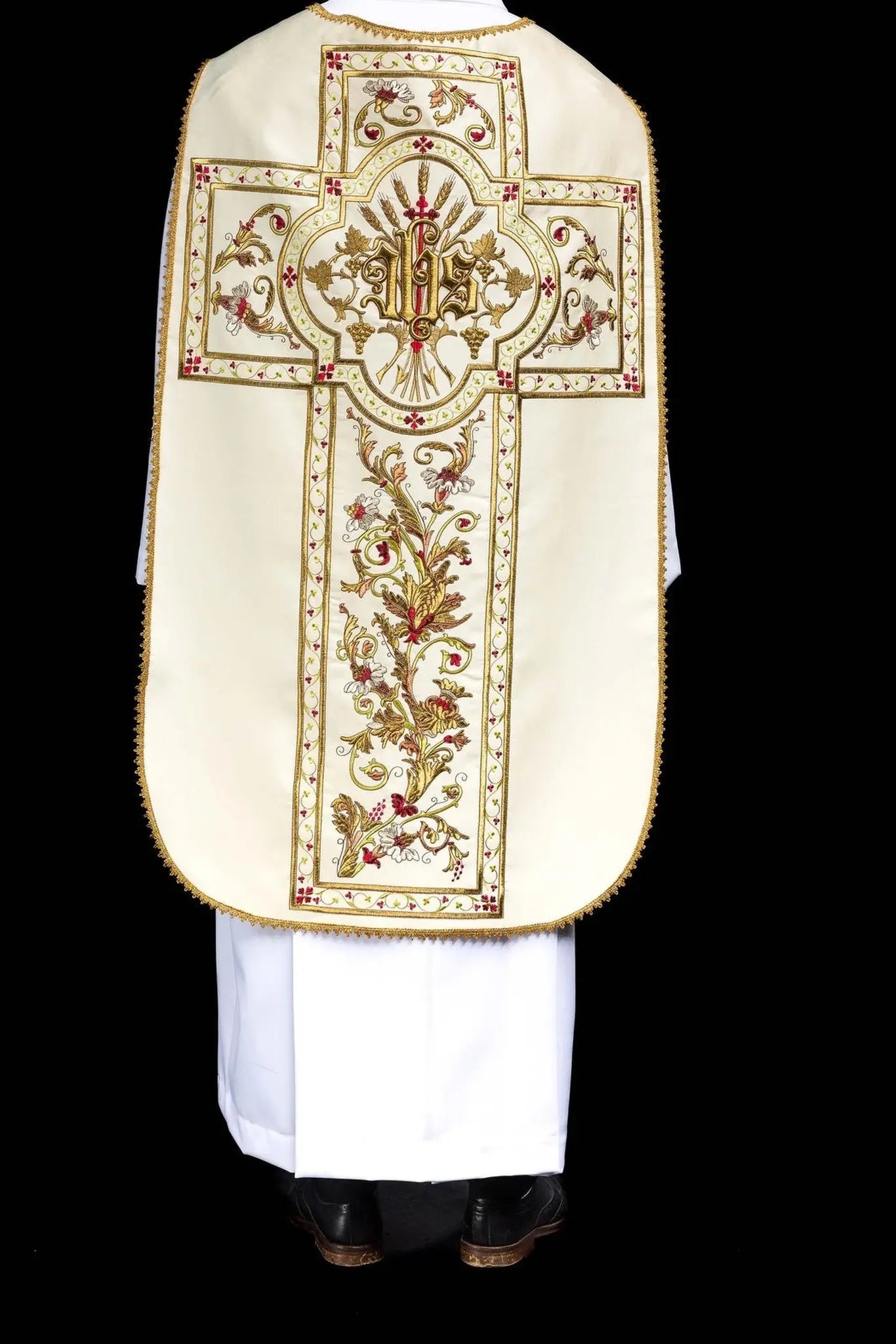
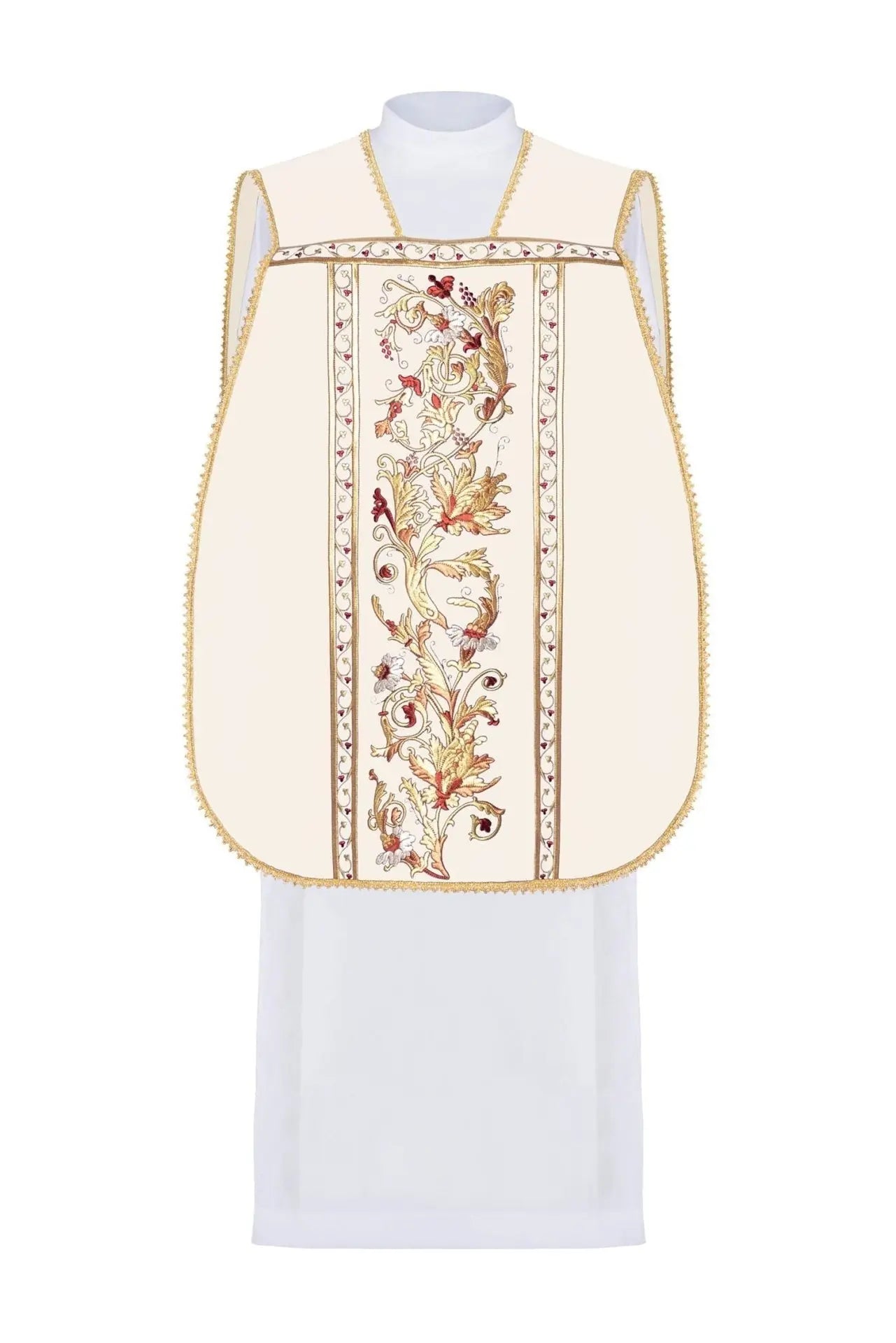
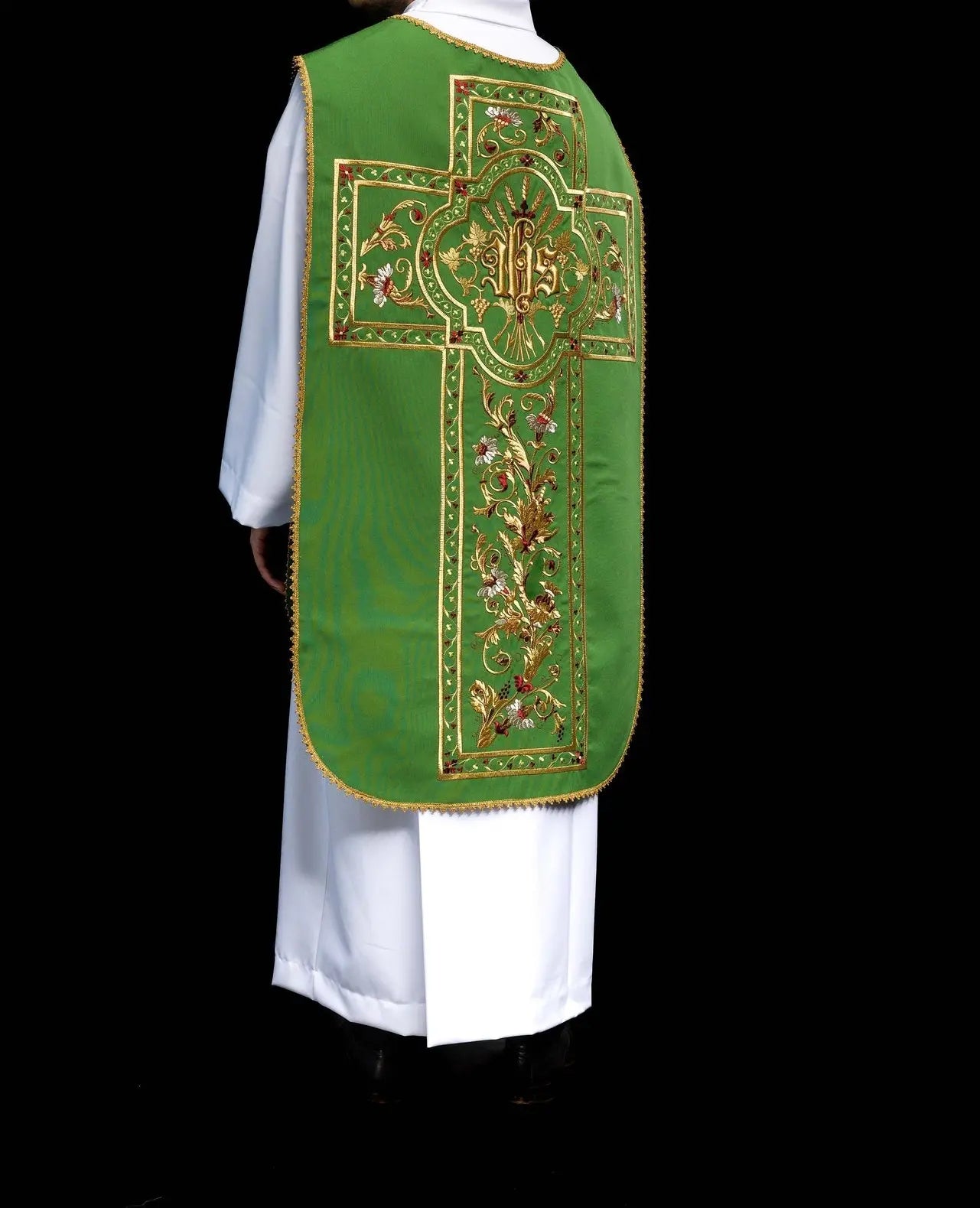
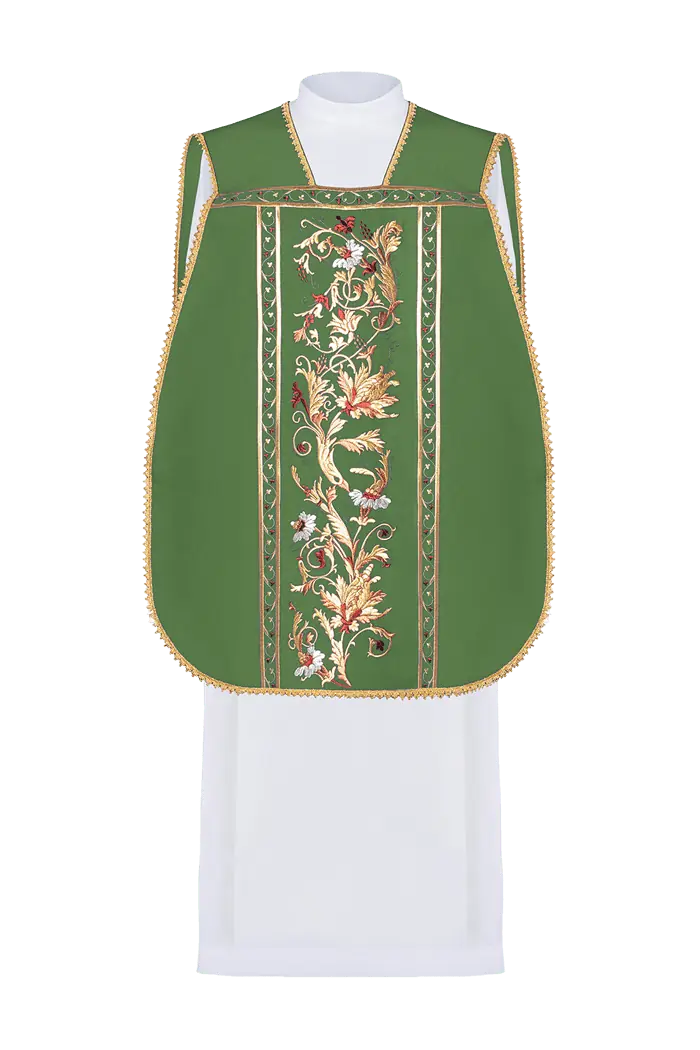

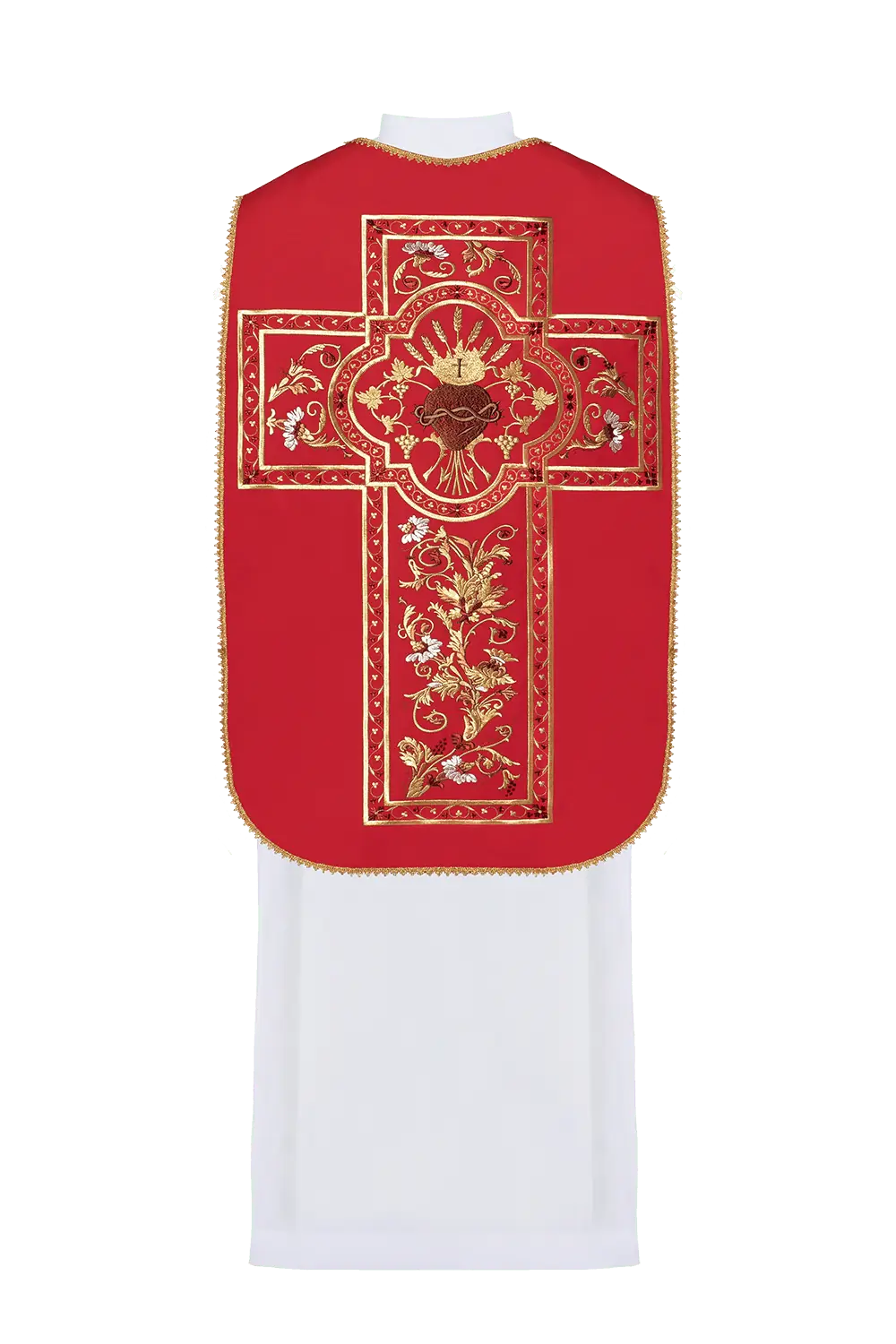
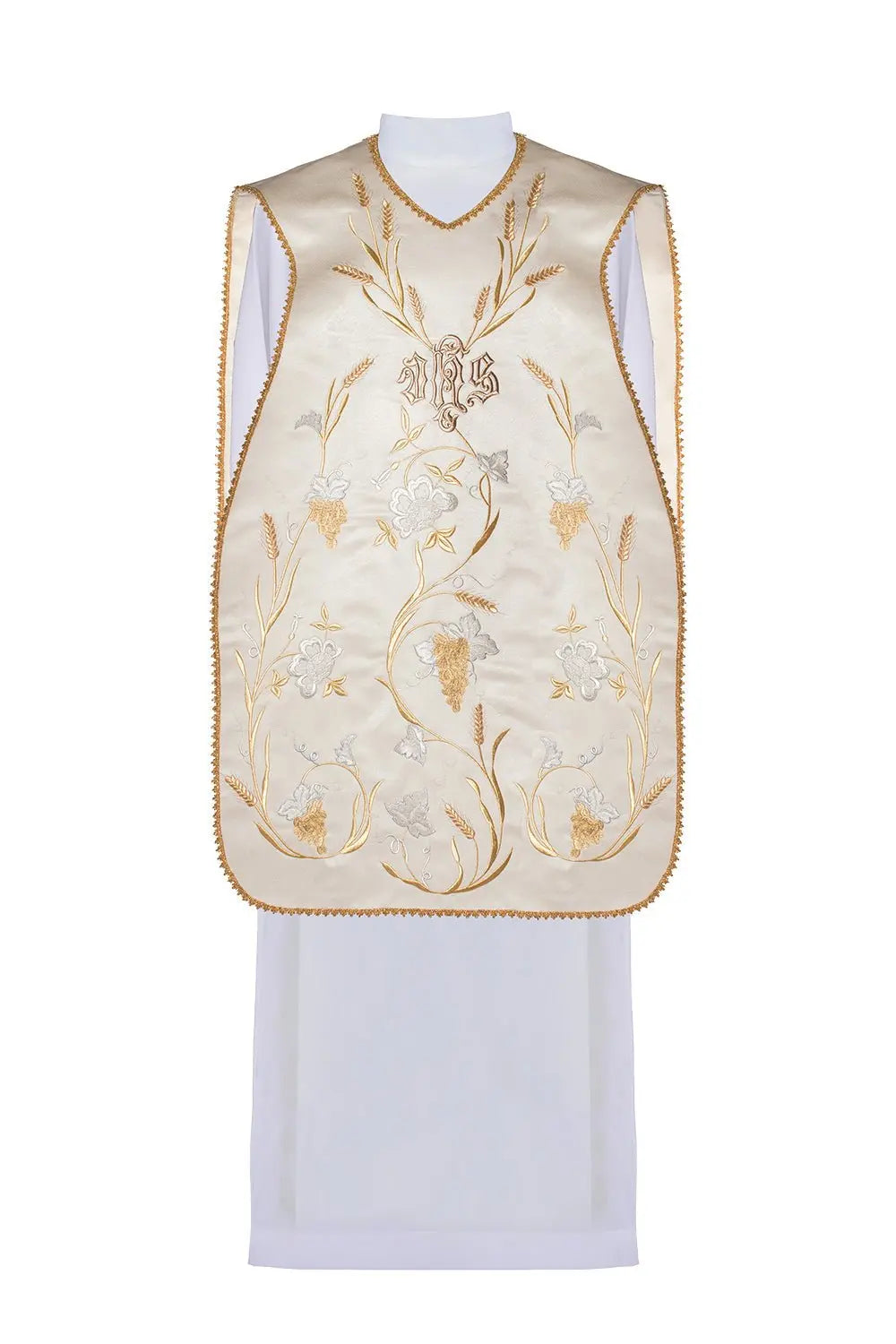
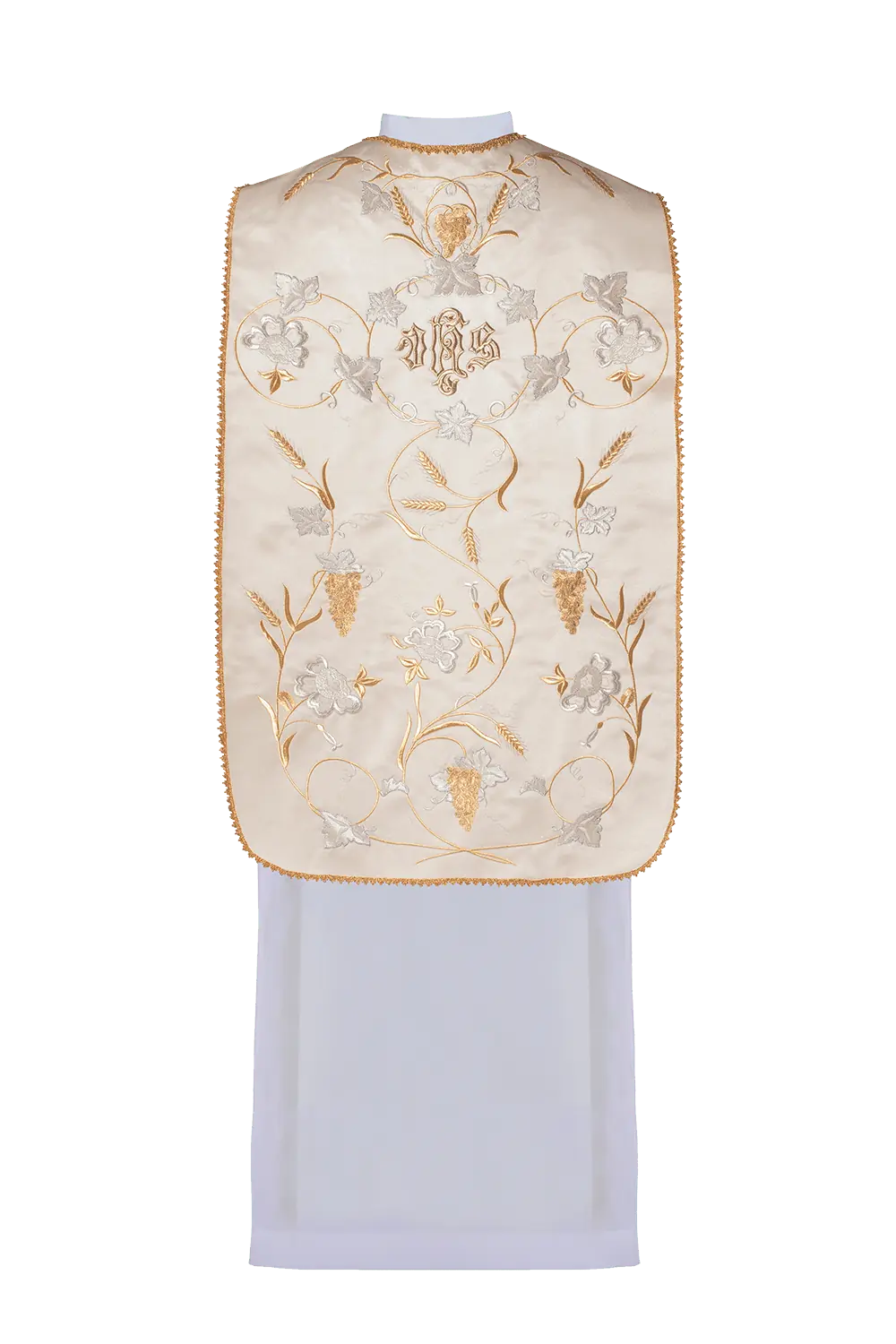
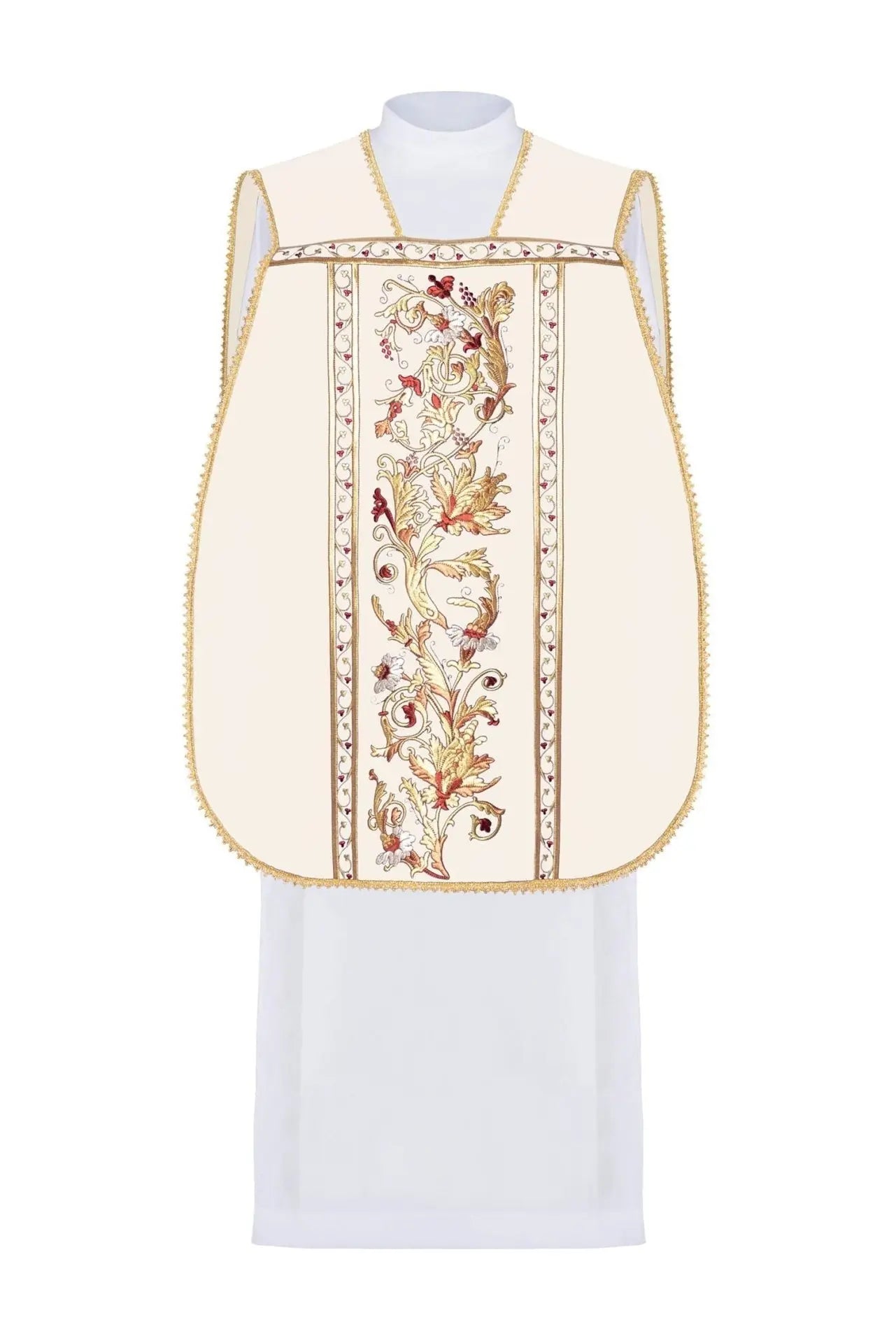
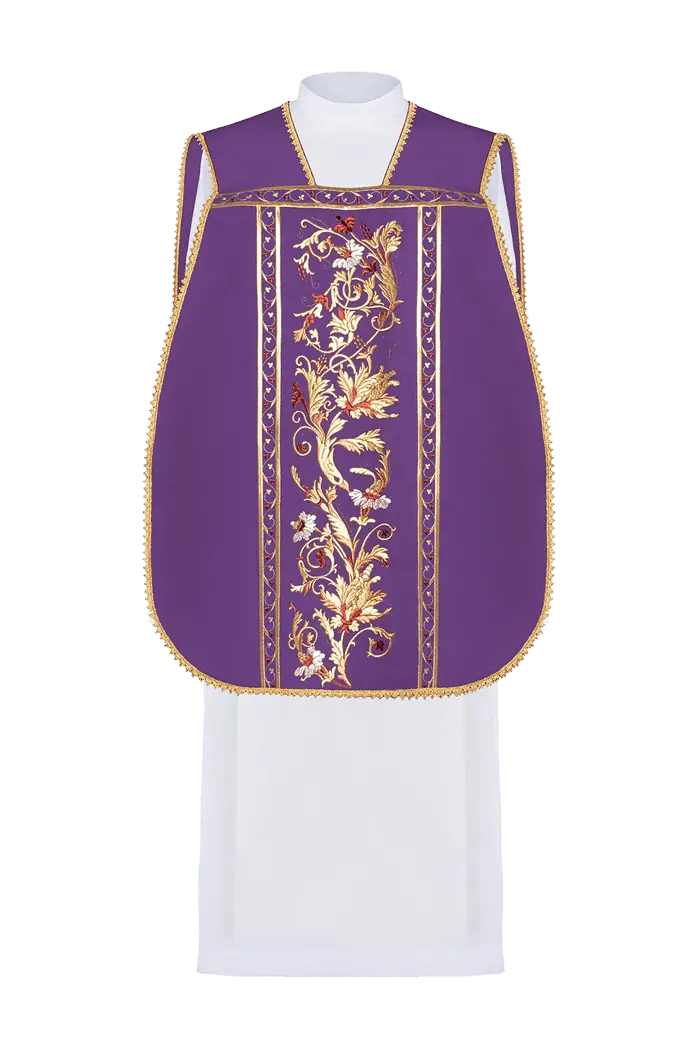
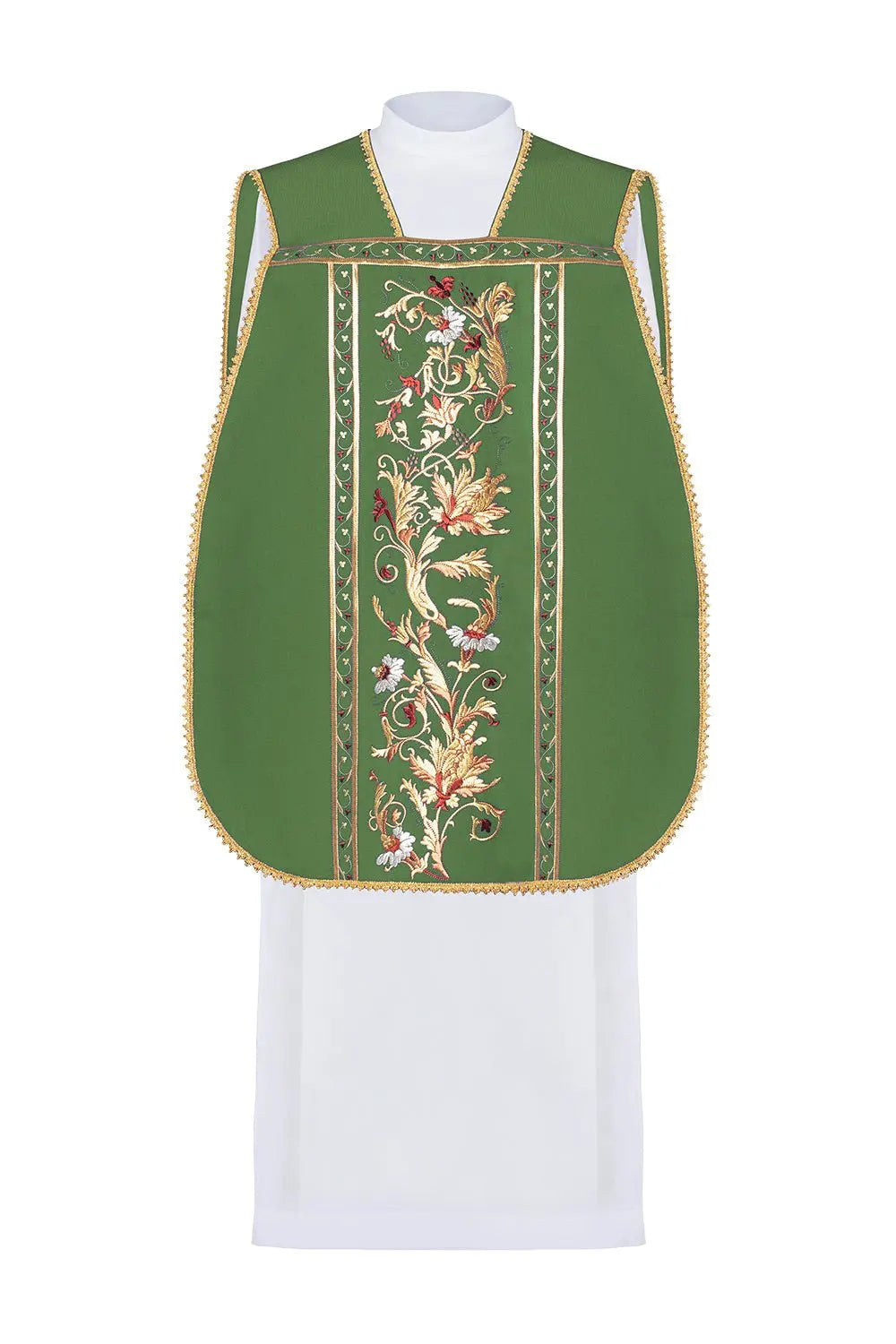
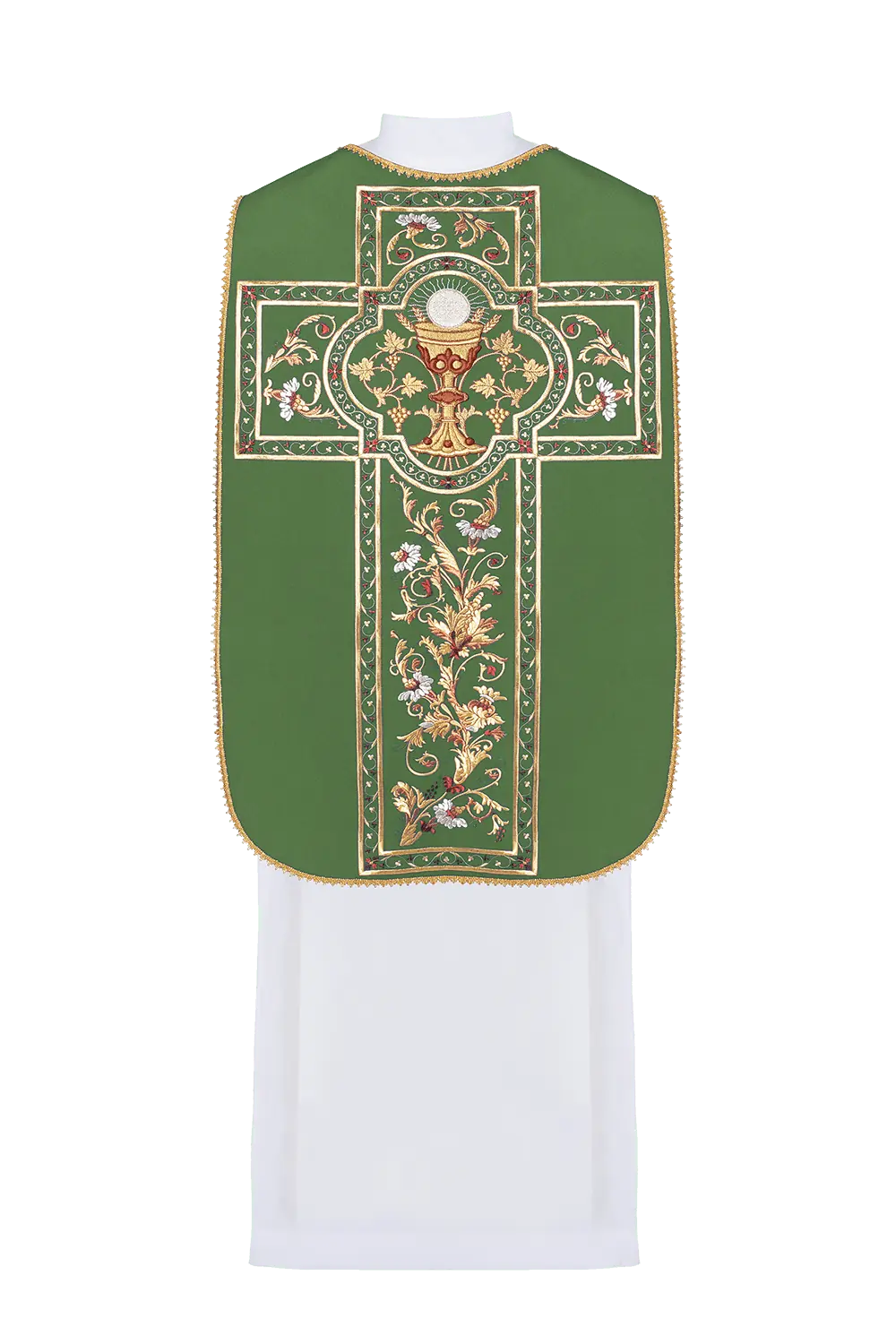
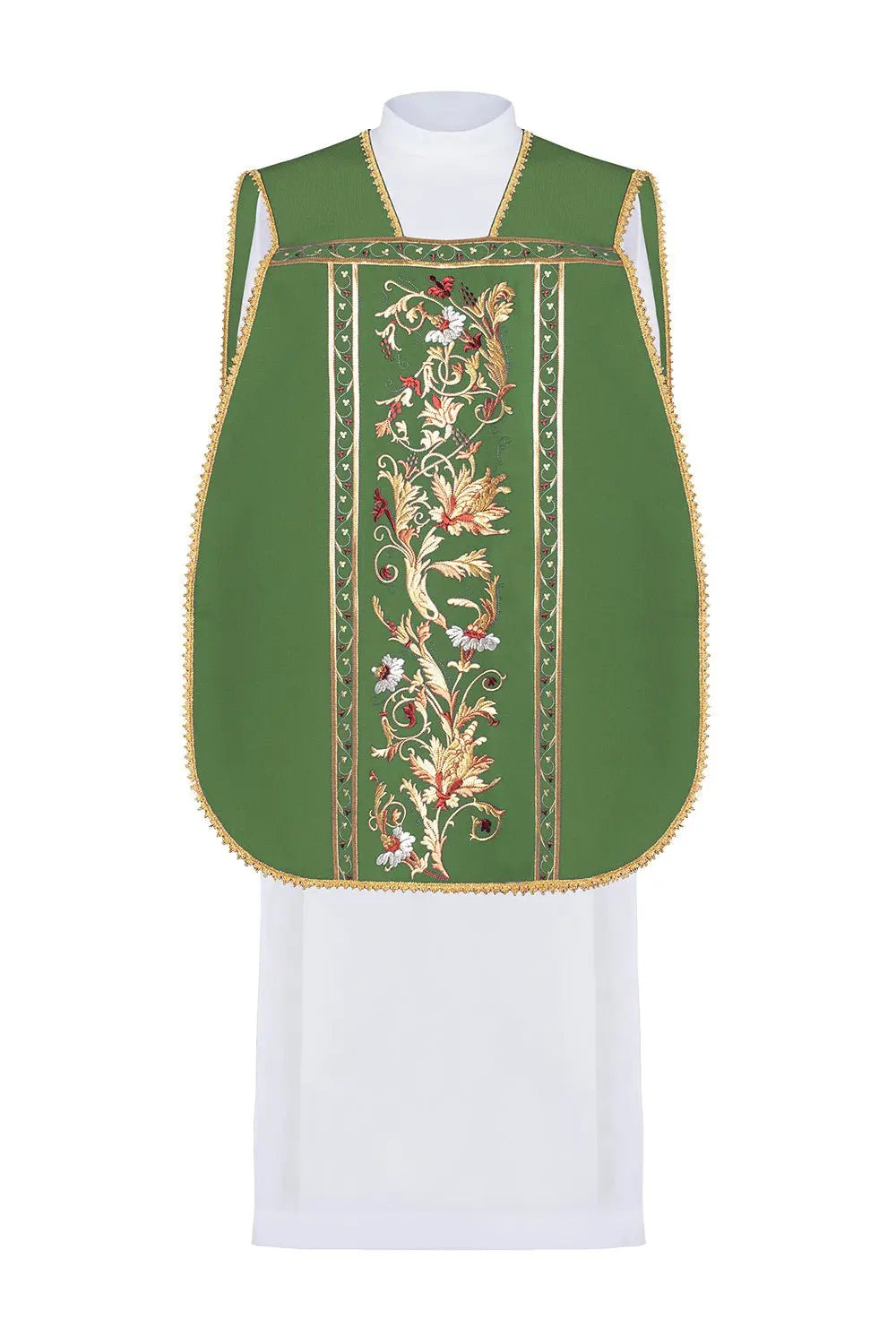
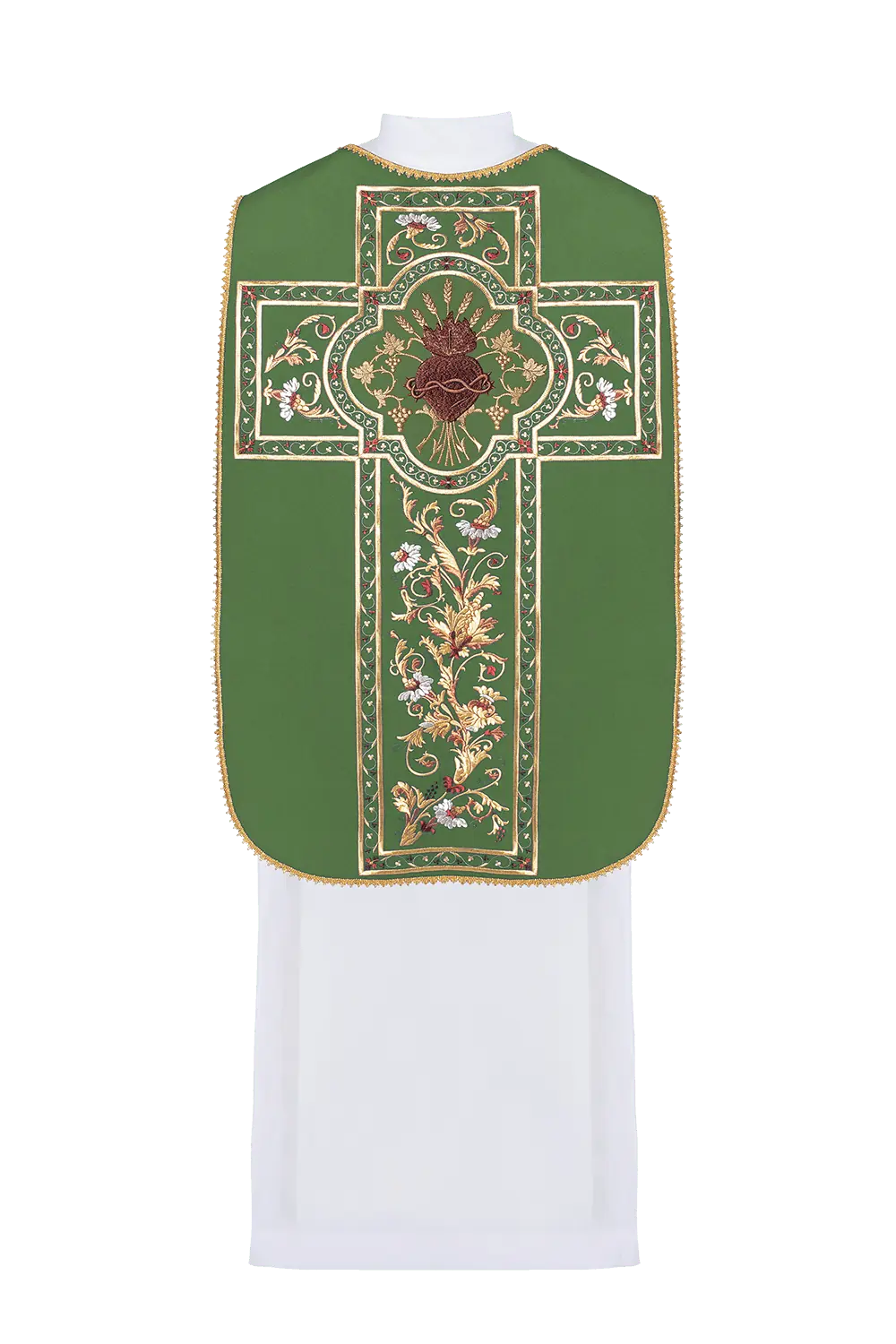
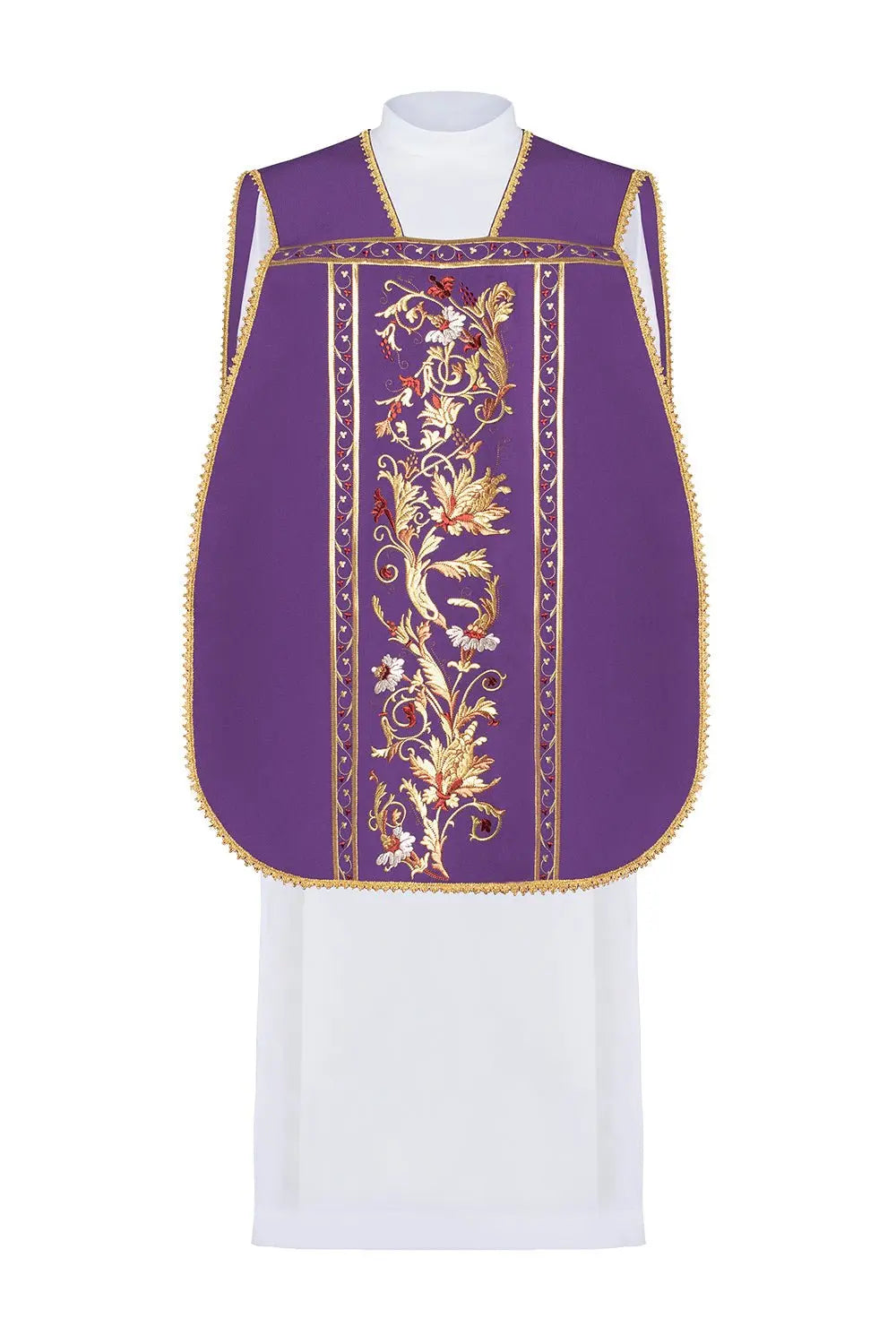
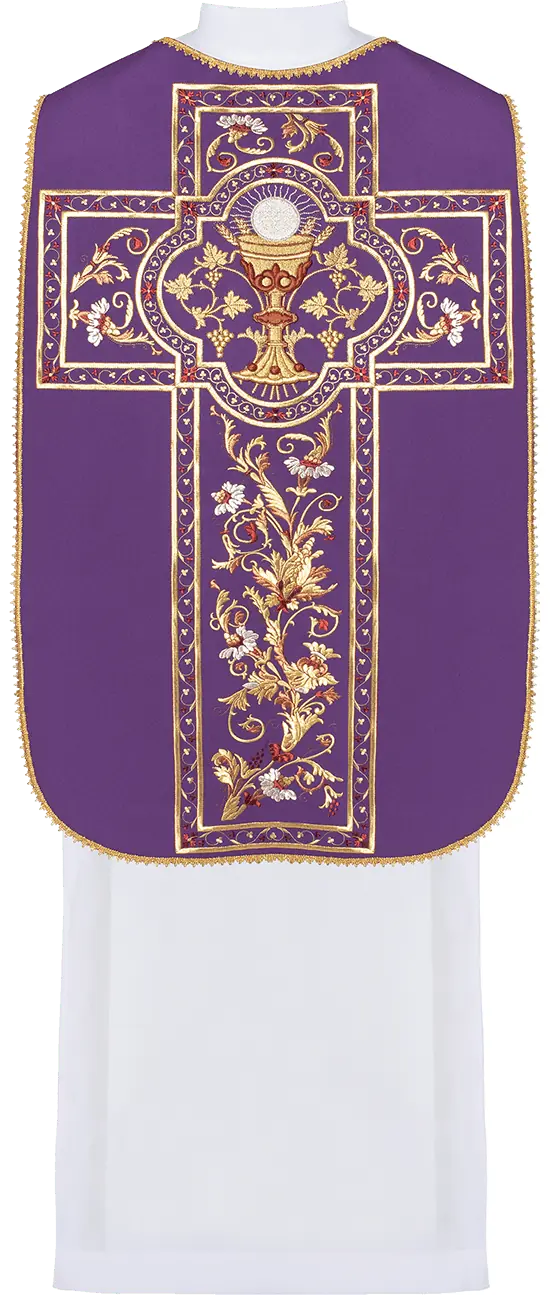
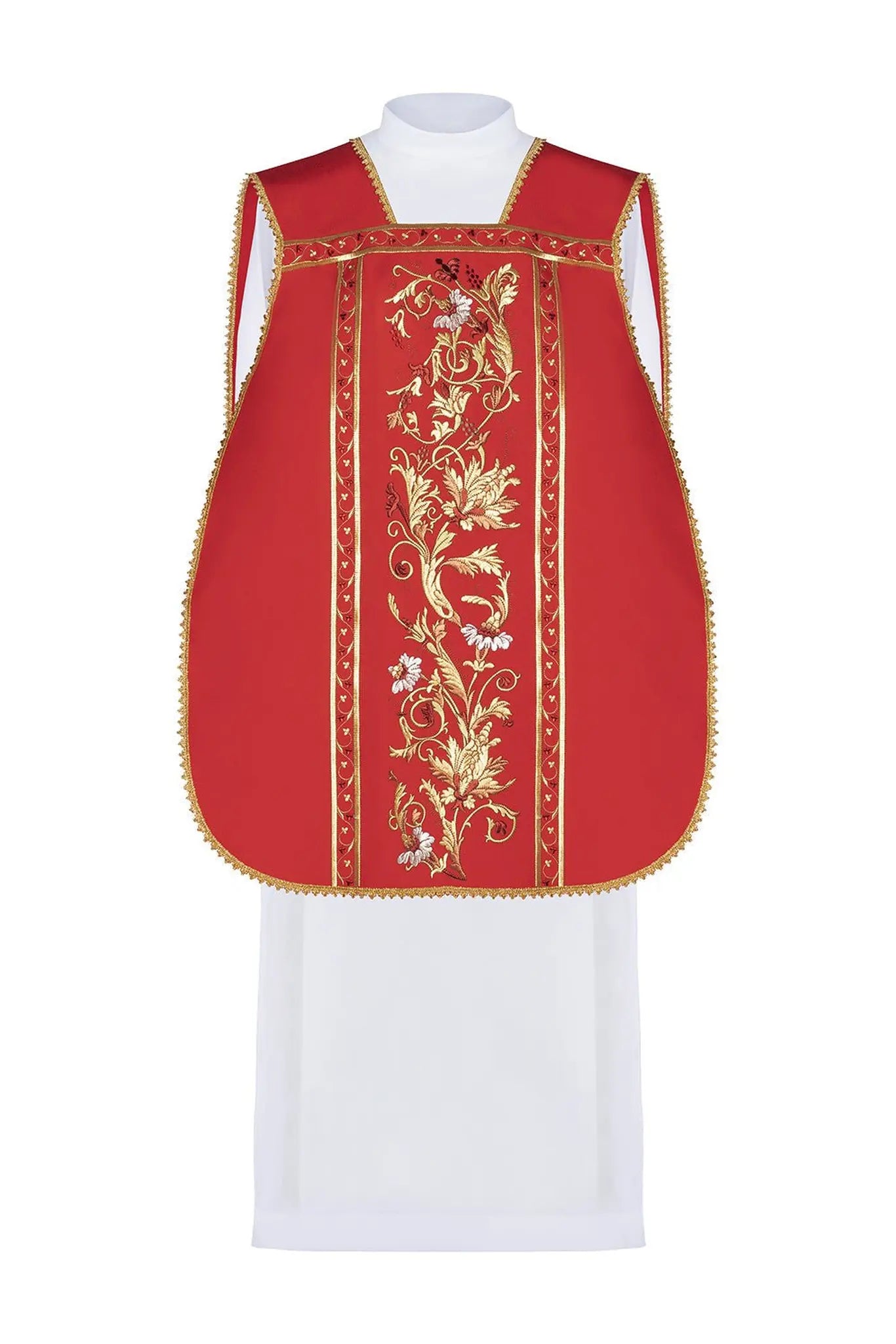
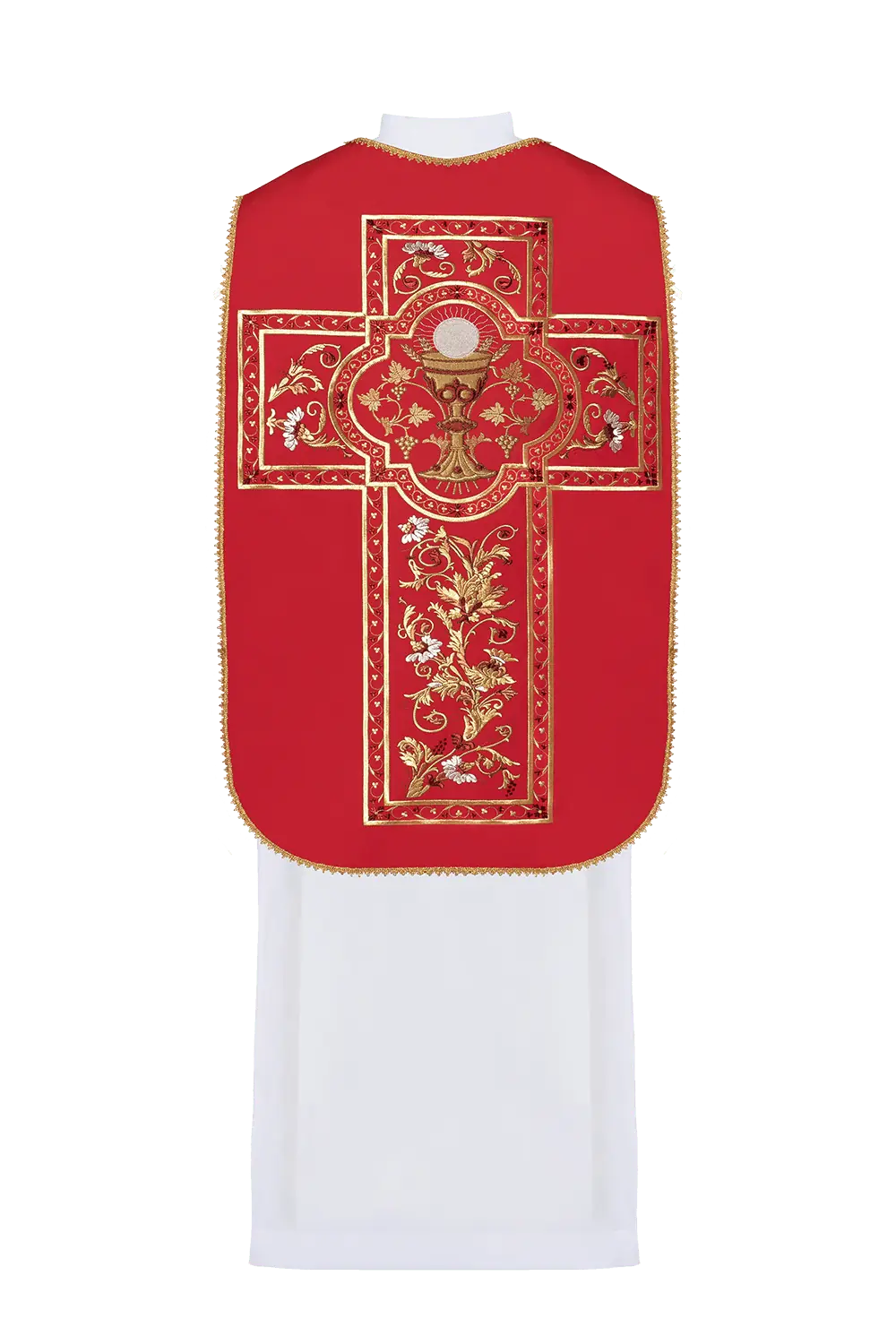
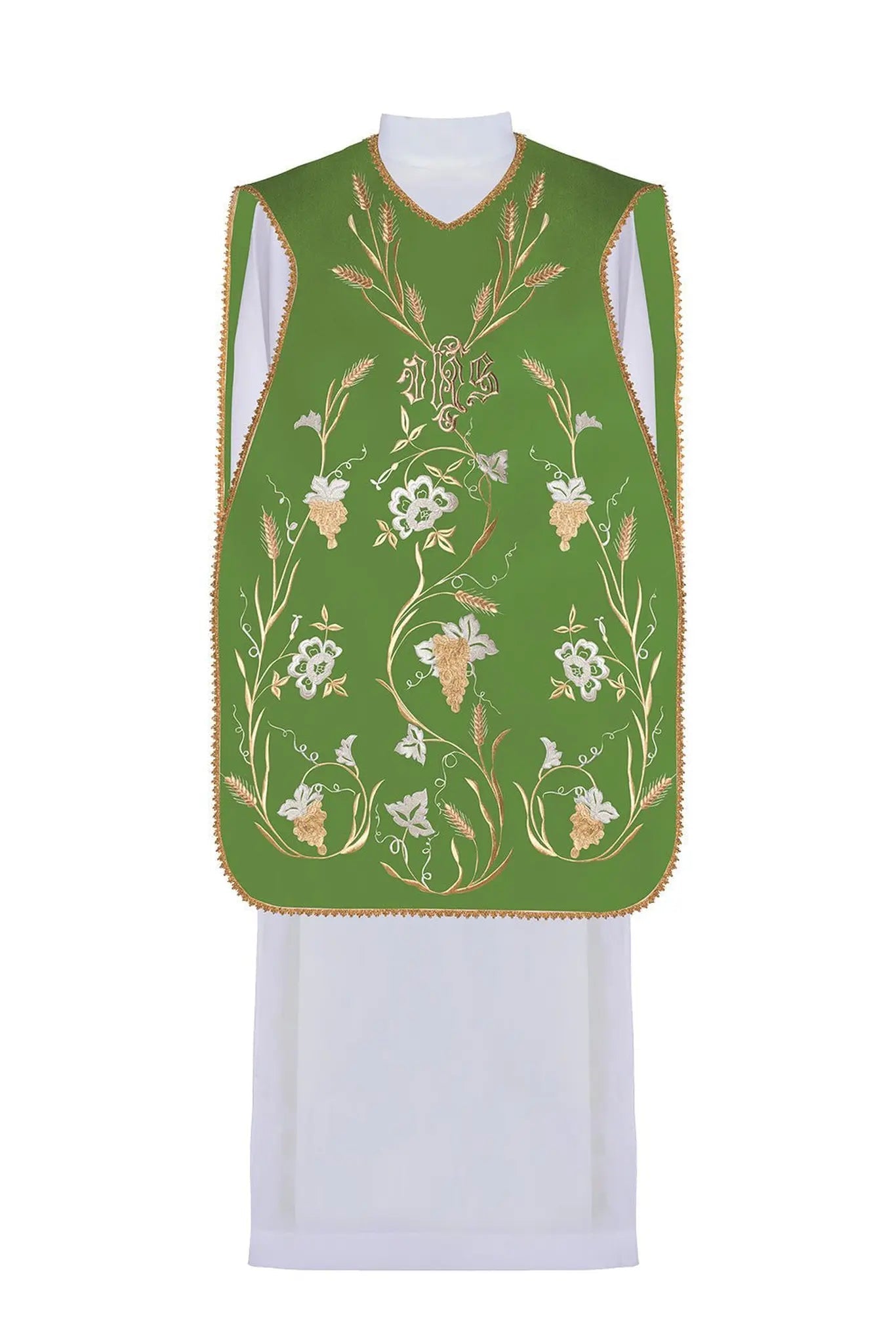
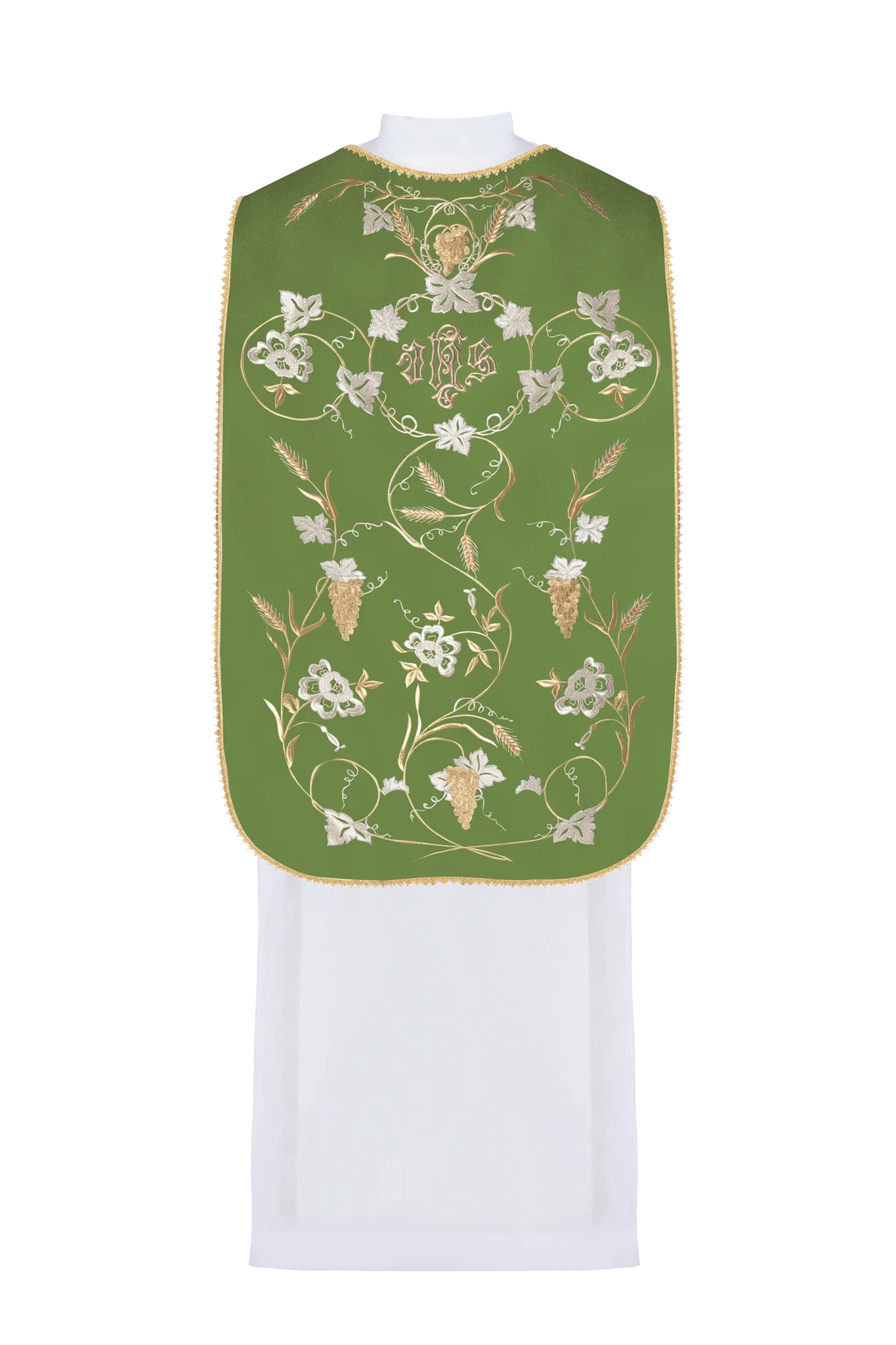
Roman Chasubles for the Celebration of Mass
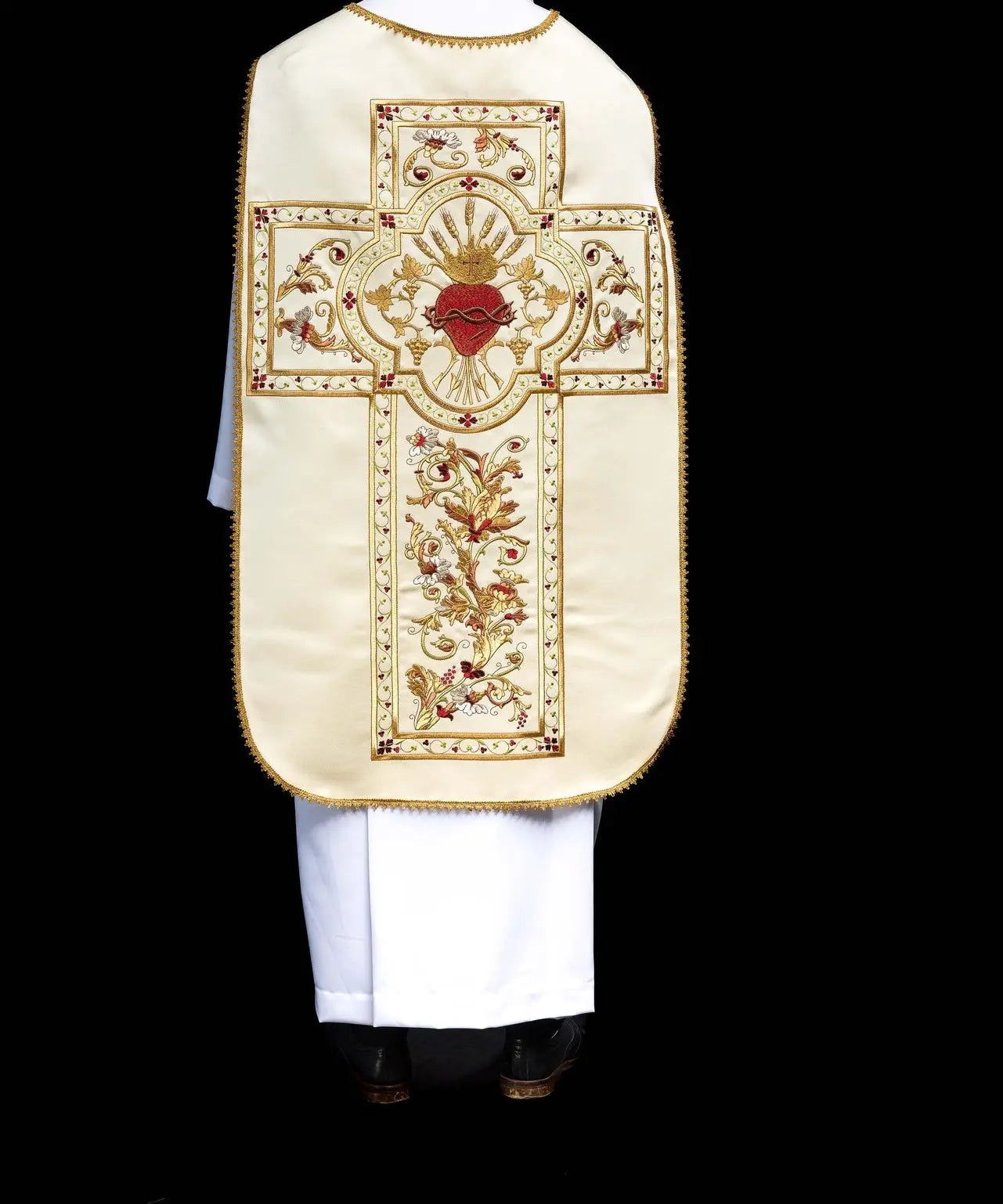
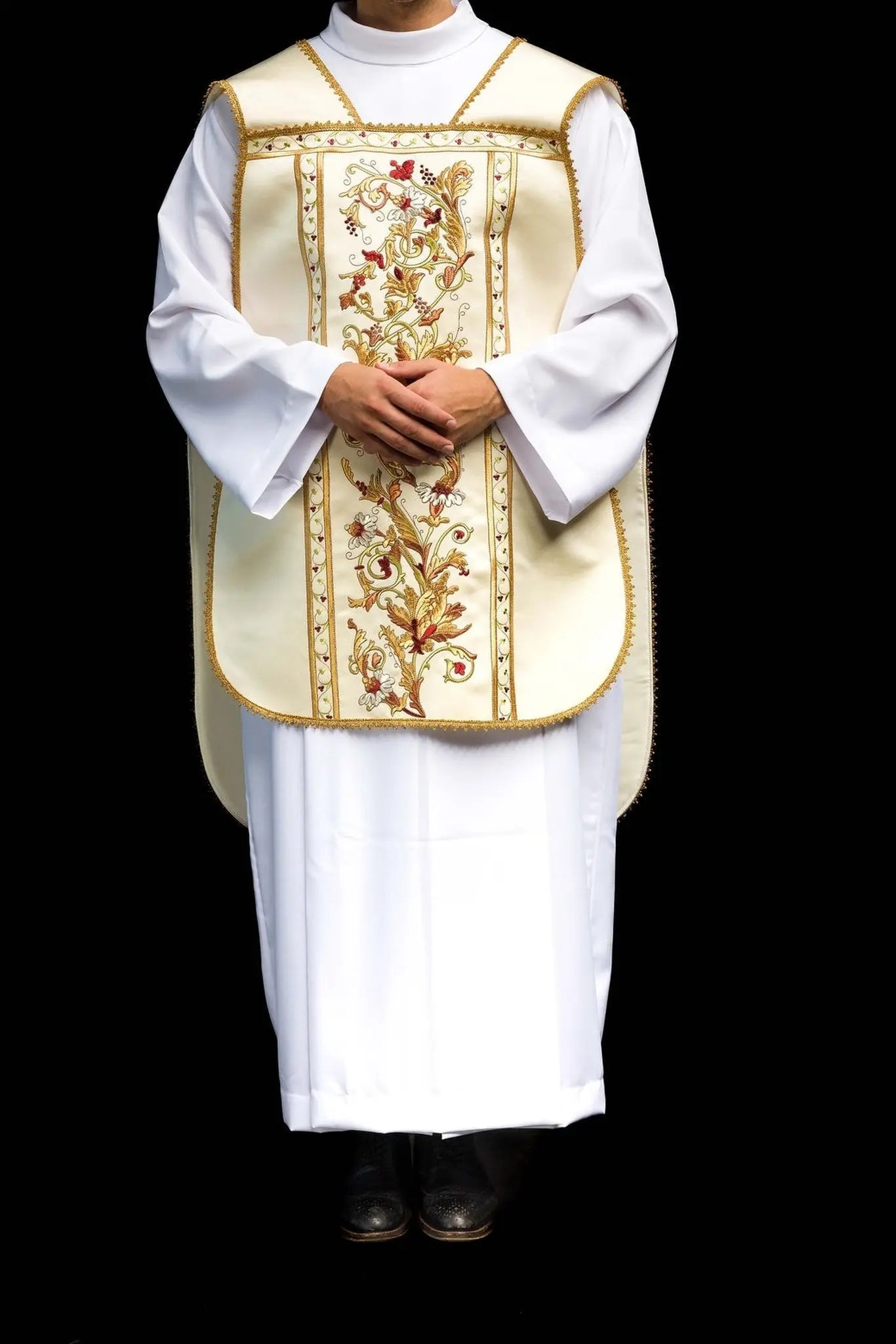
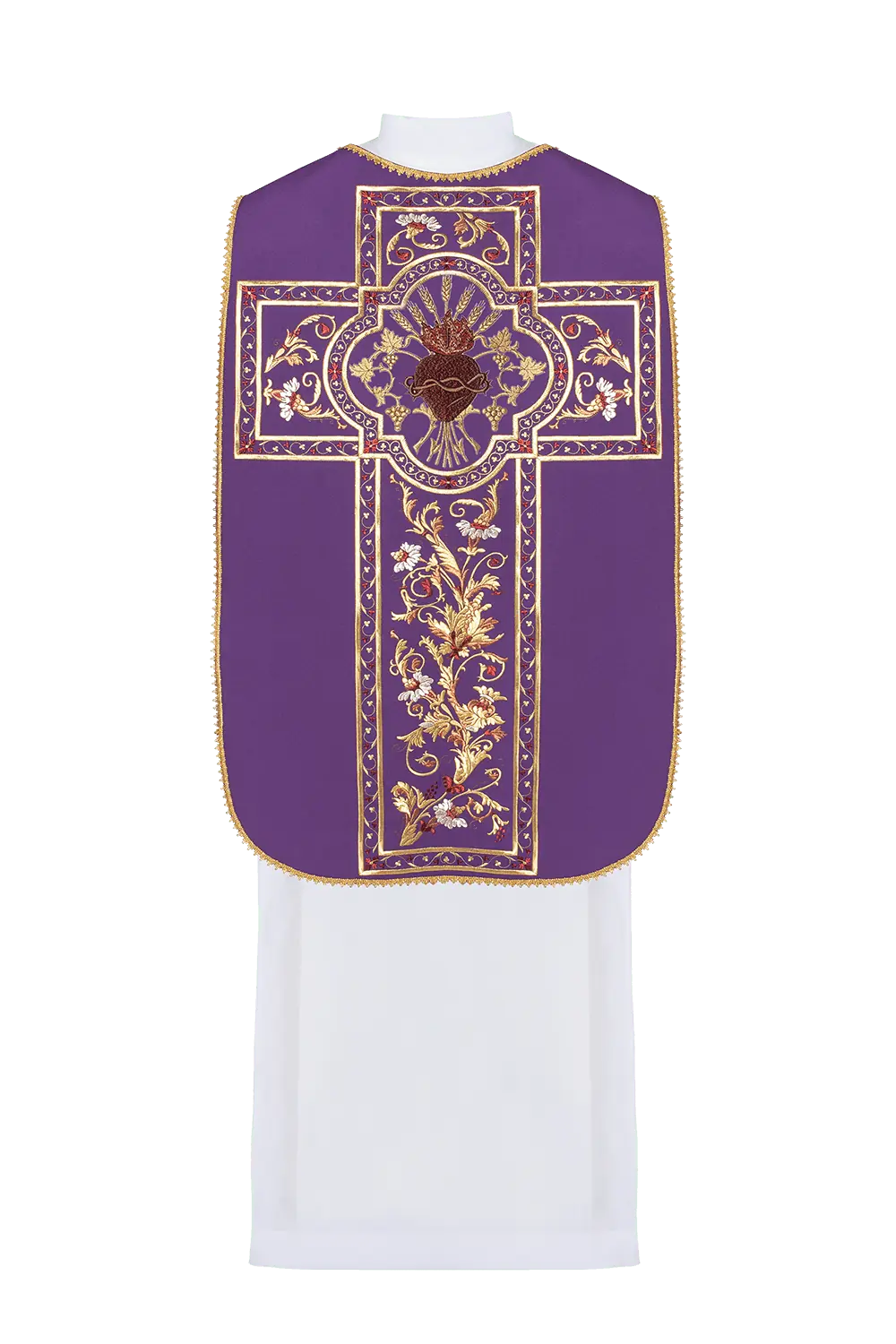
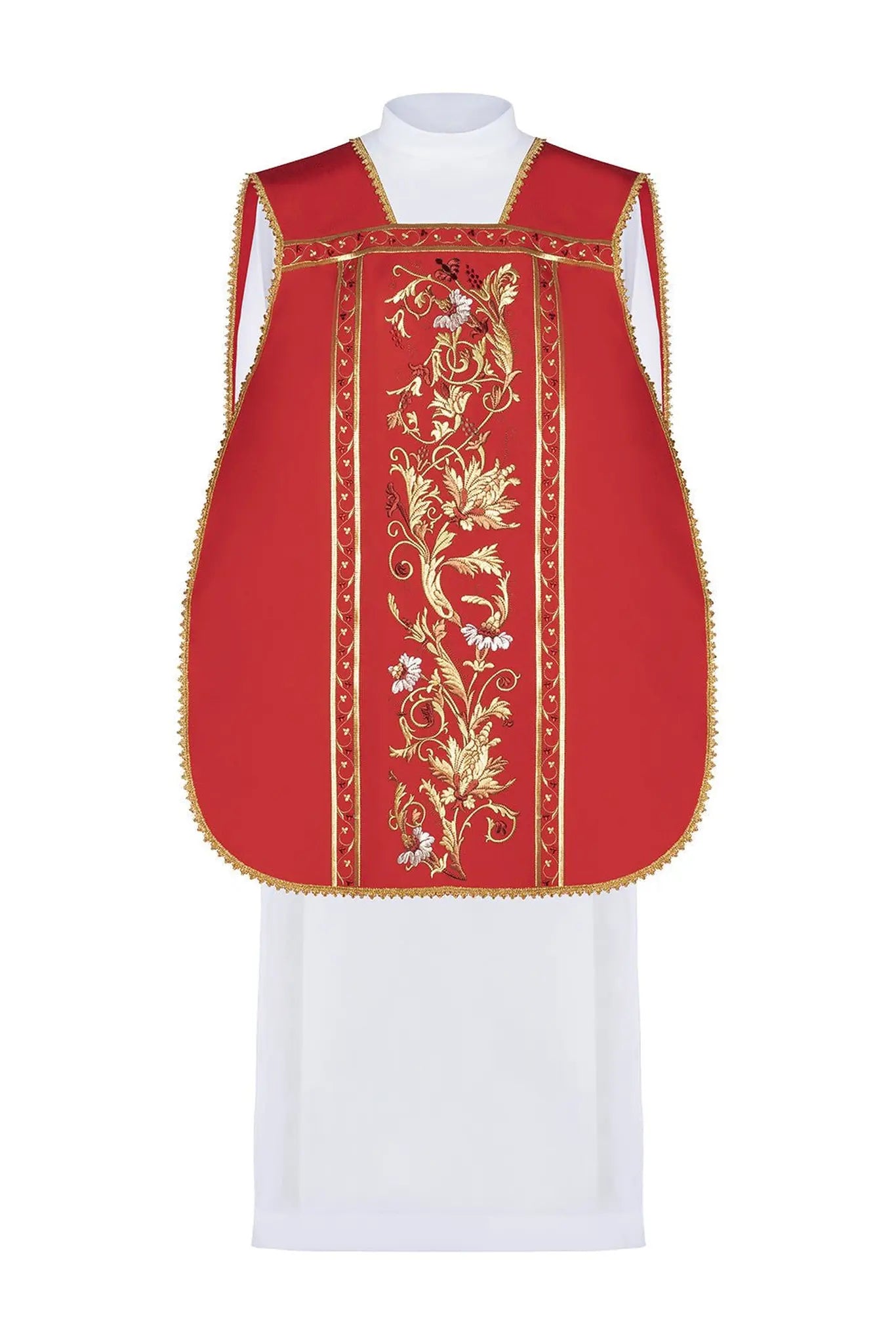
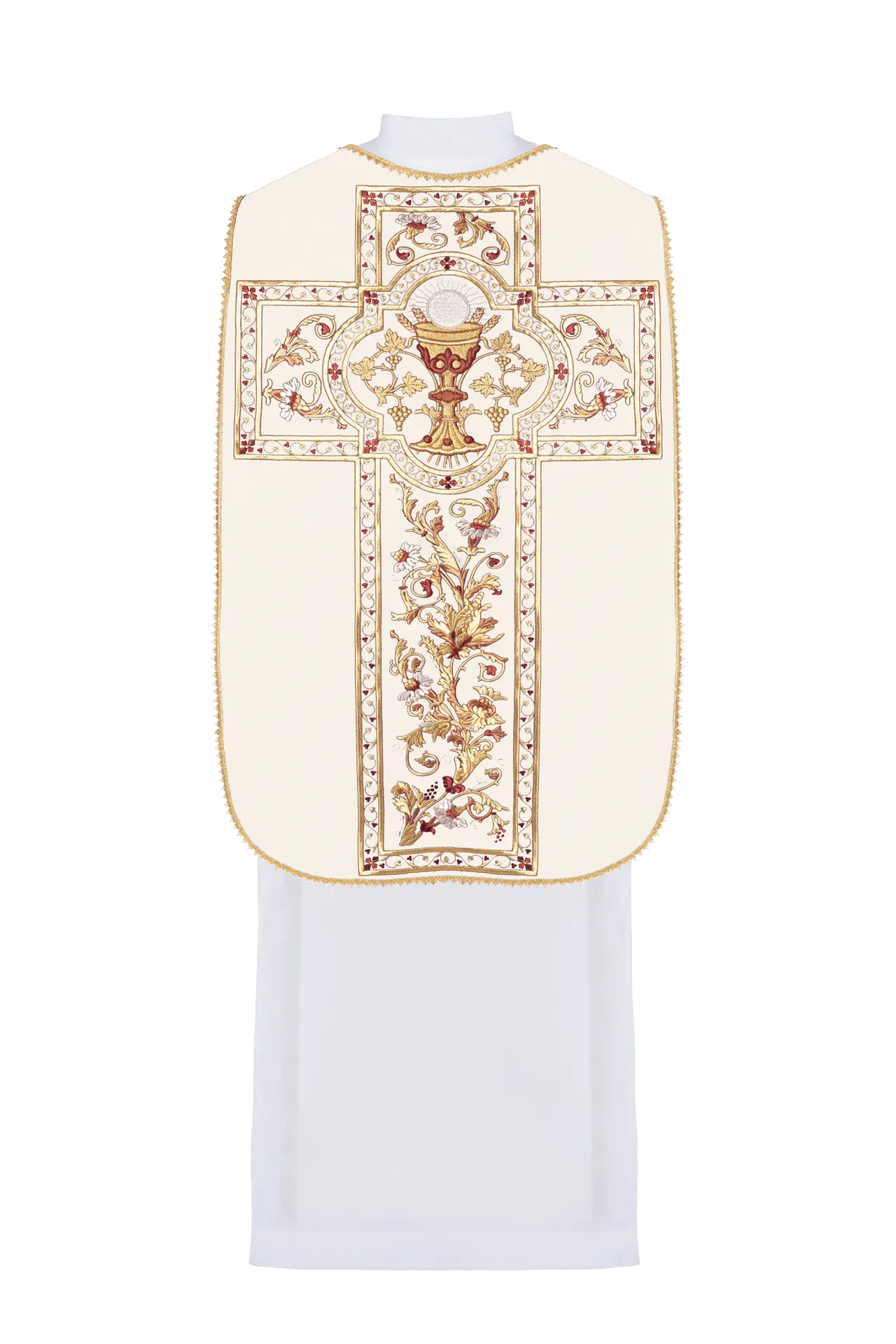
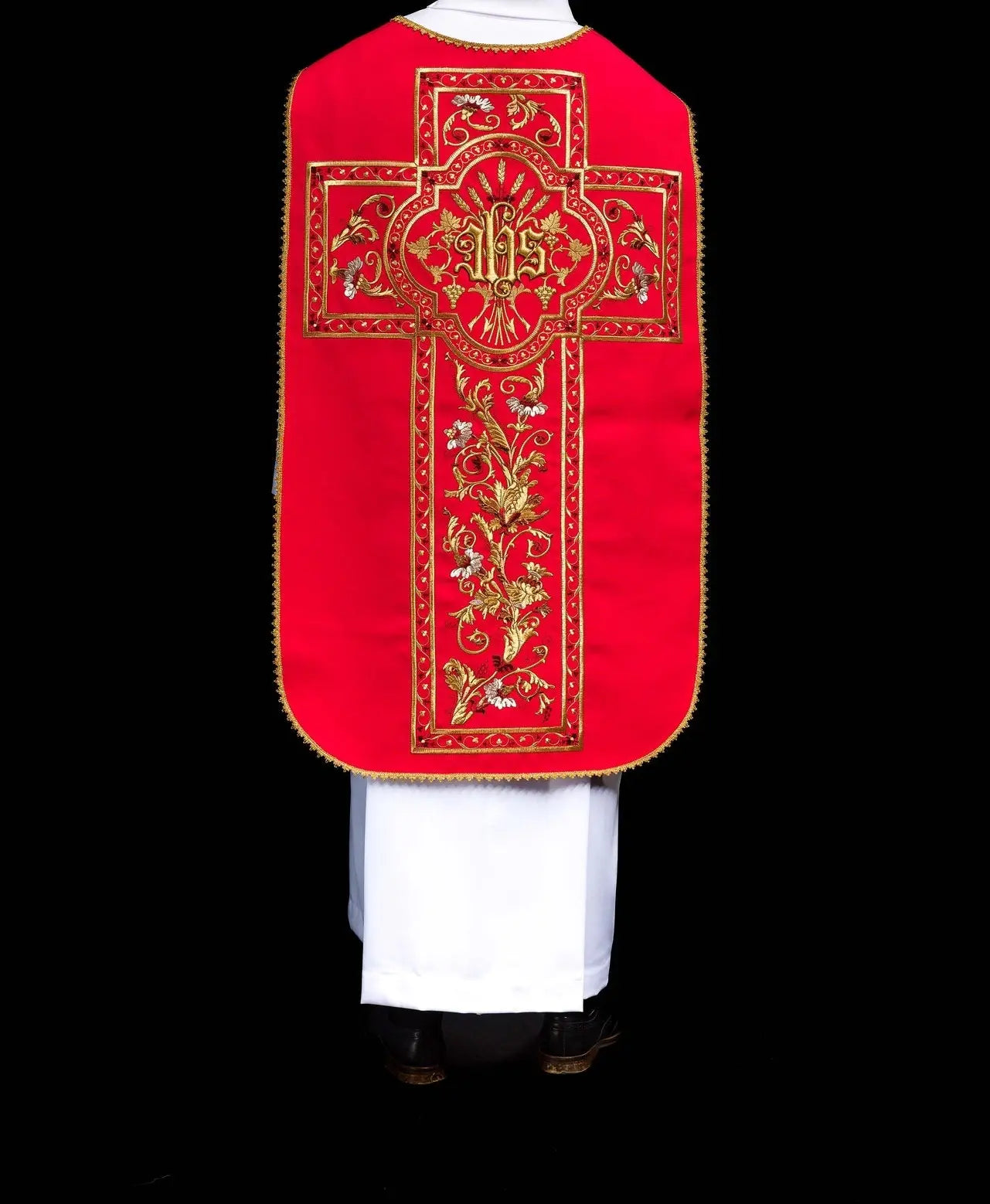
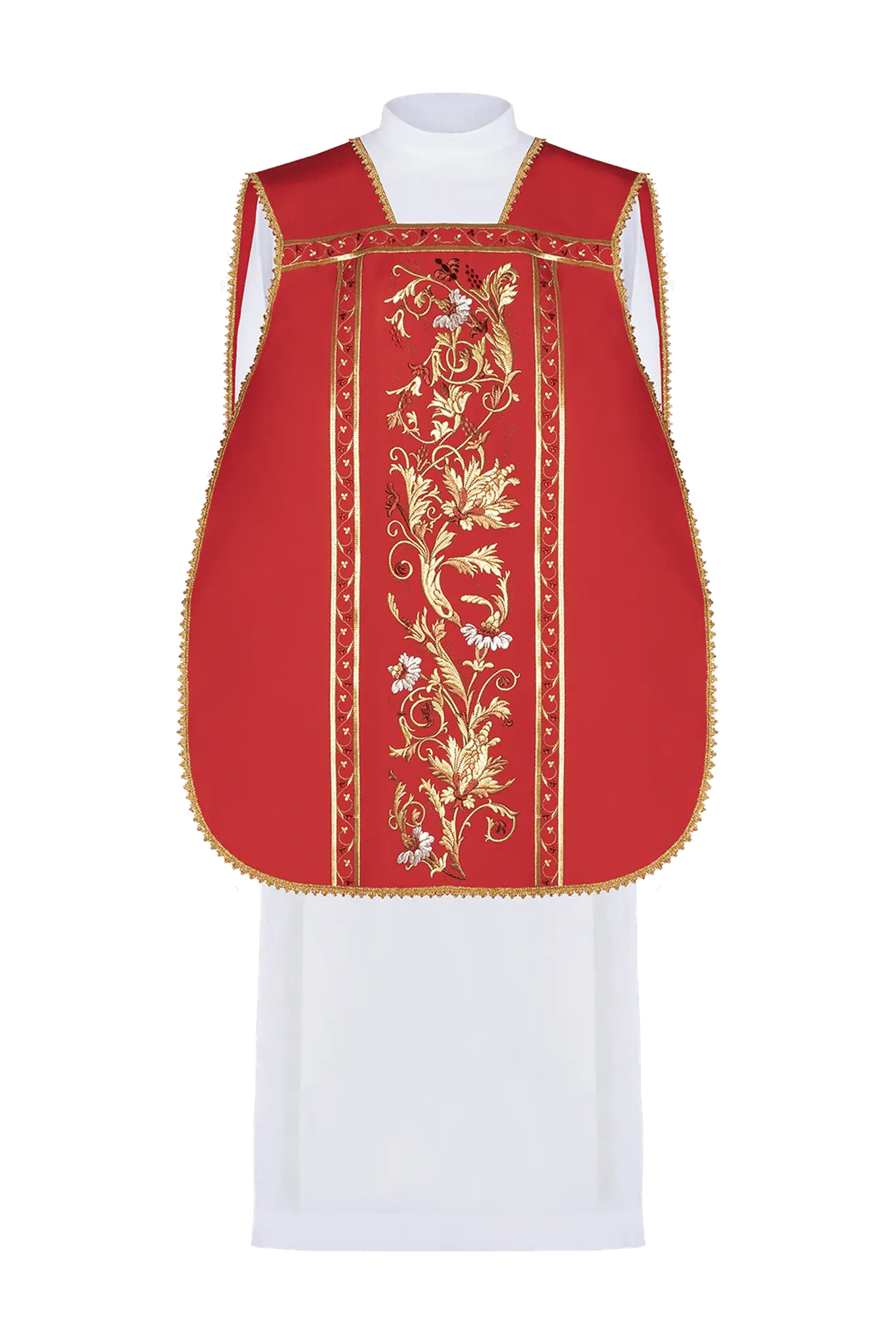
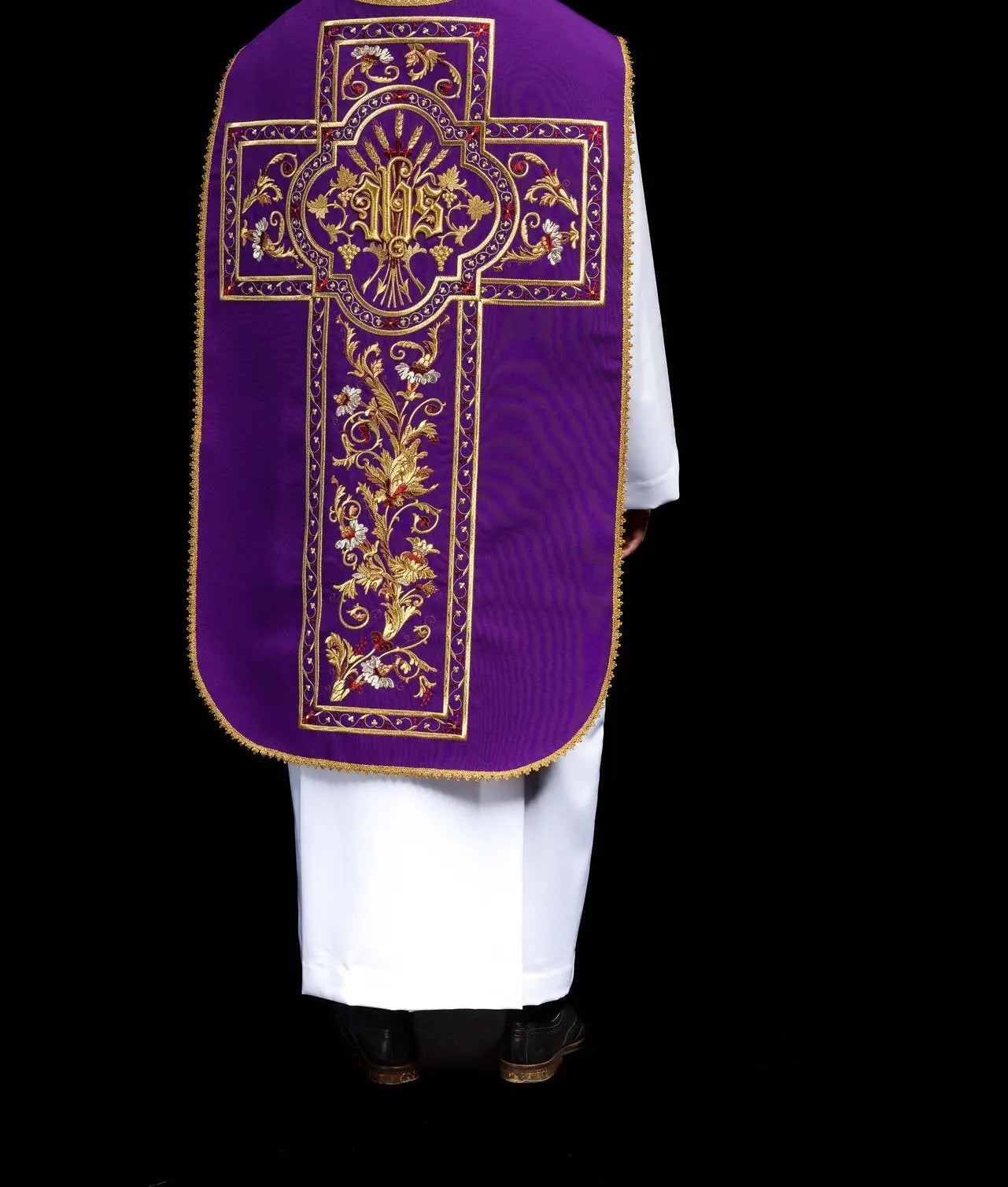
Roman chasubles are classic priestly vestments shaped by the long tradition of the Roman Rite. This collection is dedicated to chasubles with a more traditional Roman character: dignified proportions, a clear central ornamental line, carefully placed embroidery, and a formal appearance suited to the sacred action of the Mass. A Roman chasuble is worn by a priest or bishop over the alb and stole when celebrating the Eucharist, and its design should serve the liturgy rather than distract from it.
In this collection, parishes, chapels, religious communities, and individual clergy can look for Roman chasubles for daily Mass, Sunday celebrations, feast days, votive Masses, funerals, and solemn parish occasions. The purpose of the collection is not only to offer a beautiful vestment, but also to help match color, symbolism, fabric, and ornamentation to the rhythm of the liturgical year. For a broader view of related priestly vestments, visit the main Chasubles collection.
The Traditional Character of Roman Chasubles
The Roman chasuble is appreciated for its structured and ceremonial appearance. Compared with flowing Gothic-style vestments, Roman designs usually create a more defined silhouette and often emphasize the vertical axis of the vestment with a central panel, cross, or ornamental band. This visual clarity makes the vestment especially suitable for churches that value a more traditional liturgical style, historic vestment forms, or a formal aesthetic at the altar.
A well-chosen Roman chasuble should combine noble design with practical comfort. The priest must be able to move naturally during the entrance procession, Liturgy of the Word, Eucharistic Prayer, distribution of Holy Communion, and recessional. Because the vestment is worn over other liturgical garments, its lining, weight, cut, and fastening should support both dignity and ease of use. Roman chasubles in this collection are intended for sacred use, where proportion and finish matter as much as ornament.
Liturgical Colors and Their Use
Color is one of the first questions when choosing any chasuble. The Roman chasuble follows the same liturgical color discipline as other Mass vestments. White or ecru is used for Easter, Christmas, celebrations of the Lord other than the Passion, feasts of the Blessed Virgin Mary, angels, and many saints. Green is used in Ordinary Time. Violet is used in Advent and Lent, as well as in penitential contexts. Red is used for Palm Sunday, Good Friday, Pentecost, celebrations of the Lord's Passion, apostles, evangelists, and martyrs. Rose may be used on Gaudete Sunday and Laetare Sunday where this custom is observed. Black may be used for funeral liturgies and Masses for the dead according to local practice and liturgical norms.
For priests and sacristies building a coordinated vestment set, it is often useful to select Roman chasubles by season and occasion. For Ordinary Time, the related Green Chasubles collection can help complete regular parish use. For Advent, Lent, and penitential celebrations, see Purple Chasubles. For Pentecost, martyrs, and Passion-related liturgies, Red Chasubles provide a focused color selection. For solemn feasts and festive celebrations, Gold Chasubles may be considered where gold is used as a festive substitute for white, red, or green according to local custom.
Embroidery, Symbols, and Sacred Meaning
The embroidery on a Roman chasuble is not simply decoration. It helps express the theological meaning of the liturgy through symbols that are easily recognized in the sanctuary. Common motifs include the cross, IHS monogram, Eucharistic wheat and grapes, Marian symbols, the Holy Spirit, rays of glory, ornamental vines, and traditional Christian patterns. These elements should be placed with care so that the vestment remains balanced, reverent, and clearly connected to the celebration of the Mass.
More restrained embroidery may be suitable for daily Mass, smaller chapels, or communities that prefer simplicity. Richer embroidery can be chosen for solemnities, patronal feasts, parish anniversaries, ordinations, jubilee celebrations, and major days of the liturgical year. The Roman form is especially effective when the decoration is symmetrical and ordered, because the shape of the vestment naturally highlights central sacred imagery.
How to Choose a Roman Chasuble
When selecting a Roman chasuble, begin with the liturgical use. A parish sacristy may need durable vestments that can be used frequently, while a priest may be looking for a special chasuble for first Mass anniversaries, solemnities, or particular devotions. Consider whether the vestment will be used in a large church, a small chapel, a seminary, a religious house, or during processions. The visual scale of the embroidery should suit the space: fine details may be appreciated close up, while a strong central motif can be more visible in a larger sanctuary.
- For frequent parish use: choose a color and design that can serve many Masses during the year, with fabric that keeps its shape well.
- For solemn celebrations: select richer ornamentation, stronger symbolic embroidery, or festive tones that suit major feasts.
- For Marian feasts: consider designs with Marian symbolism or coordinate with the Marian Chasubles collection.
- For saint-related celebrations: a chasuble with sacred imagery may be appropriate; the related Chasubles with Saints collection can help with more specific devotional themes.
- For complete vesture: remember that the chasuble is worn with an alb and stole, so color and style should harmonize with the rest of the priest's vestments.
Fabric, Comfort, and Practical Use
The beauty of a Roman chasuble depends on both design and construction. Fabrics should be chosen for their appearance, drape, durability, and suitability for repeated liturgical use. Lighter fabrics may be practical in warmer churches or for longer celebrations, while heavier or more structured materials can give a more formal look. Embroidery should be secure and cleanly finished, especially on areas that are handled frequently before and after Mass.
Good vestment care also matters. Roman chasubles should be stored on suitable hangers or laid flat when appropriate, kept away from dampness and direct sunlight, and handled with clean hands. Embroidered areas should not be folded sharply. Cleaning should follow the fabric and embroidery requirements of the individual vestment. Delicate materials and ornate embroidery usually require professional care, while simpler fabrics may have different maintenance needs. Proper storage and careful handling help preserve the reverent appearance of the vestment for many years.
Coordinating Roman Chasubles with Other Vestments
A Roman chasuble does not stand alone in the liturgy. It is part of a complete set of sacred vesture. The alb provides the white baptismal garment beneath the chasuble, while the stole is the priestly sign worn under the chasuble for Mass. Parishes that want a consistent sanctuary appearance may coordinate the chasuble with stoles, altar linens, chalice veils, pulpit covers, and other paraments in the same liturgical color. For coordinating priestly accessories, see Clergy Stoles.
Roman chasubles can also be selected with the church interior in mind. A richly decorated high altar, traditional sanctuary, or historic chapel may call for a more formal Roman design. A simpler modern chapel may benefit from a cleaner vestment with restrained embroidery and clear symbolism. The best choice is one that supports prayer, expresses the liturgical day, and respects the dignity of the priestly ministry.
Roman Chasubles for Parish and Clergy Needs
This collection is suitable for clergy seeking a personal Roman chasuble and for sacristies preparing a complete set of Mass vestments. A balanced parish vestment wardrobe may include Roman chasubles in green, white or ecru, violet, red, and selected festive options for Marian days, Corpus Christi, Christmas, Easter, funerals, and local patronal feasts. When possible, the design of each color should be distinct enough to reflect its liturgical use while still forming a coherent set in the sacristy.
Choosing a Roman chasuble is also a matter of reverence. The vestment should point beyond itself to the sacred mysteries celebrated at the altar. Traditional form, meaningful embroidery, and careful workmanship all contribute to that purpose. Whether the need is a dignified daily vestment or a more ornate chasuble for solemn celebrations, the Roman style offers a timeless way to express the solemnity of the Mass.
Frequently Asked Questions (FAQ)
What is a Roman chasuble?
A Roman chasuble is a traditional style of priestly Mass vestment with a more structured shape and formal visual line than many fuller-cut chasubles. It is worn by a priest or bishop over the alb and stole when celebrating Mass.
When should a Roman chasuble be used?
It may be used whenever a chasuble is required for Mass, provided the correct liturgical color is chosen. Many churches choose Roman chasubles for solemn Masses, traditional liturgical settings, feast days, and occasions where a more formal vestment style is desired.
Which color Roman chasuble should I choose first?
For a parish beginning or renewing a vestment set, green is useful for Ordinary Time, violet for Advent and Lent, red for Pentecost and martyrs, and white or ecru for festive seasons and saints. Additional colors such as rose, black, Marian designs, or gold can be added according to local liturgical use.
Are Roman chasubles suitable for daily Mass?
Yes. A simpler Roman chasuble with durable fabric and restrained embroidery can be very practical for daily Mass. More ornate versions may be reserved for Sundays, solemnities, parish feasts, and special celebrations.
How should a Roman chasuble coordinate with a stole?
The stole worn under the chasuble should match the liturgical color and should not visually clash with the main embroidery. A coordinated stole helps the priest's vesture appear ordered, especially before and after Mass when the chasuble may not fully cover the stole.
What is the difference between Roman chasubles and Marian or saint chasubles?
Roman refers primarily to the traditional style and cut of the vestment. Marian chasubles and chasubles with saints refer to the theme or imagery. A chasuble may be Roman in style and also include Marian or saint-related embroidery if the design is made for that purpose.