
Sort by
20 products
Thuribles and Boats
Thuribles and Incense Boats for Liturgy
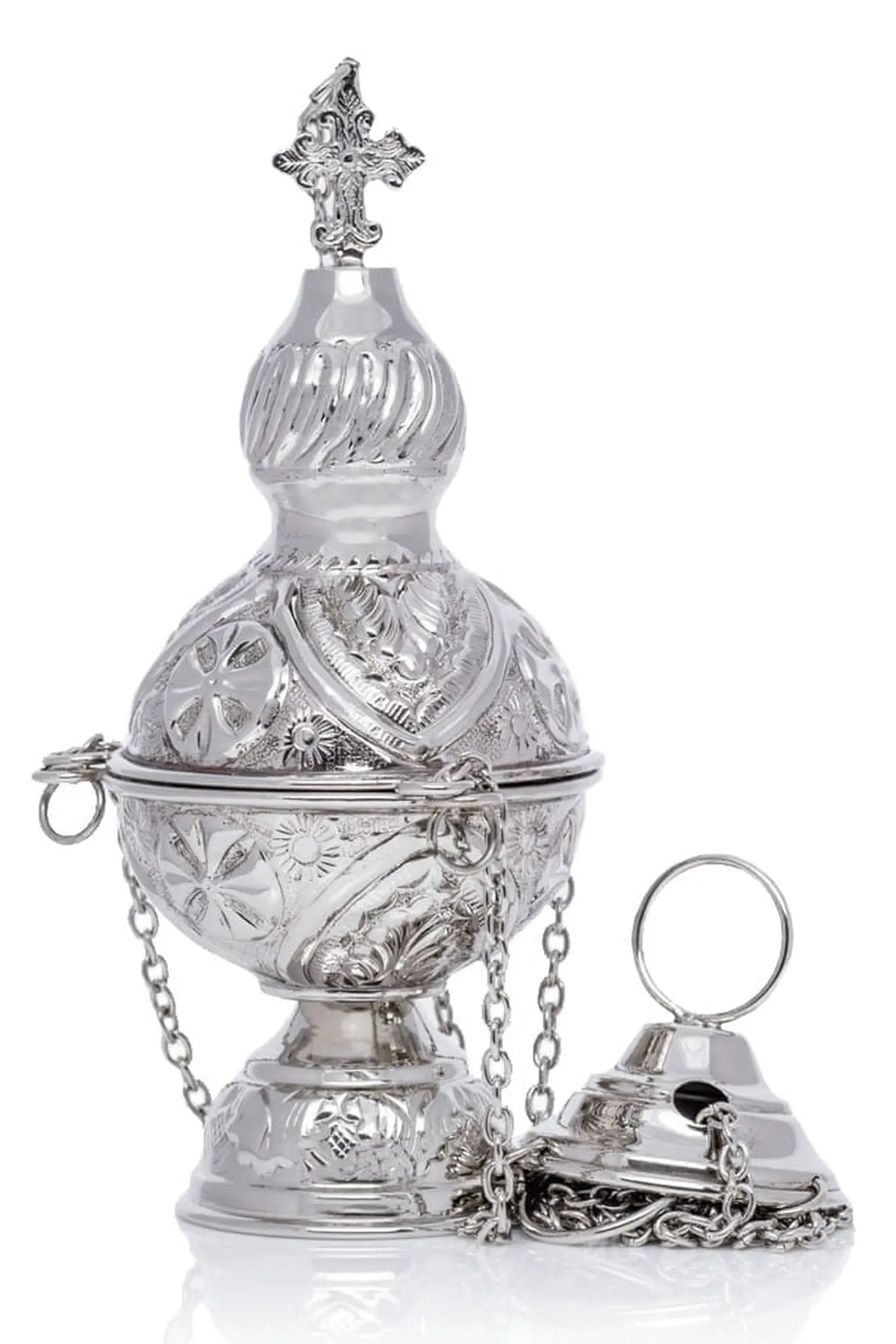
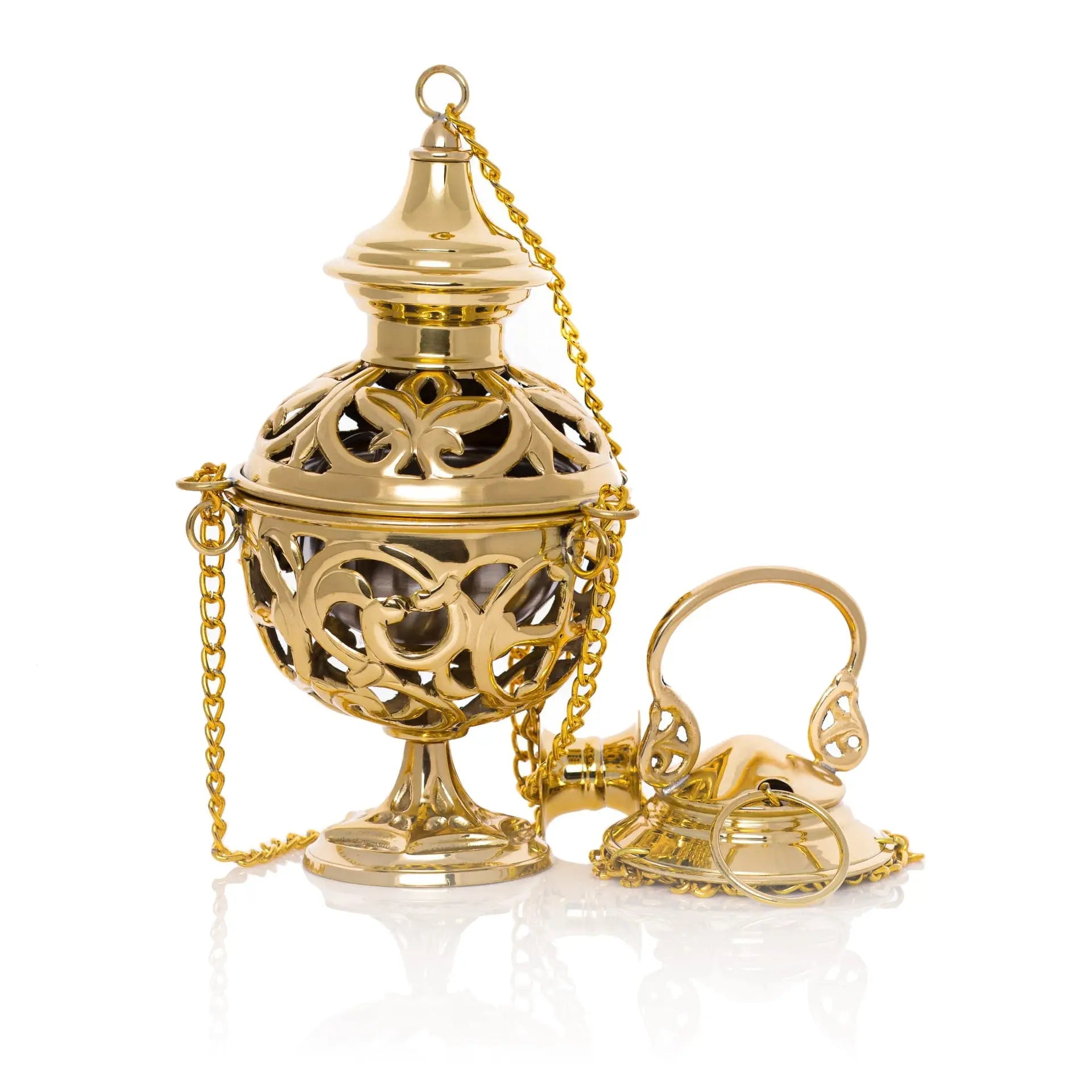
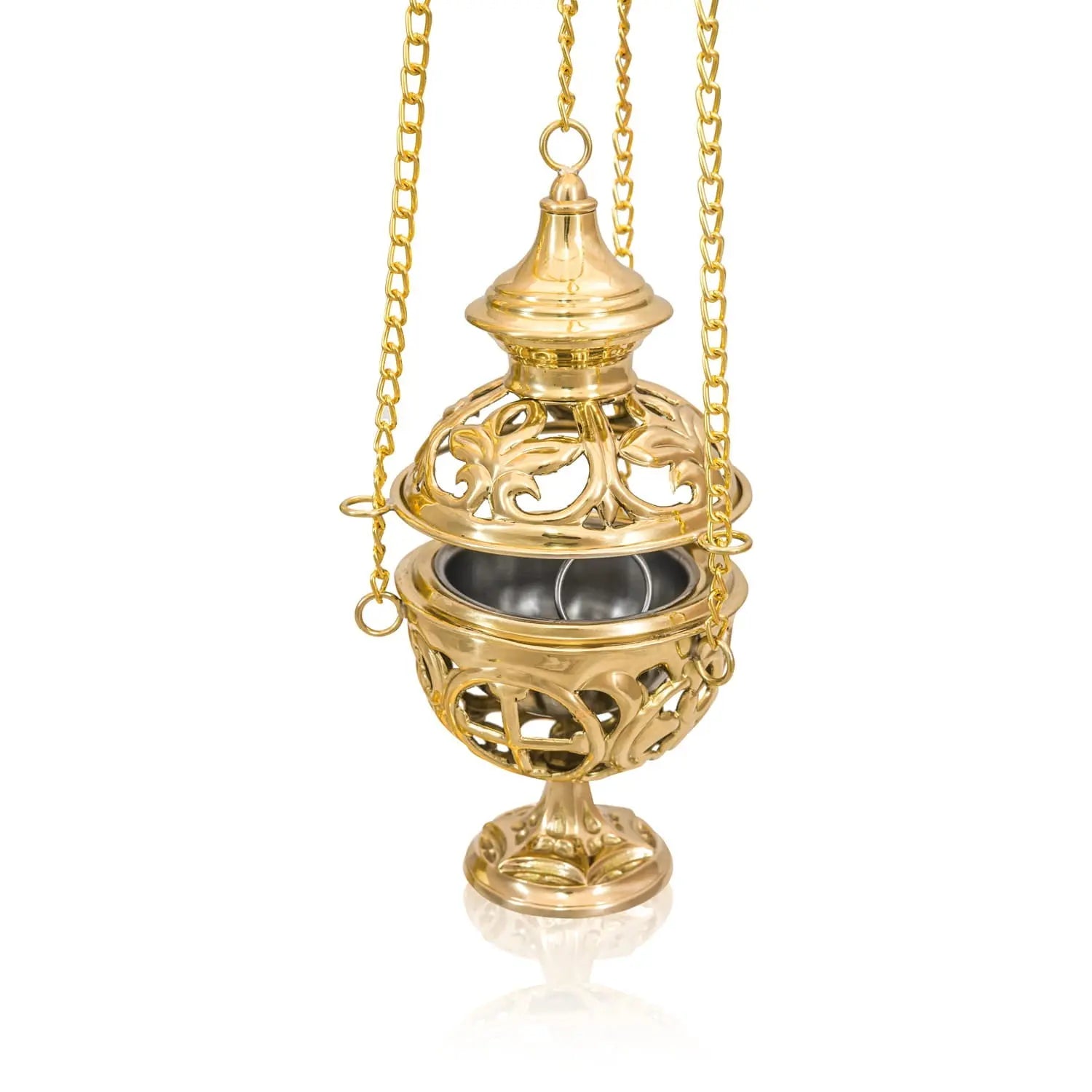
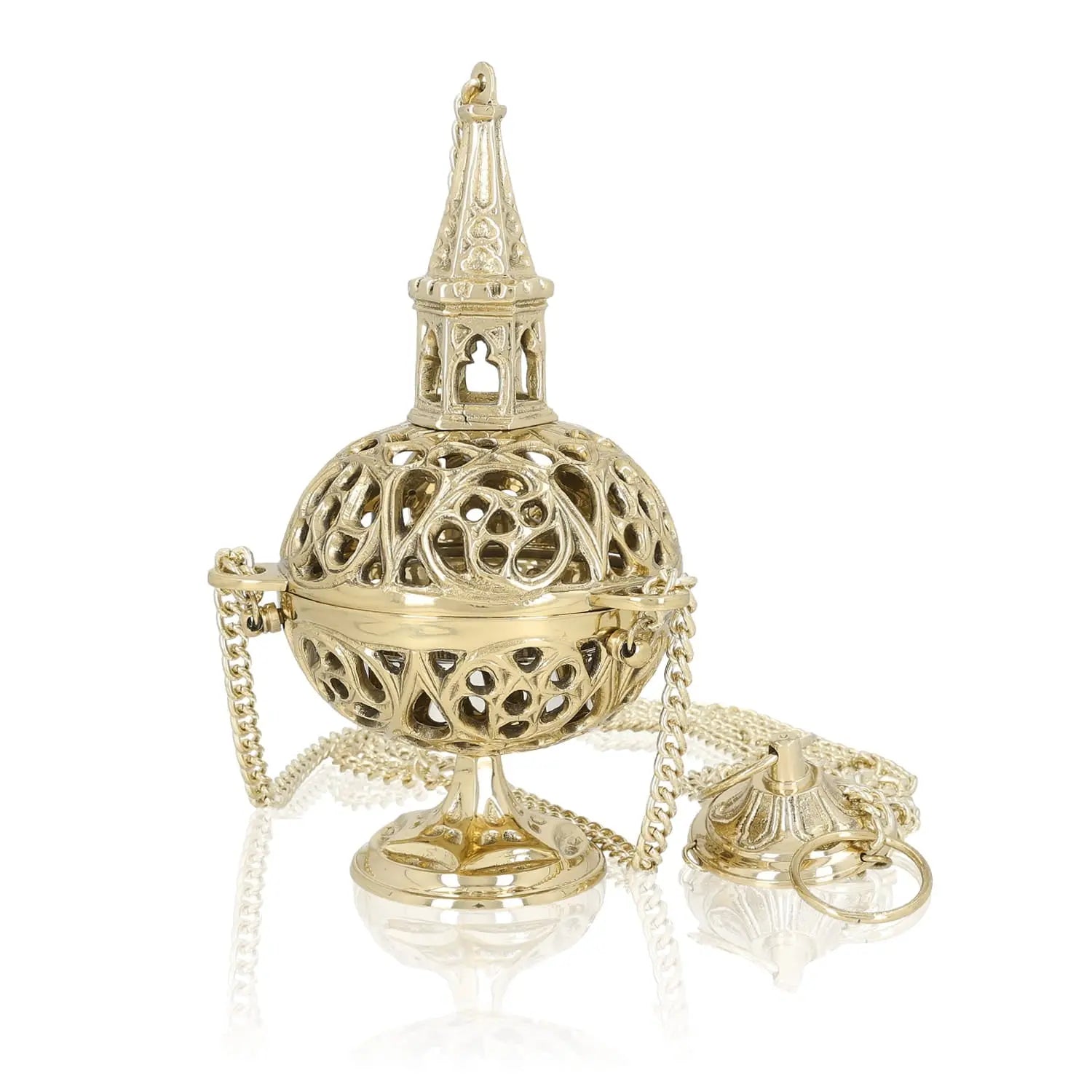
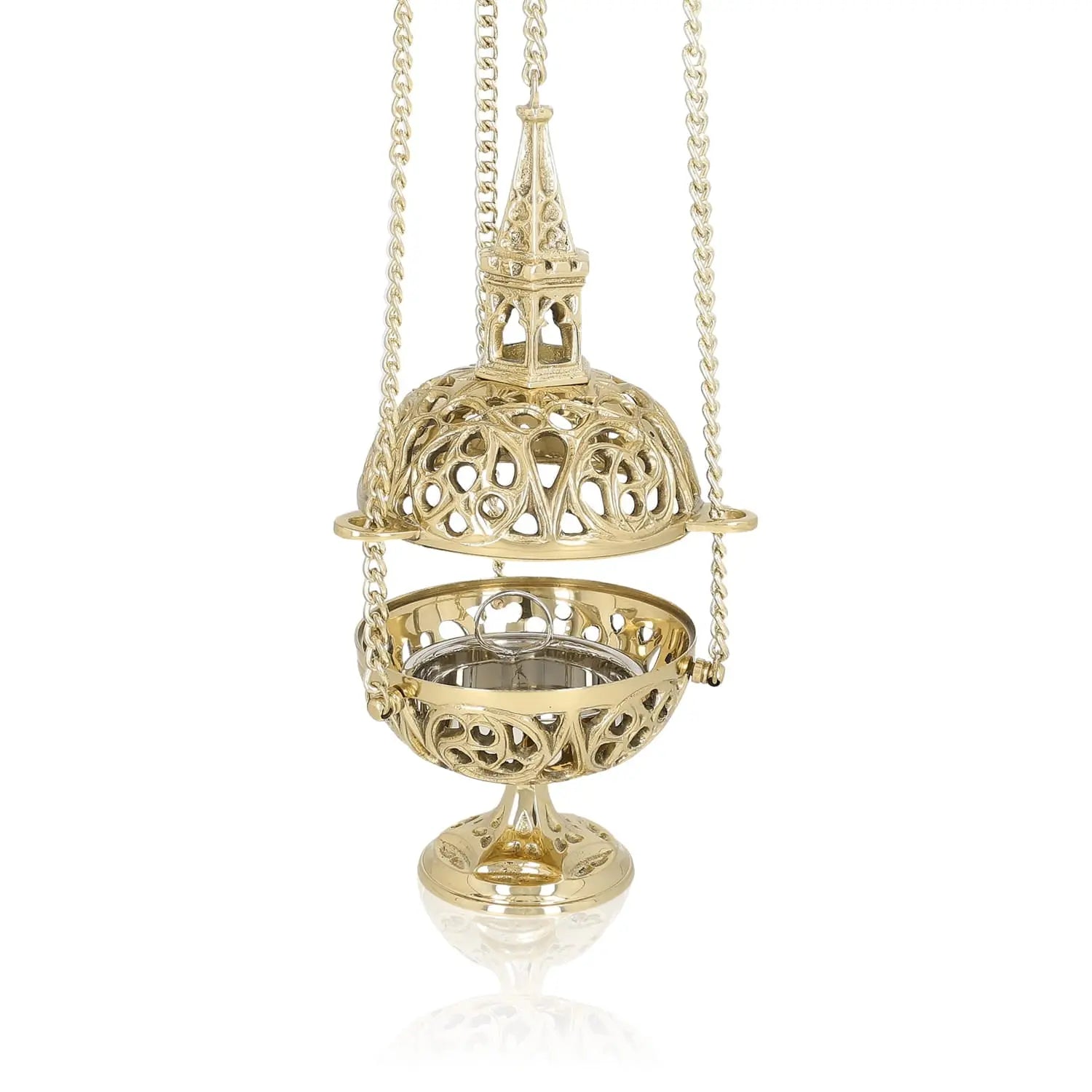
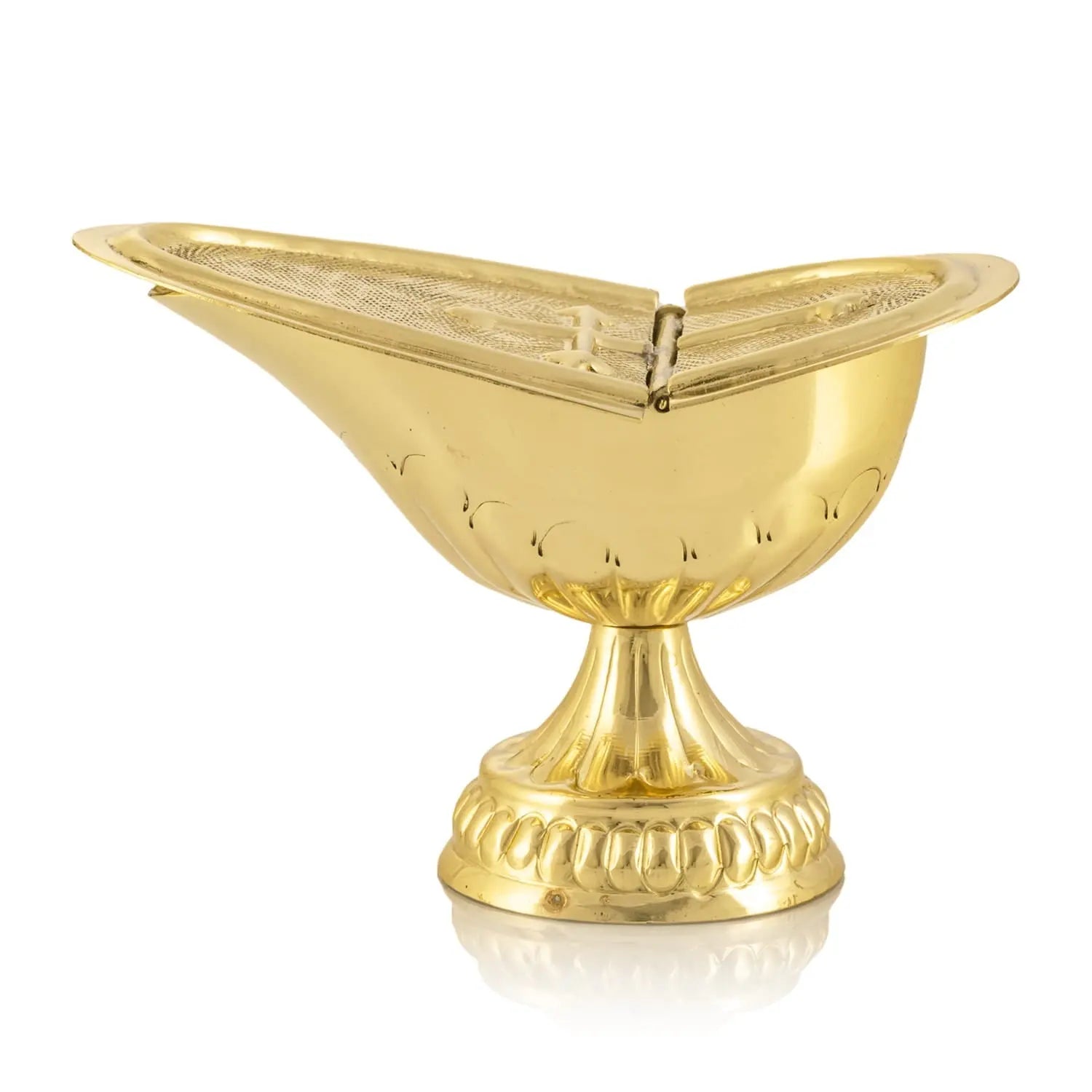
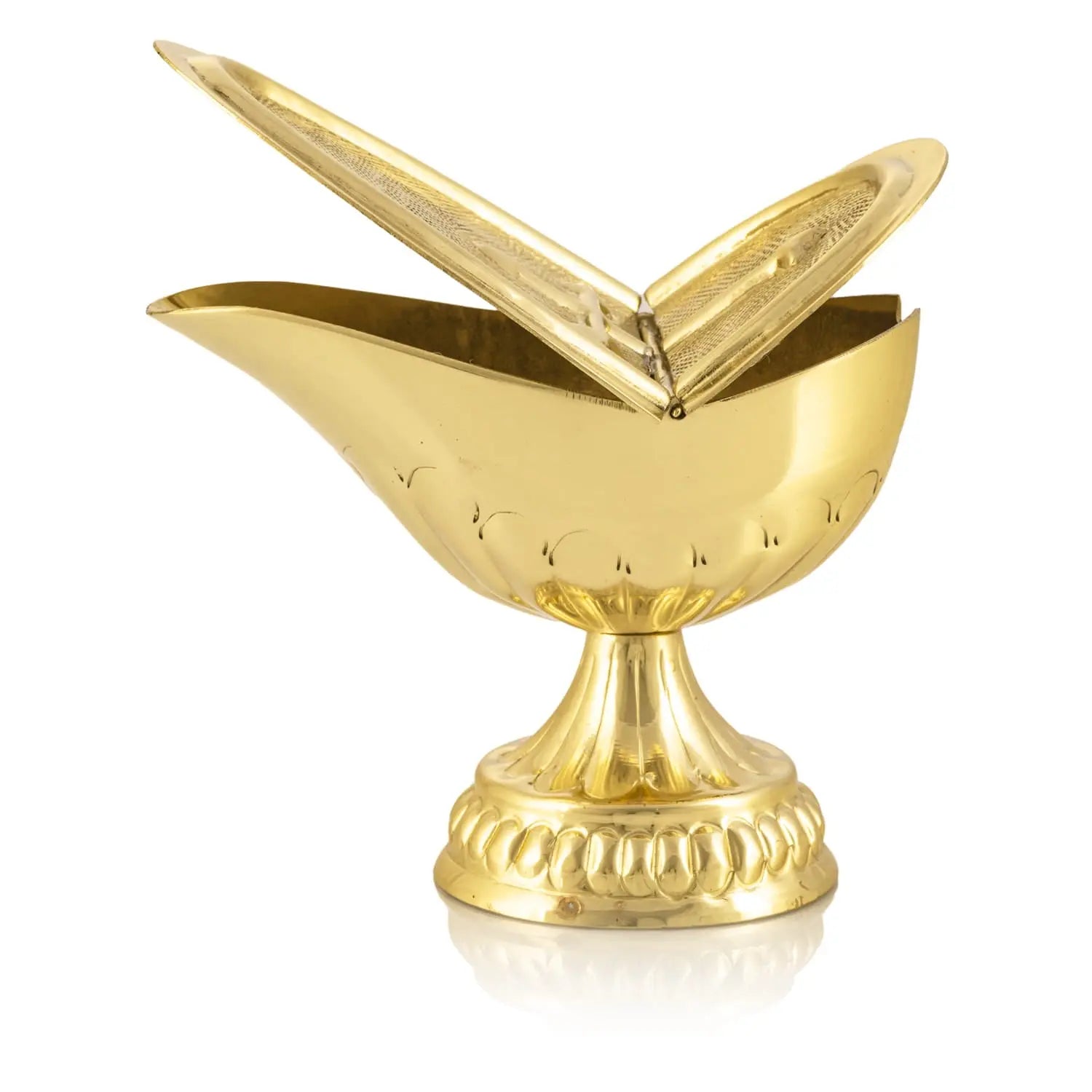
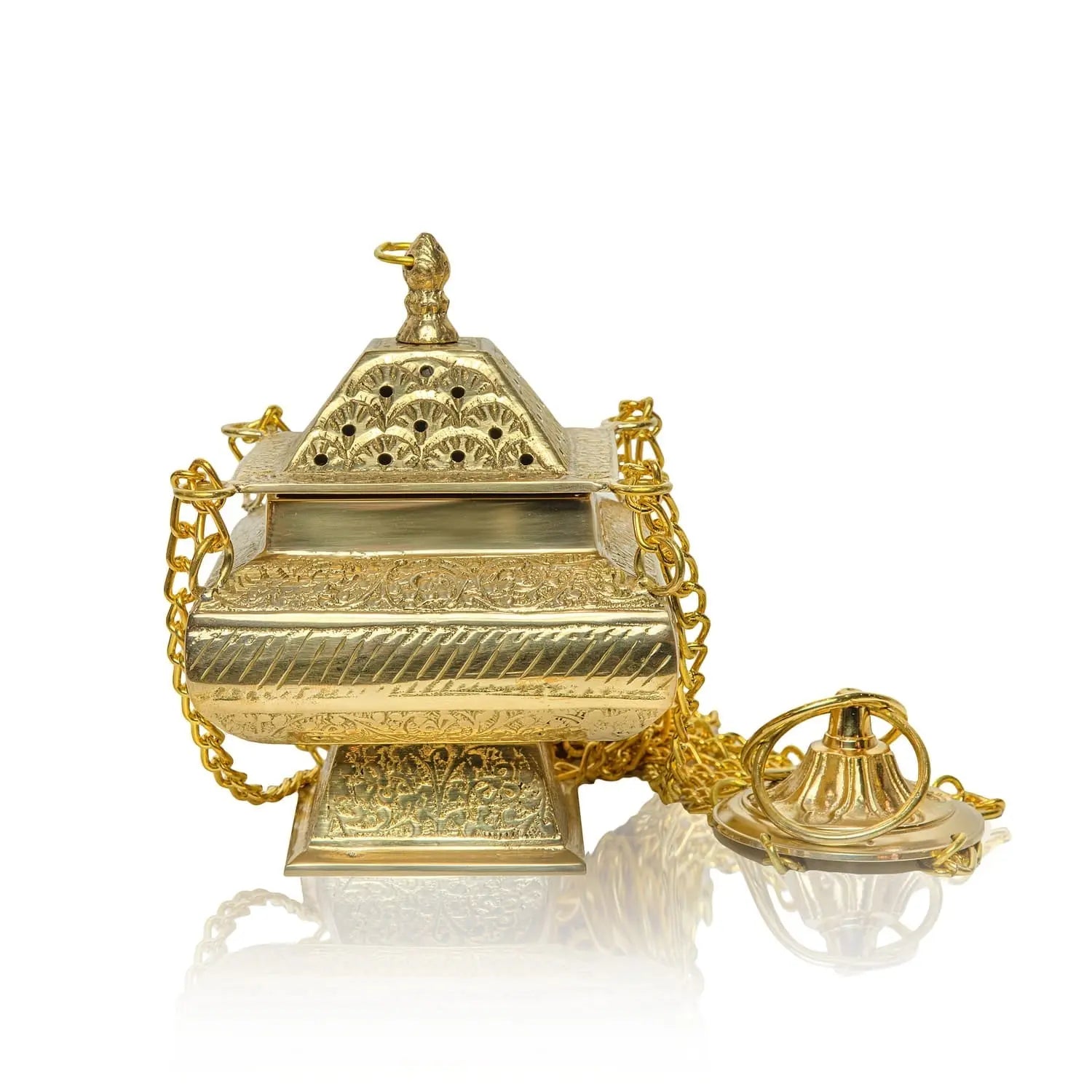
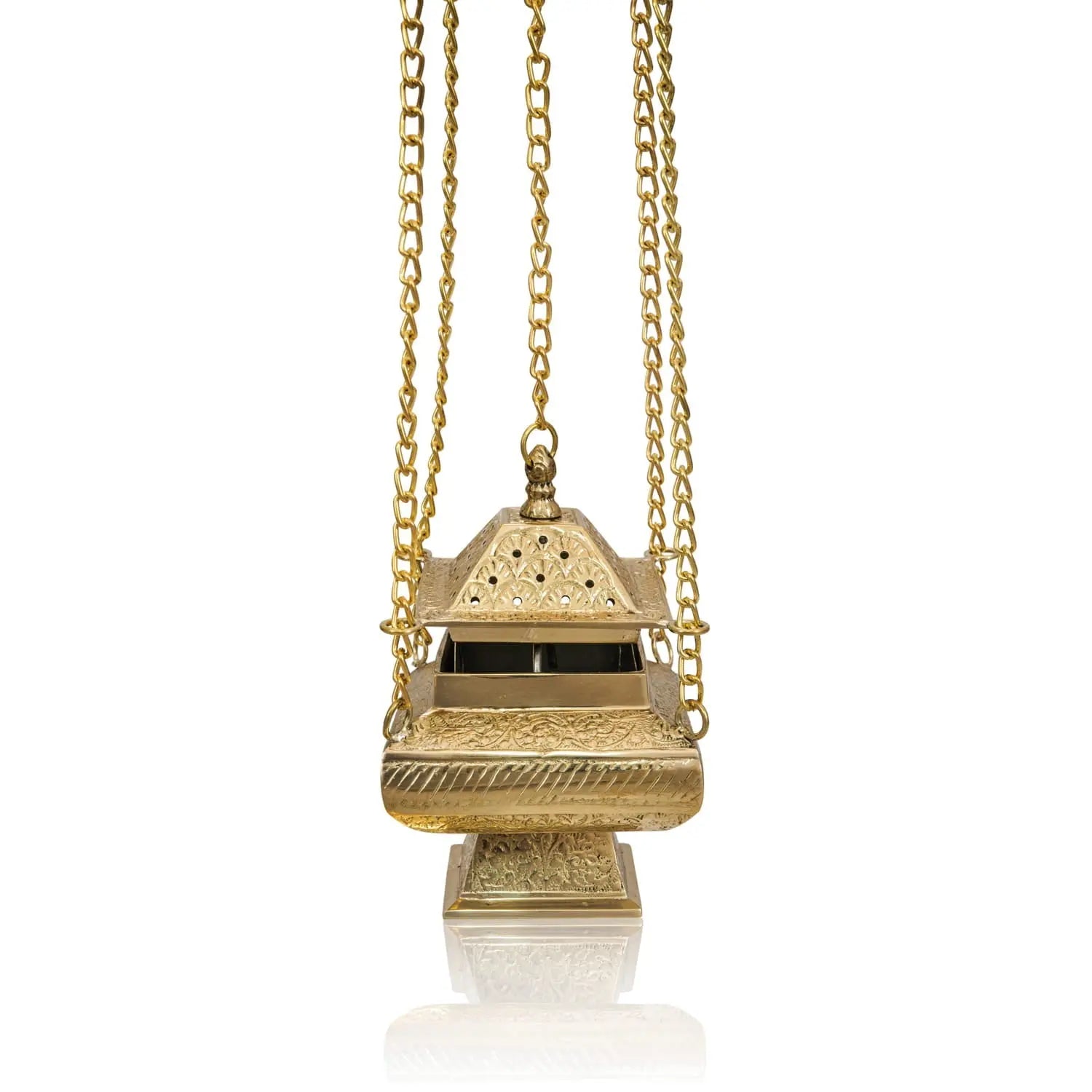
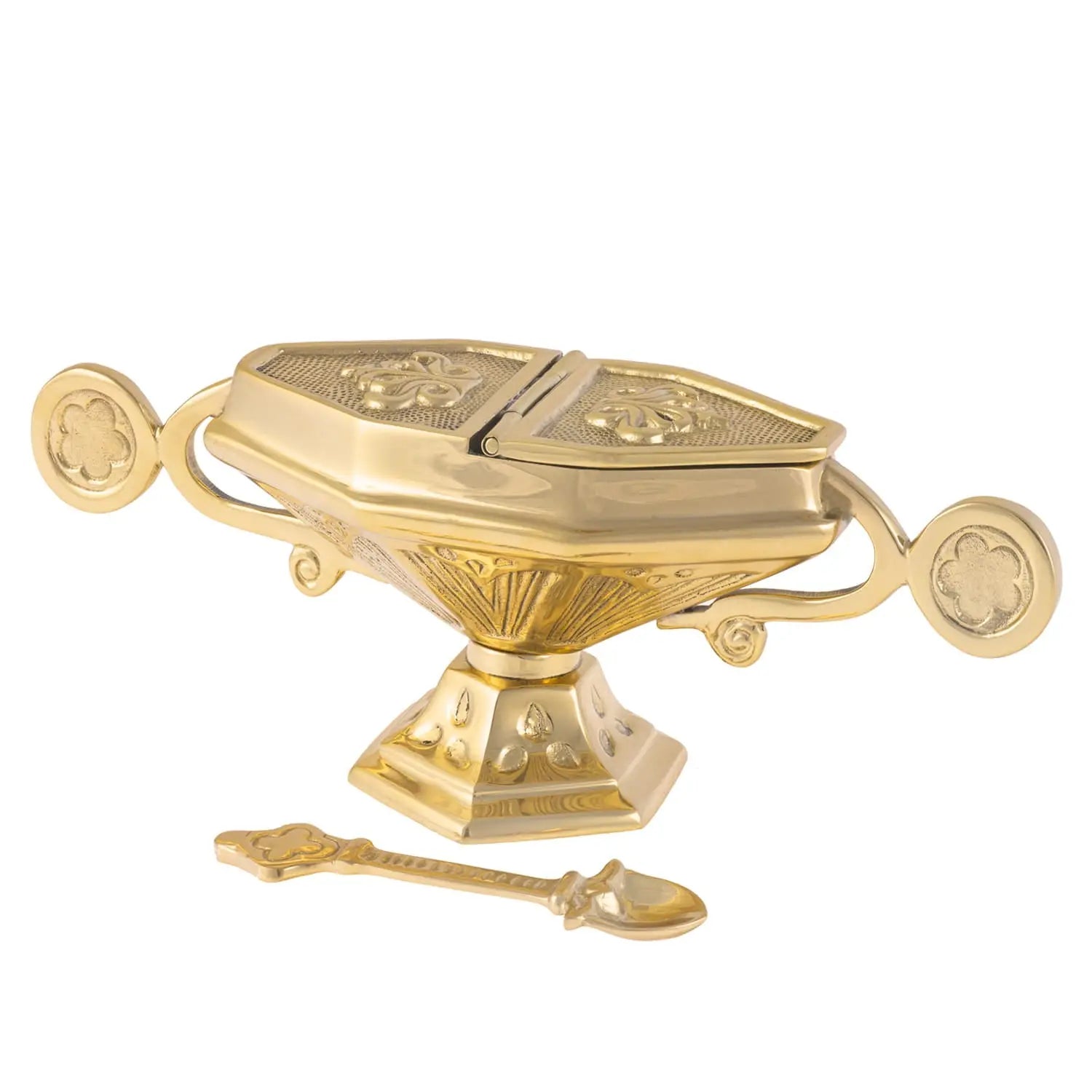
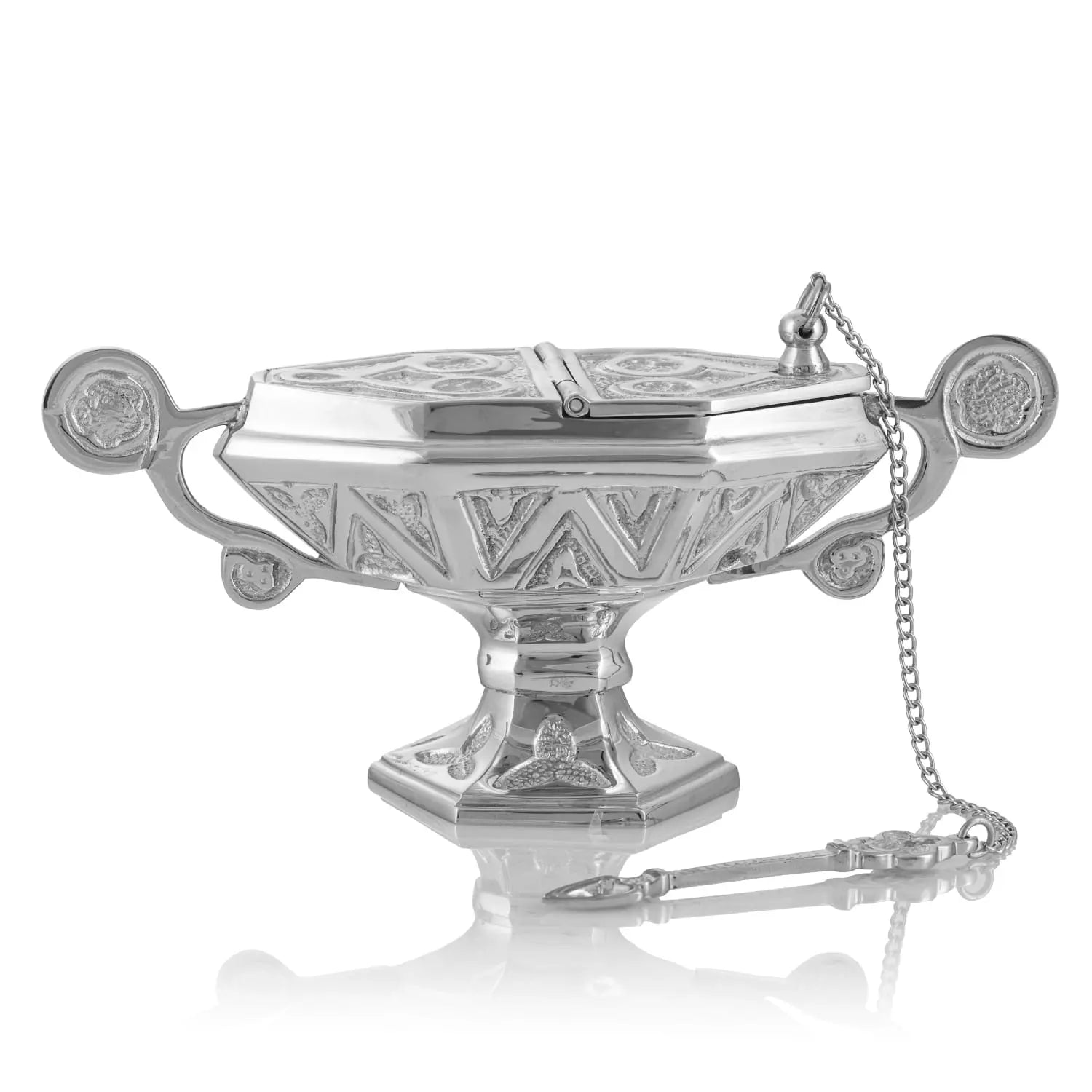
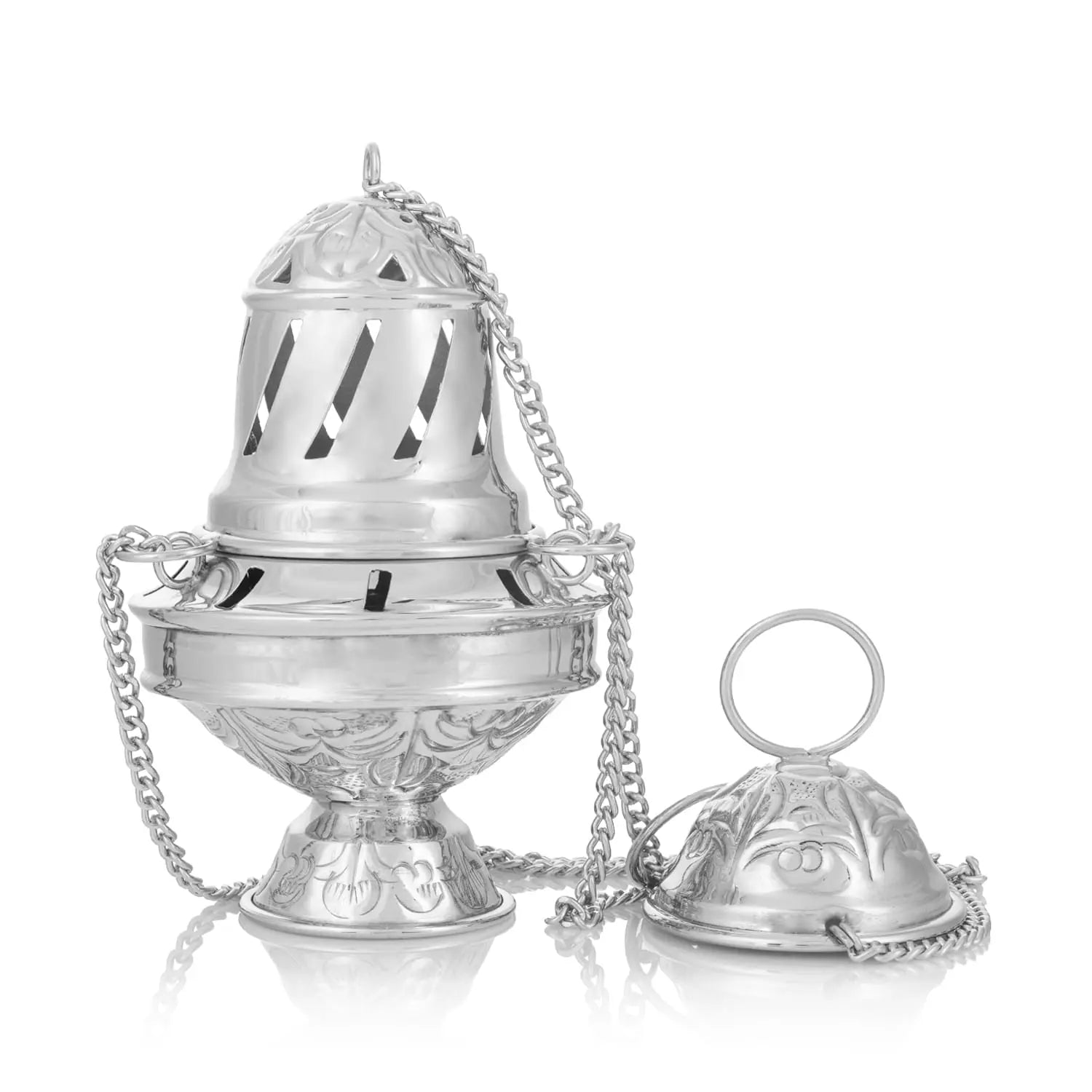
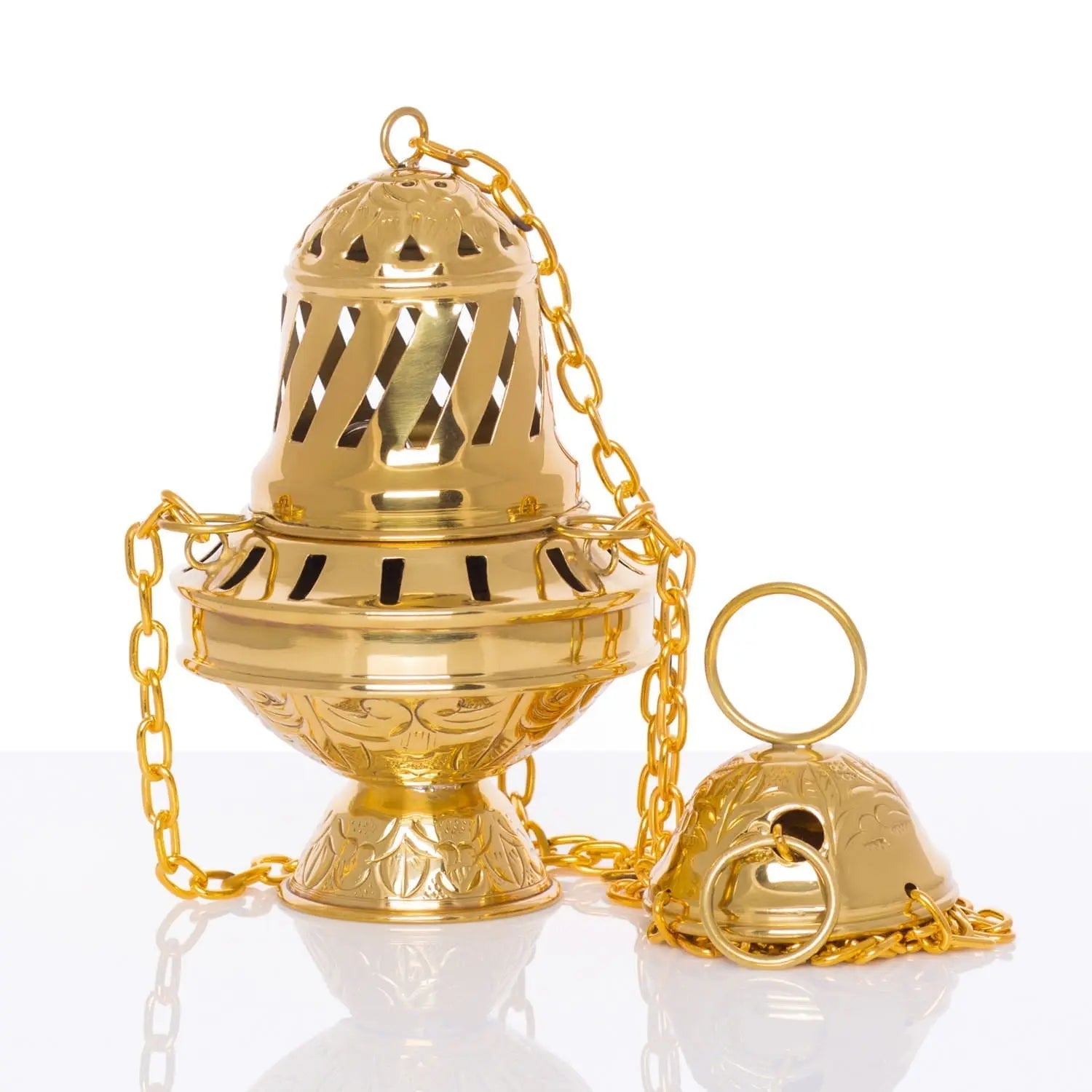
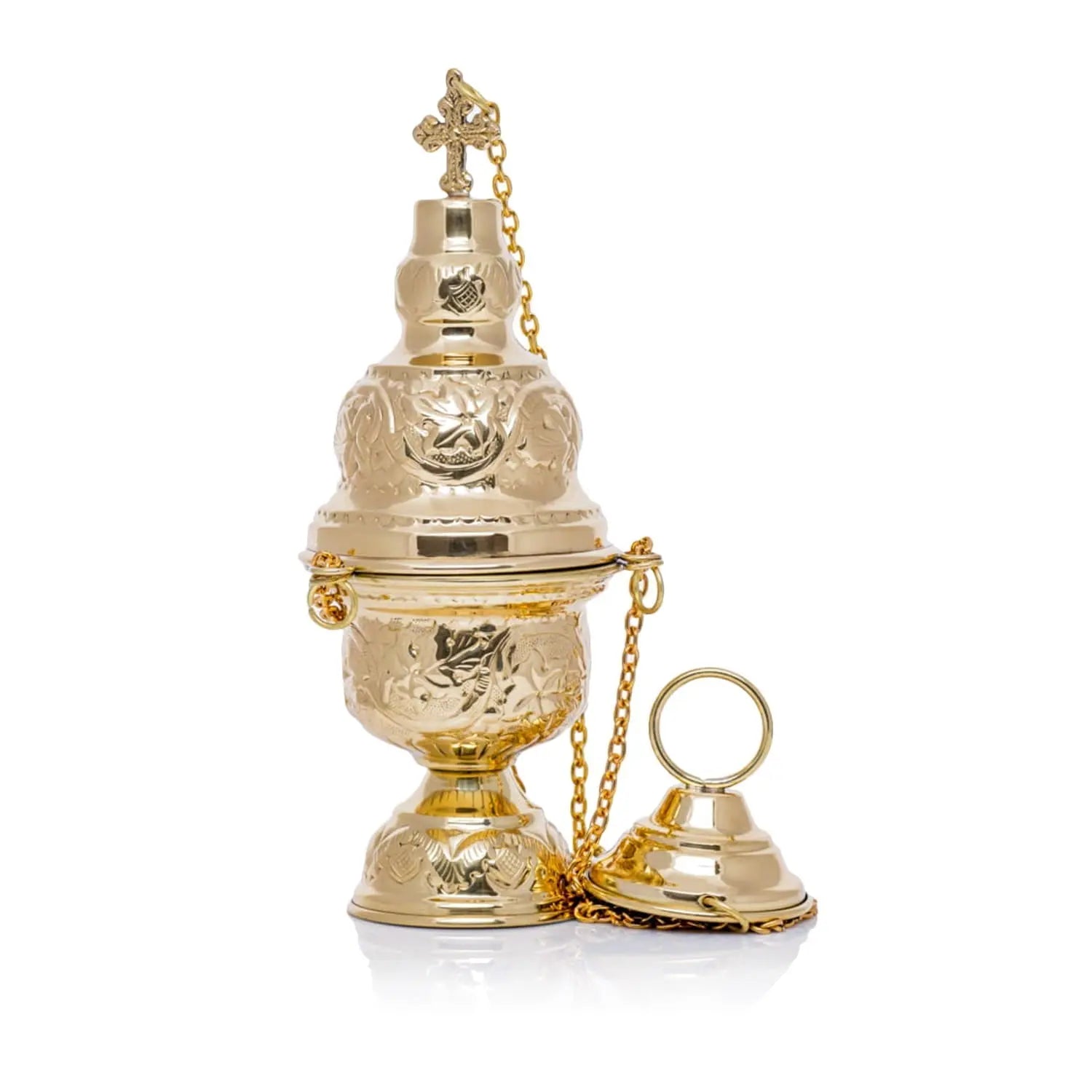
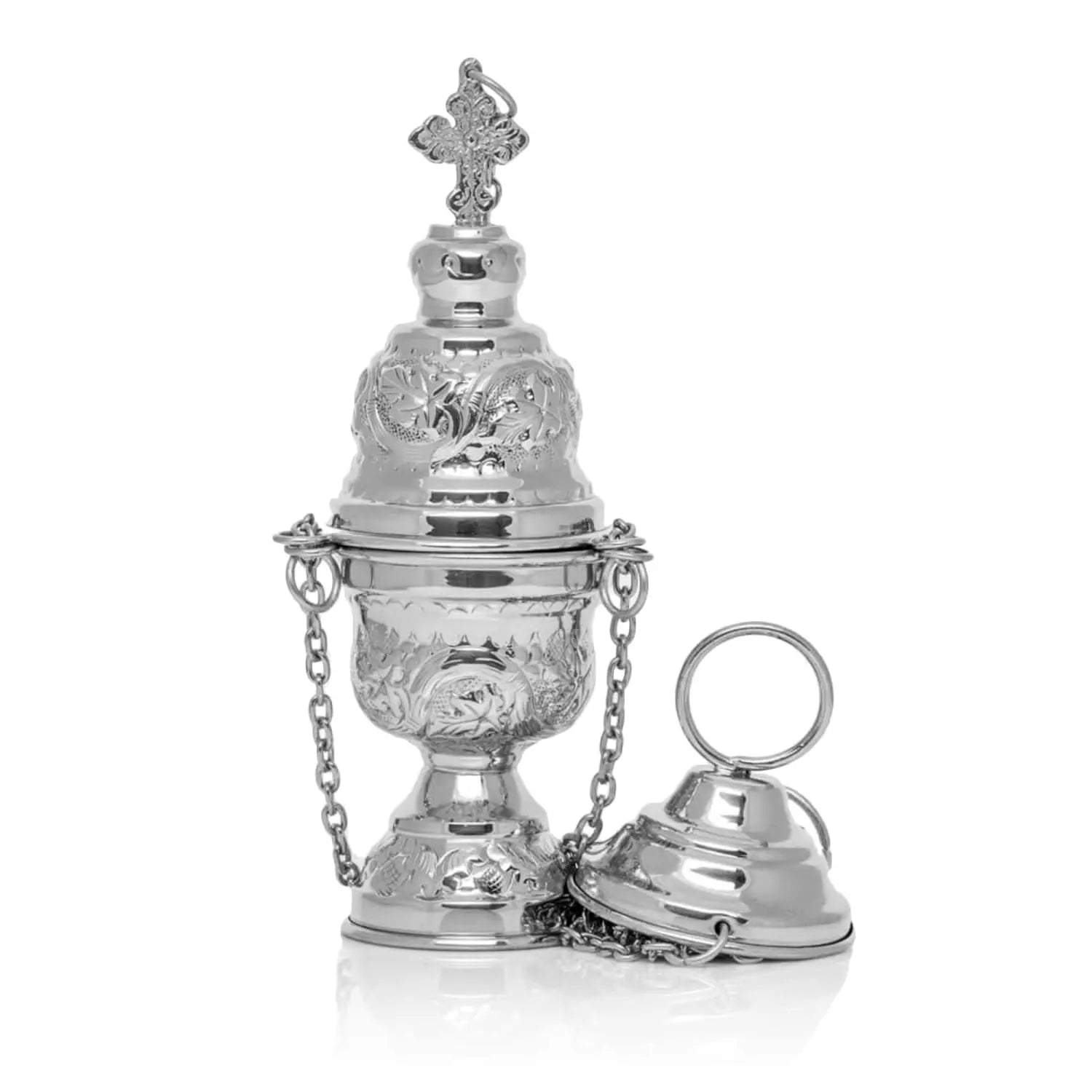
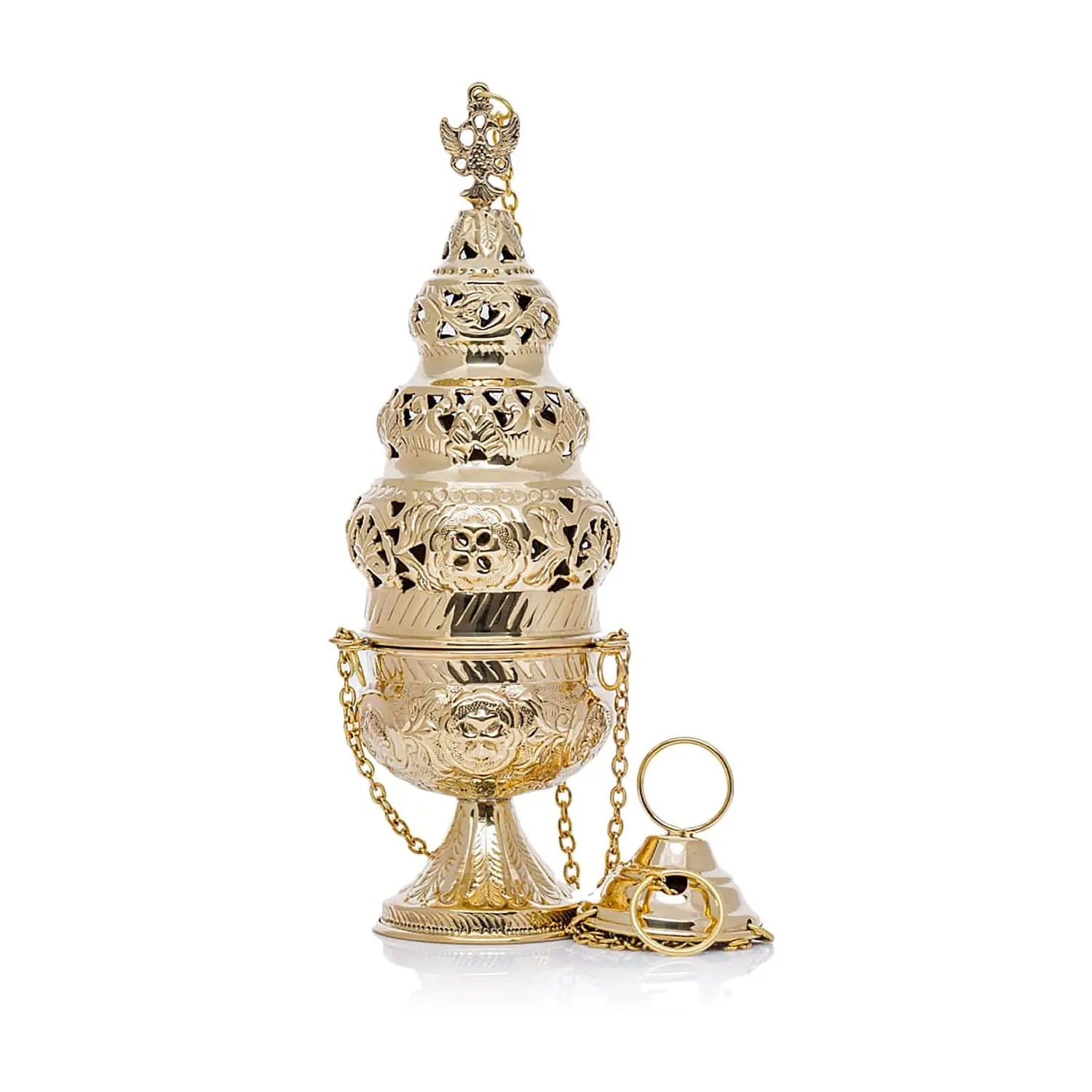
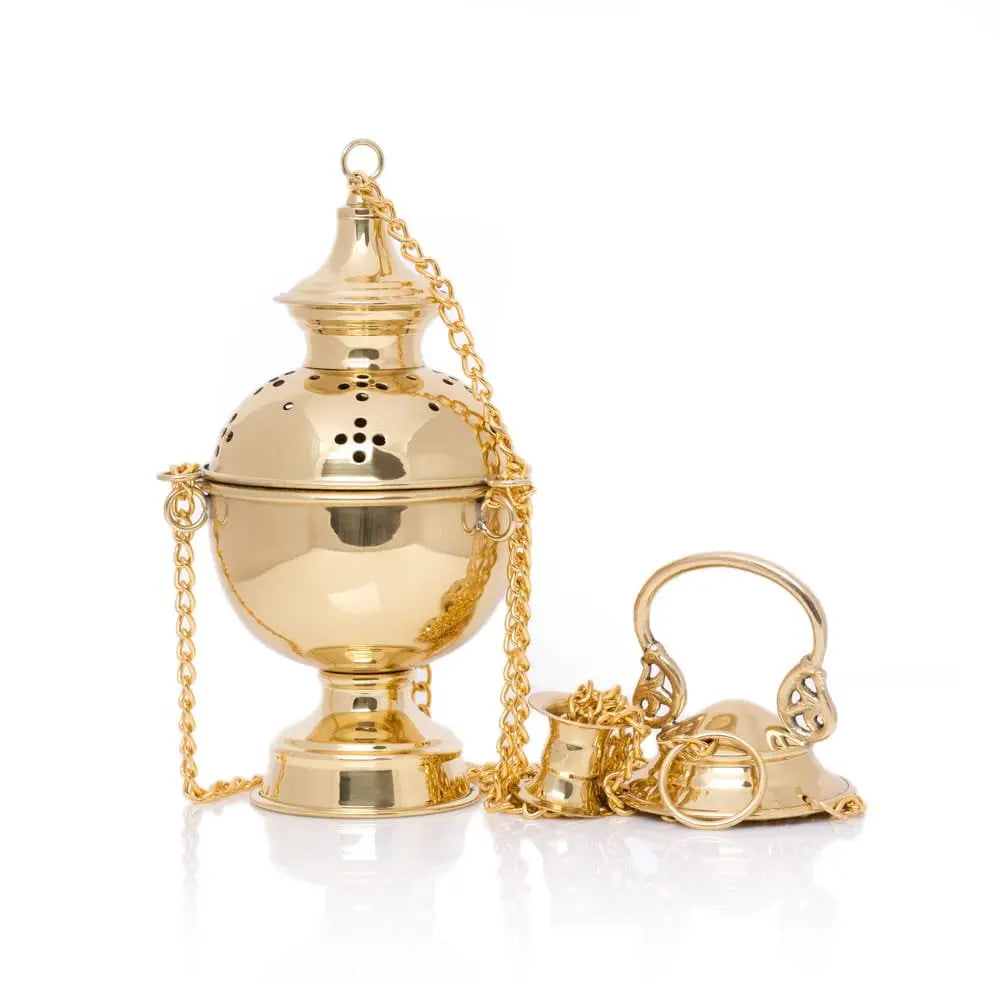
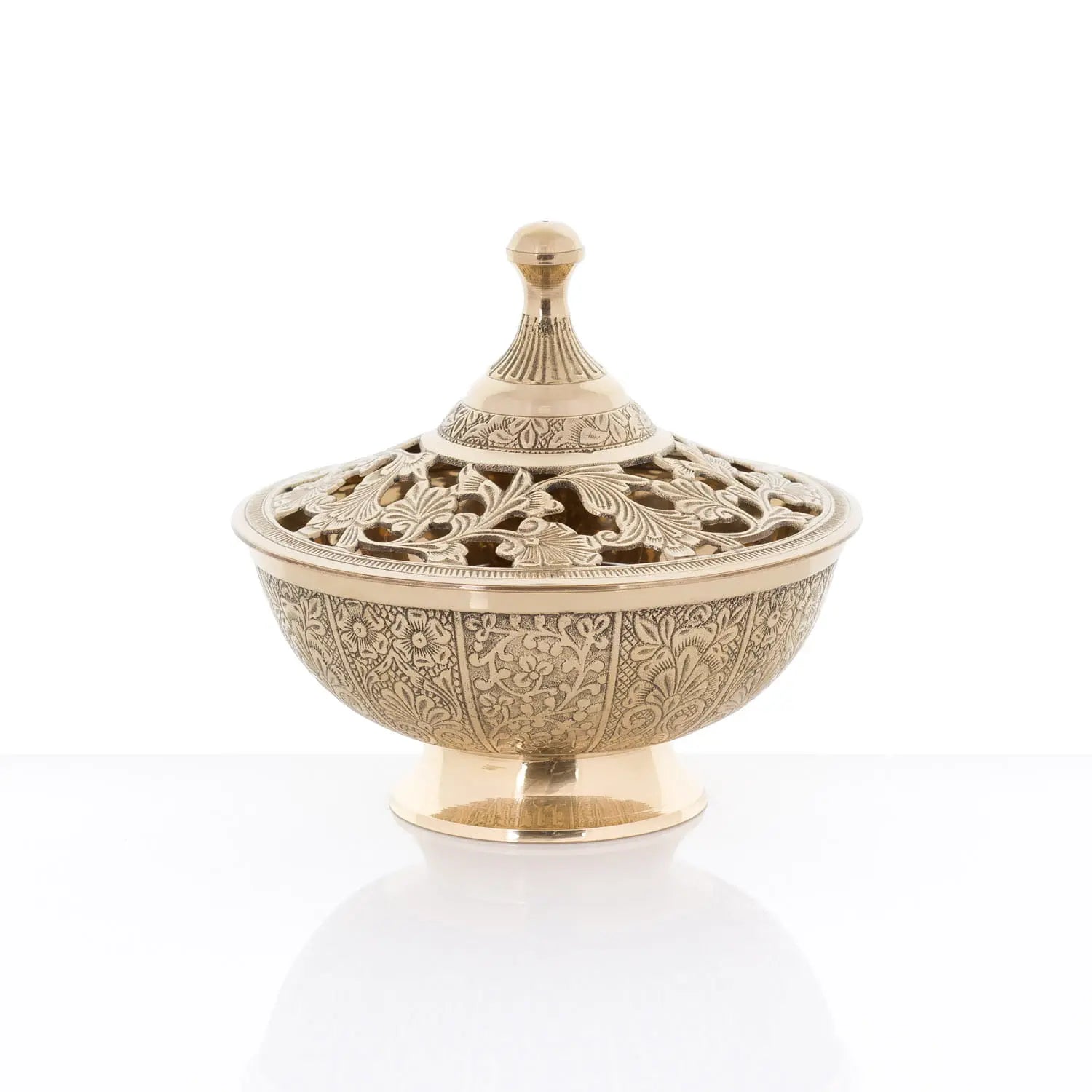
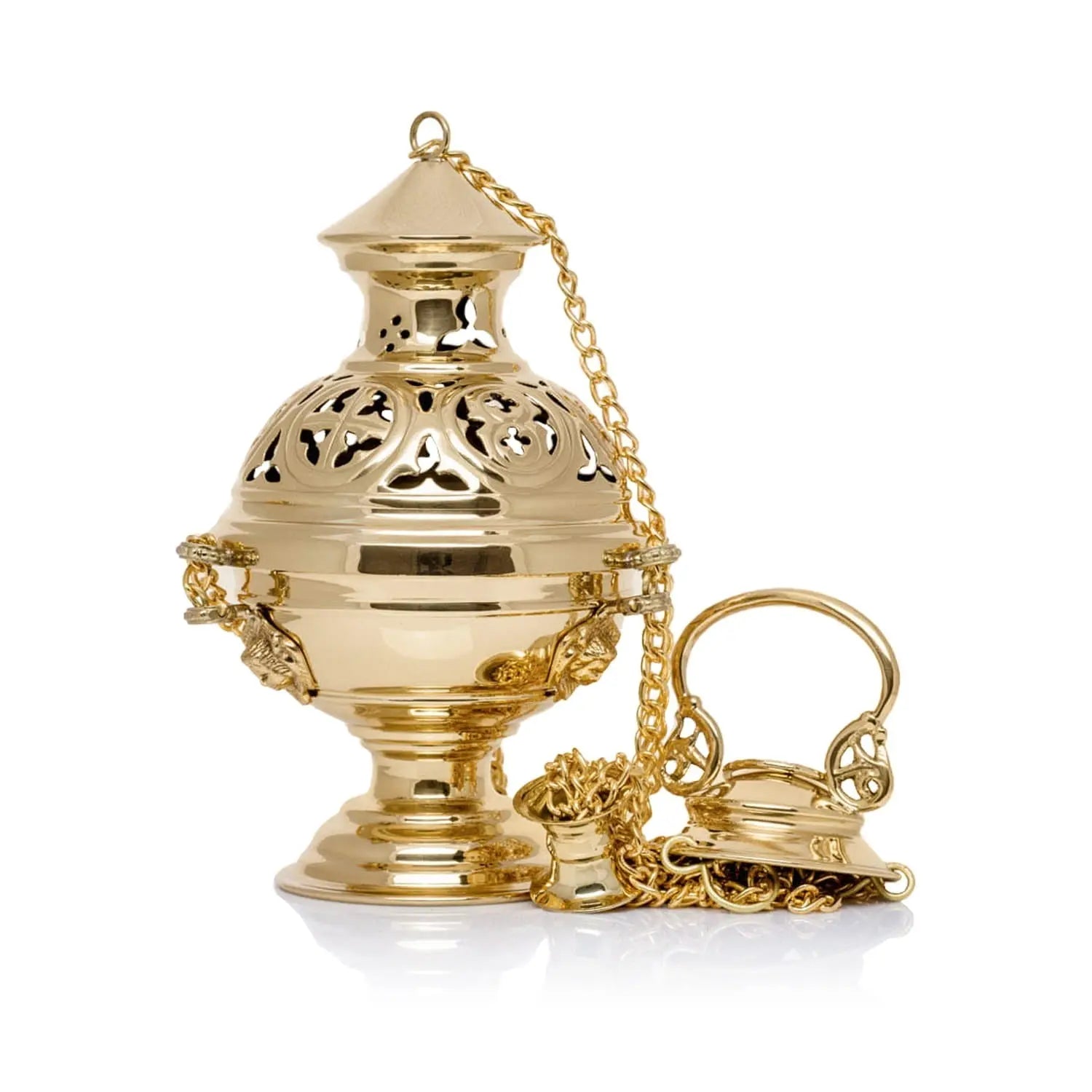
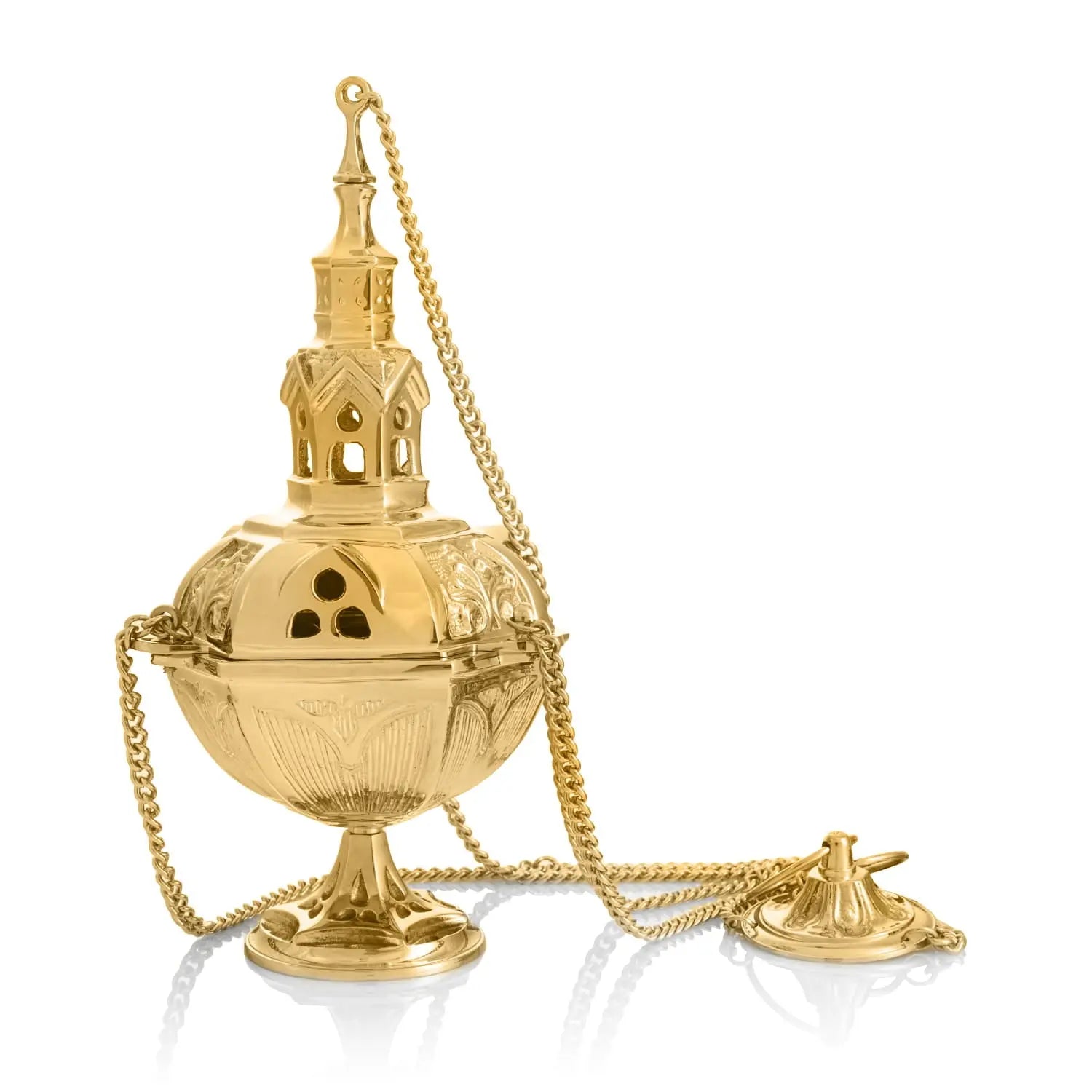
Thuribles and incense boats are traditional liturgical vessels used whenever incense forms part of prayer, blessing, procession, or solemn worship. This collection brings together church thuribles, also called censers, and matching or complementary incense boats for holding incense grains before they are placed on the burning charcoal. The live selection includes brass and nickel-plated brass pieces in different heights, forms, and decorative styles, from openwork tower lids to ornamental pierced lids, floral motifs, crosses, and Santiago de Compostela inspired designs. These vessels are chosen not only for their appearance but also for safe handling, suitable capacity, and dignified use at the altar, in the sanctuary, and during processions.
In Catholic liturgy and in many other Christian traditions, incense has a strong symbolic and practical role. Its rising smoke expresses prayer ascending before God, marks sacred persons and objects with honor, and adds solemnity to moments of worship. A well-chosen thurible allows the server or minister to carry and swing the incense safely, while the incense boat keeps the incense ready for the celebrant to place into the censer at the proper time. Together, the two vessels form a practical set for parishes, chapels, religious houses, and sacristies that need reliable accessories for Mass, Eucharistic adoration, blessings, funerals, feast days, and other solemn ceremonies.
What Belongs in This Collection
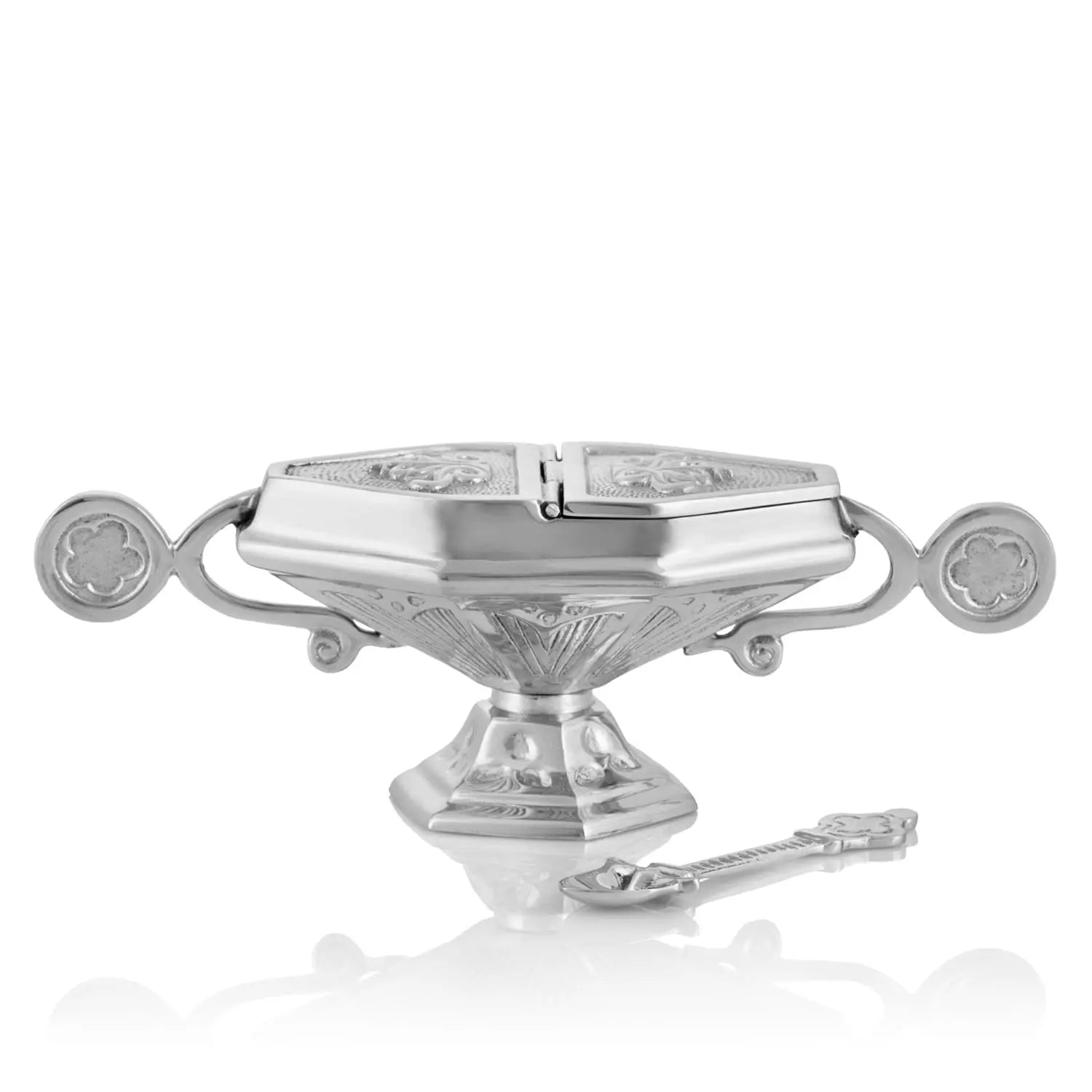
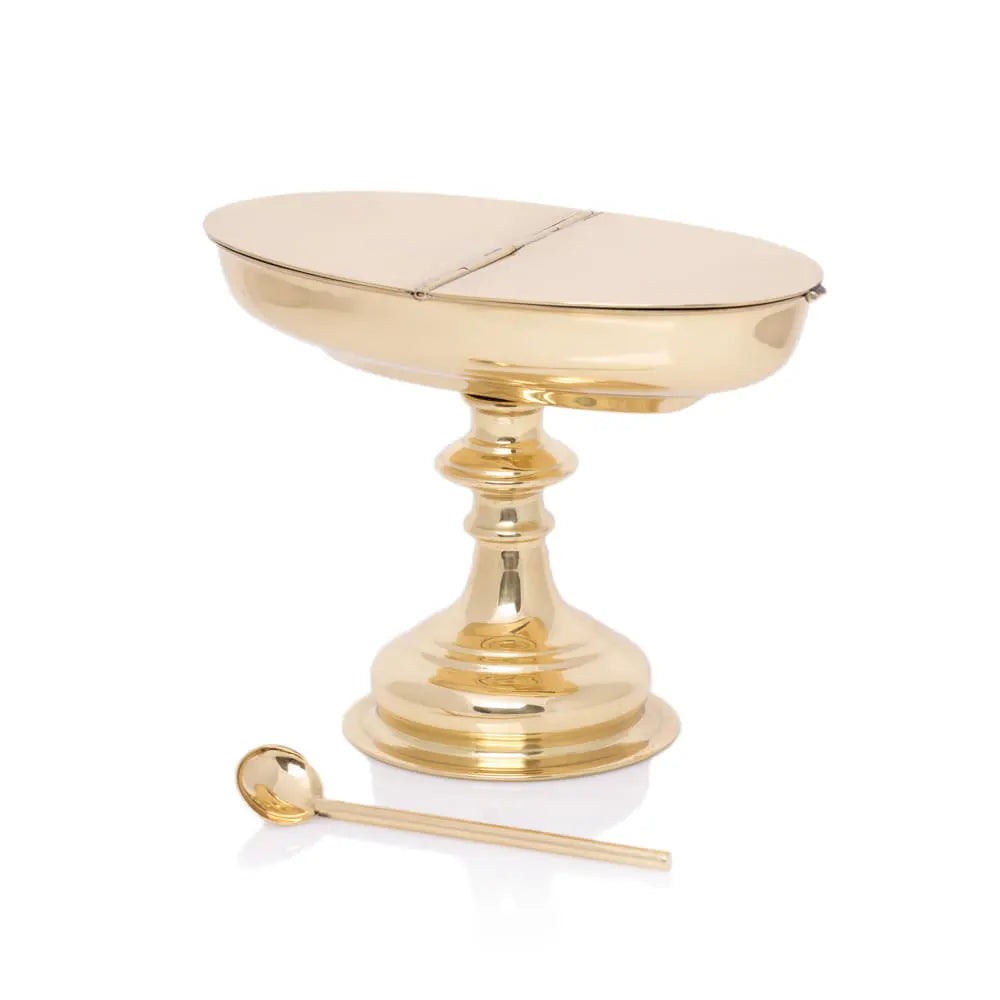
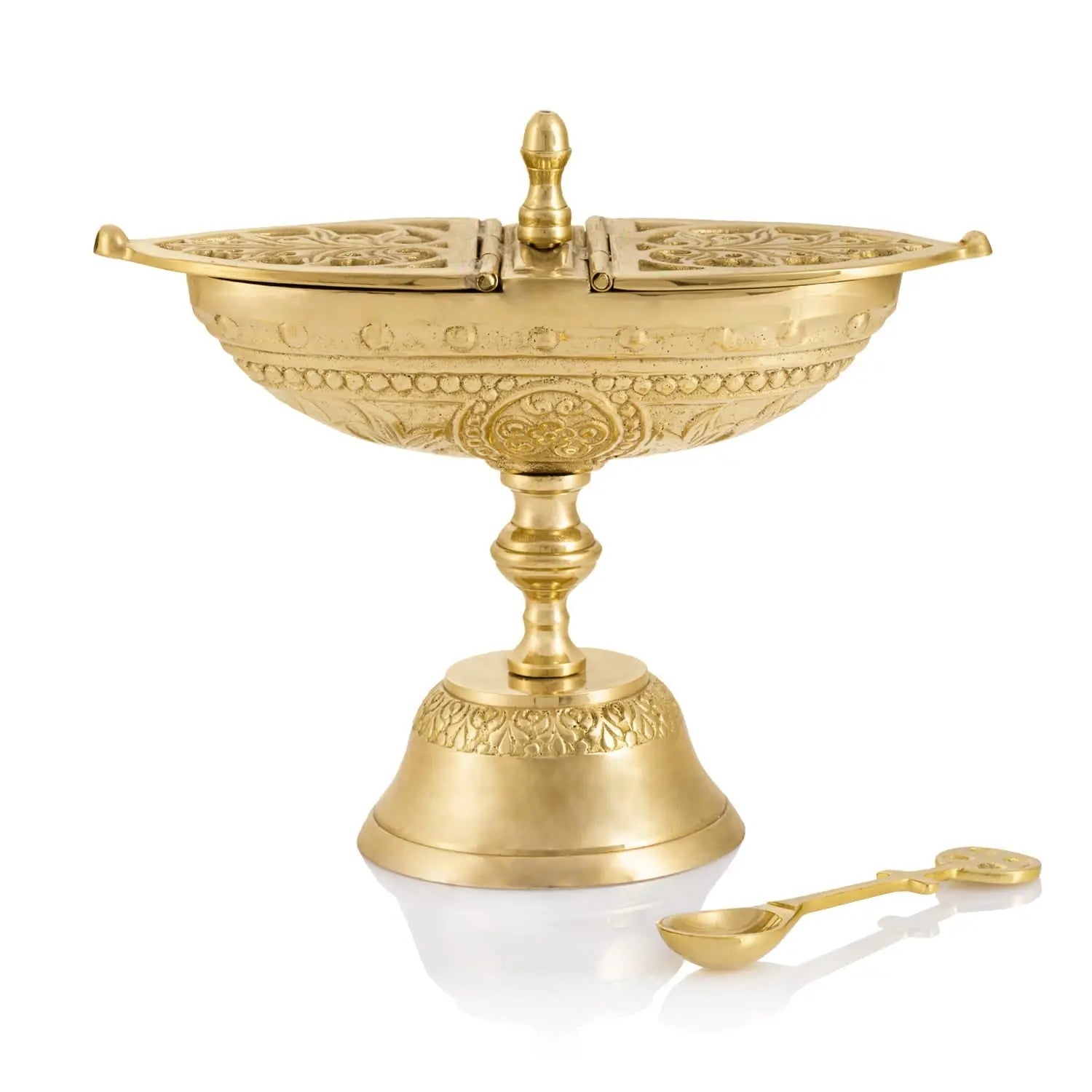
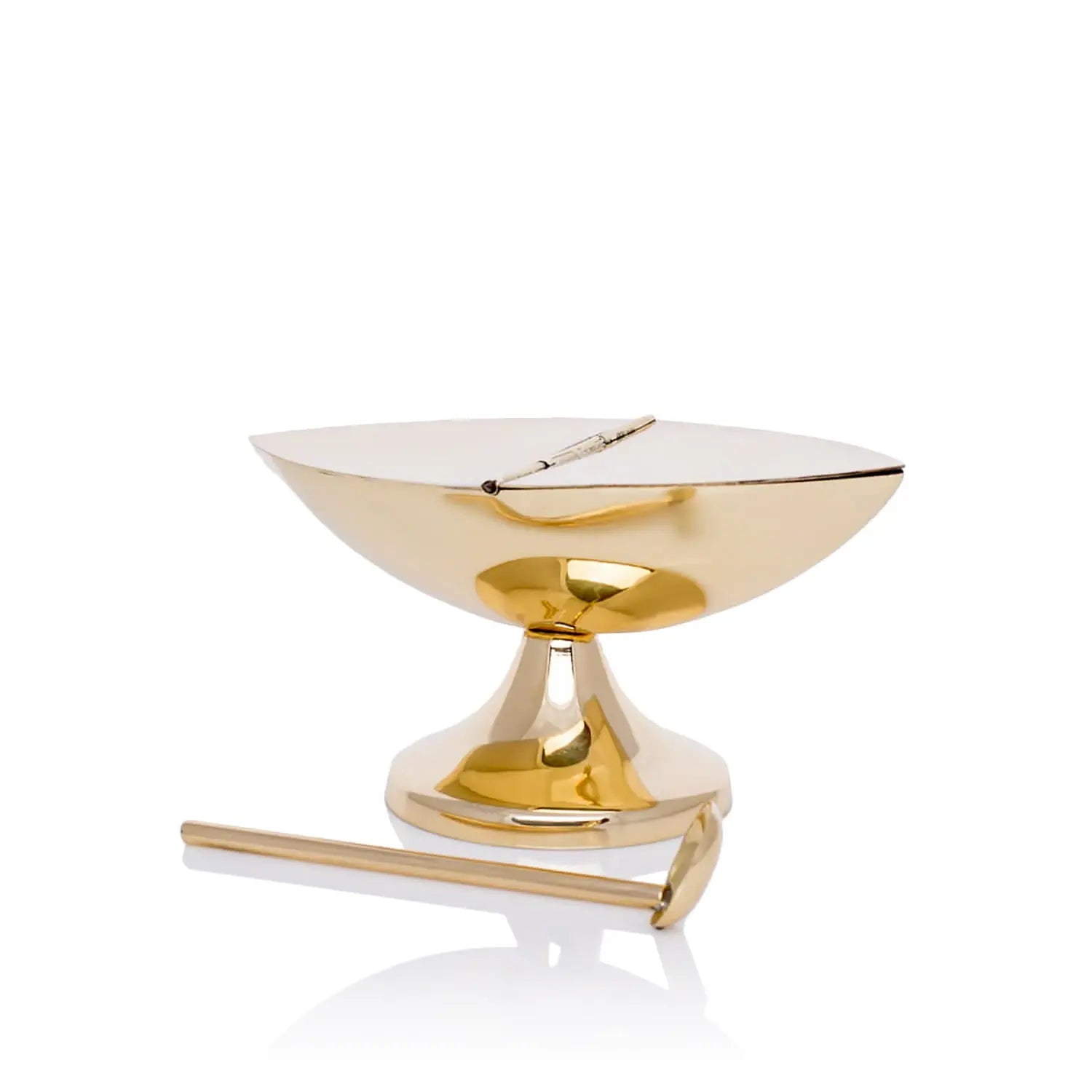
This collection focuses on two closely related categories: thuribles and incense boats. Thuribles are metal censers designed to hold a charcoal holder or inner bowl where incense burns. They are usually suspended on chains so that they can be carried in procession and moved with controlled swings during incensation. Incense boats are smaller lidded vessels that hold loose incense. Many boats include a spoon, making it easier to add a measured amount of incense to the thurible without interrupting the rhythm of the rite.
The visible range includes brass thuribles, nickel-plated brass thuribles, brass incense boats, and nickel-plated brass incense boats with spoons. Some pieces emphasize a simple church form, while others use pierced metalwork to allow smoke to rise through ornamental openings. A pierced or openwork lid is both functional and decorative: it supports airflow around the burning incense and creates a visually graceful release of smoke. Cross details, floral ornament, polished finishes, and traditional shapes help the vessels harmonize with other sanctuary furnishings and liturgical accessories.
Liturgical Use of Thuribles
A thurible is most often used during solemn celebrations of the Mass, Eucharistic exposition and Benediction, funeral rites, processions, and blessings. During the liturgy, incense may be used to honor the altar, the cross, the Book of the Gospels, the offerings, the celebrant, concelebrants, ministers, the people, and the Blessed Sacrament. The thurible must therefore be easy to carry, secure when closed, and balanced enough for the person using it. In many parishes, altar servers handle the thurible under the direction of the priest, deacon, master of ceremonies, or sacristan.
When choosing a censer, the size of the church and the character of the celebration matter. A larger thurible can create a fuller cloud of incense and may suit larger sanctuaries, outdoor processions, and solemn feast days. A smaller thurible can be more comfortable for a small chapel, weekday liturgy, or a server who needs a lighter vessel. The style should also match the liturgical environment. Highly ornamented vessels can suit richly furnished churches, while simpler brass or nickel-plated forms work well in spaces with restrained decoration.
The Role of Incense Boats
The incense boat is a small but important accessory. It keeps incense grains protected and ready to use, and it allows the minister or server to present incense to the celebrant in an orderly way. A boat with a spoon helps avoid spilling incense and supports a precise, reverent gesture when incense is added to the thurible. Because the boat is often seen near the altar or in procession, its appearance should coordinate with the censer and with the wider set of sanctuary accessories.
Many churches prefer to keep a boat and thurible together as a coordinated set, especially when both pieces share a similar finish. Brass and nickel-plated brass are practical choices for regular parish use: they are strong, visually appropriate for sacred settings, and suitable for traditional church metalwork. A bright nickel-plated finish may coordinate with silver-toned vessels and candlesticks, while brass brings a warmer tone that often matches gold accents, cross details, or traditional sanctuary furnishings.
How to Choose a Thurible and Boat
Start by considering how often incense is used. A parish that uses incense every Sunday and on major feasts may need a durable thurible with comfortable chains, a secure lid, and enough capacity for repeated use during one celebration. A chapel or small community that uses incense only on solemn occasions may prefer a compact model that is simple to clean and store. The boat should be large enough for the amount of incense normally required, and the spoon should be convenient for the person presenting it.
Next, compare the finish and ornament. Brass thuribles and boats have a classic warm tone and are often chosen for traditional church interiors. Nickel-plated brass gives a cooler, silver-like appearance and may coordinate well with other polished metal accessories. Decorative pierced lids, openwork towers, floral motifs, and cross details add ceremonial presence, especially when the thurible is carried in procession. Simpler designs may be preferred where the focus is on practicality and a quiet visual style.
- For larger churches: choose a thurible with suitable capacity, visible ornament, and a chain length comfortable for processional use.
- For small chapels: a lighter and more compact censer may be easier to handle and store.
- For coordinated sacristy sets: match brass with brass or nickel-plated brass with other silver-toned sanctuary vessels.
- For solemn feasts: openwork and pierced designs add visual dignity as incense smoke rises through the lid.
- For everyday practical use: look for a stable incense boat with a spoon and an easy-to-open lid.
Related Liturgical Accessories
Thuribles and boats belong within a wider group of church accessories used to support the dignity of worship. You can view the broader range in liturgical accessories, where vessels and ceremonial items are grouped for sacristies and parish use. For celebrations that include Eucharistic exposition, a thurible may be used together with monstrances, especially during adoration and Benediction. Processions may also require candlesticks, altar bells, or larger ceremonial items such as processional banners.
Incense is also closely connected with other rites of blessing and veneration. Where incense is used near relics, the collection of reliquaries may be relevant. For solemn liturgies involving holy water, see sprinklers and holy water fonts. When preparing the altar and sacred vessels for Mass, many sacristies also coordinate thuribles and boats with chalices and other metal accessories so that the visual language of the sanctuary remains consistent.
Care and Maintenance
Incense vessels require regular care because heat, ash, resin, and smoke can leave residue. After use, allow the thurible to cool fully before emptying ash and remaining charcoal. Cleaning should be gentle, especially on polished or plated surfaces. A soft cloth is usually the safest first step. Abrasive cleaners can scratch the finish, and harsh products may damage decorative details or plated surfaces. The incense boat and spoon should also be wiped clean, because loose incense grains and resin dust can accumulate around the lid and hinge areas.
Storage is part of good sacristy practice. Keep thuribles and boats in a dry place, away from excessive moisture, and avoid placing heavy objects on the chains or lid. If a censer is used frequently, inspect the chains, ring, lid movement, and inner bowl regularly. A thurible is carried close to vestments, altar cloths, and people, so secure construction and clean handling are important. Proper maintenance helps the vessel remain safe, attractive, and ready for solemn worship over many years.
Choosing with the Liturgy in Mind
A thurible is not simply a decorative object. It is handled in motion, filled with burning charcoal, used near ministers and the faithful, and seen at important moments of worship. The best choice is therefore one that balances beauty with stability, capacity, weight, and ease of use. A boat should be equally practical: it should open smoothly, hold incense securely, and present well when brought to the celebrant. When both pieces are chosen carefully, they support the flow of the rite rather than drawing attention away from it.
This collection is designed for churches and sacristies looking for durable incense vessels with clear liturgical purpose. Whether the need is a brass thurible for feast-day processions, a nickel-plated censer for a silver-toned sanctuary, or a matching incense boat with spoon for regular Mass use, the category gathers the essential tools for reverent incensation. Selecting a suitable thurible and boat helps ensure that the sign of incense remains beautiful, orderly, and appropriate to the sacred action.
Frequently Asked Questions (FAQ)
What is the difference between a thurible and an incense boat?
A thurible is the censer in which incense is burned on charcoal. An incense boat is the small lidded vessel that holds the loose incense before it is added to the thurible, often with the help of a spoon.
Should the incense boat match the thurible?
Matching is not required, but it is often preferred for a coordinated sacristy set. A brass boat pairs naturally with a brass thurible, while a nickel-plated boat suits silver-toned censers and sanctuary accessories.
Which thurible size is best for a parish church?
For a large church or solemn celebration, a larger thurible can provide better incense capacity and visual presence. For a chapel or occasional use, a smaller censer may be easier for servers to handle safely.
When is incense used during liturgy?
Incense may be used at Mass, during processions, at Eucharistic adoration and Benediction, at funerals, and in rites of blessing. Its use depends on the celebration, local practice, and the direction of the celebrant.
How should a thurible be cleaned after use?
Let it cool completely, remove ash and remaining charcoal, then wipe the vessel with a soft cloth. Avoid abrasive cleaning products, especially on polished or plated finishes, and store the thurible dry.
Is a spoon necessary for an incense boat?
A spoon is very useful because it allows incense to be added in a controlled and dignified way. It also reduces spills and helps the server present the boat neatly during the rite.