
Sort by
17 products
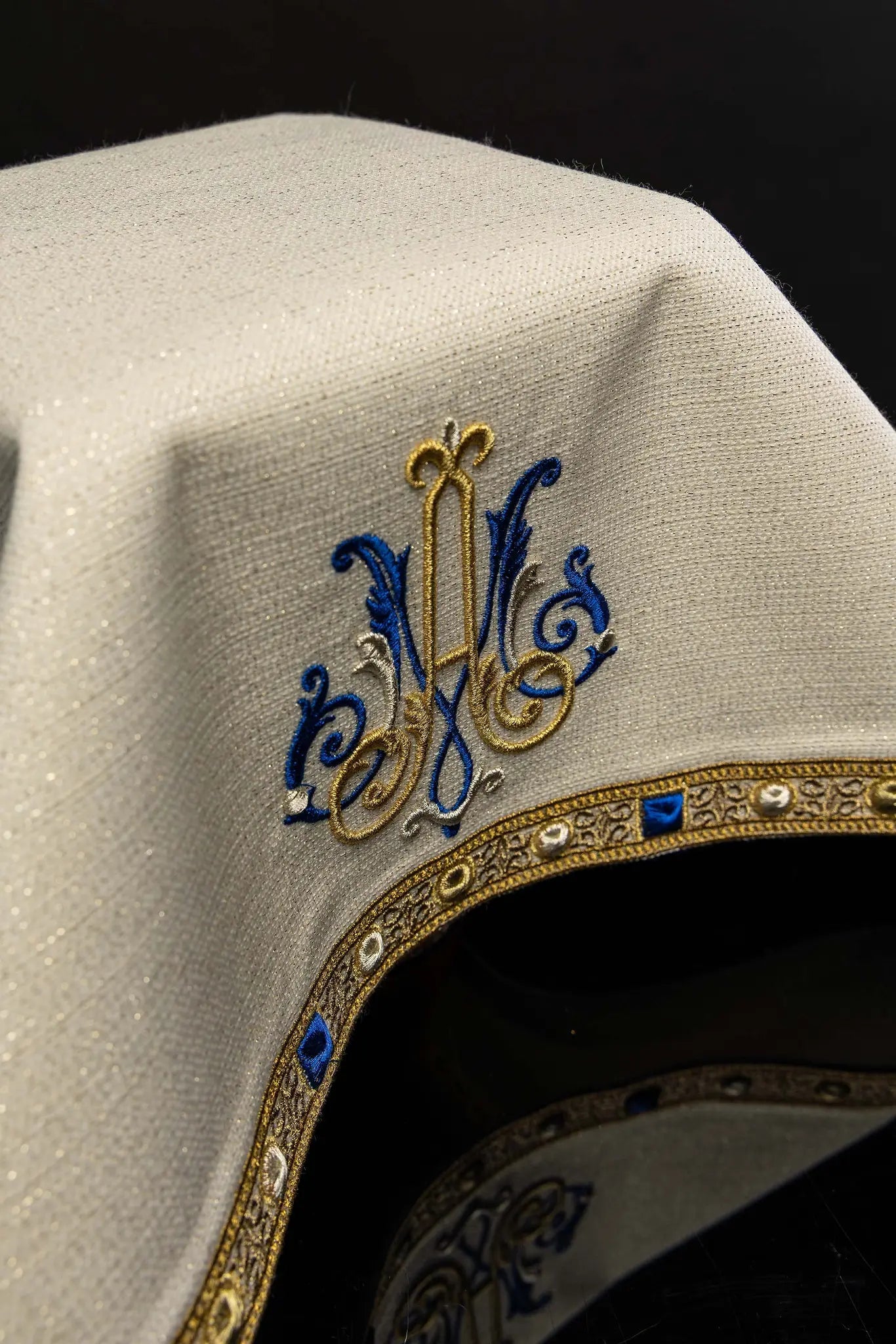
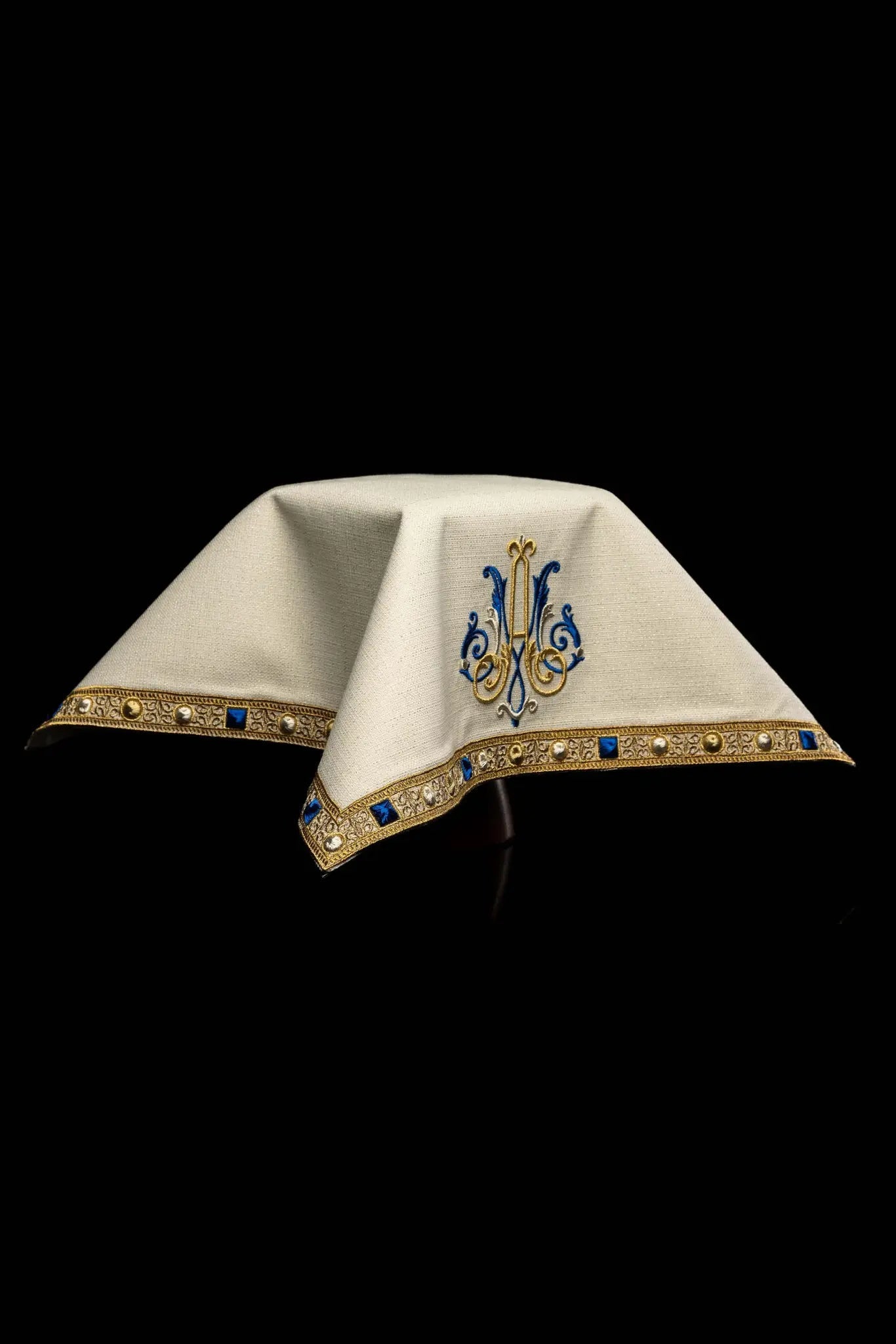
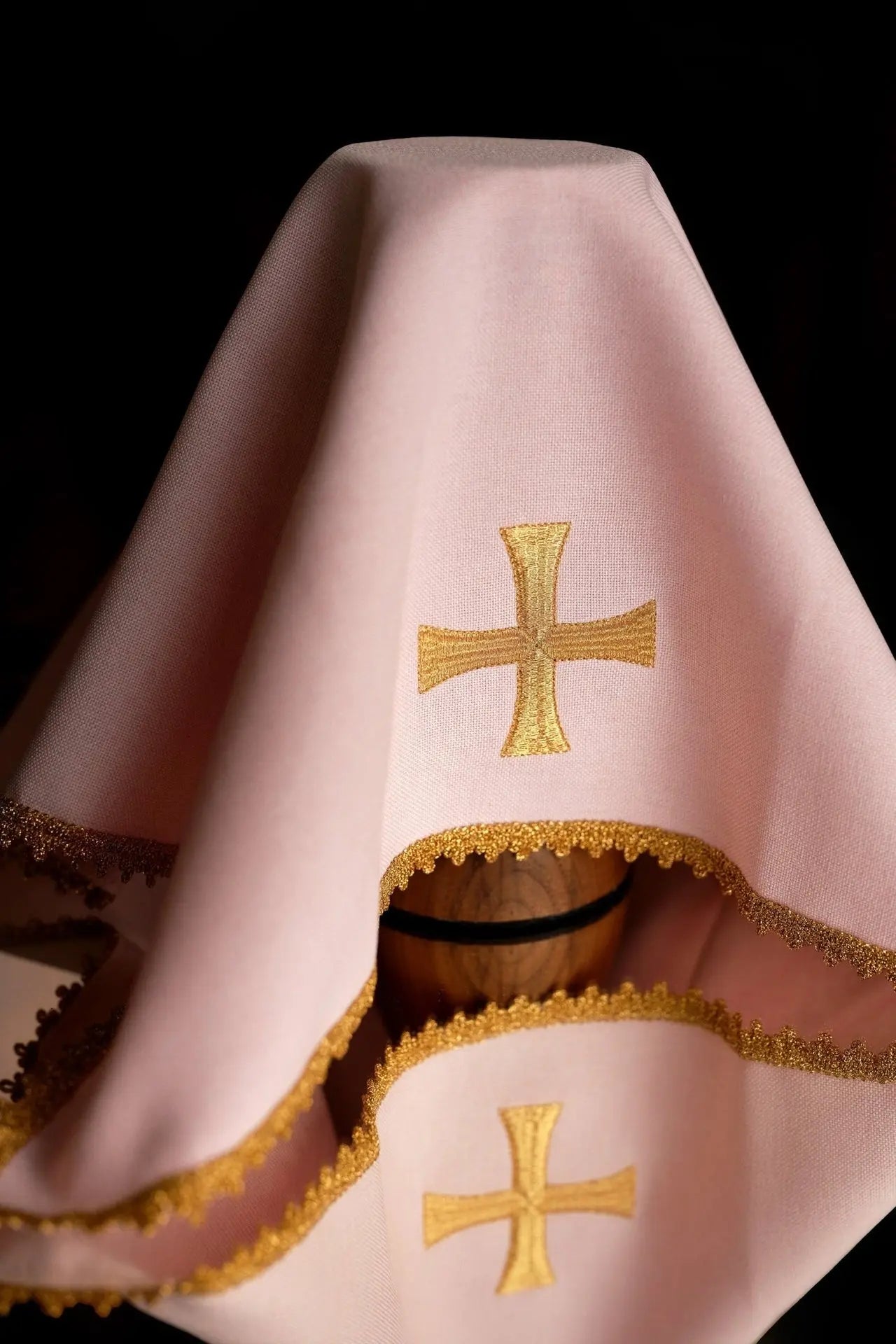
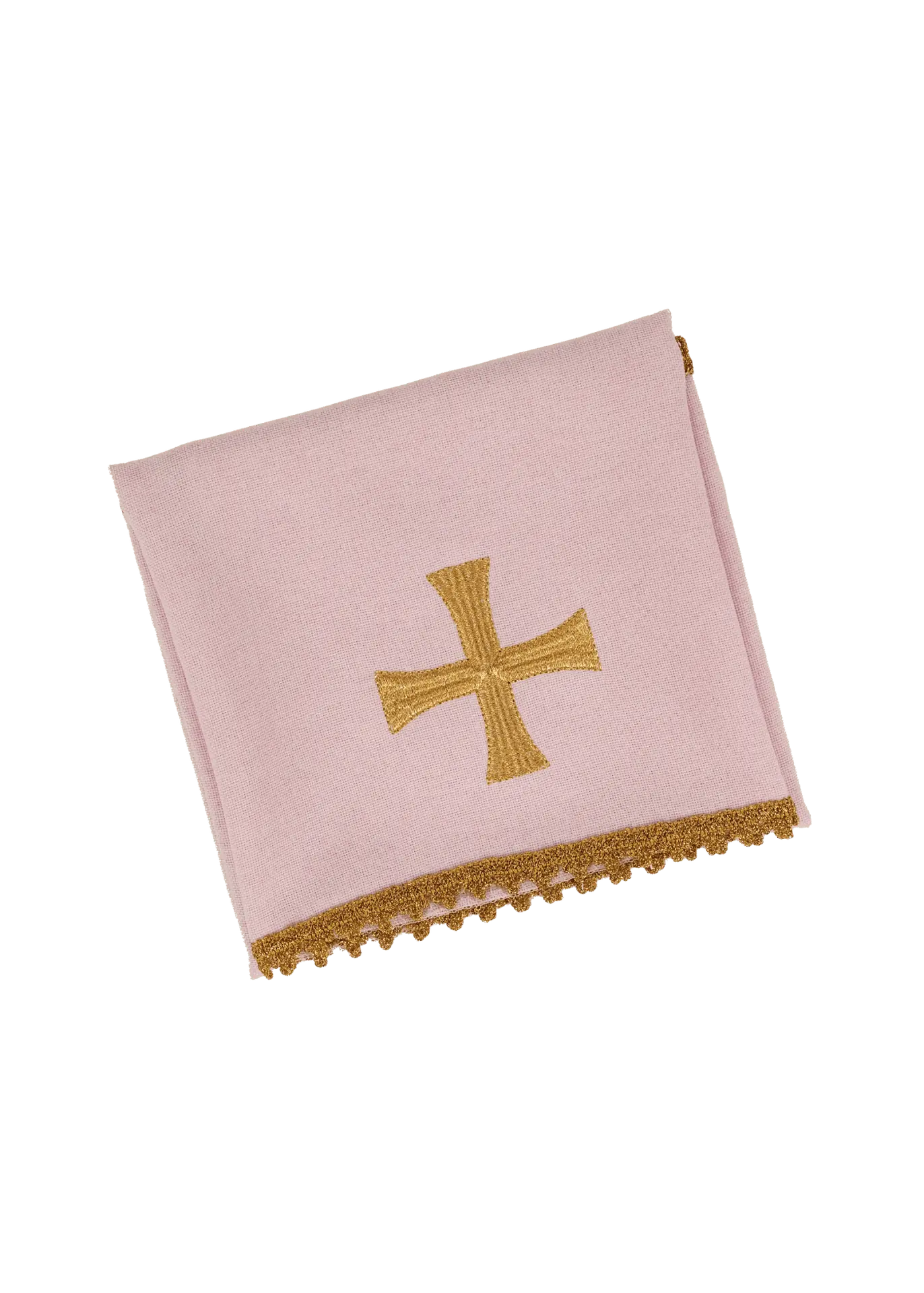
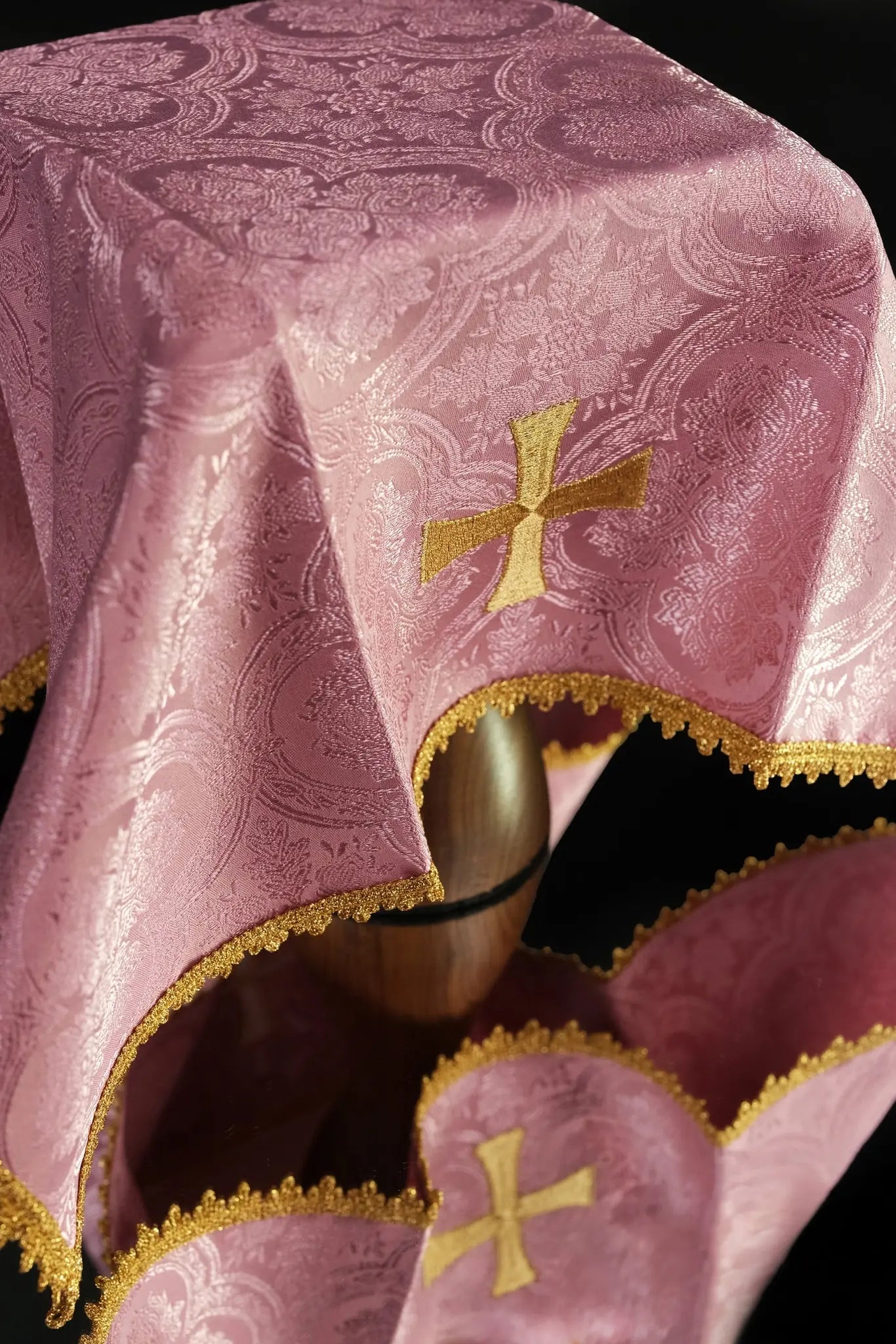
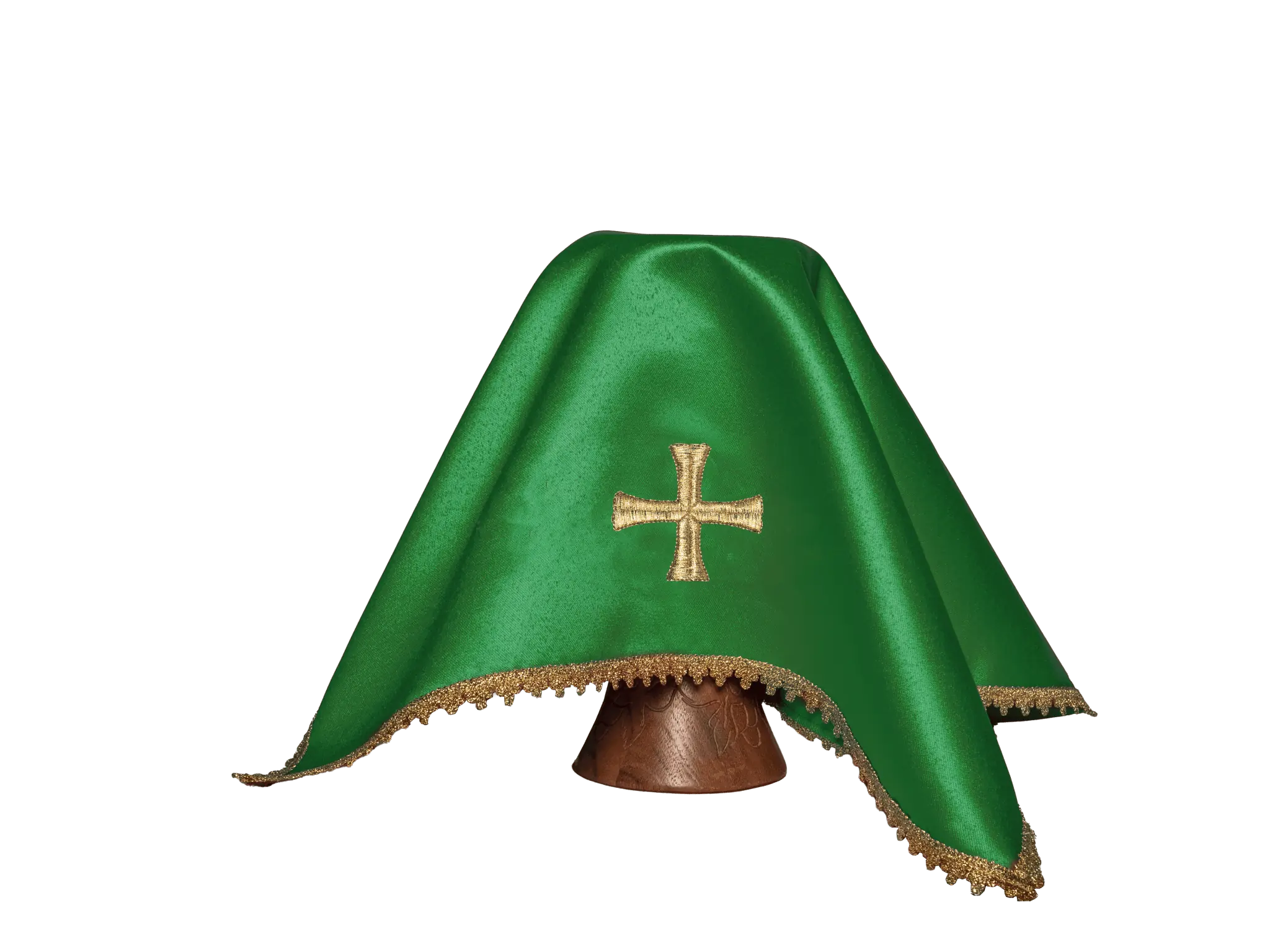
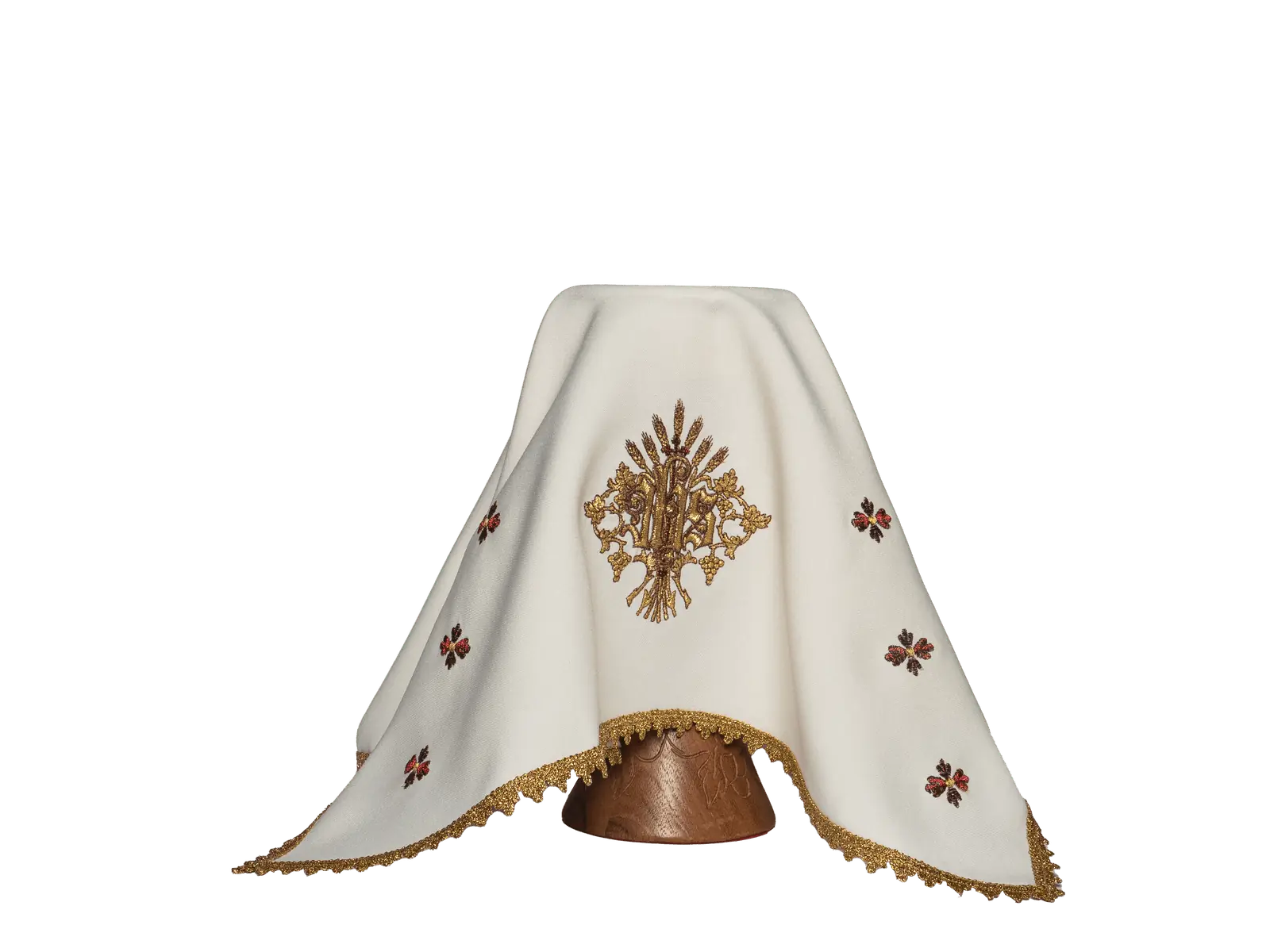
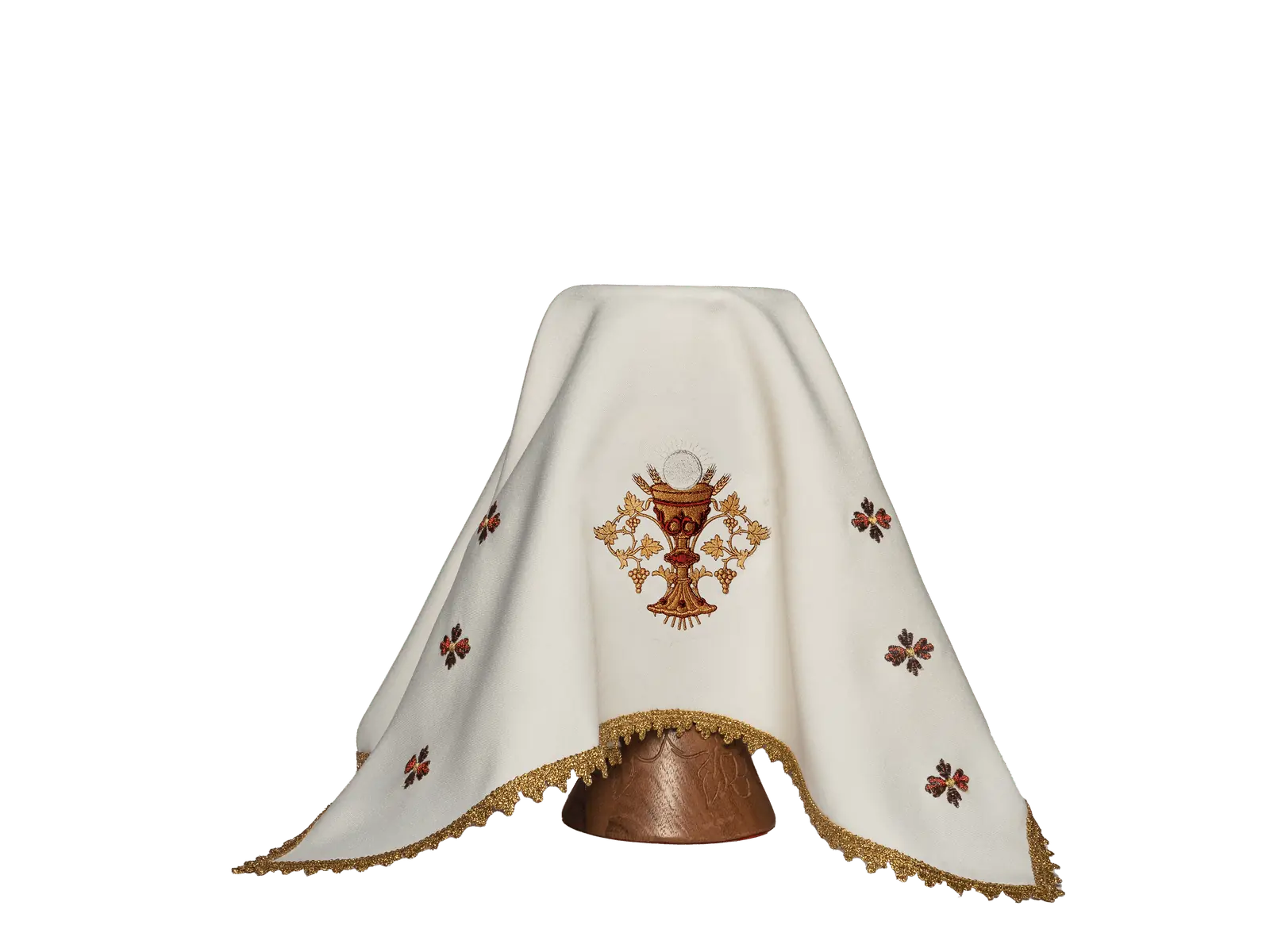
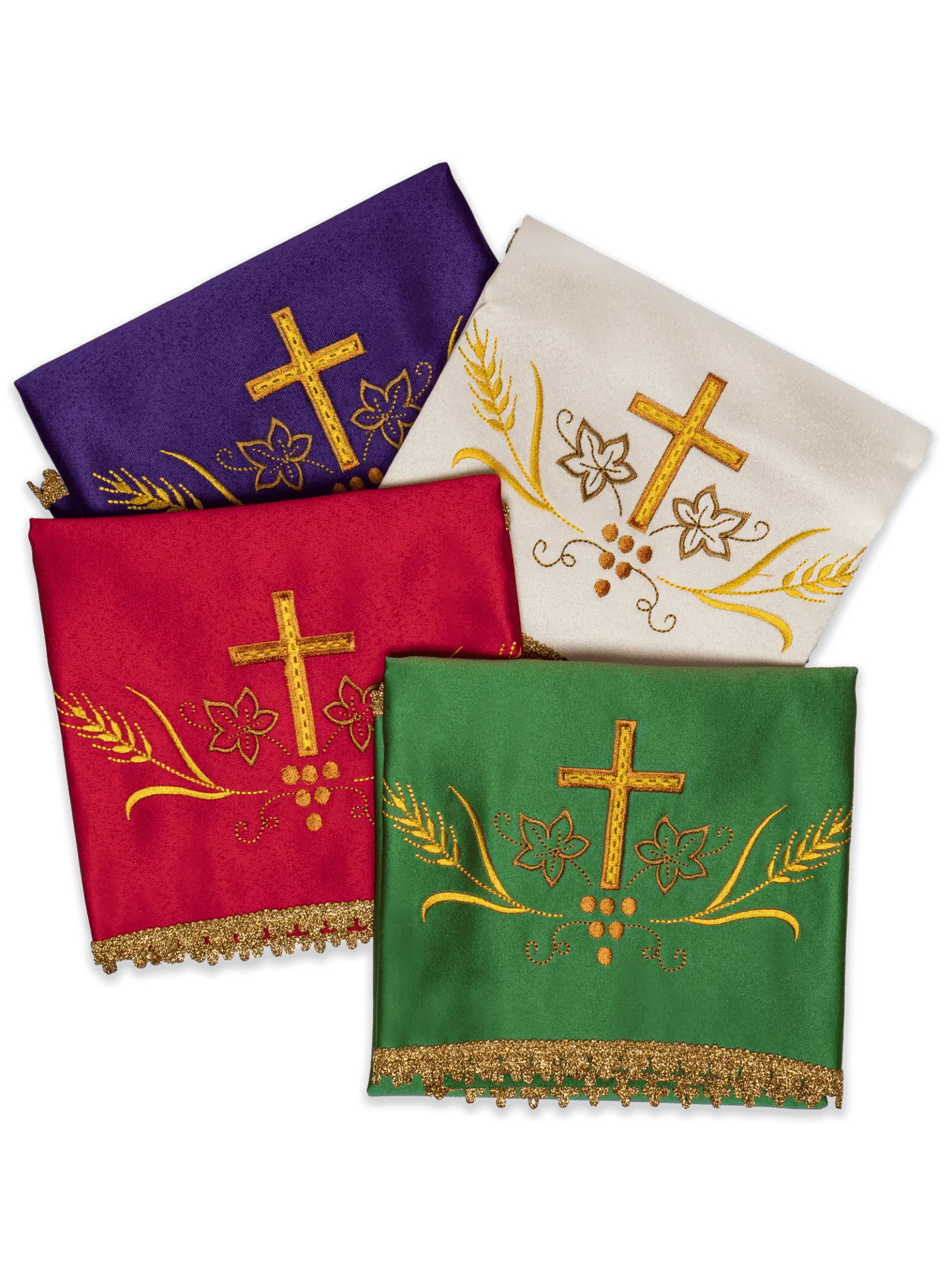
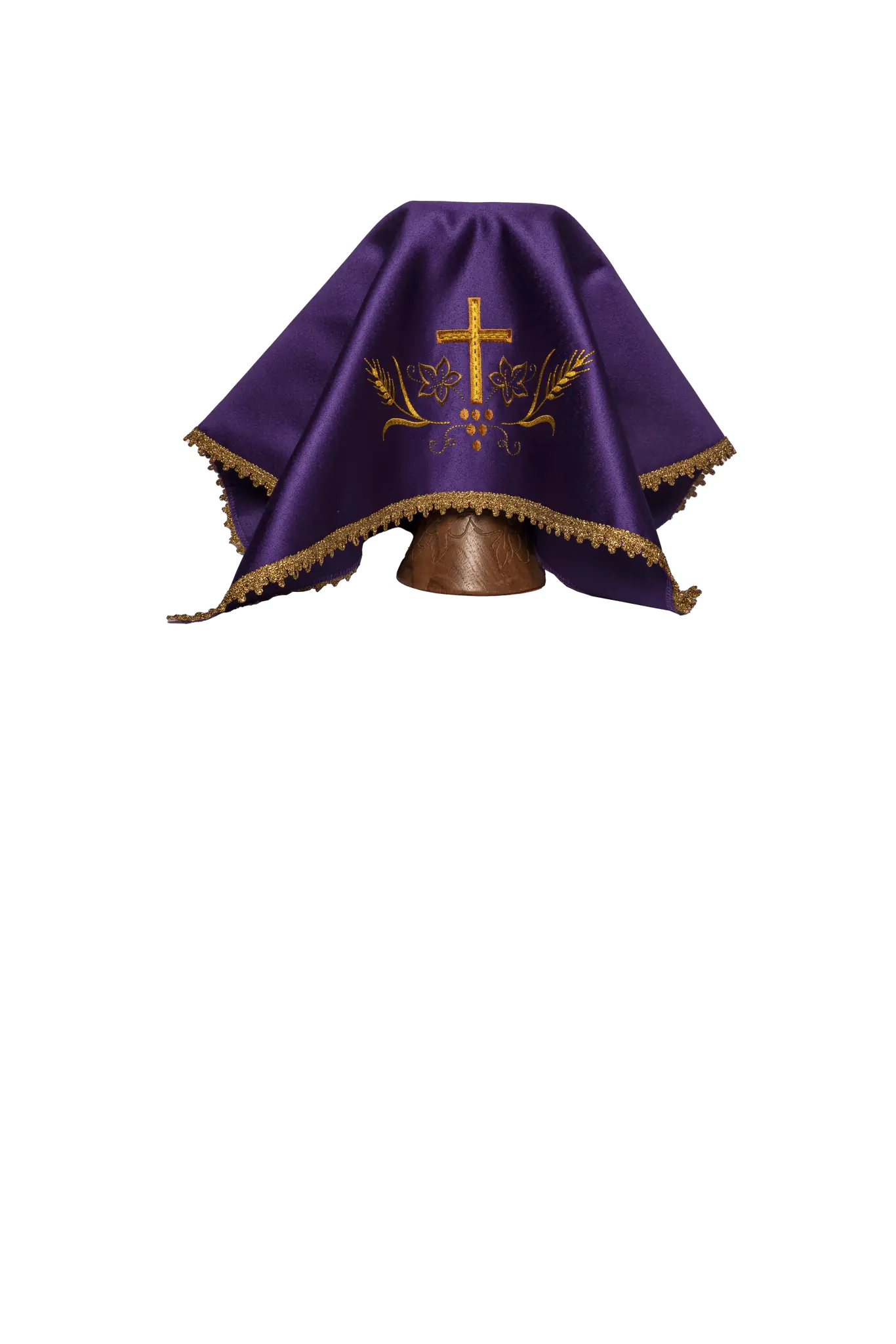
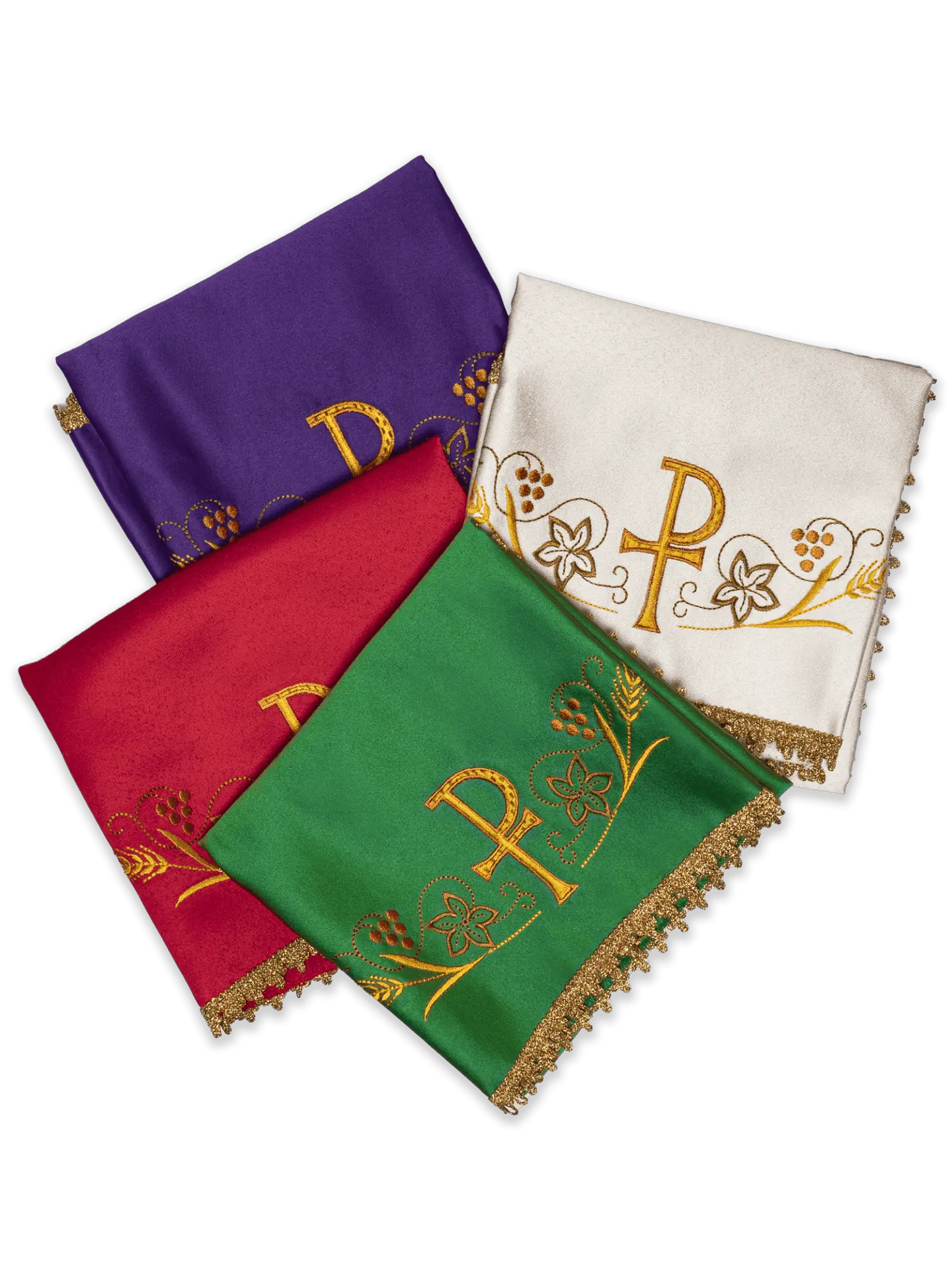
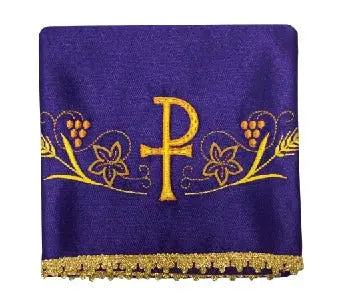
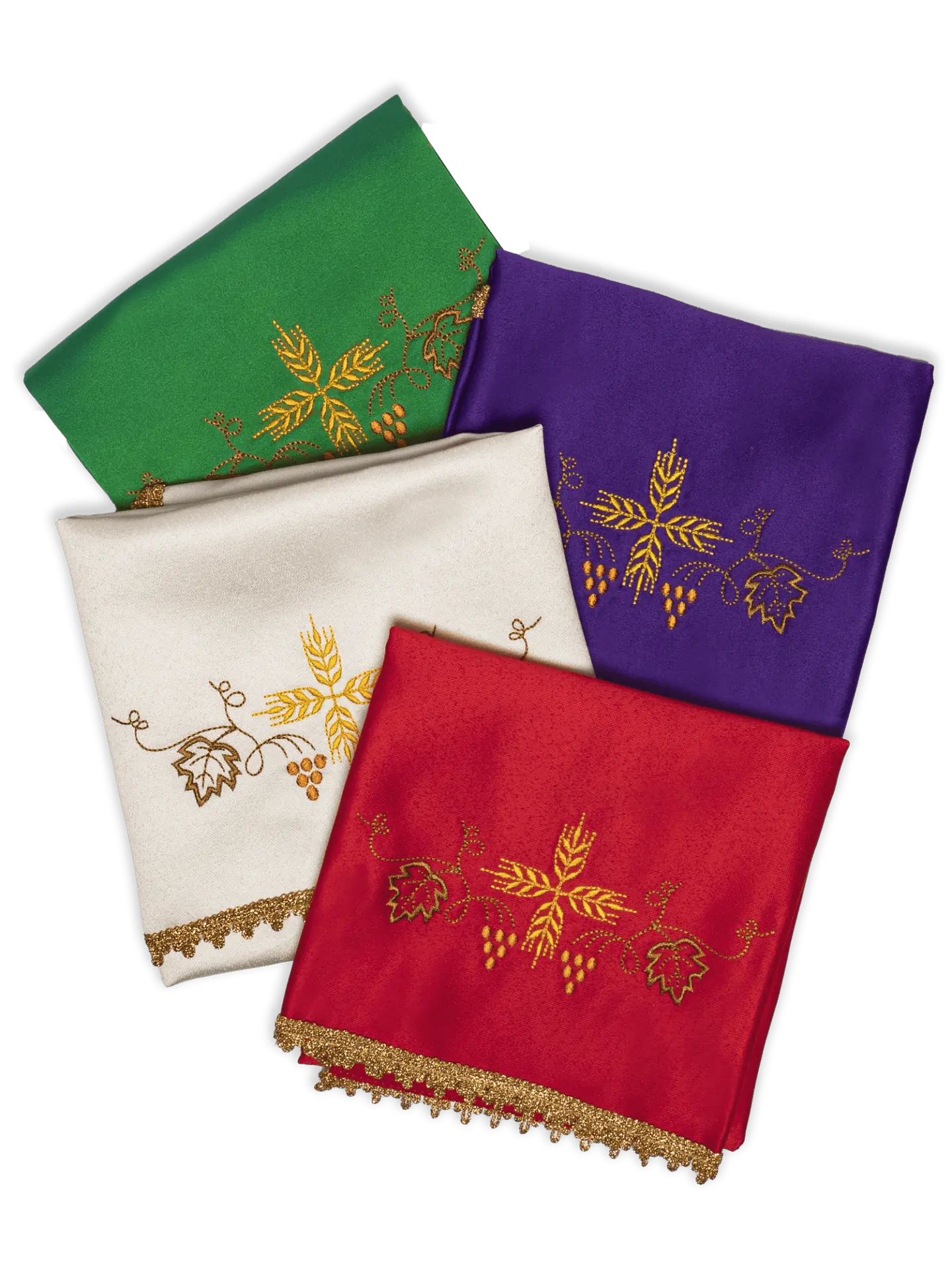
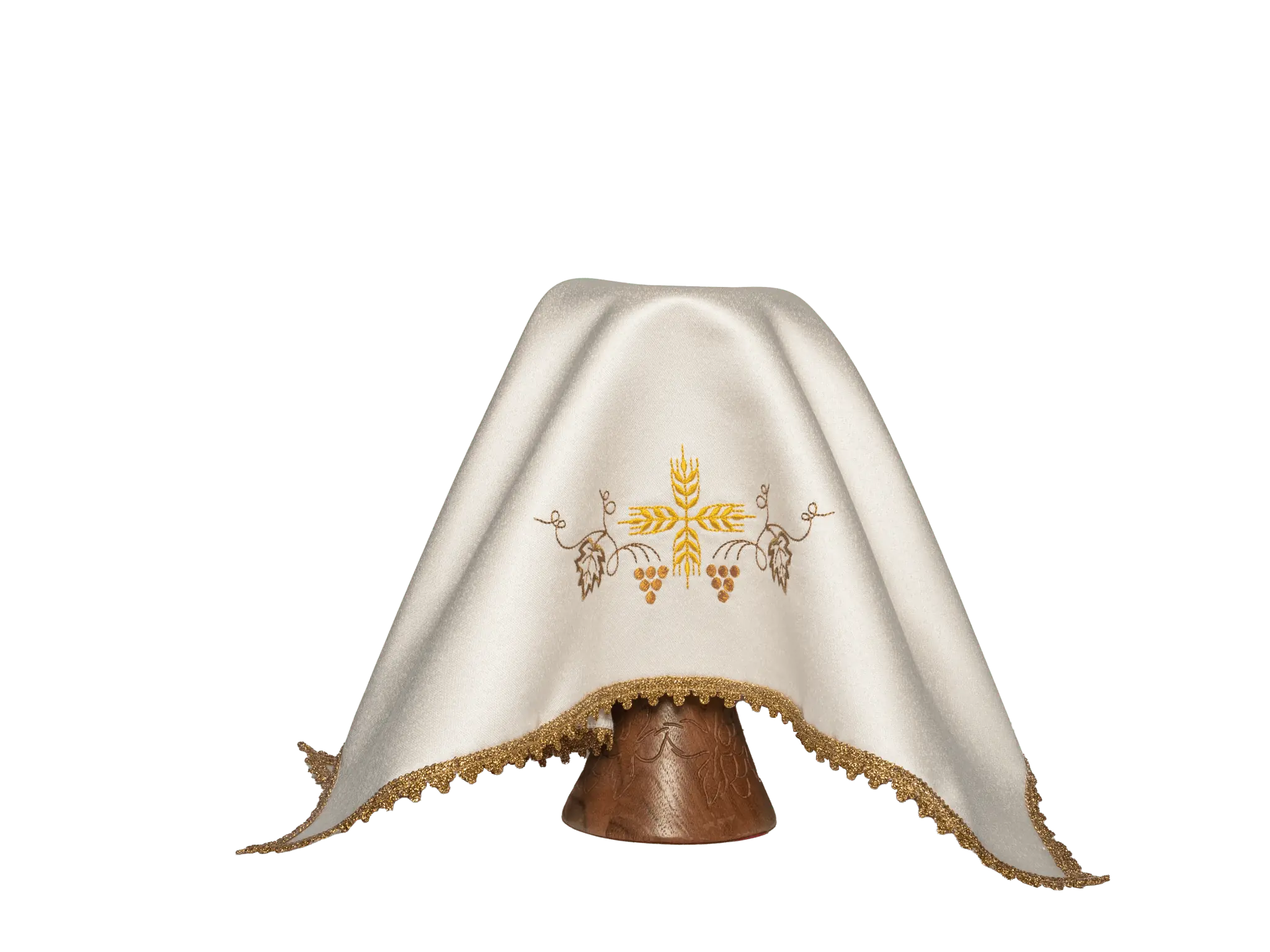
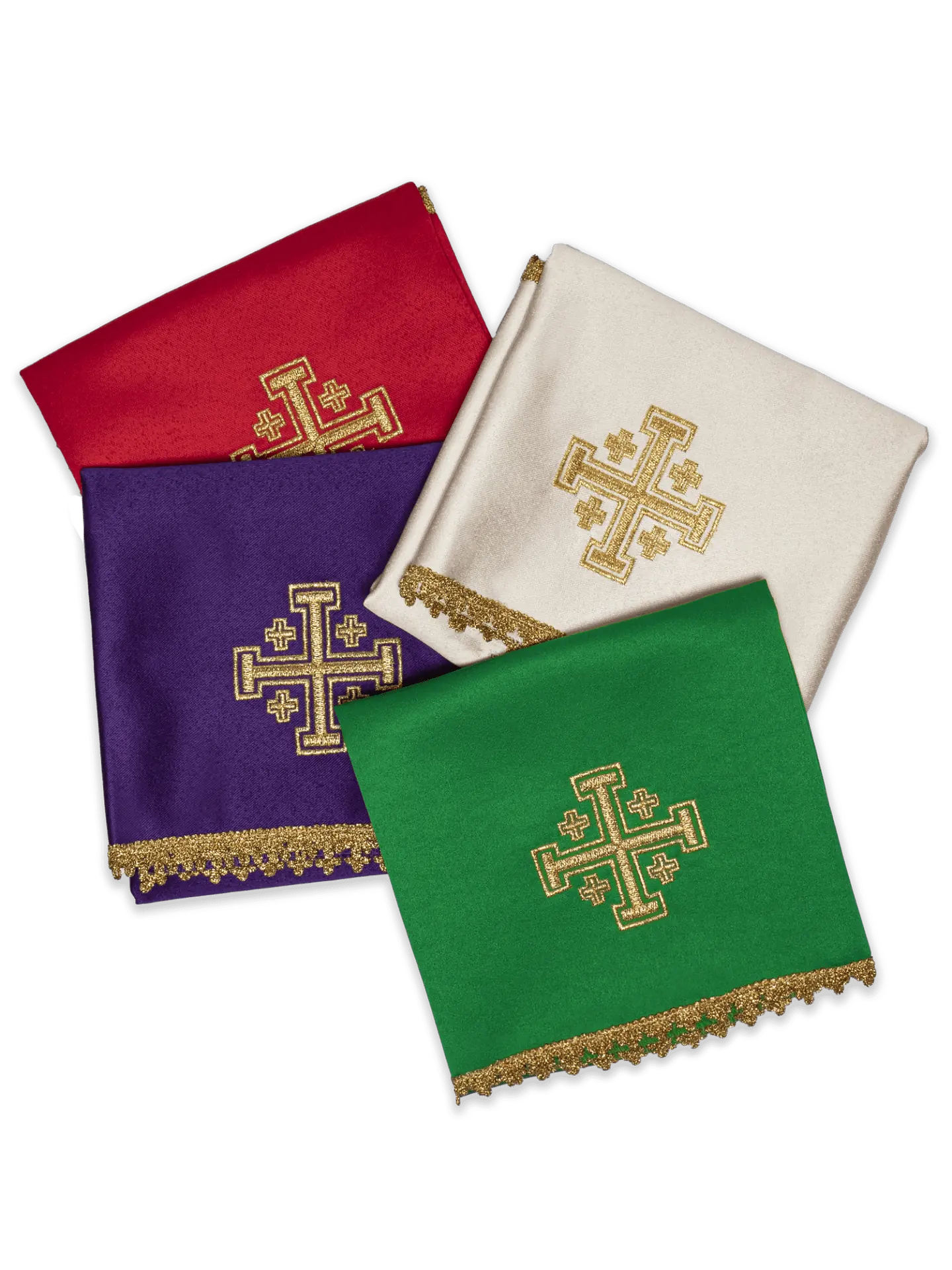
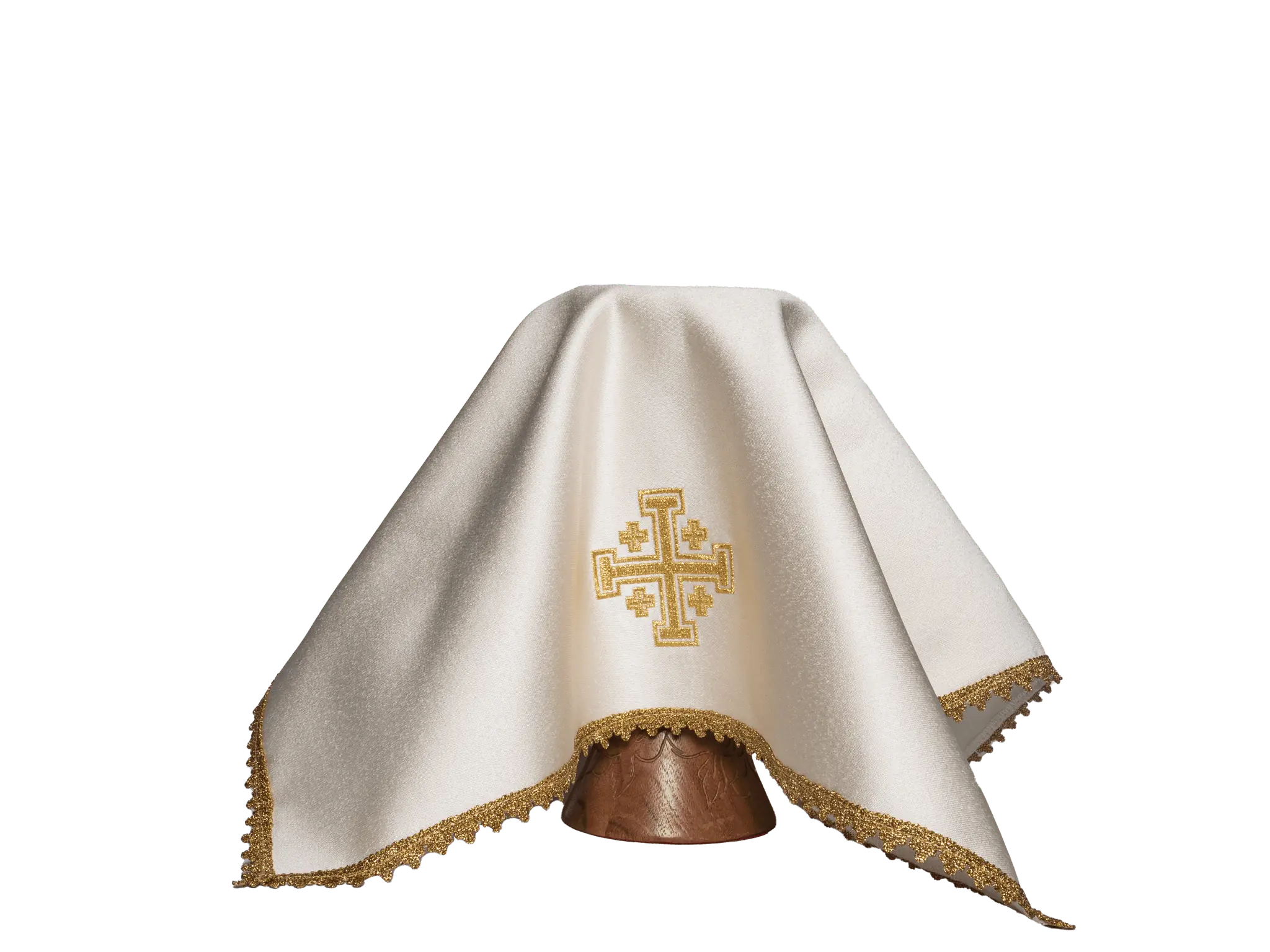
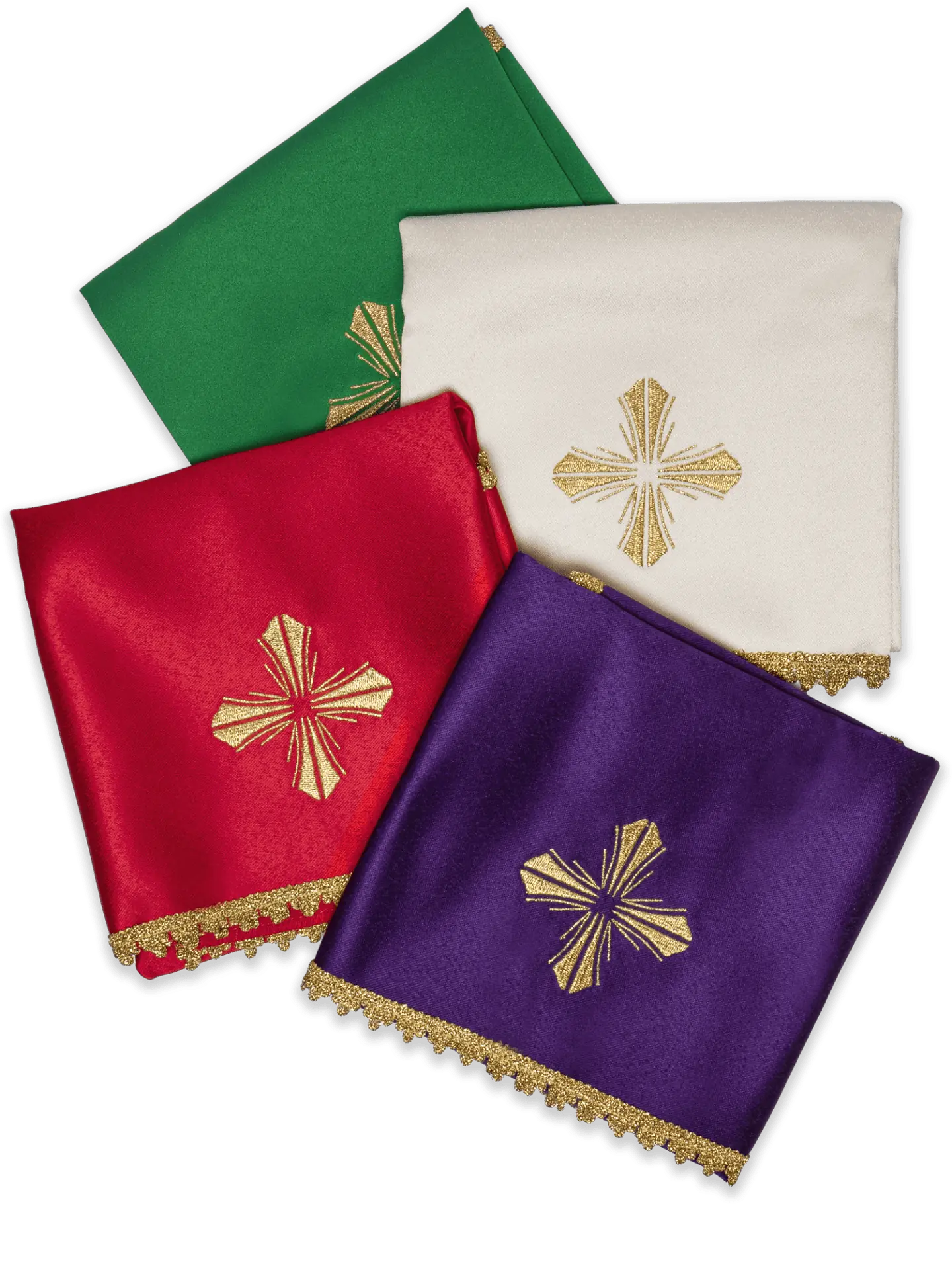
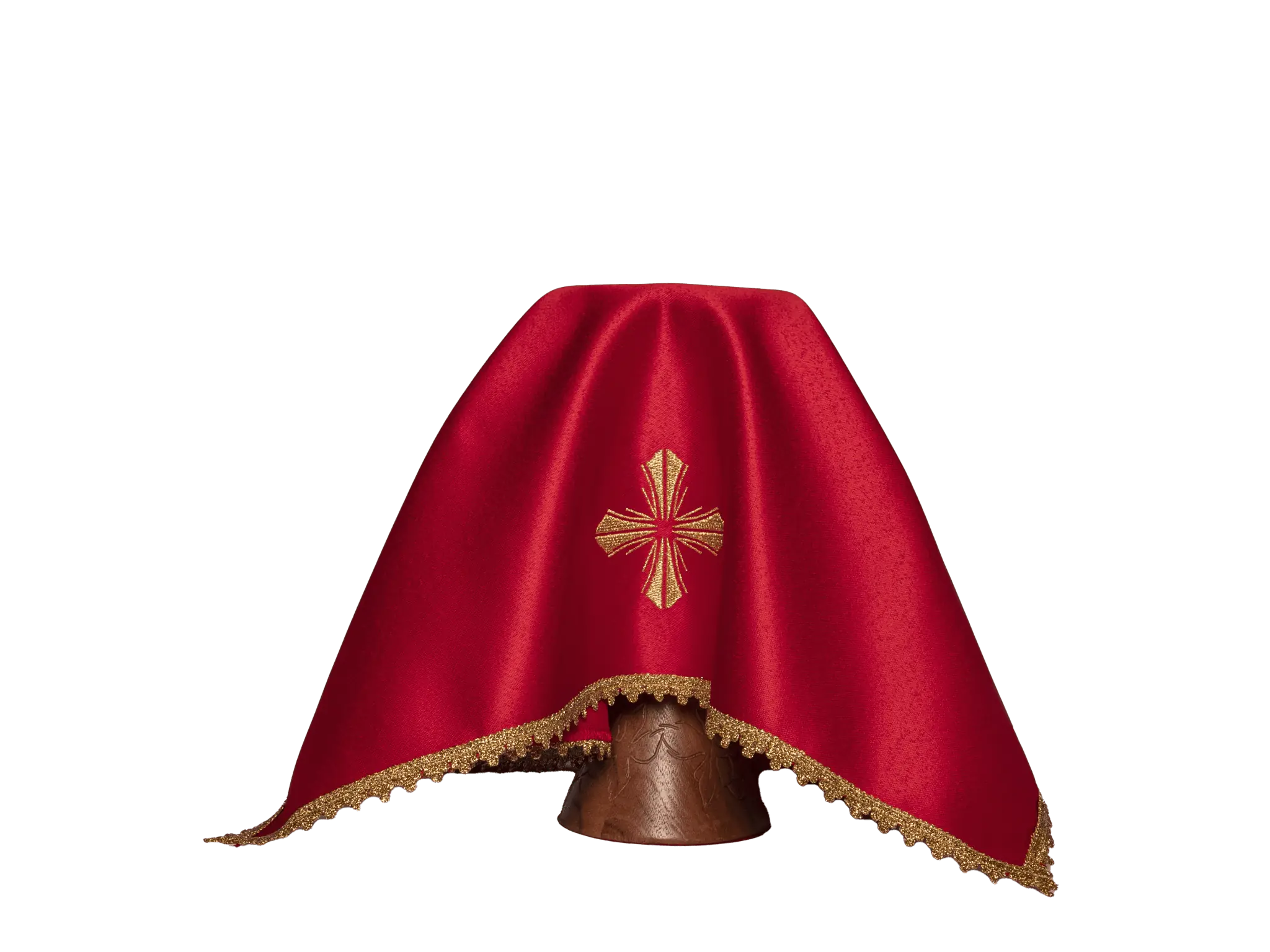
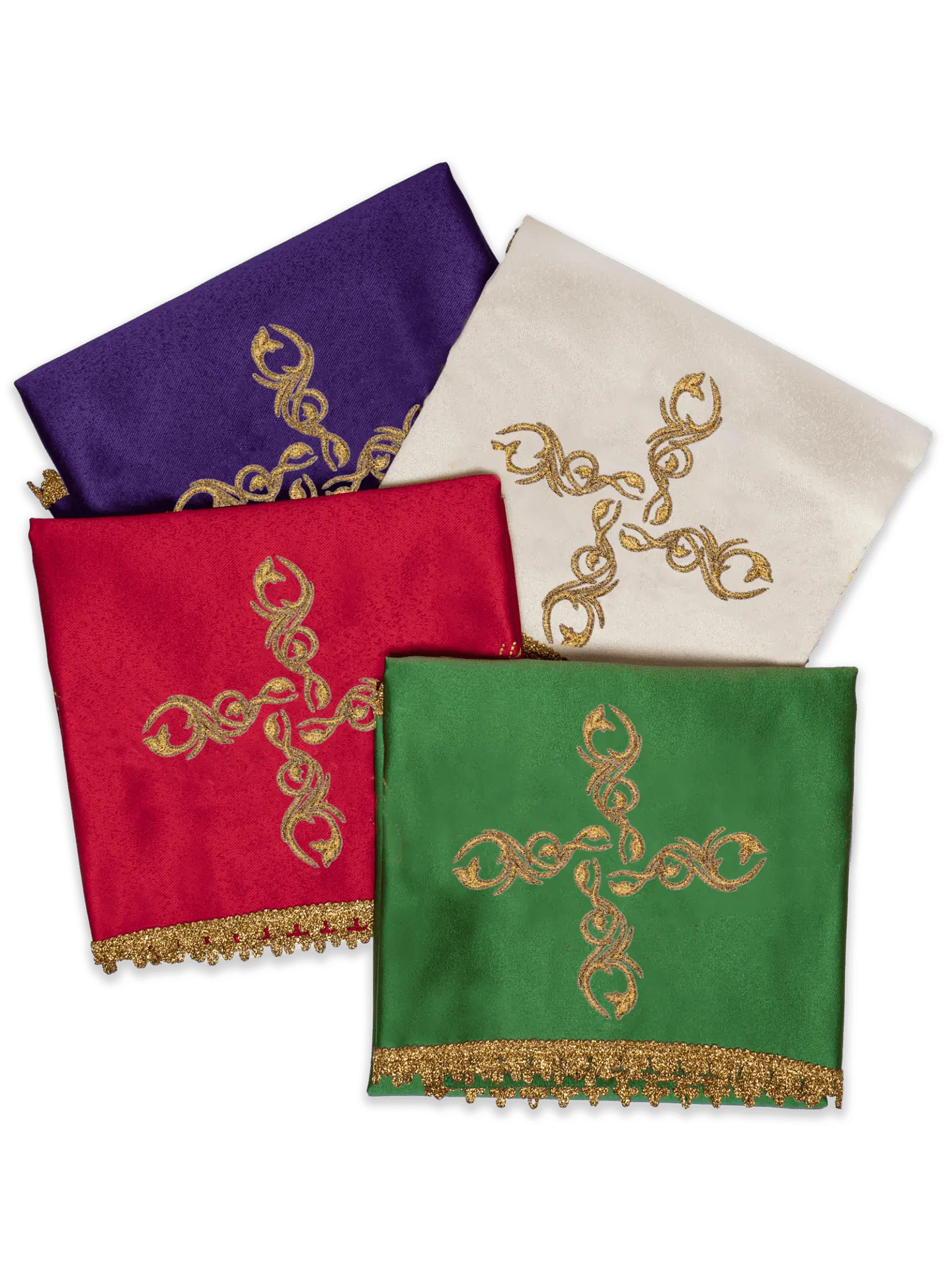
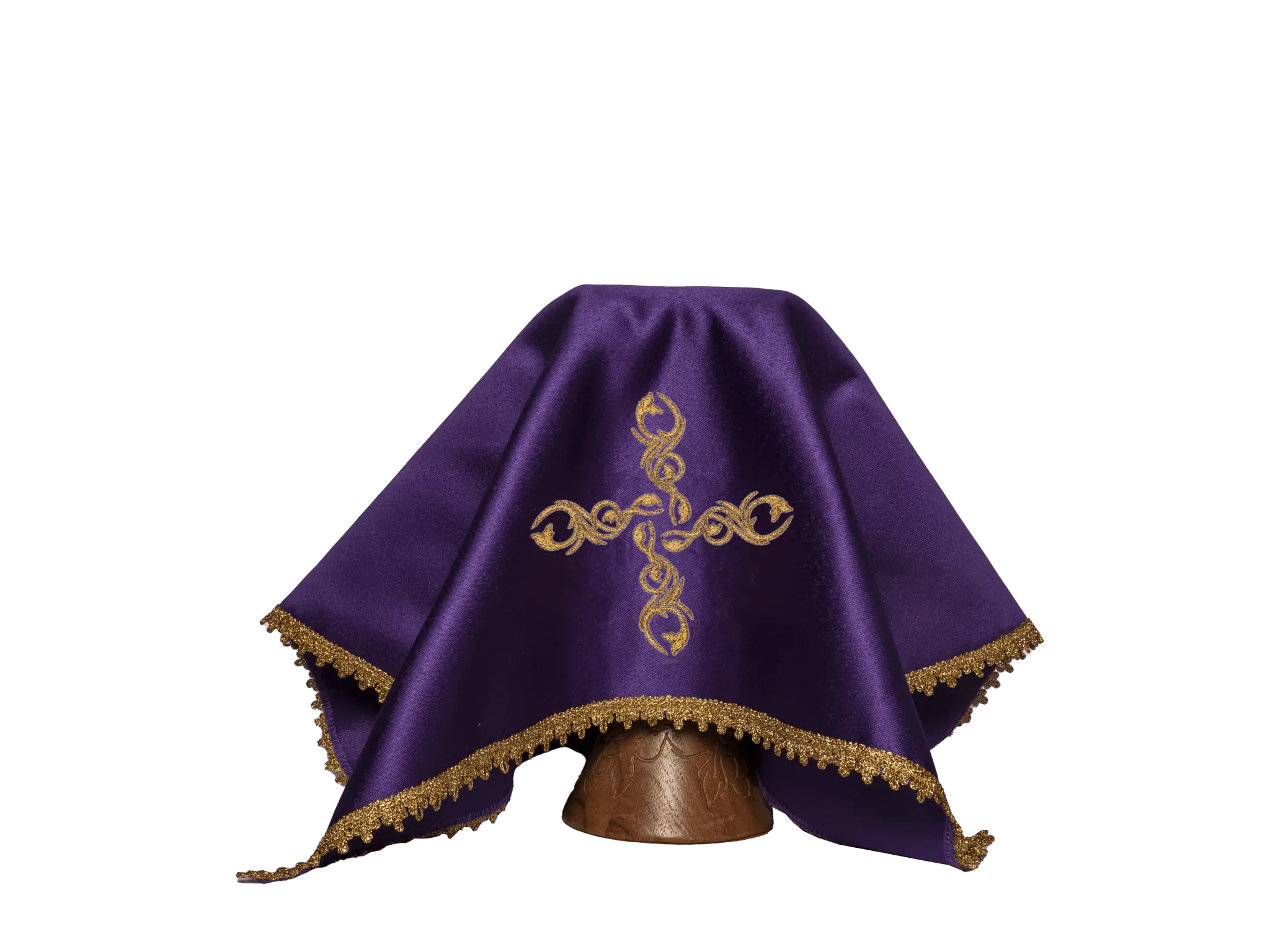
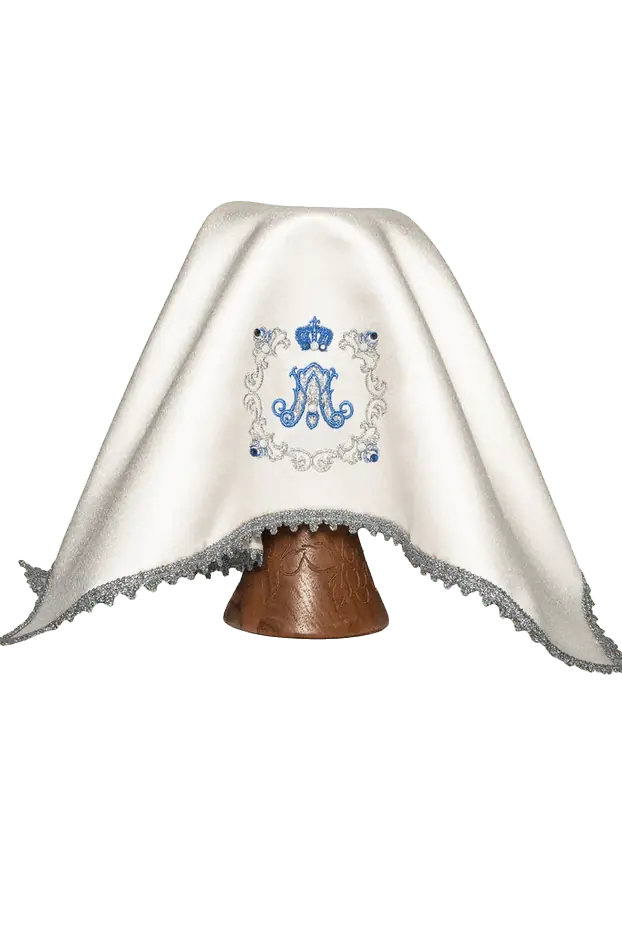
Chalice Veils for the Sacred Vessels at Mass
A chalice veil is a dignified liturgical textile used to cover the chalice and paten before the preparation of the gifts and, in many celebrations, after Communion. This collection brings together chalice veils designed for the altar, the credence table, and the careful preparation of the sacred vessels used in the Eucharistic liturgy. The veil helps preserve a sense of reverence around the chalice, marks the vessel as set apart for sacred use, and completes the visual harmony of the altar arrangement.
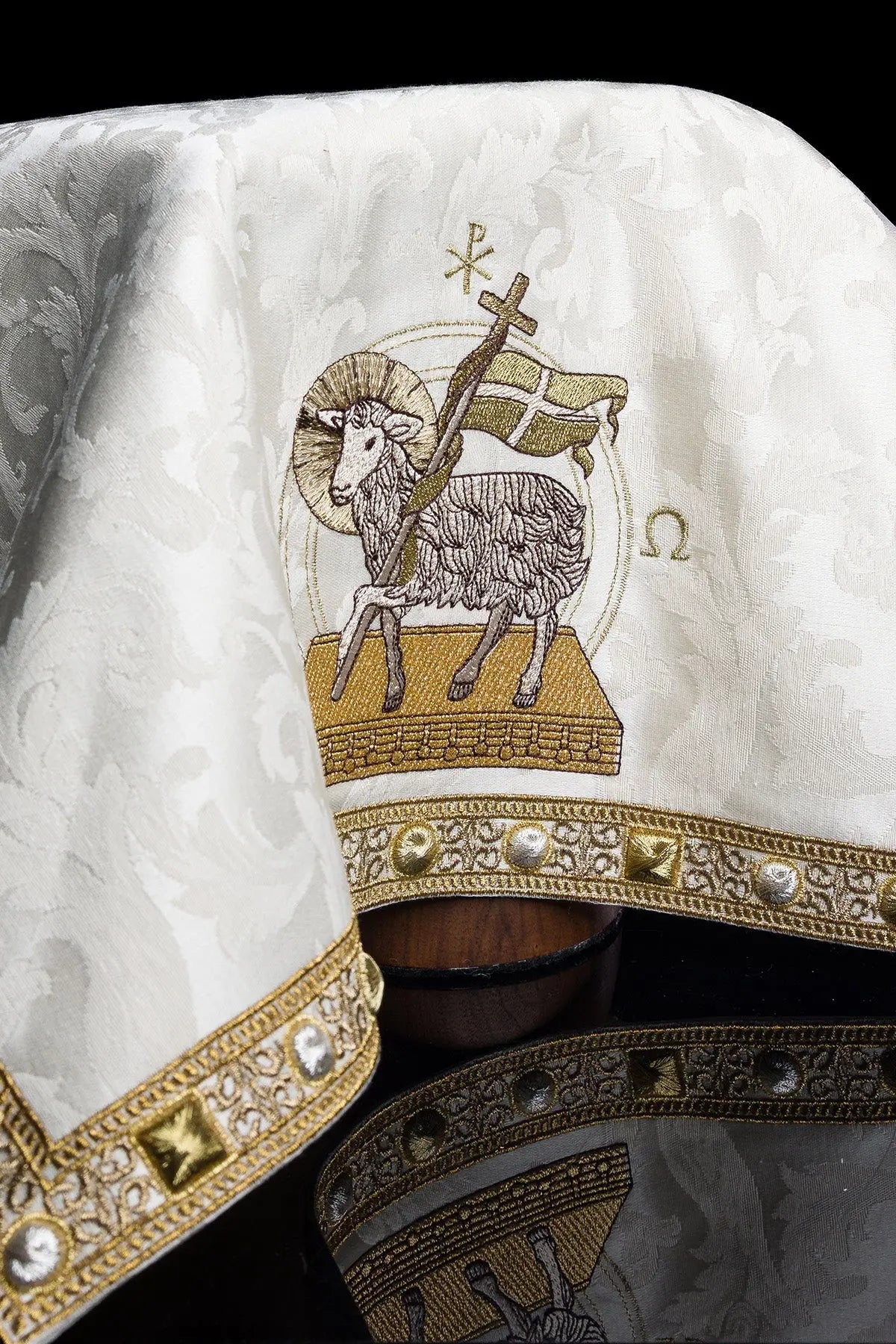
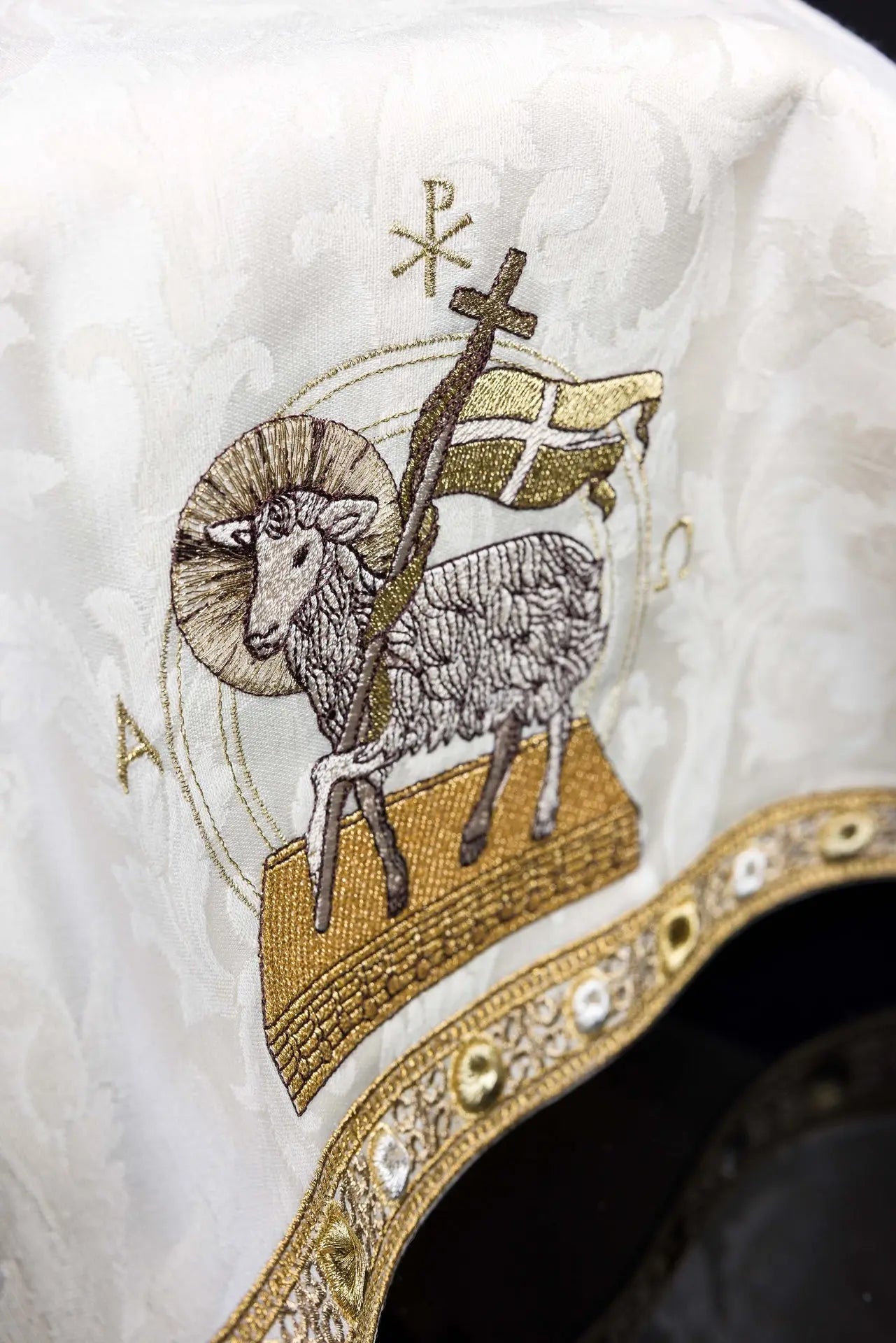
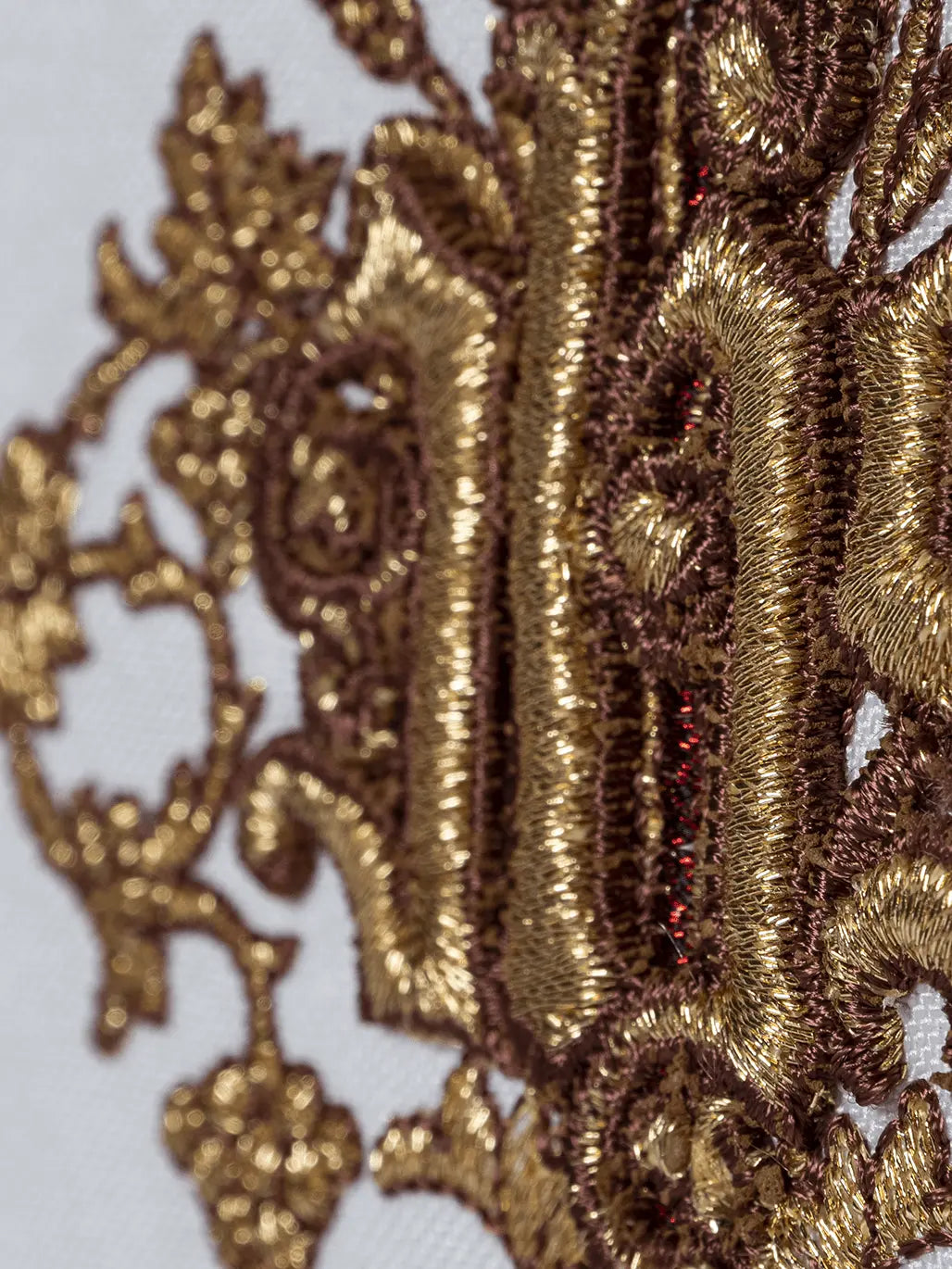
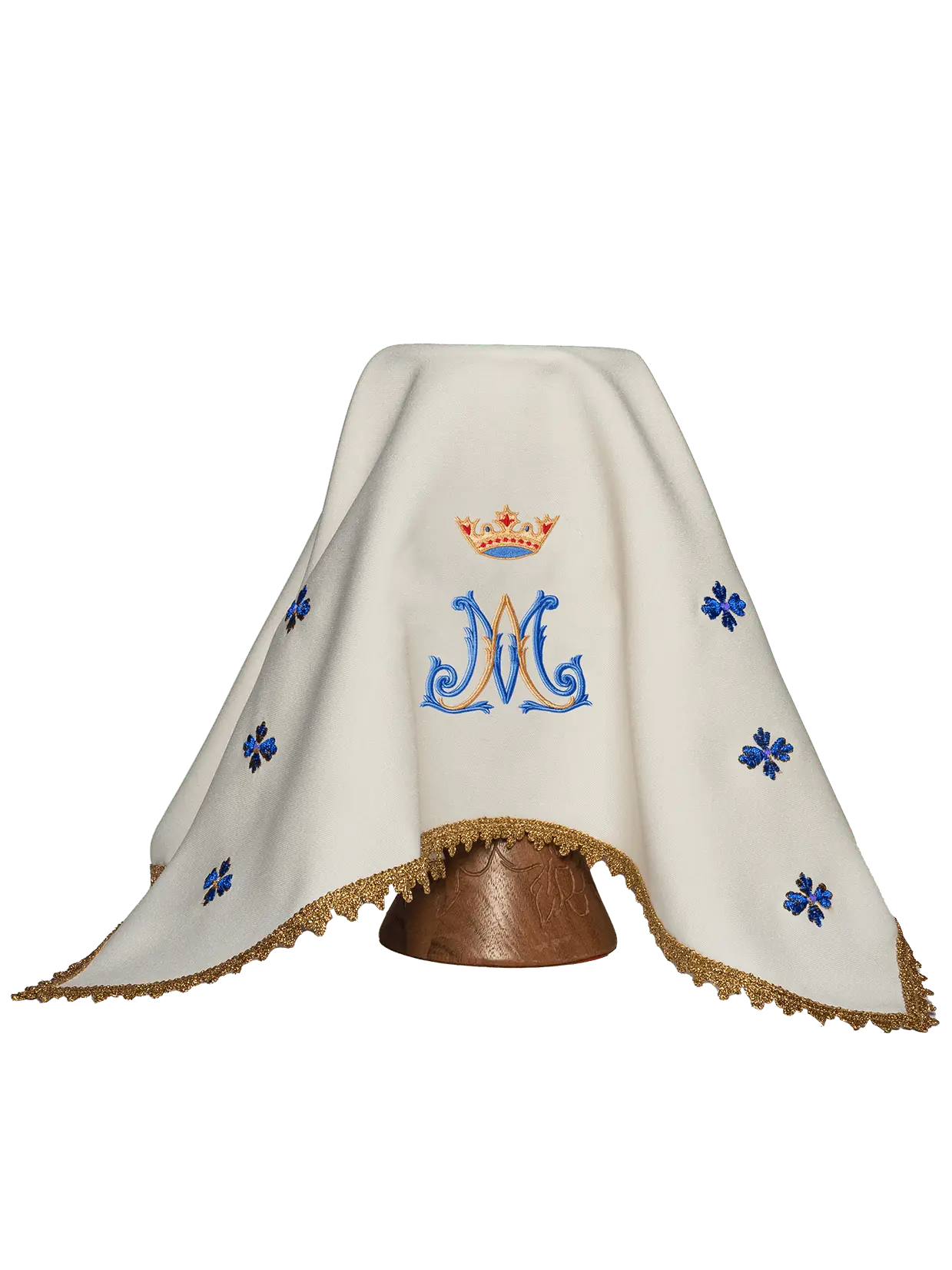
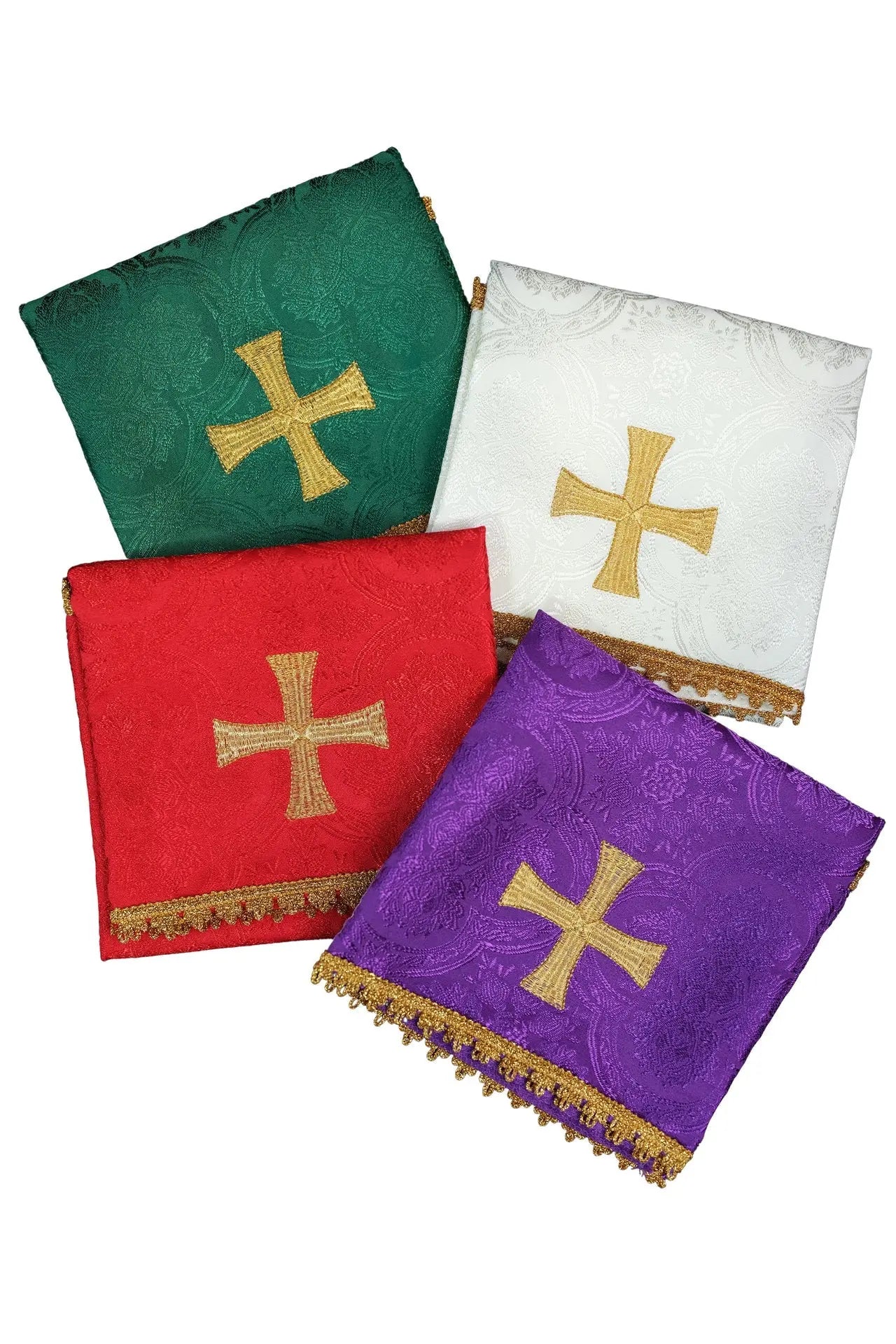
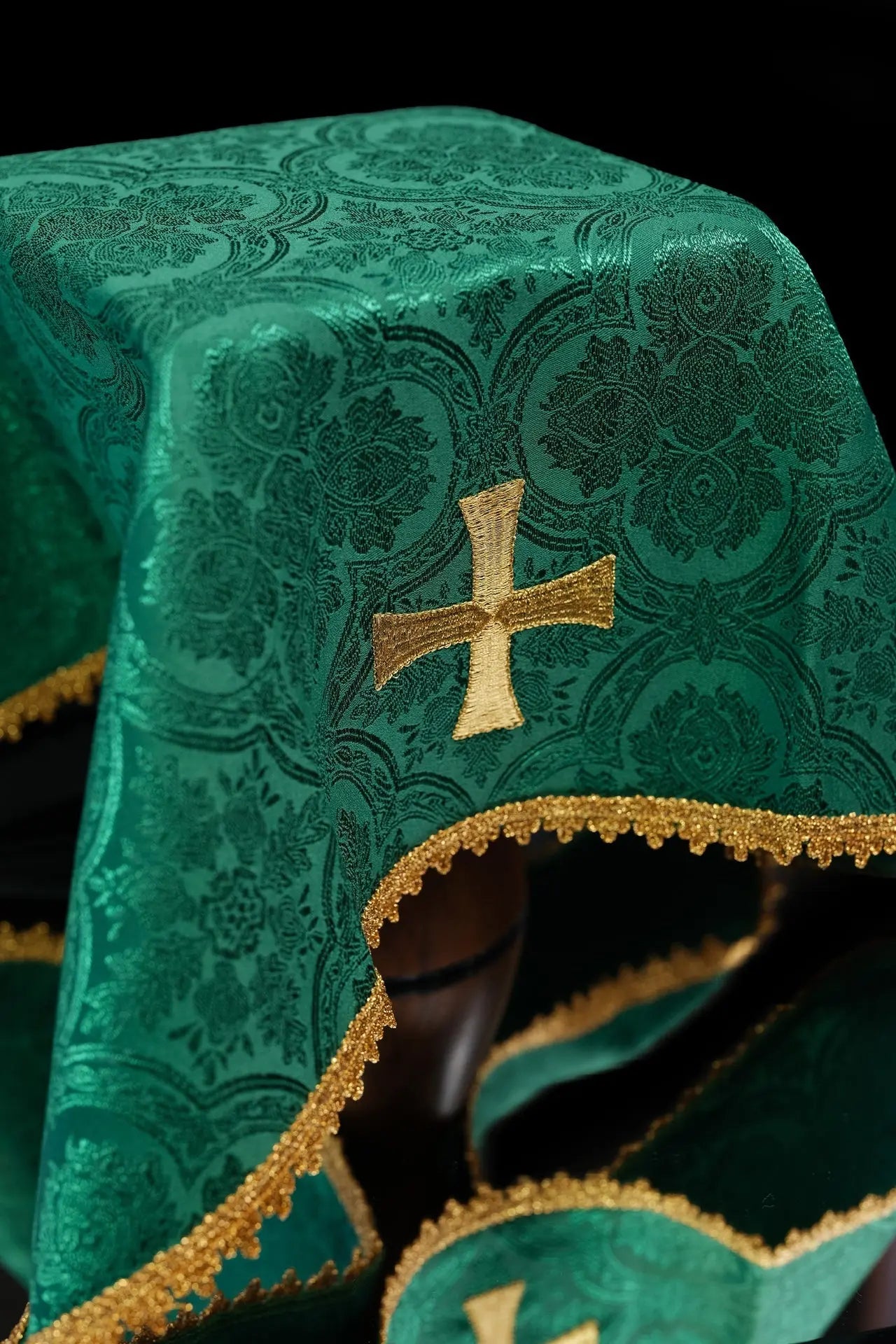
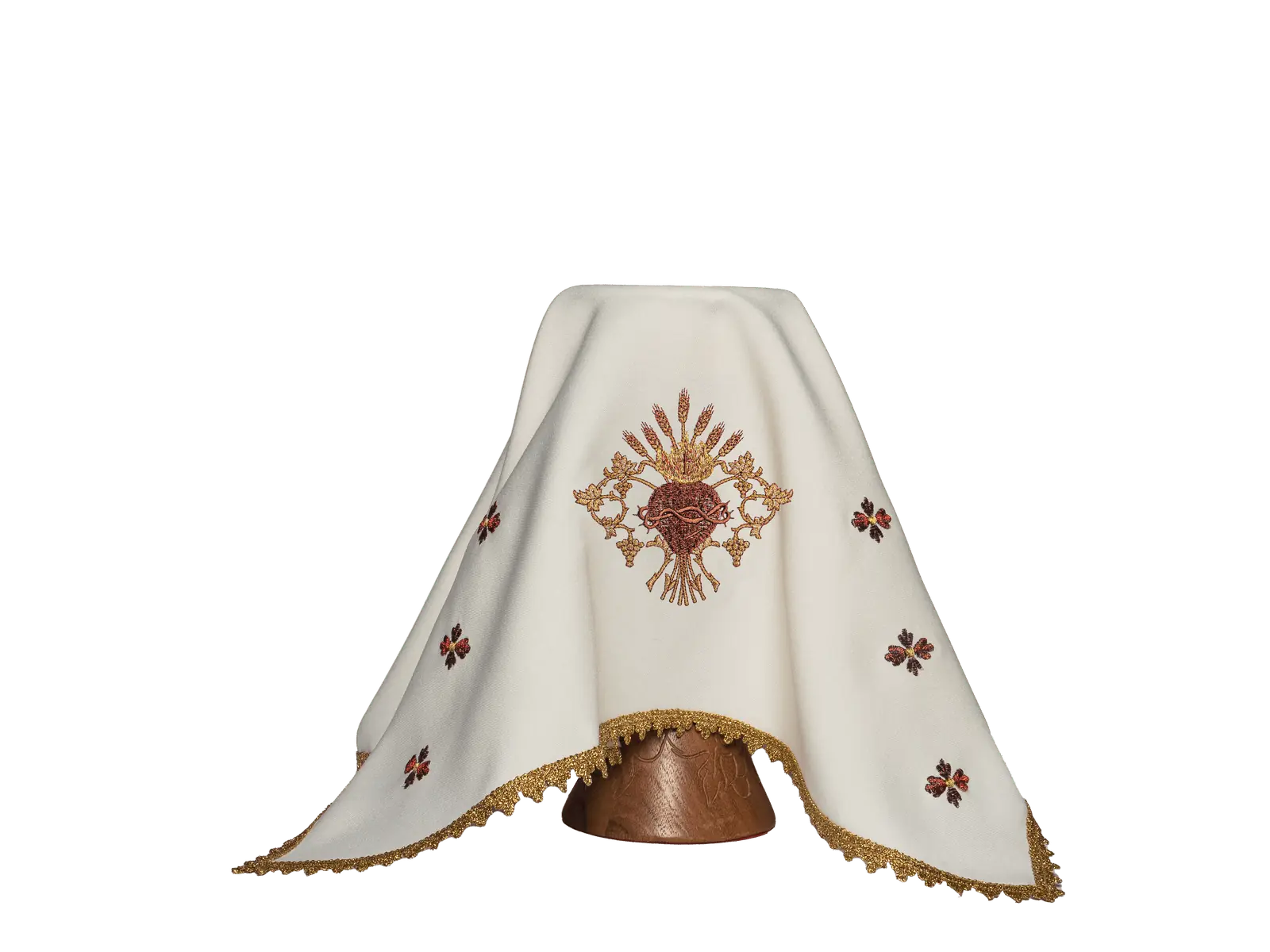
The collection includes individual chalice veils as well as coordinated sets in liturgical colors. Designs may feature embroidered crosses, the JHS symbol, Eucharistic motifs, the Paschal Lamb, the Sacred Heart of Jesus, Marian embroidery, gold trims, jacquard fabrics, and sets prepared for use across the Church year. Some veils are simple and restrained, while others are more decorative for solemn feasts, parish celebrations, or a chapel where the altar textiles are chosen to match the vestments and sanctuary furnishings.
What a chalice veil is used for
The chalice veil is distinct from a humeral veil, a ciborium veil, and altar cloths. Its purpose is to cover the chalice and paten, not the shoulders of the minister and not the ciborium. In the Roman Rite and in other liturgical traditions, this textile belongs to the careful preparation of the vessels for Mass. It contributes to a prayerful visual order: the chalice is not treated as an ordinary object, and the veiled vessel reminds the faithful of the mystery that will be celebrated on the altar.
Because the chalice veil is seen before and during key moments of the liturgy, it should be chosen with attention to color, fabric, proportion, and symbolism. A well-matched veil can correspond with the priestly vestments, the burse or pall, the altar frontal, and other sanctuary textiles. When selected thoughtfully, it does not distract from the liturgy; it supports the sacred character of the celebration and creates continuity among the elements used at the altar.
Choosing the right chalice veil
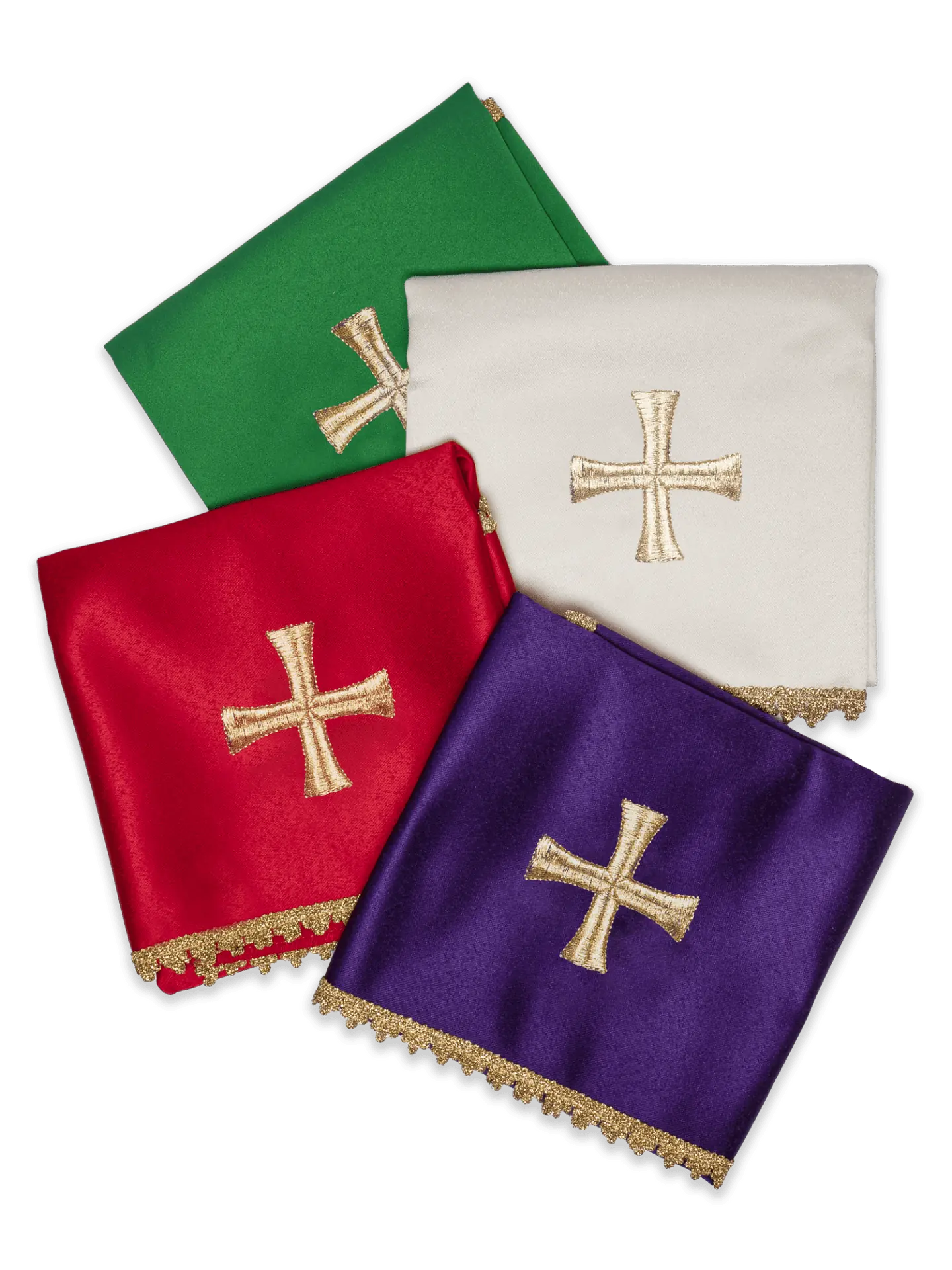
When choosing a chalice veil, first consider the liturgical color needed by your parish, chapel, or religious community. White and ecru are commonly used for feasts of the Lord, Easter, Christmas, Marian solemnities, weddings, and other joyful celebrations. Green is used during Ordinary Time. Violet is used for Advent and Lent, while red is associated with Palm Sunday, Good Friday, Pentecost, martyrs, and celebrations of the Holy Spirit. Rose may be used on Gaudete Sunday and Laetare Sunday where this custom is observed.
Next, consider whether you need one veil for a specific celebration or a complete set for the liturgical year. A set of four or more colors is practical when the sacristy needs a consistent style throughout the seasons. Individual veils are useful when replacing one worn textile, adding a solemn design for a patronal feast, or matching a particular chalice set. For related altar textiles, see the wider Altar Cloths collection and the broader selection of Altar Linens.
Color, embroidery, and symbolism
The embroidery on a chalice veil should be appropriate to the sacred vessel it covers. Cross motifs are versatile and suitable for many seasons. Eucharistic symbols underline the connection with the sacrifice of the Mass and the sacrament celebrated on the altar. JHS embroidery gives the veil a clear Christological focus. The Paschal Lamb is especially meaningful for Eastertide and solemn Eucharistic celebrations. Marian motifs are fitting for feasts of the Blessed Virgin Mary and for churches or chapels with a Marian dedication.
For celebrations with a Marian emphasis, the veils in this collection can be paired with vestments and textiles from the Blessed Virgin Mary collection. For Corpus Christi, Eucharistic adoration, and processions connected with devotion to the Blessed Sacrament, it may also be helpful to coordinate the chalice veil with items from the Corpus Christi collection. These links are especially useful when a parish wants the altar, vestments, and processional textiles to share one visual language.
How chalice veils relate to other altar textiles
A chalice veil is part of a wider group of altar and sacristy linens. It is often chosen alongside a pall, purificator, corporal, lavabo towel, burse, and other linens used in the preparation and celebration of Mass. If you are building or renewing a complete sacristy set, compare these veils with Chalice Pall Sets, which help complete the arrangement around the chalice and paten. Matching the veil and pall can give the altar a more unified appearance while keeping each item in its proper liturgical role.
The chalice veil should not be confused with a ciborium veil. A ciborium veil is used for the ciborium, especially in contexts connected with the reservation or handling of the Blessed Sacrament, while the chalice veil is made for the chalice and paten used at Mass. To compare the two categories, browse Ciborium Veils. Likewise, it is different from Humeral Veils, which are worn over the shoulders by the priest or deacon during Eucharistic benediction, processions, or other rites where the sacred vessel is carried with covered hands.
Practical details for parish and chapel use
Before ordering, check the size and shape of the chalice normally used in your sacristy. The veil should cover the vessel gracefully without looking too small or overwhelming the altar arrangement. A square veil is a traditional and practical format, but the visual effect depends on the fabric, trim, embroidery placement, and how it rests over the chalice. If the church uses several chalices, choose a size that works with the principal chalice used for solemn Masses.
Fabric choice also matters. Jacquard and richly woven textiles can provide a solemn appearance without requiring heavy embroidery. Smooth fabrics allow embroidered motifs to stand out clearly. Gold trim can add brightness to white, ecru, red, or green designs, while more restrained finishing may be better for Lent, Advent, and daily celebrations. The right choice depends on the existing sanctuary style, the vestments already in use, and the level of ornament desired for the parish liturgy.
Care should be gentle and consistent with the fabric and decoration. Embroidered or trimmed chalice veils should be stored flat or lightly folded in a dry sacristy drawer, away from direct sunlight and moisture. Avoid pressing directly over embroidery or metallic trim unless the textile care instructions allow it. Proper storage helps the veil keep its shape and dignity, especially when a set is used seasonally and some colors remain stored for long periods.
Building a coordinated liturgical set
Many churches choose chalice veils not as isolated accessories but as part of a coordinated altar textile plan. A white or ecru veil may be selected for major feasts, a green one for Ordinary Time, violet for penitential seasons, red for solemn feasts connected with the Passion, the Holy Spirit, or martyrs, and rose for the two Sundays on which rose vestments are traditionally permitted. A complete color set supports the rhythm of the liturgical year and helps the sacristan prepare the altar with clarity.
When planning a larger purchase, consider how the chalice veil will work with altar cloths, altar frontals, vestments, stoles, and chapel furnishings. The goal is not simply decoration, but coherence: the sacred vessels, altar, and vestments should serve the liturgy together. A chalice veil with a Eucharistic symbol may be especially suitable for parishes with strong Eucharistic devotion, while Marian embroidery may be preferred for Marian feasts, shrines, or chapel dedications.
Frequently Asked Questions (FAQ)
What is the difference between a chalice veil and a humeral veil?
A chalice veil covers the chalice and paten used at Mass. A humeral veil is worn over the shoulders by the minister, especially when carrying the Blessed Sacrament or giving Benediction. They are different liturgical textiles with different purposes.
Which liturgical colors should a parish have for chalice veils?
A practical sacristy set usually includes white or ecru, green, red, and violet. Rose can be added for Gaudete Sunday and Laetare Sunday, and special Marian or Eucharistic designs may be chosen for feasts, shrines, or solemn celebrations.
Should the chalice veil match the chasuble?
It does not have to be identical, but it should harmonize with the vestments and altar textiles. Matching color and compatible embroidery are usually enough to create a dignified and coherent altar arrangement.
Can a chalice veil be bought as a single item?
Yes. A single veil is useful for replacing one worn color, adding a more solemn option for feast days, or matching a particular chalice, pall, or altar textile already used in the church.
Is a ciborium veil interchangeable with a chalice veil?
No. A ciborium veil is made for the ciborium, while a chalice veil is used for the chalice and paten. The two textiles may share colors or embroidery, but they should be chosen according to the vessel they are intended to cover.