
Sort by
66 products
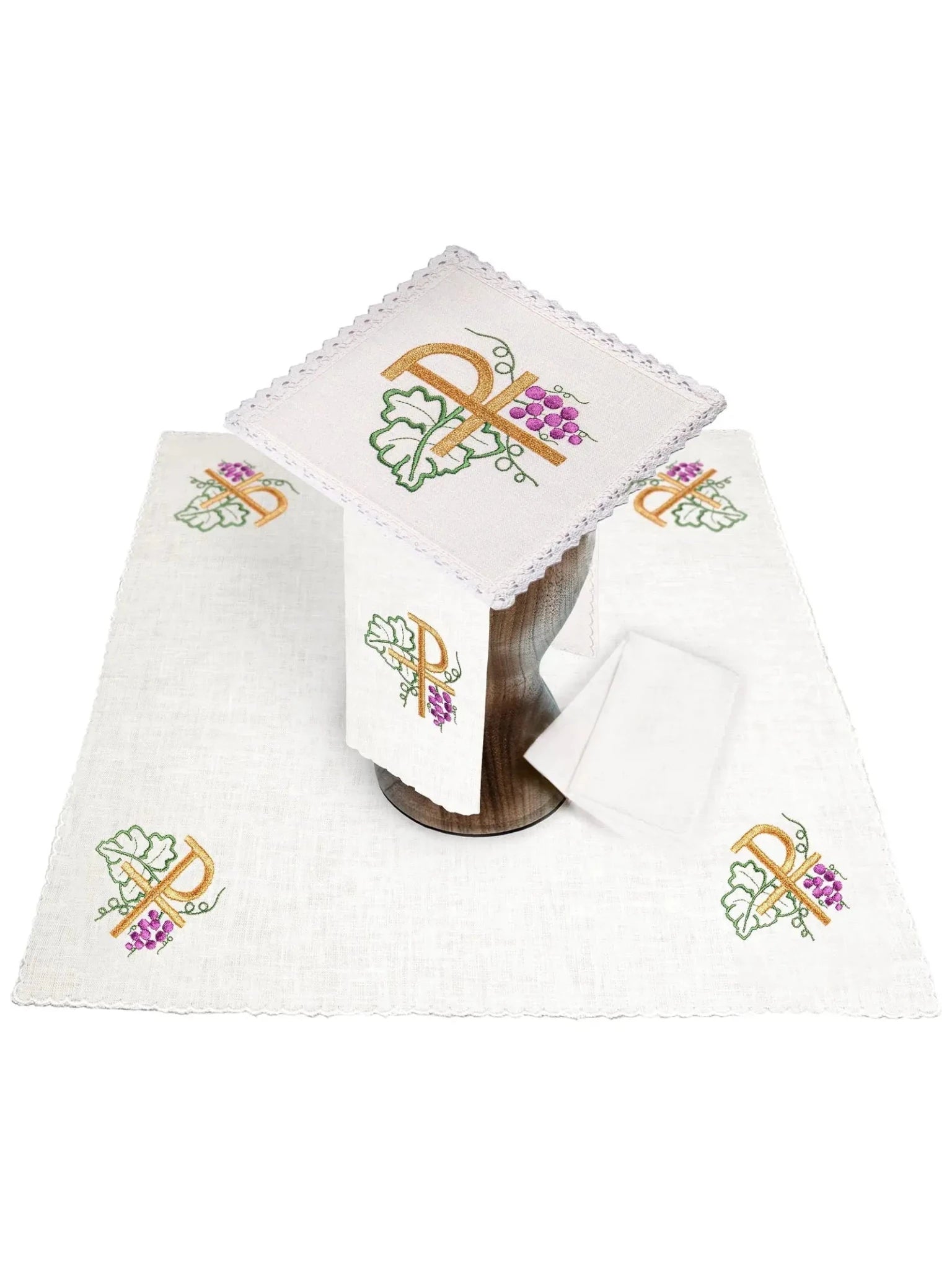
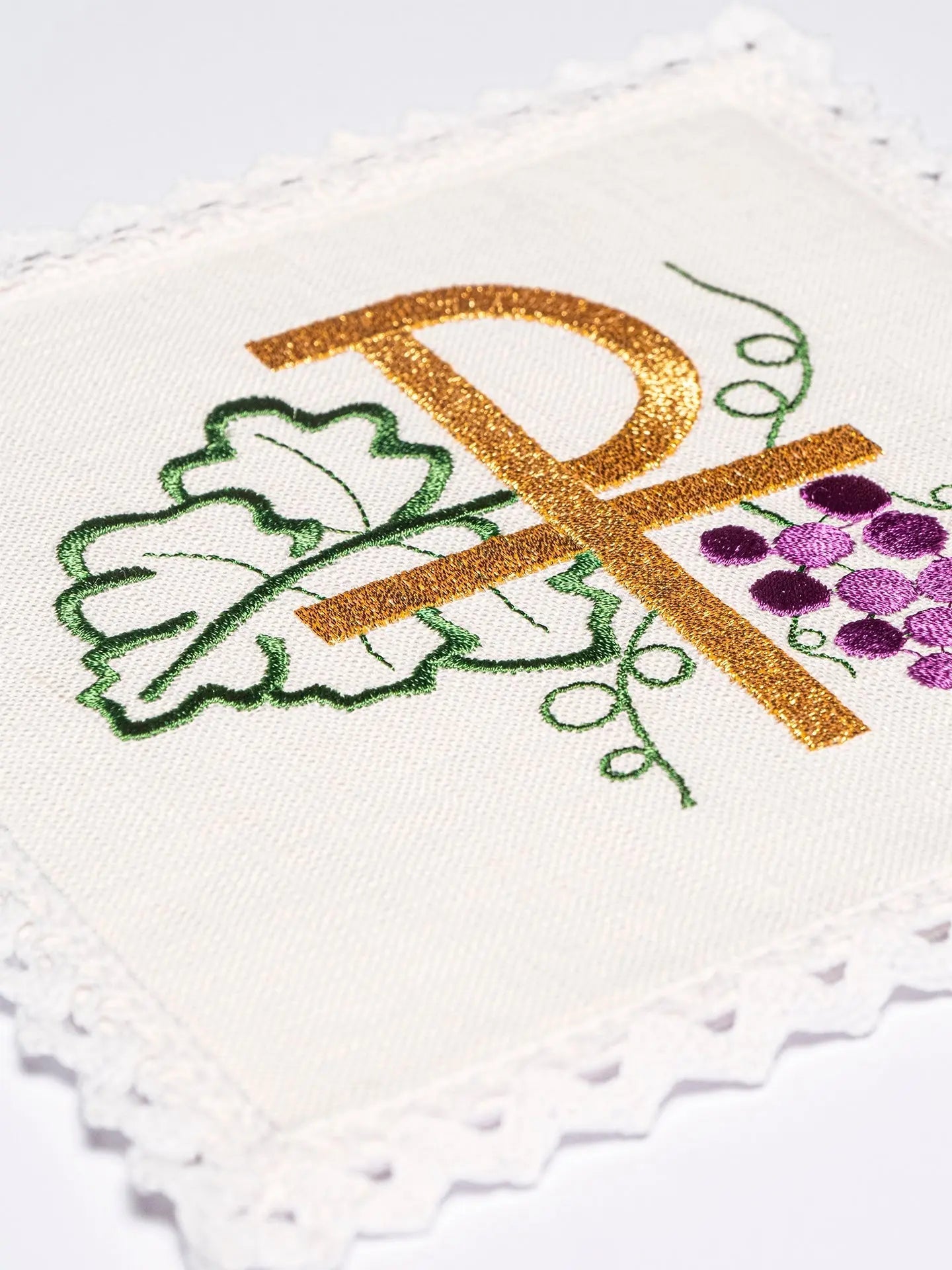
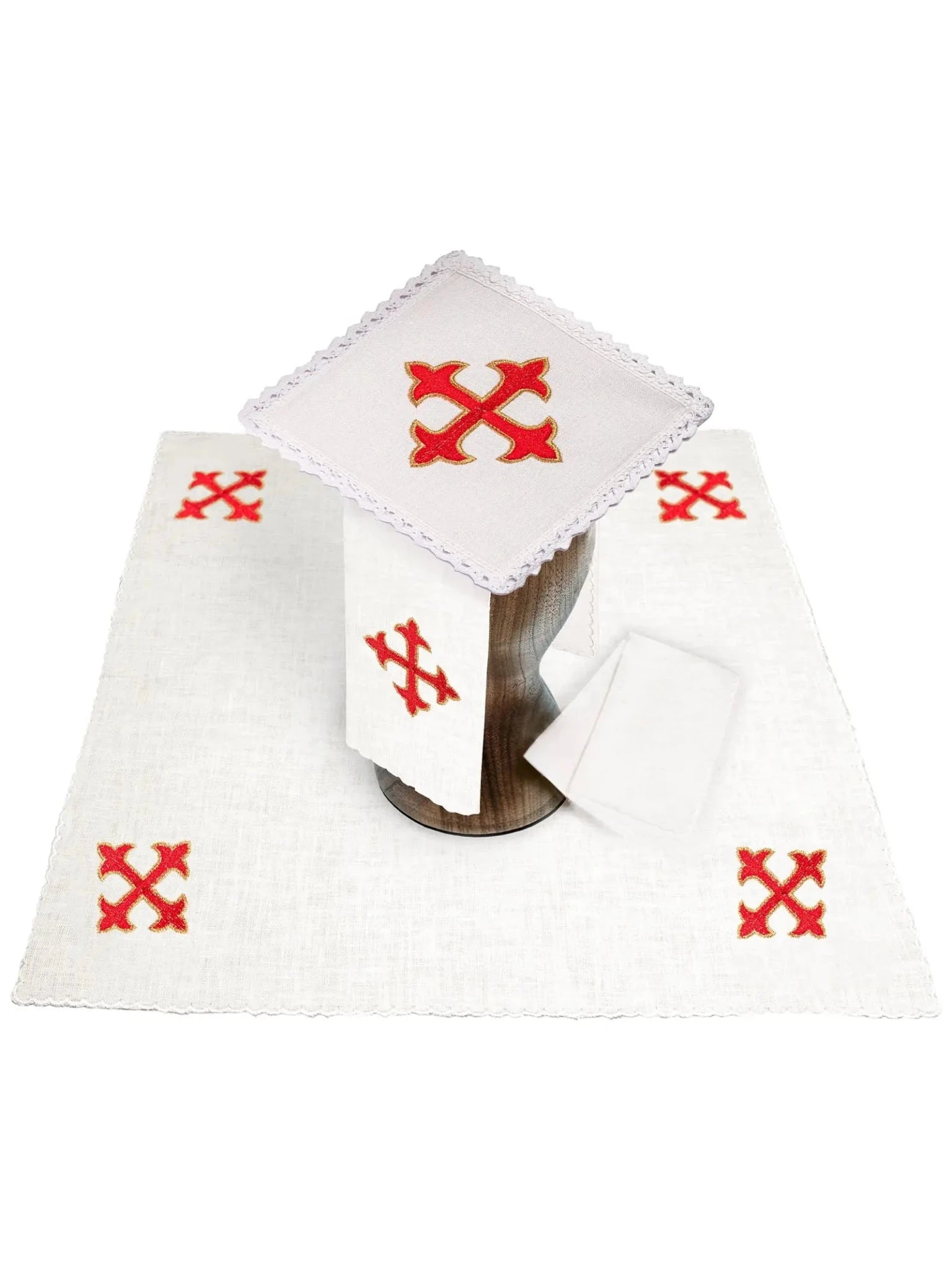
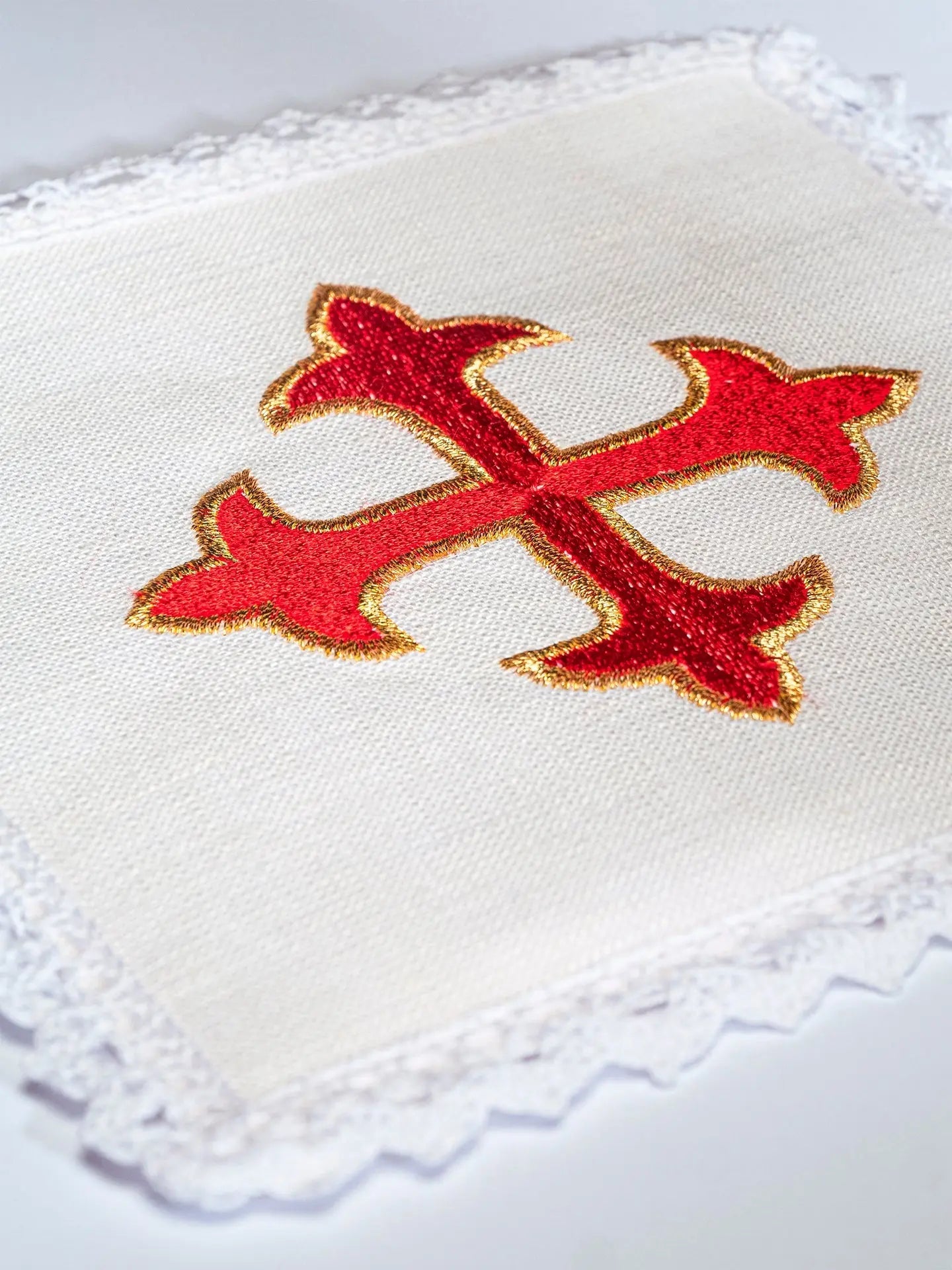
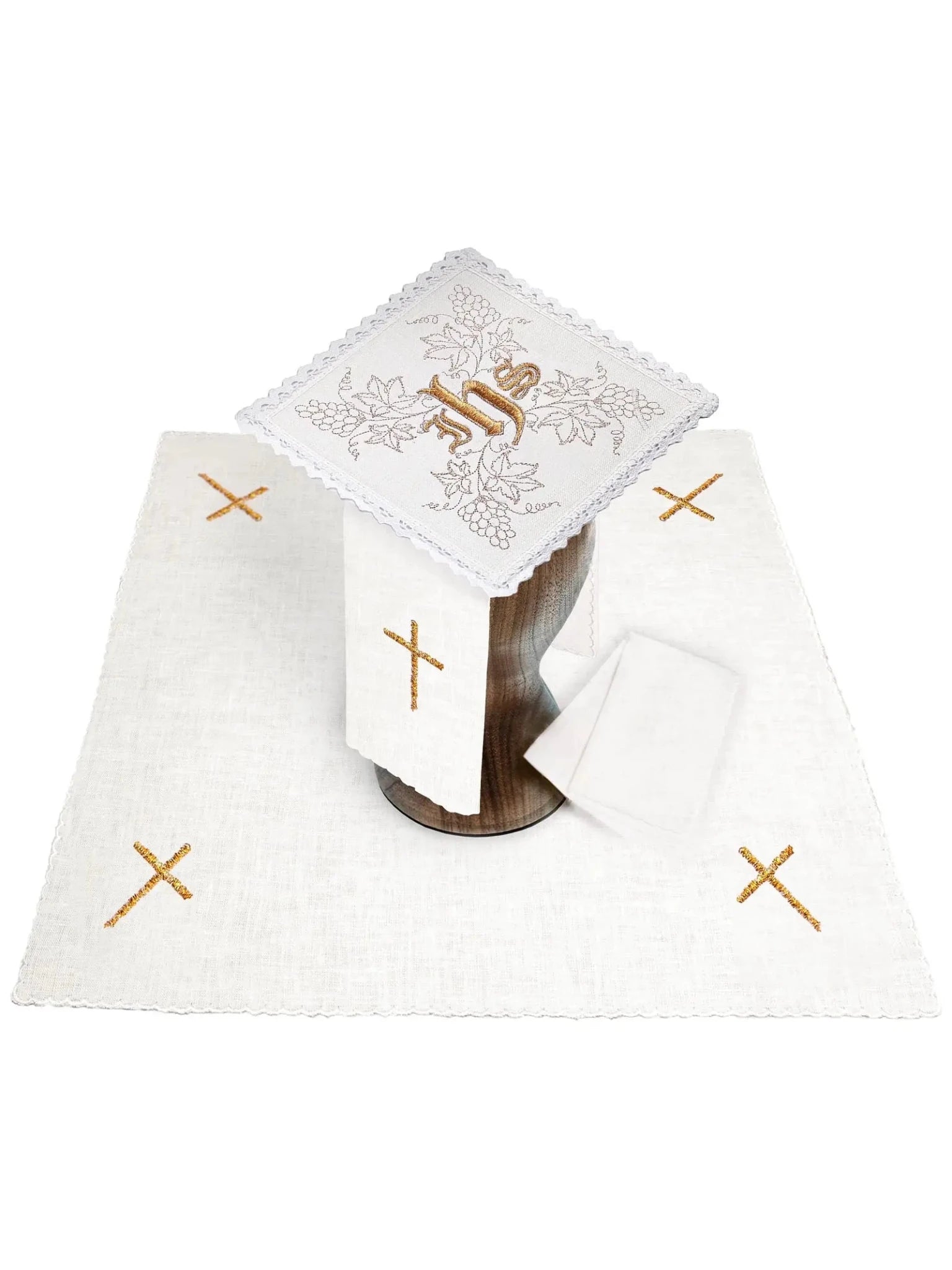
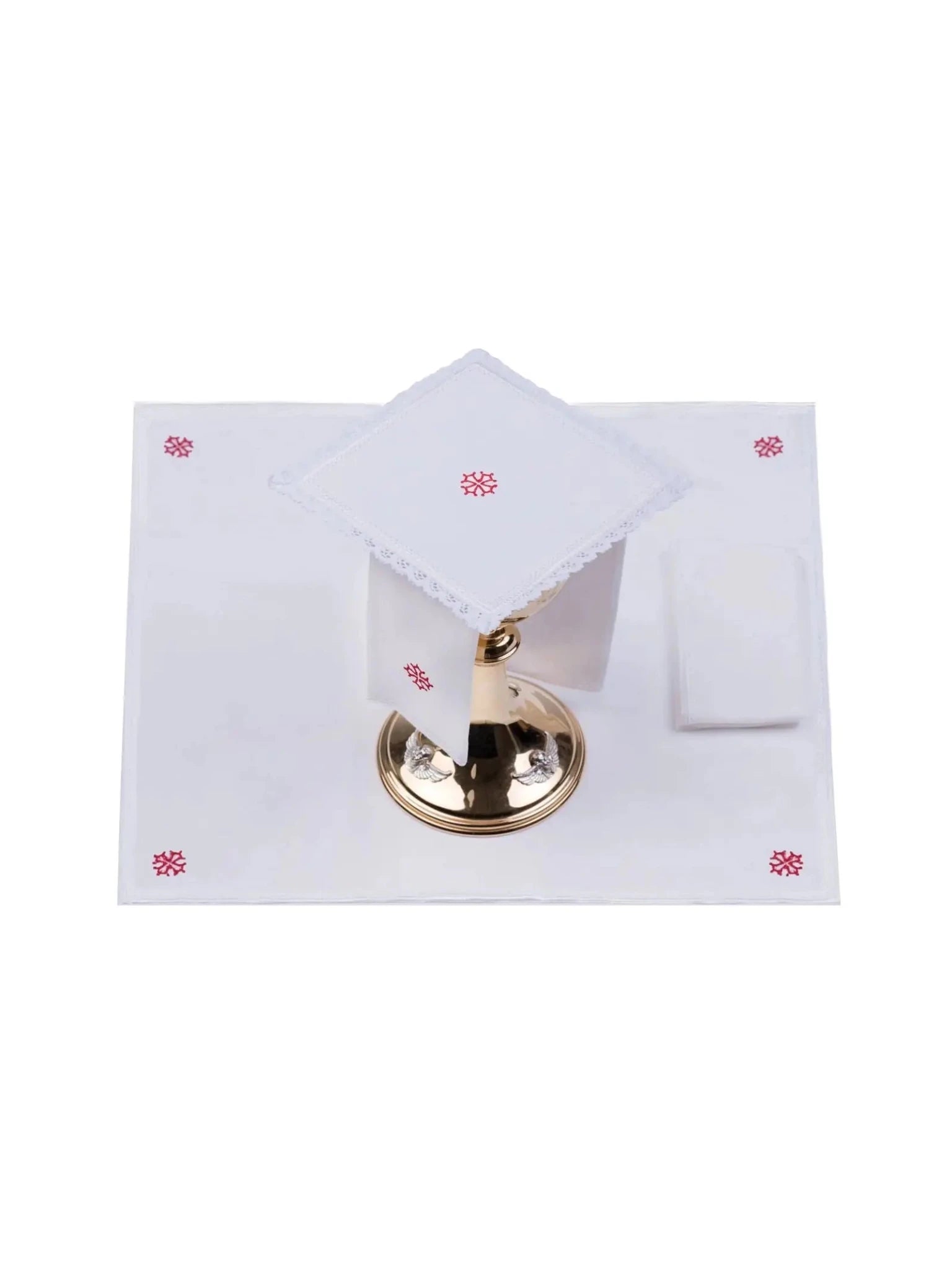
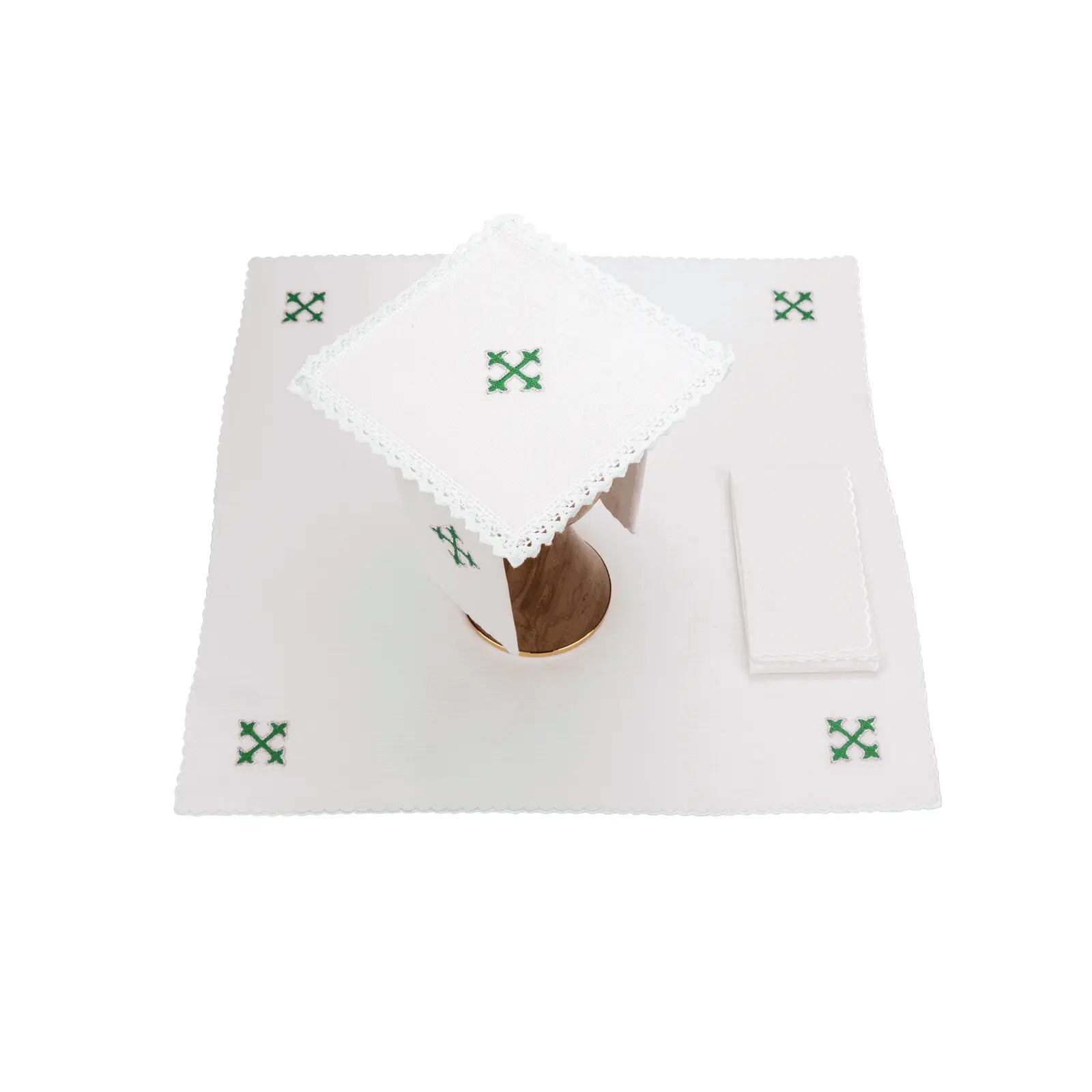
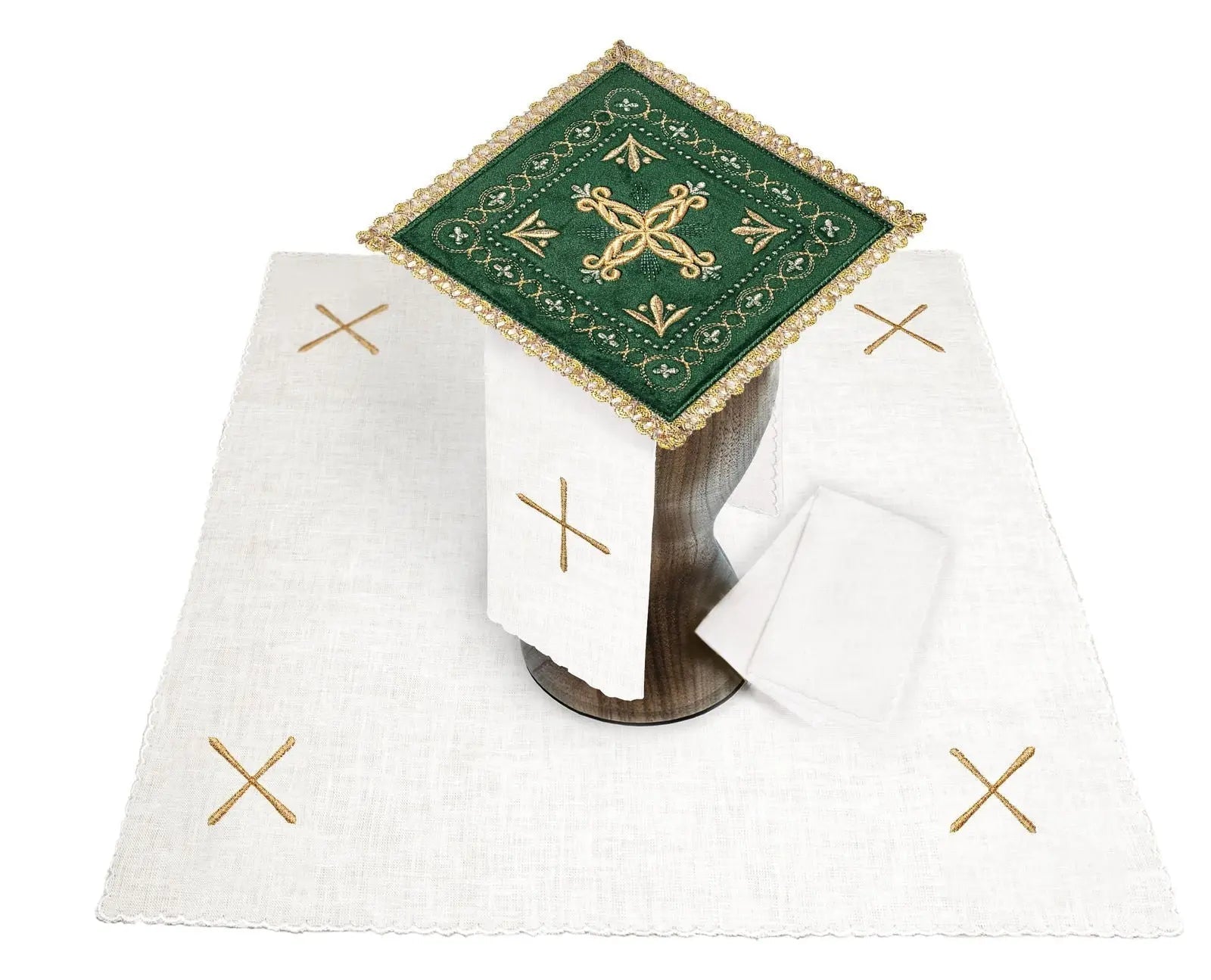
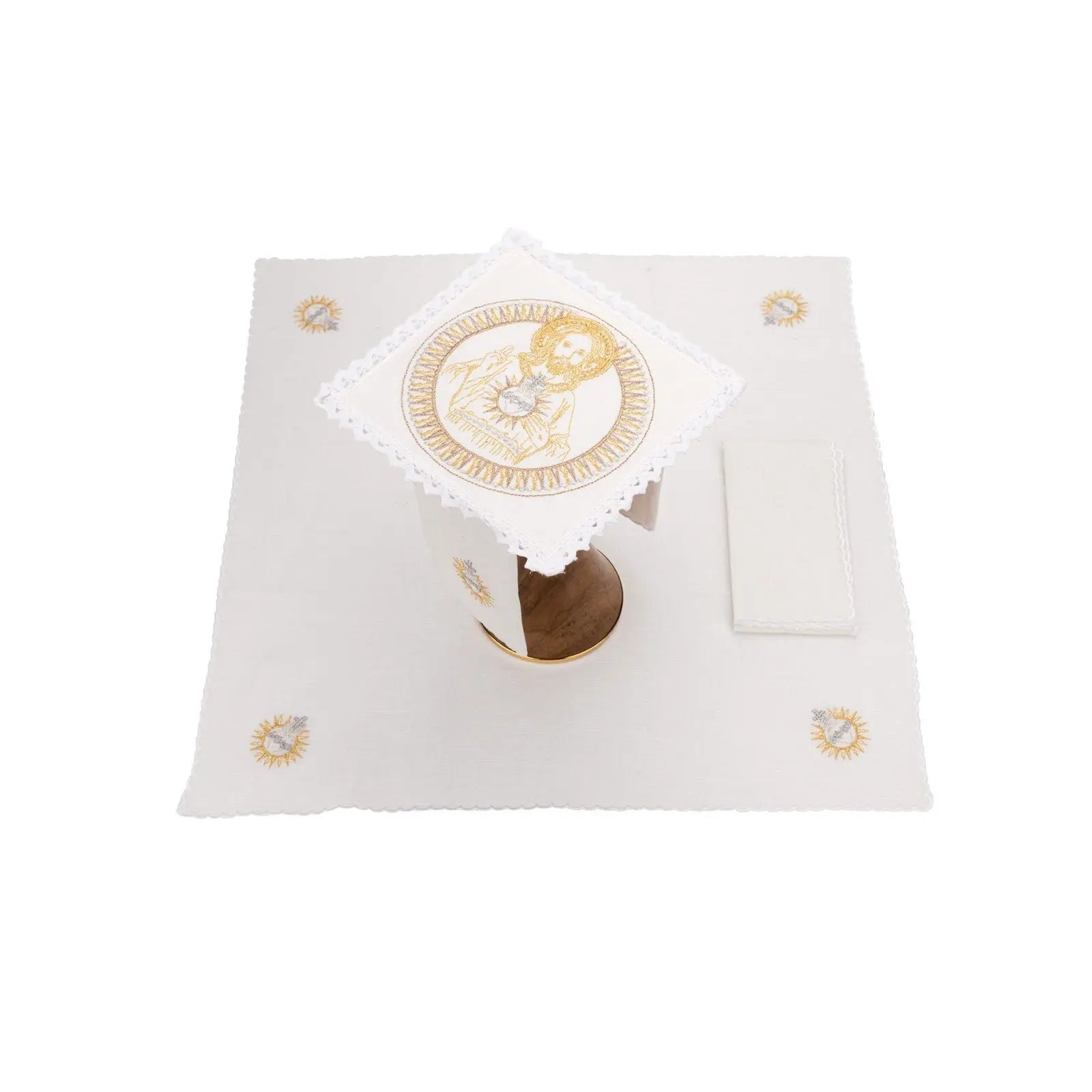
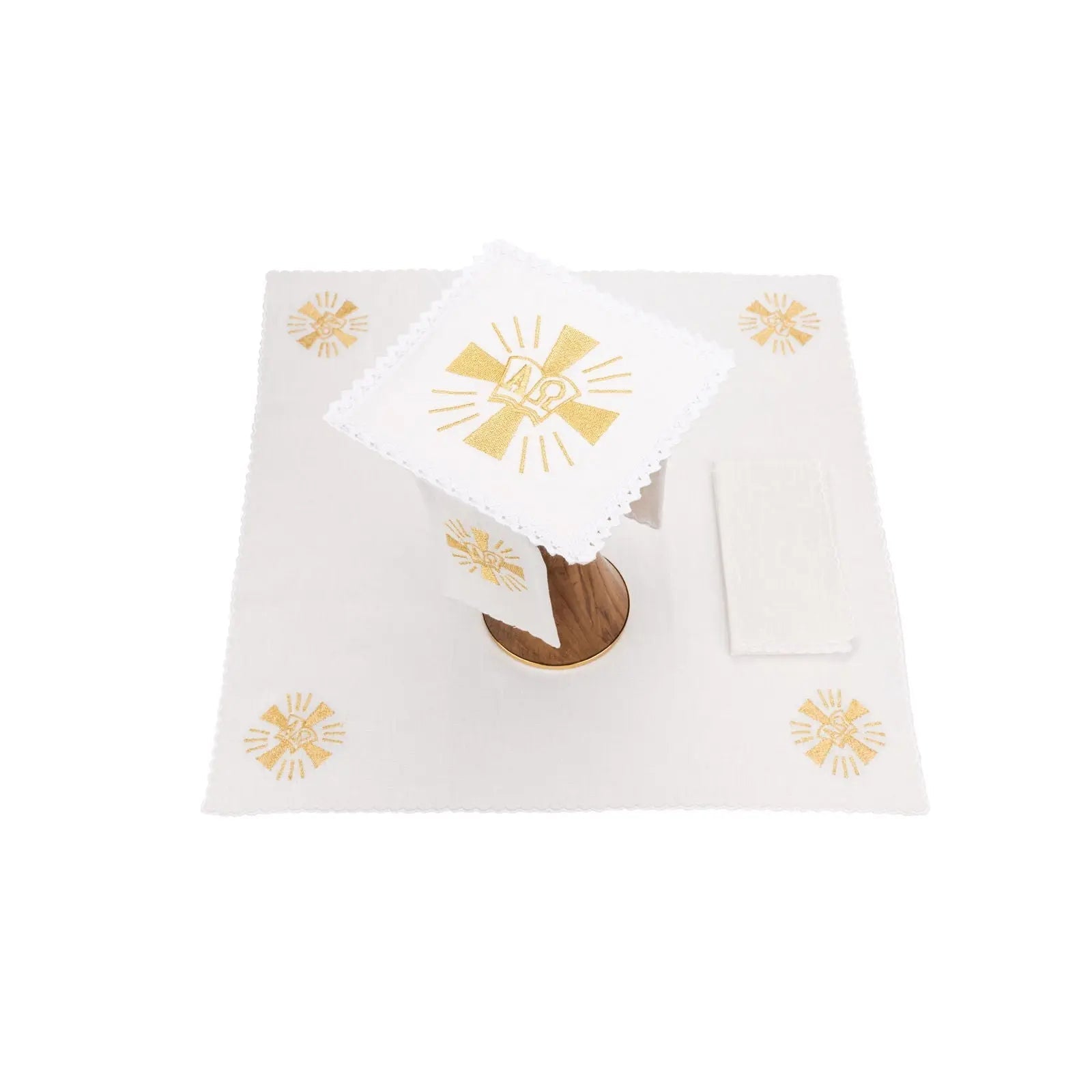

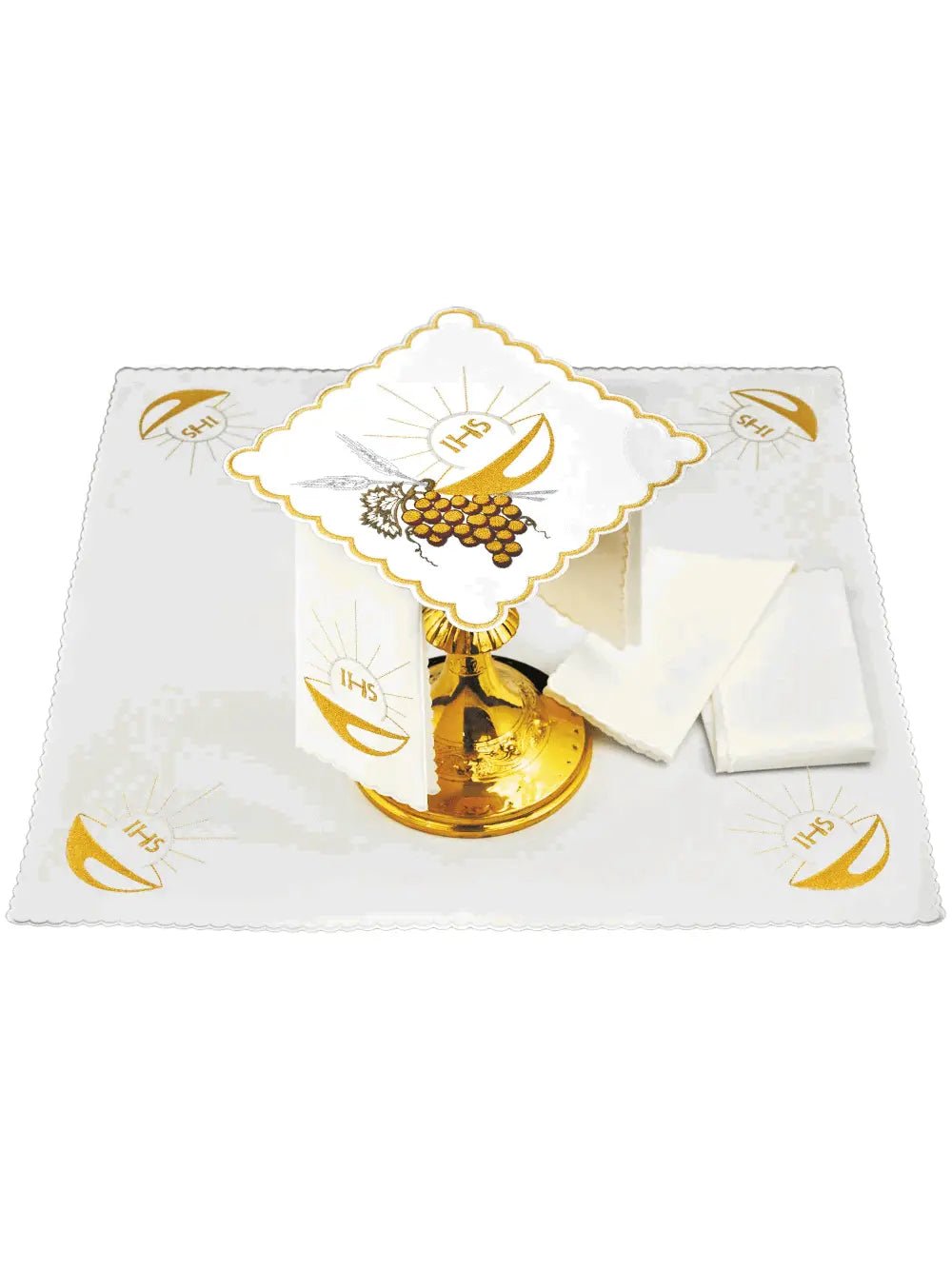
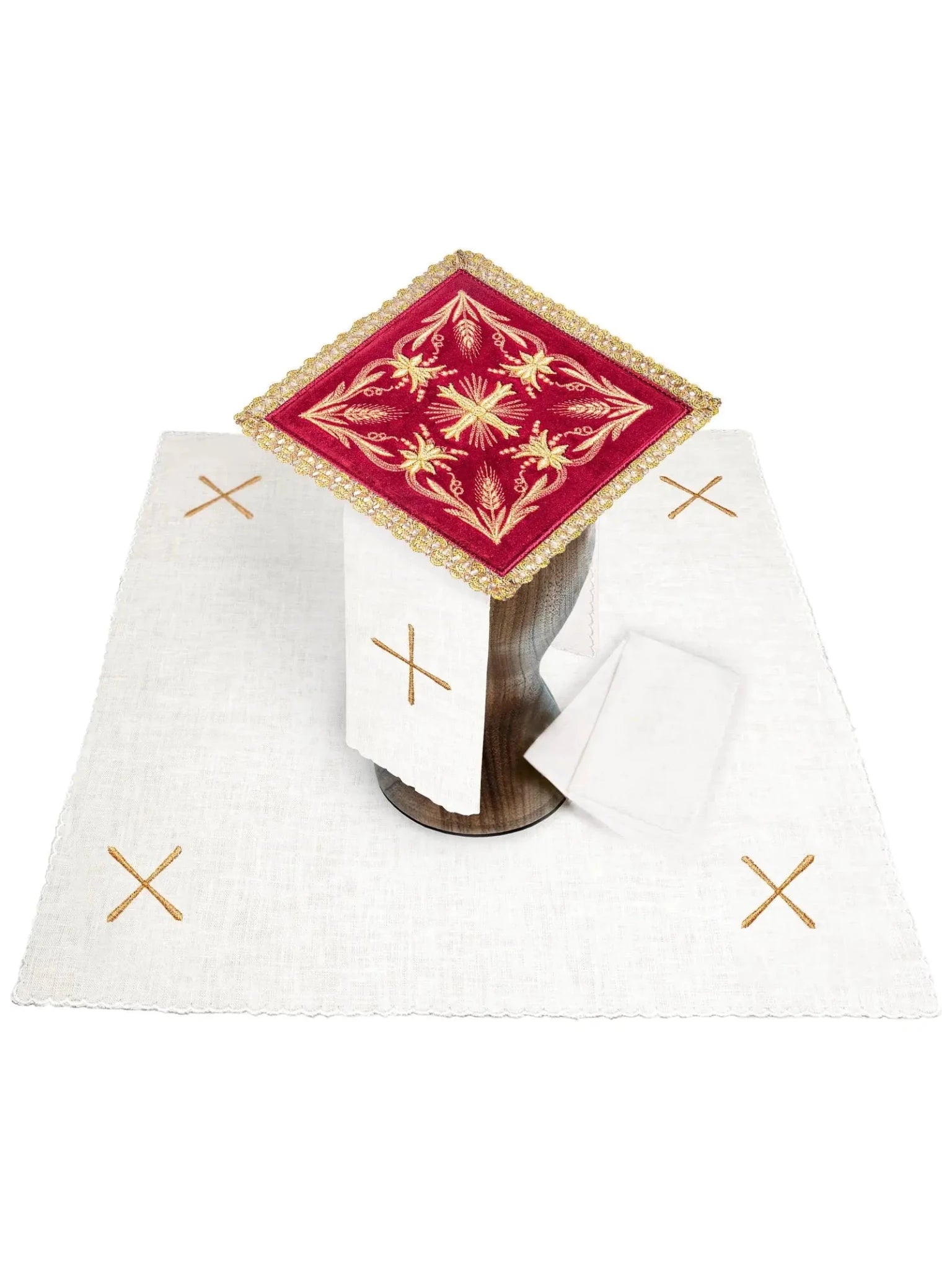
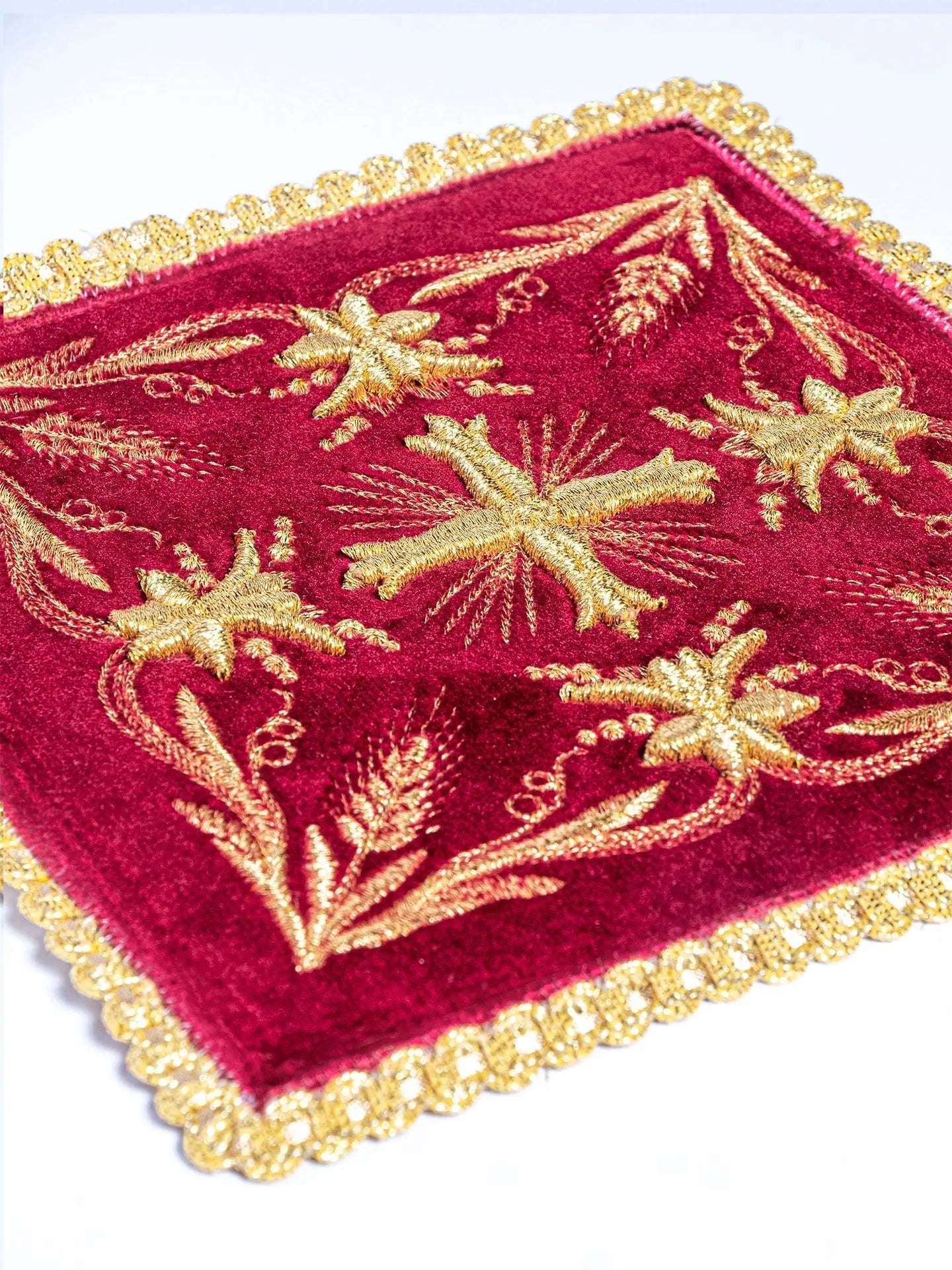
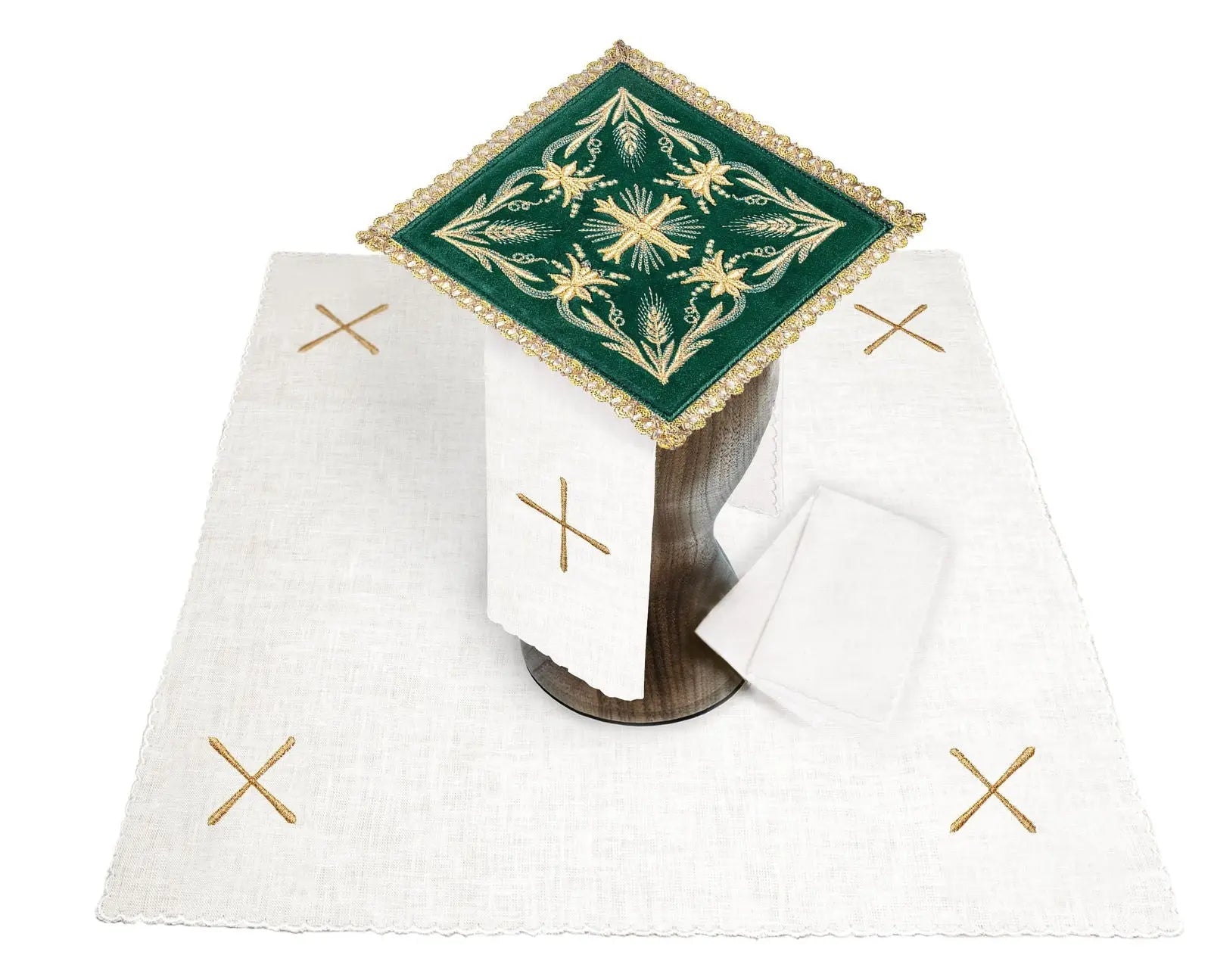
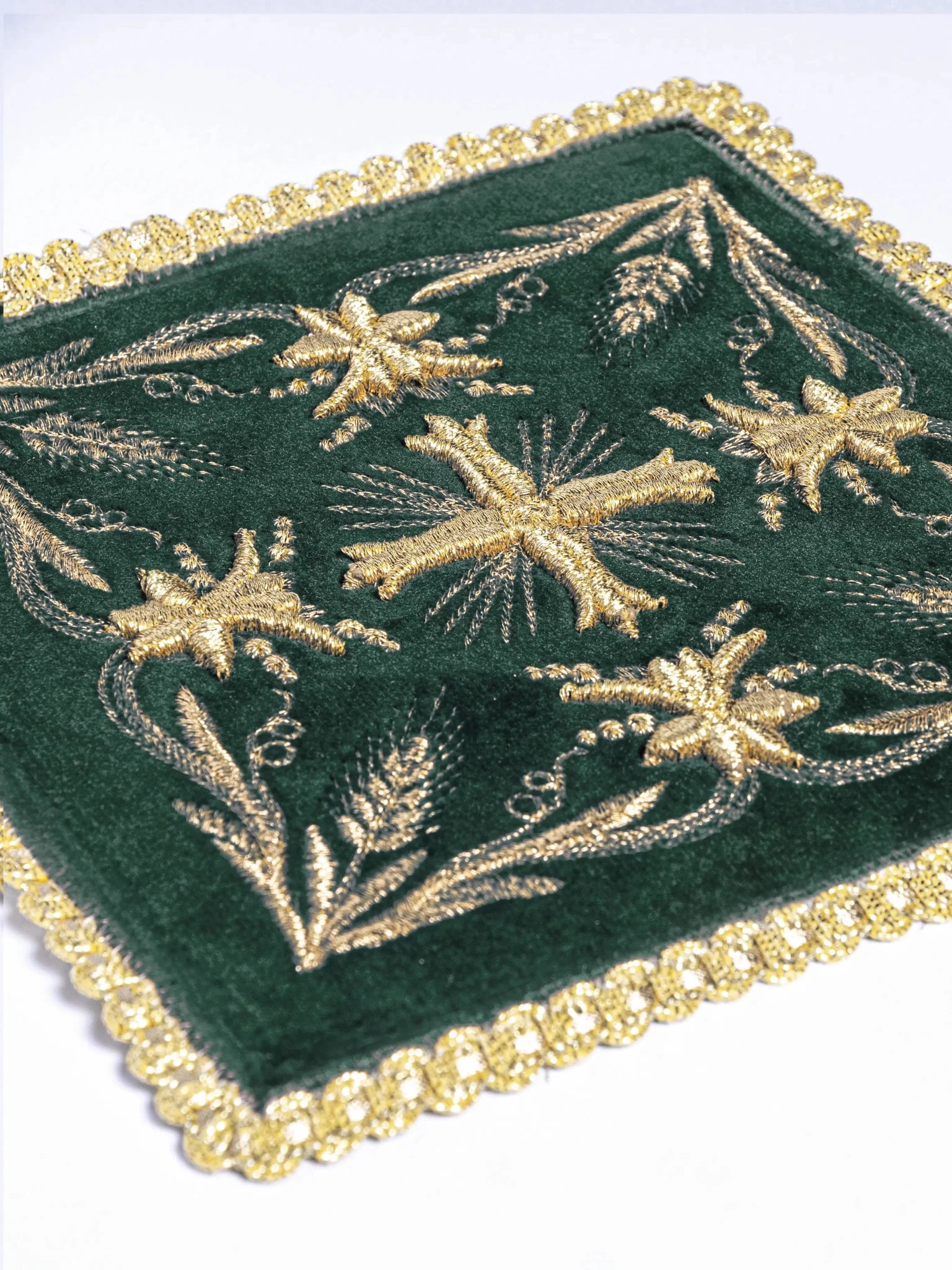
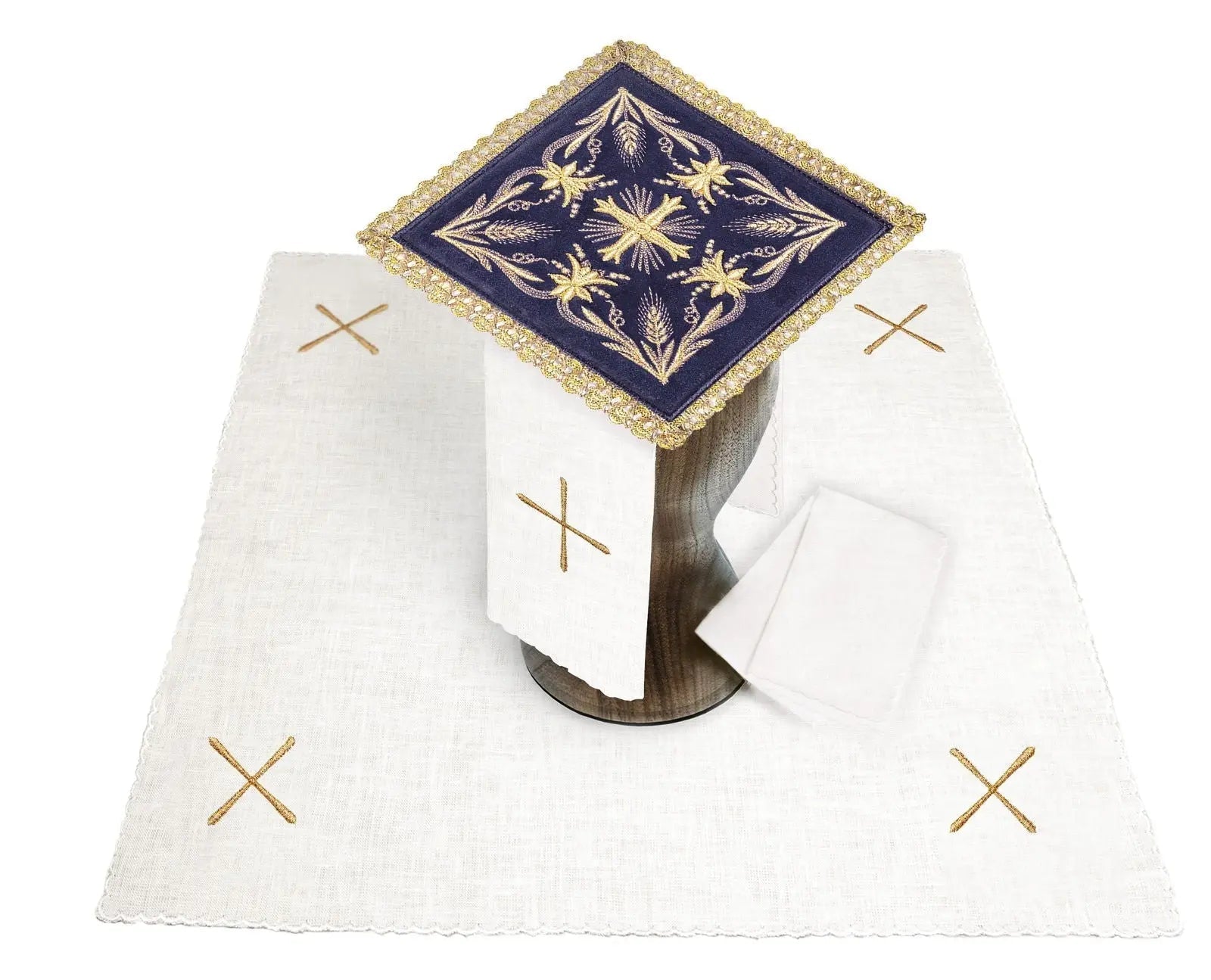
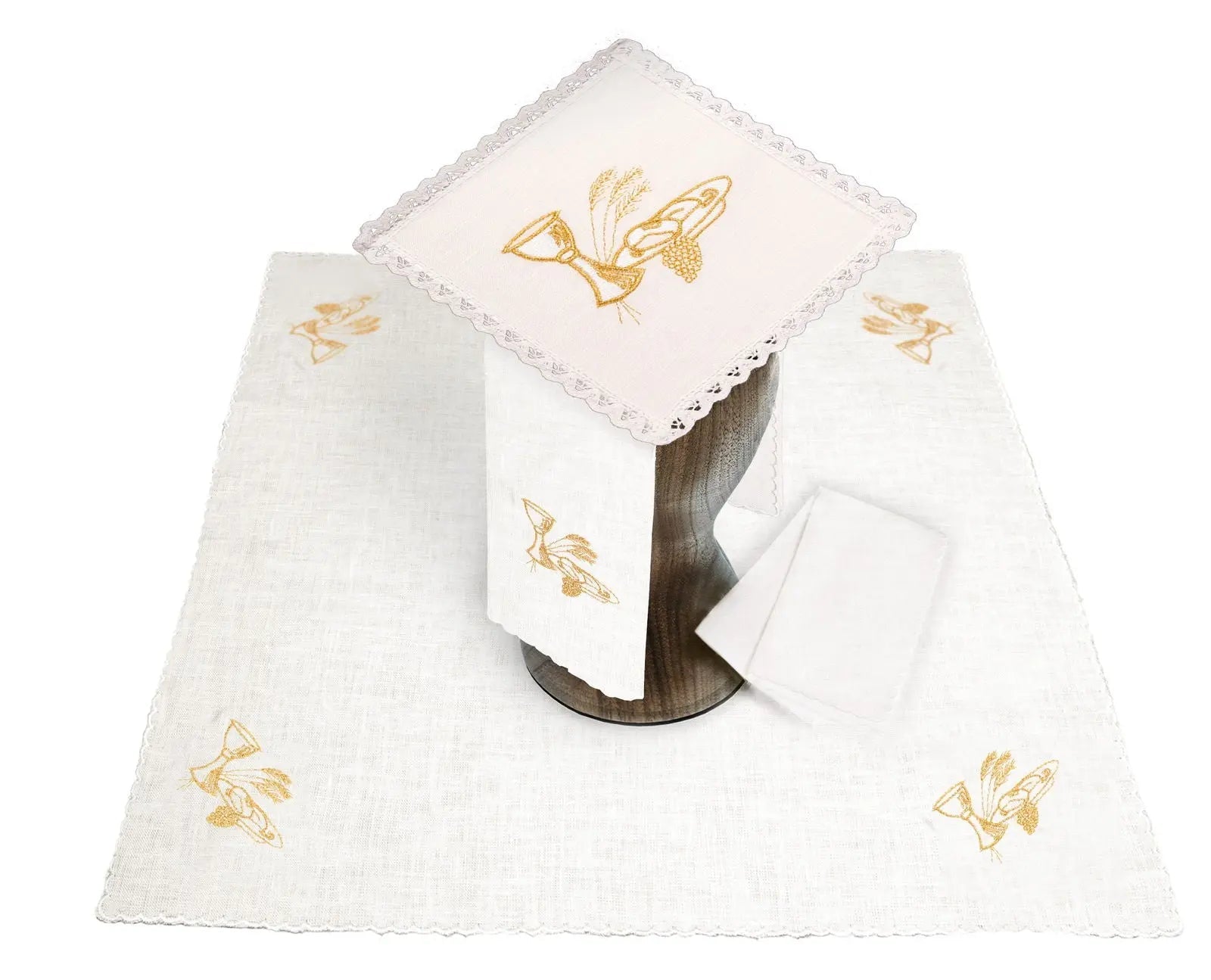
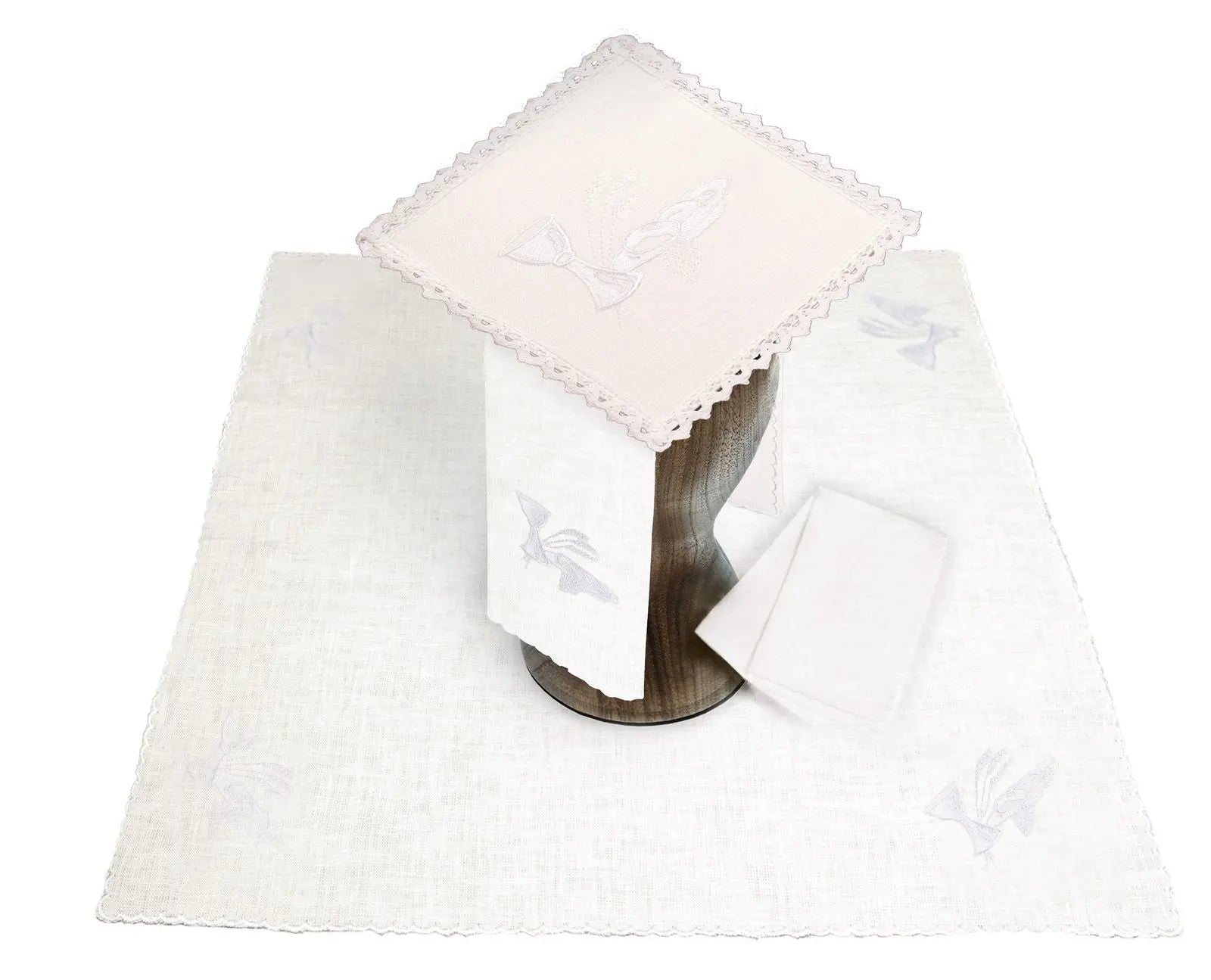
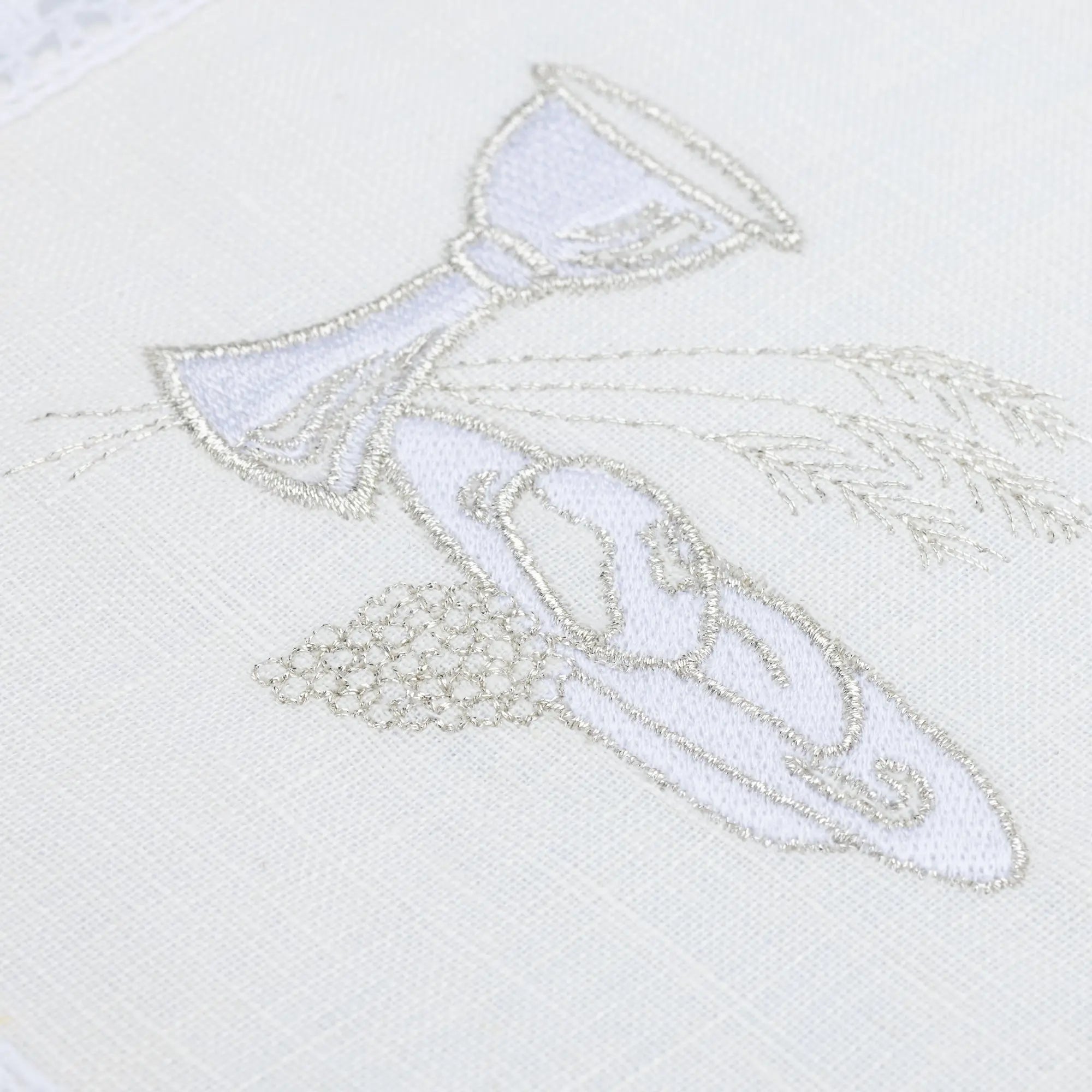
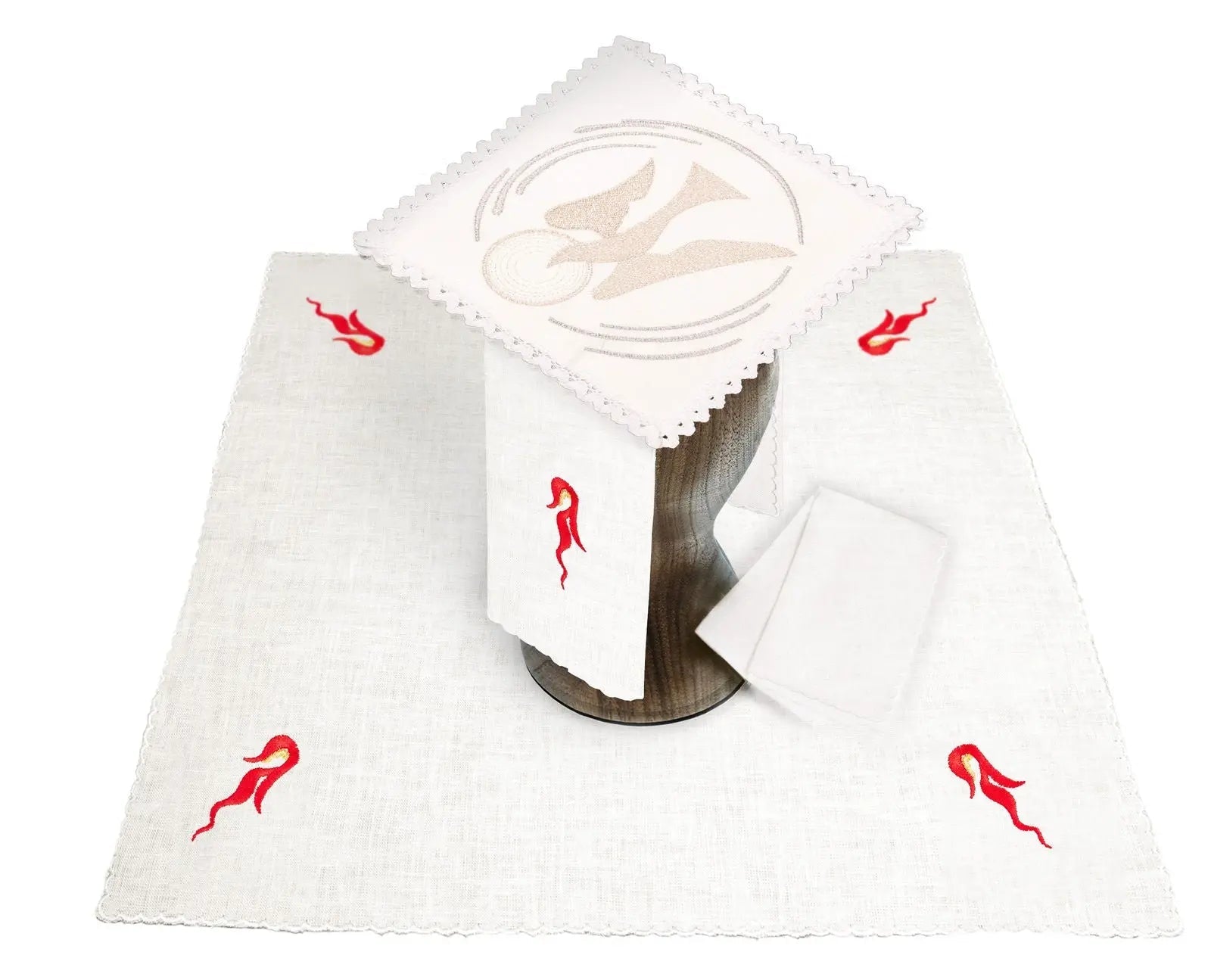
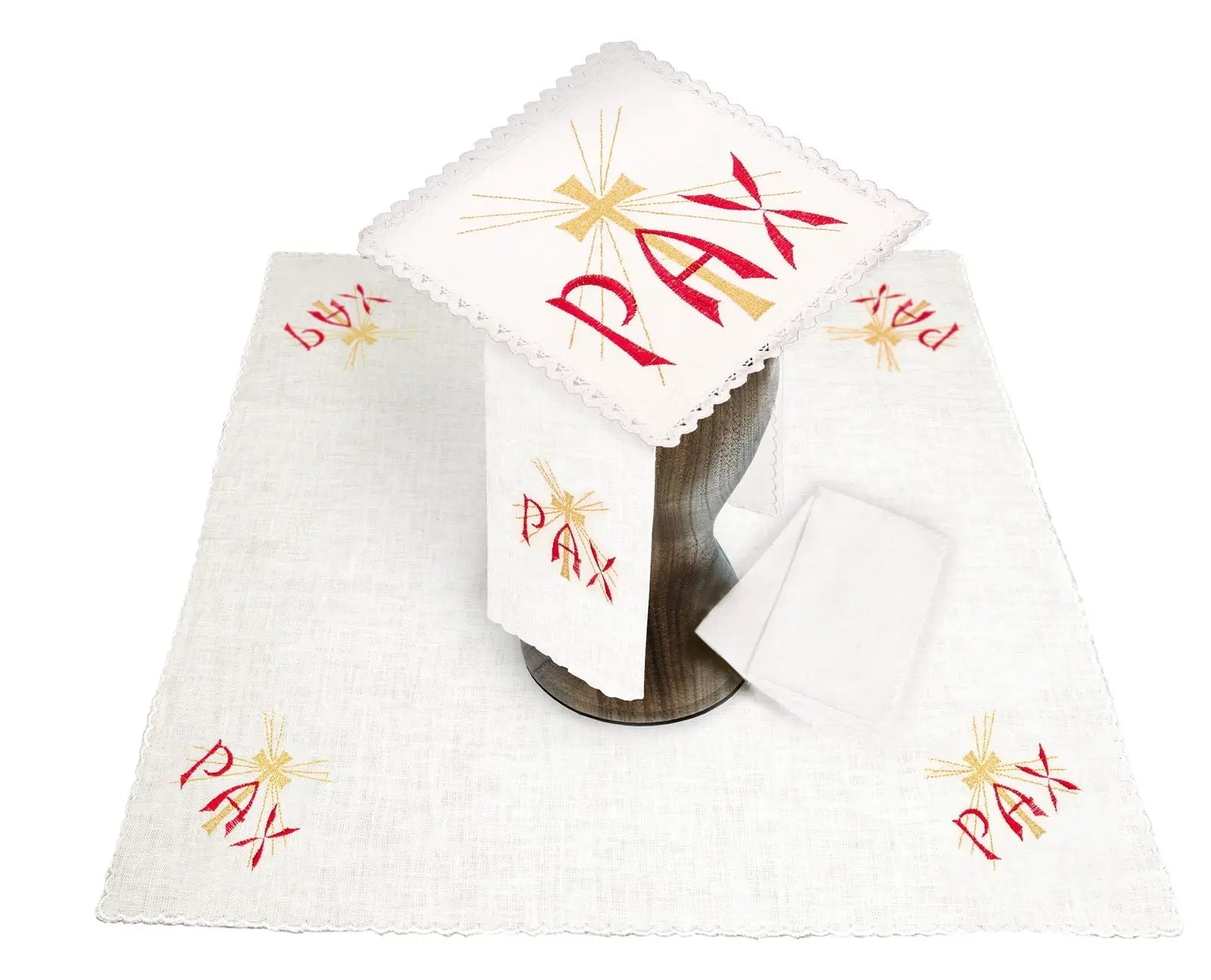
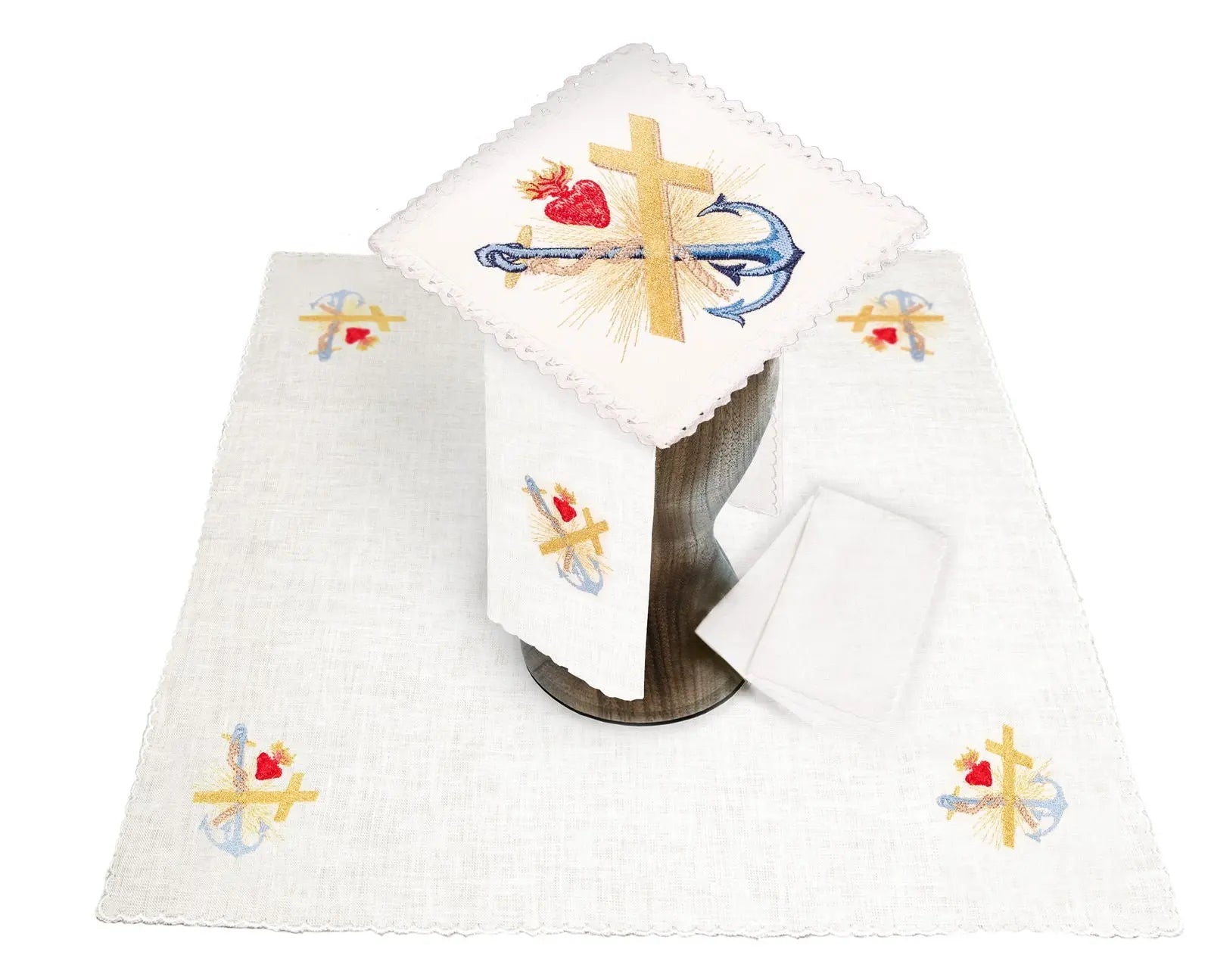
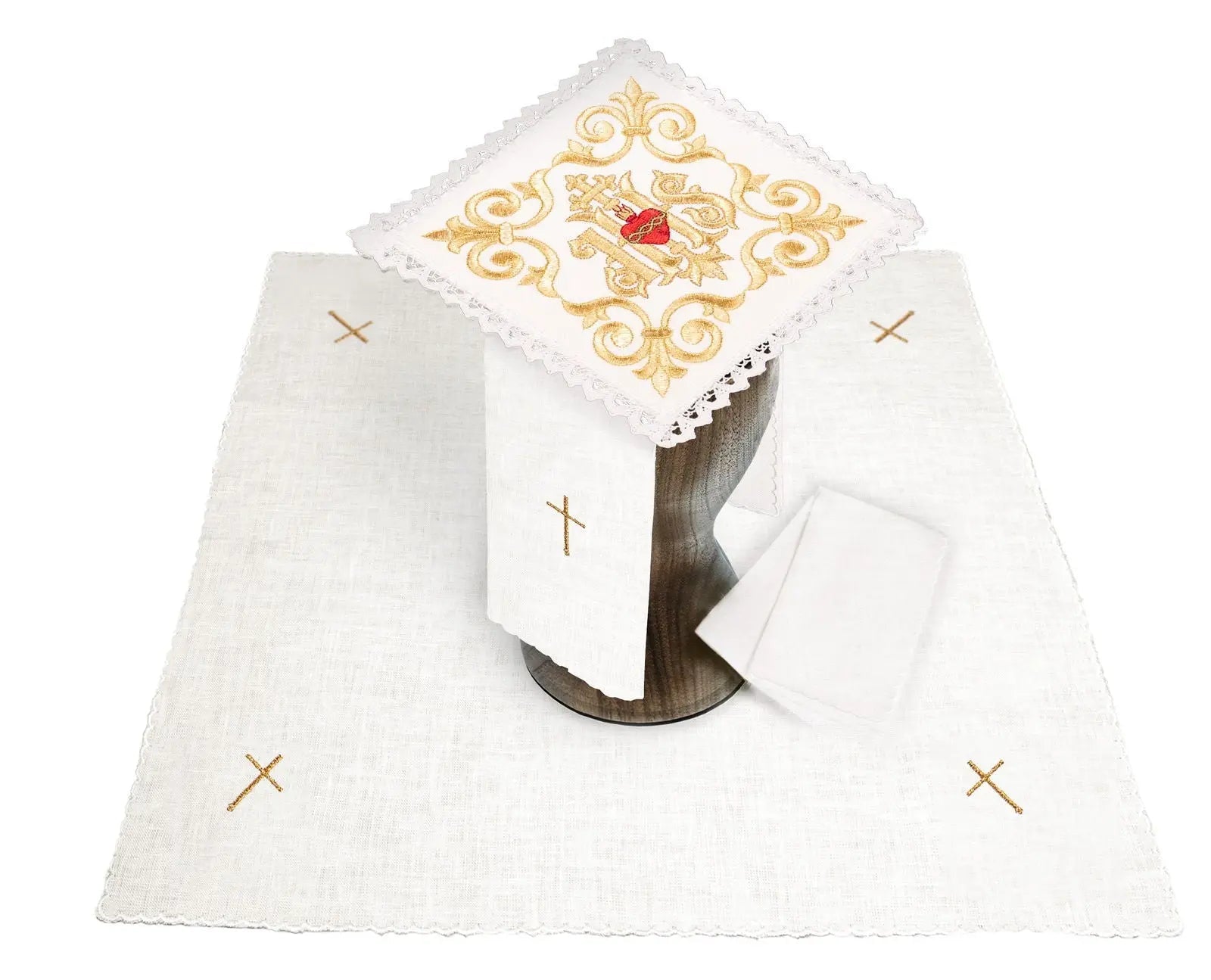
Linen Chalice Sets for the Celebration of Mass
Linen chalice sets belong among the most important small altar linens used in the Roman Catholic liturgy. Although they are modest in size, they serve directly at the altar during the celebration of the Eucharist, especially around the chalice, paten, host, and sacred vessels. This collection brings together linen pieces prepared for the reverent handling of the Precious Blood and the consecrated elements: corporals, purificators, palls, and coordinated chalice linen sets intended for parish churches, chapels, religious houses, seminaries, and sacristies.
The purpose of chalice linens is practical, liturgical, and symbolic at the same time. They protect the altar and sacred vessels, assist the priest during the offertory and Communion rites, and help maintain the dignity required wherever the Eucharistic species are placed or handled. In daily parish life these linens are used often, washed often, ironed often, and returned to the sacristy for the next Mass. For that reason, good linen, careful sewing, and well-proportioned dimensions matter just as much as the embroidery itself.
This collection is part of our broader altar linens range and is closely related to other altar textile categories. Churches preparing a complete sacristy set may also need larger altar cloths, decorative altar superfrontals, or coordinated vestments from the liturgical vestments collection. The items on this page, however, are focused specifically on the linens used with the chalice and paten during Mass, not on altar frontals, pulpit textiles, or vestments.
What Belongs in a Linen Chalice Set?
A typical chalice linen set may include a corporal, purificator, pall, and sometimes an additional small cloth or matching embroidered element depending on the design. These items are often purchased together so the sacristy has a consistent set ready for weekday Mass, Sunday Mass, feast days, and solemn celebrations. A coordinated set can also be a thoughtful gift for a newly ordained priest, a chapel, a convent, or a parish that is renewing its liturgical textiles.
The corporal is the square linen cloth spread on the altar during the Liturgy of the Eucharist. The chalice and paten are placed upon it, and it helps ensure that any small particles of the consecrated host are treated with proper care. Because of this direct liturgical function, the corporal is not merely decorative. It must fold neatly, lie flat, and retain a clean, dignified appearance after laundering and ironing.
The purificator is used by the priest to wipe the chalice and for purification connected with the reception of Communion. It should be absorbent, smooth to the touch, and easy to launder. In many sacristies purificators are the most frequently used pieces of chalice linen, so durability and simple, reliable finishing are essential. Subtle embroidery, such as a small cross or Eucharistic symbol, can mark the cloth as sacred without interfering with its purpose.
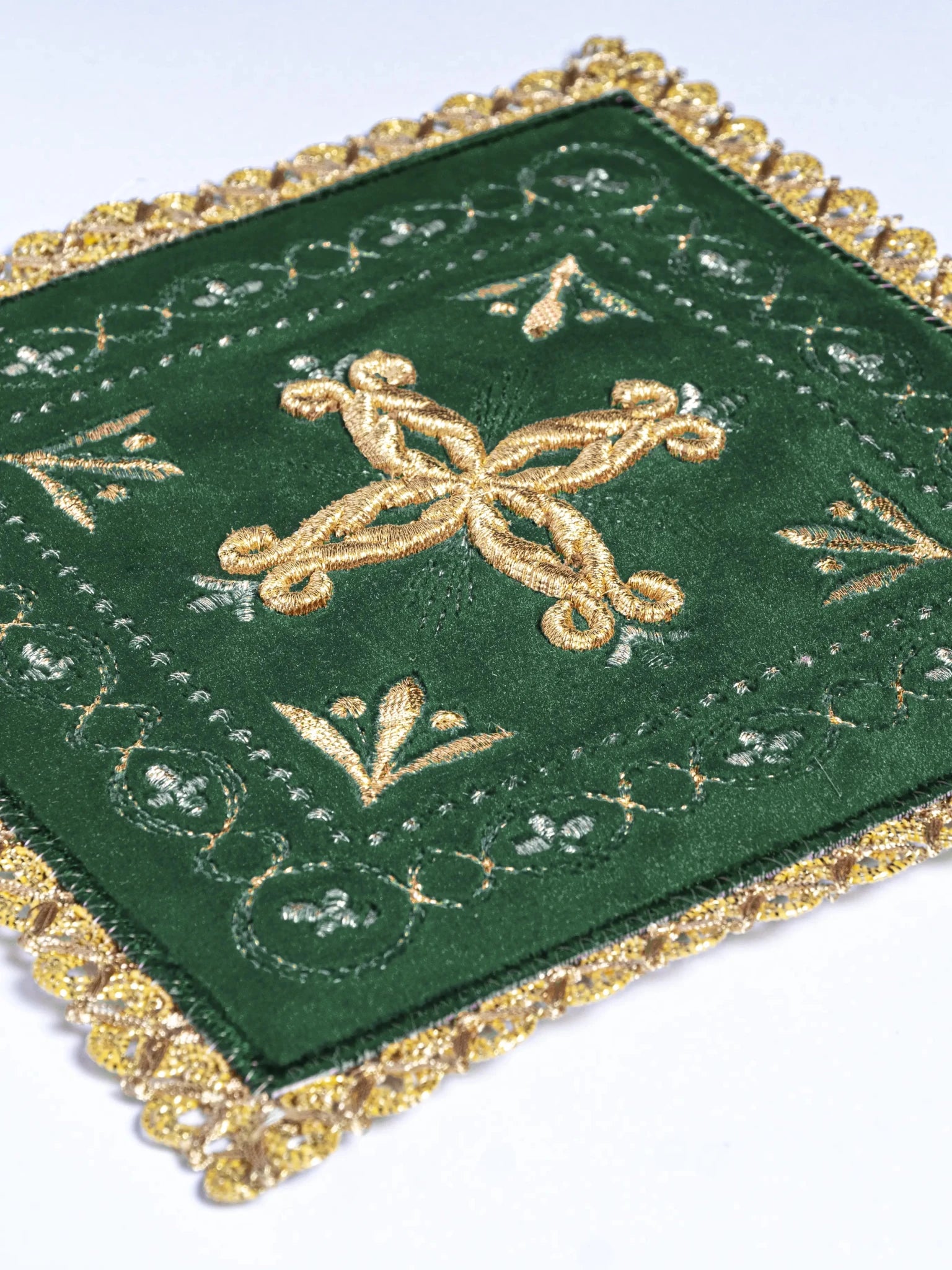
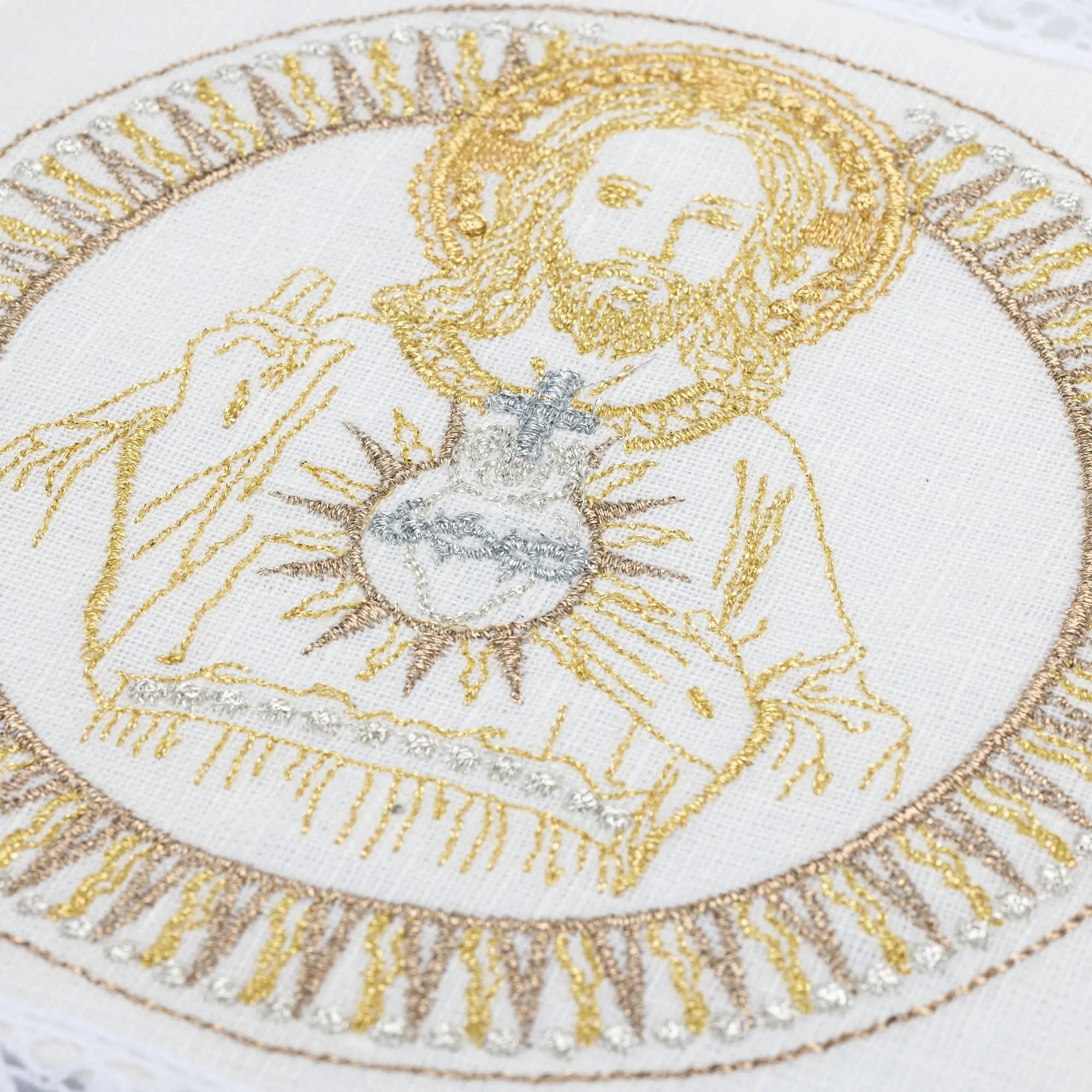
The pall is the stiffened square used to cover the chalice. It helps protect the contents of the chalice during the celebration and gives the prepared chalice a finished liturgical appearance. Palls are often more visibly decorated than purificators or corporals, so embroidery, symbolic motifs, Marian elements, or Eucharistic designs are especially common on them. Churches that need more options focused specifically on this piece can also browse our chalice pall sets.
Why Choose Linen for Chalice Linens?
Linen has a long place in Christian liturgical tradition because it is a natural, strong, and dignified fabric. In altar use it is valued for its clean appearance, absorbency, and ability to become softer with proper use while still keeping a crisp form when ironed. White or ecru linen visually supports the symbolism of purity and reverence, especially when used close to the Eucharistic vessels. For churches that prefer a different fabric for practical or decorative reasons, related options are available in cotton chalice sets and velvet chalice linens.
The choice between linen, cotton, and velvet depends on the sacristy’s needs. Linen is the traditional choice for corporals and purificators because it combines durability with absorbency and a refined texture. Cotton can be practical for frequent use and easier maintenance. Velvet is usually selected more for visual richness, especially when the pall or outer decorative elements are the main focus. This collection is for churches and clergy who want the traditional linen character and a clean liturgical appearance around the chalice.
Liturgical Use During Mass
Chalice linens are used most visibly during the Liturgy of the Eucharist. The corporal is unfolded on the altar before the sacred vessels are arranged. The chalice and paten are then placed in relation to it, and the purificator remains ready for the priest’s use. The pall covers the chalice when needed. These actions are quiet and orderly, but they are part of the sacred discipline of the Mass. Proper linens help the celebrant and servers carry out the rites with calm precision.
Because these pieces are handled directly in the sanctuary, they should be kept separate from ordinary household or decorative textiles. Sacristans usually maintain a dedicated system for washing, drying, ironing, folding, and storing chalice linens. A well-prepared set helps avoid disorder before Mass and makes it easier to replace soiled pieces between celebrations. Parishes with several daily Masses may keep multiple sets ready, while smaller chapels may choose fewer sets of higher quality and maintain them carefully.
For solemnities and devotional celebrations, the visual language of the linen set can be coordinated with the season, feast, or church dedication. A simple cross may suit daily Mass, while richer embroidery may be chosen for Corpus Christi, First Communion, parish feast days, or Eucharistic adoration connected with the Mass. When Eucharistic devotion is central to the celebration, related collections such as chalice veils and ciborium veils may help complete the arrangement of the sacred vessels without confusing the different functions of each textile.
Embroidery, Symbols, and Style
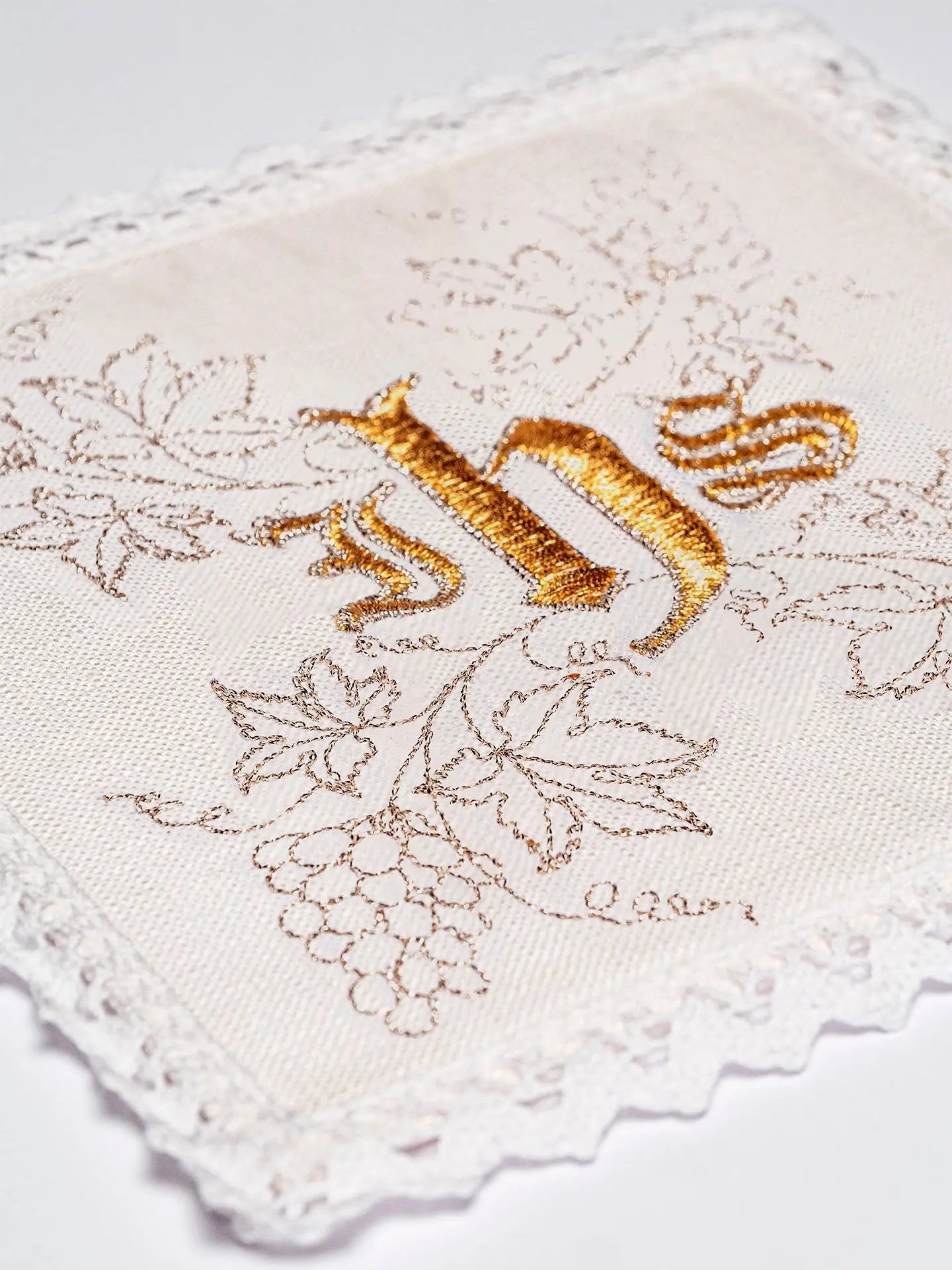
Embroidery on chalice linens should support the sacred function of the cloth rather than dominate it. Common motifs include a small cross, IHS monogram, Eucharistic grapes and wheat, chalice imagery, or Marian symbols. The scale of the design is important: a pall can carry a more visible motif, while a purificator usually benefits from a smaller and simpler emblem. Corporals should remain practical, fold cleanly, and not become bulky because of heavy decorative work.
For Marian feasts, shrines, and chapels dedicated to the Blessed Virgin Mary, a specialized set may be especially appropriate. In that case, our Marian chalice sets can be a better match than a plain everyday set. Churches that coordinate colors across many altar textiles may also consider colored chalice linens, while this linen collection remains a strong choice for traditional white or ecru sets used across much of the liturgical year.
The best style depends on the altar, the vessels, and the surrounding vestments. A highly ornate chalice may be paired with a simpler pall so the whole preparation does not look crowded. A plain chalice may benefit from a more decorative pall, especially for solemn celebrations. In a modern chapel, clean lines and minimal embroidery can look more coherent; in a historic church, traditional Eucharistic motifs may harmonize better with the sanctuary.
How to Choose the Right Linen Chalice Set
Start by considering how often the set will be used. A parish with multiple daily Masses needs durable linens that can withstand frequent laundering and ironing. A chapel used mainly for Sunday Mass may choose a more decorative set for principal celebrations and keep simpler linens for ordinary use. Religious communities and retreat houses often benefit from several identical or similar sets so the sacristy remains easy to manage.
Next, check the composition of the set. If your sacristy already has enough purificators but needs fresh palls, the dedicated pall collection may be more suitable. If you are replacing worn items across the sacristy, a complete linen set provides visual consistency and reduces the risk of mismatched pieces. For a gift, a complete set is usually more meaningful because it is immediately usable and visibly intentional.
Pay attention to the level of decoration. Daily-use linens should be beautiful but practical. Embroidery should not make folding difficult or create uneven surfaces where the cloth needs to lie flat. For solemn occasions, a more elaborate pall can carry a strong Eucharistic or Marian symbol while the corporal and purificator remain simpler. This balance respects both beauty and function.
Finally, think about how the set relates to the rest of the sanctuary. Chalice linens are small, but they are seen close to the altar and sacred vessels. They should harmonize with altar cloths, vestments, and the general style of the church. A coherent set of altar textiles helps the celebration look prepared and reverent rather than improvised.
Care and Sacristy Maintenance
Good care extends the life of linen chalice sets and preserves their dignified appearance. Linens used in connection with the Eucharist should be handled according to the parish’s liturgical practice and the direction of the clergy. After proper initial care, they can usually be washed separately from ordinary laundry with a mild detergent. Harsh chemicals and aggressive bleaching should be avoided, especially on embroidered pieces, because they can weaken the fibers and damage threadwork.
Linen is best ironed while slightly damp so it can regain its crisp shape. Embroidered items should be ironed carefully, often from the reverse side, to protect raised threadwork. Corporals should be folded consistently so they open easily at the altar. Purificators should remain smooth and absorbent. Palls should be kept clean, flat, and protected from pressure that could bend or distort their form.
Storage also matters. A clean sacristy drawer, linen box, or dedicated storage area protects chalice linens from dust and unnecessary handling. It is helpful to separate complete sets from spare purificators or individual palls so servers and sacristans can prepare the credence table quickly. Clear organization prevents last-minute searching and supports the quiet dignity of the liturgy.
Related Altar Linen Collections
This collection focuses on linen chalice sets, but it often works together with several neighboring categories. Larger altar textiles can be found in altar linens and altar cloths. Decorative frontal textiles are separate from chalice linens and should be chosen according to the altar design rather than the chalice itself. Chalice veils and ciborium veils also have distinct functions: a chalice veil covers the chalice, while a ciborium veil is intended for the vessel that holds consecrated hosts. Keeping these categories clear helps parishes buy the right article for the right liturgical use.
When choosing across related collections, consider the whole altar setting. A parish renewing its sacristy may select altar cloths first, then match chalice linens, veils, and palls to the sanctuary’s style. A priest purchasing a personal Mass set may begin with a chalice linen set and add a chalice veil later. A chapel dedicated to Mary may start with Marian embroidery, while a parish focused on Eucharistic adoration may prefer chalice, wheat, grapes, or IHS motifs.
Frequently Asked Questions (FAQ)
What is included in a linen chalice set?
A linen chalice set usually includes the main small linens used around the chalice during Mass, such as a corporal, purificator, and pall. The exact contents can vary by design, so it is worth checking the individual product details before ordering. A complete set is useful when a parish wants matching pieces prepared for one celebration.
Are linen chalice sets suitable for daily Mass?
Yes. Linen is a strong traditional fabric and can be suitable for daily Mass when cared for properly. For frequent use, choose a design with durable finishing and embroidery that does not make laundering or folding difficult. Many churches keep several sets so one can be in use while another is being cleaned and ironed.
How are chalice linens different from chalice veils?
Chalice linens such as the corporal, purificator, and pall are used directly in the preparation and purification of the sacred vessels during Mass. A chalice veil is a separate covering placed over the chalice, usually as part of the prepared chalice arrangement. Both belong near the altar, but they do not have the same function.
Should the pall match the corporal and purificator?
A matching pall creates a unified look and is often preferred for gifts, solemn Masses, and newly prepared sacristy sets. It is not always necessary for every weekday use, but visual consistency helps the altar appear orderly. If the sacristy already has enough linens, individual pall sets may be chosen separately.
Can embroidered chalice linens be used in every liturgical season?
White or ecru linen with a simple Eucharistic symbol can be used broadly throughout the year. More specific motifs, such as Marian embroidery or colored decorative details, may be better suited to particular feasts, dedications, or devotional contexts. For a versatile sacristy, many parishes keep both simple everyday sets and more festive sets.
How should a parish decide between linen and cotton chalice sets?
Linen is often chosen for its traditional character, crisp finish, and strong association with altar use. Cotton can be practical where easy care and frequent laundering are the main priorities. The best choice depends on the parish’s sacristy routine, the number of Masses celebrated, and the desired balance between tradition, maintenance, and appearance.